


News and Views
Premium Supermarket Branding, Store Planning & Retail Design for Commercial Growth






Premium Supermarket Branding, Store Planning & Retail Design for Commercial Growth
Premium supermarket branding is no longer simply about creating an attractive store. For senior management, the more important question is how brand positioning, store planning, customer experience and investment decisions work together to create a retail format that is distinctive, commercially productive and scalable.
A premium supermarket needs to give customers a compelling reason to choose it while giving management a format that can be implemented consistently, operated efficiently and measured against clear commercial objectives.
This article focuses specifically on premium supermarket branding: how management teams can turn a premium brand proposition into a scalable supermarket format through brand strategy, store planning, retail design and implementation.
CampbellRigg connects these disciplines through premium supermarket branding, supermarket brand strategy, format planning, store design, customer experience, visual merchandising and retail implementation.
The objective is straightforward: turn retail strategy into a physical network that customers value and management can measure.
From launching a new premium supermarket concept to repositioning an established grocery estate, the opportunity is to make the physical store a strategic commercial asset rather than simply a design project.
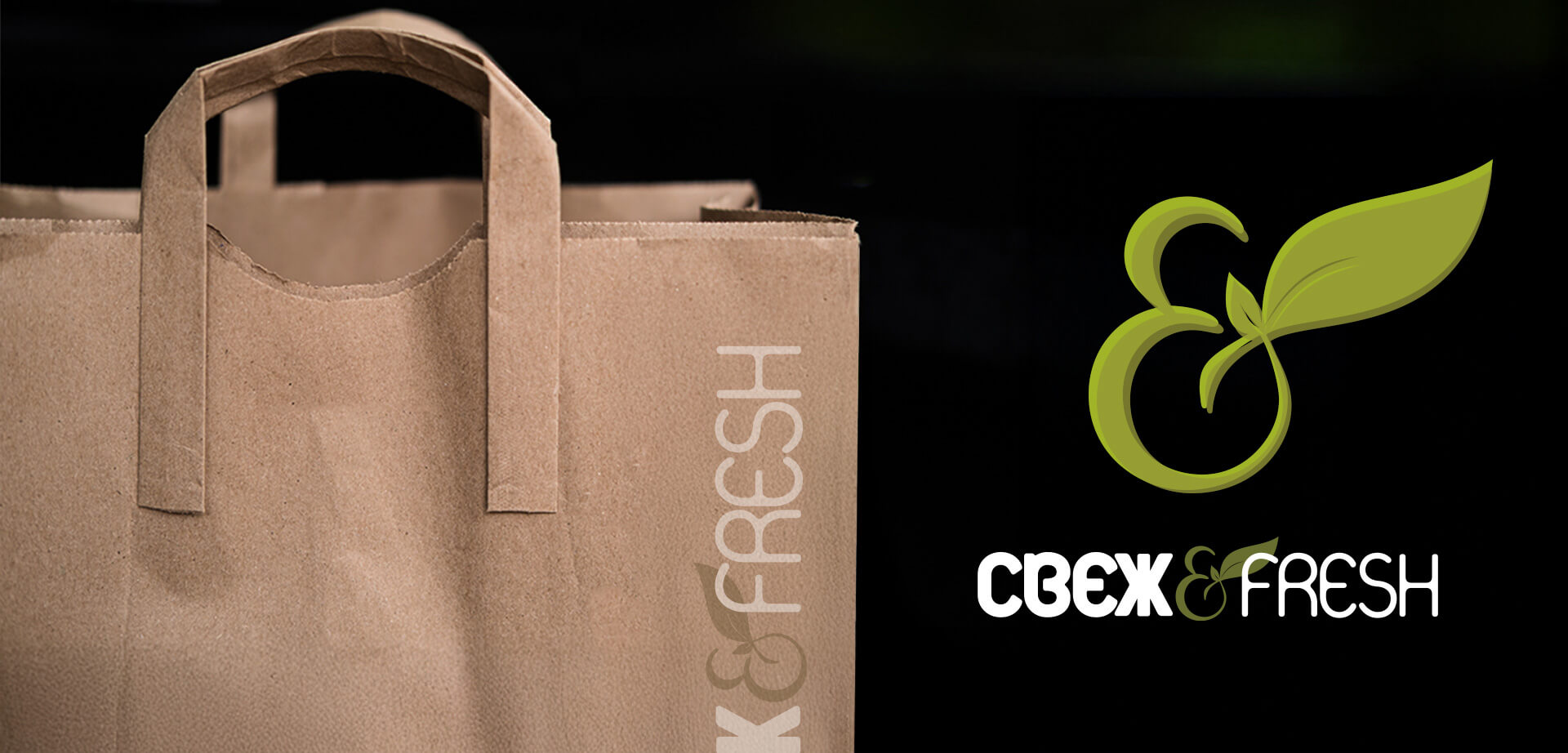
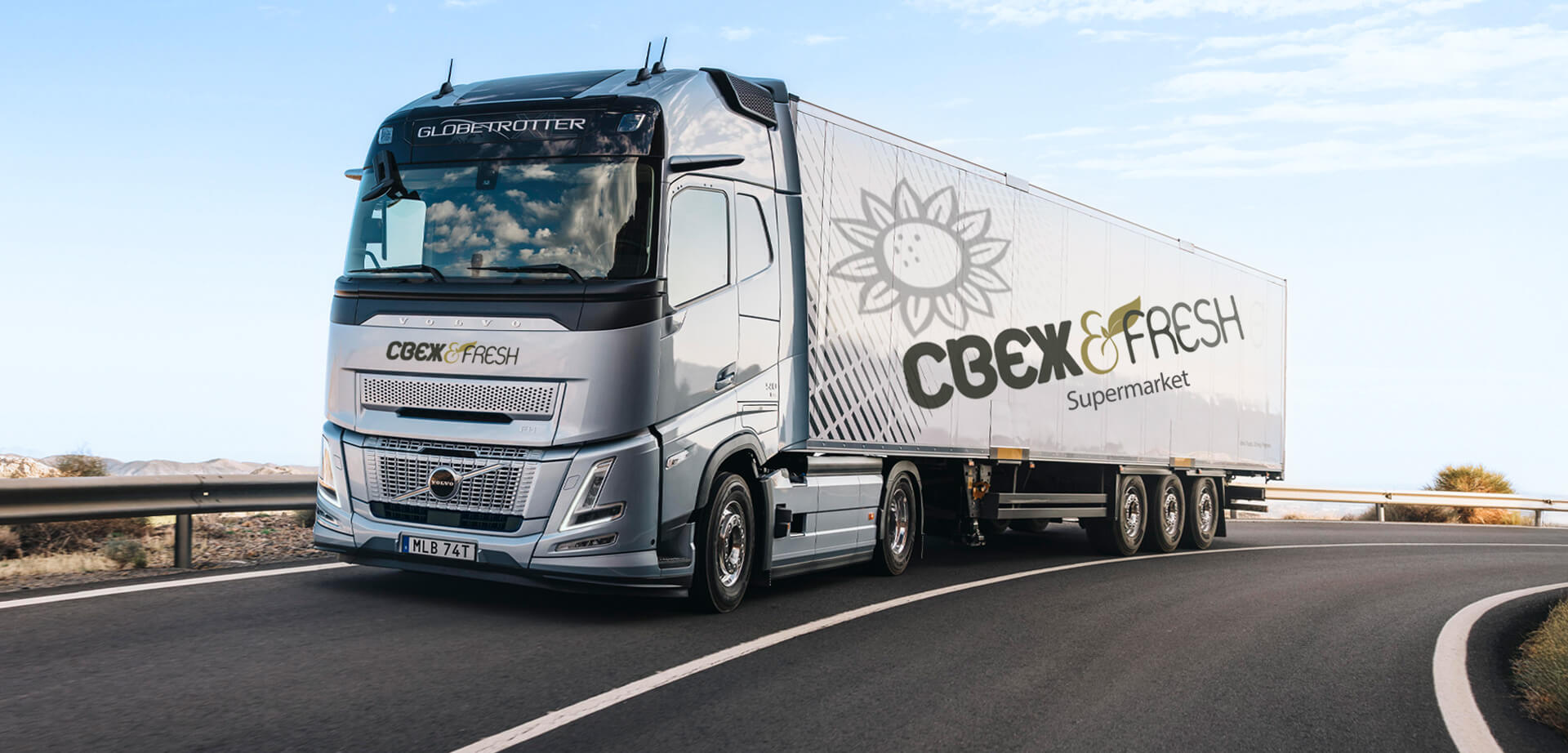
Working in close partnership with the founders of Fix Price, CampbellRigg was commissioned to develop Свеж & Fresh, a new premium supermarket brand.
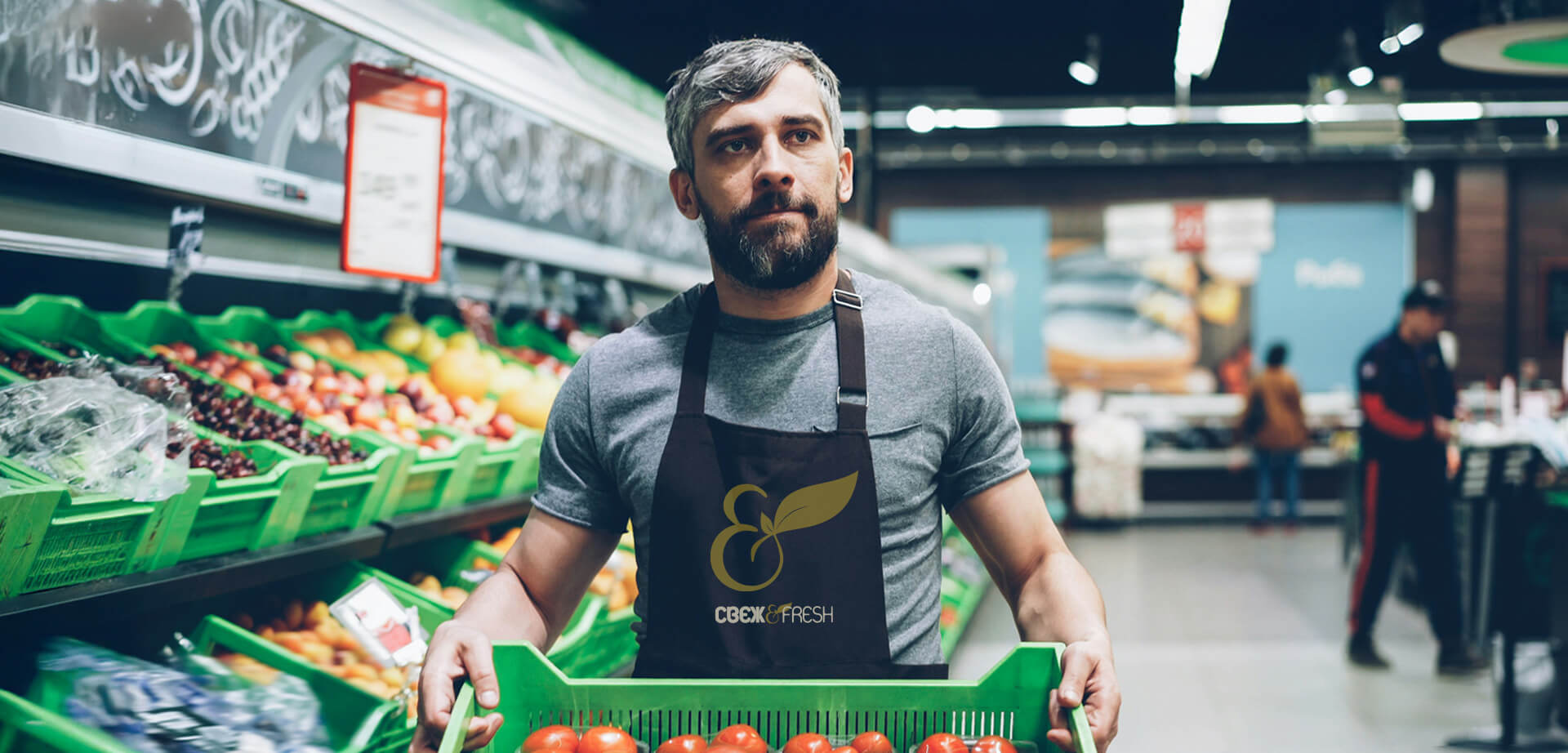
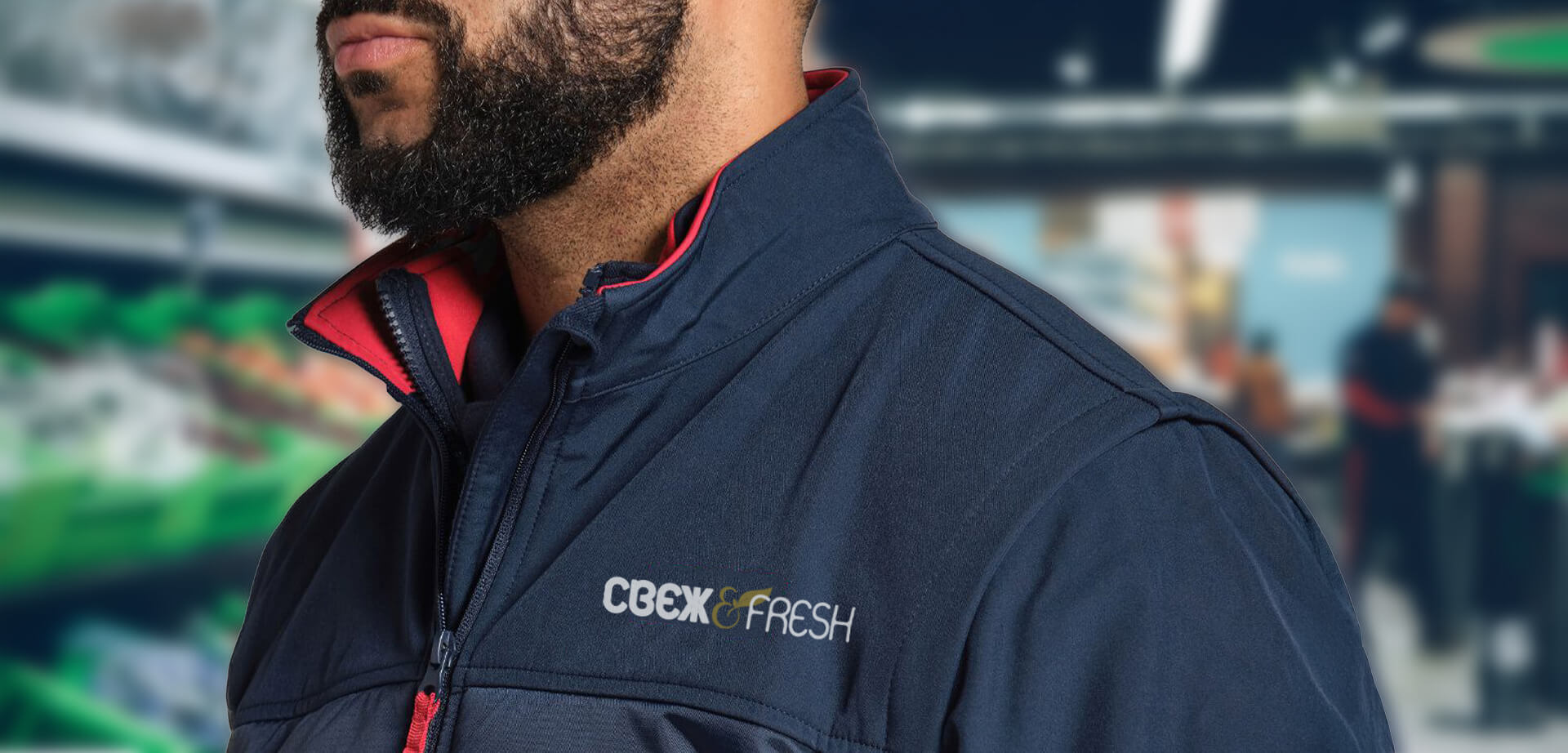
Свеж & Fresh (Svezh & Fresh), translated from Russian as “Fresh & Fresh,” combines Cyrillic and Latin typography to communicate an international sensibility and sophisticated fresh-food culture.
The brief positioned the brand as a leading urban food destination, combining exceptional fresh food, curated global assortments and best-in-class service. Its strategy integrates experience-led store design, a premium private-label portfolio and strong local cultural relevance to build loyalty, increase spend per visit and deliver sustainable commercial performance.
Premium Supermarket Branding Is a Management Decision
For senior grocery management teams, premium positioning affects far more than visual identity.
It influences:
- brand positioning and differentiation
- target customer segments and shopping missions
- format selection and store economics
- category hierarchy and space allocation
- fresh food, food-to-go and destination categories
- customer journey and service expectations
- physical and digital customer experience
- consistency across the estate
- local adaptation
- capital investment and rollout priorities
- sales, loyalty, productivity and ROIC
These decisions are interconnected.
A premium brand promise that cannot be translated into an efficient store format remains a marketing proposition rather than a scalable retail model. Equally, a sophisticated store environment without a distinctive brand proposition risks becoming expensive visual decoration.
How CampbellRigg helps
CampbellRigg connects the disciplines rather than treating them as separate design commissions.
The process can move from: brand audit → positioning → strategic brief → format architecture → customer experience → store planning → design language → implementation → rollout
This creates a single strategic direction linking what the brand promises with what customers experience and what management ultimately measures.
Management outcome: a premium supermarket proposition that can move beyond an individual flagship and become a repeatable network model.
From Premium Positioning to a Scalable Supermarket Format System
Premium does not necessarily mean larger stores, more expensive materials or excessive visual decoration.
A commercially effective premium supermarket may instead be defined by:
- stronger product curation
- exceptional fresh-food credentials
- distinctive service
- sophisticated merchandising
- provenance and quality
- better convenience
- compelling food-to-go
- carefully designed customer journeys
- clear communication
- a recognisable brand world
The management challenge is to identify which combination of these elements genuinely differentiates the proposition and then translate it into a format that can operate commercially.
This is where premium supermarket branding becomes a format-development discipline.
The central concept is a premium supermarket format system: Brand proposition → customer proposition → format architecture → space-planning principles → customer journey → design language → operational standards → local adaptation → rollout → performance measurement
Each stage informs the next.
The result is not simply a beautifully designed supermarket. It is a system that allows management to reproduce the brand experience across multiple locations while adapting intelligently to different catchments, buildings and trading conditions.
Commercial implication
The strongest premium formats therefore balance two requirements that can appear contradictory: distinctiveness and repeatability.
The customer should recognise the brand immediately, while management should be able to understand how the format works, what can be standardised, what can be adapted and where investment generates the greatest commercial return.

Brand Strategy: Define What the Premium Supermarket Should Own
Premium supermarket branding starts with strategic clarity.
Management must decide what the brand should be known for and, critically, what it should not attempt to own.
Is the proposition centred on:
- premium fresh food?
- health and wellness?
- international food discovery?
- local provenance?
- exceptional service?
- convenience for affluent urban customers?
- food-to-go and prepared food?
- quality private label?
- experiential shopping?
- a combination of several propositions?
The answer determines the format.
A premium supermarket that attempts to communicate every possible benefit can become visually sophisticated but strategically indistinct.
CampbellRigg's role is to translate the commercial ambition into a clear brand proposition, positioning and customer experience framework that can subsequently guide the physical environment.
CampbellRigg's role
The strategic work should establish:
- Who the format is for
- Why those customers should choose it
- What the brand should own in their minds
- Which categories and experiences support that position
- How the proposition should appear across the physical network
This gives store planning and design a strategic foundation rather than asking designers to create differentiation retrospectively.
Brand Identity Must Work in Physical Space
A premium supermarket brand cannot exist only in a logo, colour palette or advertising campaign.
The identity has to become tangible throughout the customer journey.
That means translating brand strategy into:
- architecture and spatial character
- materials and finishes
- lighting
- graphics
- typography
- packaging and private-label presentation
- category communication
- merchandising principles
- service points
- fresh-food presentation
- digital touchpoints
- staff environments
The objective is consistency without monotony.
A premium supermarket should feel recognisable across the estate while allowing individual stores to respond to their location, architecture and customer base.
Commercial implication: brand identity becomes more valuable when it acts as a decision-making system for the entire store rather than simply a visual identity toolkit.

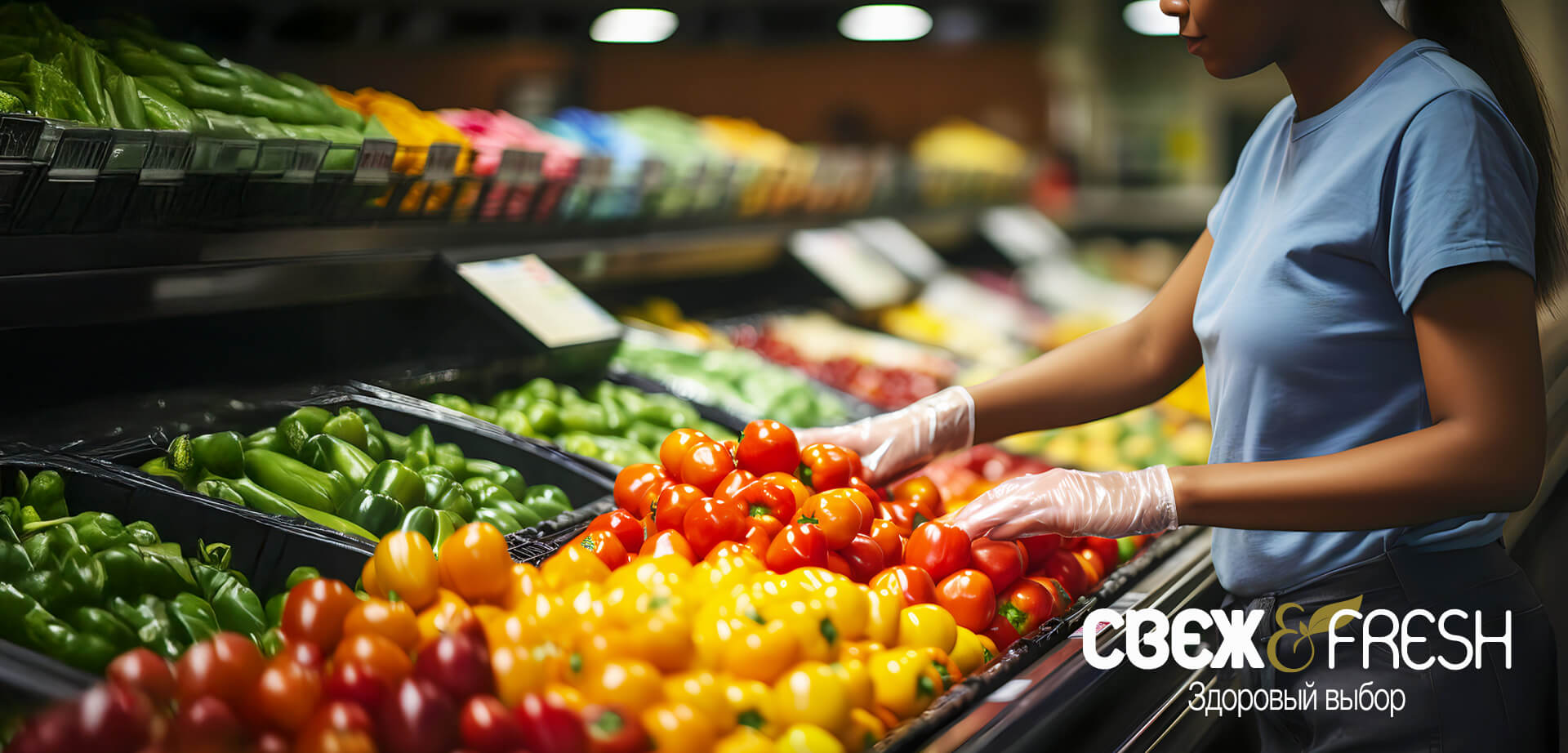
Above: The fresh vegetables graphic with sub brand - "ЗДОРОВЫЙ ВЫБОР" translates as "Healthy Choice"
Supermarket Format Planning: Turn Brand Strategy into Commercial Architecture
Format planning is where the premium proposition becomes commercially operational.
The question is not simply how much space each category receives. It is how the entire store architecture supports the customer missions and commercial priorities.
Planning decisions can include:
- entrance and decompression zones
- fresh-food destinations
- food-to-go
- convenience missions
- premium and speciality categories
- private-label hierarchy
- promotional areas
- service counters
- circulation
- dwell zones
- checkout strategy
- back-of-house efficiency
The best format systems establish principles that can be applied consistently while allowing stores to respond to local conditions.
How CampbellRigg helps
CampbellRigg combines brand strategy, customer experience, store planning and retail design so that space allocation reflects the intended commercial proposition.
Rather than beginning with a generic store template, the process begins with the customer and commercial objectives and works backwards into the physical format.
Management outcome: a store model that supports both customer experience and measurable sales productivity.

Design the Customer Journey Around Commercial Missions
Premium supermarket customers do not necessarily shop according to the retailer's organisational structure.
They shop according to missions.
A customer may visit for:
- a weekly shop
- fresh food
- dinner tonight
- lunch on the move
- premium ingredients
- health and wellness
- entertaining
- convenience
- discovery
The format should therefore make those missions easy to understand and navigate.
Customer journey planning can influence where destination categories sit, how customers encounter fresh food, where food-to-go appears, how promotional communication is controlled and where dwell time is deliberately created.
Management outcome
The physical journey becomes part of the commercial strategy.
Instead of measuring design purely through aesthetics, management can ask: Does the journey make the intended shopping behaviour easier, more engaging and more commercially productive?
That question creates a direct connection between design investment and business performance.
Premium Supermarket Interior Design: Experience Without Losing Operational Discipline
Premium supermarket interior design should reinforce the brand rather than become the brand.
The environment needs to communicate quality while supporting operational realities such as replenishment, cleaning, maintenance, staffing, stock movement and changing customer demand.
This requires careful control of:
- material specifications
- lighting
- fixture systems
- merchandising environments
- service counters
- signage
- sightlines
- category transitions
- durability
- maintenance requirements
The objective is cost-effective premiumisation.
A strong design system can create a perception of greater quality without requiring every store to become a high-cost architectural statement.
Commercial implication
The most effective premium design decisions are those that improve both perceived customer value and operational performance.
This is why CampbellRigg approaches retail design as part of a wider format system rather than as an isolated interior-design exercise.
Fresh Food and Food-to-Go as Premium Brand Assets
Fresh food is frequently one of the most powerful physical expressions of a premium supermarket proposition.
Fresh produce, bakery, prepared food, meat, fish, deli and food-to-go can create theatre, communicate quality and influence perceptions of the entire brand.
But the commercial opportunity goes further than visual presentation.
Management should consider:
- product visibility
- freshness cues
- theatre and preparation
- speed of service
- cross-category purchasing
- premiumisation
- daypart relevance
- convenience
- margin contribution
The result should be an environment where fresh food reinforces both brand positioning and commercial performance.
How CampbellRigg helps
CampbellRigg develops the relationship between brand proposition, customer journey, category hierarchy and physical presentation so that fresh-food investment contributes to a coherent premium experience rather than becoming a collection of attractive departments.

Premium Supermarket Signage and Wayfinding
Signage should make the premium proposition easier to understand, not add visual noise.
The management-level questions are therefore:
- Can customers immediately understand the store?
- Are destinations obvious?
- Is the brand voice consistent?
- Does communication support the intended shopping missions?
- Can promotional messaging coexist with premium positioning?
- Can the system be rolled out consistently?
Detailed signage design and wayfinding are important disciplines, but within the wider format system they should remain subordinate to the brand and customer strategy.
CampbellRigg's role: create communication principles that support navigation, merchandising and brand recognition without overwhelming the physical environment.

Phygital Supermarket Experience: Technology with a Commercial Purpose
Technology should be introduced where it improves the customer proposition or operational performance.
Potential applications include:
- digital product information
- personalised communication
- loyalty integration
- mobile engagement
- self-service
- digital ordering
- click-and-collect
- digital shelf communication
- data-led customer engagement
The question is not whether a premium supermarket looks technologically advanced.
The question is: What customer problem or commercial objective does the technology solve?
That distinction is important.
Technology should support the premium supermarket format system rather than create a separate digital layer that competes with the physical experience.
Above: The Grilled Chicken marketing quote reads: “One of the most wonderful things in life is that, whatever we do, we can stop and make time for food.”
The Ciabatta Sandwich marketing quote reads: “Never work before breakfast; if you have to work before breakfast, eat first.”

Measuring Premium Supermarket Design ROI and ROIC
Premium supermarket branding should ultimately be accountable to commercial performance.
Rather than treating KPIs as a list added at the end of a design programme, CampbellRigg uses a more useful management framework: Design decision → customer behaviour → KPI → commercial outcome
For example:
Every design decision should be linked to a measurable change in customer behaviour, a relevant KPI and a clear commercial outcome.
- Stronger fresh-food theatre can increase customer engagement, measured through fresh-category conversion, ultimately contributing to higher sales.
- An improved customer journey can make mission completion easier, with basket size and dwell time providing useful KPIs and contributing to increased transaction value.
- Better food-to-go visibility can encourage more impulse purchases, measured through food-to-go conversion, generating incremental revenue.
- A clearer category hierarchy can make navigation easier, with category penetration providing a measure of performance and supporting improved productivity.
- More effective premium presentation can increase perceived value, measured through premium mix and margin, contributing to improved profitability.
- Consistent format standards can enable faster rollout, with implementation cost and time providing the key KPIs and ultimately supporting improved return on investment (ROIC).
This creates a simple commercial logic for supermarket design: design decision → customer behaviour → KPI → commercial outcome. The objective is not simply to create a more attractive store, but to demonstrate how each design intervention can influence measurable customer behaviour and contribute to sales, margin, productivity or ROIC.
This approach changes the management conversation.
Instead of asking whether the store looks premium, management can ask whether the investment produces measurable behavioural and financial outcomes.
Свеж & Fresh reflects Moscow’s sophisticated food culture with a highly curated assortment tailored to local tastes, dietary preferences, and seasonal behaviour, while enabling global discovery. Above: Fresh rasberries graphic with sub brand - "ЗДОРОВЫЙ ВЫБОР" translates as "Healthy Choice".

Management outcome
A premium supermarket format should therefore be evaluated through a combination of:
- sales growth
- sales density
- basket value
- category productivity
- conversion
- loyalty and repeat visits
- margin
- customer satisfaction
- implementation cost
- rollout speed
- capital efficiency
- ROIC
The exact KPI set should reflect the retailer's commercial strategy rather than being imposed as a generic dashboard.
Premium Supermarket Case Study: Свеж & Fresh
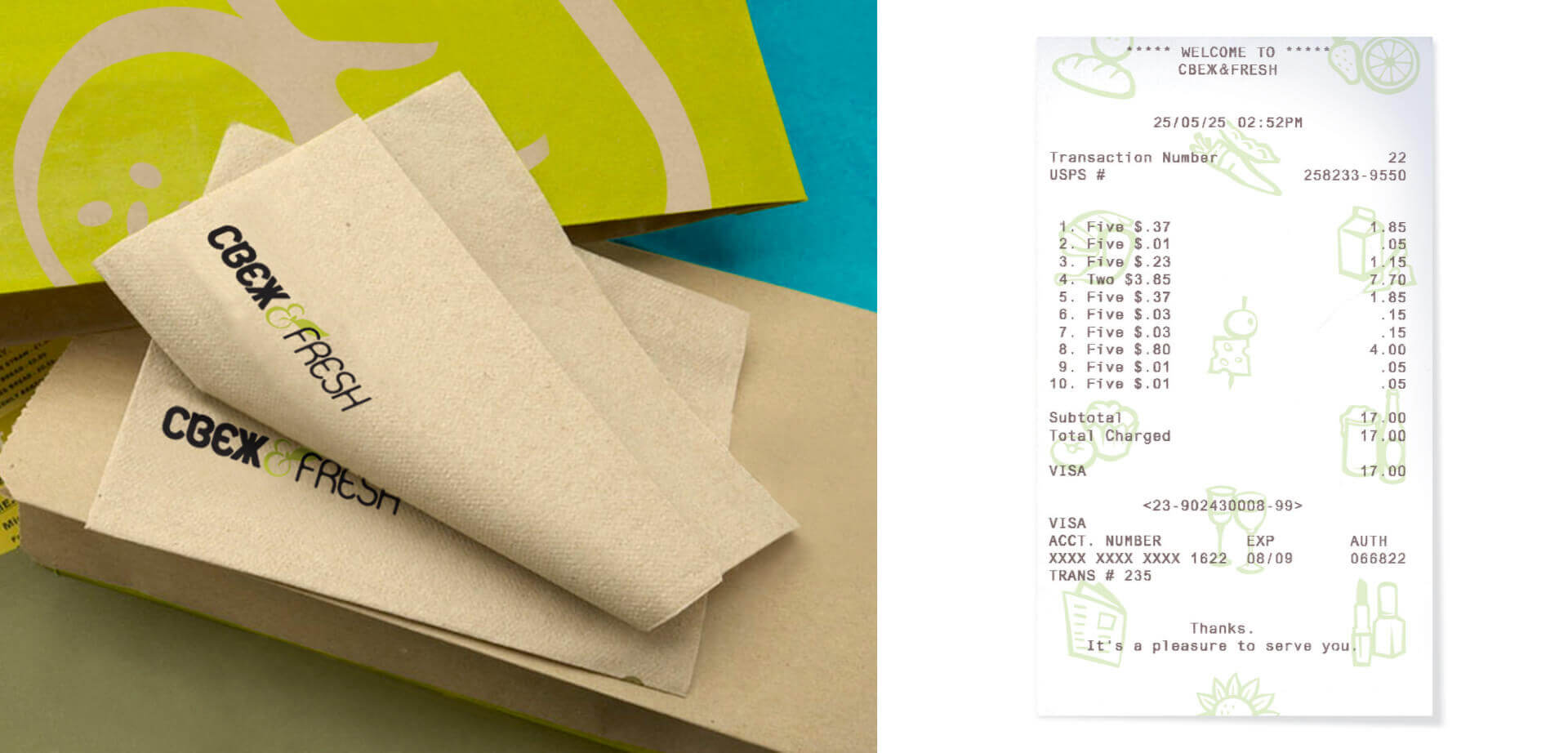
Свеж & Fresh provides a useful example of how premium supermarket branding can become a broader format-development exercise.
The challenge
The opportunity was to create a distinctive supermarket proposition capable of combining premium positioning with a compelling customer experience.
The challenge was therefore not simply to design a store.
It was to establish a recognisable brand proposition that could be expressed through identity, environment, merchandising and customer experience.
CampbellRigg's response
CampbellRigg brought together the relevant disciplines across:
- brand positioning
- visual identity
- customer experience
- retail environment
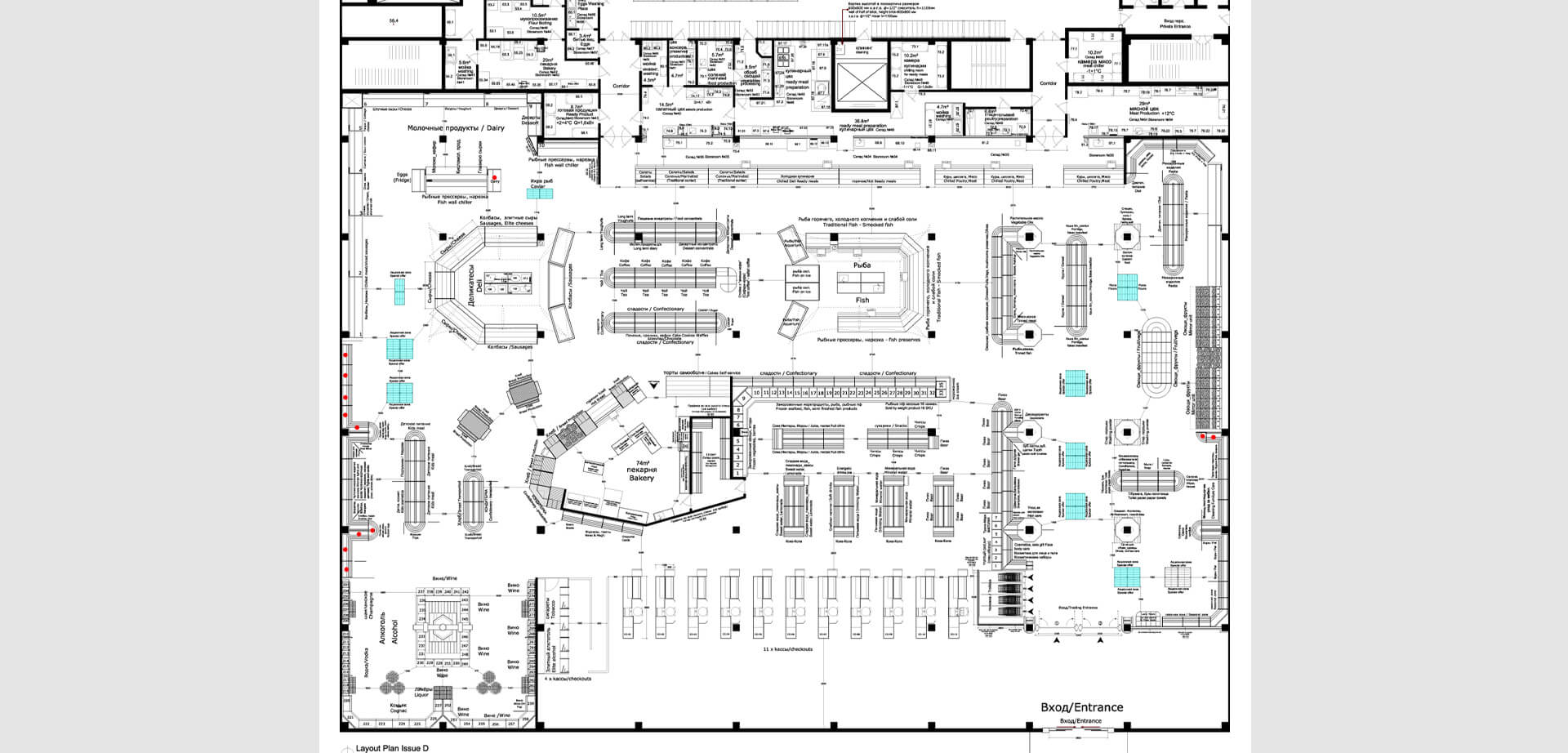
- store planning
- merchandising principles
- physical brand expression
The emphasis was on creating a coherent relationship between the brand and the customer's experience of the supermarket.
Commercial relevance
The importance of the project is that premium supermarket branding becomes more valuable when it can be translated into repeatable principles.
The Свеж & Fresh example demonstrates the wider role of CampbellRigg: connecting brand strategy with the physical retail environment so that the proposition can become a format rather than remain a one-off creative exercise.
From strategy to execution: the objective is to create a system that management can refine, replicate and scale.

International Benchmarks: What Leading Premium Supermarkets Do Differently
International premium grocery formats demonstrate that there is no single definition of premium.
Successful propositions may differentiate through:
- fresh-food authority
- private-label quality
- food discovery
- service
- convenience
- provenance
- health and wellness
- technology
- hospitality-inspired environments
- highly curated assortments
The strategic lesson is not to copy an international retailer.
It is to understand which elements of its proposition create customer value and why those elements work within its particular market.
A premium supermarket format developed for London, Baku, Moscow, Istanbul or another international market may require different category priorities, store economics and customer journeys.
Commercial implication
International benchmarking should therefore inform the strategy without replacing local insight.
CampbellRigg combines global retail knowledge with local market interpretation, allowing management teams to identify transferable principles while protecting the distinctiveness of their own brand.
How CampbellRigg Builds a Premium Supermarket Format System
CampbellRigg's role extends from strategic definition through physical implementation.
The process can be structured around ten connected stages:
- Brand and market audit - Assess the existing proposition, competitive environment, customer expectations and commercial opportunity.
- Premium positioning - Define what the supermarket should own and how it should differentiate.
- Customer proposition - Translate the brand strategy into customer missions, needs and experience priorities.
- Format architecture - Establish the principles governing store size, category hierarchy, destinations and customer journey.
- Space planning - Translate those principles into commercially productive spatial relationships.
- Brand and design language - Create the visual, architectural and experiential system that makes the proposition tangible.
- Operational integration - Ensure design decisions work with replenishment, staffing, maintenance, service and day-to-day retail operations.
- Local adaptation - Define what remains consistent and what can change according to catchment, building and market.
- Rollout - Create standards and implementation frameworks that support efficient network expansion.
- Performance measurement - Connect investment and design decisions to customer behaviour, KPIs and commercial outcomes.
This is the difference between designing a supermarket and developing a scalable supermarket format system.

Why Management Teams Choose CampbellRigg
CampbellRigg brings together brand strategy, retail design, store planning, customer experience and implementation within one independent consultancy.
The advantage is integration.
Management teams do not have to translate a brand strategy from one specialist into a store-planning brief for another and then into a separate design implementation programme.
CampbellRigg can connect the disciplines from the outset.
Its experience across international retail environments provides an additional perspective on how premium propositions can be adapted to different markets, formats and commercial conditions.
The working principles are straightforward:
- Cost-Effective Excellence: Focus investment on the decisions that create the greatest commercial value.
- Rapid Execution: Move efficiently from strategic direction to practical implementation.
- Multidisciplinary Expertise: Connect brand, customer experience, store planning and design.
- Global Reach, Local Insight: Apply international knowledge without losing local relevance.
The result is a retail proposition designed not merely to look distinctive, but to support sales, loyalty, customer experience, scalability and return on investment.
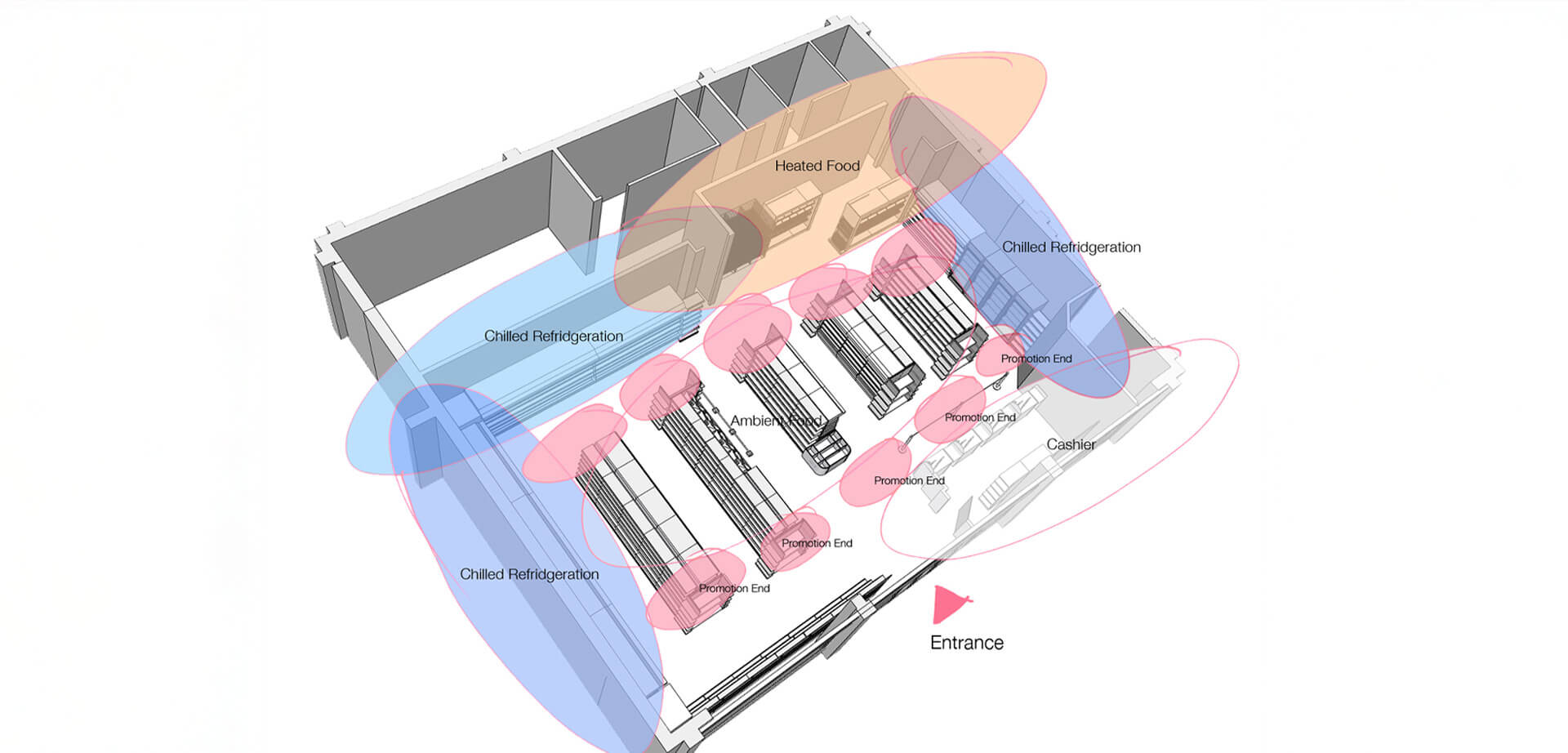
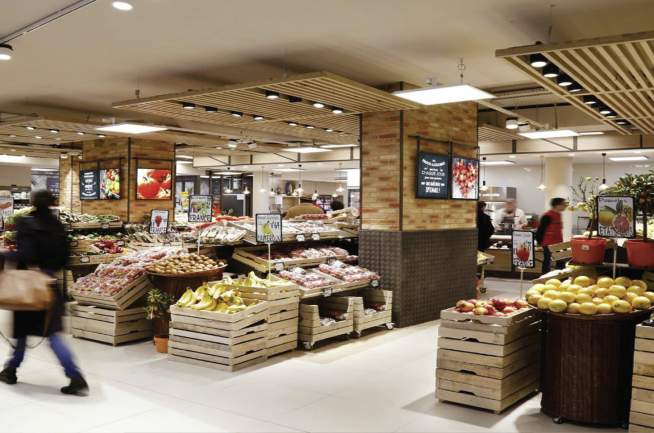
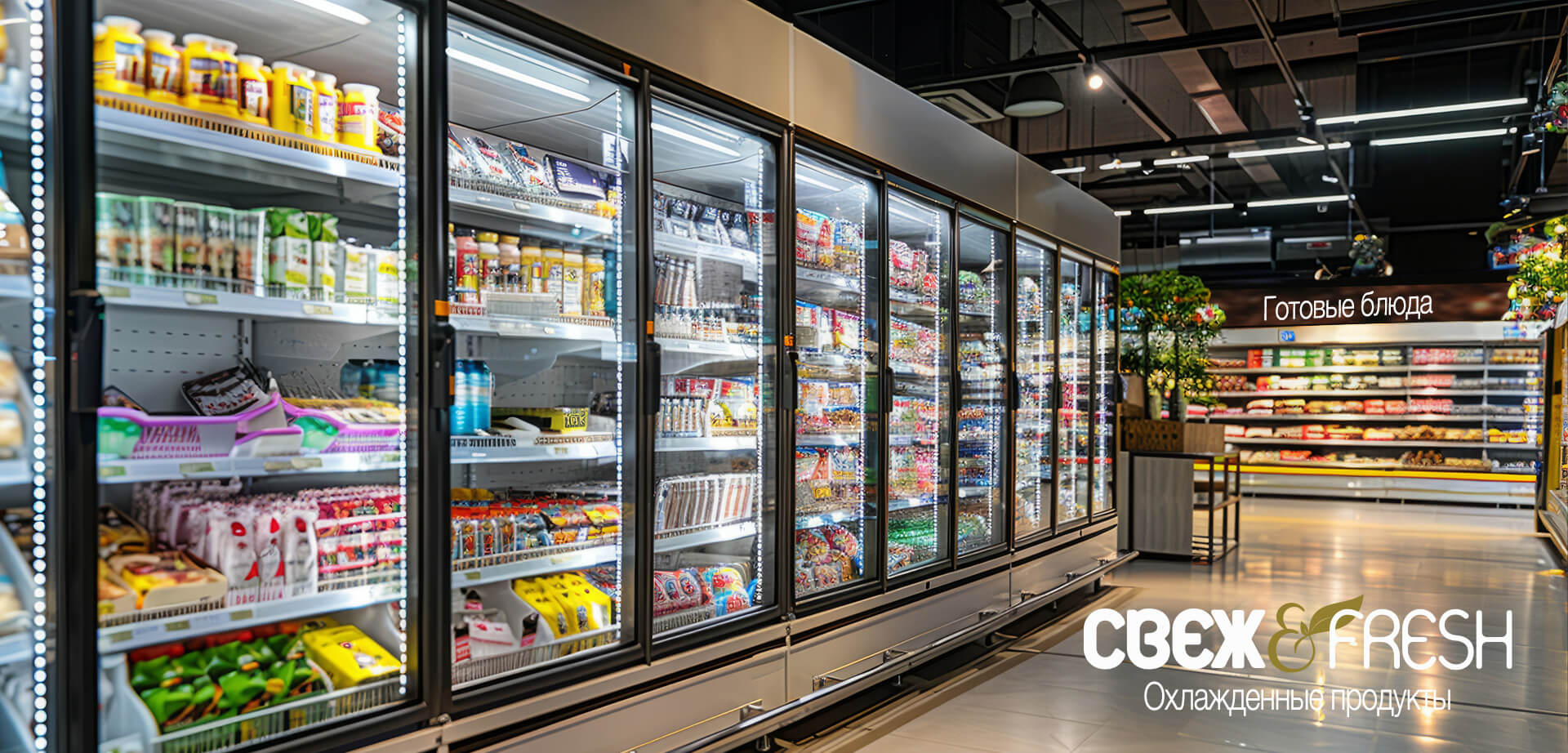
The store planning, presents a carefully curated selection of premium essentials: fresh fruits and vegetables, high-quality dairy and bakery items, gourmet snacks, ready-to-eat meals, beverages, and select household staples.
Build a Premium Supermarket Brand for Commercial Performance
Premium supermarket branding is most effective when it becomes the organising principle for the entire retail format.
The strongest propositions connect: Brand → customer → format → space → experience → operations → rollout → measurement
That connection enables management teams to move from an attractive concept to a commercially scalable network.
For retailers developing a new premium supermarket, repositioning an existing estate or creating a new format for international expansion, the opportunity is to treat branding, store planning and retail design as one connected commercial system.
CampbellRigg helps management teams turn that ambition into a distinctive, scalable and measurable premium supermarket format.
Discuss your premium supermarket growth strategy with CampbellRigg.
Start with a free consultation, define the commercial brief, establish the format strategy and move rapidly from strategic direction to implementation.
CampbellRigg — Innovative. Relevant. Memorable.
We build brands designed to transform markets.

Start Your Supermarket Transformation Today.
Partner with CampbellRigg to shape compelling retail environments that attract customers, increase spend, and build lasting brand loyalty. Schedule your consultation and receive a free quote.
Cost-Effective Excellence:
Our pricing structure is highly competitive, offering exceptional value without compromising on quality or creativity.
Rapid Execution:
We move fast. From concept to implementation, our agile team ensures your project is delivered on time and to the highest standards.
Multidisciplinary Expertise:
Our team brings together seasoned brand strategists, architects, interior designers, and graphic designers, collaborating to create seamless, end-to-end brand environments.
Global Reach, Local Insight:
With successful projects delivered across Europe, the Middle East, and Asia, we combine international experience with local market understanding.
Scalable Project Delivery:
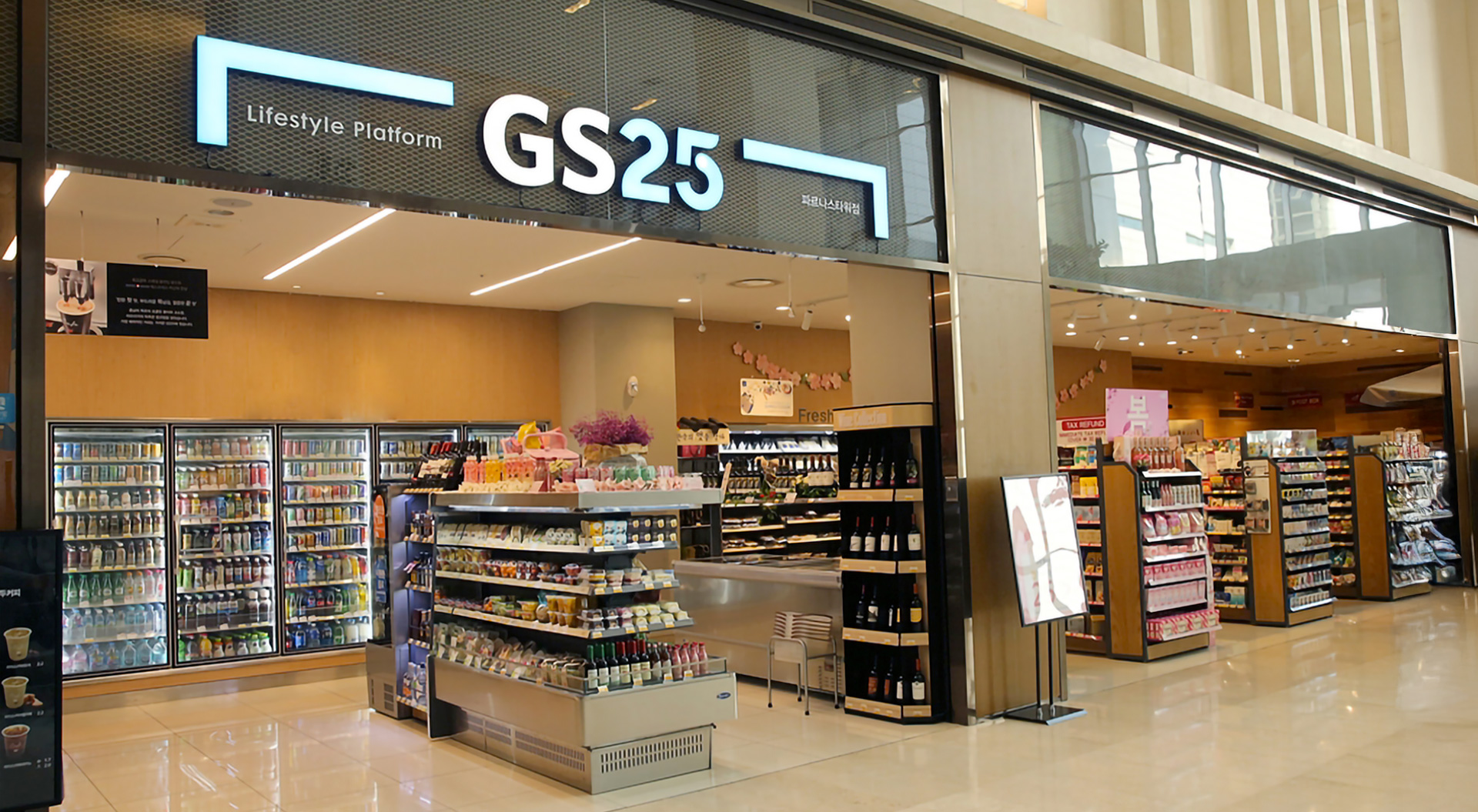
Whether it's a flagship city supermarket or an urban convenience store, we manage and execute projects of all sizes, efficiently and effectively.
Proven Track Record:
Our designs evolve branch networks from purely transactional spaces into experiential, relationship-focused brand environments, enhancing engagement, elevating customer experience, and driving tangible business results.
Full-Service Creative Agency:
From rebranding and marketing campaigns to spatial design and rollout, we provide an integrated service tailored to your goals.