News and Views
Experiential Fashion Retail Spaces That Build Brand Connection






Experiential Fashion Retail Spaces That Build Brand Connection
Experiential fashion retail design should do more than make a store memorable. It should translate brand strategy into a customer experience that strengthens engagement, product discovery and commercial performance.
For senior fashion retail management, the question is no longer whether physical stores should provide an experience. The more important question is what that experience should achieve, how it should influence customer behaviour and how its contribution can be measured.
Customers can discover collections, compare products, research brands and transact digitally before entering a store. Physical retail therefore needs a distinct role: a place where customers experience products, understand the brand, receive relevant assistance, discover something unexpected and move naturally between physical and digital channels.
At CampbellRigg, experiential fashion retail is approached as a commercial design discipline combining retail strategy, brand positioning, customer behaviour, spatial planning, visual merchandising, digital experience and service design.
Experiential Fashion Retail: From Brand Strategy to Customer Experience
Experiential fashion retail connects the strategic proposition of a brand with the physical behaviour of its customers.
The experience is shaped by the complete retail environment: entrance, circulation, merchandise hierarchy, visual language, lighting, materials, product presentation, fitting rooms, service, digital interaction, checkout and fulfilment.
The objective is a connected sequence: Brand proposition → customer journey → spatial experience → customer behaviour → KPI → commercial outcome.
This distinguishes experiential fashion retail from adjacent areas of fashion design.
- Flagship fashion store design focuses on high-profile destinations, innovation and the flagship's role within the network.
- Fashion retail rebranding focuses on transforming brand positioning and its physical expression.
- Fashion store interior design focuses on the physical environment and architectural expression.
- Modular fashion store design focuses on repeatable formats, flexible systems and efficient rollout.
Experiential fashion retail asks a different question: How should customers experience the brand, and what should that experience achieve commercially?
How CampbellRigg helps: CampbellRigg begins by auditing the relationship between brand proposition, customer expectations, existing stores and commercial objectives. Retail strategy establishes the desired market position; customer and shopper analysis identifies behavioural opportunities; the design brief converts these findings into requirements for experience, space, merchandising, service and digital integration.
The benefit is a single strategic direction connecting brand decisions with the physical retail network, rather than separate commissions for branding, interiors, merchandising and technology.
Why Experiential Fashion Retail Matters
Experience cannot be separated from commercial performance.
A visually impressive store can still create friction if navigation is poor. Technology can increase investment without increasing value if it does not improve discovery or service. A distinctive environment can attract attention without improving conversion.
The objective is therefore not experience for experience's sake. It is to identify where experience can change behaviour.
This may mean:
- attracting customers into the store;
- communicating brand positioning immediately;
- improving product discovery;
- increasing meaningful dwell time;
- encouraging product interaction;
- improving fitting-room engagement;
- supporting assisted selling;
- increasing attachment and cross-selling;
- reducing purchase friction;
- connecting physical and digital channels;
- strengthening loyalty and brand recall.
How CampbellRigg helps: CampbellRigg converts these commercial objectives into specific design and operational requirements. The team examines where customers enter, hesitate, browse, compare, interact, seek assistance and purchase, then identifies opportunities for spatial planning, merchandising, service design and communication to influence those behaviours.
The benefit is that management can judge proposed design interventions against defined customer and business objectives, rather than evaluating a concept primarily on appearance.
Key Elements of Experiential Fashion Store Design
Sensory Retail Design
Lighting, materials, texture, sound, colour and spatial atmosphere influence how customers perceive products and brands.
The challenge is deciding which sensory cues have strategic value.
How CampbellRigg helps: CampbellRigg's experience across brand identity, retail interiors, visual communication and environmental design enables sensory decisions to be made as part of the wider brand system.
Brand positioning determines the desired emotional and market response. Product categories determine lighting and presentation requirements. Materials, colour and architectural language then reinforce those decisions.
The benefit is a recognisable physical brand environment in which atmosphere supports product value, navigation and positioning rather than becoming decoration without purpose.
Fashion Brand Storytelling
A fashion brand's story should be experienced rather than simply displayed.
Architecture, graphics, campaign imagery, fixtures, merchandising and collection sequencing can communicate identity throughout the customer journey.
How CampbellRigg helps: CampbellRigg combines brand strategy, identity development, graphic communication, spatial design and merchandising knowledge to translate an abstract brand proposition into physical customer touchpoints.
The process establishes what the brand needs customers to understand, where those messages should appear and how architecture, fixtures, graphics and product presentation should reinforce them.
The benefit is a consistent brand narrative across the store, reducing reliance on logos and promotional graphics while making the environment itself communicate the brand.
Digital and Phygital Fashion Retail
Digital technology should solve a customer or operational problem.
Inventory visibility, product-location services, personalised recommendations, mobile integration, click-and-collect and connected ecommerce can reduce friction and improve convenience.
How CampbellRigg helps: CampbellRigg examines the complete physical-to-digital customer journey, identifying where customers need information, assistance, availability, personalisation or fulfilment.
The design team can then establish the appropriate relationship between digital services, physical merchandise, service points, fitting rooms, collection areas and checkout.
The benefit is a phygital retail environment designed around actual customer needs, rather than technology being introduced simply because it is available.
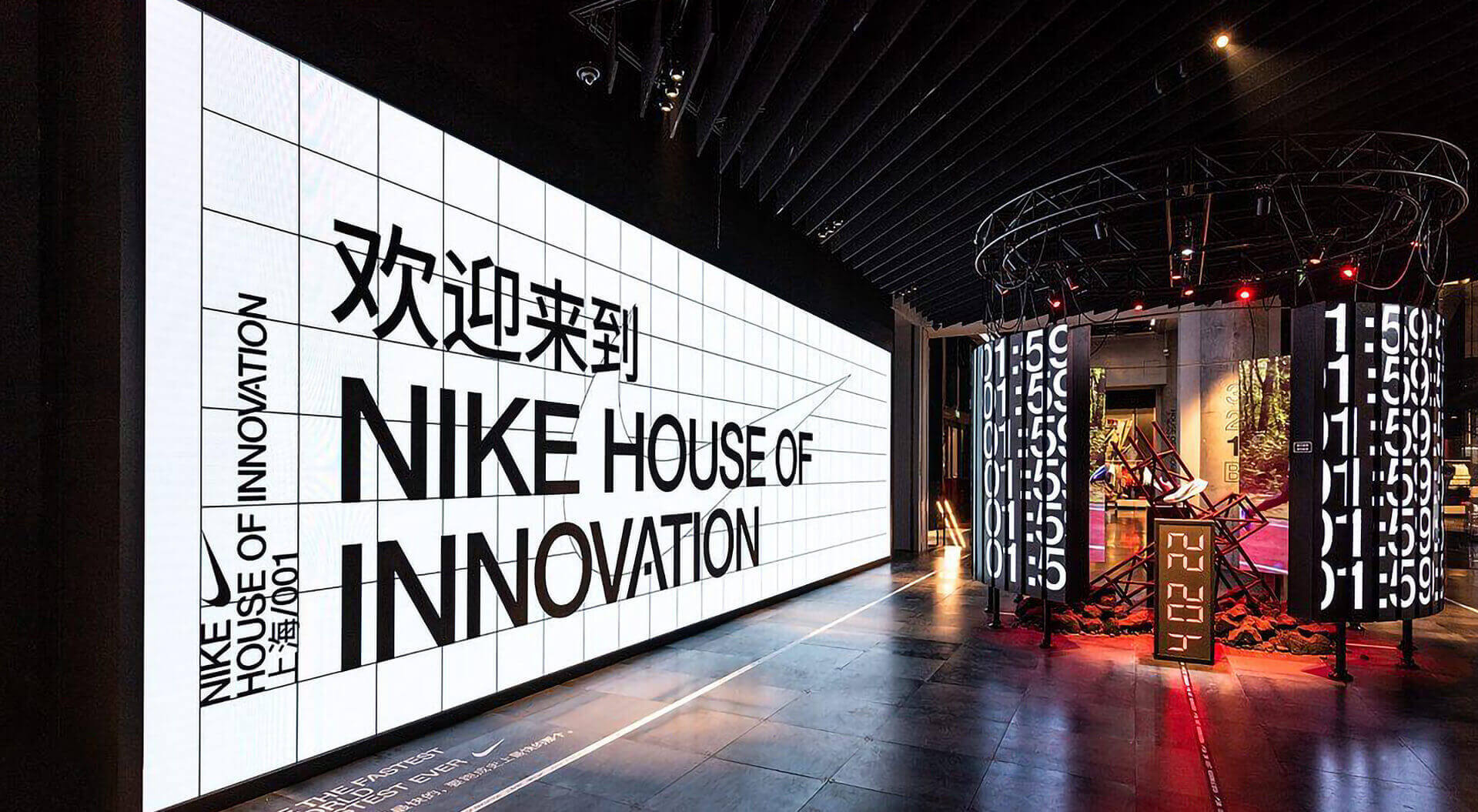
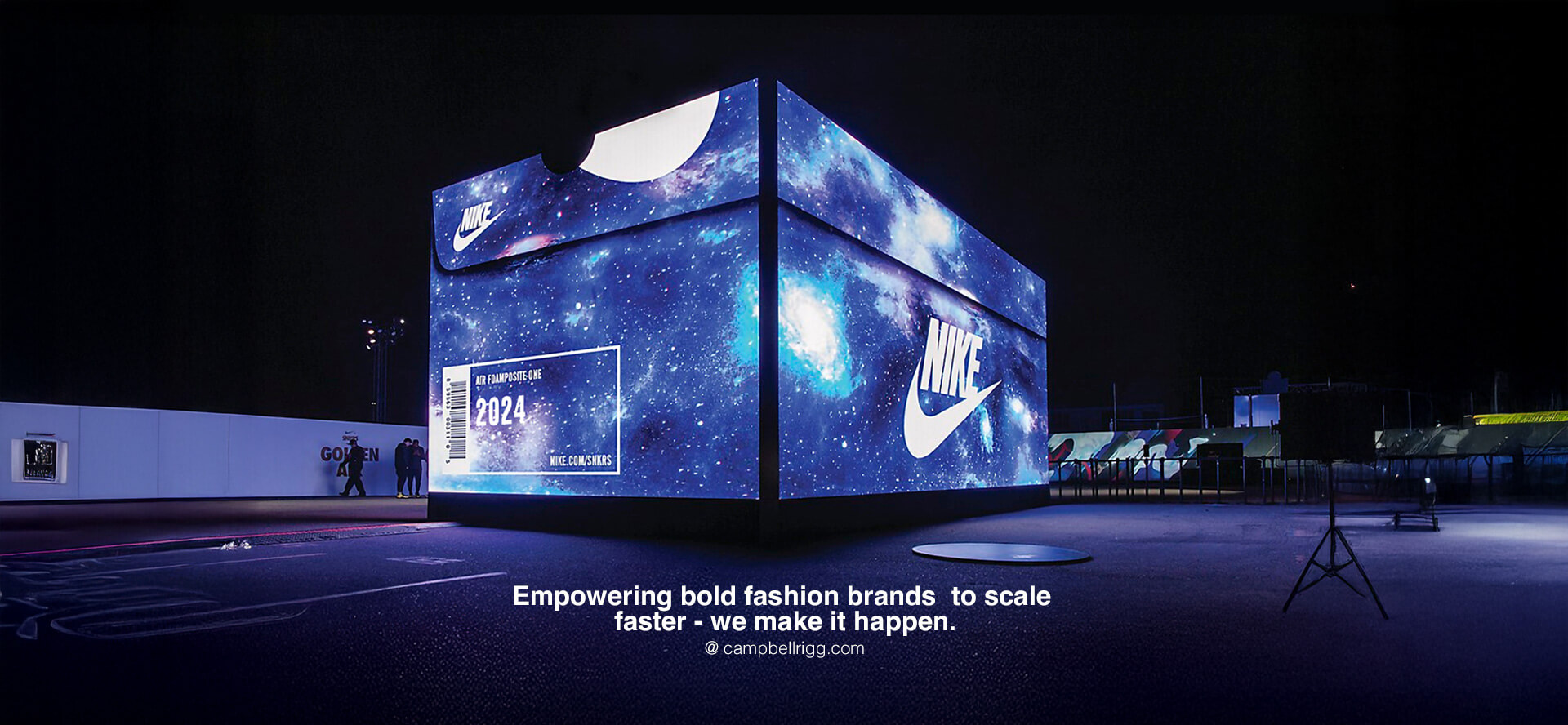
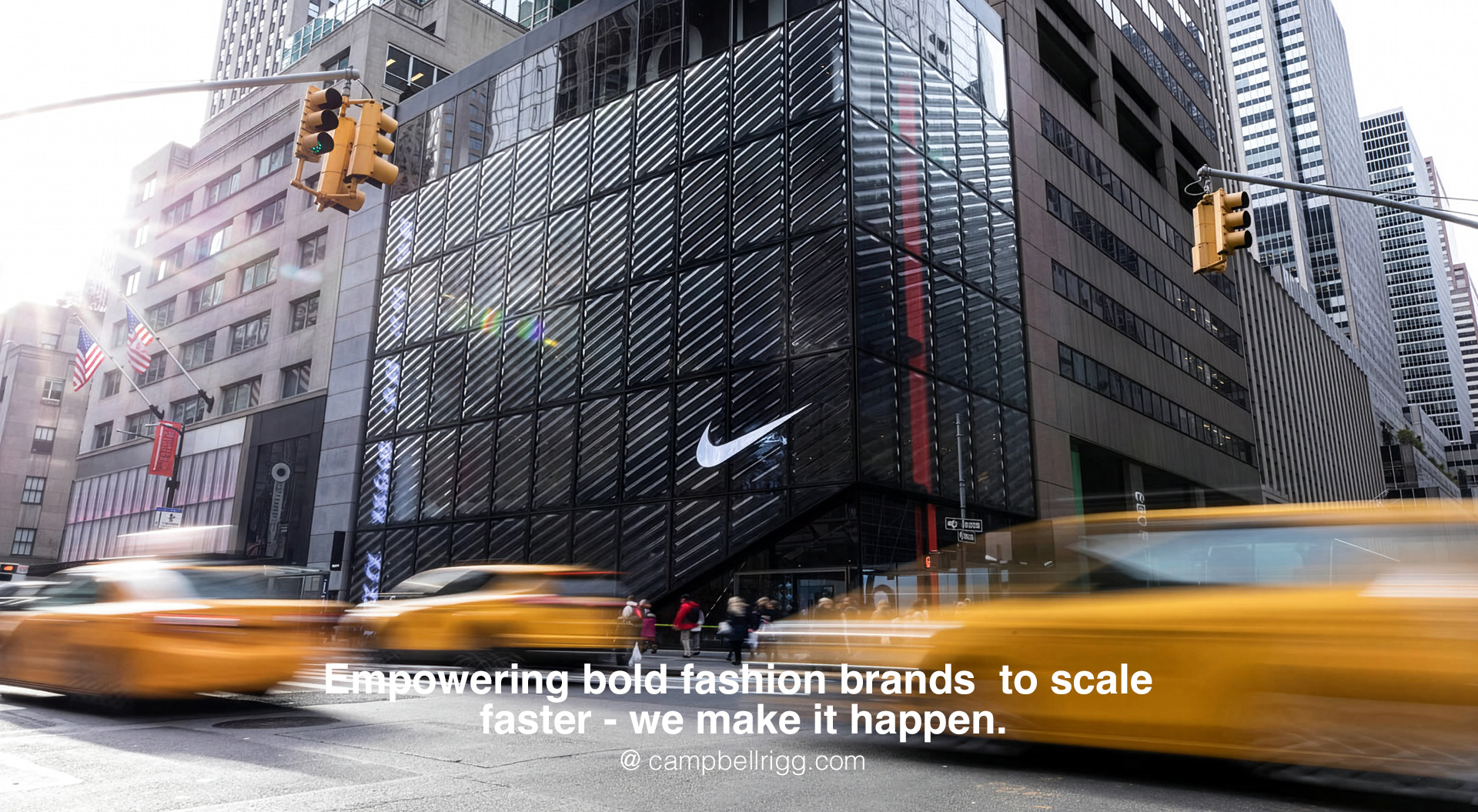
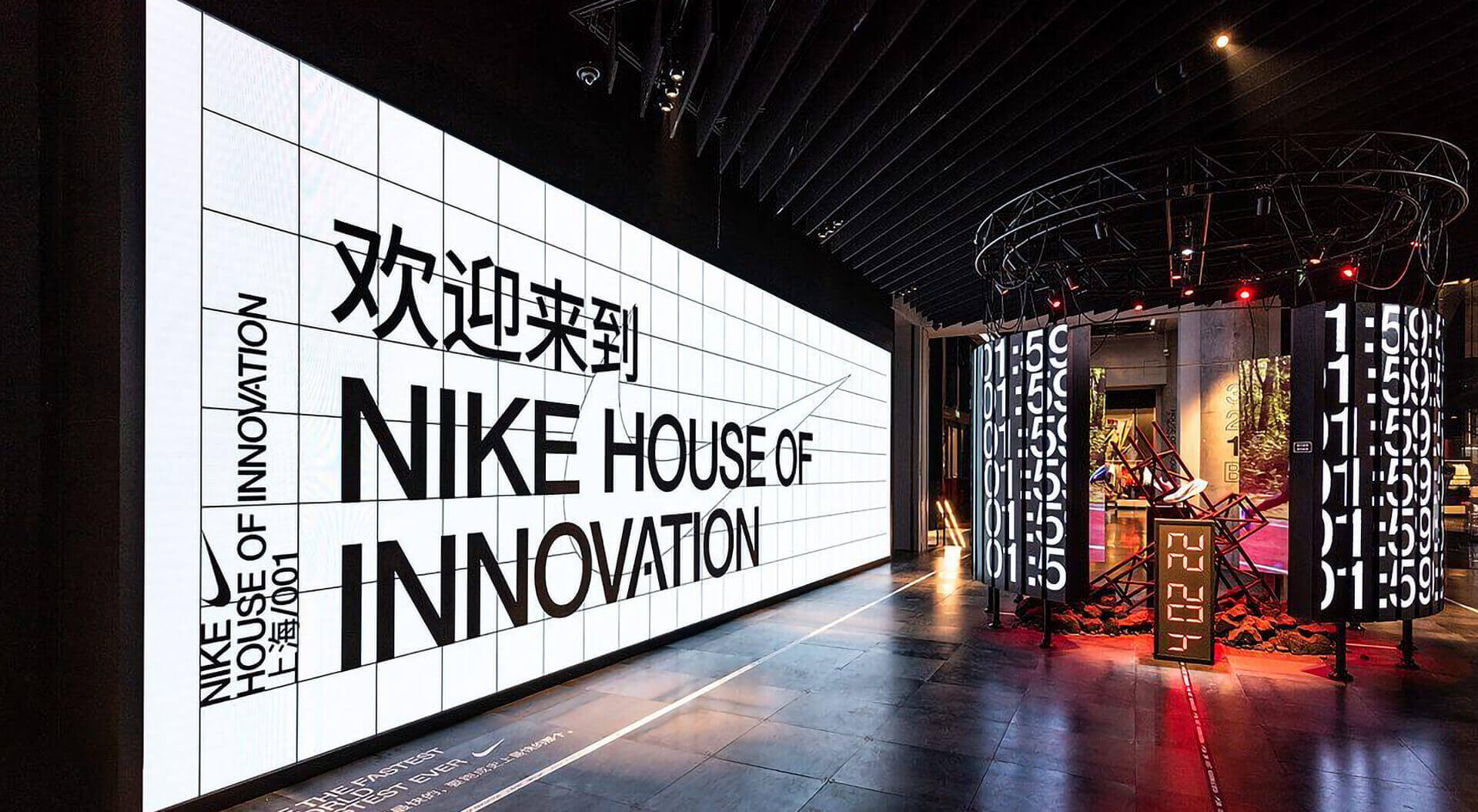
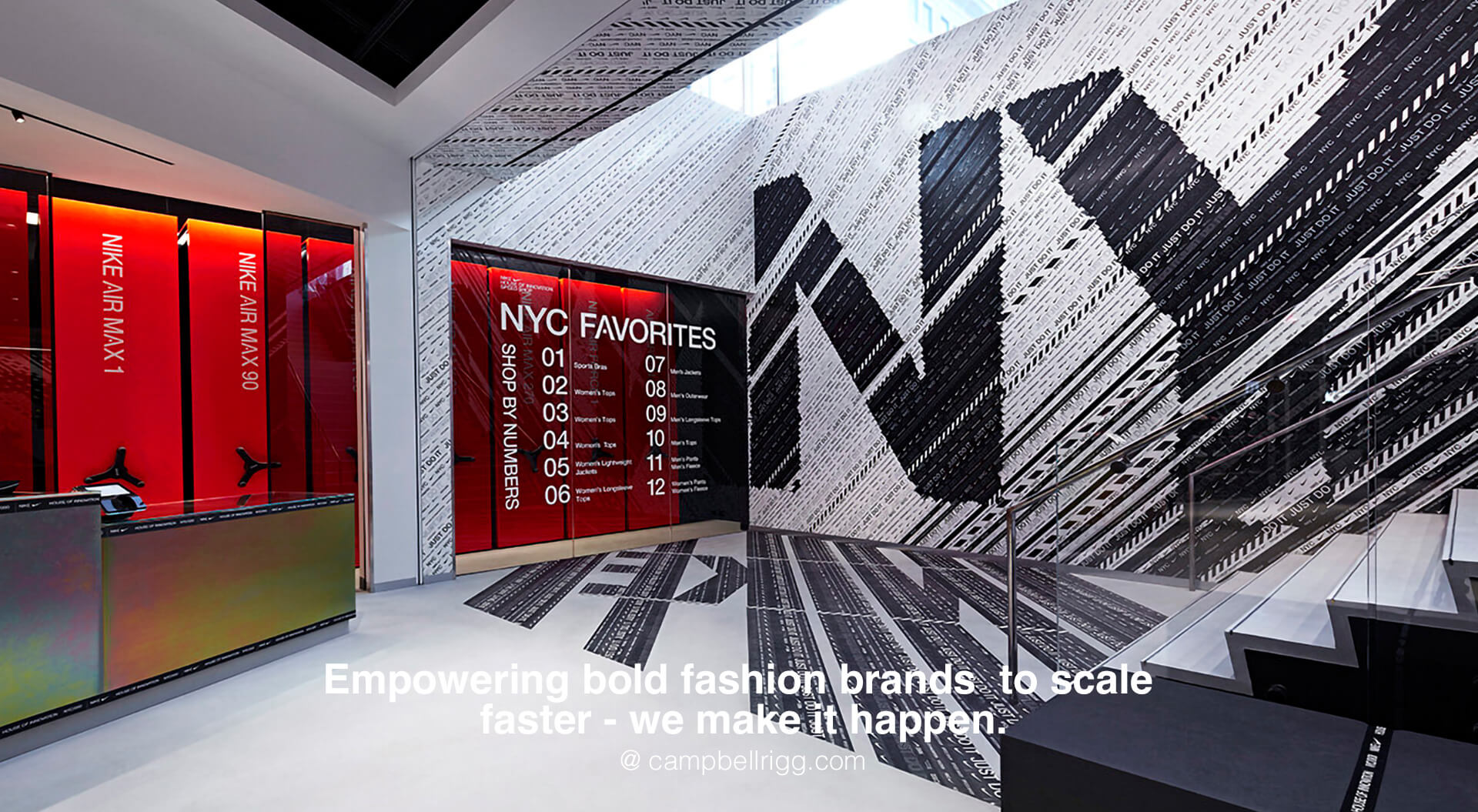
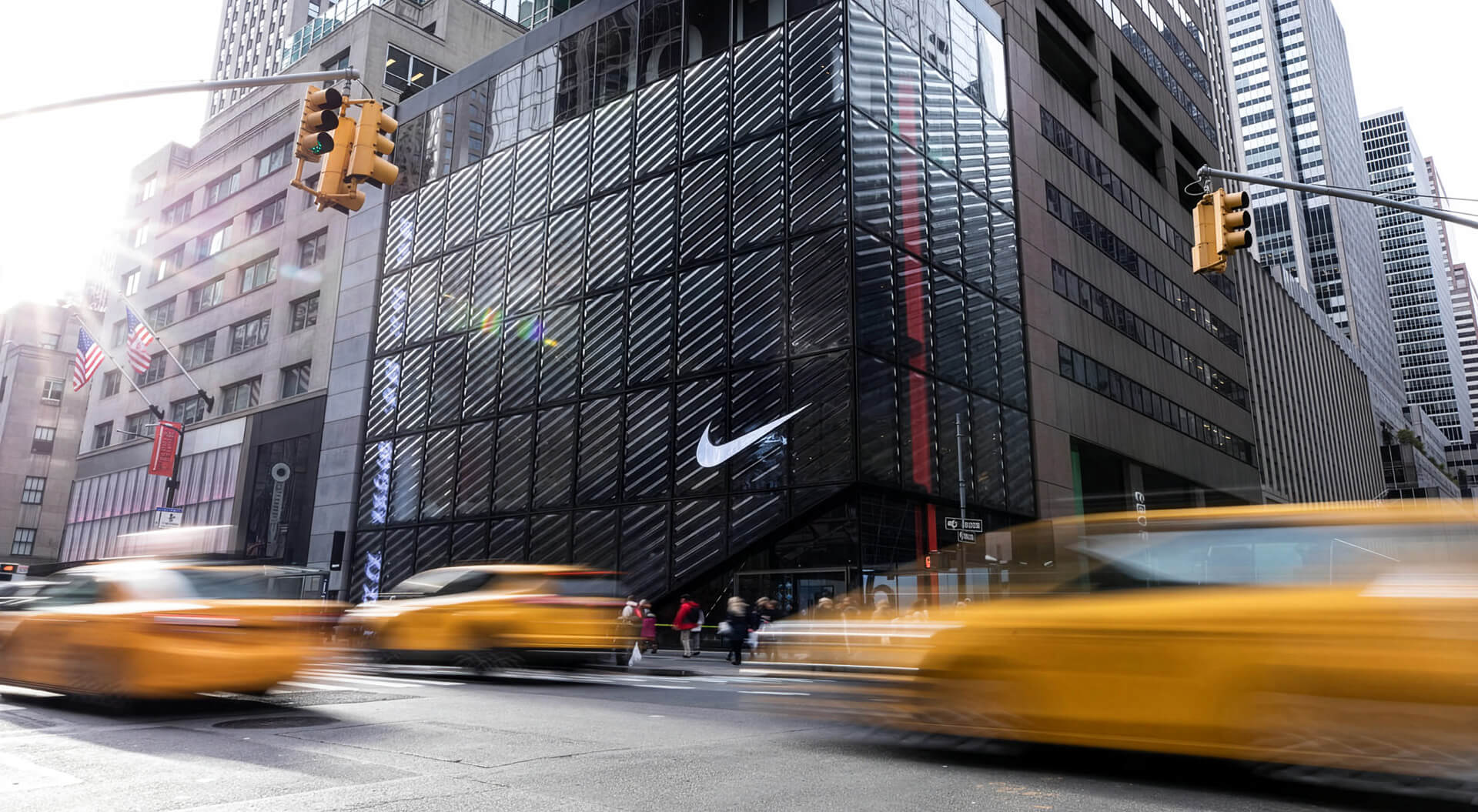
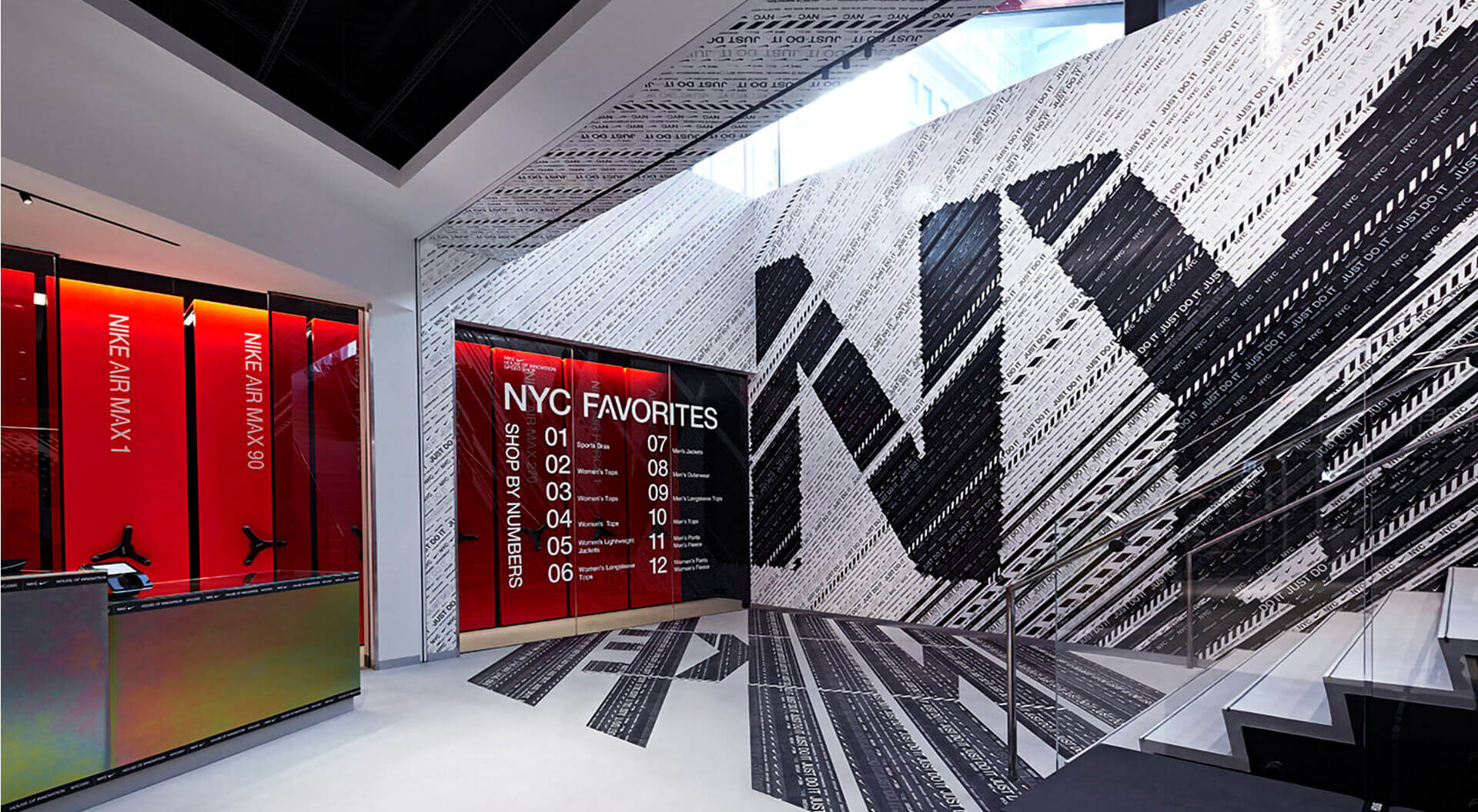
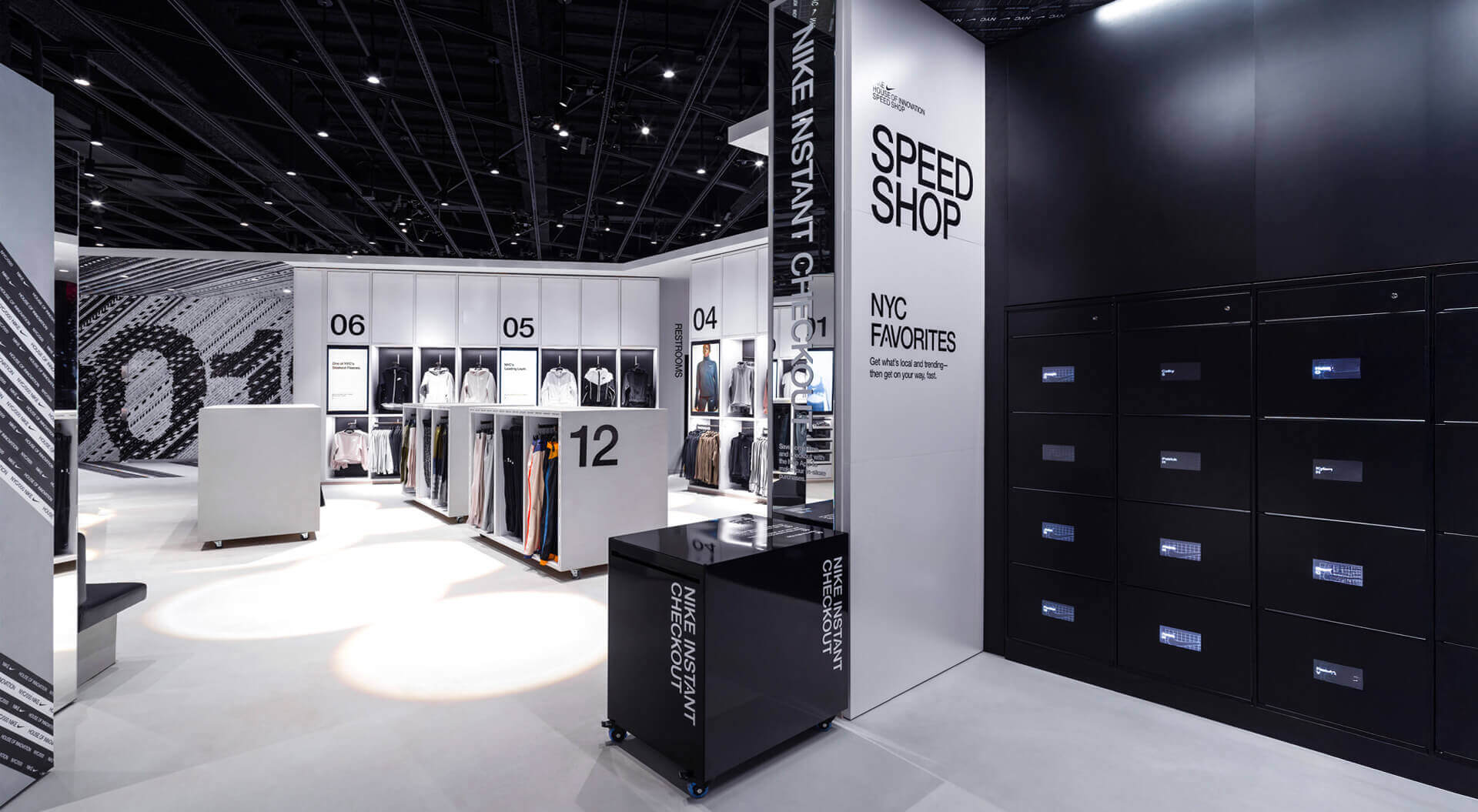
Nike House of Innovation 000: Participation, Personalisation and Digital Experience
Nike House of Innovation 000 in New York demonstrates how a flagship can make participation part of the brand experience.
The six-level store combines product discovery, digital services, personalisation and specialist assistance. Features including Scan to Try, Shop the Look and Instant Checkout connect digital capability with physical product discovery.
The important lesson is not simply that Nike uses technology.
It is that technology, product interaction, personalisation and service have been integrated into the customer's reason for visiting.
How CampbellRigg applies the principle: CampbellRigg evaluates experiential technology according to customer purpose, operational practicality and commercial relevance.
The team can map where interaction should occur, determine the spatial requirements for participation and service, and integrate those requirements with merchandising, circulation and brand expression.
The benefit is a technology strategy that supports discovery, engagement, service and conversion, rather than creating isolated digital features.
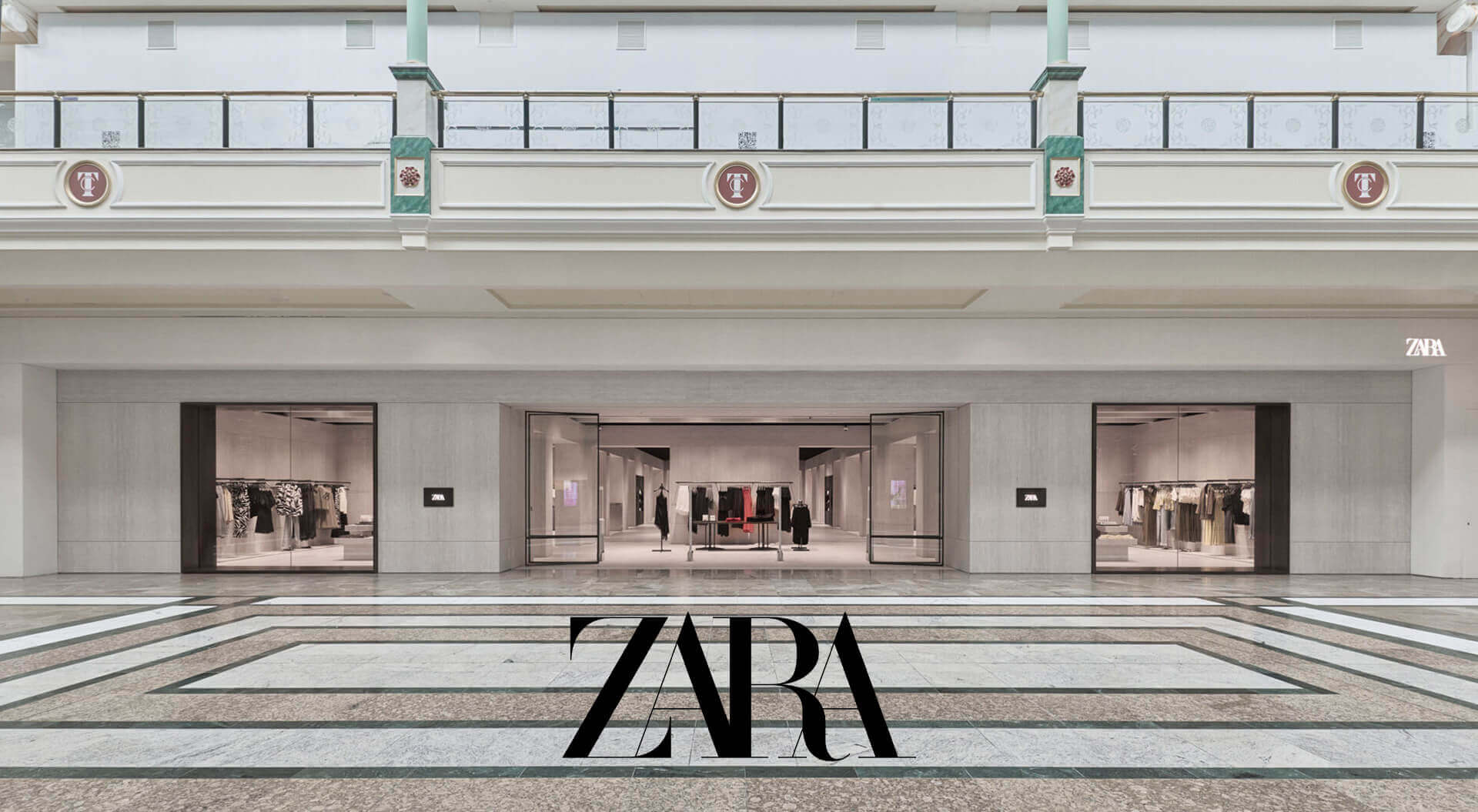
Customer Journey and Spatial Experience
The customer journey is where experiential strategy becomes physical.
Entrance, circulation, category zoning, product adjacencies, fitting rooms, styling areas and service points all influence behaviour. At the same time, stock access, replenishment, collection, checkout and returns must operate efficiently behind the customer experience.
How CampbellRigg helps: CampbellRigg's multidisciplinary capability combines retail strategy, shopper journey planning, space planning, interior design, merchandising and operational requirements at concept stage.
Customer journeys are mapped against merchandise priorities and operational flows. Space is then allocated according to commercial importance rather than simply divided into departments.
The benefit is a store that can be inspiring for customers while practical for staff, reducing the conflict between experience and operational efficiency.
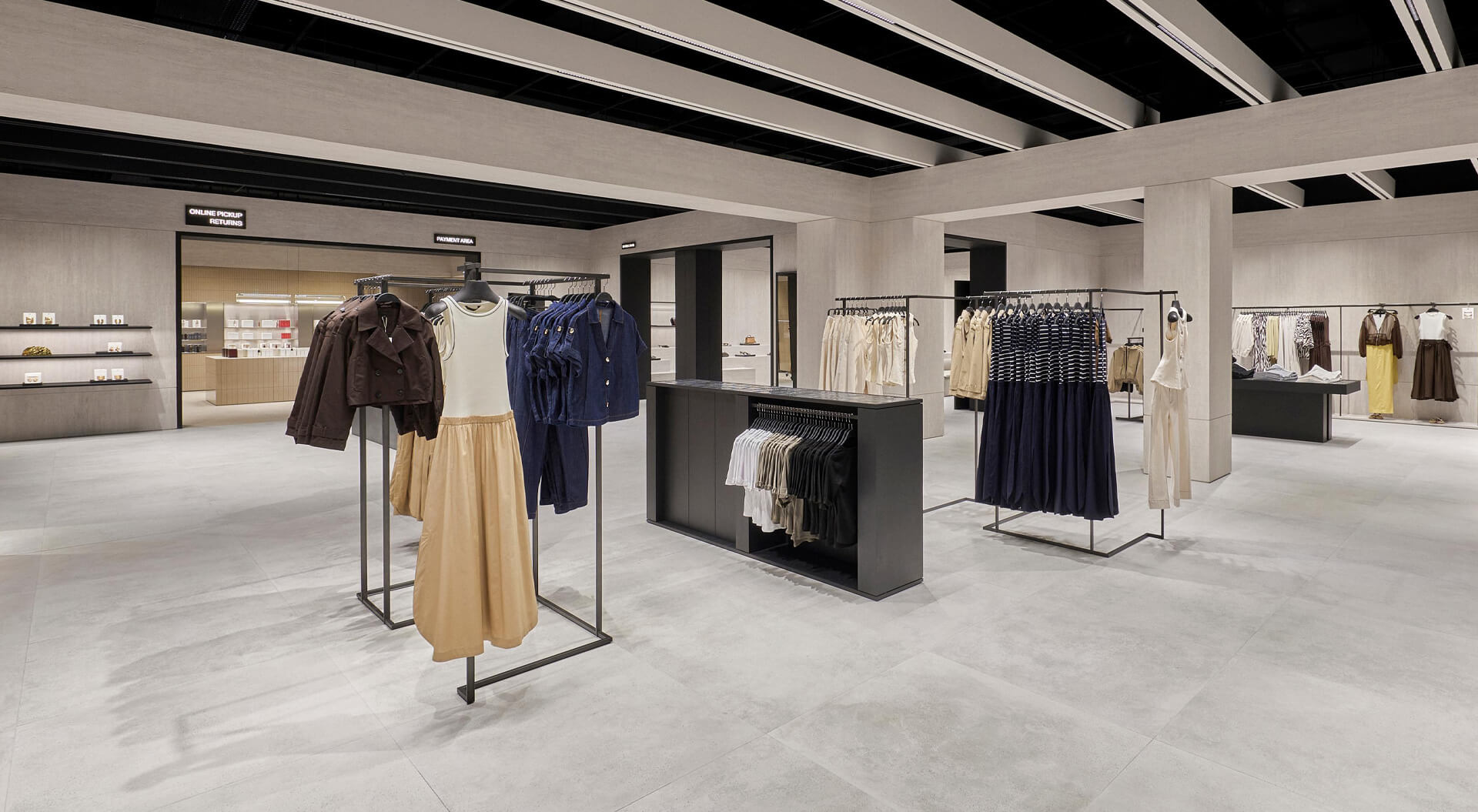
Social and Shareable Brand Experiences
Distinctive installations, campaign environments, product moments and architectural features can extend the store experience into social channels.
But an “Instagrammable” store is not a commercial strategy.
How CampbellRigg helps: CampbellRigg identifies opportunities where brand identity, product launches, architectural features and customer participation can naturally create content worth sharing.
The emphasis is on creating moments that have a reason to exist within the brand and customer journey.
The benefit is social content generated from genuine brand experience, rather than expensive visual installations disconnected from the retail proposition.
Testimonial: "I am extremely pleased with the outstanding work of Campbell and his team, who helped us create our new presence. I wholeheartedly recommend CampbellRigg." Carlos Criado-Perez Cheif Executive Officer, Safeway
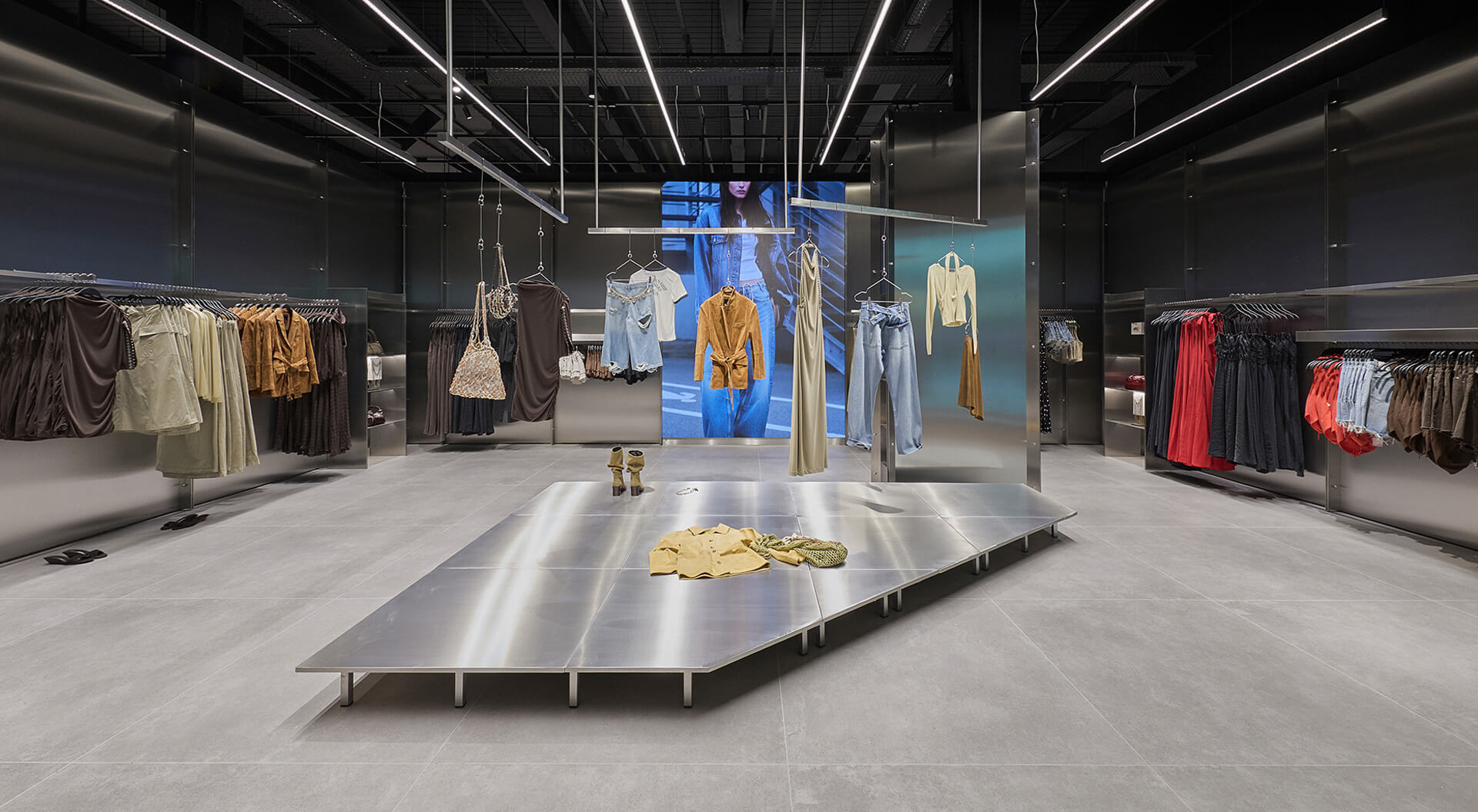
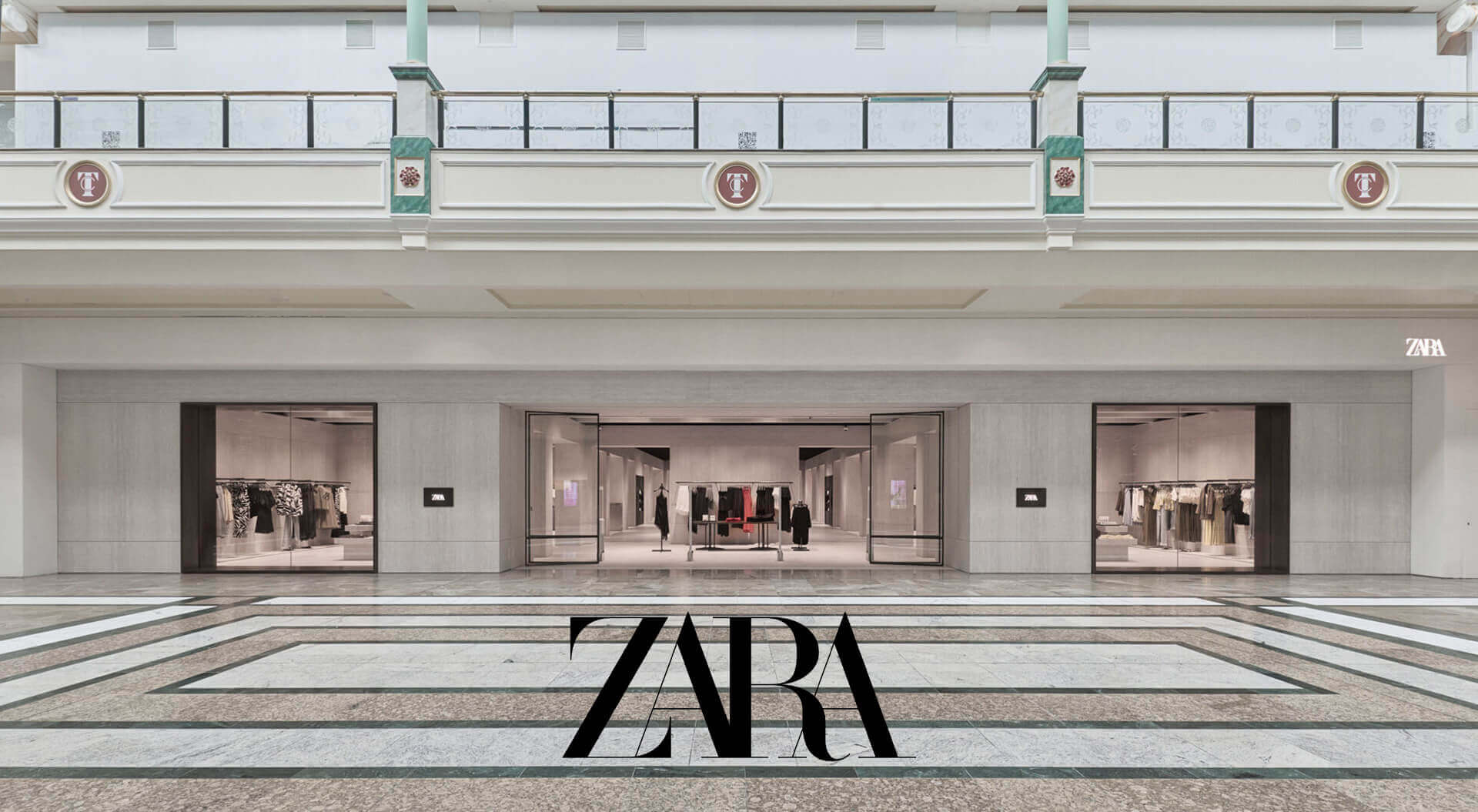
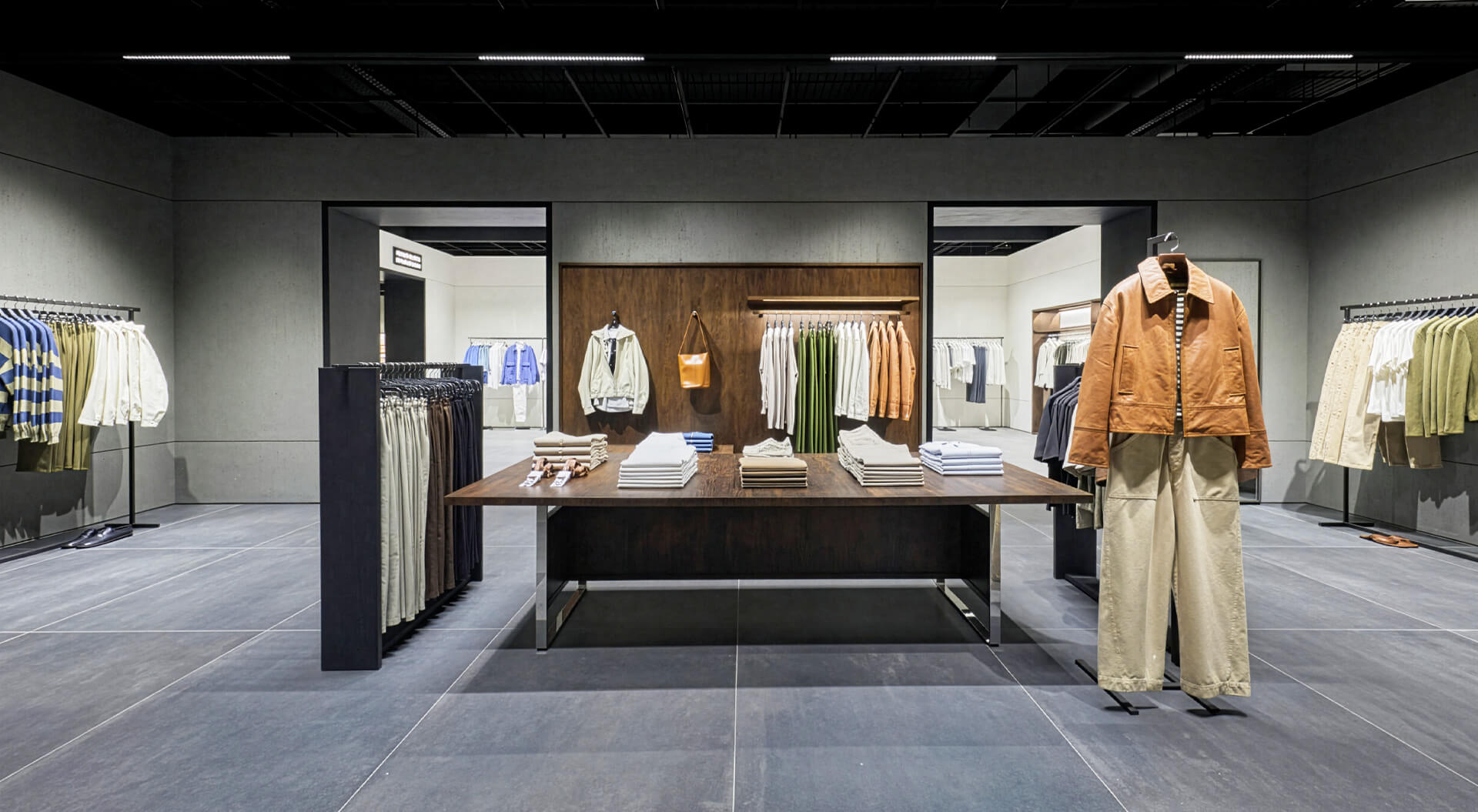
Zara Trafford Centre: Curated Fashion Discovery and Operational Efficiency
Zara's Trafford Centre flagship provides a contrasting approach.
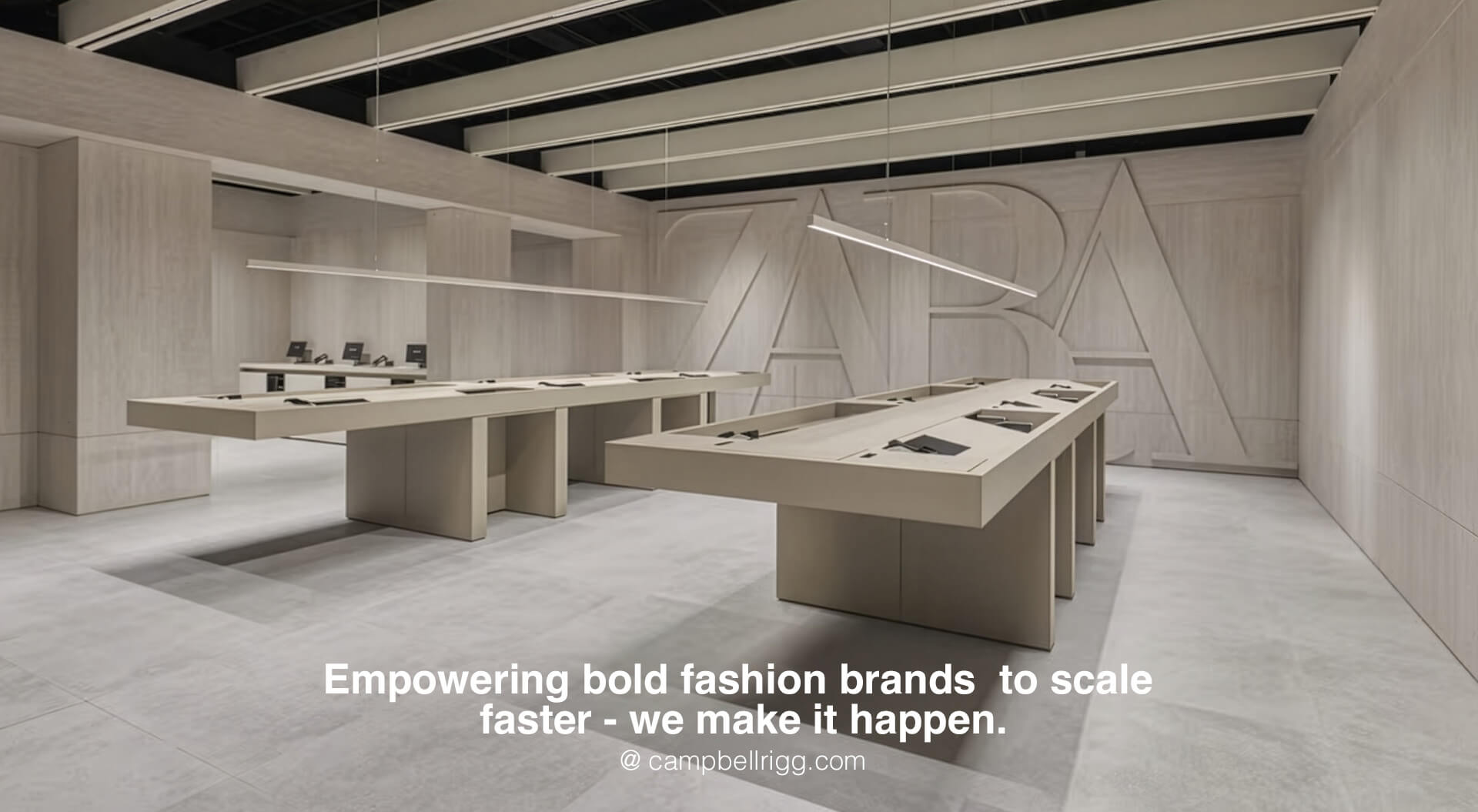
The store combines differentiated product environments, curated merchandising, digital services and operational technology. Its interconnected spaces give individual collections greater identity while technology supports inventory, product-location, collection and checkout services.
The strategic lesson is significant: Experiential retail does not require spectacle.
Curation, navigation, service and operational efficiency can themselves become part of the customer experience.
How CampbellRigg applies the principle: CampbellRigg analyses the relationship between merchandise architecture, customer navigation and operational flow to determine where differentiation will genuinely improve the shopping experience.
This includes category hierarchy, product adjacencies, sightlines, customer circulation, service locations and back-of-house requirements.
The benefit is a more intuitive shopping environment, where customers can discover products more easily while the retailer gains a practical framework for managing space and merchandise.
Personalisation, Service and Assisted Selling
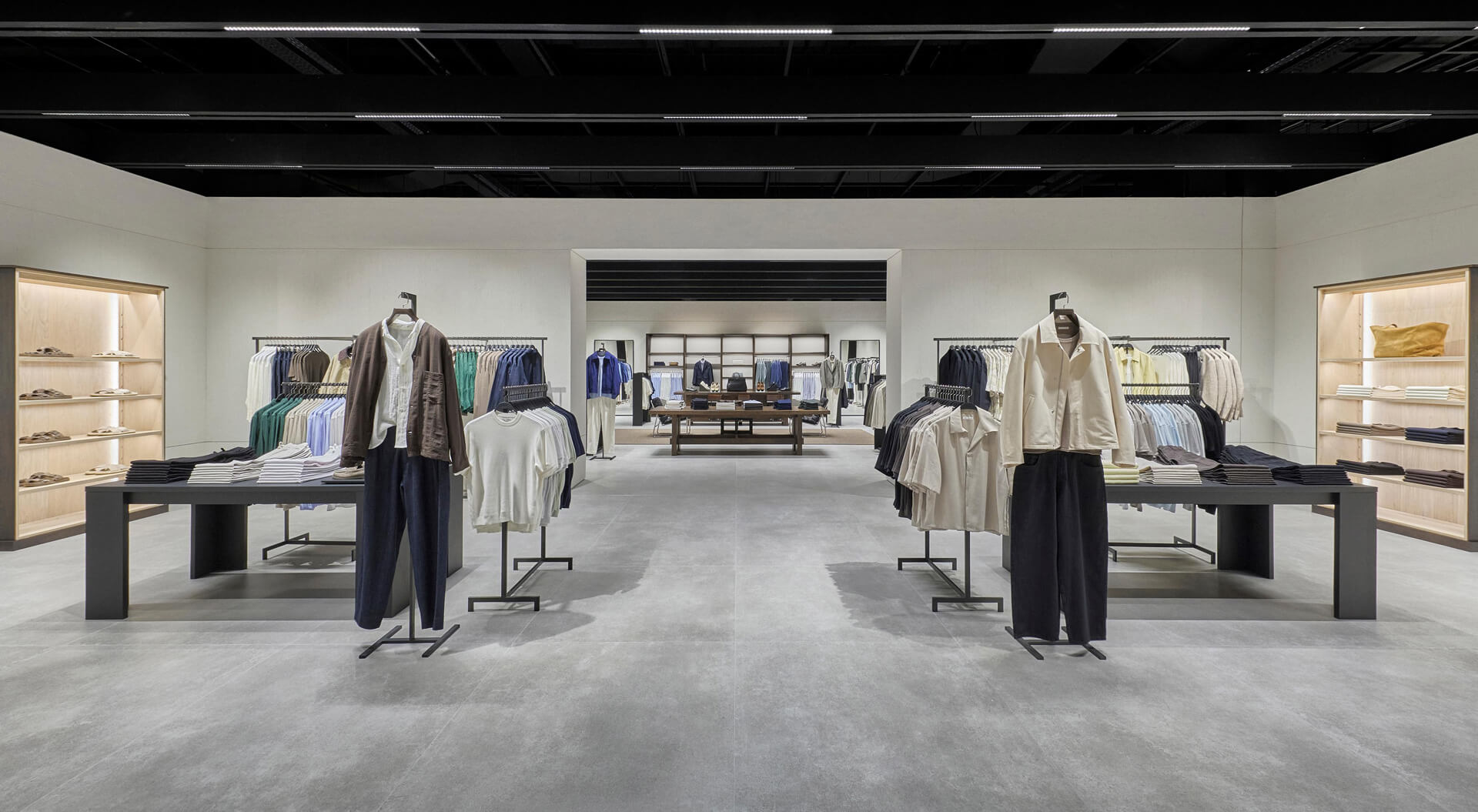
Personalisation can make the physical store substantially more useful.
Styling appointments, customer profiles, assisted selling, digital recommendations and integrated product information can help customers make decisions with greater confidence.
How CampbellRigg helps: CampbellRigg designs the physical environment around the service proposition as well as the visual proposition.
This means determining where consultations should occur, how fitting rooms should connect with assistance, where product information should be accessible and how staff can move naturally between discovery and assisted selling.
The benefit is a retail environment in which people, space, merchandise and technology work as one service system, improving relevance while creating opportunities for higher-value engagement.
From Design Intervention to Commercial KPI
- Every experiential intervention should begin with a commercial hypothesis.
- A clearer merchandise hierarchy may reduce search time.
- A stronger product zone may increase interaction.
- Better product adjacencies may create attachment opportunities.
- A redesigned fitting-room journey may improve the transition from selection to purchase.
- Digital inventory visibility may reduce frustration.
- A distinctive brand environment may increase engagement and recall.
How CampbellRigg helps: CampbellRigg establishes the relationship between design decision, expected customer behaviour and relevant KPI before implementation.
Depending on the project, measures may include conversion, dwell time, product interaction, average transaction value, attachment, customer satisfaction, repeat visitation or sales performance.
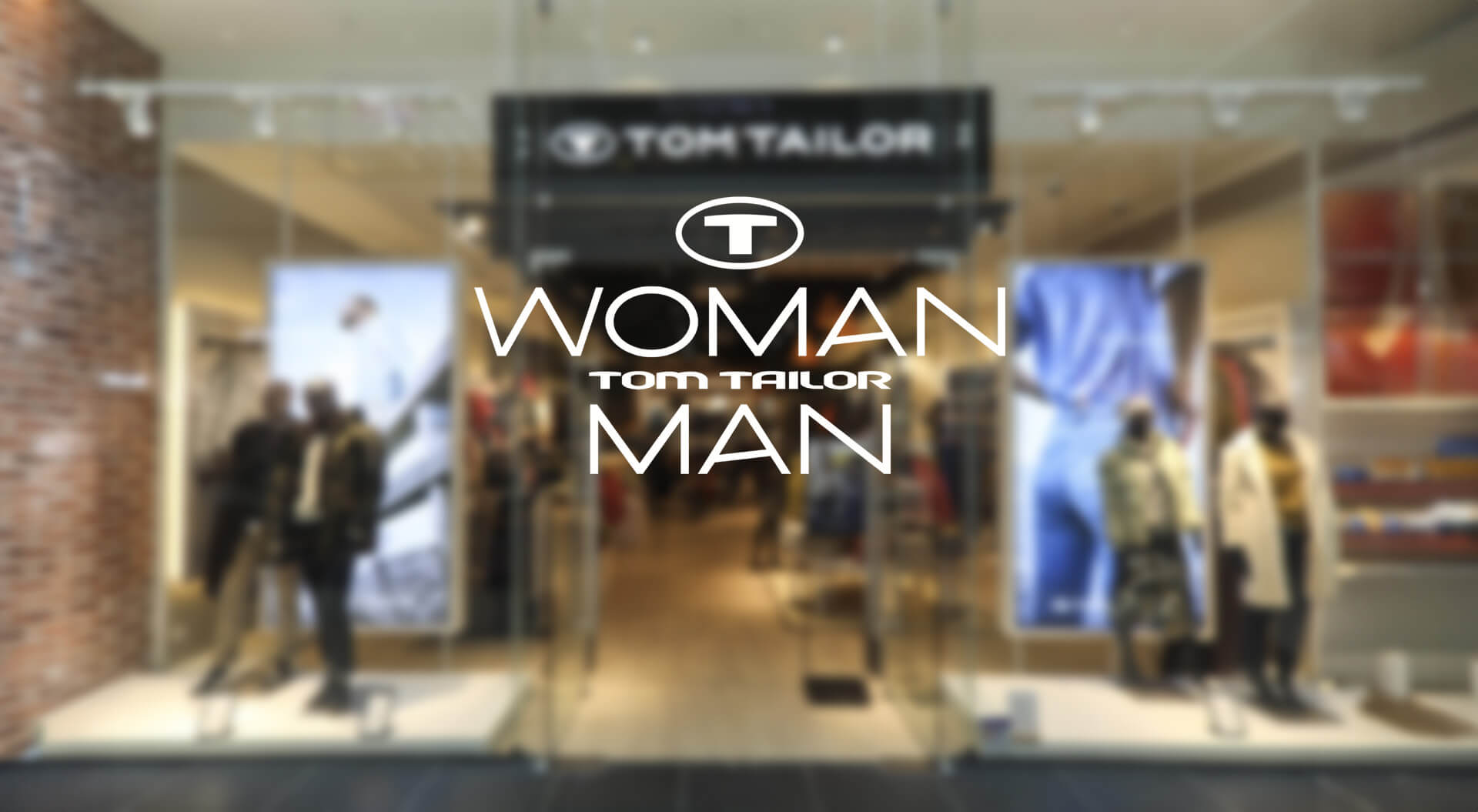
CampbellRigg's project propositions have included potential sales uplifts of 15–30% through shopper-centric layouts and optimised fashion retail strategies. Its Tom Tailor work targeted a 20%+ sales uplift through shopper-focused layouts and merchandising, while tailored space planning and intuitive navigation have been associated with opportunities to increase average basket value by up to 18%.
These are project-specific objectives, not universal guarantees.
The benefit is a management framework for evaluating design against commercial performance, rather than treating design as an unmeasured capital expenditure.
Designing Experience Around Customer Behaviour
Senior management should begin with five questions:
Why should the customer enter?
Does the entrance communicate a compelling proposition?
What should the customer discover?
Does merchandise hierarchy balance inspiration with navigation?
Where should engagement deepen?
Are there appropriate spaces for interaction, styling and consultation?
What should be easier?
Do navigation, information, fitting rooms, checkout, collection and returns remove unnecessary friction?
What should the customer remember?
Does the physical experience reinforce what makes the brand distinctive?
How CampbellRigg helps: CampbellRigg brings these questions together through retail strategy, customer journey planning, brand development, spatial design, visual merchandising, digital integration and implementation expertise.
The benefit is that management can move from a broad ambition to a defined experiential strategy, design brief, store concept and implementation roadmap.
CampbellRigg: Turning Experiential Retail Strategy into Commercial Performance
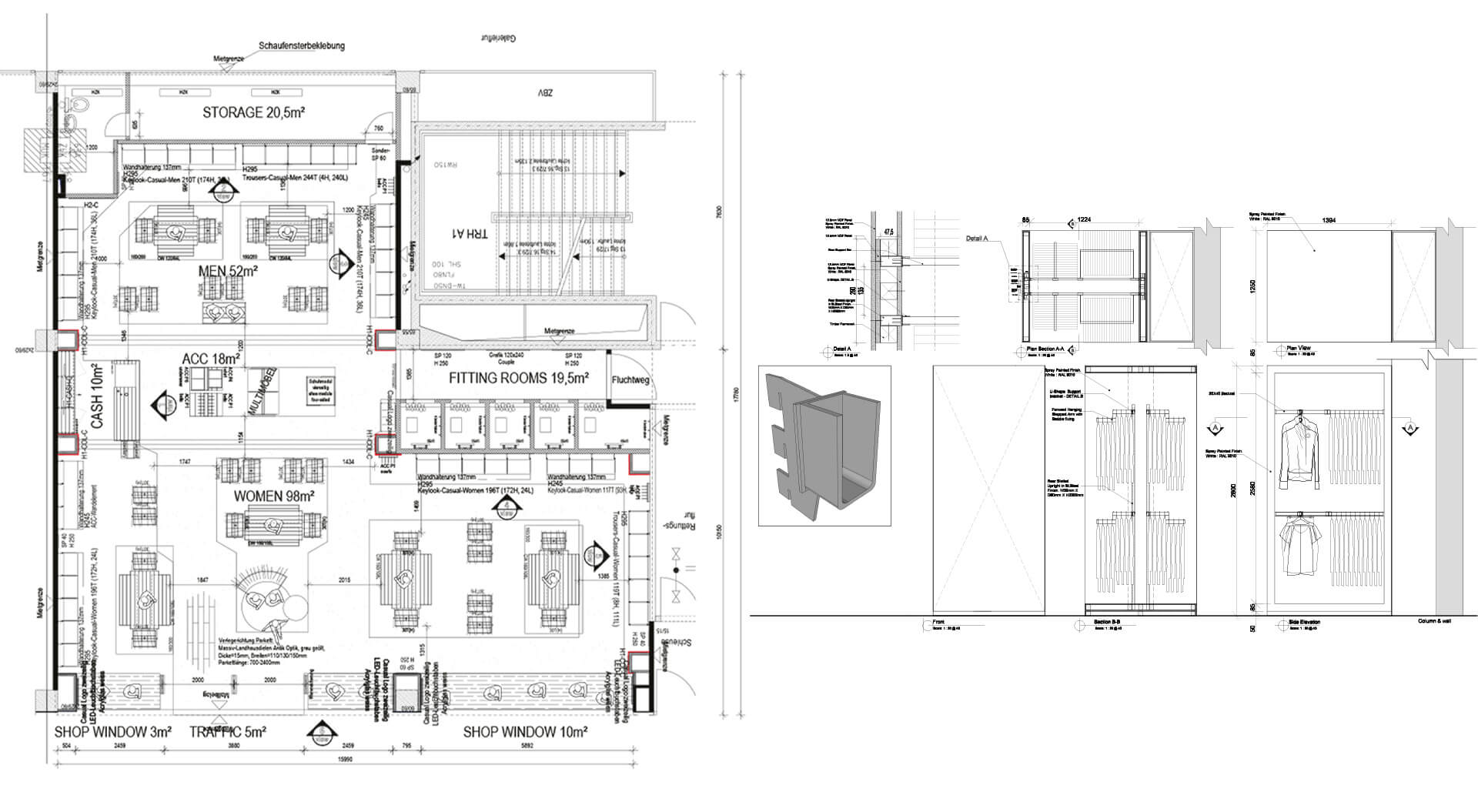
CampbellRigg provides an integrated process covering:
- retail and brand strategy;
- brand auditing and positioning;
- customer and shopper journey planning;
- experiential store concepts;
- spatial planning and store layout;
- sensory and environmental design;
- visual merchandising;
- digital and phygital integration;
- service and assisted-selling environments;
- prototype development;
- design standards;
- implementation and rollout support.
How CampbellRigg helps: The process begins with a free consultation to identify the commercial challenge.
CampbellRigg then develops a bespoke brief connecting brand, customer, operational and financial objectives.
The multidisciplinary team progresses from strategy into concept development, spatial design, visual communication, customer experience and implementation planning, allowing decisions made at strategic level to remain connected through to the physical store.
The benefit is a coherent retail proposition rather than a collection of disconnected design commissions.
For international fashion retailers, CampbellRigg combines cost-effective excellence, rapid execution, multidisciplinary expertise, global reach and local insight.
Turn Experiential Retail Strategy into Commercial Performance
The next generation of fashion retail will not be defined by technology, architecture or visual spectacle alone.
It will be defined by how effectively the physical environment connects brand, customer behaviour, service, product discovery and commercial performance.
Nike demonstrates the potential of participation, personalisation and digital experience. Zara demonstrates that curation, navigation, service and operational efficiency can themselves create an elevated experience.
The management opportunity is to determine which principles matter for the brand, establish the required customer behaviours and translate those objectives into a coherent retail environment.
That is where CampbellRigg's multidisciplinary expertise becomes valuable.
Schedule a free consultation with CampbellRigg to develop an experiential fashion retail strategy, store concept or customer journey aligned with your brand, customers and commercial objectives.

Schedule your consultation today and receive a free quote.
Cost-Effective Excellence:
Our pricing structure is highly competitive, offering exceptional value without compromising on quality or creativity.
Rapid Execution:
We move fast. From concept to implementation, our agile team ensures your project is delivered on time and to the highest standards.
Multidisciplinary Expertise:
Our team brings together seasoned brand strategists, architects, interior designers, and graphic designers, collaborating to create seamless, end-to-end brand environments.
Global Reach, Local Insight:
With successful projects delivered across Europe, the Middle East, and Asia, we combine international experience with local market understanding.
Scalable Project Delivery:
Whether it's a flagship fashion store, an urban network or mall store, we manage and execute projects of all sizes, efficiently and effectively.
Proven Track Record:
Our designs evolve branch networks from purely transactional spaces into experiential, relationship-focused brand environments, enhancing engagement, elevating customer experience, and driving tangible business results.
Full-Service Creative Agency:
From rebranding and marketing campaigns to spatial design and rollout, we provide an integrated service tailored to your goals.