News and Views
Retail Network Strategy 2027–28: Building Scalable Food and Technology Retail Formats Across Multiple Markets




Retail network strategy is becoming a critical management discipline for organisations operating across multiple stores, formats, markets and customer missions.
The challenge is no longer simply to design a successful individual store. It is to create a scalable retail system that allows management to develop, test, adapt and roll out commercially effective formats across an entire network.
For CEOs, retail directors and transformation teams, the strategic question is straightforward:
How can we turn our retail strategy into a repeatable network of stores that strengthens the brand, develops a more effective marketing proposition and delivers measurable commercial performance?
The answer requires more than architecture or interior design. It requires the integration of brand strategy, marketing development, customer experience, format planning, store design, operational requirements and rollout management.
CampbellRigg's experience across supermarkets, banking, technology, telecoms, fashion, petrol forecourts and other retail environments provides the multidisciplinary foundation for connecting these disciplines into one scalable retail strategy.
Why Retail Networks Need a Strategic System
Retailers often develop stores through individual projects. A new location is commissioned, a designer develops the environment, branding is applied and the store opens.
That approach can produce a successful individual location but becomes increasingly inefficient when applied across a network.
Different teams may develop different solutions. Brand standards can become inconsistent. Marketing messages may vary between locations. Format decisions can be repeated unnecessarily. Design costs increase. Customer experience varies between stores. And management can lose visibility of how individual capital investments contribute to the wider brand and estate strategy.
A scalable network requires a different approach.
The objective should be: One business strategy → one brand proposition → multiple relevant formats → consistent customer experience → adaptable store design → integrated marketing → controlled rollout → measurable performance.
This is where retail network strategy begins to influence not only the physical environment but also the way a brand communicates, markets and positions itself.
A store format is effectively a physical expression of the brand proposition. If the format changes, the customer journey changes. If the customer journey changes, the marketing proposition must evolve with it.
CampbellRigg therefore treats brand strategy, customer insight, estate strategy, format planning, customer journey, space planning, store design, marketing development, implementation, measurement and rollout as connected stages rather than independent creative commissions.
The First Decision: What Role Does Each Format Play?
A retail estate should not consist of identical stores simply repeated at different locations.
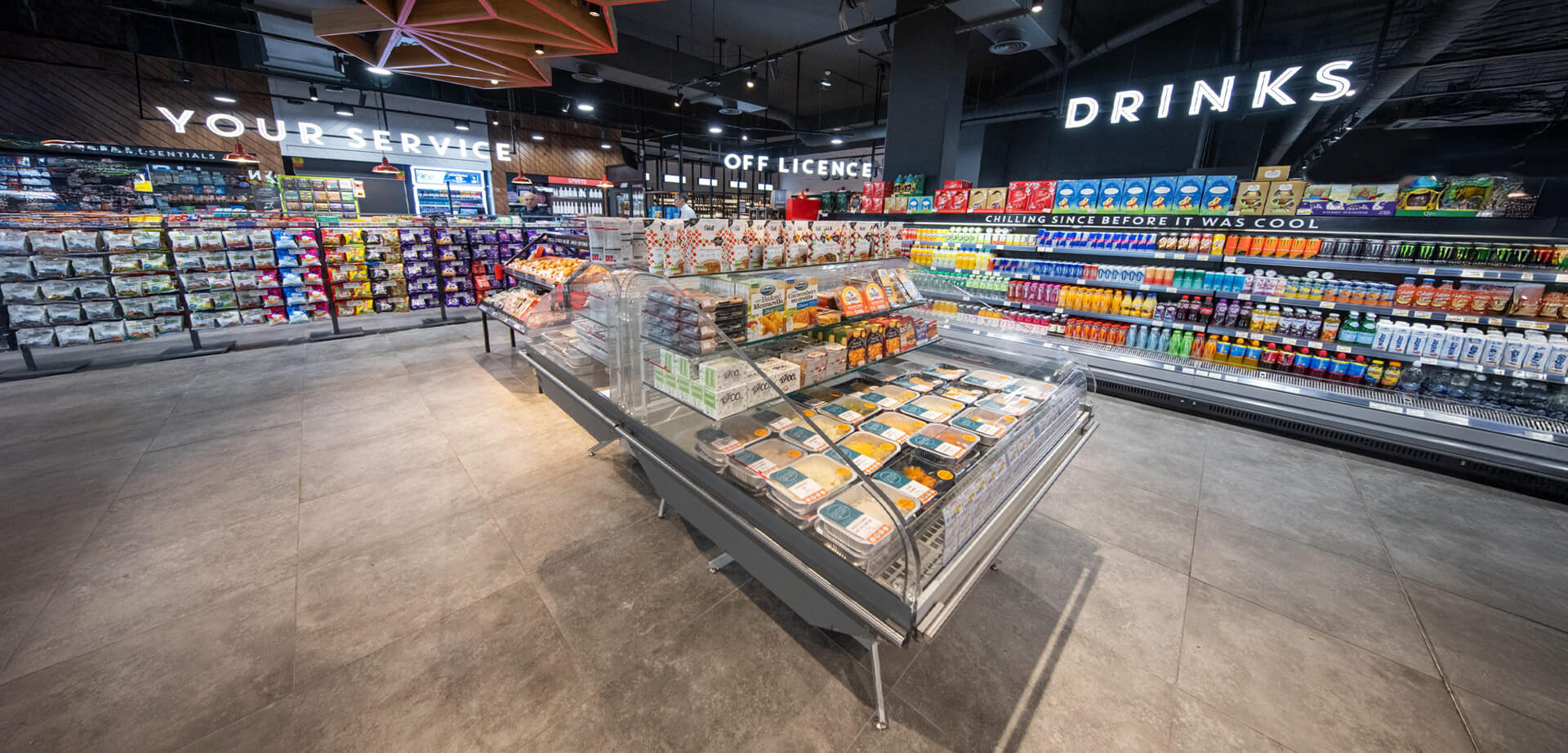
A city-centre store may serve high-frequency convenience missions. A destination store may require greater assortment and discovery. A flagship may exist to communicate brand leadership and demonstrate the full proposition. A compact format may prioritise accessibility, speed and fulfilment.
The correct question is therefore not: “How do we make every store look the same?” It is: “What should remain consistent across the network, and what must change according to customer, location and commercial opportunity?”
How CampbellRigg helps
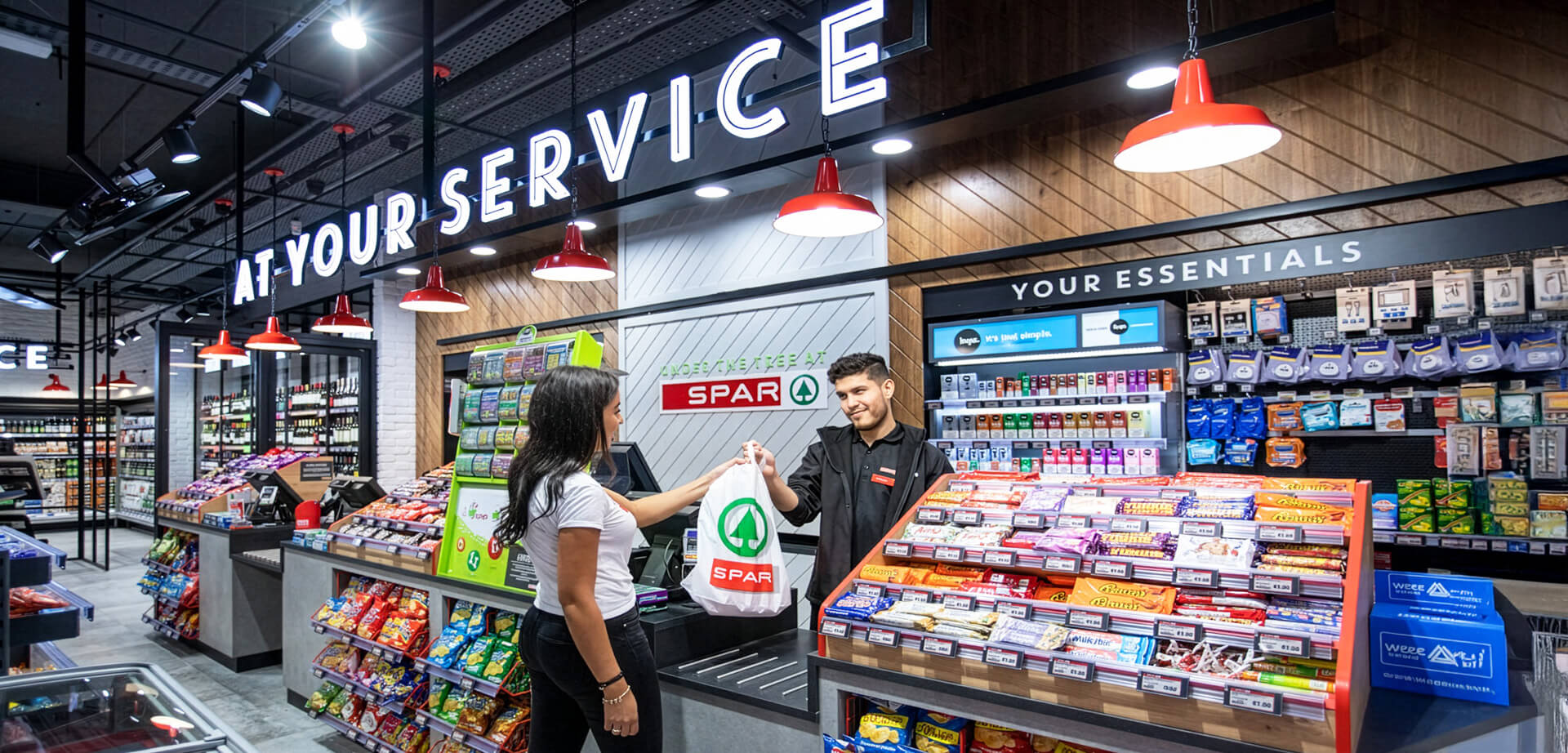
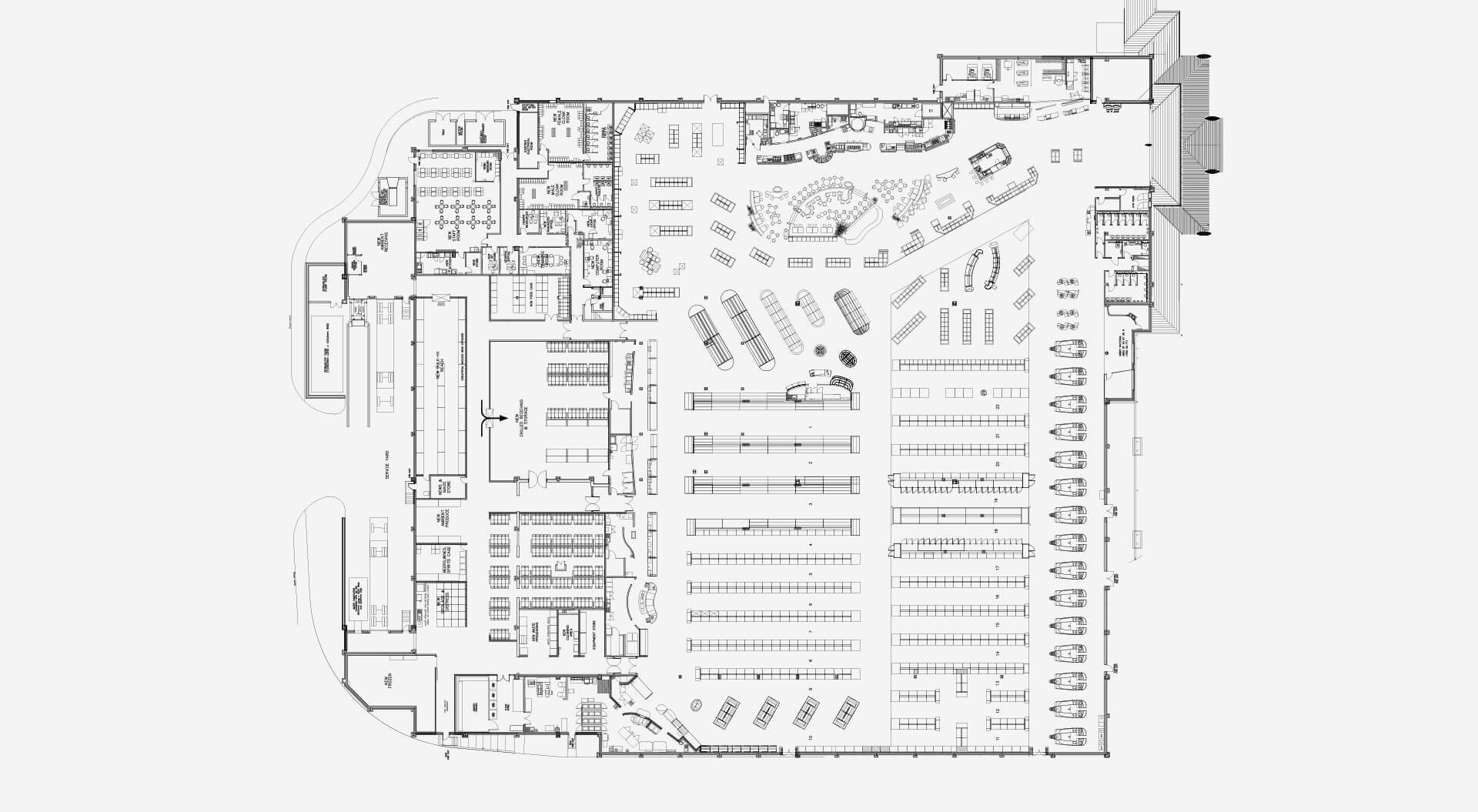
CampbellRigg defines the role of each format within the wider estate. Customer missions, catchment, location, footprint, assortment, operational requirements and commercial objectives are translated into format principles. The result is a defined architecture of store formats rather than a collection of individual projects. This also determines how the brand should be marketed at each customer touchpoint. A flagship may communicate innovation and leadership. A convenience format may communicate speed, accessibility and relevance. A specialist format may emphasise expertise and service.
The benefit
Management gains a clearer basis for deciding which format belongs where, what investment each format requires, how the brand proposition should be expressed and how each location contributes to the wider network.
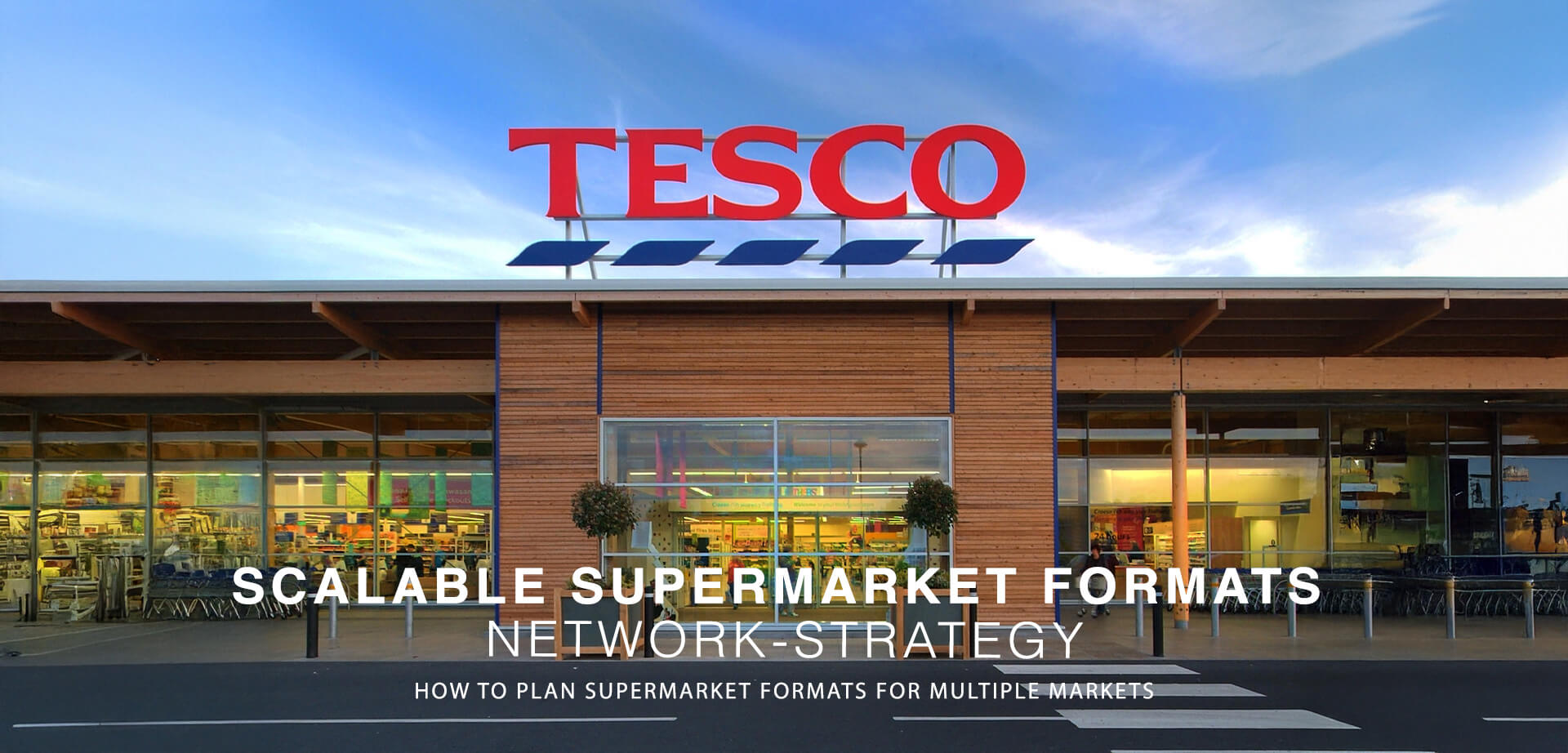
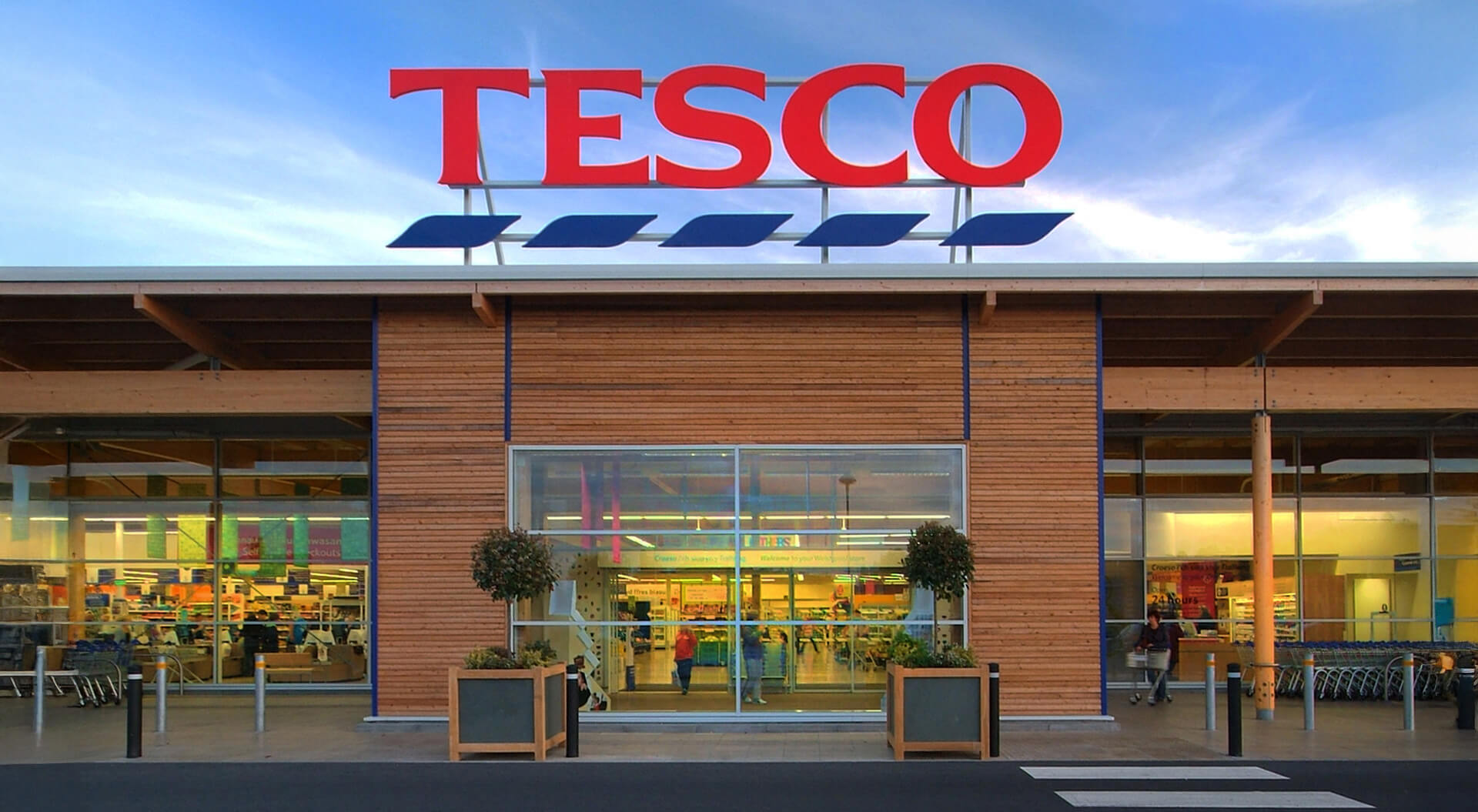
Tesco: Turning Format Strategy into Brand and Marketing Development
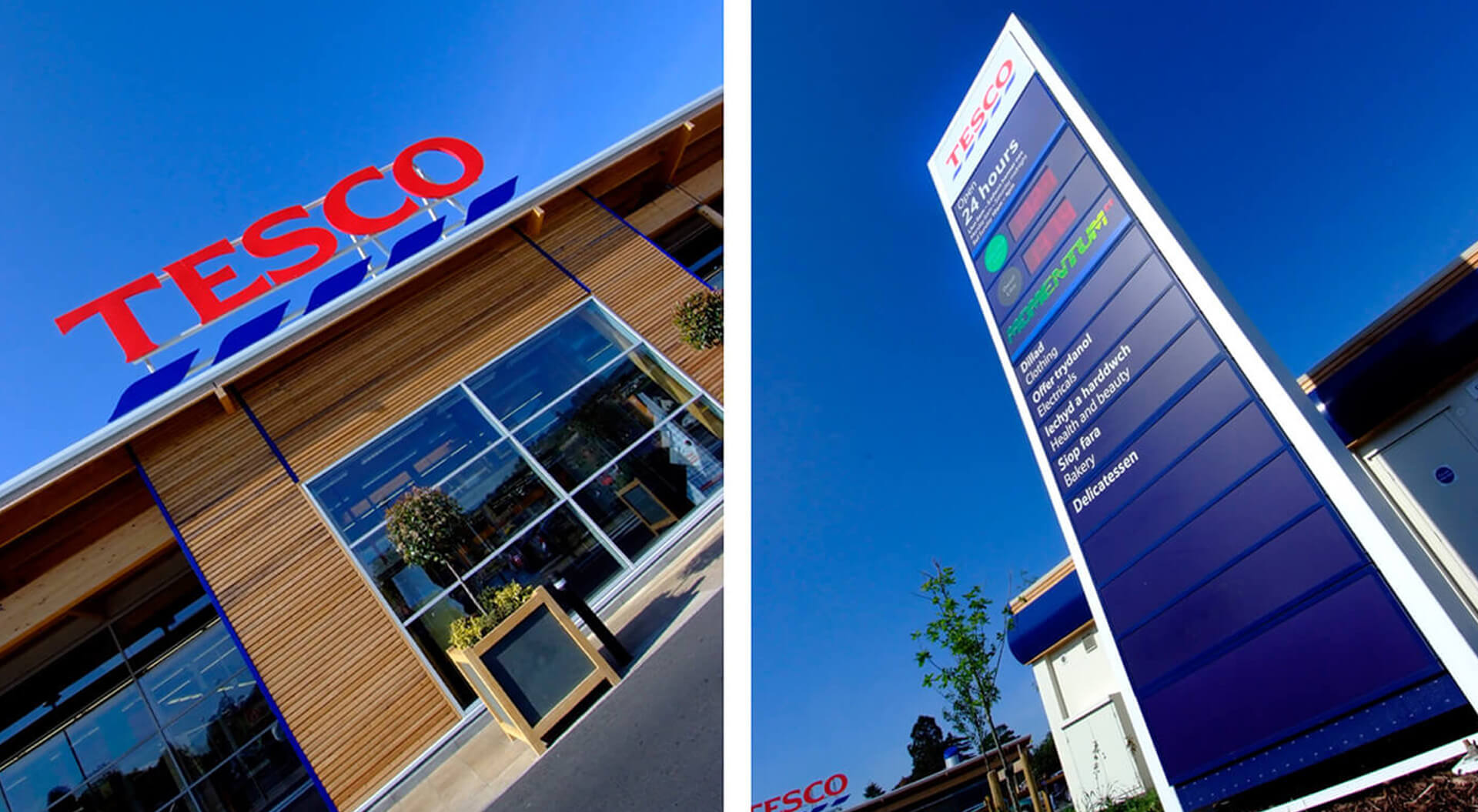
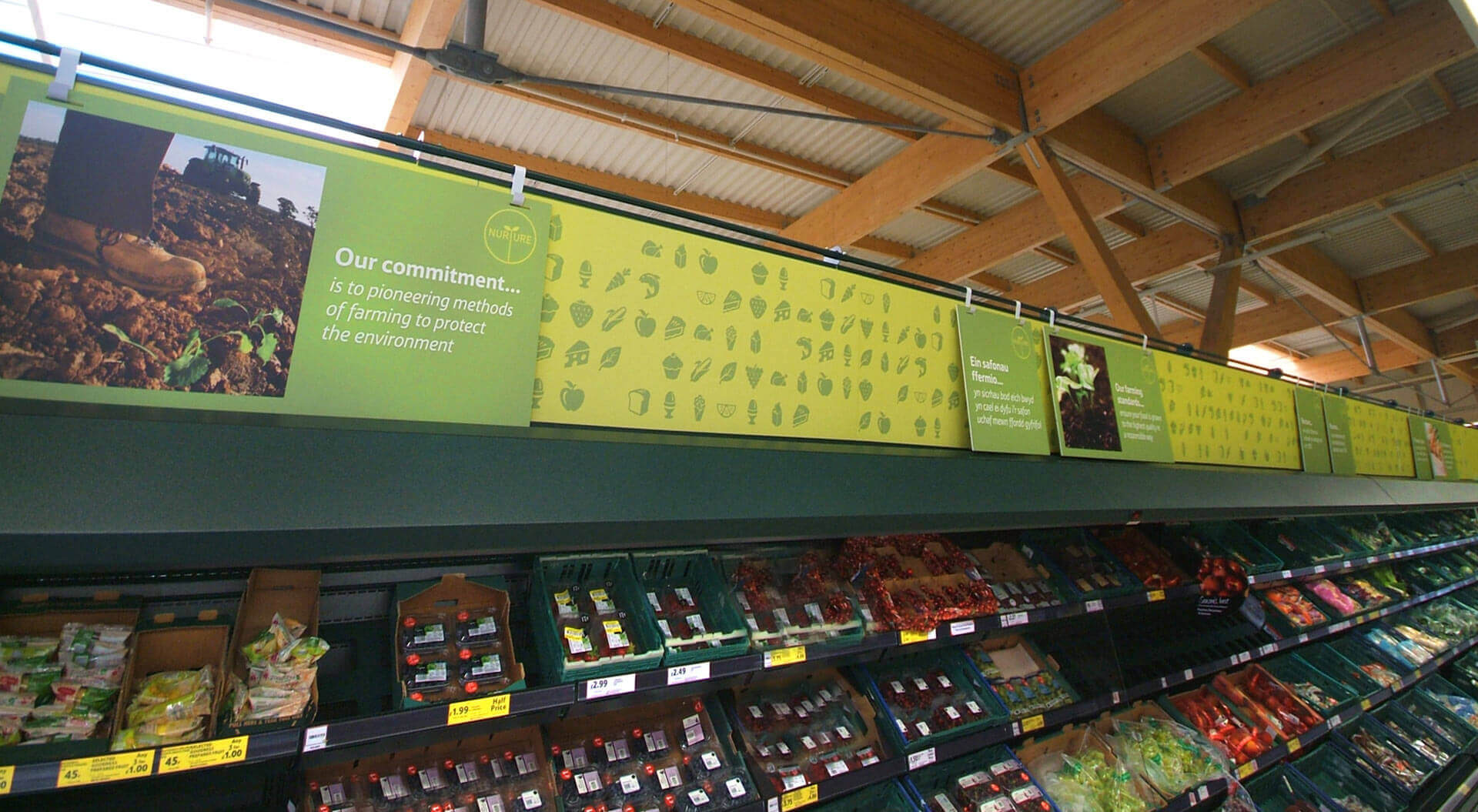
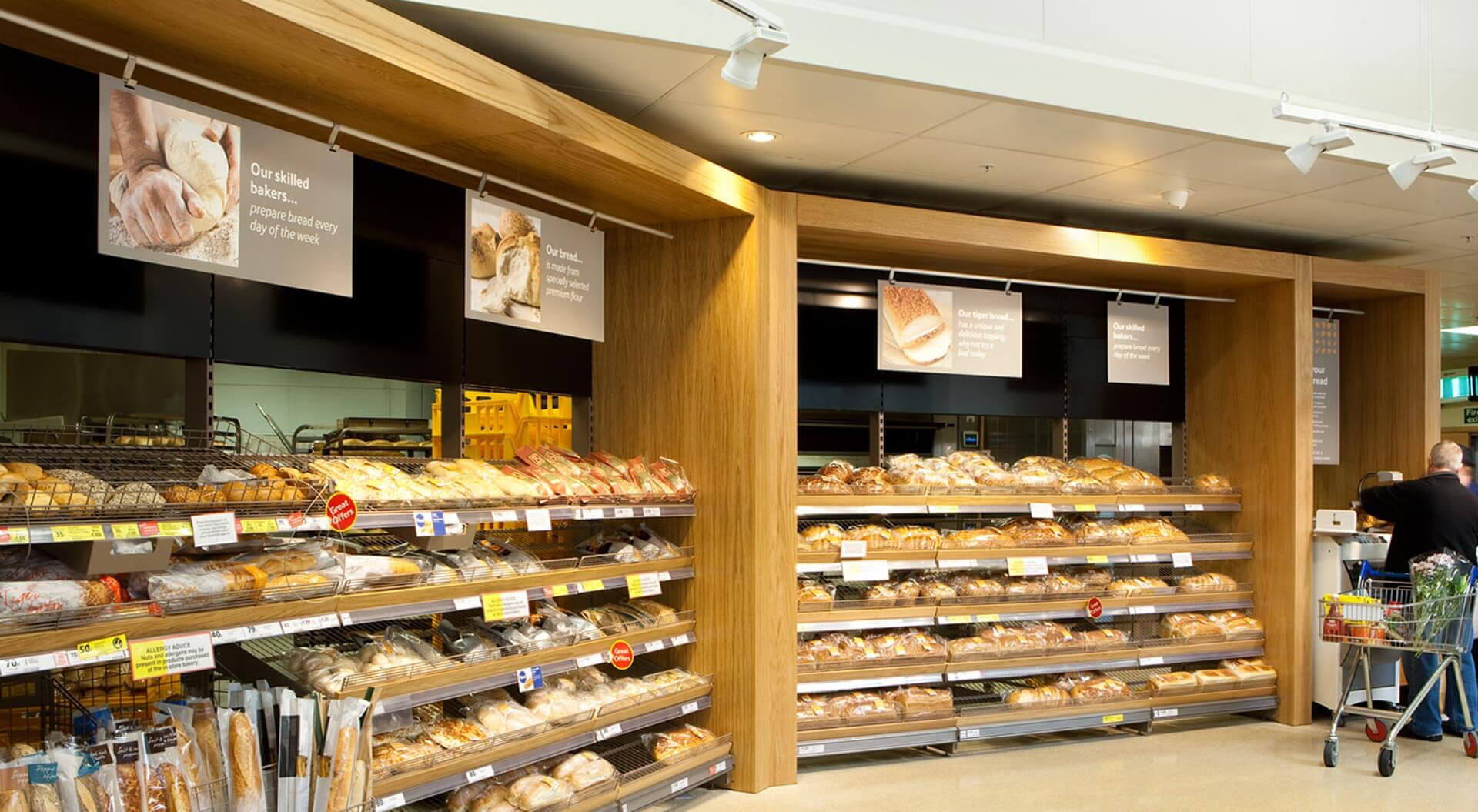
Tesco provides a strong example of why retail network strategy cannot be separated from brand and marketing development. A major supermarket network may operate different formats to serve different customer missions, from convenience-led stores through to larger destination environments. The physical format therefore changes, but the customer must still recognise the Tesco proposition. The strategic challenge is to establish which elements of the brand remain constant and which should adapt. For CampbellRigg, this means treating format planning as an extension of brand strategy. The brand proposition determines the experience. The experience determines how the format is organised. The format then provides the physical platform through which marketing messages, product propositions, promotions and customer communications are delivered.
How CampbellRigg helps
CampbellRigg connects the Tesco brand proposition with format planning, customer experience and retail design, ensuring that the physical environment supports the commercial and marketing objectives of each format.
The benefit
The result is not simply a consistent visual identity. It is a consistent marketing proposition expressed differently according to customer mission and location.
- This is the distinction between applying a brand to stores and using the retail network as a strategic brand and marketing asset.
- Brand Consistency Without Creating Identical Stores
- Scalability does not mean uniformity.
A successful retail brand needs a recognisable set of principles that can operate across different footprints and markets. These may include brand identity, signage, navigation, tone of voice, customer-service principles, key experience standards and distinctive environmental elements.
Other components need greater flexibility.
Store entrances, category zoning, circulation, space allocation, product mix, service areas, merchandising and promotional communication may need to respond to local conditions.
The strategic objective is therefore controlled adaptation.
How CampbellRigg helps
Brand auditing establishes how the existing proposition is perceived and expressed. Strategy defines the desired market position. Marketing development translates that position into customer-facing propositions and communications. The design brief then converts those strategic decisions into practical requirements for customer experience, store planning, identity and implementation.
The benefit
Management receives one coherent brand, marketing and retail system that can adapt without losing recognition, rather than a series of disconnected local interpretations.
That creates a stronger relationship between what the organisation says through its marketing and what customers actually experience when they enter the store.
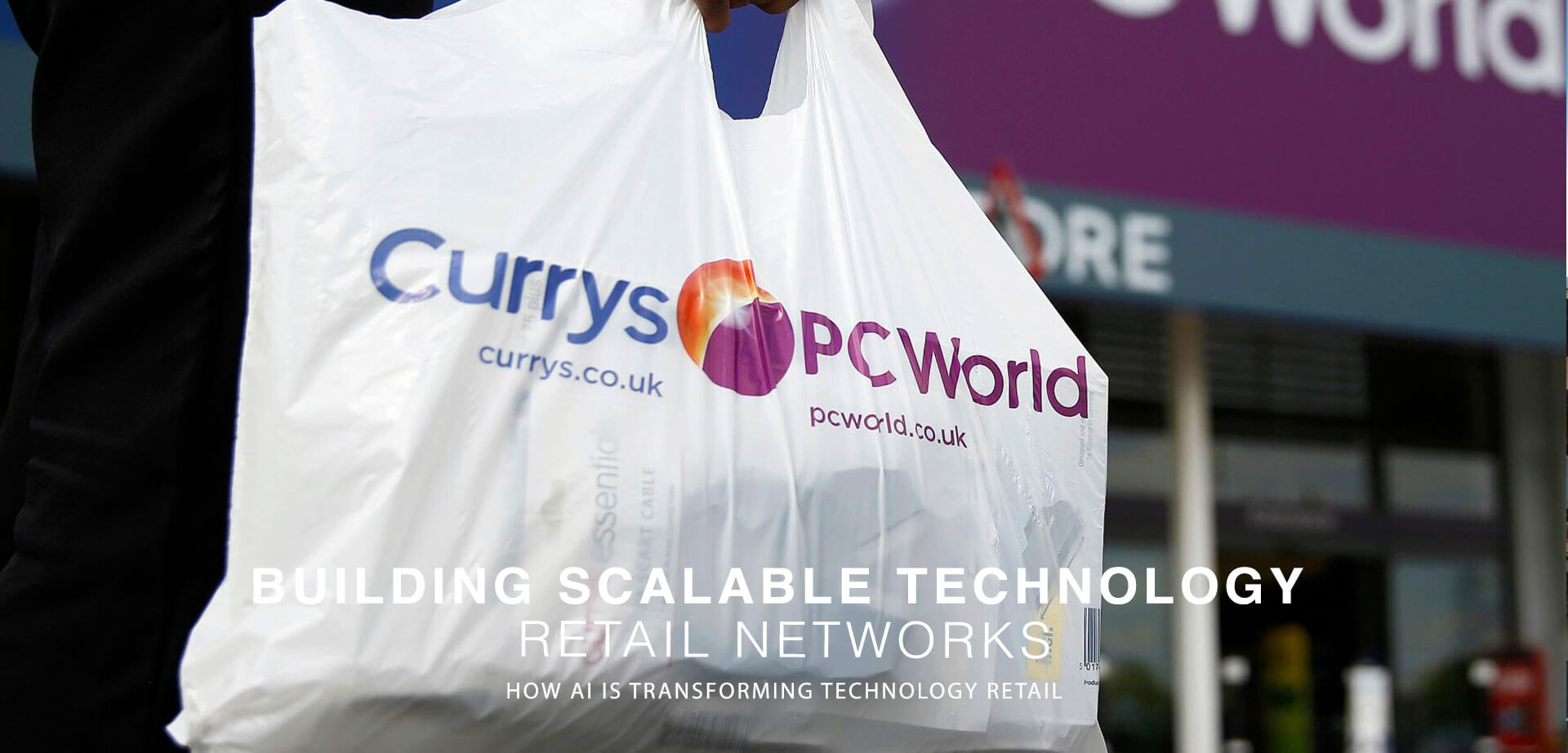
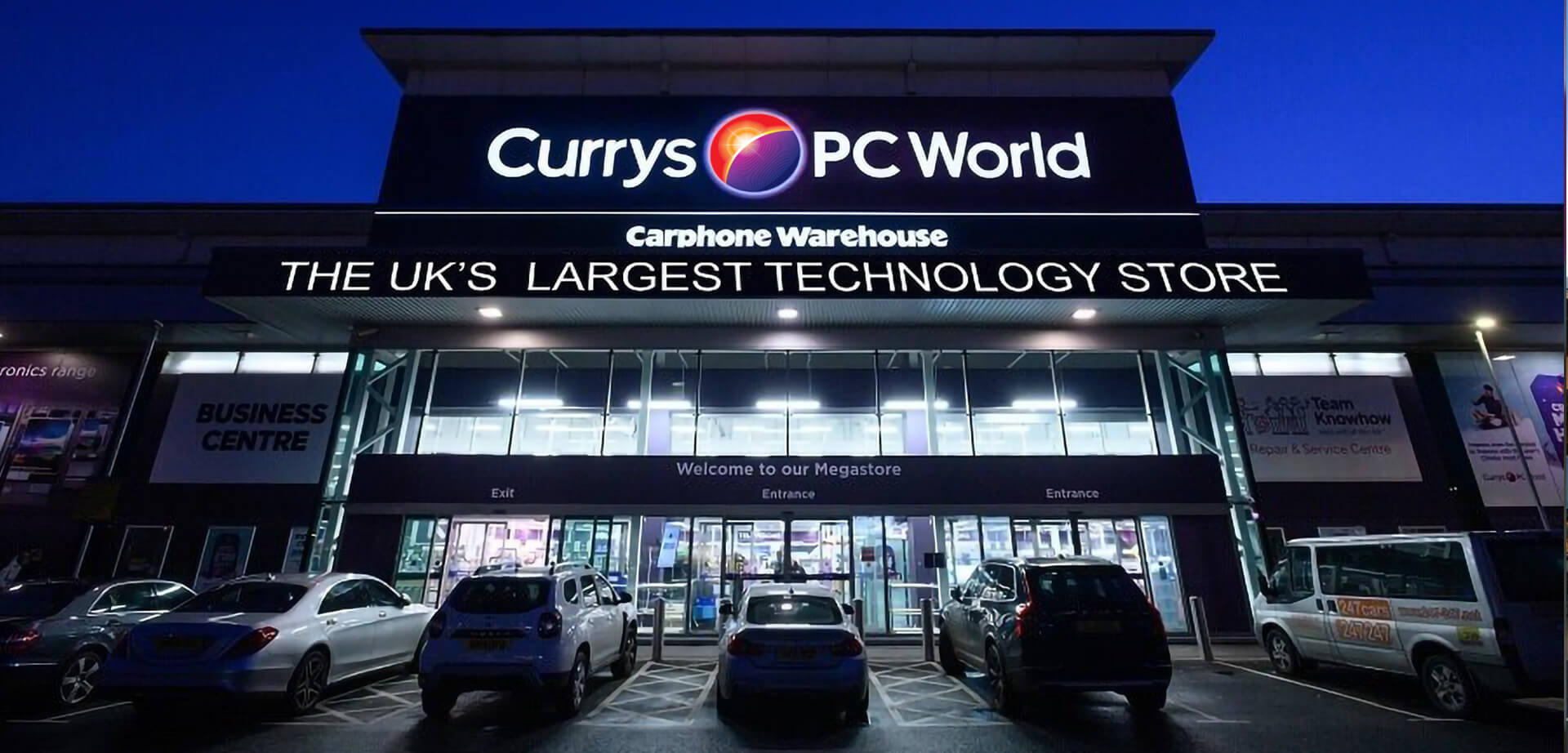
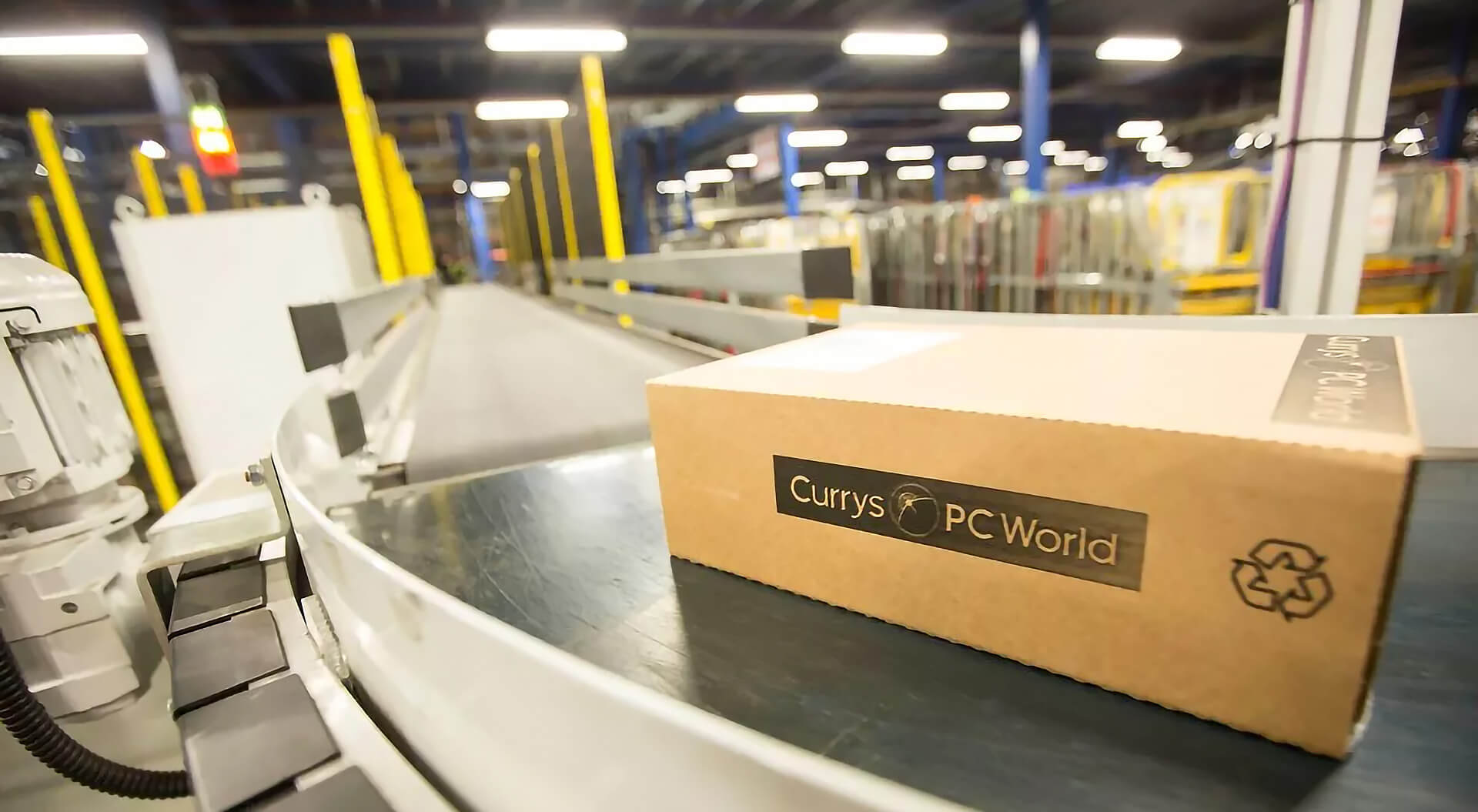
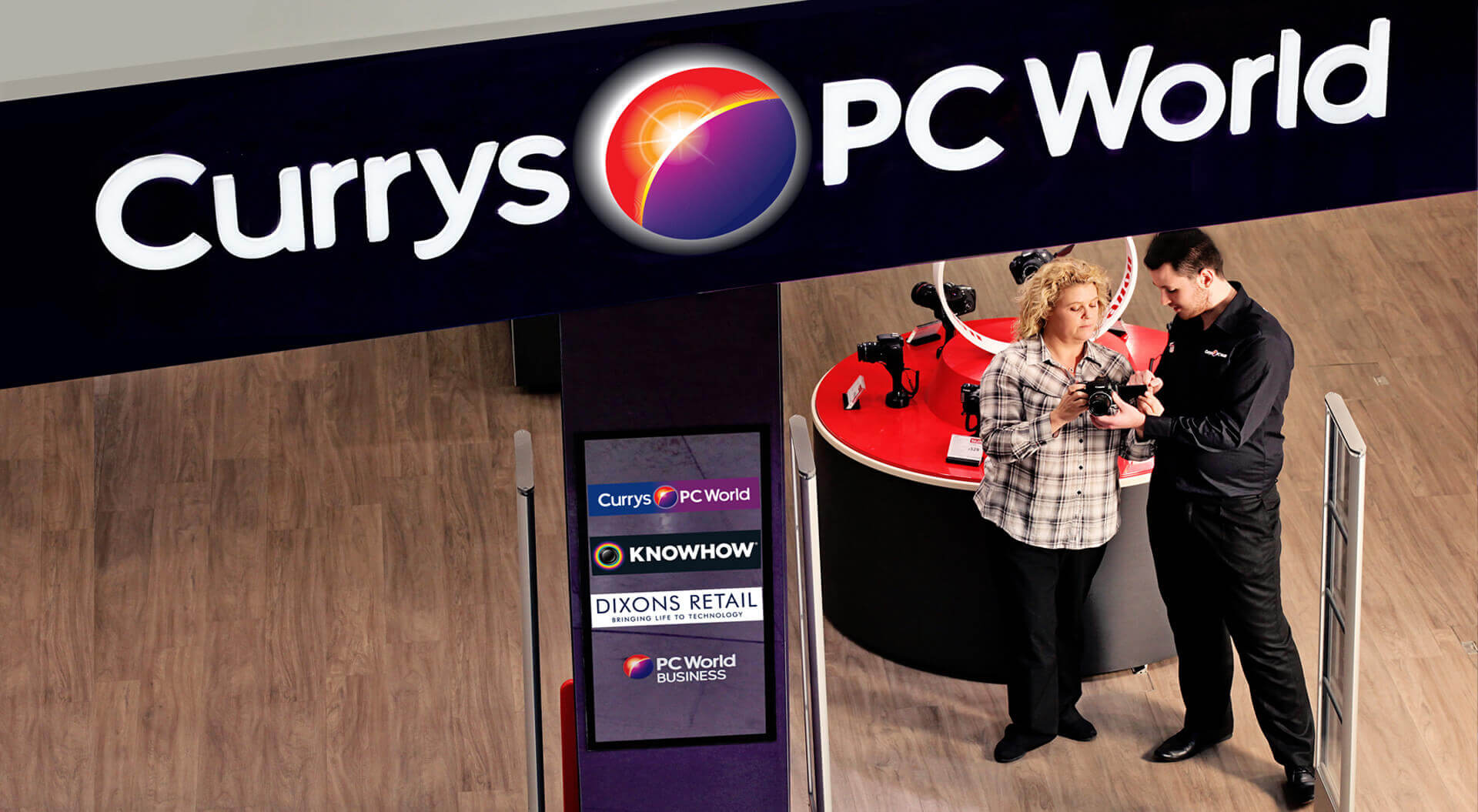
Currys: Connecting Brand Architecture, Marketing and the Retail Experience
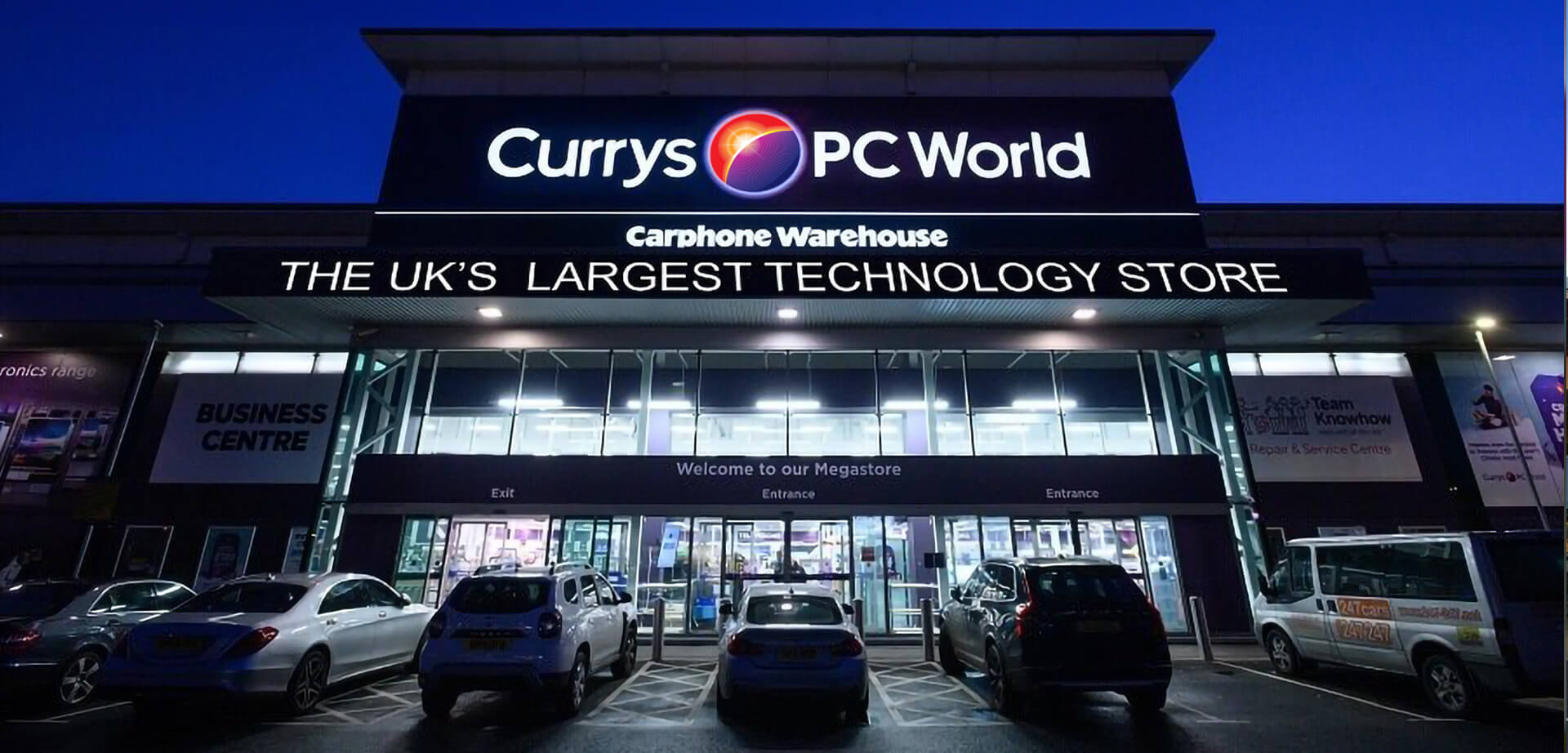
Currys demonstrates another dimension of scalable retail strategy: the relationship between masterbrand, sub-brand, customer proposition and physical experience.
Where a retailer manages multiple propositions or inherited brand identities, the challenge is not simply to redesign the stores.
Management must determine:
-
What does the masterbrand stand for?
-
Which propositions require differentiation?
-
How should sub-brands relate to the parent brand?
-
What customer promise should each format communicate?
-
How should marketing and in-store experience reinforce one another?
-
Which elements need to remain consistent across the estate?
CampbellRigg's work with Currys and its technology retail environments illustrates the importance of aligning brand architecture with the customer experience.
How CampbellRigg helps
CampbellRigg develops the relationship between brand strategy, brand architecture, marketing proposition and physical retail experience.
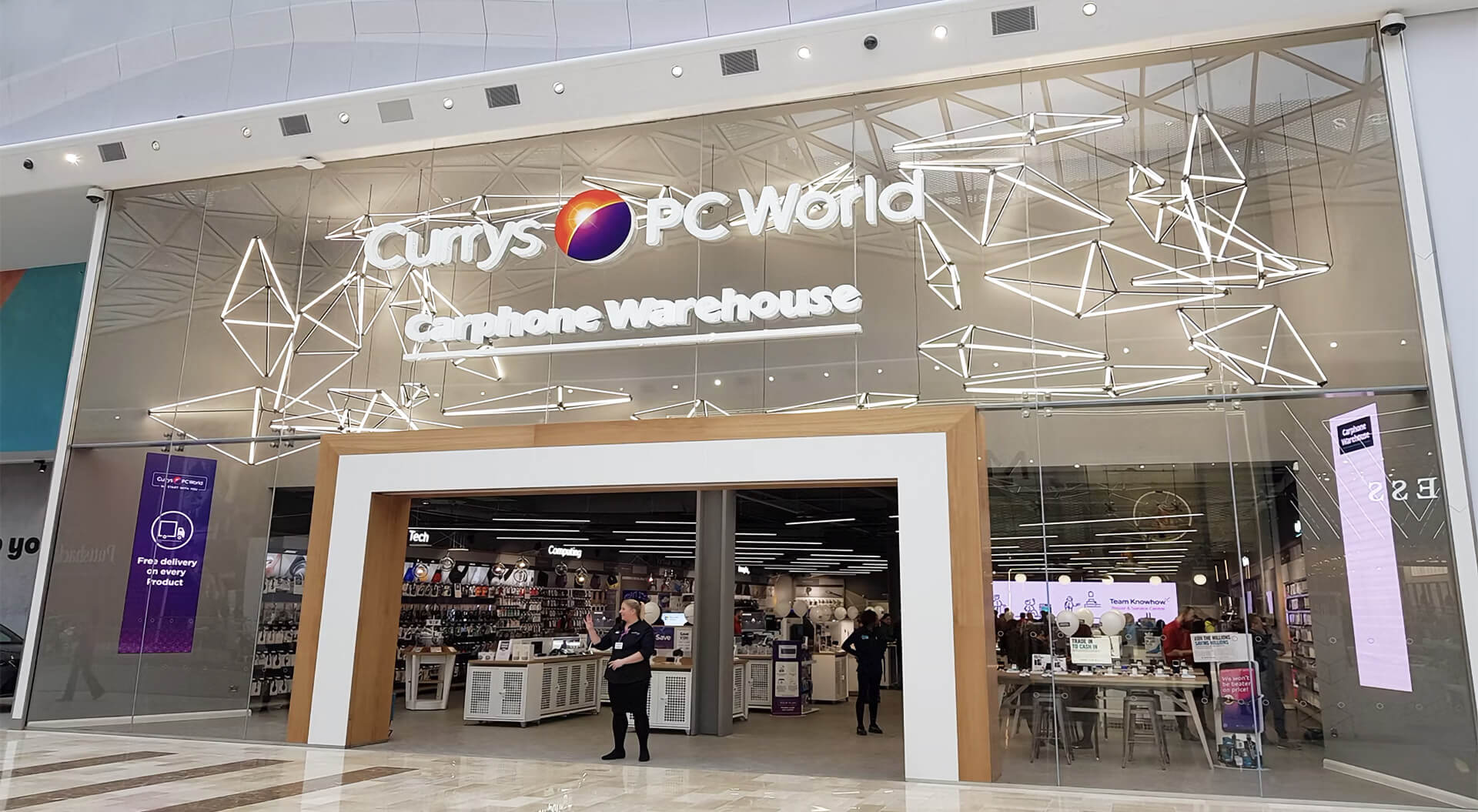
The resulting design system gives marketing teams a stronger physical platform from which to communicate product expertise, technology leadership, service and customer value.
The benefit
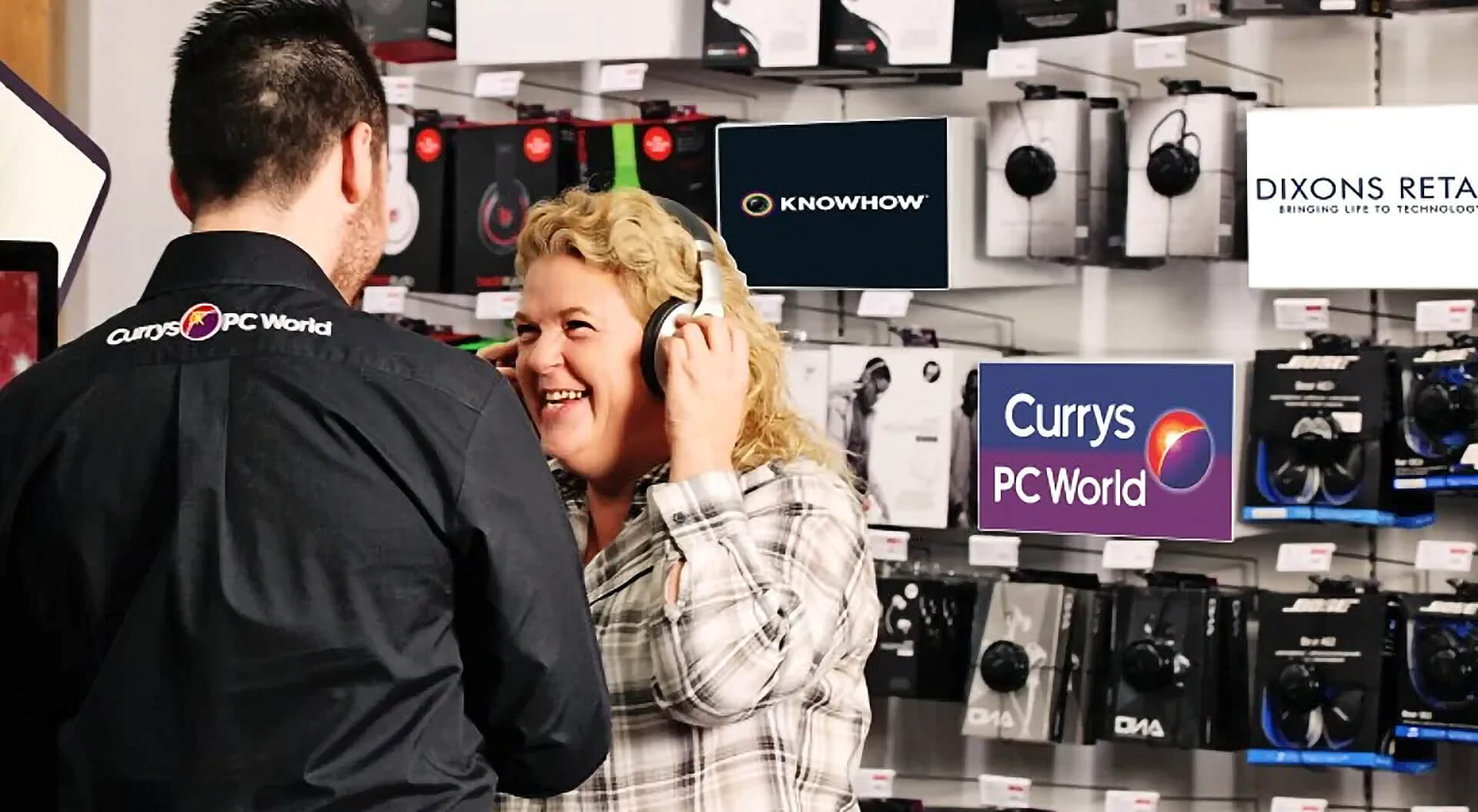
The store becomes more than a point of sale. It becomes a marketing environment in which the brand proposition can be experienced, demonstrated and converted into customer action.
This is particularly important for technology, telecom and other categories where products increasingly require explanation, consultation and demonstration.
From Format Strategy to Store Design
Store design should not be the starting point.
The starting point is the commercial role of the store.
Once that role has been established, the physical environment can be designed around the customer journey and operational requirements.
That means considering:
- customer missions;
- entry and orientation;
- circulation;
- category or product hierarchy;
- service and consultation;
- merchandising;
- marketing communication;
- digital touchpoints;
- fulfilment and collection;
- checkout;
- back-of-house operations;
- space productivity.
The marketing strategy must operate within this environment rather than being developed independently of it.
How CampbellRigg helps
CampbellRigg translates strategic objectives into a practical brief covering architecture, interior design, brand identity, visual merchandising, signage, customer journey, marketing communication and digital integration.
The benefit
Design decisions become commercially accountable.
Instead of asking whether a store looks impressive, management can evaluate whether the environment helps achieve the objectives established for that format including brand recognition, customer engagement, conversion, loyalty and commercial return.
Build the Retail Network for 2027 and Beyond
The most successful retail organisations will not necessarily be those with the most sophisticated individual stores.
They will be those capable of developing repeatable, adaptable and commercially accountable retail systems.
Tesco demonstrates how multiple formats can support different customer missions while remaining part of one recognisable brand.
Currys demonstrates how brand architecture, marketing proposition and physical experience must work together across a complex technology retail network.
Together, these examples demonstrate the central principle of retail network strategy:
A scalable retail network is a brand and marketing system expressed through multiple physical formats.
For management, the priority is therefore to move beyond isolated store projects and establish a network strategy capable of supporting growth across markets, formats and customer missions.
CampbellRigg helps management teams make that transition by connecting brand strategy, retail strategy, marketing development, format planning, customer experience, architecture, design and implementation into one coherent system.
The result is a retail network that is not merely consistent.
It is distinctive, adaptable, scalable and designed for measurable commercial performance.
From brand to network, CampbellRigg connects strategy with the physical retail environment to create formats and experiences designed to transform markets.