News and Views
Middle East Supermarket Strategy: Building Stronger Retail Brands and Competitive Store Networks.




Middle East Supermarket Strategy: Building Stronger Retail Brands and Competitive Store Networks
The Middle East grocery market presents significant opportunities for supermarket groups seeking to expand their customer base, strengthen brand positioning and develop commercially effective retail networks.
Across the Gulf Cooperation Council (GCC), population growth, urban development, tourism and changing consumer expectations are influencing the way people shop for food and everyday essentials. Alpen Capital's GCC Retail Industry Report 2026 forecasts food retail sales growth of 4.1% annually between 2025 and 2030. However, market growth alone does not guarantee commercial success.
Supermarket operators must compete through a combination of business strategy, brand differentiation, store format development, customer experience and effective marketing. They must also recognise that Saudi Arabia, the UAE, Qatar, Kuwait, Bahrain and Oman are distinct markets, each with different competitive conditions, customer expectations and opportunities for expansion.
For management teams, the challenge is to develop a supermarket proposition that is relevant to local customers while remaining commercially consistent and scalable across multiple locations.
CampbellRigg brings together business strategy, brand development, marketing and retail format planning to help supermarket groups translate their commercial ambitions into distinctive brands and effective physical networks.

1. Understanding the changing Middle Eastern grocery market
The Middle Eastern supermarket sector is evolving beyond traditional hypermarket and supermarket models. Customers increasingly expect a combination of competitive pricing, fresh food, convenience, product quality, digital accessibility and a consistent shopping experience.
The balance between these expectations varies by market and customer segment. In Saudi Arabia, large-scale grocery retail and value positioning remain important competitive considerations. In the UAE, international customer demographics, tourism and diverse shopping missions create opportunities for differentiated formats. Across smaller GCC markets, convenience, location and local relevance can be particularly important.
McKinsey's State of Grocery Retail MENA 2026 identifies opportunities for retailers to differentiate formats, strengthen value propositions and improve digital grocery experiences. Its research covers selected MENA markets rather than all six GCC countries, but provides useful insight into wider regional consumer and retail developments. McKinsey & Company
For supermarket management, the strategic priority is to identify where growth will come from and how the business should respond.
How CampbellRigg helps
CampbellRigg evaluates the commercial proposition, customer segments, competitive environment and existing retail estate. We connect market positioning with brand strategy, marketing development and physical store requirements, establishing a clear direction for future investment.
The benefit
\A stronger commercial foundation for growth, with a supermarket proposition designed around identifiable customer needs, market opportunities and business objectives.
2. Understanding the competitive supermarket landscape
Supermarket operators across the Middle East compete against a diverse range of regional, national and international retailers. Understanding their positioning provides an important foundation for developing a distinctive market proposition.
The competitive landscape includes:
- LuLu Retail: A major multi-format grocery operator with a significant presence across the GCC, competing through scale, product range and broad customer appeal.
- Al Othaim Markets and Panda: Important Saudi grocery retailers, providing established domestic competition across different supermarket and hypermarket propositions.
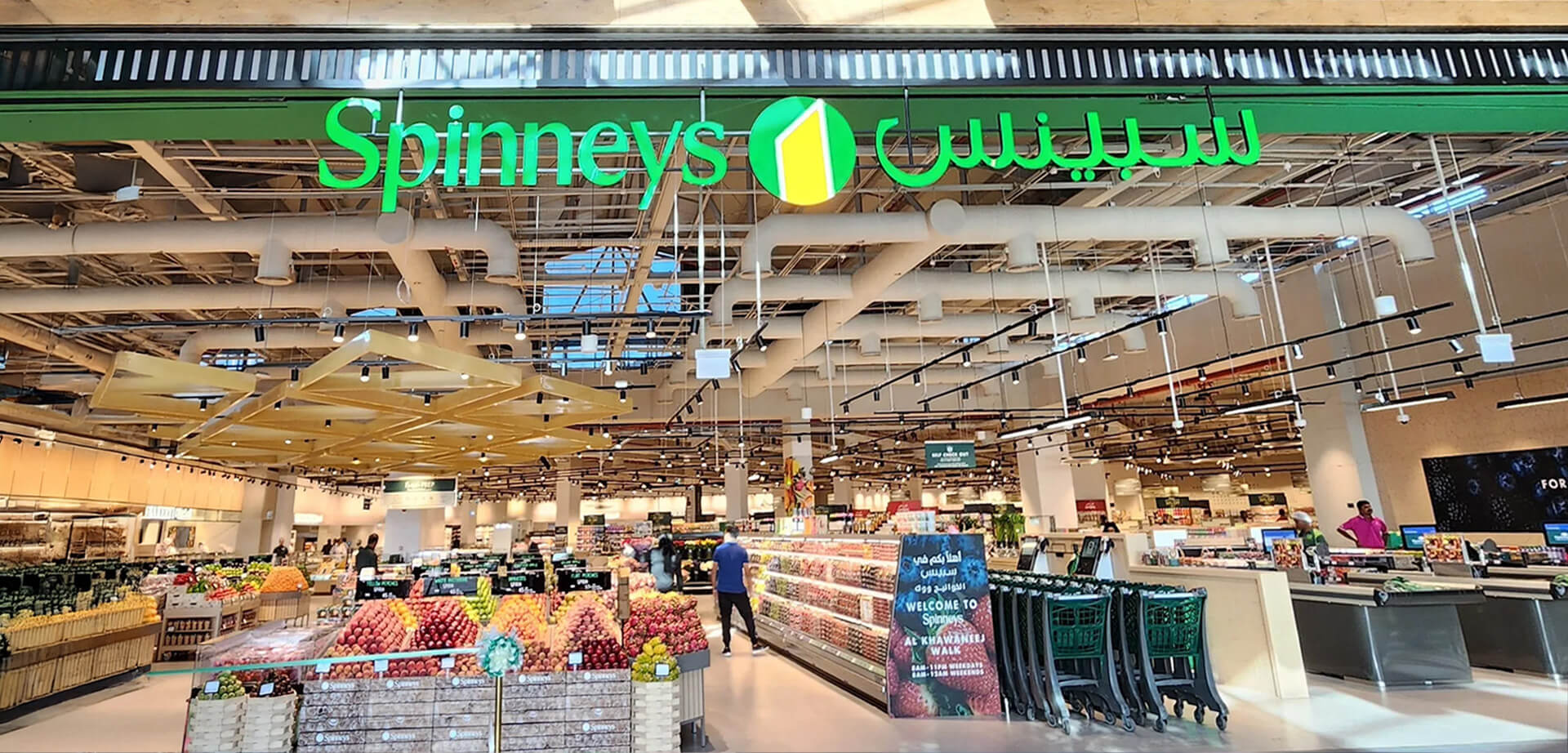
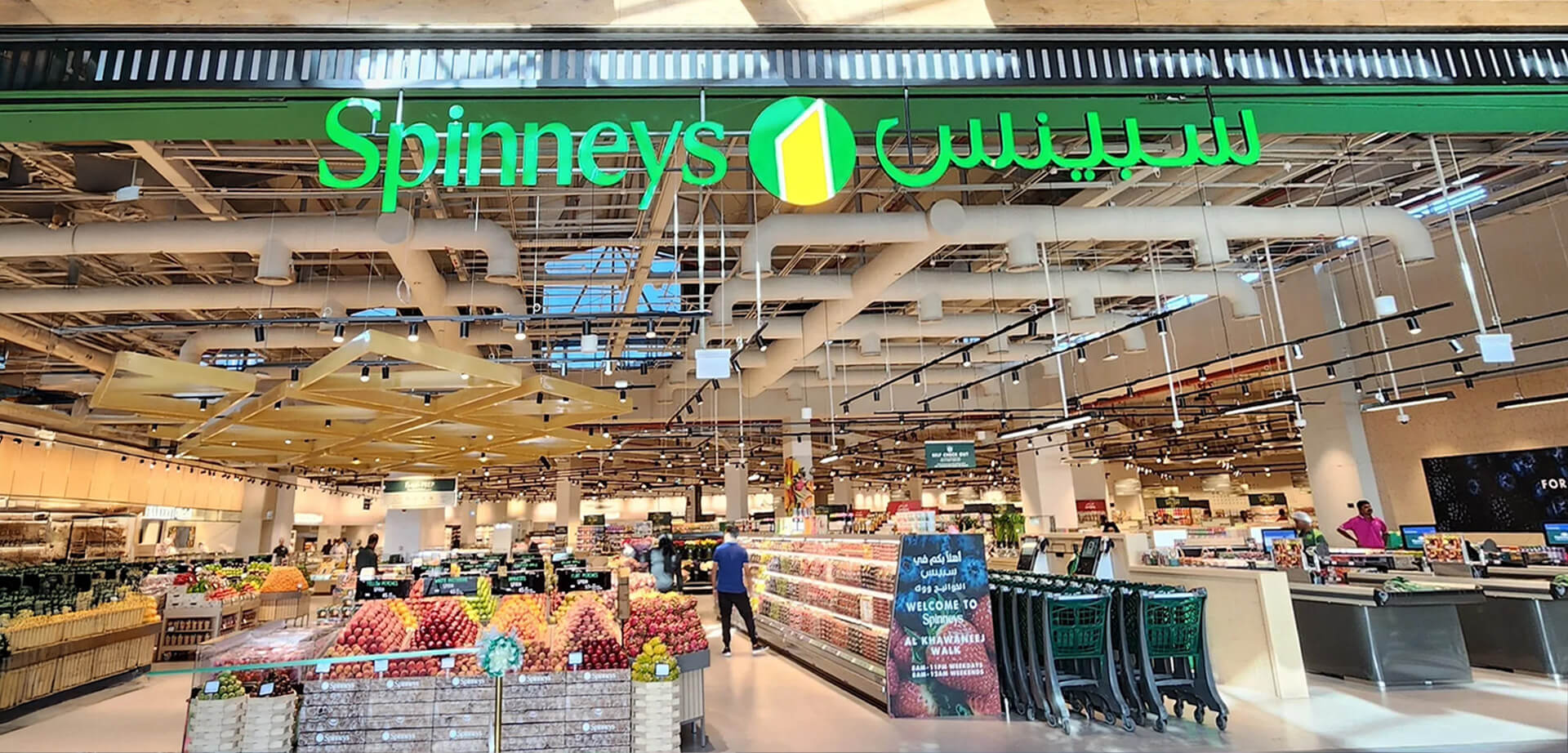
- Spinneys: A premium food retail proposition recognised for its emphasis on fresh produce, quality, product selection and customer experience.
- Carrefour: An international supermarket and hypermarket benchmark in the region, demonstrating how an established retail proposition can be adapted to different markets and customer requirements.
- BinDawood and Danube: Two distinct supermarket brands operated by Saudi Arabia's BinDawood Holding. BinDawood focuses on value and broad grocery appeal, while Danube is positioned at the premium end of the market, emphasising quality, freshness, organic products and specialist ranges. Bindawood Holding
- Al Meera: An established grocery retailer in Qatar, serving the local market through a network of supermarkets and convenience-oriented formats.
- The Sultan Center: A recognised supermarket operator originating in Kuwait, with a retail proposition built around product choice and grocery shopping convenience.
- Alosra: A premium supermarket brand in Bahrain, associated with quality food, fresh products and international ranges.
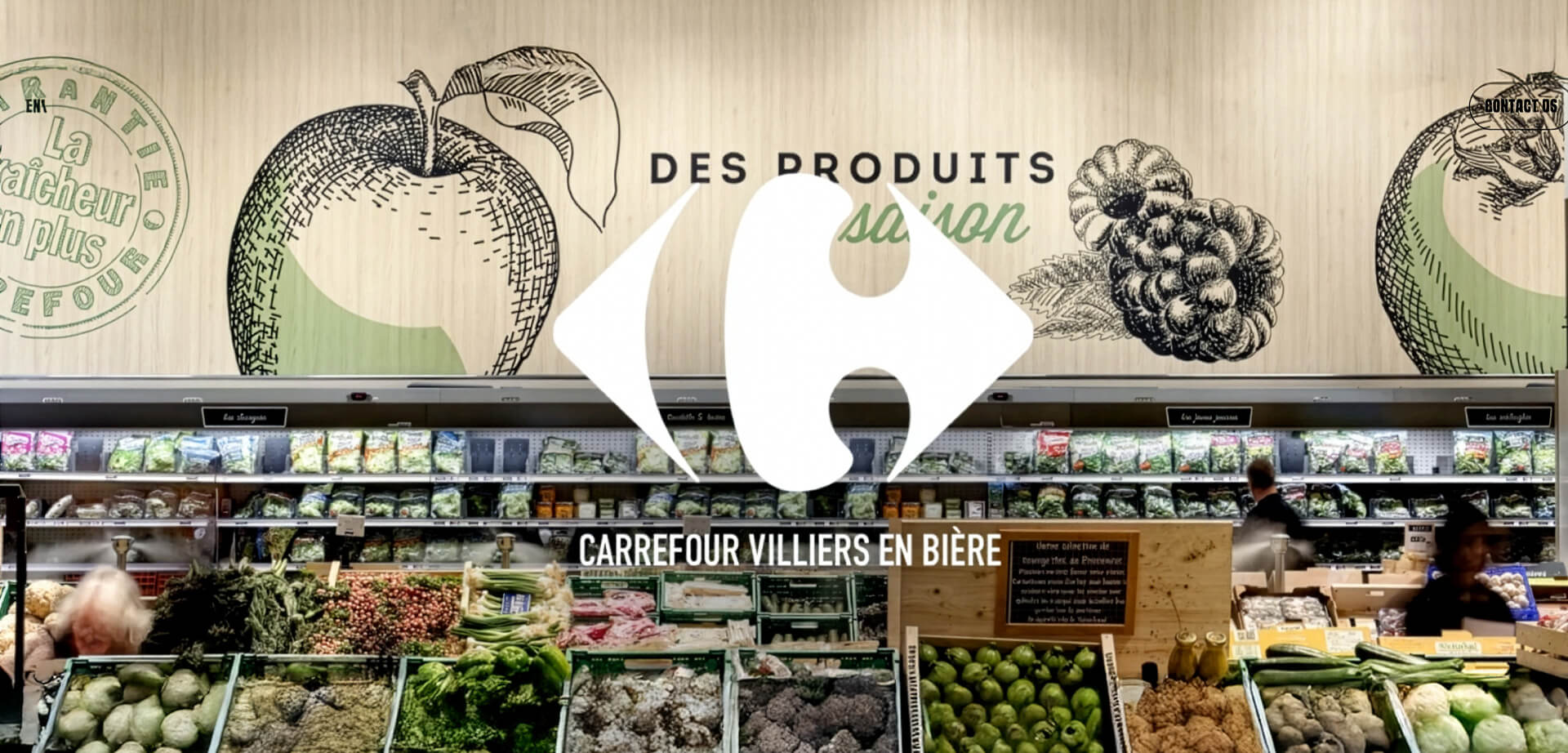
Carrefour provides an important international benchmark in Middle Eastern supermarket retailing. Operated regionally by Majid Al Futtaim, the brand demonstrates how an established international supermarket proposition can be adapted to different markets, customer expectations and store formats. Its regional development also illustrates the importance of local positioning, brand relevance and omnichannel retailing. The introduction of Majid Al Futtaim's own HyperMax grocery brand in markets where Carrefour has withdrawn further demonstrates the need to reassess retail propositions in response to local market conditions. Majid Al Futtaim
These retailers illustrate the breadth of competitive positioning in the region. They also demonstrate why supermarket groups must define their own market position rather than simply replicate the formats or branding of established competitors.
How CampbellRigg helps
CampbellRigg assesses competitor positioning, brand identity, customer experience, store formats and market communication. We identify opportunities for differentiation and translate them into a clear strategic brief for brand development, marketing and retail implementation.
The benefit
A more distinctive supermarket proposition, giving customers a clear reason to choose the brand and providing management with a stronger platform for competitive growth.
3. Building supermarket brands that customers recognise and choose
A supermarket brand is more than its name, logo or store signage. It represents the complete customer proposition: the products offered, perceived value, service standards, shopping environment, communications and relationship with the local community.
In competitive Middle Eastern markets, supermarket groups need to establish a clear identity that customers can recognise and trust. This is particularly important for operators expanding into new locations or developing multiple formats under one corporate brand.
Brand strategy must also accommodate local market expectations. A proposition that succeeds in one GCC country may require adaptation in another, particularly where customer demographics, cultural preferences and competitive conditions differ.
The objective is to create a consistent brand with enough flexibility to remain relevant across different markets and customer missions.
How CampbellRigg helps
CampbellRigg connects brand auditing, market positioning, brand identity, retail environments and marketing development. We define how the brand should be perceived and ensure that its positioning is consistently expressed through the store, customer communications and digital channels.
The benefit
A recognisable and differentiated supermarket brand that builds customer confidence, supports loyalty and provides a coherent identity for future expansion.
4. Developing supermarket formats for different customer missions
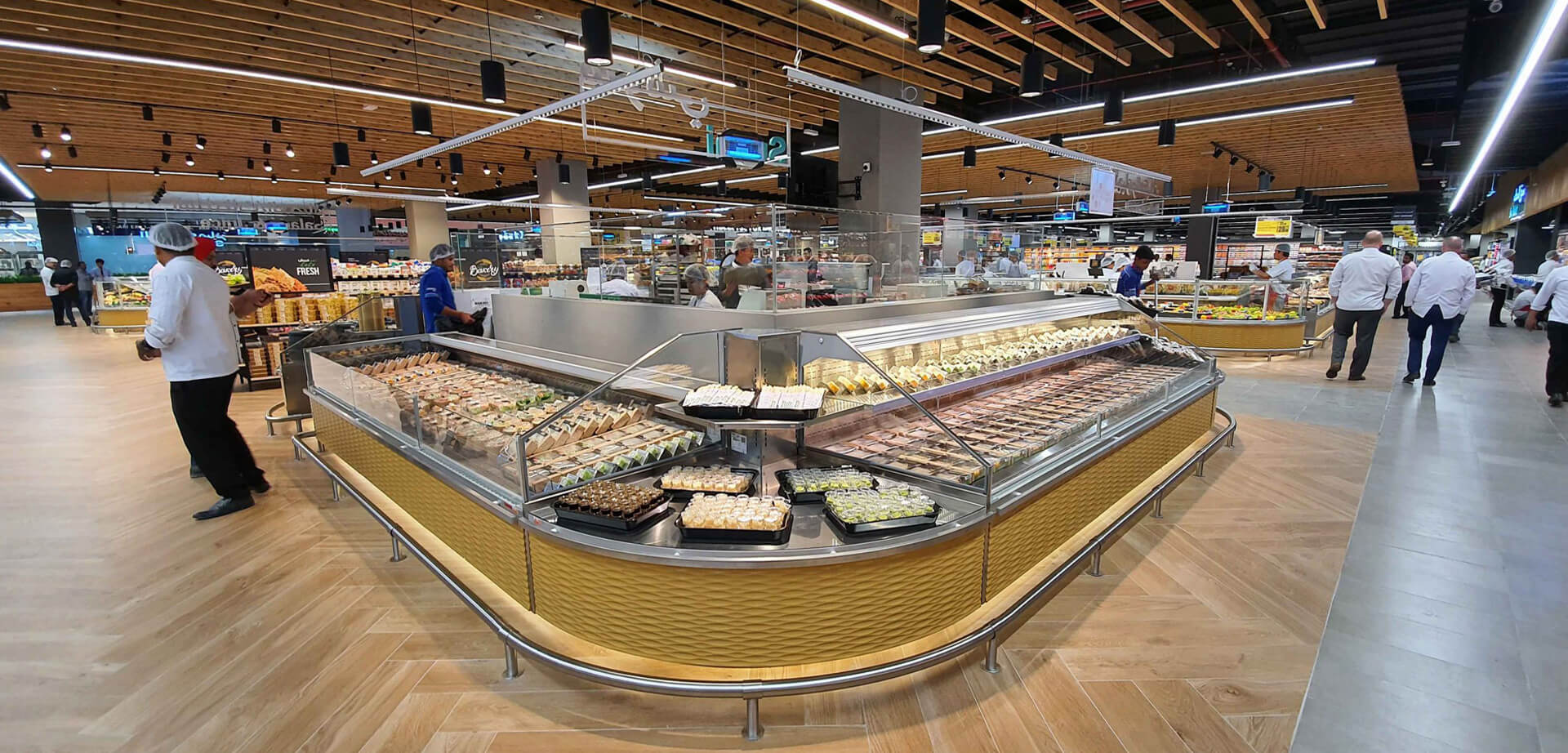
A successful supermarket network should not depend on one store format being applied to every location. Different catchments, property opportunities, population densities and shopping missions require different retail solutions.
Large supermarkets and hypermarkets can serve weekly family shopping, extensive product selection and destination shopping. Smaller supermarkets and convenience formats can address frequent top-up purchases, immediate food needs and locations where space is constrained.
The strategic challenge is to determine which formats are commercially appropriate, where they should be located and how each should contribute to the wider retail network.
A supermarket group may also benefit from developing complementary propositions, such as value-led stores, premium food markets, neighbourhood supermarkets and express formats.
How CampbellRigg helps
CampbellRigg translates the commercial strategy into practical retail format concepts. We consider customer missions, catchment requirements, brand positioning, space planning, product zoning, circulation and the customer journey. The resulting format guidelines establish a repeatable approach to future store development.
The benefit
A more flexible and scalable supermarket network, with formats designed to address different customer requirements and property opportunities while maintaining a consistent brand proposition.
5. Integrating digital marketing with the physical supermarket
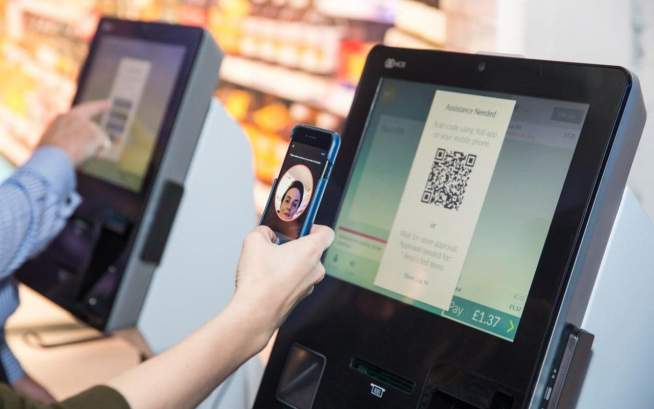
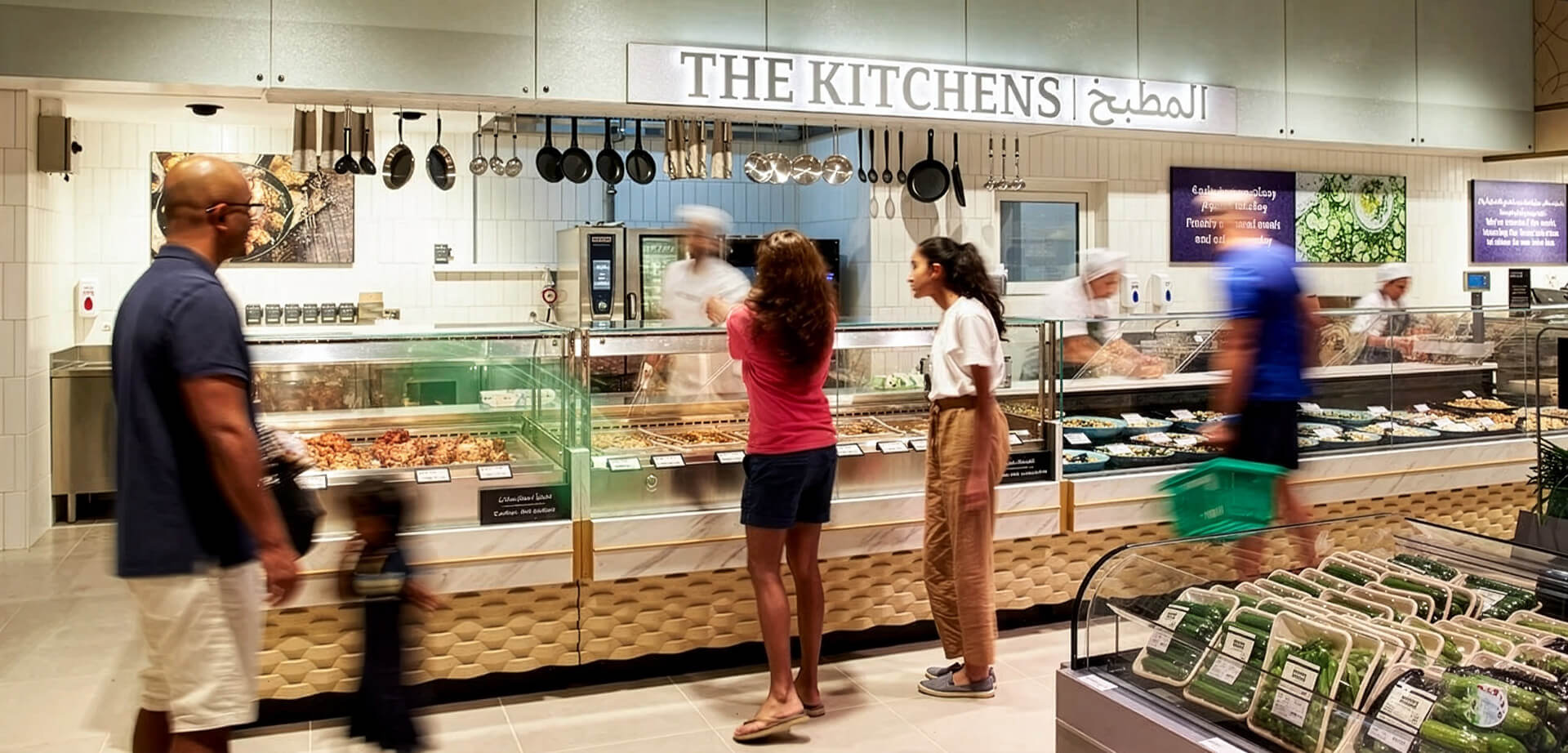
The relationship between supermarkets and their customers increasingly extends beyond the physical store. Online grocery shopping, mobile applications, loyalty programmes, digital promotions and personalised communications influence how customers discover products, compare prices and make purchasing decisions.
For supermarket groups, digital development should not be treated as a separate activity from the physical retail strategy. The two channels must reinforce each other.
A consistent brand experience helps customers move between online shopping, store visits, promotions and loyalty interactions. Digital platforms can also provide valuable information about customer behaviour, product preferences and purchasing frequency.
The commercial opportunity lies in using these insights to improve customer engagement, strengthen retention and support more effective marketing decisions.
How CampbellRigg helps
CampbellRigg aligns brand strategy, marketing development and physical retail environments with the wider digital customer experience. We help define consistent brand communication, promotional principles and customer-facing experiences across stores and digital touchpoints.
The benefit
A more connected retail proposition that supports customer engagement, encourages repeat visits and creates opportunities to improve marketing effectiveness and loyalty.
6. International supermarket experience: applying knowledge across markets
Supermarket development in the Middle East can benefit from experience gained in other international retail markets. However, successful concepts cannot simply be transferred without considering local customer expectations, market conditions and commercial requirements.
The objective is to identify proven principles and adapt them to the specific needs of each market.
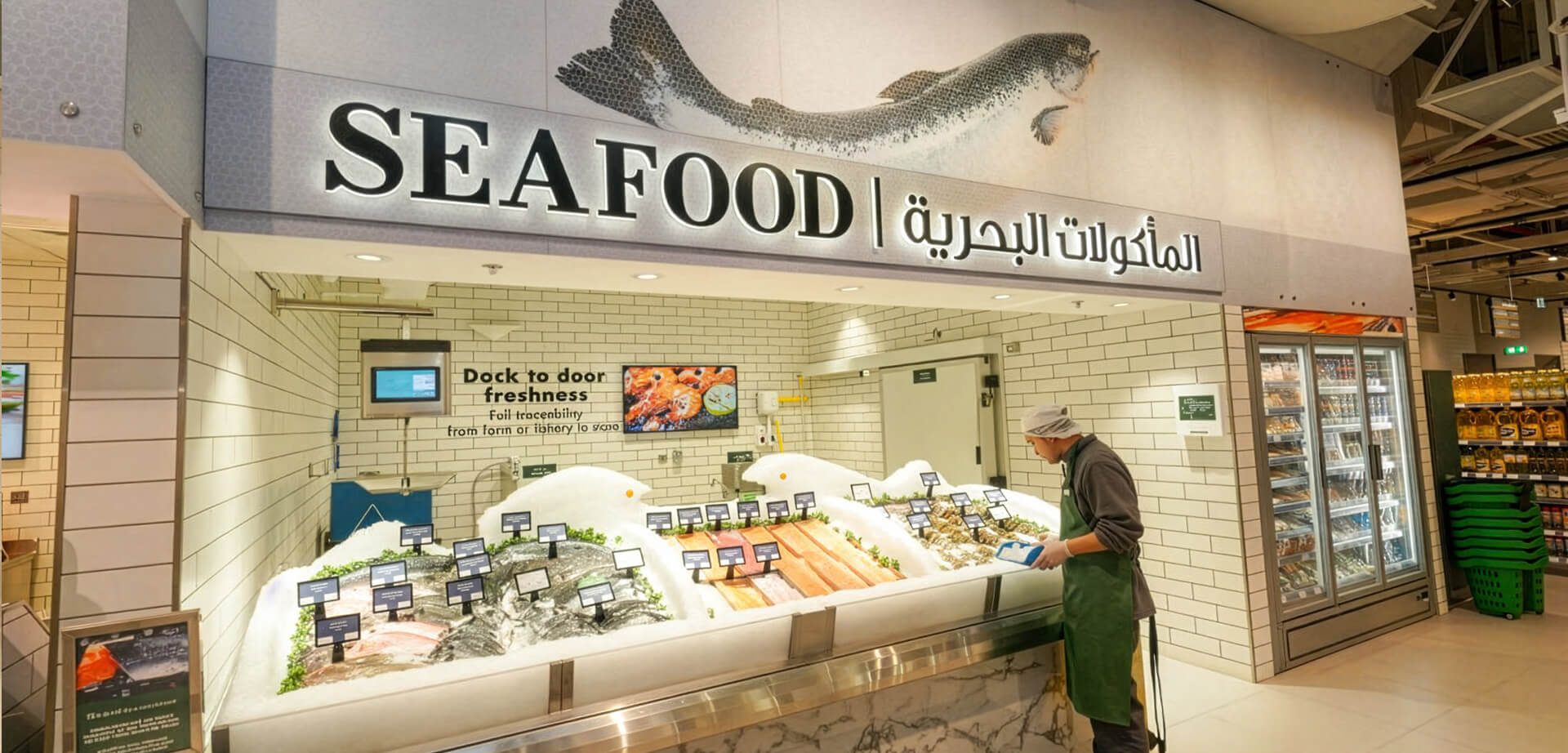
CampbellRigg's international supermarket experience includes projects that demonstrate how brand strategy, store planning and customer experience can be translated into practical retail environments.
Migros, Turkey – Developing a repeatable supermarket concept
CampbellRigg's work for Migros included the development of a supermarket concept beginning with the Ortaköy store in Istanbul. The project demonstrated how a clearly defined retail environment and customer proposition can provide a foundation for consistent implementation across multiple locations.
The experience illustrates the importance of combining brand identity, store planning, product presentation and customer experience within a format that can be adapted to different sites while retaining a recognisable brand character.
View the Migros supermarket retail design and branding case study.
Araz, Azerbaijan – Integrating supermarket and wider retail development
CampbellRigg's Araz project demonstrates the relationship between supermarket planning and a wider retail destination. Within a larger retail development, the supermarket must function as an effective shopping environment while contributing to the overall customer journey, circulation and commercial performance of the destination.
This illustrates the importance of considering supermarket requirements in the context of the wider property, rather than treating the store as an isolated design exercise.
How CampbellRigg helps
CampbellRigg applies international experience to the specific commercial and operational requirements of each market. We translate established principles of supermarket branding, format planning and customer experience into locally relevant concepts and practical implementation strategies.
The benefit
A stronger foundation for supermarket development, combining international experience with local market relevance and a more consistent approach to network expansion.
7. Developing stronger supermarket businesses across the Middle East
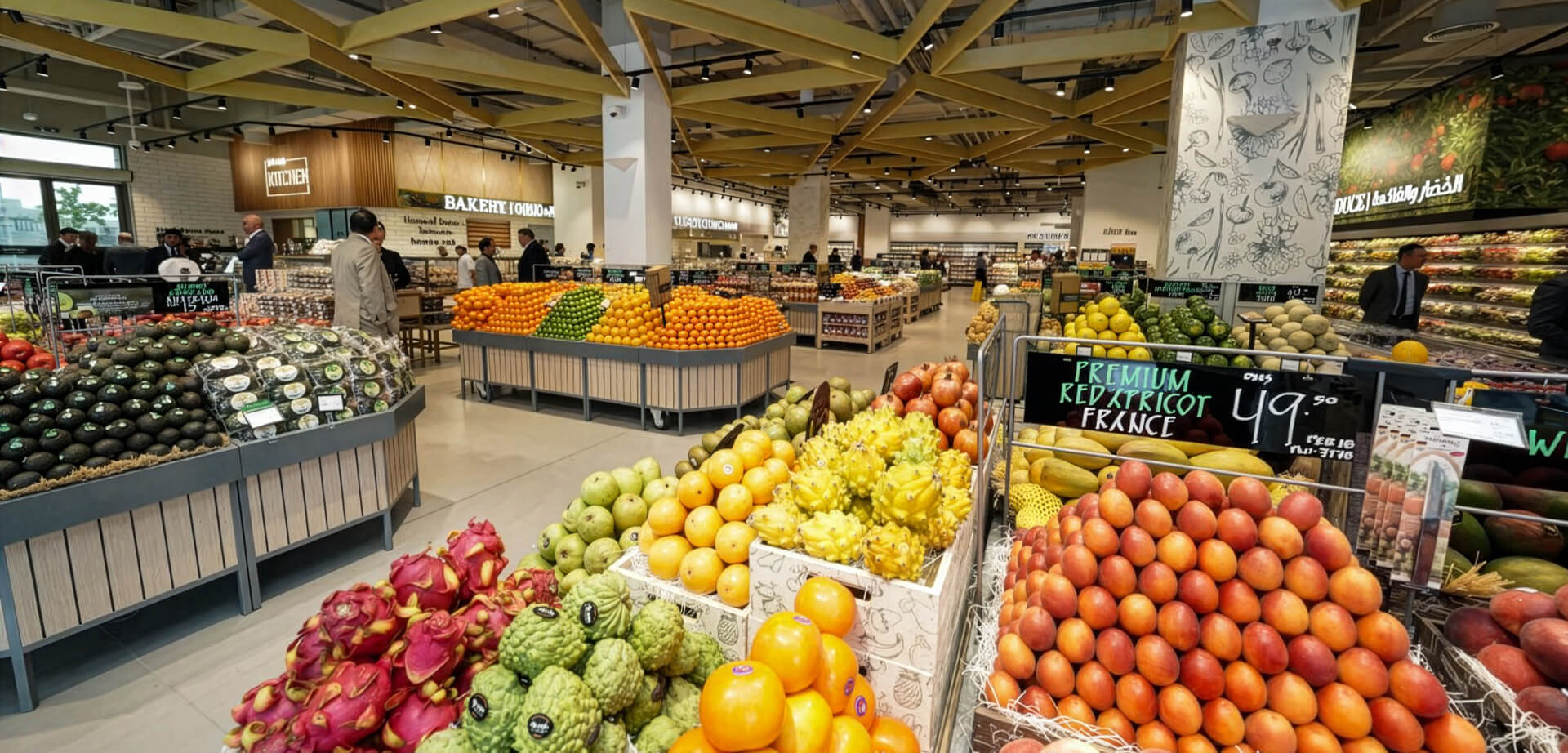
For supermarket owners, investors and senior management teams, the central challenge is not simply to develop another store. It is to build a commercially effective retail business with a distinctive brand, appropriate formats and the capability to expand sustainably.
Achieving this requires several disciplines to work together:
- Business strategy: Establishing commercial objectives, market priorities and the direction of future development.
- Brand strategy: Defining the market position, customer proposition and competitive differentiation.
- Marketing development: Building awareness, customer engagement and loyalty through consistent communication.
- Retail format strategy: Creating appropriate supermarket, hypermarket and convenience concepts for different locations and shopping missions.
- Store planning and design: Translating the brand and commercial brief into effective physical environments.
- Network development: Establishing repeatable standards that support consistent implementation across multiple stores and markets.
CampbellRigg brings these disciplines together rather than treating them as separate design commissions. Brand auditing establishes how the existing proposition is perceived and expressed. Strategy defines the desired market position. The design brief then converts that strategy into practical requirements for customer experience, store planning, identity and implementation.
From market opportunity to supermarket development
Whether the objective is to strengthen an established supermarket brand, reposition an existing retail estate, introduce new store formats or expand into additional markets, CampbellRigg helps management teams connect strategic ambition with practical delivery.
Our approach is designed to create distinctive brands, commercially relevant retail formats and scalable physical networks that support measurable business objectives.
We build brands designed to transform markets.
Innovative. Relevant. Memorable.
To discuss your supermarket strategy, brand development or retail network ambitions in the Middle East, contact CampbellRigg to arrange an initial consultation. We will work with your management team to establish the commercial objectives, define the brief and develop a practical programme for implementation.