News and Views
The Future of Convenience Supermarket Design: Trends Driving Sales and Customer Experience.


Convenience retail is entering a major period of transformation as traditional supermarket advantages around proximity and speed become increasingly commoditised.
While the global convenience supermarket sector is forecast to continue growing through to 2030, operators face mounting pressure from discounters, rapid delivery platforms and changing shopper expectations.
Today’s convenience supermarkets are no longer competing solely on location. Consumers increasingly expect stores to combine value, speed, fresh food, frictionless technology and customer experience within highly efficient urban retail formats. This shift is fundamentally reshaping supermarket branding, store planning and customer journey strategy across the UK and Europe.
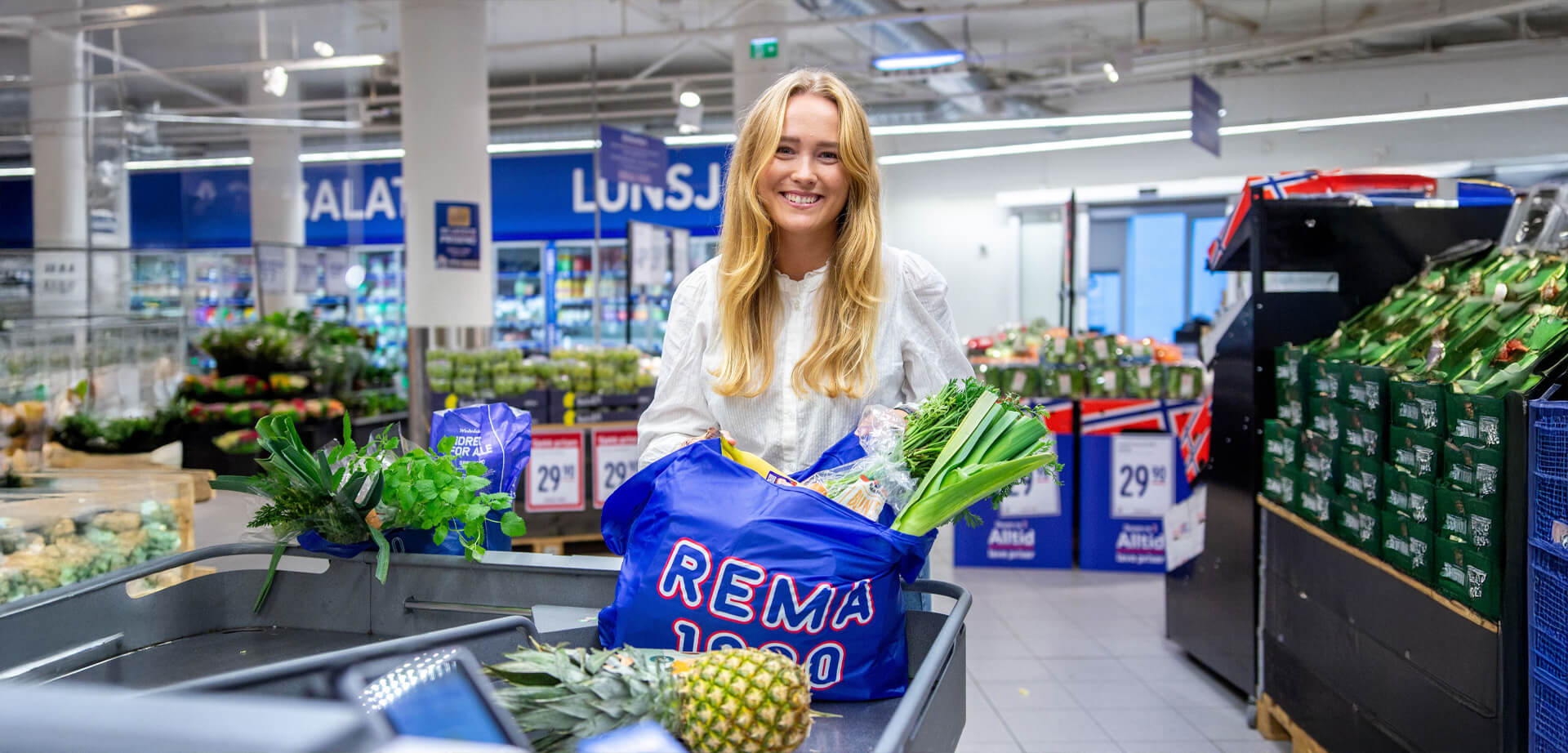
Historically, convenience stores focused primarily on immediate fulfilment and quick shopping missions. However, rising inflation, operational costs and increasing price sensitivity are forcing retailers to rethink how convenience retail delivers long-term relevance and profitability.

Experience-Led Convenience Retail Is Becoming Essential: The strongest-performing convenience supermarket operators are increasingly repositioning stores around experience-led shopping missions rather than purely transactional environments.
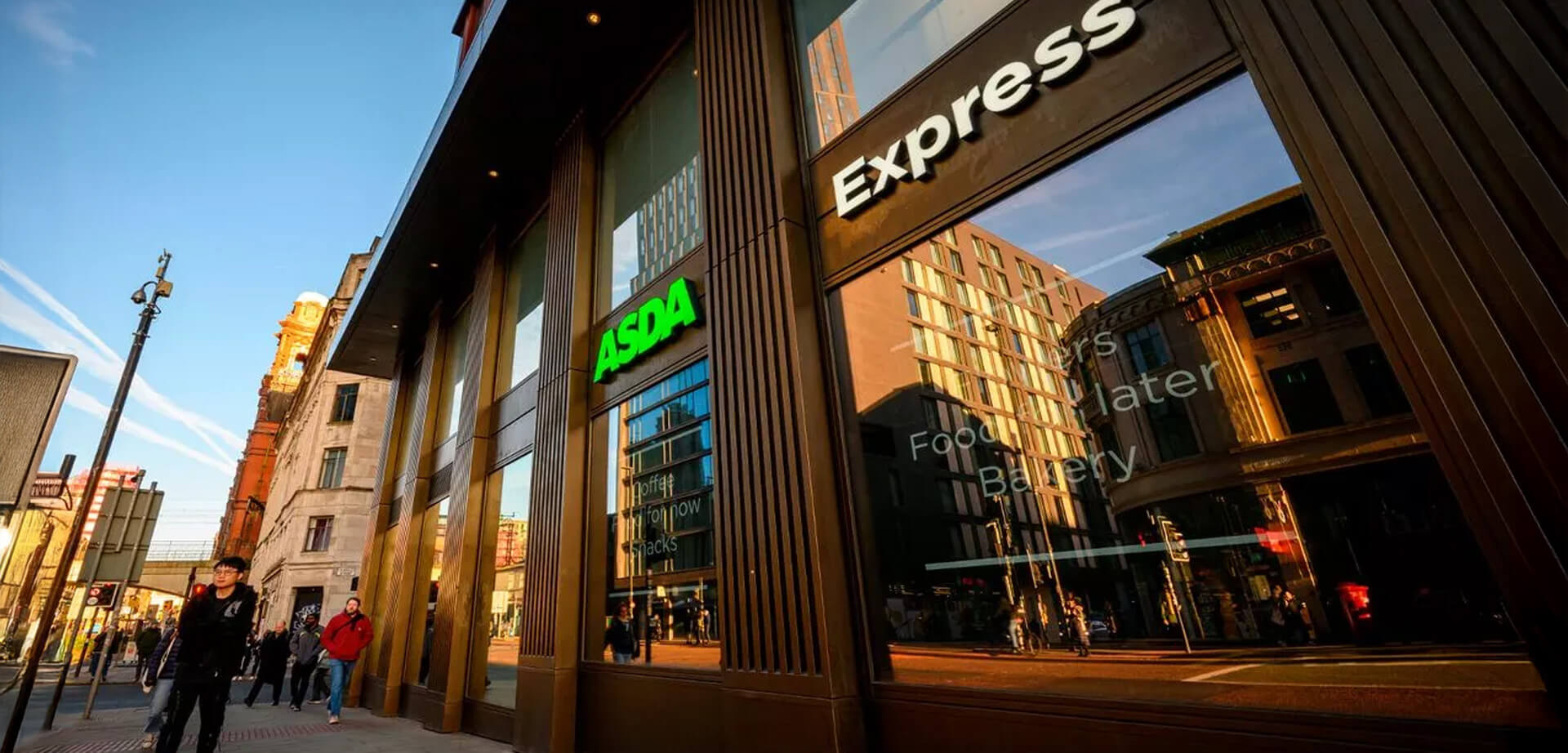
Branding strategies are also evolving toward stronger value communication. Inflationary pressure and cost-of-living concerns have forced retailers to improve price transparency, strengthen private-label visibility and simplify promotional messaging. Convenience retailers are increasingly using branding to reinforce affordability, trust and everyday usefulness rather than purely speed and location.
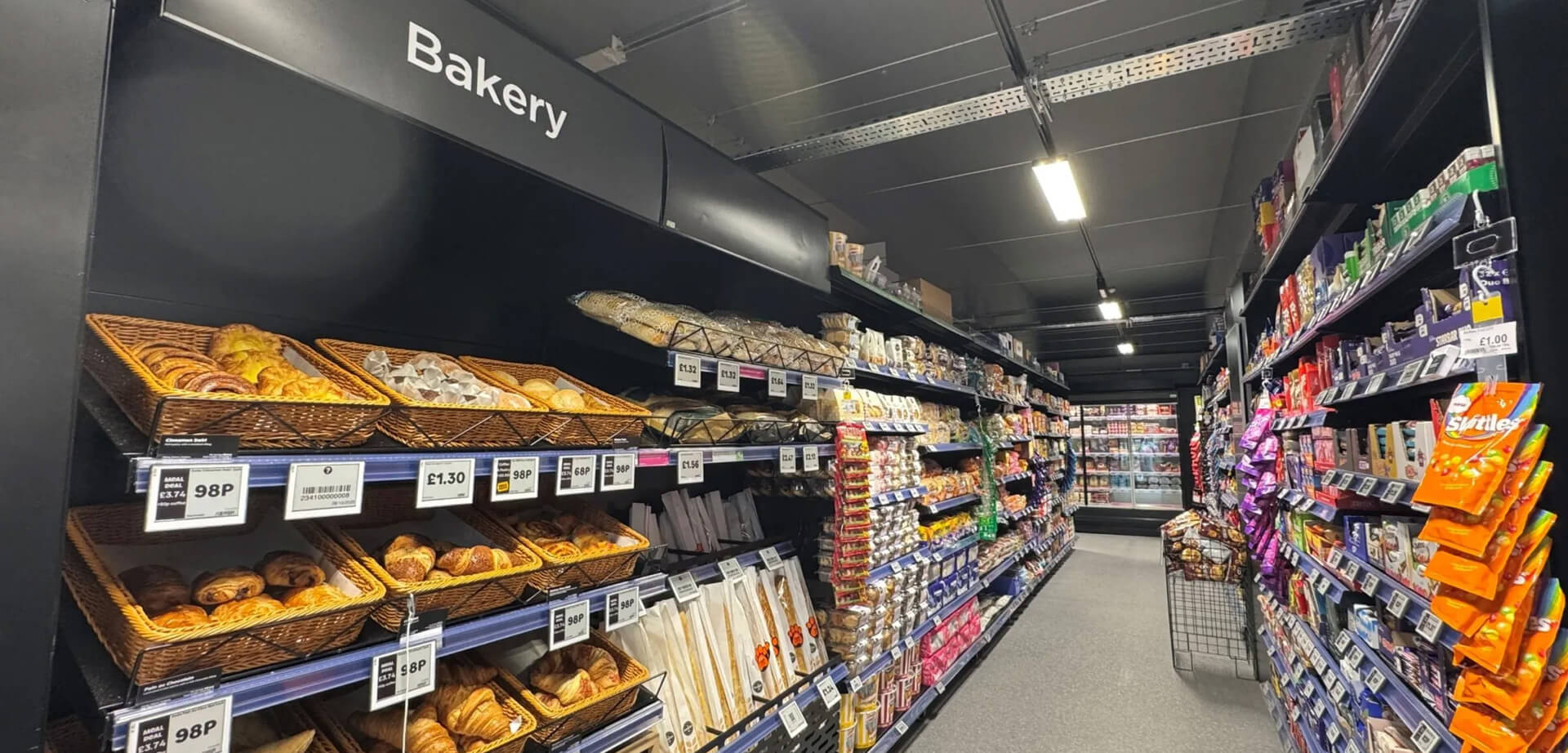
Physical store design is becoming increasingly important as retailers seek differentiation beyond price. Many operators are introducing:
1. Food-for-now concepts
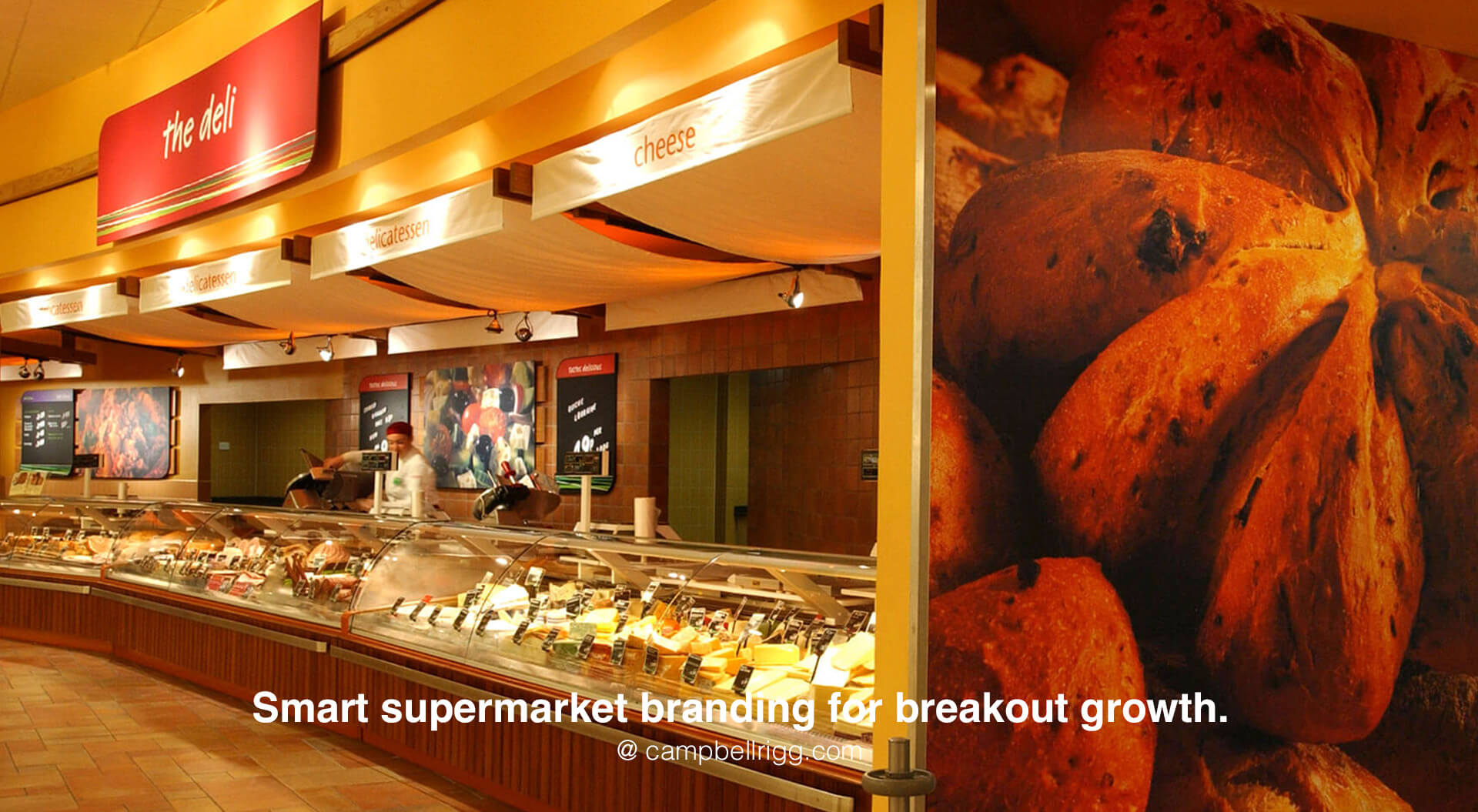
2. Fresh ready-to-eat merchandising
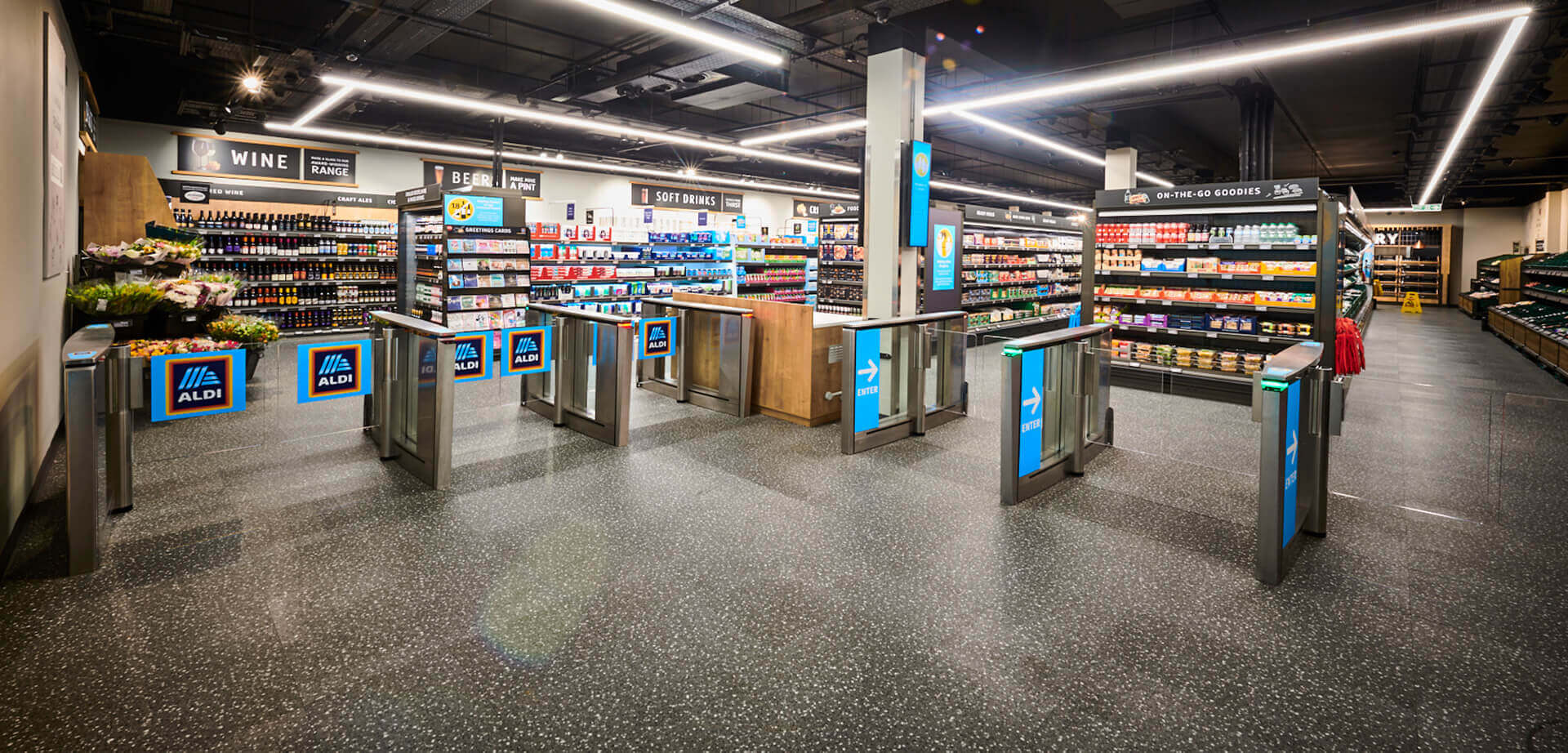
3. Frictionless checkout systems
4. Digitally connected loyalty ecosystems
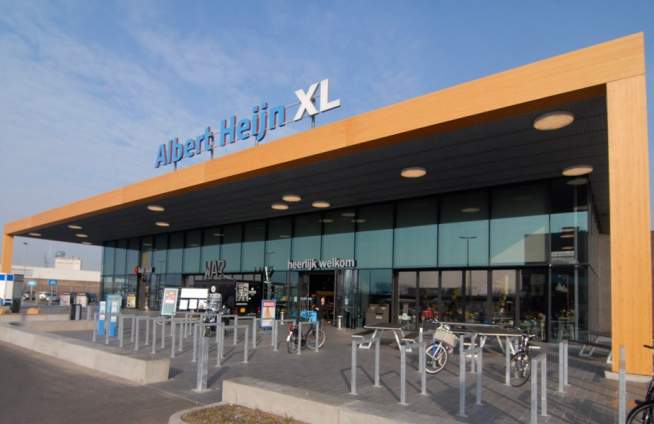
5. Modular urban formats
6. Hospitality-inspired environments
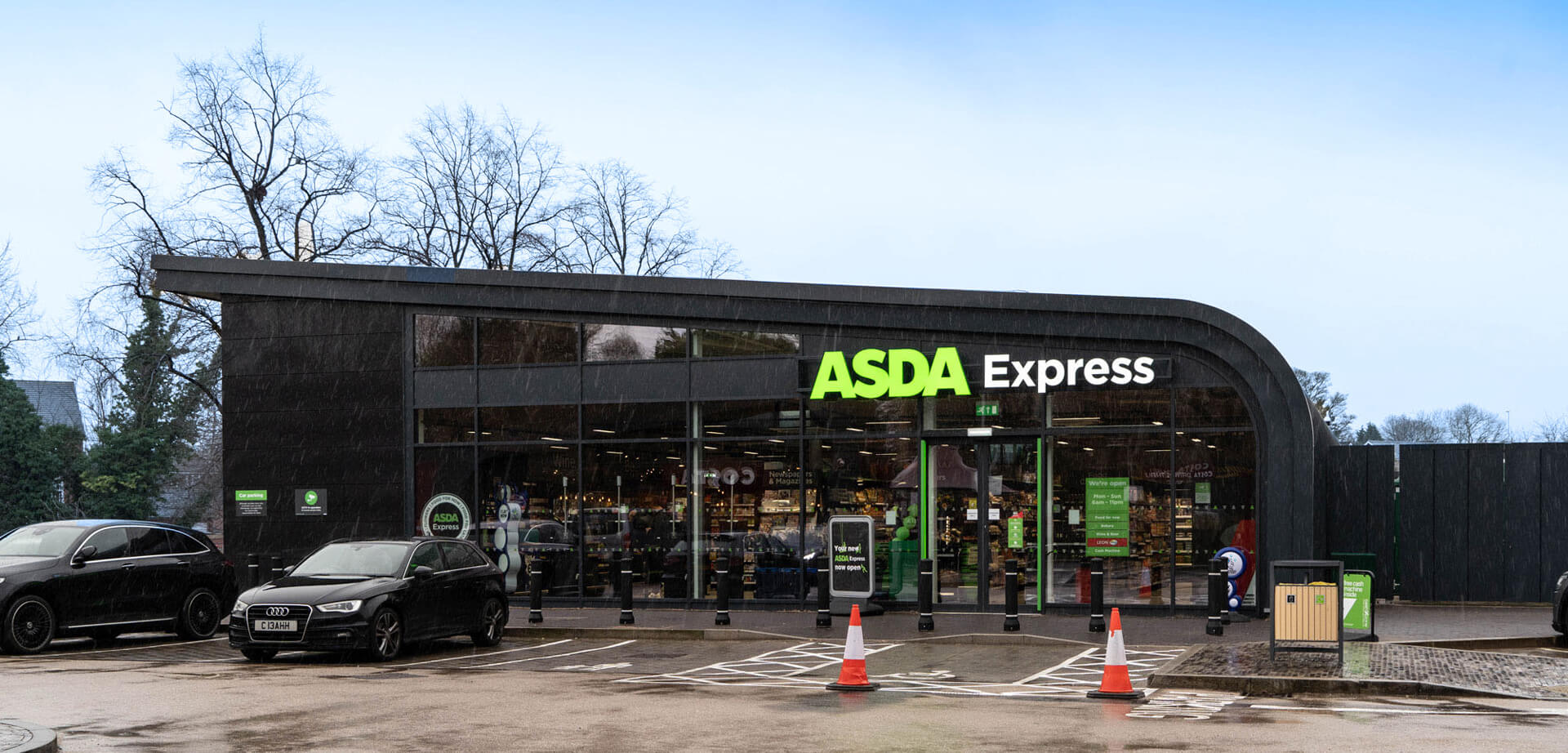
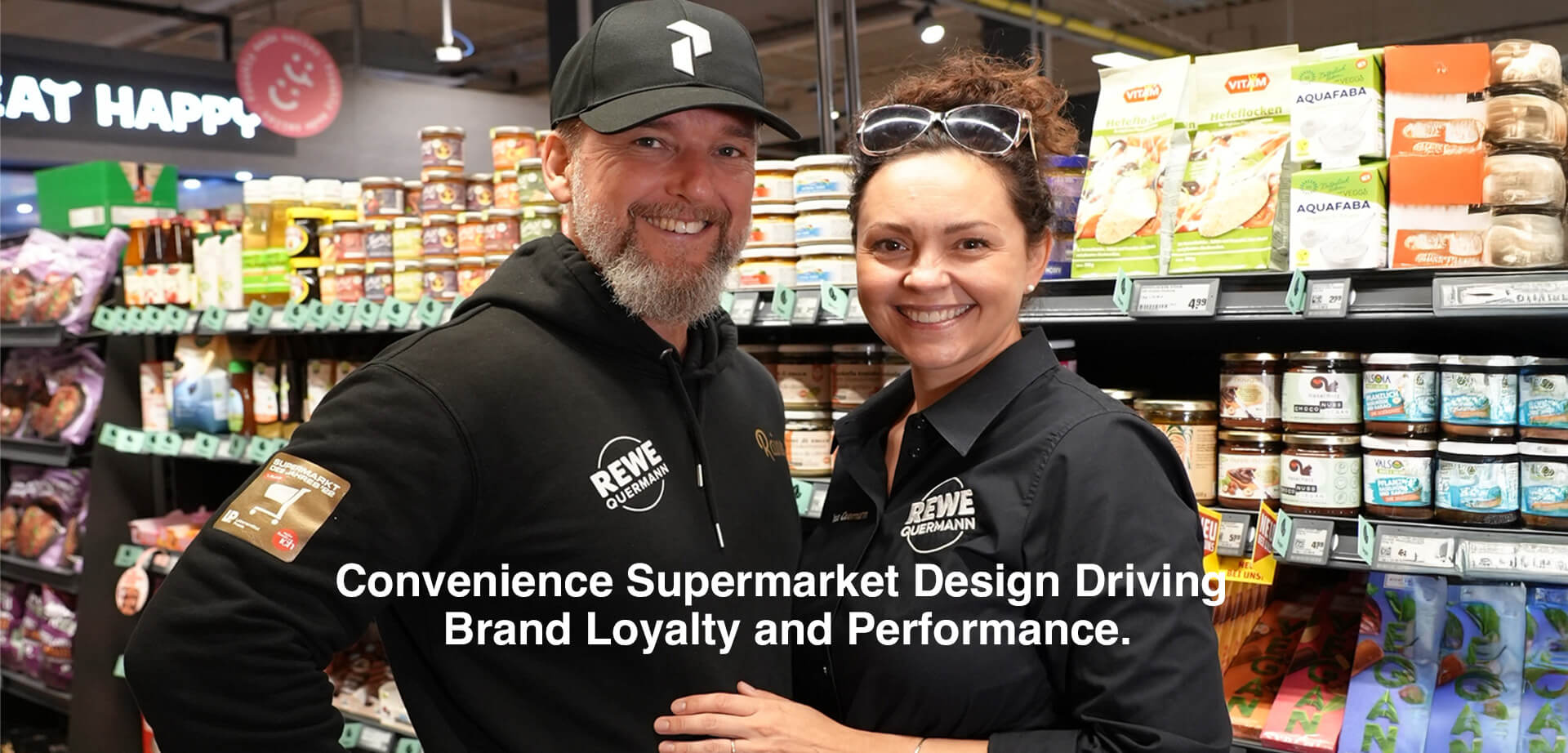
This evolution enables retailers to increase customer engagement, improve basket size and strengthen brand loyalty while supporting operational efficiency.
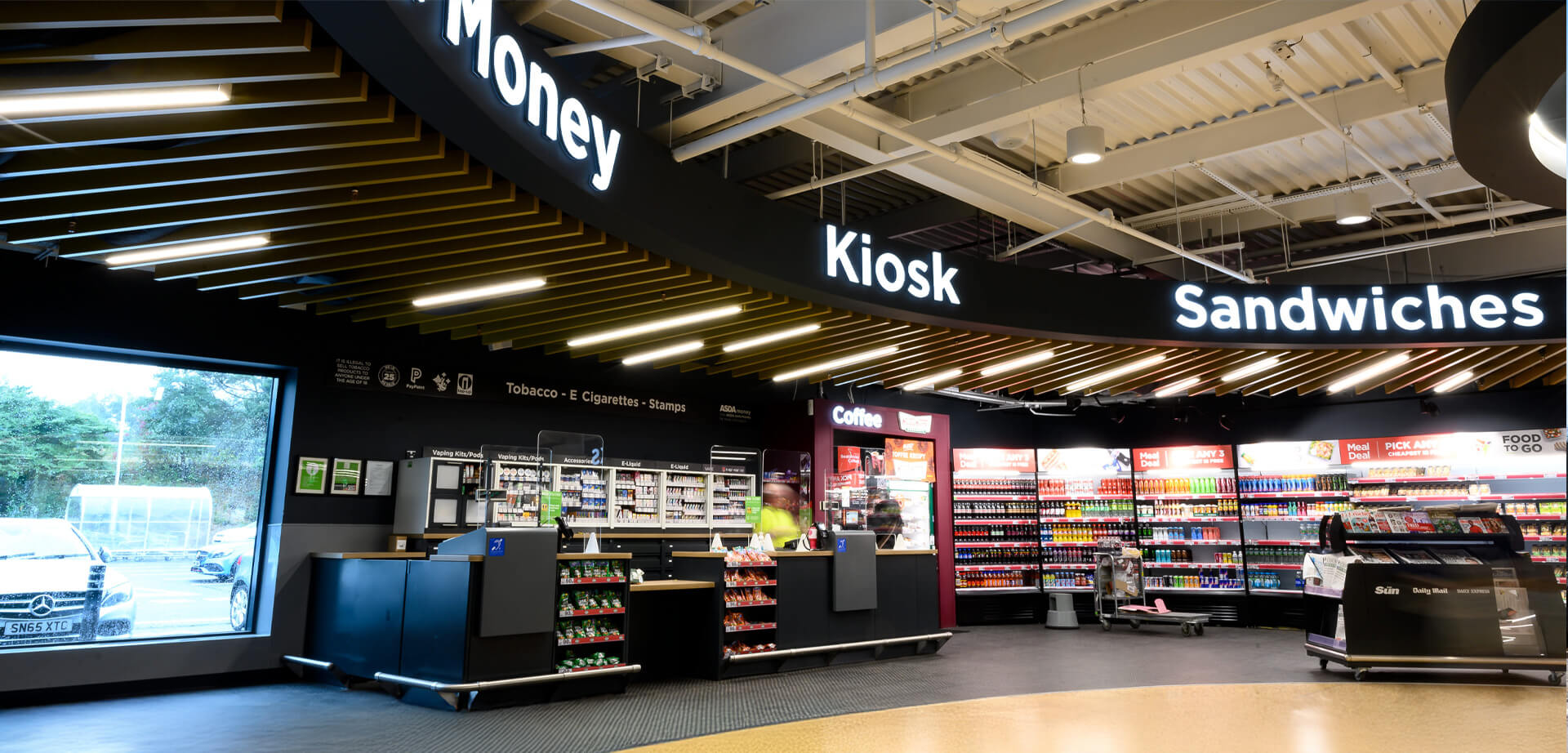
Across Europe, convenience supermarket growth is increasingly being driven by urban expansion, compact formats and flexible franchising models. Successful operators are creating environments that feel faster, smarter and more personalised while maintaining clear value communication.
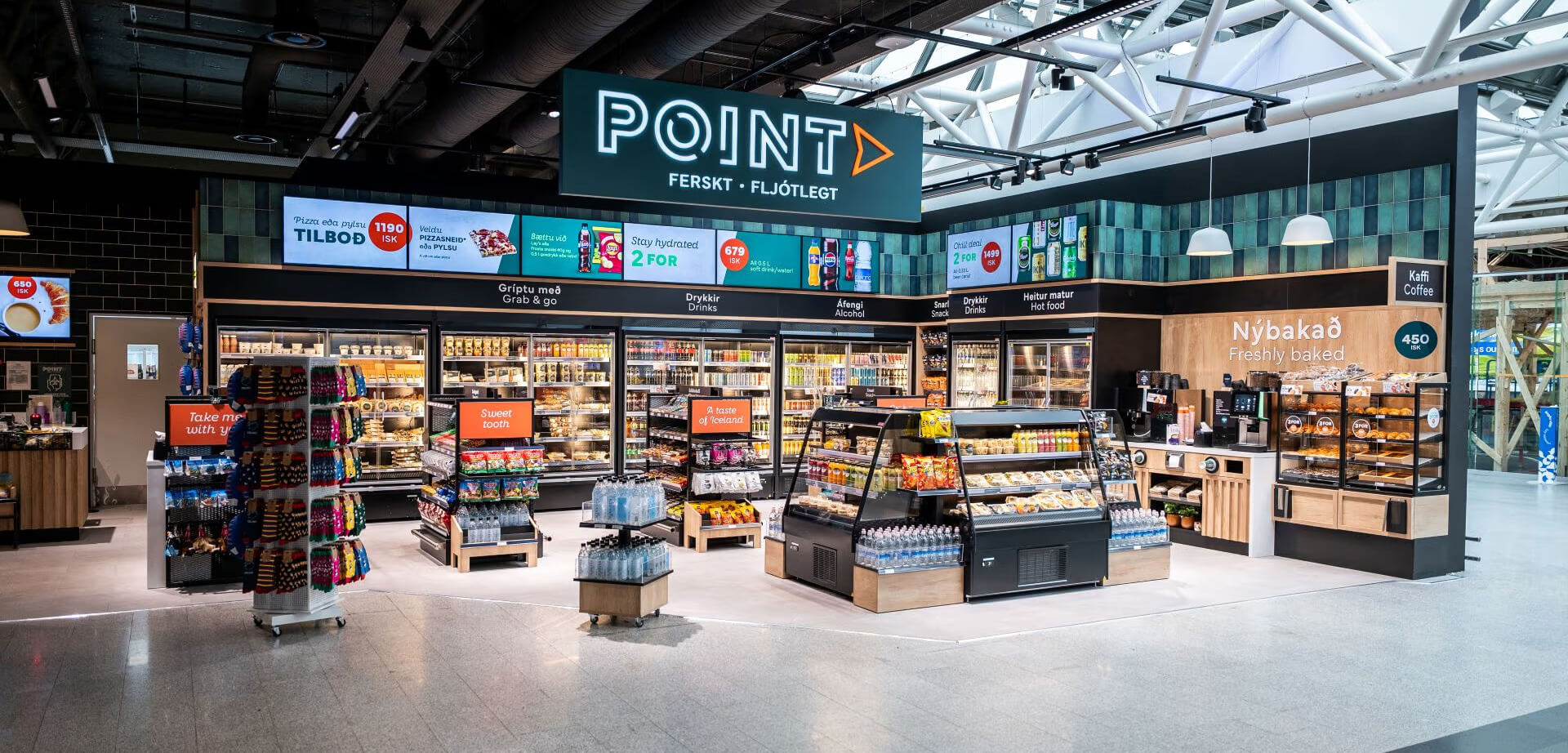
Hyper-Local Branding and Flexible Formats: One of the most important supermarket design trends is the rise of hyper-local branding and adaptable store formats. Retailers increasingly tailor product ranges, layouts and messaging to local demographic behaviour, commuter patterns and lifestyle needs.
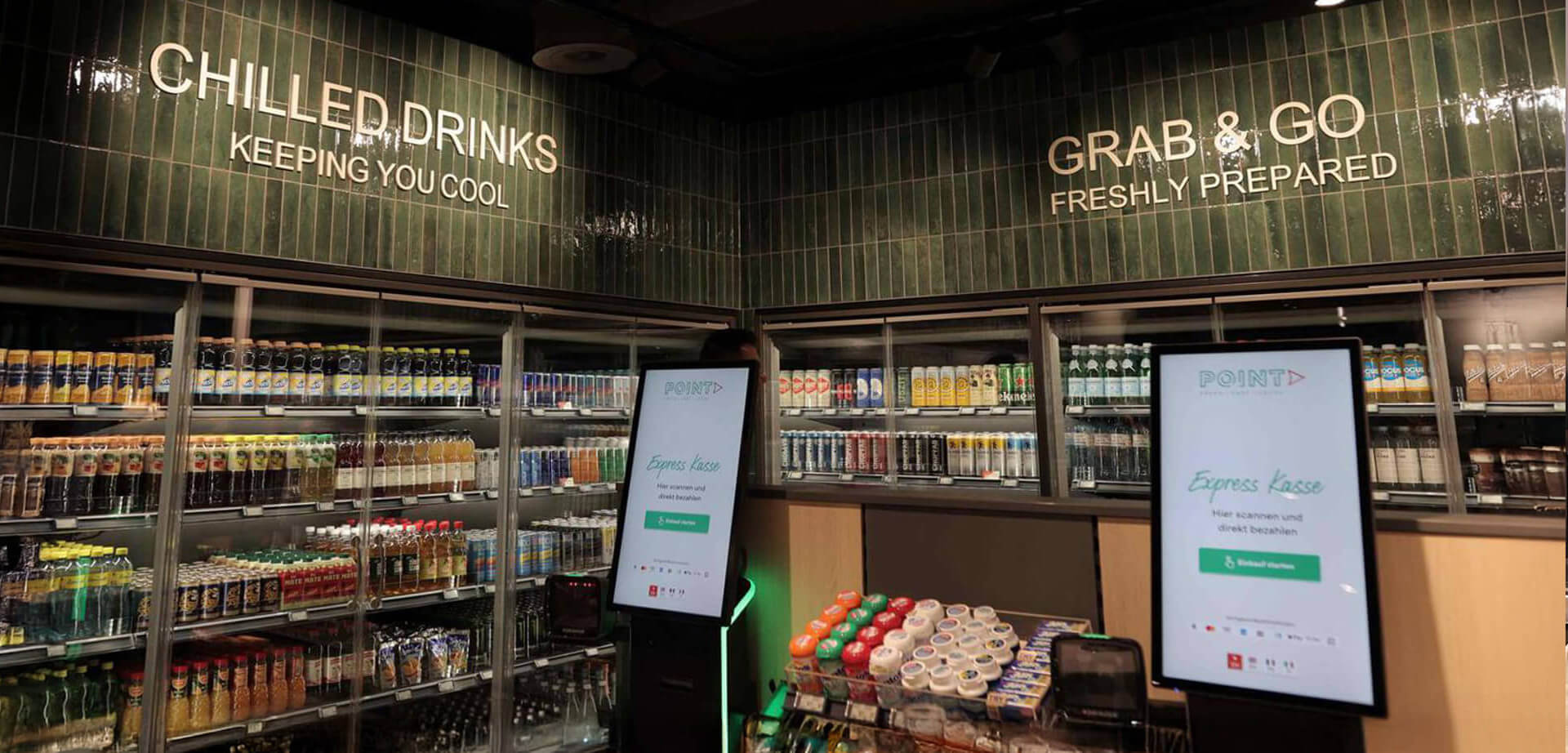
Retailers capable of embedding multiple customer missions into one environment are likely to outperform competitors. Food-for-now, click-and-collect, meal solutions, coffee, local relevance and frictionless technology are increasingly becoming essential components of successful convenience formats. In many urban locations, convenience stores are evolving into hybrid micro-destinations serving retail, foodservice and digital fulfilment functions simultaneously.
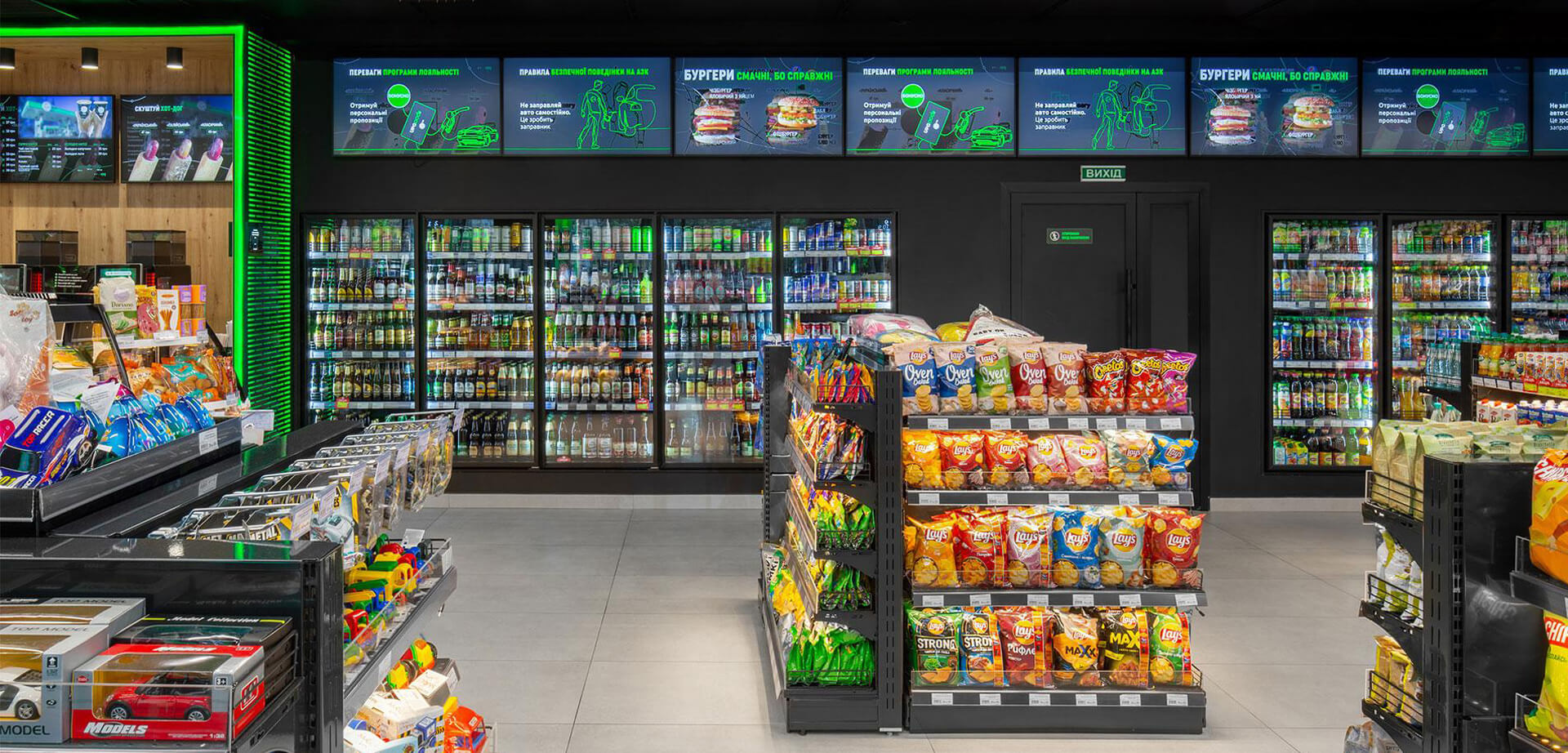
Branding will become increasingly strategic as operators seek differentiation within saturated urban markets. Strong visual identity, clearer value positioning, sustainability messaging and customer-centric store environments will play a greater role in influencing loyalty and basket size.
Our multidisciplinary approach integrates:
1. Supermarket branding
2. Convenience store design
3. Retail interior architecture
4. Customer journey planning
5. Retail communications
6. Operational optimisation
7. Hyper-local retail strategy
We help retailers create scalable supermarket environments that:
- Improve sales per square metre
- Strengthen customer loyalty
- Modernise convenience formats
- Increase operational efficiency
- Support long-term retail growth
As convenience retail continues evolving, the most successful supermarket brands will be those capable of transforming stores into highly relevant, digitally connected and experience-led retail destinations.