News and Views
Convenience Supermarket Design: How Store Experience Drives Shopper Loyalty and Growth




Convenience Supermarket Design: How Store Experience Drives Shopper Loyalty and Growth
Convenience retail is no longer competing on proximity and opening hours alone. Shoppers expect faster, easier and more relevant shopping experiences, while retailers need every square metre to contribute to sales, loyalty and operational efficiency.
That makes convenience supermarket design a strategic management issue rather than simply an interior-design exercise.
The strongest convenience formats connect brand positioning, customer experience, store planning, merchandising, food-to-go, digital services and operational requirements around the way people actually shop. The objective is to create a store that is easy to navigate, commercially productive and sufficiently distinctive to give customers a reason to return.
For management teams, the challenge is therefore broader than creating an attractive environment:
How can store design improve the customer experience while increasing basket value, strengthening loyalty and creating a format that can be scaled across the network?
Why Convenience Supermarkets Need a More Strategic Design Approach
Proximity remains fundamental to convenience retail, but it is increasingly easy for competing retailers to match location, opening hours, product availability and basic services.
The store environment consequently becomes an important source of differentiation.
Customers form impressions quickly. They need to understand the proposition when they enter, find products without unnecessary friction and recognise the categories or services that are most relevant to their shopping mission.
At the same time, retailers need the environment to support commercial objectives: higher-value categories, food-to-go, fresh food, impulse purchases, loyalty and efficient operations.
How CampbellRigg helps
CampbellRigg begins by connecting these disciplines rather than treating them as separate design commissions.
Brand auditing establishes how the existing proposition is perceived and expressed. Strategy defines the desired market position. The design brief then converts that strategy into practical requirements for customer experience, store planning, identity, merchandising and implementation.
The benefit for management is one strategic direction linking brand decisions to the physical retail network, rather than a collection of disconnected design initiatives.
Designing Around the Customer, Not the Floor Plan
A convenience store can contain the right products and still create a poor customer experience.
Customers may struggle to understand where to go, encounter congested circulation, miss important categories or find that food-to-go and collection services compete for the same space.
The solution starts with understanding shopper behaviour.
Different missions require different levels of speed, inspiration and interaction:
- Immediate consumption: coffee, snacks, sandwiches and hot food.
- Meal solutions: ready-to-eat and ready-to-cook products.
- Top-up shopping: everyday essentials purchased quickly.
- Planned convenience: a broader basket combining fresh, grocery and household products.
- Discovery and impulse: relevant products encountered naturally during the journey.
- Digital fulfilment: pre-ordering, collection and other connected services.
A successful format does not necessarily force every customer through the same journey. It creates an environment that allows different missions to coexist without making the store confusing.
How CampbellRigg helps
CampbellRigg maps the customer journey, shopping missions, category relationships, circulation and key decision points before translating them into the physical environment.
This can identify where customers need speed, where the retailer can introduce discovery and where categories should work together to support the overall proposition.
The benefit is a store planned around actual customer behaviour rather than an inherited floor plan.
Turning Customer Flow into Commercial Performance
Customer flow is one of the most important commercial components of convenience supermarket design.
Entrance visibility, sightlines, category adjacencies, aisle configuration, promotional locations, fresh-food visibility and checkout positioning all influence how easily customers understand and navigate the store.
The objective is not simply to make movement easier.
Good planning can also improve the visibility of relevant categories and create better opportunities for cross-merchandising and additional purchases.
A well-designed customer journey therefore connects three objectives: less friction + greater relevance + better commercial exposure.
How CampbellRigg helps
CampbellRigg combines retail strategy, customer-experience planning and store planning to determine how the physical environment should support commercial priorities.
The process can examine:
- entrance and threshold experience
- sightlines and navigation
- category adjacencies
- promotional opportunities
- food-to-go visibility
- fresh-food positioning
- queue and checkout planning
- collection and digital-service zones
- customer circulation.
Rather than treating these as individual design decisions, CampbellRigg translates them into a coherent customer journey and store-planning strategy.
The benefit: management gains a clearer relationship between the physical environment and the commercial objectives the store is expected to deliver.

Making Food-to-Go a Destination
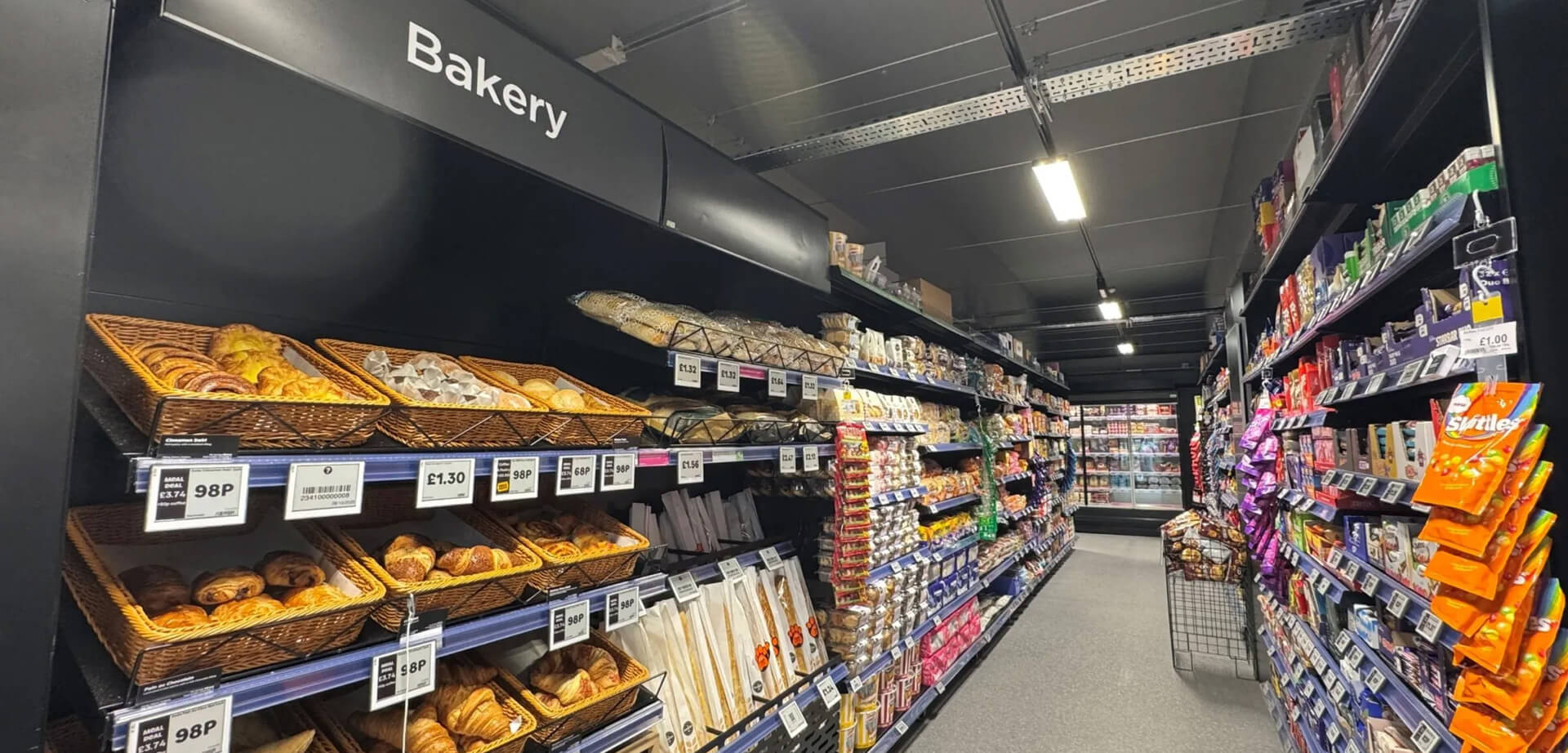
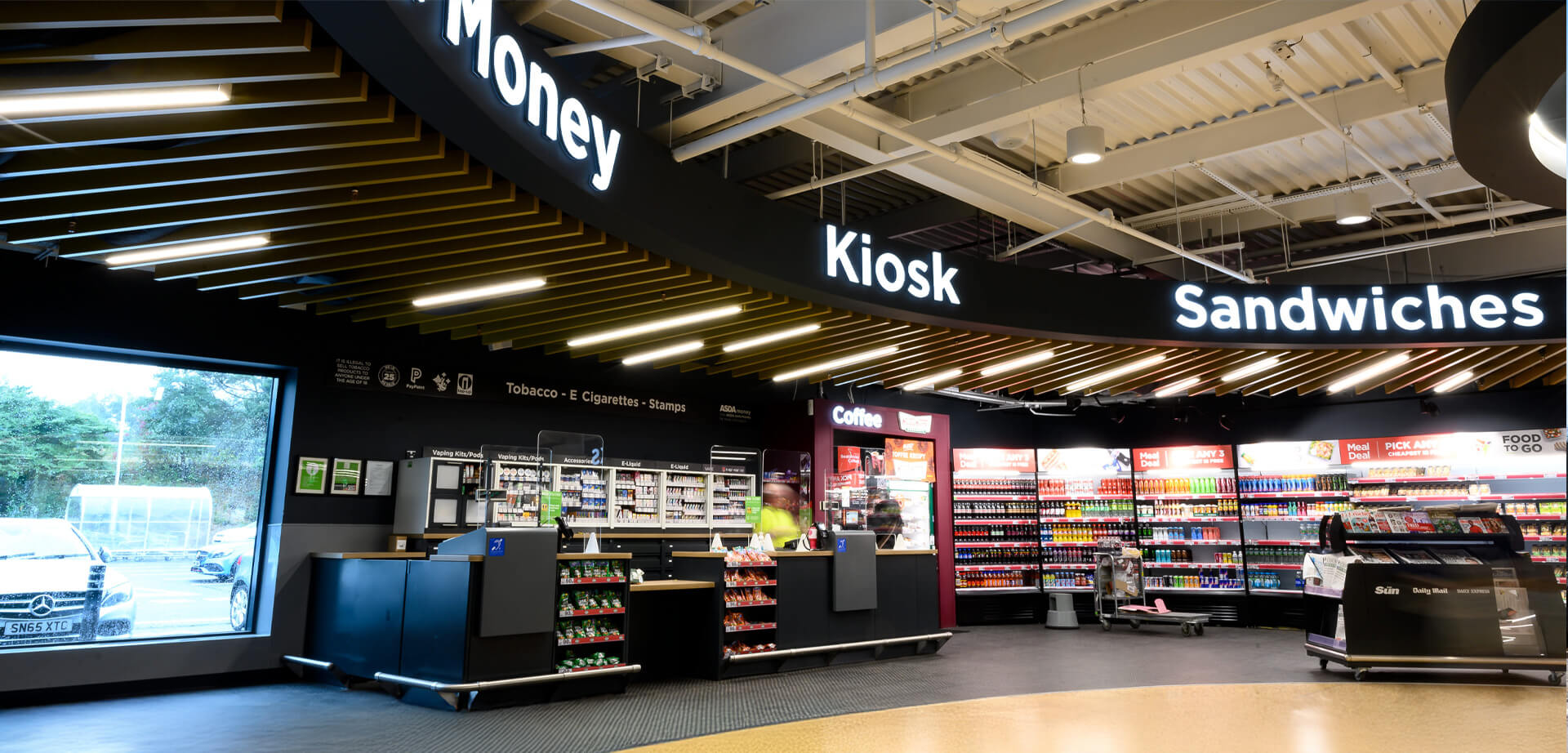
Food-to-go, coffee, bakery, hot food and ready-to-eat categories can provide an important point of differentiation for convenience retailers.
But simply allocating more space to food-to-go does not create a successful proposition.
The offer has to be visible, easy to understand and operationally practical. Customers need to see what is available quickly, while staff need an environment that supports preparation, replenishment and service.
The design therefore needs to balance food theatre with speed and operational efficiency.
How CampbellRigg helps
CampbellRigg connects food-to-go strategy, customer journey, zoning, brand identity, merchandising and store design.
This enables the food proposition to become an integrated part of the convenience experience rather than an isolated department.
The benefit is a clearer customer proposition: shoppers can identify the food offer immediately, understand how it fits into their mission and move efficiently through the store.
Building a Brand That Customers Recognise
Convenience supermarket branding extends far beyond the logo.
The brand is experienced through the architecture, entrance, colours, signage, category communication, merchandising, service points, digital touchpoints and tone of voice.
Consistency is particularly important for retailers operating multiple locations. Customers should recognise the same proposition whether they visit a large neighbourhood store, a compact urban format or a different location within the network.
But consistency does not mean every store should look identical.
Local catchments, store footprints and customer missions can require different physical solutions.
How CampbellRigg helps
CampbellRigg starts by defining the brand principles that must remain consistent and identifying where the format can flex.
Brand strategy is translated into a practical design language covering:
- identity
- environmental branding
- signage
- wayfinding
- category communication
- merchandising principles
- customer touchpoints
- materials and finishes.
The benefit is a recognisable brand experience that can adapt to different locations without losing strategic consistency.
Creating a Frictionless Physical and Digital Experience
Convenience increasingly extends beyond the physical store.
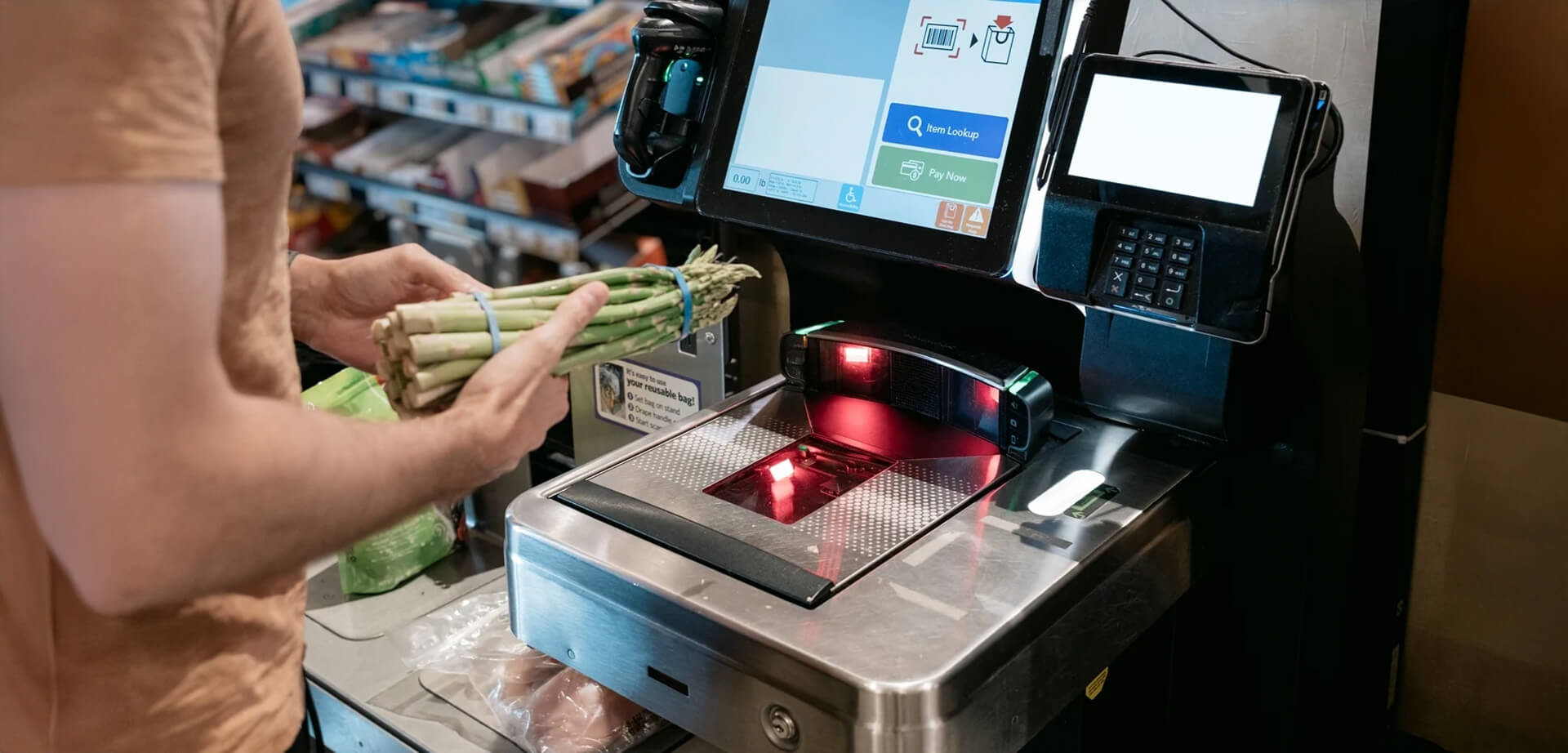
Loyalty programmes, digital ordering, self-service, collection, mobile payment and personalised promotions can influence how customers interact with the retailer before, during and after their visit.
But technology should not be added simply because it is available.
The physical environment has to accommodate digital services without creating additional complexity.
Collection points should not obstruct normal shopping. Self-service should simplify the transaction. Signage should help customers understand new services rather than adding visual noise.
How CampbellRigg helps
CampbellRigg connects customer-experience strategy, physical store planning, brand communication and digital touchpoints so that technology supports the overall retail proposition.
The agency can translate the intended customer journey into practical requirements for: discover → order → arrive → collect/shop → pay → leave → return.
The benefit is a connected phygital experience in which digital services reinforce the physical store rather than competing with it.
Making the Store Relevant to Its Catchment
A convenience store serves a particular community.
An urban commuter location may require a very different proposition from a residential neighbourhood store. Customer missions, trading periods, demographics, competition and local expectations can all influence what the environment needs to achieve.
This creates a tension for large retail networks.
The brand needs consistency, but the store needs relevance.
How CampbellRigg helps
CampbellRigg can combine brand strategy, retail analysis, customer insight and format planning to establish which elements should be consistent across the network and which should respond to local conditions.
The resulting design framework can define:
- non-negotiable brand principles
- adaptable store zones
- format variations
- local communication opportunities
- category priorities
- customer-journey differences.
The benefit is a retail network that feels consistent enough to build brand recognition and flexible enough to remain relevant to individual catchments.
From One Successful Store to a Scalable Retail Format
For management teams, a successful individual store is not the final objective.
The greater challenge is creating a proposition that can be repeated across a network while controlling cost, protecting the brand and adapting to different footprints.
A scalable convenience format needs clear principles for:
- customer journey
- zoning
- brand hierarchy
- fixtures
- signage
- merchandising
- materials
- operational requirements
- technology
- implementation.
The format should provide enough structure to accelerate rollout without becoming so rigid that every location loses its relevance.
How CampbellRigg helps
CampbellRigg converts the strategic proposition into a repeatable design framework and implementation brief.
The process connects the initial audit and strategy with customer-experience requirements, store planning, identity, design development and rollout considerations.
This is where CampbellRigg's multidisciplinary approach becomes particularly valuable.
The benefit: management receives a practical framework for taking the strategy from one location to a wider retail network, rather than commissioning each store as an isolated project.
From One Successful Store to a Scalable Retail Format
For management teams, a successful individual store is not the final objective.
The greater challenge is creating a proposition that can be repeated across a network while controlling cost, protecting the brand and adapting to different footprints.
A scalable convenience format needs clear principles for:
- customer journey
- zoning
- brand hierarchy
- fixtures
- signage
- merchandising
- materials
- operational requirements
- technology
- implementation.
The format should provide enough structure to accelerate rollout without becoming so rigid that every location loses its relevance.
How CampbellRigg helps
CampbellRigg converts the strategic proposition into a repeatable design framework and implementation brief.
The process connects the initial audit and strategy with customer-experience requirements, store planning, identity, design development and rollout considerations.
This is where CampbellRigg's multidisciplinary approach becomes particularly valuable.
The benefit: management receives a practical framework for taking the strategy from one location to a wider retail network, rather than commissioning each store as an isolated project.
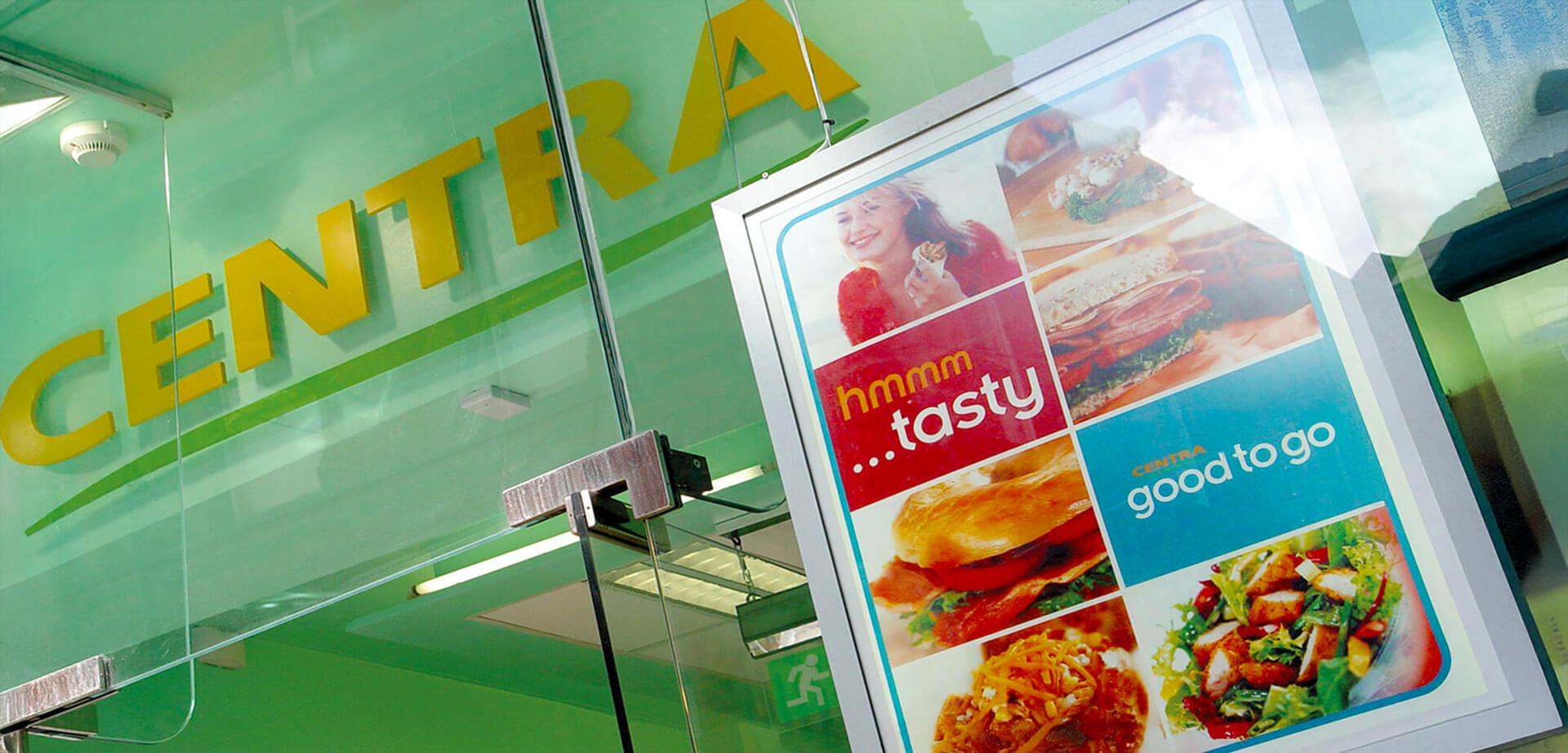
Centra Good to Go: Connecting Brand, Experience and Format
CampbellRigg's work with Centra demonstrates how these disciplines can operate together.
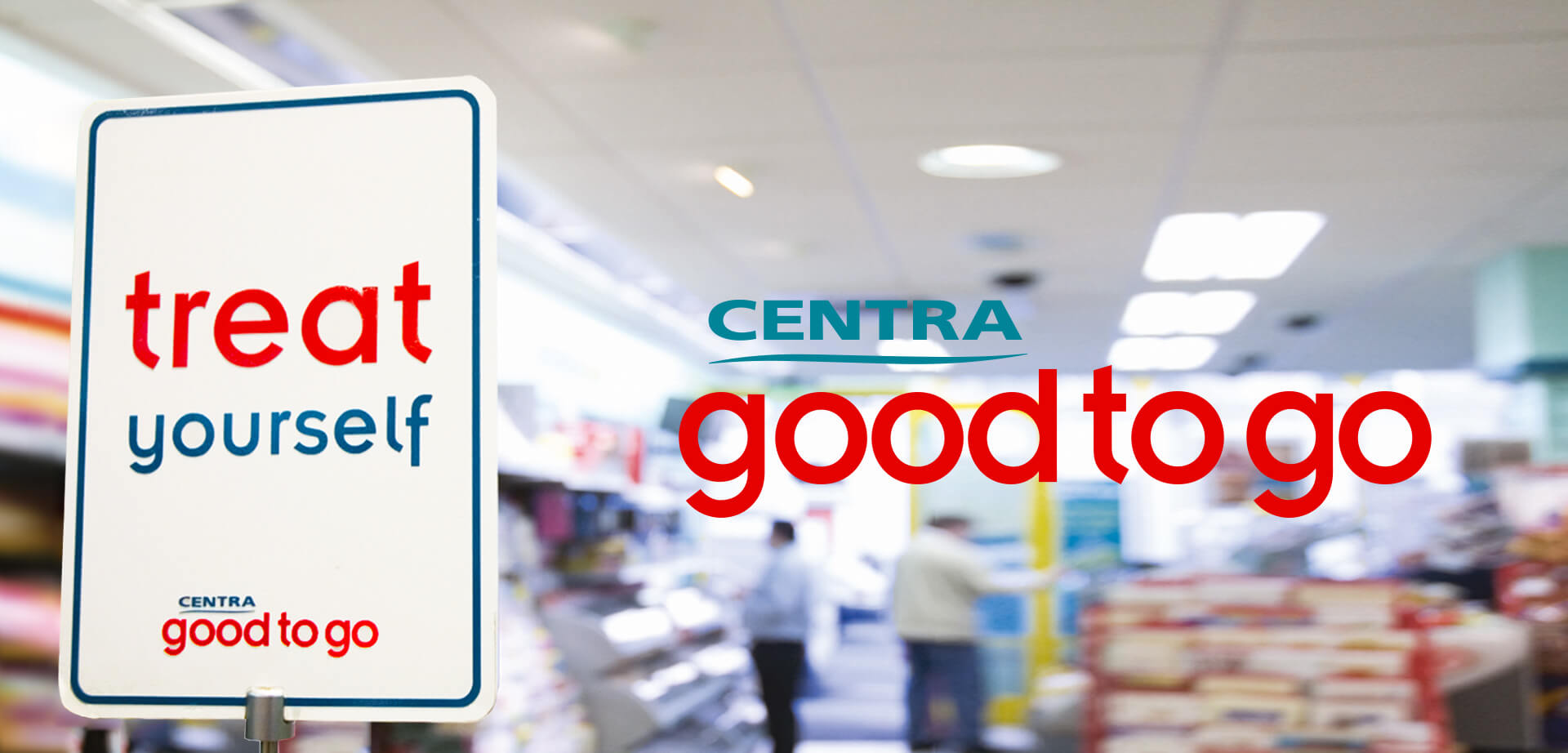
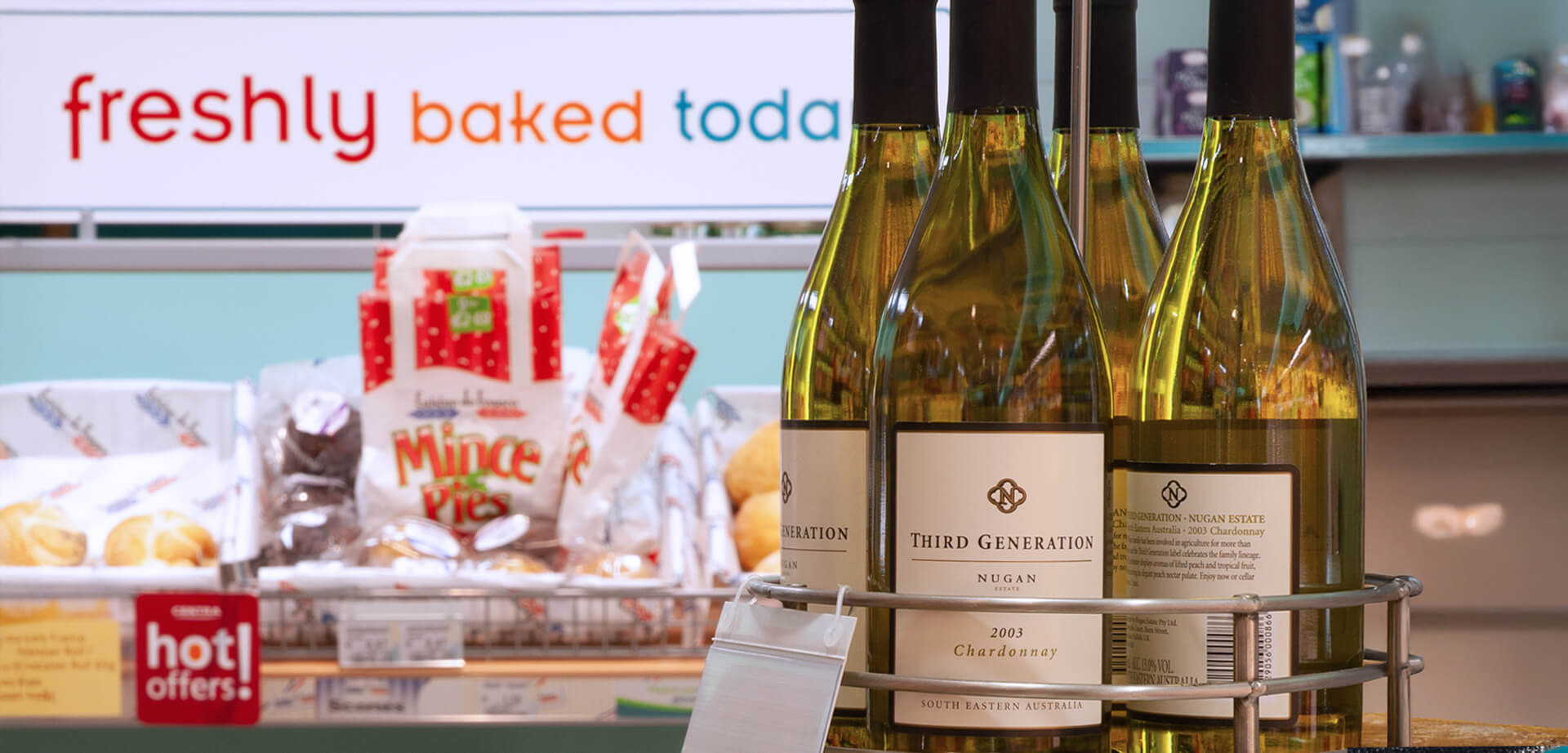
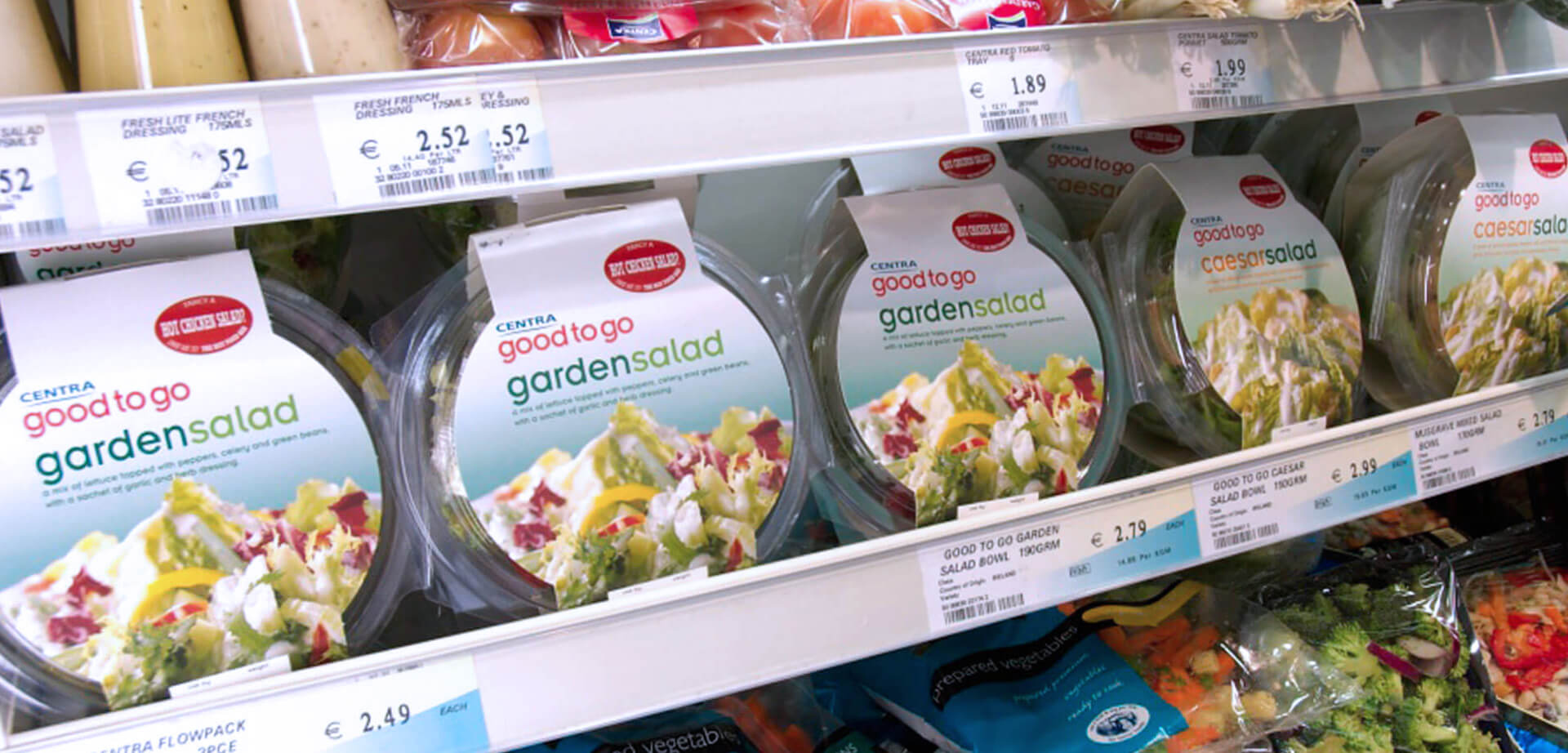
The "Good to Go" proposition brought together store layout, sub-brand identity, customer experience, merchandising and food-to-go around the needs of convenience shoppers. The environment incorporated dedicated zones for coffee, chilled, ready-to-eat, hot food, produce, grocery, meat and tills.
The objective was not simply to introduce a new visual identity. The design created a clearer relationship between the customer's shopping journey and the commercial proposition.
How CampbellRigg helped
CampbellRigg developed the proposition by connecting brand identity, store planning, customer flow, food-to-go, merchandising and implementation.
The approach included a serve-over concept, self-service food-to-go areas and merchandising solutions designed around busy lunchtime trading.
The benefit was a format designed to work at three levels:
- For customers: clearer choice, easier navigation and a stronger food-to-go proposition.
- For the retailer: a more commercially focused convenience environment.
- For the network: a concept capable of being adapted and rolled out.
The Centra case study reports that the concept exceeded sales targets and was subsequently rolled out across the Republic of Ireland.
International convenience retail benchmarks
International retailers demonstrate different approaches to the same strategic challenge: how to make convenience relevant, distinctive and commercially efficient within constrained environments.
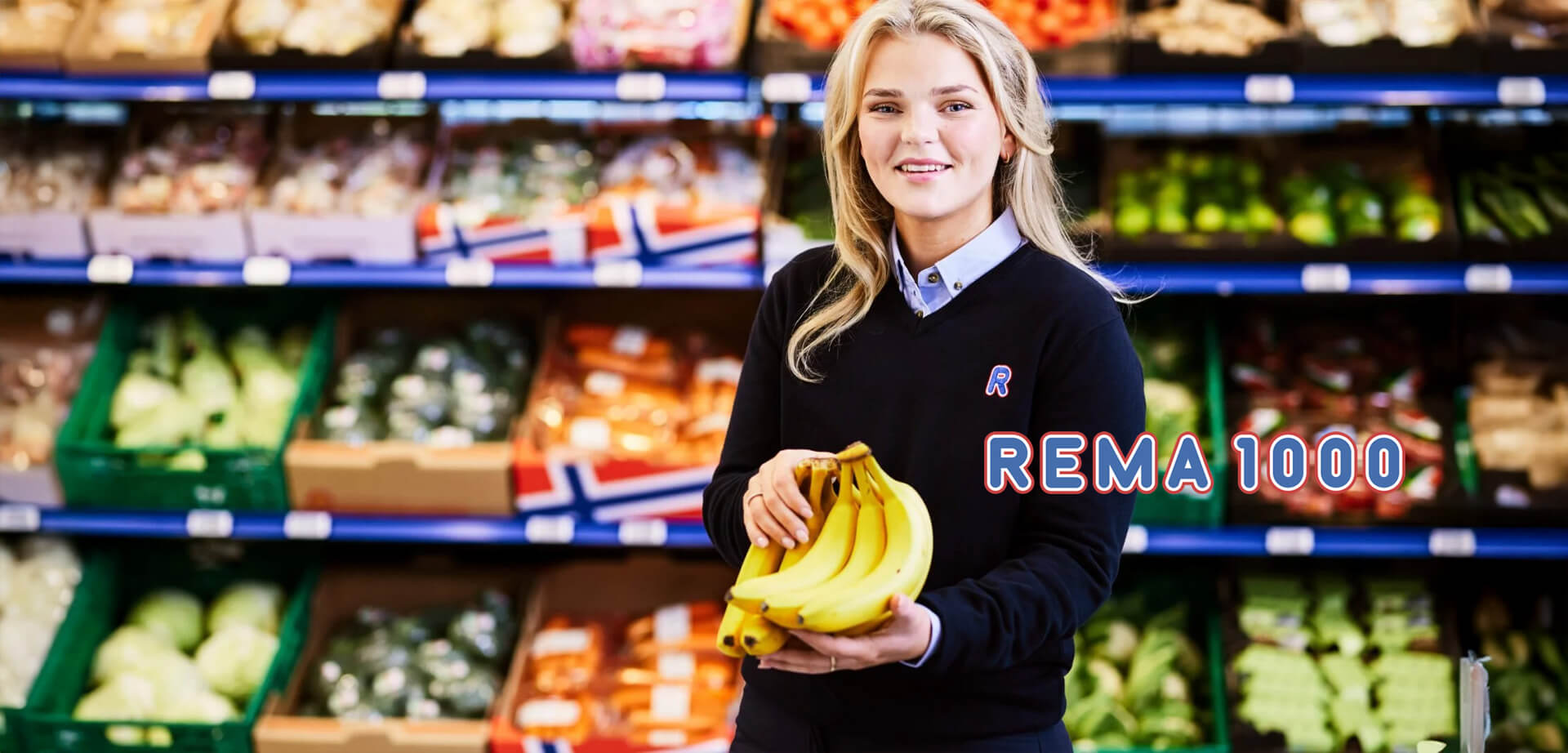
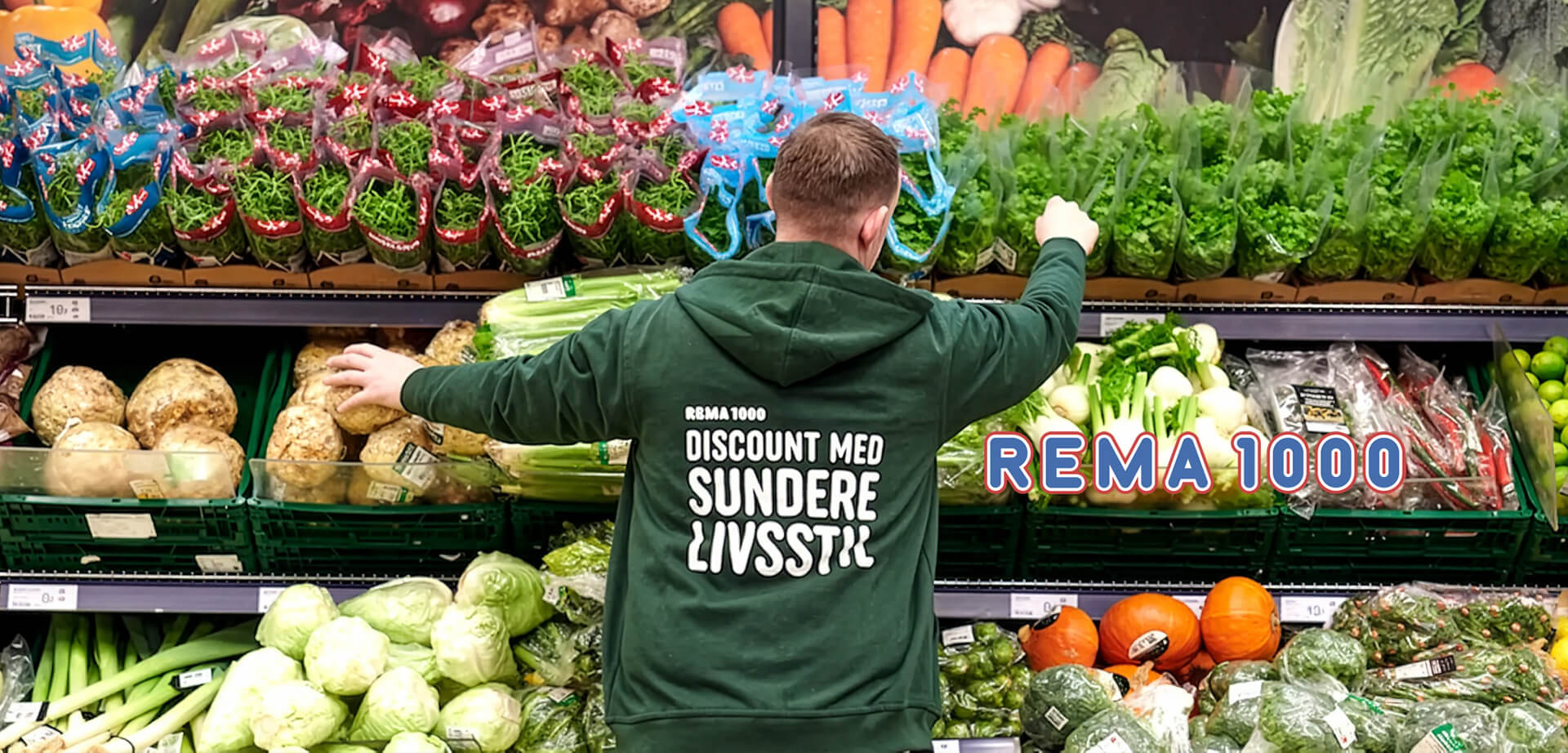
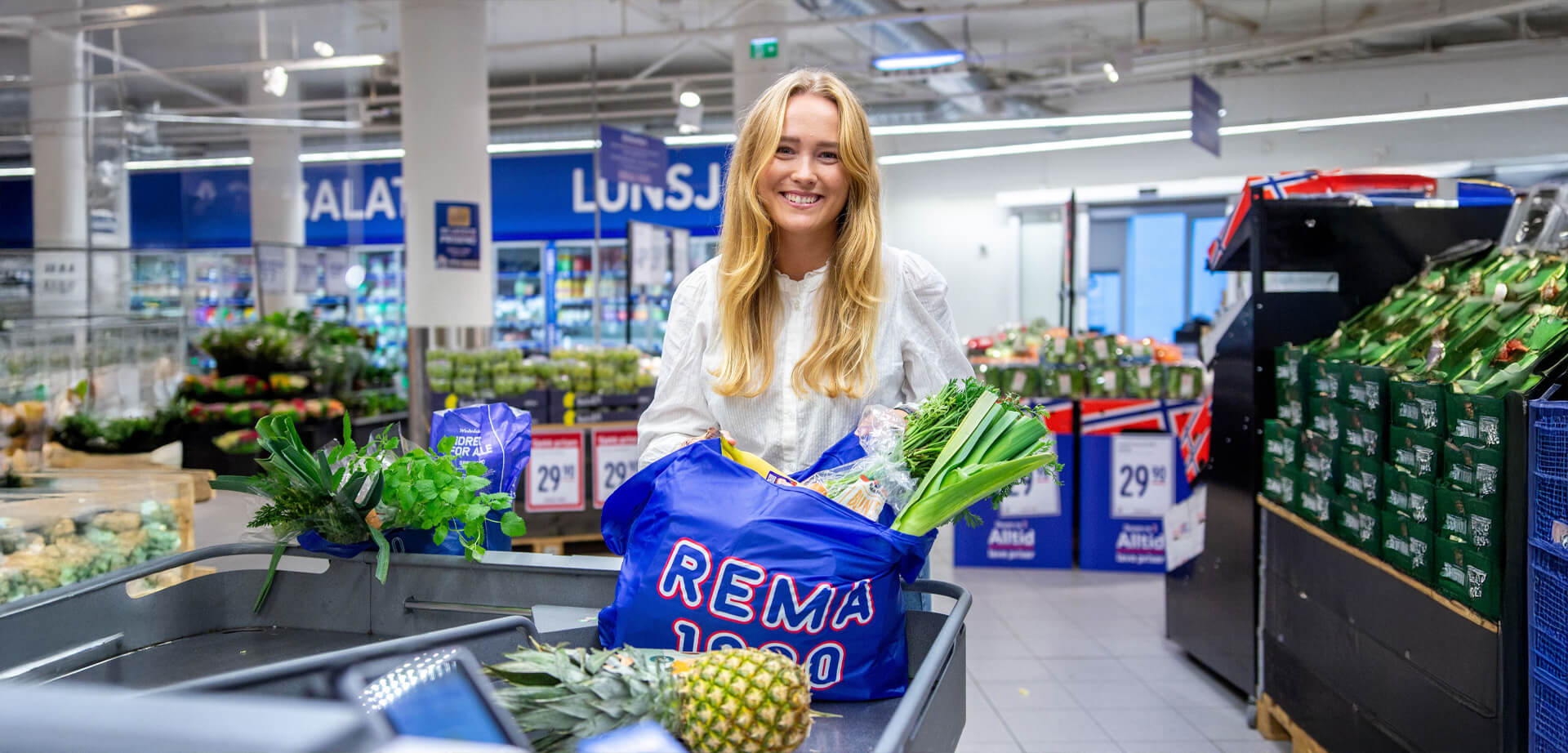
- REMA 1000 demonstrates how a clear value proposition can be reinforced through disciplined store environments and straightforward customer navigation.
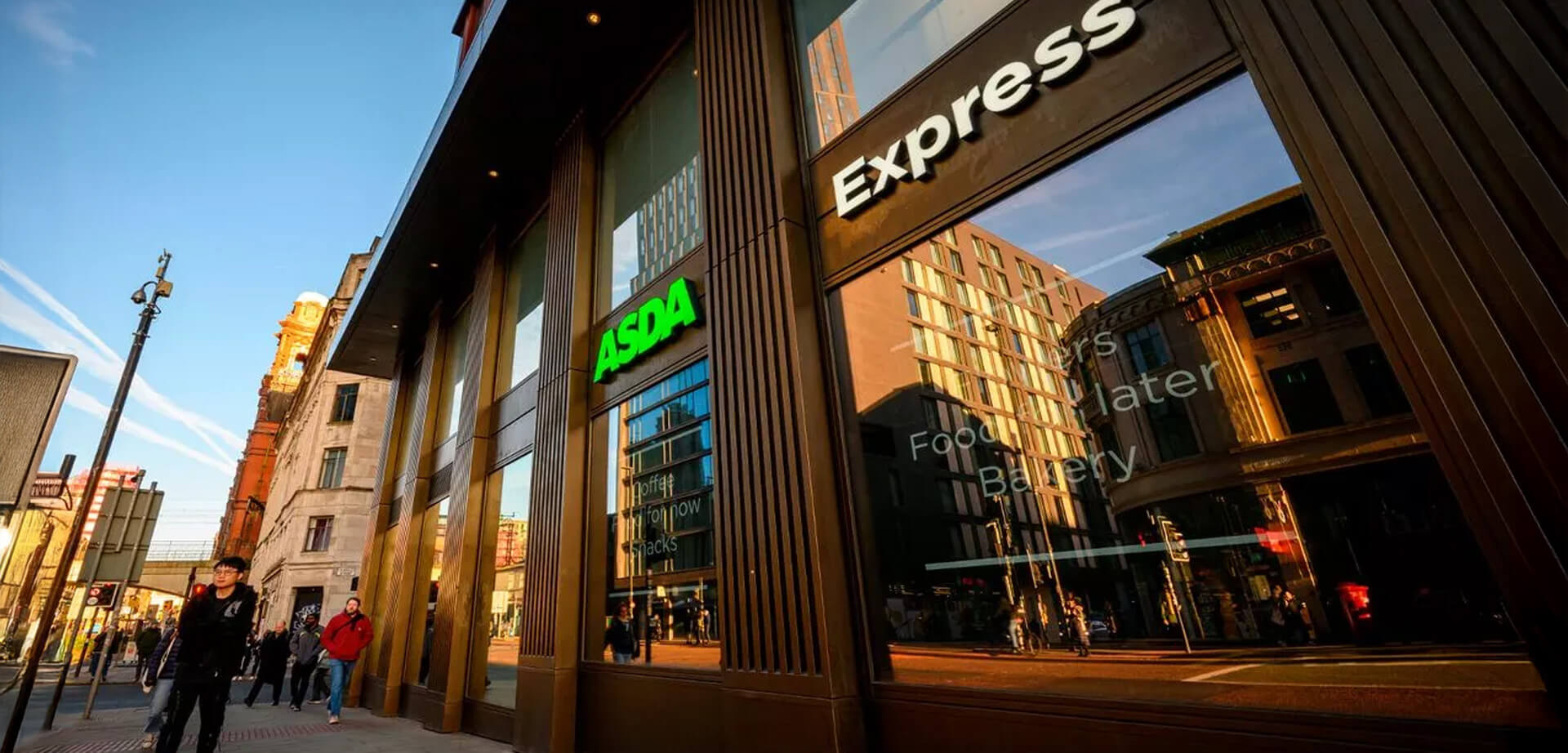
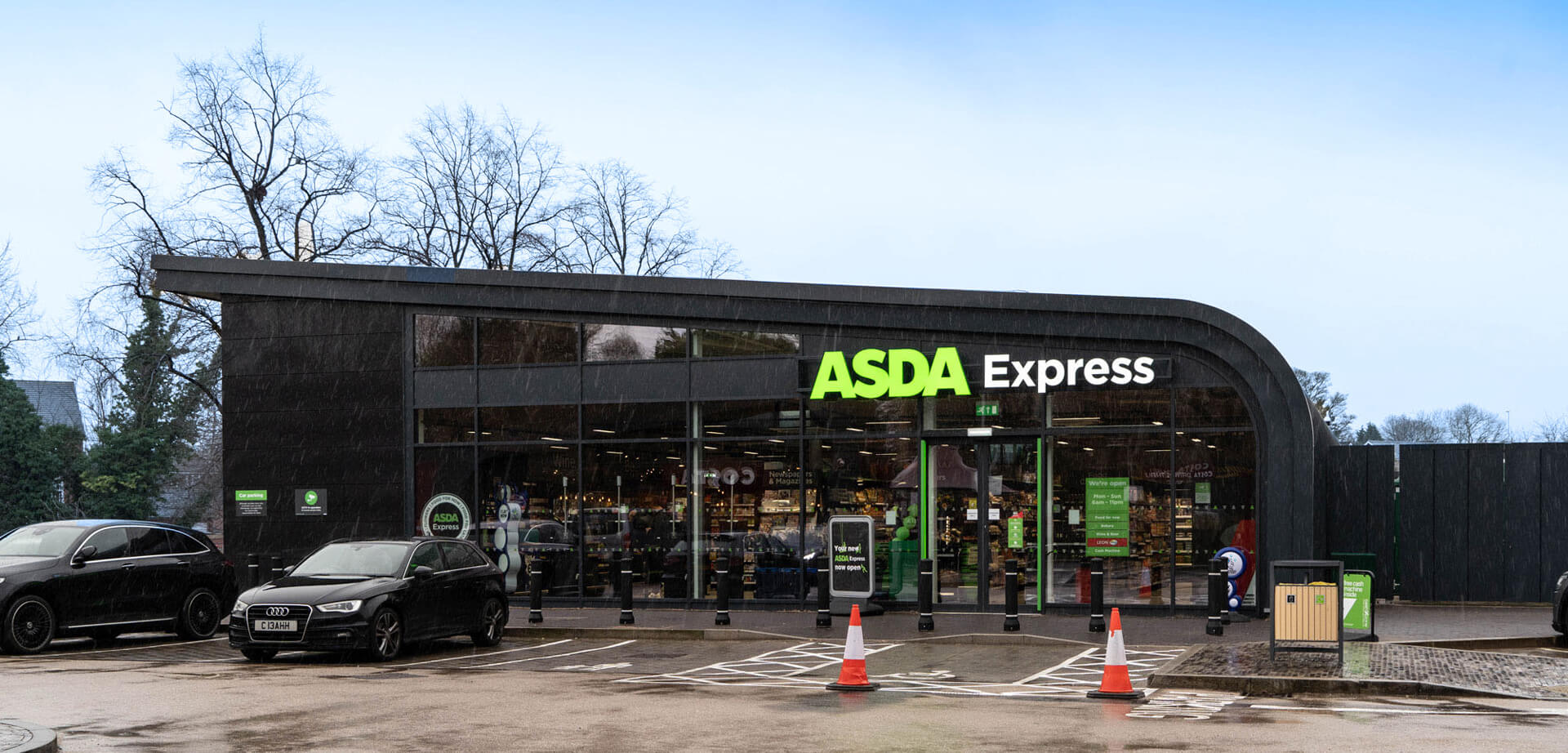
- ASDA Express illustrates how a major supermarket proposition can be adapted to smaller, high-frequency convenience formats.
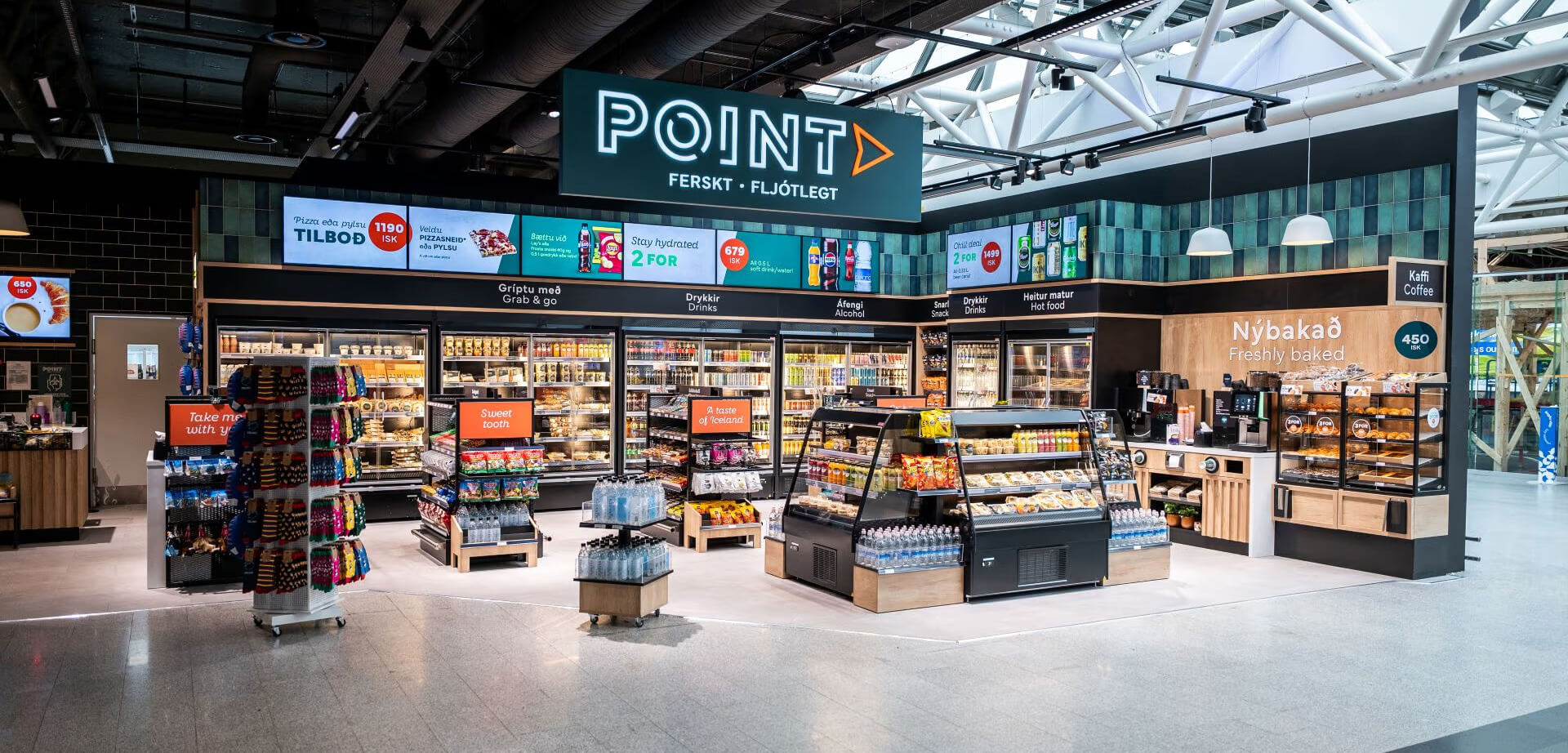
- Point demonstrates how convenience propositions can be adapted to travel environments where speed, visibility and mission-based shopping are critical.
- UPG shows how forecourt convenience can combine food, retail and service requirements within a compact customer journey.
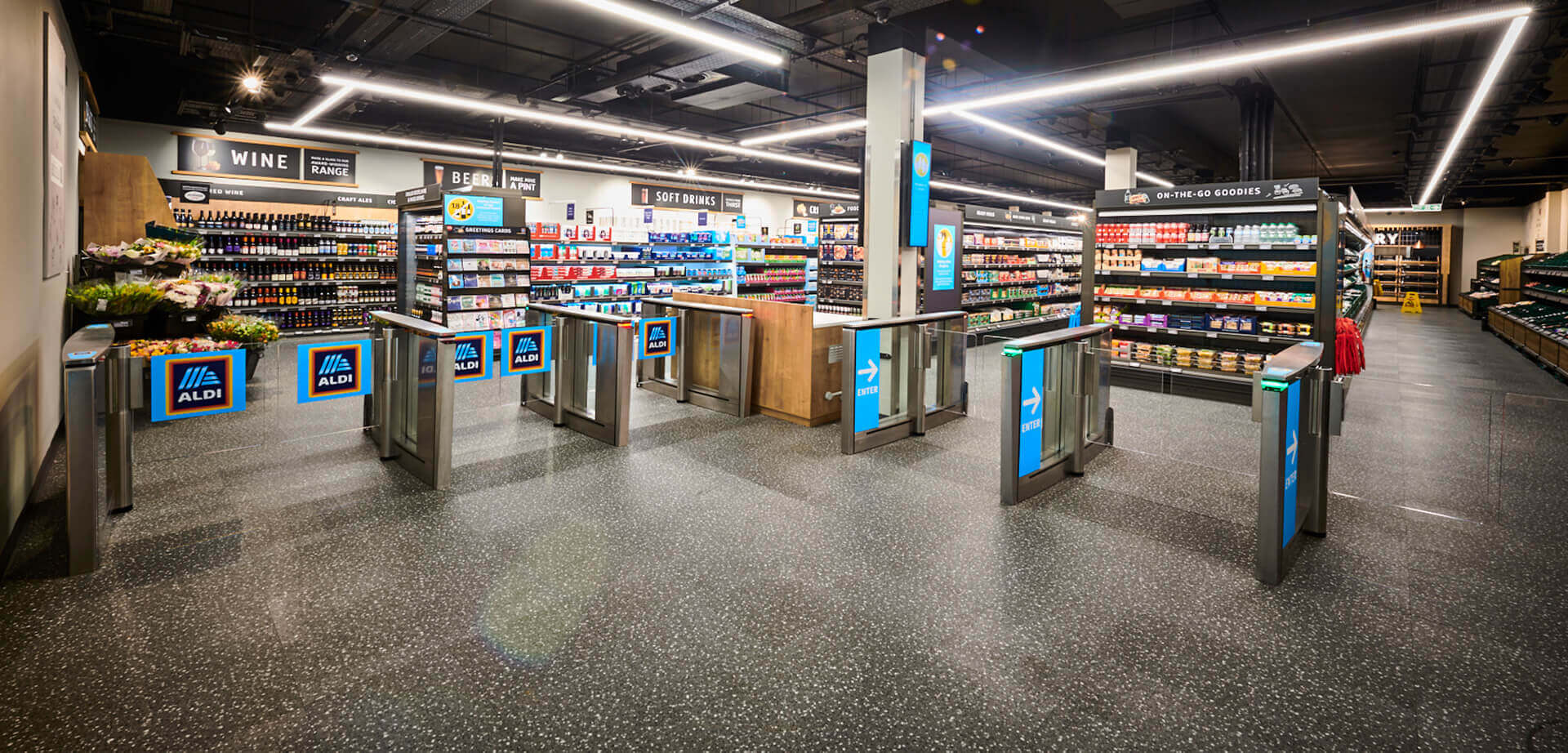
- Aldi Shop&Go demonstrates how technology and frictionless shopping can influence the physical convenience proposition.
These examples illustrate a common management challenge: the format must respond to local trading conditions while maintaining a recognisable and commercially coherent brand experience.
How CampbellRigg Connects the Whole Convenience Proposition
The greatest value of a multidisciplinary approach is not the number of services involved.
It is the connection between them.
A retailer may have a strong brand strategy but a store environment that does not express it. It may have an attractive store design but an unclear customer journey. It may have an effective food-to-go proposition but insufficient visibility. It may have a successful pilot but no framework for network rollout.
These gaps occur when disciplines are commissioned separately.
How CampbellRigg helps
CampbellRigg brings the disciplines together through a connected process: Audit → Strategy → Customer Experience → Design Brief → Store Planning → Brand Identity → Implementation → Rollout
- Brand auditing establishes the starting point.
- Strategy defines the desired market position and commercial objectives.
- Customer-experience planning translates those objectives into shopper journeys and missions.
- The design brief converts the strategy into requirements for the physical environment.
- Store planning determines how space, categories, circulation and services work together.
- Brand identity and environmental communication make the proposition recognisable.
- Implementation converts the concept into a practical store environment.
- Rollout planning establishes how the proposition can be adapted across the wider network.
The benefit is one connected strategic direction - linking brand, customer experience and physical retail performance, rather than a series of disconnected design commissions.
What Effective Convenience Supermarket Design Should Deliver
For supermarket leadership, the value of design should ultimately be visible in the performance of the retail proposition.
A successful convenience format should aim to deliver:
- Greater customer clarity - Shoppers understand the proposition quickly and can navigate the store with less friction.
- Stronger customer experience - Different shopping missions can be completed efficiently while still allowing discovery and engagement.
- Better commercial visibility - High-priority categories, food-to-go and relevant promotional opportunities receive appropriate visibility.
- Stronger brand recognition - The physical environment consistently communicates the brand's position across the network.
- Better operational alignment - Customer experience and commercial ambitions are reconciled with replenishment, staffing, service and operational requirements.
- Greater scalability - The design principles can be adapted to different footprints and locations without losing the core proposition.
These outcomes are interconnected.
A stronger brand without a better customer journey will not solve the whole problem. A better layout without a distinctive proposition can be easily replicated. A successful pilot without a scalable format can remain an isolated success.
The opportunity lies in connecting them.
Connect design investment to measurable commercial objectives
Retail design should support business performance.
Management needs to understand what the investment is intended to change.
Depending on the format, relevant measures might include sales per square metre, transaction value, category performance, conversion, customer frequency, dwell time, queue times, operational productivity and customer satisfaction.
The precise measures will vary by retailer, but they should be established before design decisions are finalised.
The management implication
A design programme becomes more commercially accountable when its objectives are defined before the solution is developed.
For example, increasing food-to-go penetration may require changes to visibility, accessibility, service capacity and merchandising. Improving shopping speed may require changes to navigation, sightlines, adjacencies and checkout flow.
How CampbellRigg helps
The strategic approach translates business objectives into customer-experience and format requirements.
The benefit is a clearer relationship between retail investment, design decisions and measurable commercial objectives.
The Strategic Role of Convenience Supermarket Design
The most effective convenience environments are not designed simply to look better.
They are designed to work harder.
They make shopping easier, make the proposition clearer, make relevant categories more visible and give customers reasons to return. At network level, they provide a framework through which the retailer can maintain brand consistency while adapting to different locations and customer missions.
For management teams, the strategic question should therefore move beyond: “How should our convenience stores look?”
It should become: “How should our stores make the brand more relevant, the customer journey easier and the retail network more commercially effective?”
How CampbellRigg helps
CampbellRigg brings together brand strategy, retail strategy, customer experience, convenience supermarket design, store planning, environmental branding and implementation to answer that question.
The process begins with understanding the existing proposition and the commercial opportunity, then translates that understanding into a practical design strategy and scalable retail format.
The benefit is a connected retail proposition in which strategy, brand, customer experience and physical stores all work towards the same commercial objective.
For retailers considering a new convenience format, refurbishment programme or network rollout, CampbellRigg can develop the strategic and design framework needed to turn the opportunity into a practical, scalable retail environment.
CampbellRigg: We build brands designed to transform markets - Innovative. Relevant. Memorable.