News and Views
Supermarket Branding: How Grocery Stores Become Lifestyle Brands.



How Supermarket Branding Turns Grocery Stores Into Lifestyle Brands
Supermarket branding is no longer just about logos, packaging or advertising. Leading grocery retailers are using brand strategy, product curation, store experience, wellness, food theatre and digital engagement to turn supermarkets into lifestyle brands that customers actively choose.
The commercial opportunity is significant. A stronger supermarket brand can differentiate a retailer, increase customer loyalty, strengthen premium perception, grow basket value and improve performance per square metre.
The strategic question is no longer simply: “What products do we sell?” It is: “Why should customers choose our supermarket?”
The strongest grocery retailers answer that question by connecting supermarket branding strategy, brand positioning, customer experience and physical retail environments.
Why Supermarket Branding Matters
Grocery retail is increasingly competitive. Mainstream supermarkets, premium retailers, discounters, convenience operators, online grocery platforms, food-delivery companies and specialist food brands compete for the same customer occasions.
Price and range remain important, but they do not always create lasting differentiation.
Supermarket branding strategy defines the distinctive value a retailer wants to own in the customer's mind. It answers three fundamental questions:
Who are we for?
What do we stand for?
Why should customers choose us?
The answer might be wellness, sustainability, discovery, convenience, family, local food, premium cooking, value or social experience.
A strong grocery retail brand then translates that positioning consistently across product assortment, pricing, service, packaging, merchandising, store design, customer journey and digital experience.
What Makes a Supermarket a Lifestyle Brand?
A supermarket becomes a lifestyle brand when customers associate it with a particular way of living rather than simply a place to buy groceries.
That lifestyle might centre on:
- Wellness and healthy living
- Premium food and cooking
- Sustainability and responsible sourcing
- Discovery and food culture
- Convenience and time-saving
- Family and community
- Local identity
- Hospitality and social experience
The stronger the connection between the lifestyle proposition and the customer experience, the harder the brand becomes to substitute on price alone.
This is the difference between selling groceries and owning a distinctive place in customers' lives.
Three Supermarket Lifestyle-Brand Models
Erewhon, Whole Foods Market and Azbuka Vkusa demonstrate three different approaches to grocery lifestyle branding.
Retailer → Lifestyle positioning → Customer proposition
Erewhon → Luxury wellness → Health, aspiration and discovery
Whole Foods Market → Premium natural food → Quality, wellbeing and responsible sourcing
Azbuka Vkusa → Premium food lifestyle → Quality, service, discovery and convenience
Three different approaches.
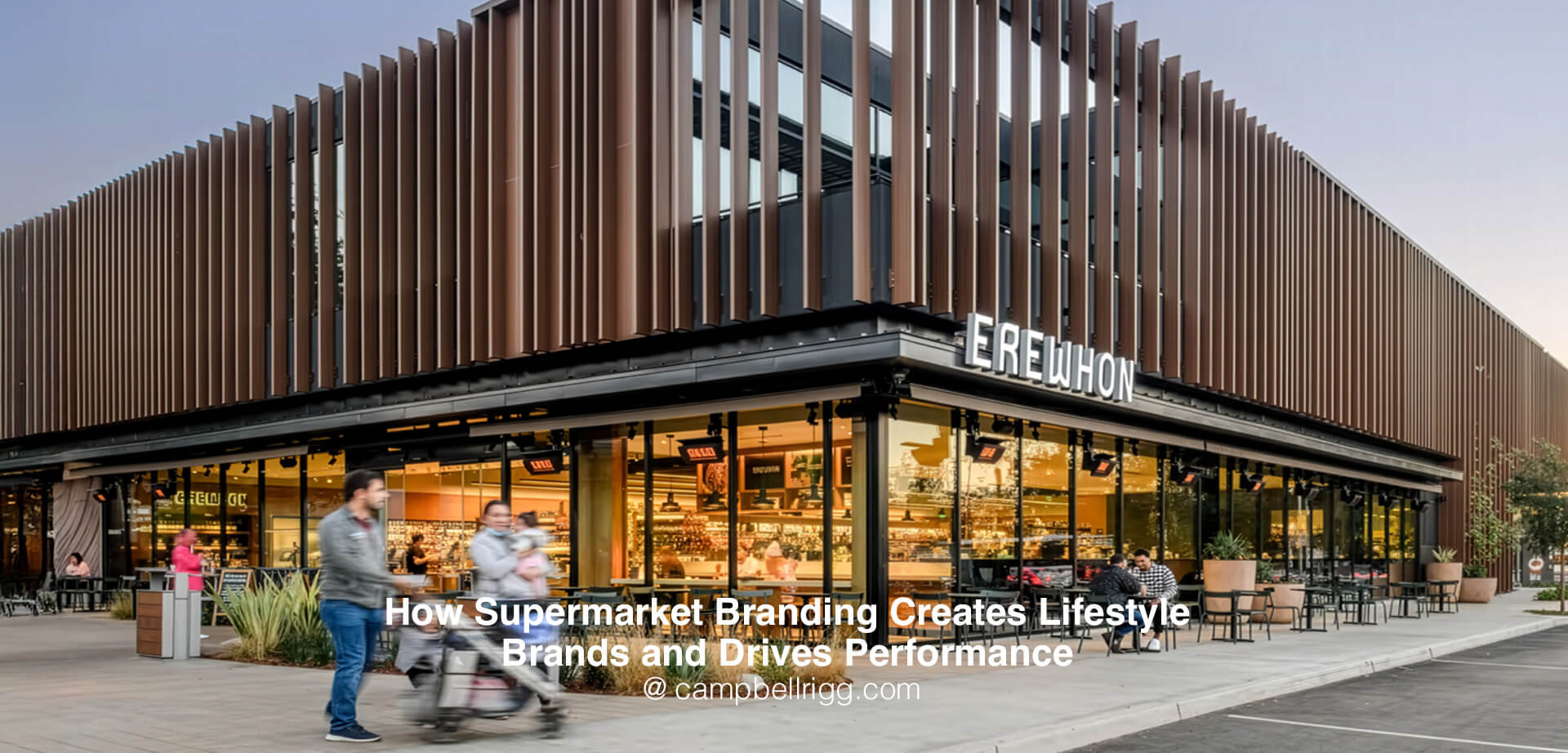
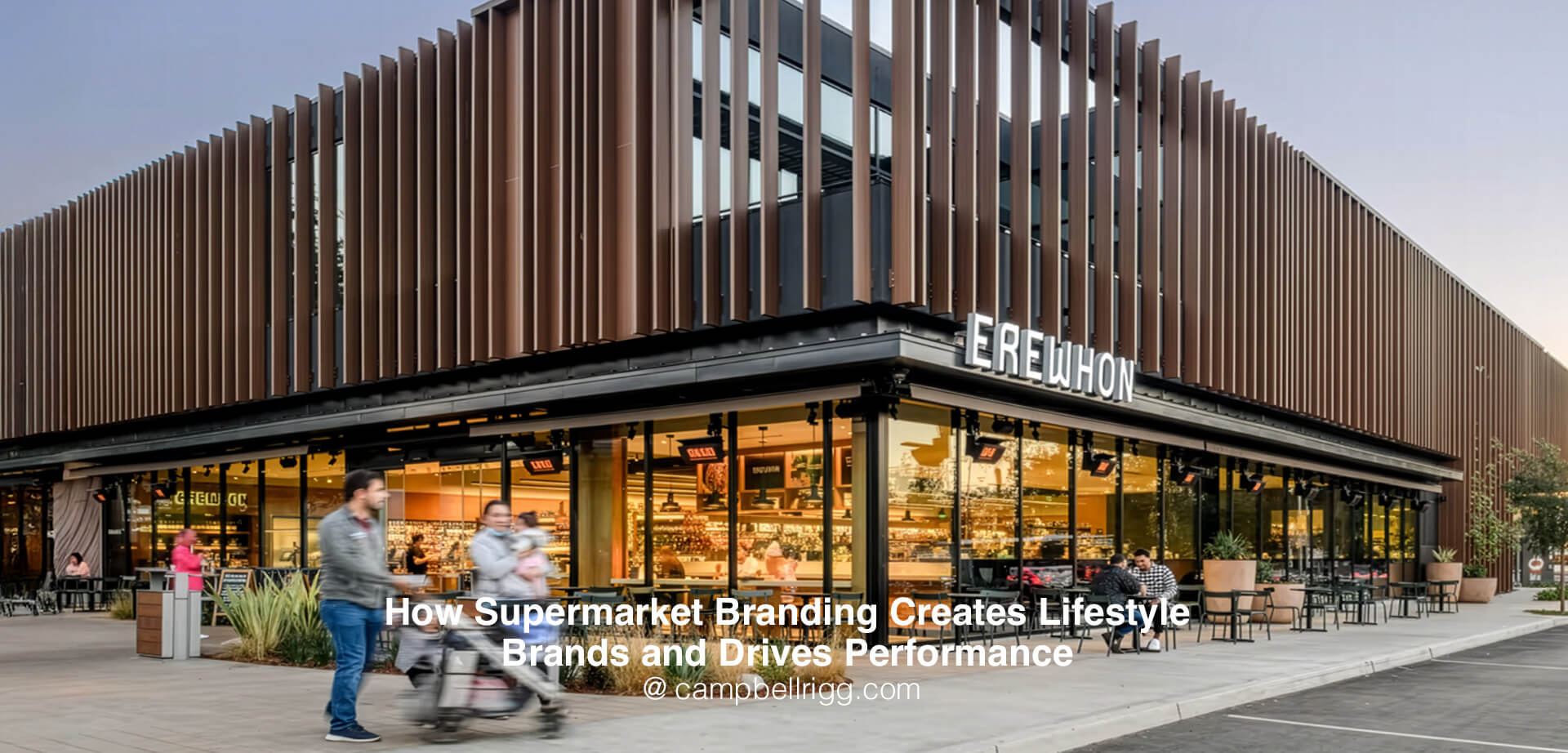
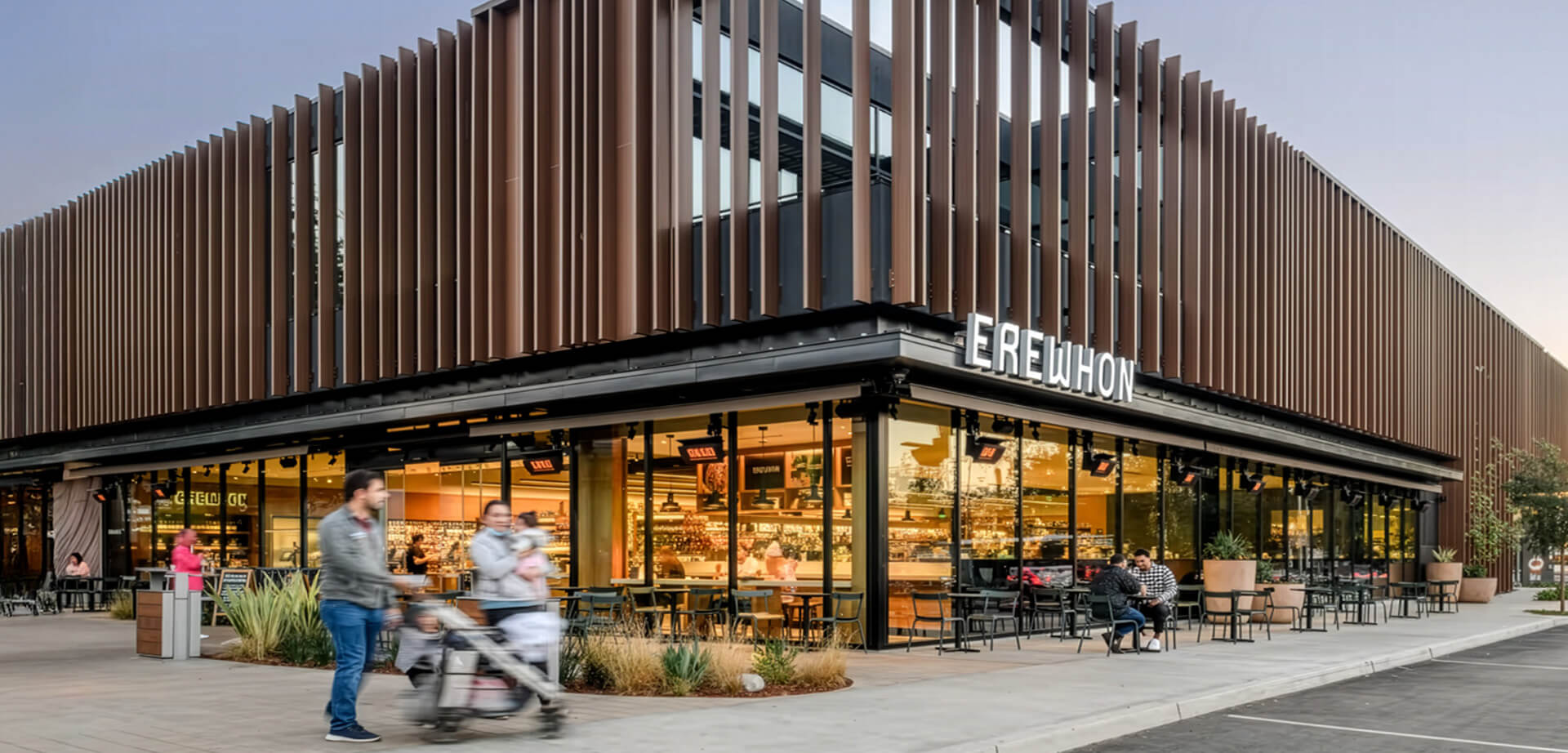
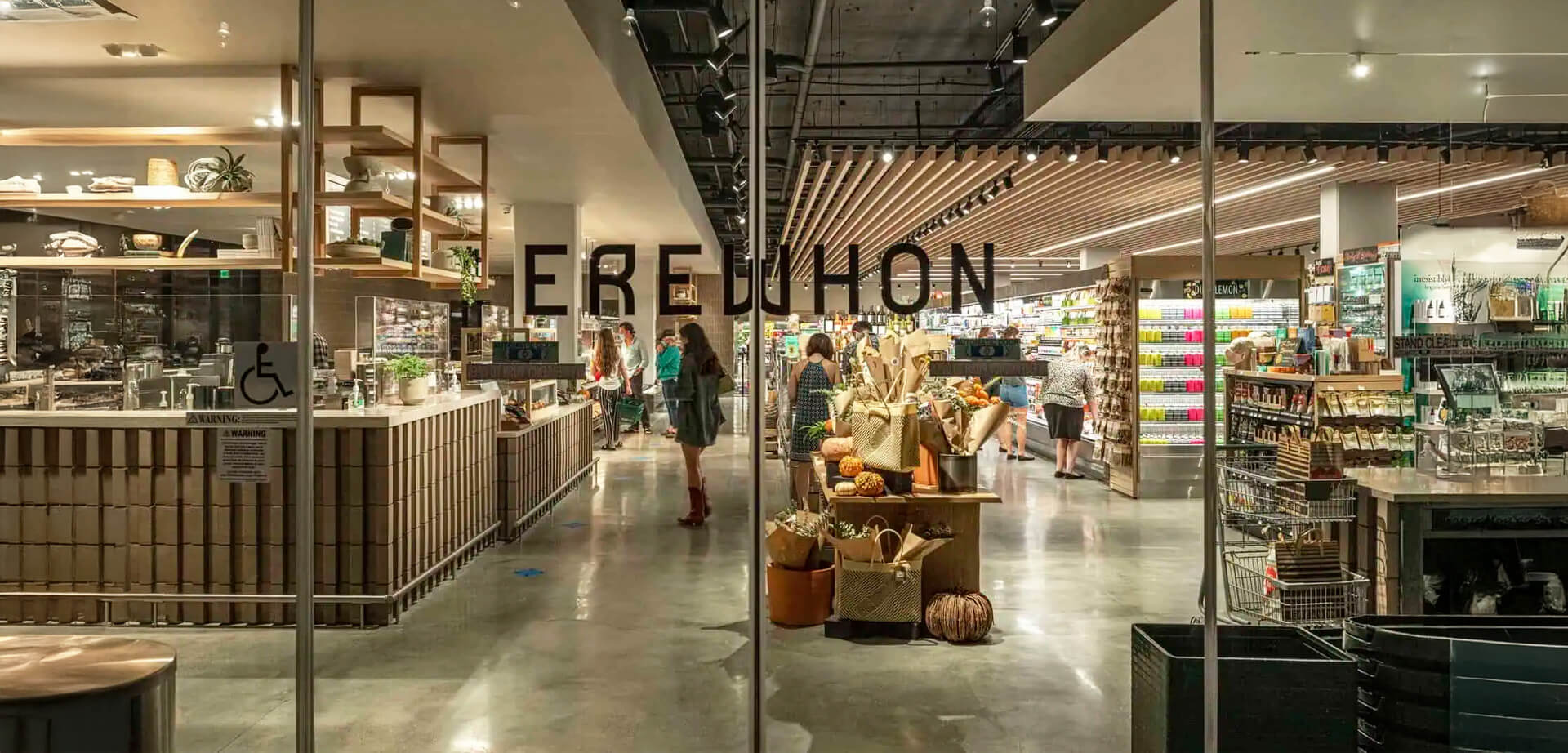
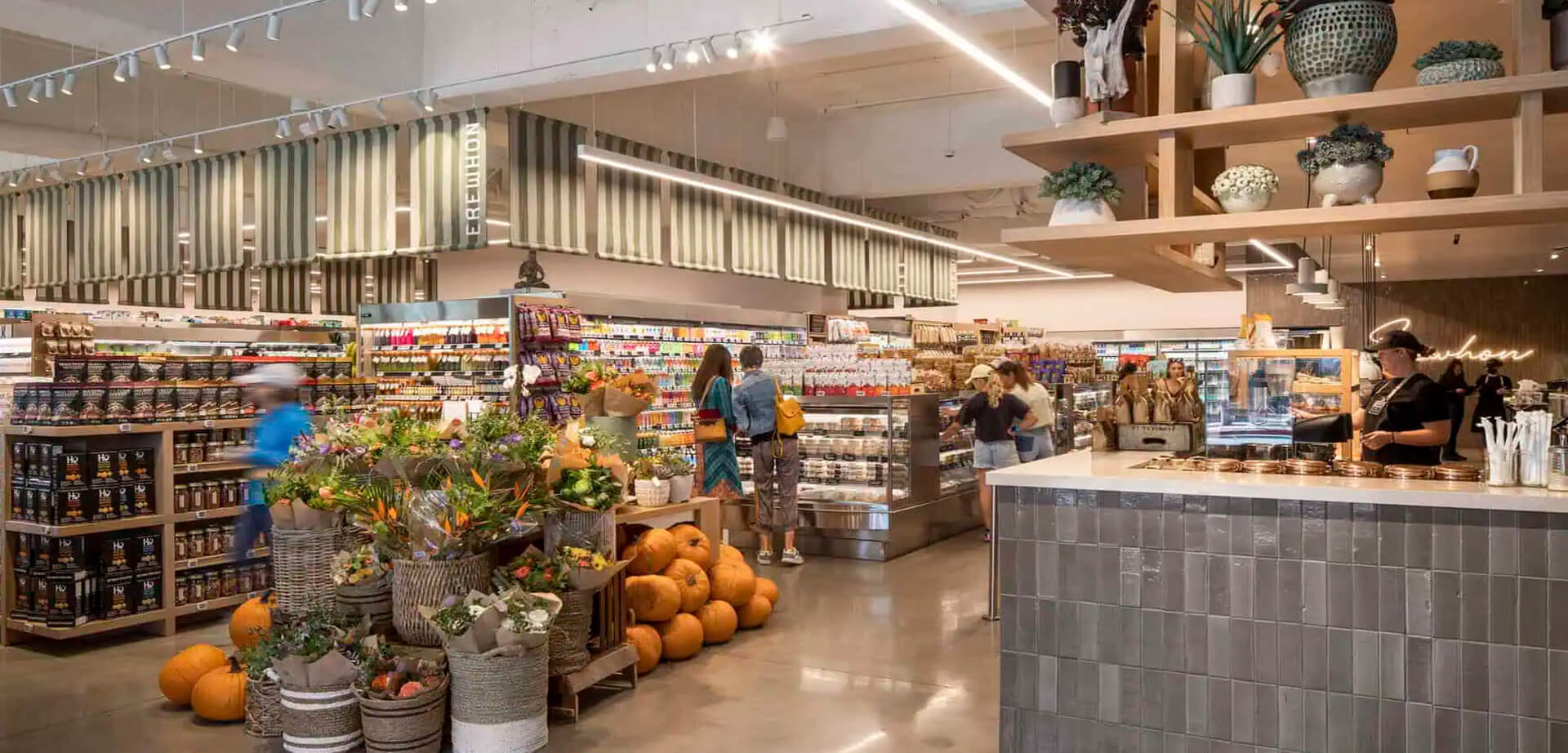
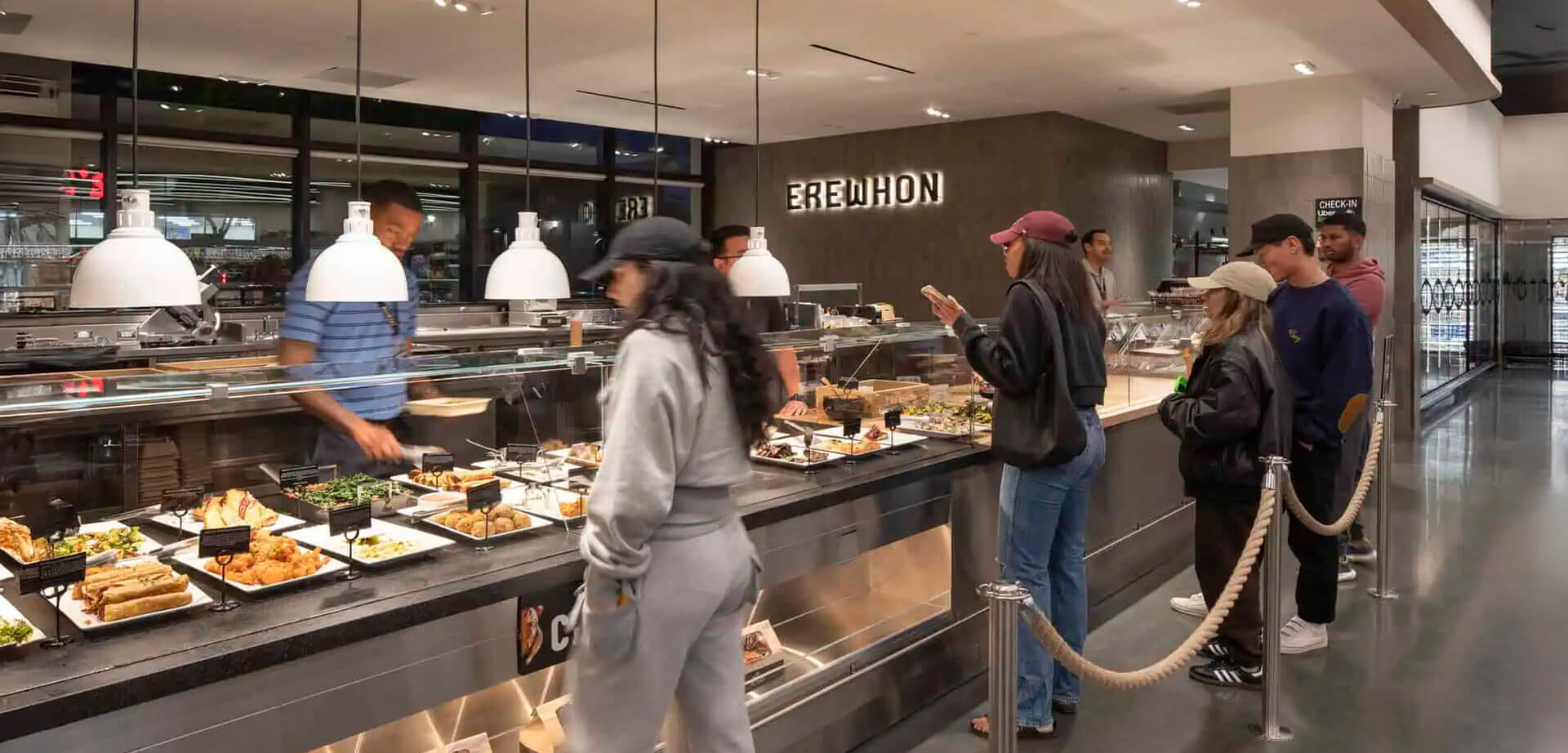
Erewhon: The upscale market operates 13 stores, all located in Greater Los Angeles, transforming wellness into a luxury lifestyle proposition.
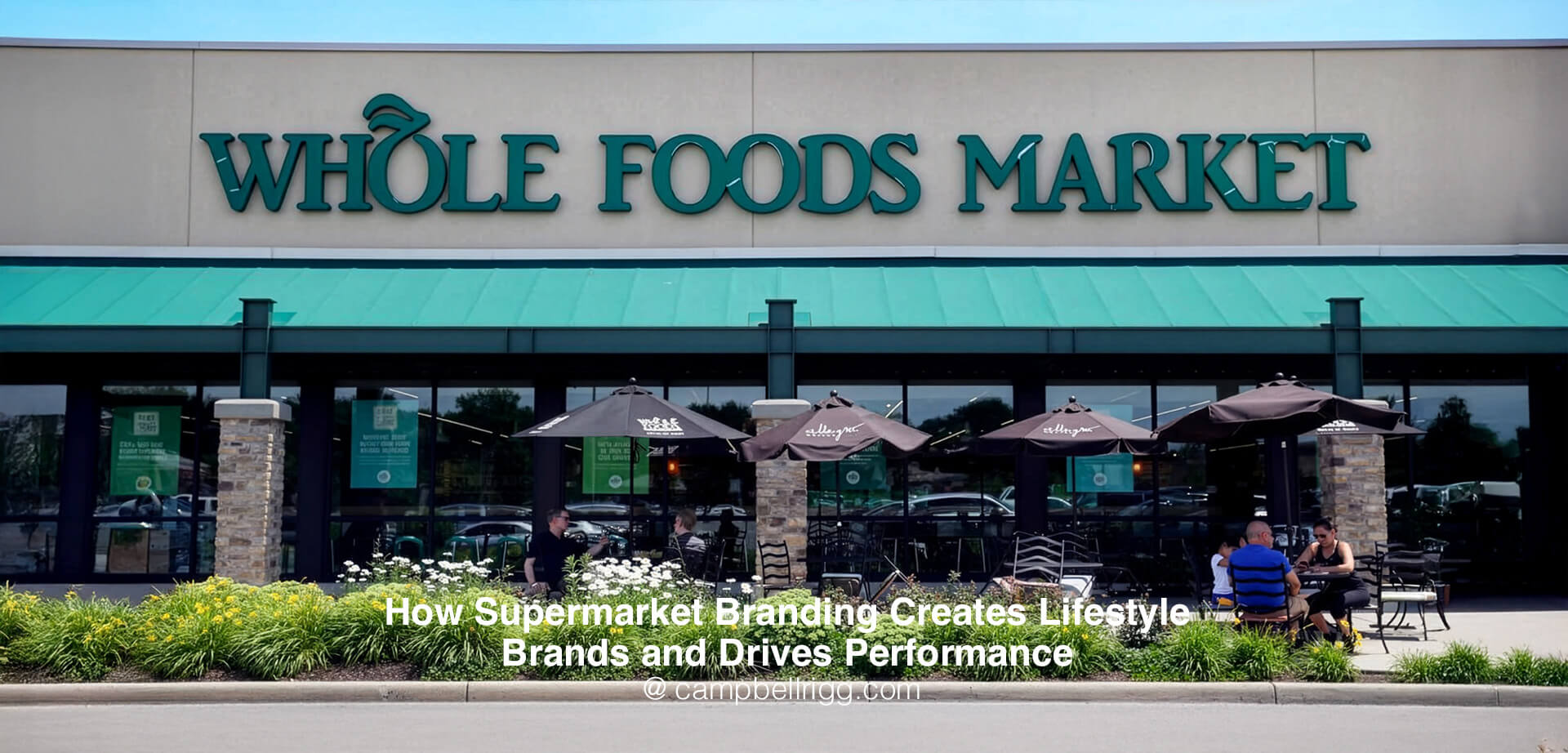
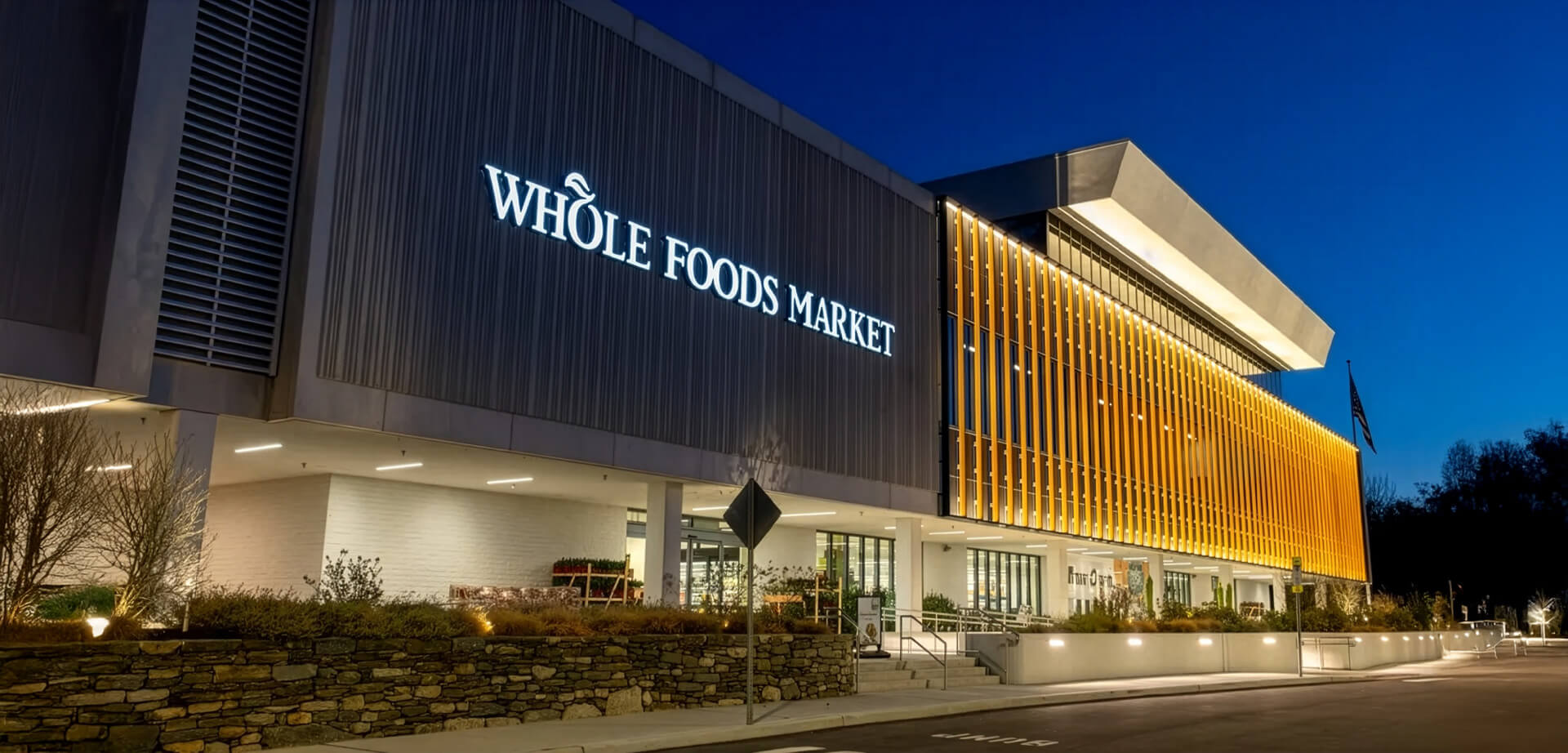
Whole Foods: With 537 stores across the United States, combines natural and organic food, responsible sourcing and wellbeing to deliver a premium yet increasingly accessible supermarket experience.
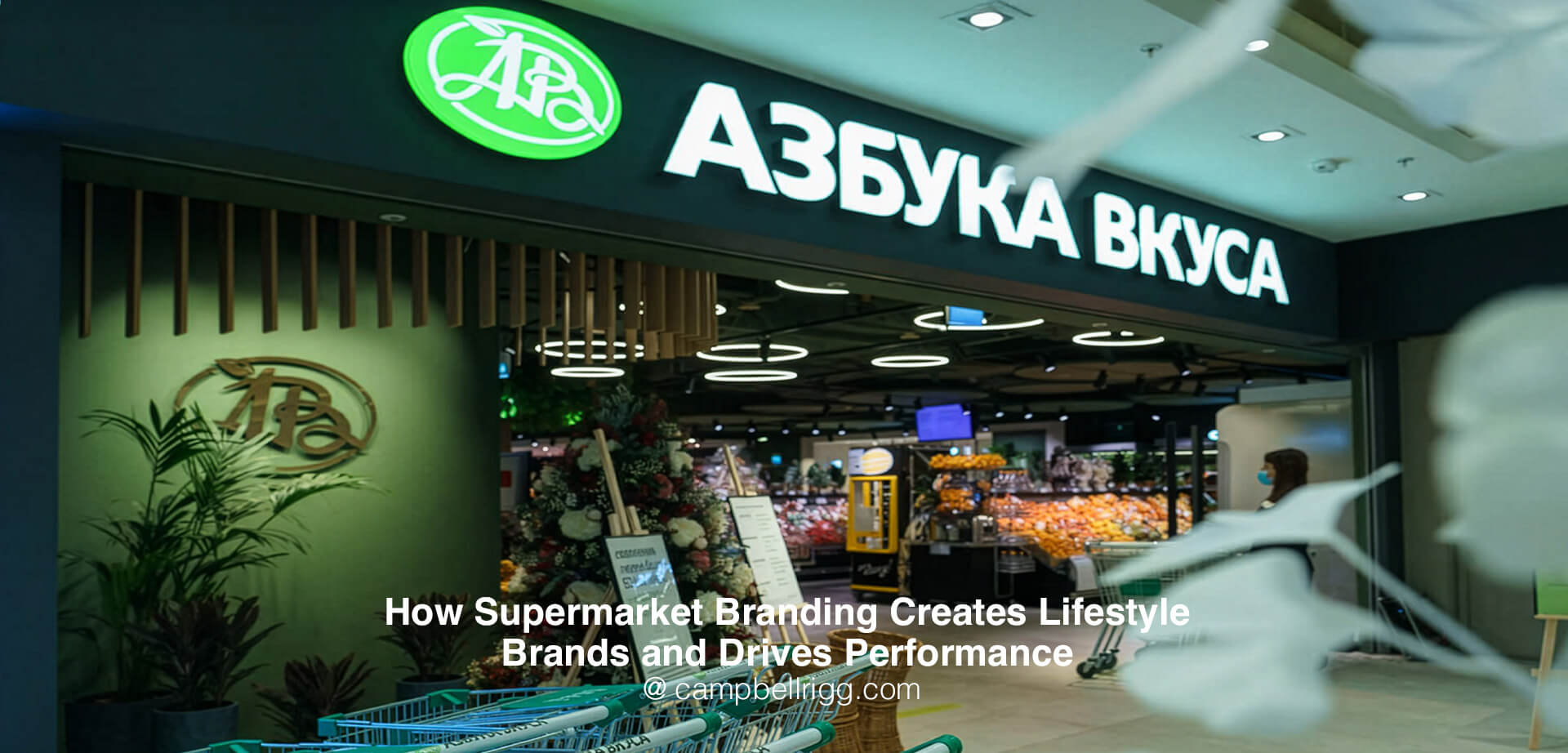
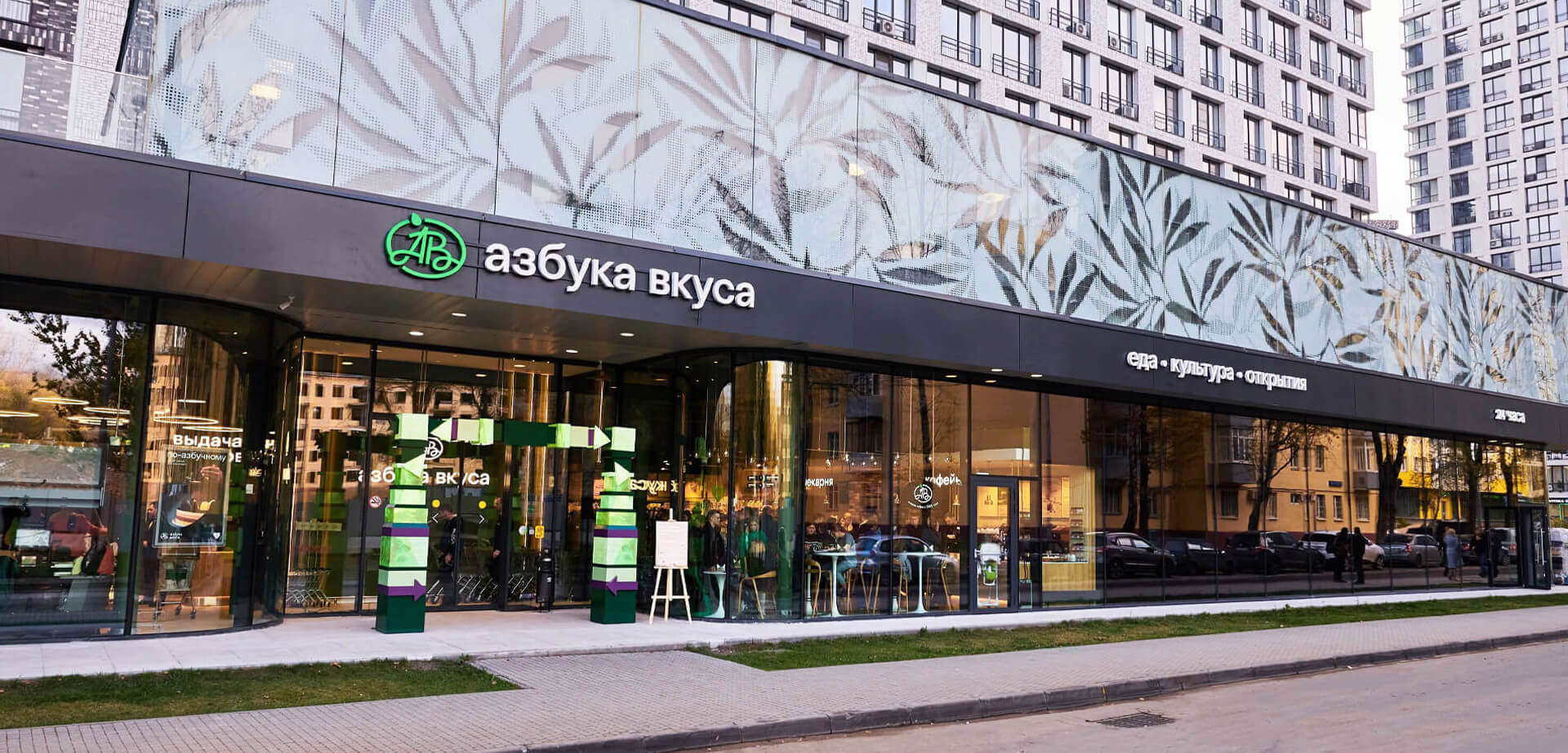
Azbuka Vkusa: The premium Russian supermarket chain operates approximately 170 stores, primarily concentrated in Moscow and St. Petersburg, combining premium food, personalised service, in-store culinary production and convenience to create a sophisticated food-and-lifestyle destination.
There is no single supermarket lifestyle model.
Successful grocery store branding starts with a clearly defined target customer and distinctive brand promise. That promise must then be translated across the entire customer journey.
Erewhon: Wellness as Luxury Supermarket Branding
Erewhon demonstrates how wellness can be transformed into a luxury lifestyle proposition. Its highly curated offer combines organic and ethically sourced groceries with prepared foods, cafés, tonic bars, supplements, beauty and wellness products, and emerging brands.
The brand extends beyond traditional grocery retail throughErewhon: Wellness as Luxury Supermarket Branding turning the supermarket into a destination for discovery, aspiration and self-expression.
Customers can shop for groceries, discover new wellness products, purchase a prepared meal or signature drink, visit the café and share the experience socially. Every touchpoint reinforces the same lifestyle proposition.
Its premium pricing further strengthens the perception of exclusivity and desirability.
The strategic lesson: successful premium supermarket branding goes beyond product quality, product curation, service, store environment, food experiences and cultural relevance must work together to create a distinctive lifestyle that customers want to be part of.
Supermarket Brand Positioning: Why Should Customers Choose You?
Supermarket brand positioning is the foundation of effective grocery retail branding. It defines what makes a retailer distinctive, who it is designed to serve and why customers should choose it over competing supermarkets.
A strong positioning should be clear, relevant, distinctive and easy to remember, giving customers an immediate reason to prefer one supermarket over another.
For example:
Wellness: healthy products, functional food, beauty and wellbeing.
Premium: quality, provenance, service and culinary discovery.
Value: affordability, simplicity and confidence.
Convenience: speed, accessibility and relevant meal solutions.
Local: community, local producers and regional identity.
Experience: food theatre, hospitality, discovery and social engagement.
Positioning should influence everything from product assortment and pricing to store design, service, merchandising and communication.
A successful supermarket rebranding programme therefore needs to go beyond a new logo. It should clarify the brand proposition and translate it into the complete retail experienc
Making Supermarket Branding Physical
Supermarket branding cannot stop with advertising.
The store itself is one of the most important expressions of the brand.
Lighting, materials, colour, spatial planning, fixtures, signage, navigation and merchandising communicate positioning before a customer reads a single advertisement.
A premium supermarket should not look like a discount supermarket with more expensive products.
A wellness-led supermarket should not feel like a conventional grocery store with a health-food aisle.
A lifestyle brand needs a coherent physical environment that makes its positioning visible, tangible and memorable.
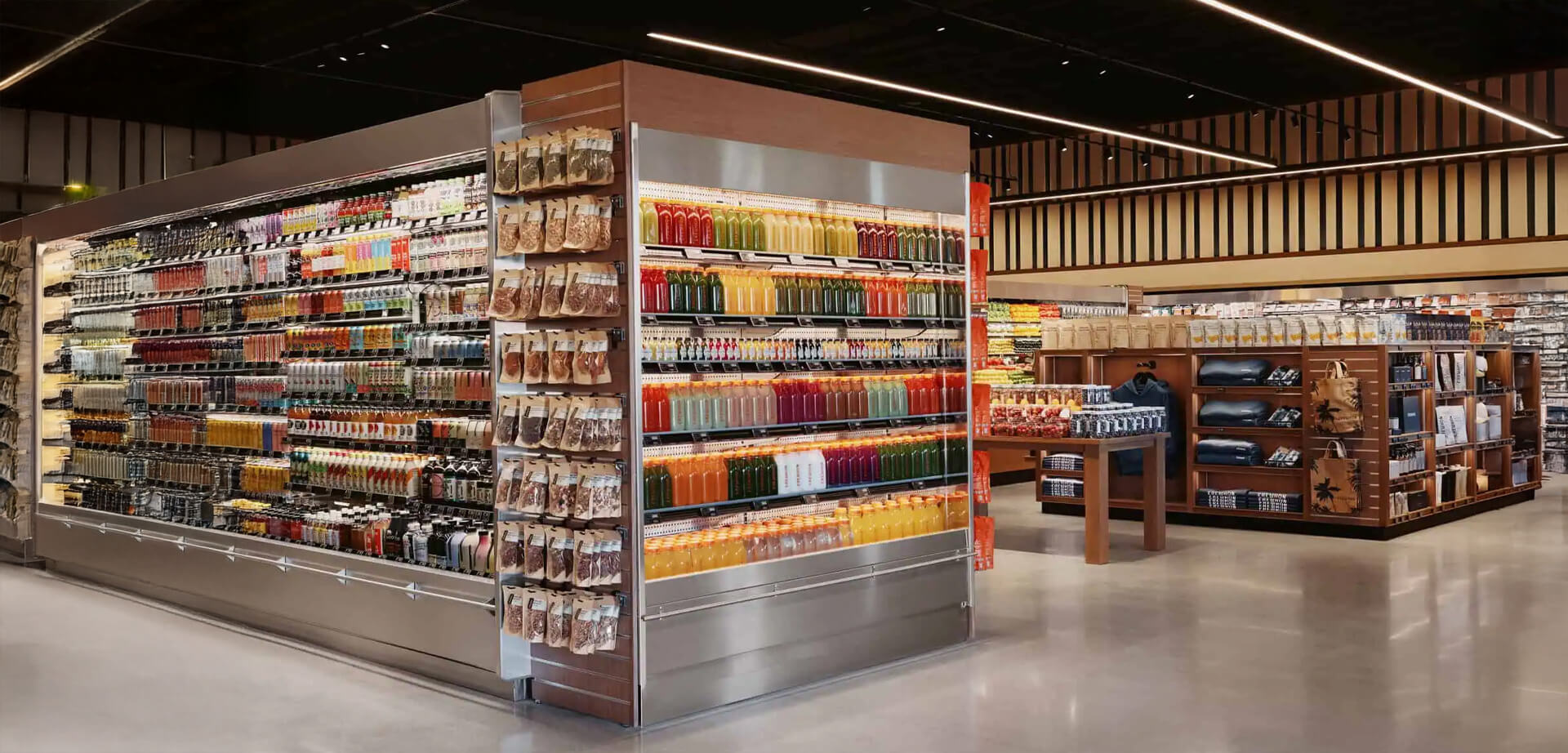
Erewhon demonstrates perhaps the clearest example of grocery retail becoming a lifestyle brand.
Its USP combines highly curated organic and ethically sourced products with prepared food, cafés, tonic bars, supplements, beauty and wellness products and emerging brands. Celebrity collaborations and social-media culture extend the brand beyond conventional grocery shopping.
The result is an unusually powerful combination of food, wellness, discovery, aspiration and social identity.
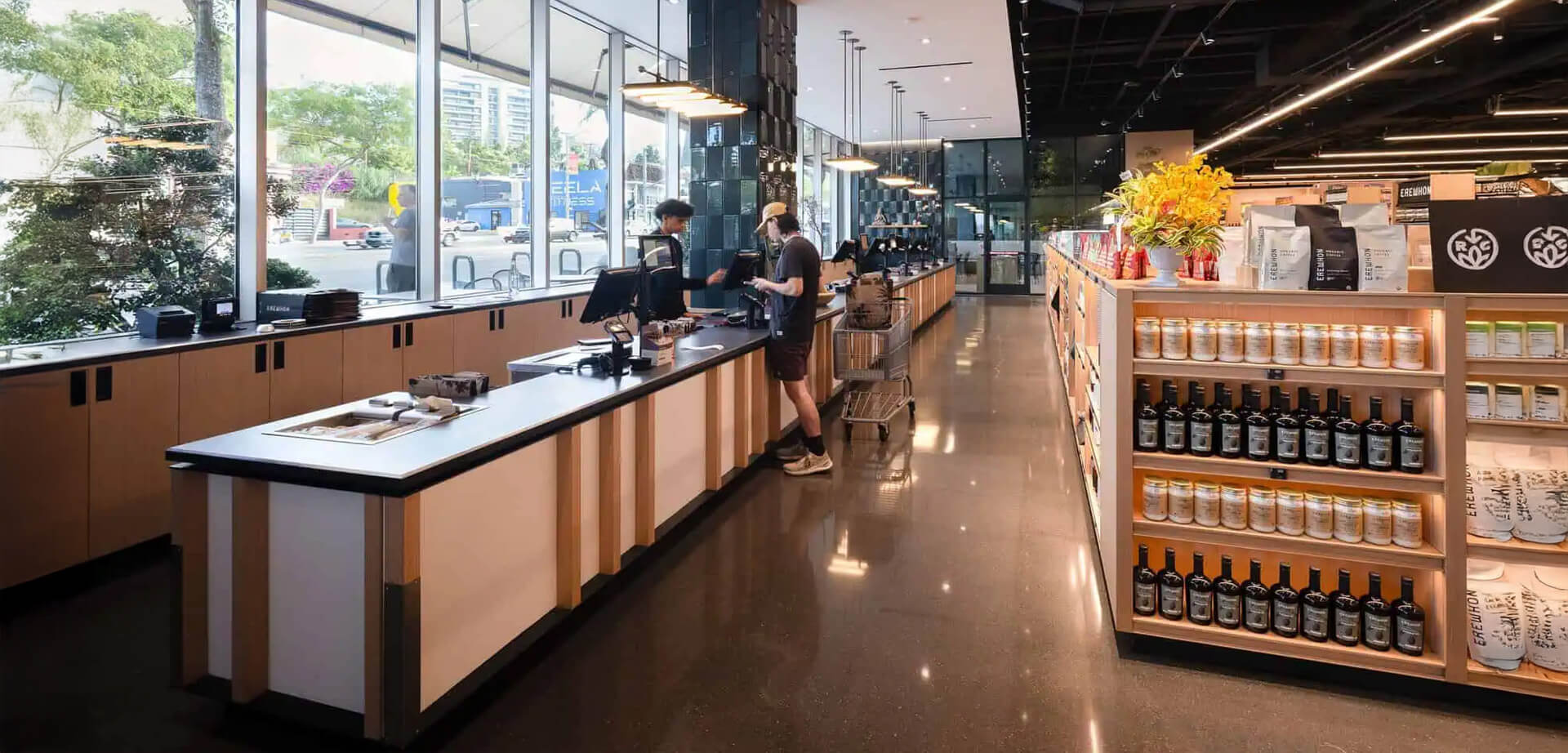
Erewhon's Culver City store illustrates how this positioning can influence the entire customer journey. A shopper can enter for groceries, discover a new wellness product, buy a prepared meal or signature smoothie, use the café and share the experience socially.
Price is an important part of the positioning.
Prepared foods and signature smoothies command prices substantially above conventional supermarket levels, reinforcing Erewhon's luxury-wellness positioning. Current media coverage describes Erewhon as part of a wider movement in which premium grocery stores are becoming lifestyle and social destinations. The customer is therefore buying more than food. They are buying participation in a lifestyle.
Whole Foods Market: Quality, Wellbeing and Purpose Takes a Different Route
Whole Foods takes a different approach.
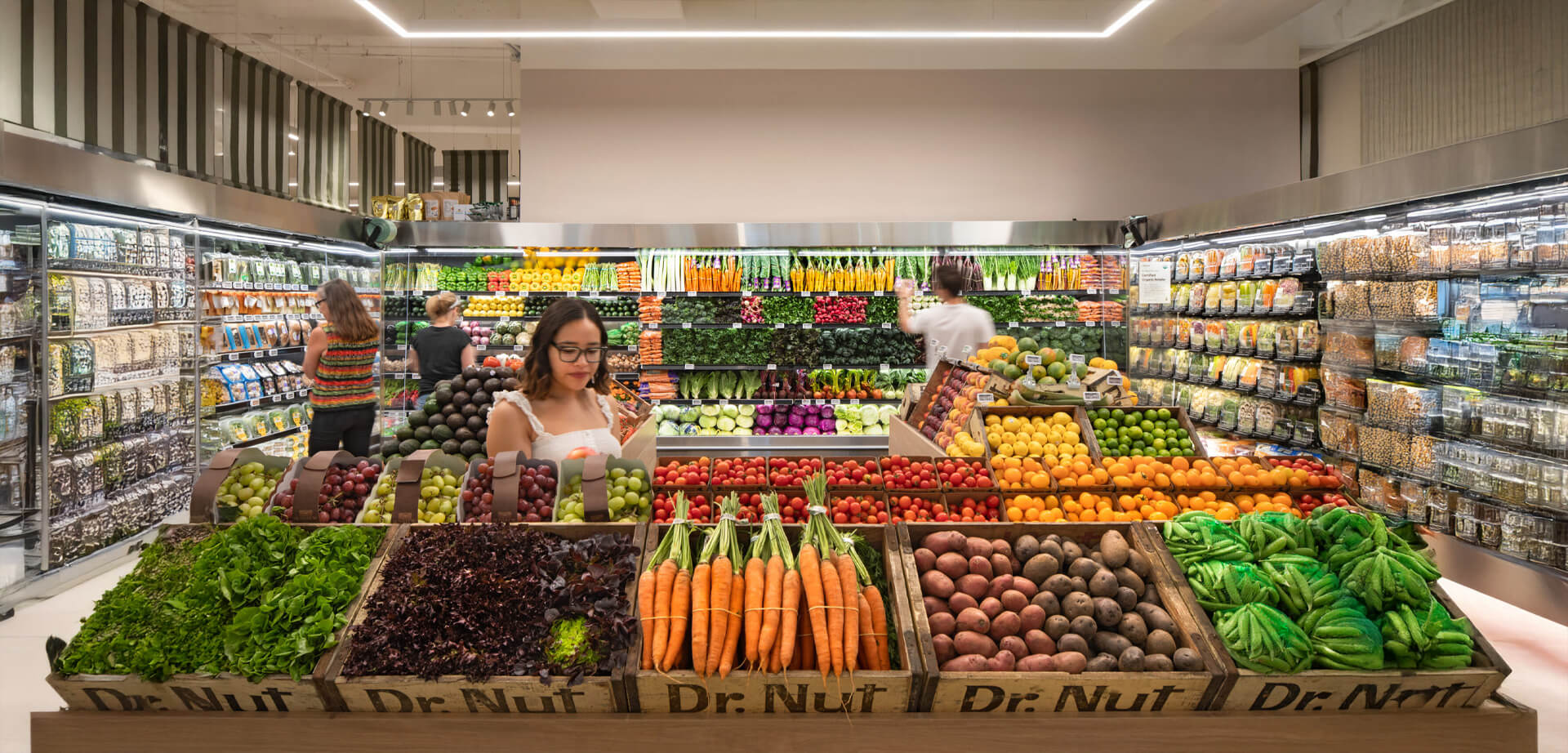
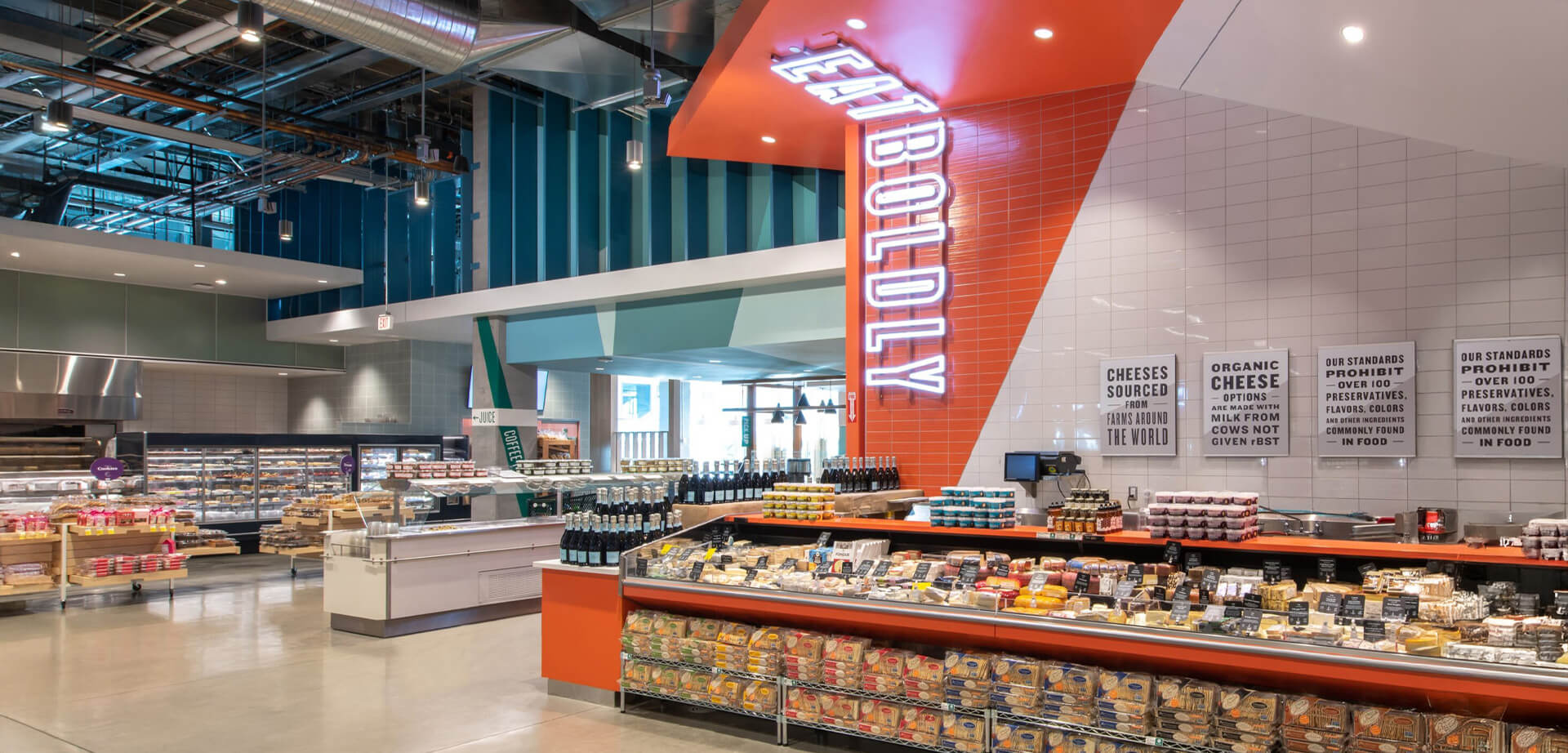
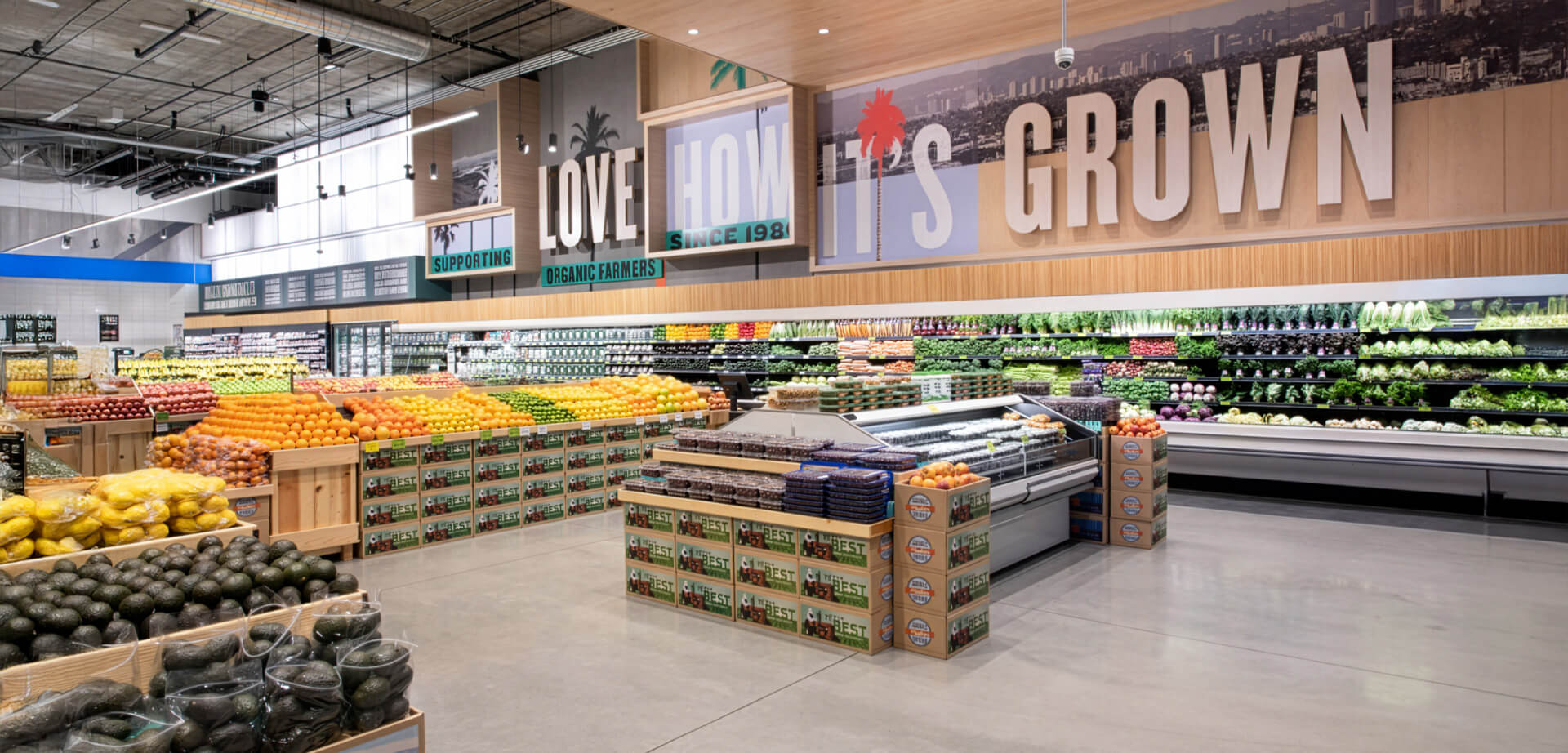
Its proposition combines natural and organic food, responsible sourcing, product quality, fresh food, prepared meals and wellbeing. Product standards themselves become an important expression of the brand promise.
Whole Foods demonstrates how a supermarket chain build lifestyle branding that does not necessarily require exclusivity. A retailer can build lifestyle relevance around healthy eating, quality, sustainability, discovery and community while maintaining a broad customer proposition.
The store becomes somewhere to shop, discover, eat and experience the brand, not simply replenish the household.
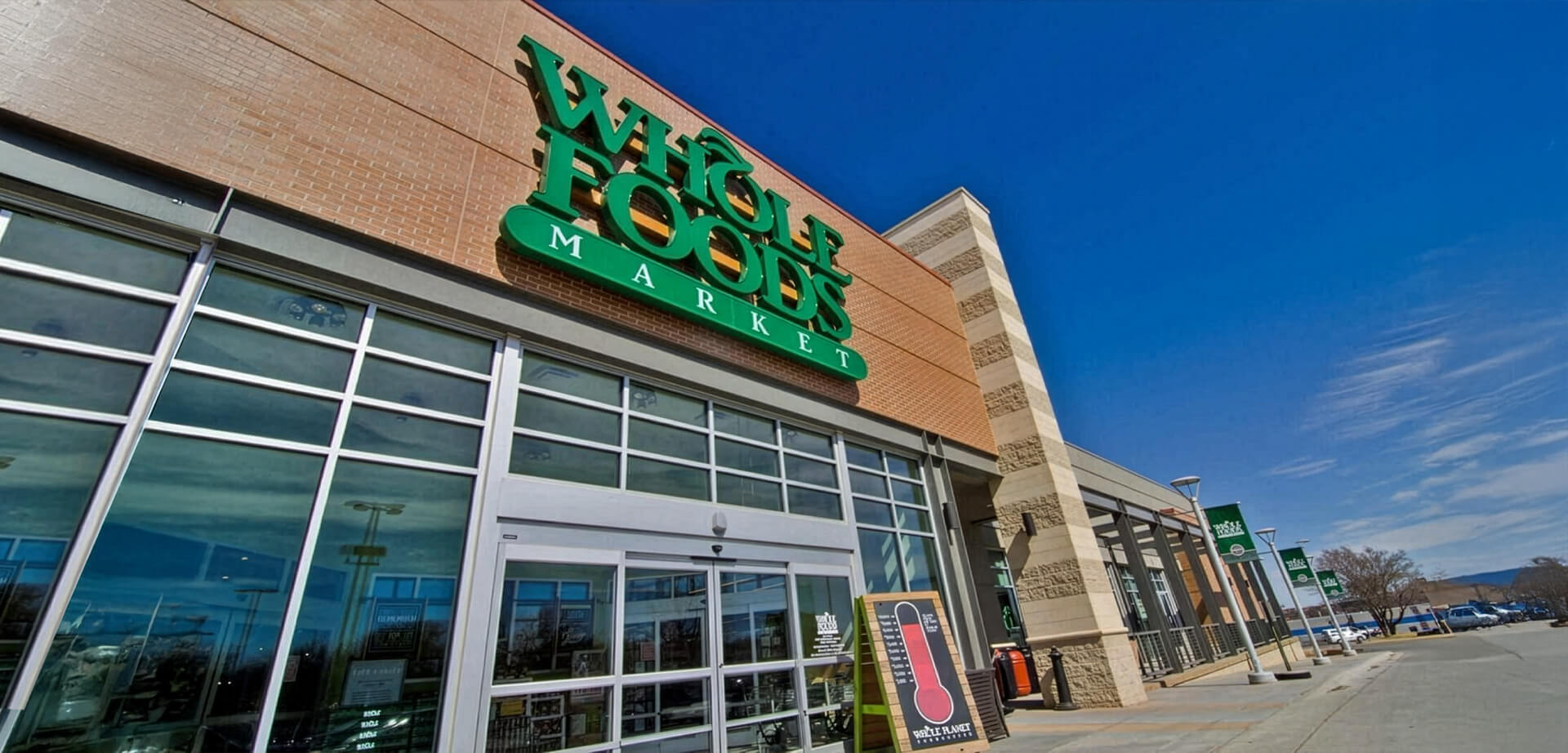
The Bakersfield store at Riverview Market California is positioned to introduce a premium natural-food lifestyle proposition to the city. A retail and dining destination, suggesting a positioning that combines grocery shopping with a broader lifestyle experience.
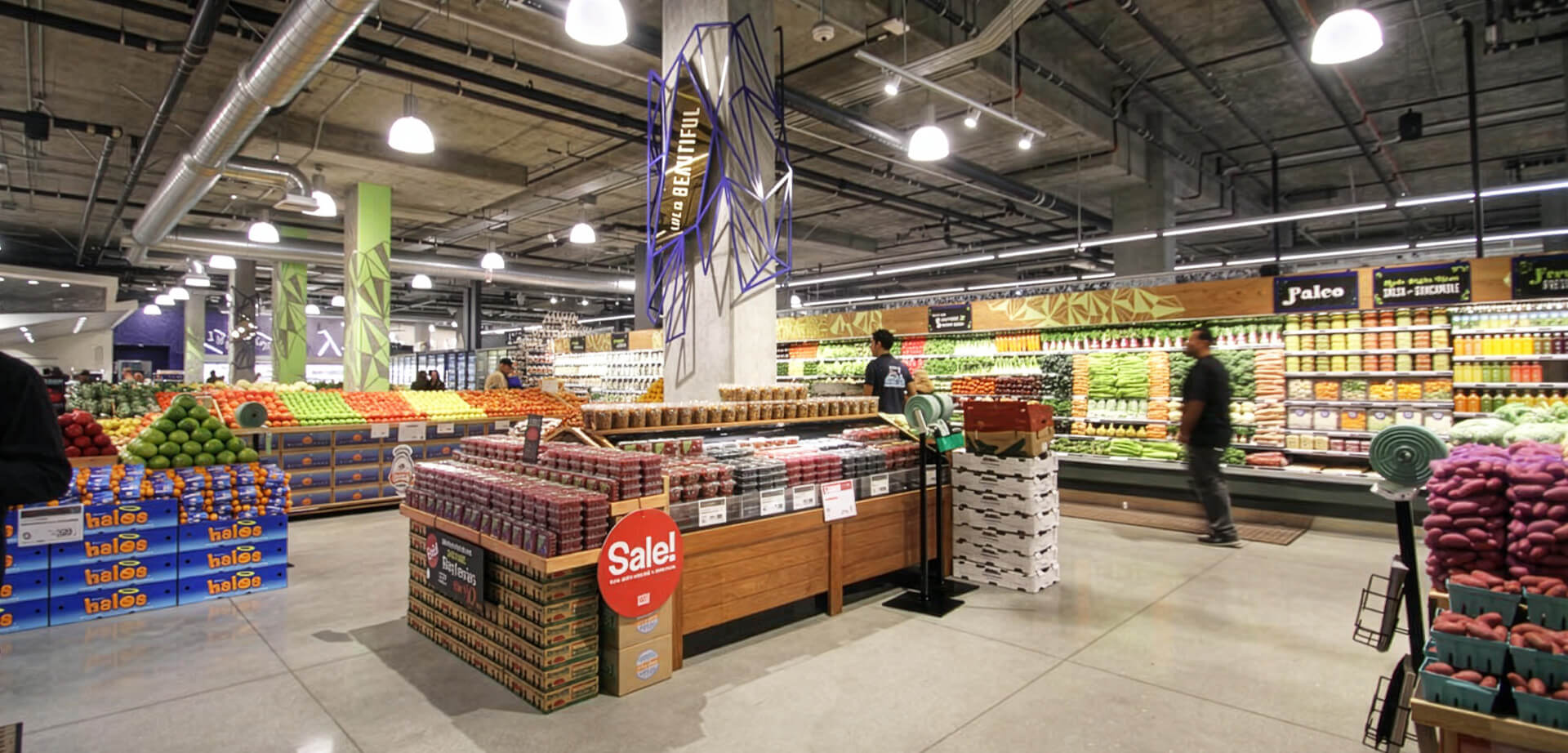
This is where supermarket retail branding and store design connect.
Brand strategy should inform:
- Store format and architecture
- Interior design and materials
- Visual merchandising
- Product curation
- Packaging
- Signage and navigation
- Fresh-food theatre
- Food-to-go
- Cafés and hospitality
- Digital touchpoints
- Customer service
How Supermarket Branding Drives Commercial Performance
Lifestyle branding should not be treated as an aesthetic exercise.
The objective is commercial.
A stronger supermarket proposition can create: Greater differentiation → stronger engagement → increased dwell time → larger baskets → higher loyalty → stronger brand equity → improved performance per square metre.
Effective supermarket branding can support:
- Customer acquisition
- Customer retention
- Premium perception
- Basket growth
- Loyalty
- Footfall
- Dwell time
- Conversion
- Brand equity
- Sales per square metre
- ROIC
Store design supports these outcomes by making the brand easier to understand, improving navigation, creating discovery moments and giving customers more reasons to stay.
The opportunity is therefore to connect brand strategy with physical retail performance.
For Whole Foods, product standards, merchandising, fresh-food presentation, prepared-food areas, service and store environments work together to communicate quality and wellbeing.
The target audience is primarily health-conscious, quality-driven and relatively affluent shoppers, alongside families, professionals and consumers seeking better-for-you food and convenient prepared meals. Whole Foods’ wider customer base has historically been characterised by affluent, well-educated, health-oriented consumers.
The Future of Supermarket Branding
The supermarket of the future will not necessarily be larger. It may be smaller, smarter, more local, more personalised and more experience-led.
AI, predictive analytics, digital personalisation, intelligent merchandising and connected customer journeys will increasingly support this transformation. But technology alone will not create a lifestyle brand.
Winning retailers will combine technology with a strong human proposition: distinctive products, compelling spaces, relevant services and a clear reason for customers to choose them.
Technology can enable the experience. The brand gives the experience meaning.
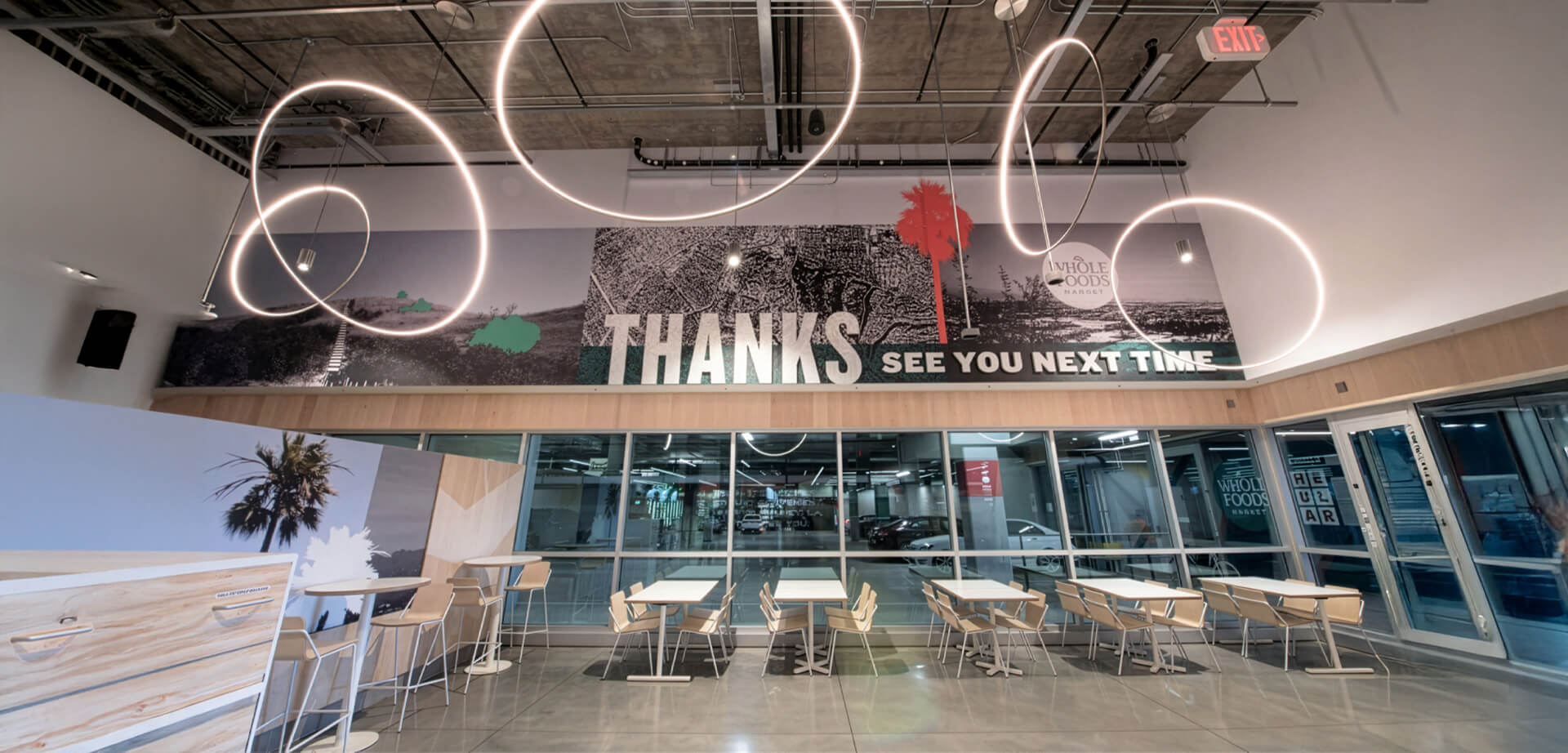
The price point is premium rather than luxury: higher than conventional supermarkets, justified by quality, sourcing, product standards and service, while current pricing initiatives increasingly offer value through lower-priced staples and Prime discounts
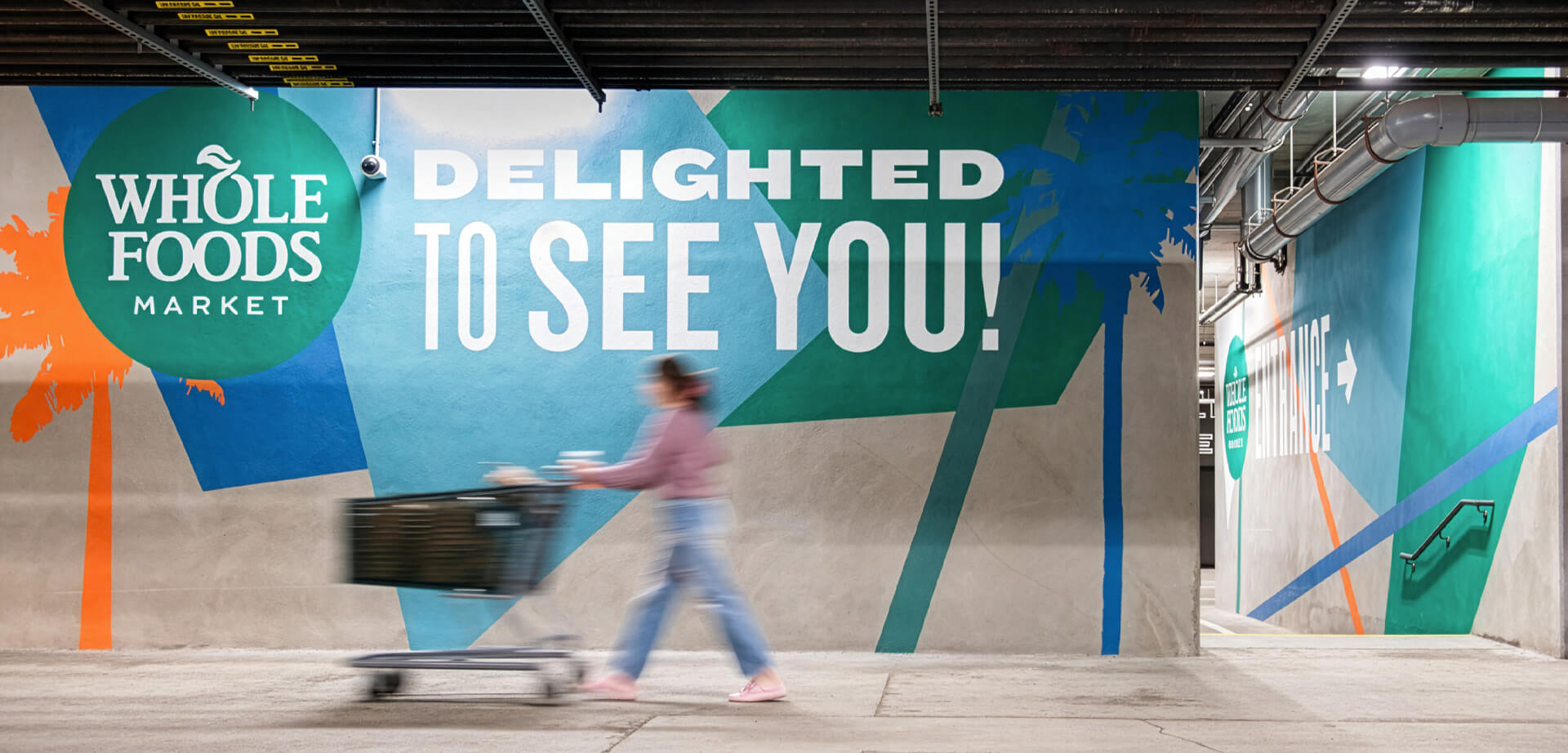
The positioning is premium rather than luxury
That distinction matters.
Whole Foods demonstrates that lifestyle branding does not necessarily require exclusivity. A retailer can build lifestyle relevance around values such as healthy eating, quality, sustainability and discovery while maintaining a broader customer proposition.
The store becomes a place to shop, discover, eat, learn and interact, not simply replenish the household.
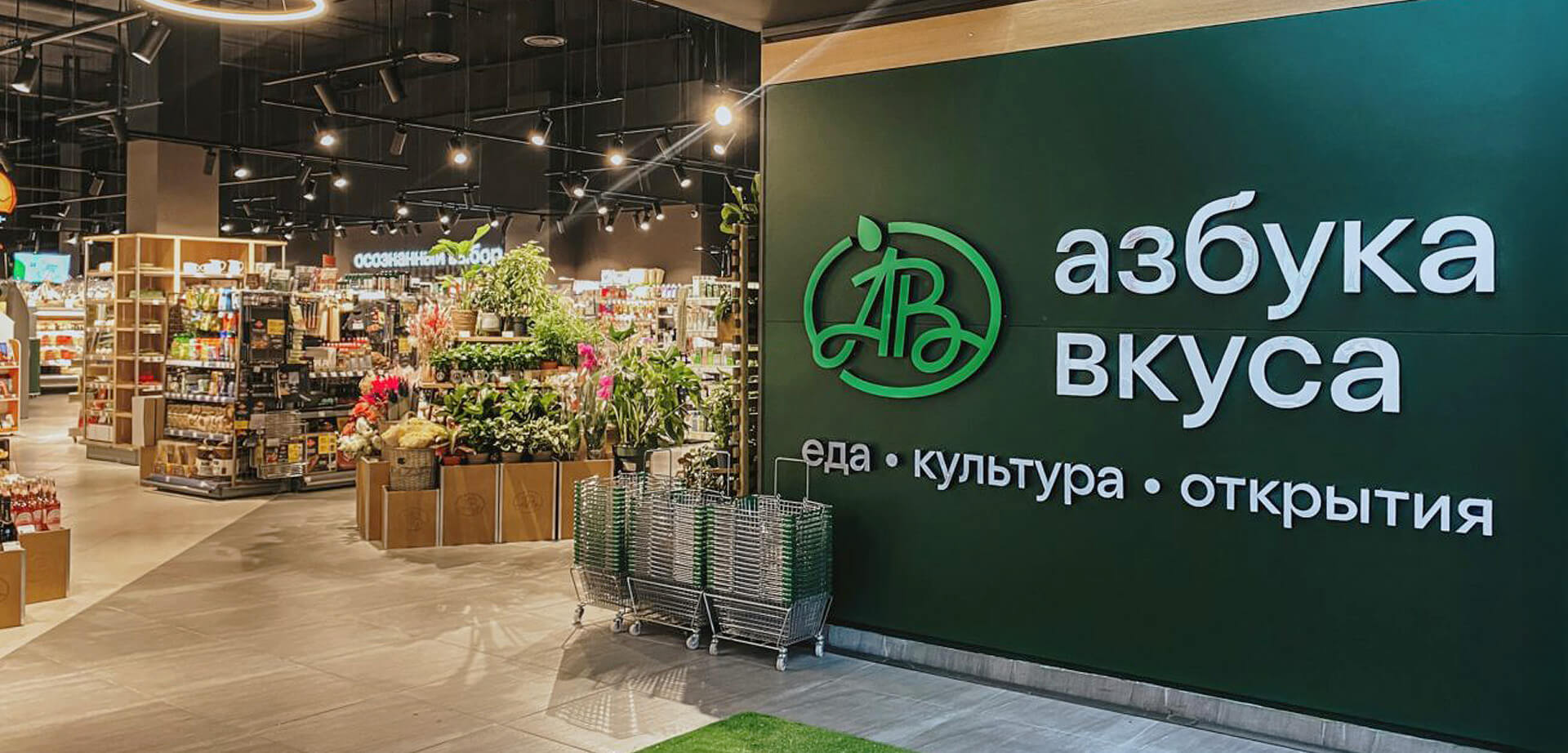
Azbuka Vkusa: Premium Food as a Lifestyle Proposition
Azbuka Vkusa demonstrates how premium grocery retail can become a sophisticated food-and-lifestyle ecosystem.
Its proposition combines high-quality products with personalised service, in-house culinary production, bakery and confectionery, ready meals, private-label ranges and products from numerous countries.
The offer extends into home, beauty and lifestyle products, while cafés, catering and specialist services deepen the customer relationship.
Azbuka Vkusa shows how premium grocery retail can evolve into a sophisticated food-and-lifestyle proposition in Moscow. Its USP combines a distinctive assortment of high-quality products with personalised professional service, in-house culinary, bakery and confectionery production, ready meals, private-label ranges and products from around 70 countries. The proposition extends beyond food into home, beauty and lifestyle products, while cafés, catering, concierge and specialist services deepen customer engagement and broaden the brand relationship.
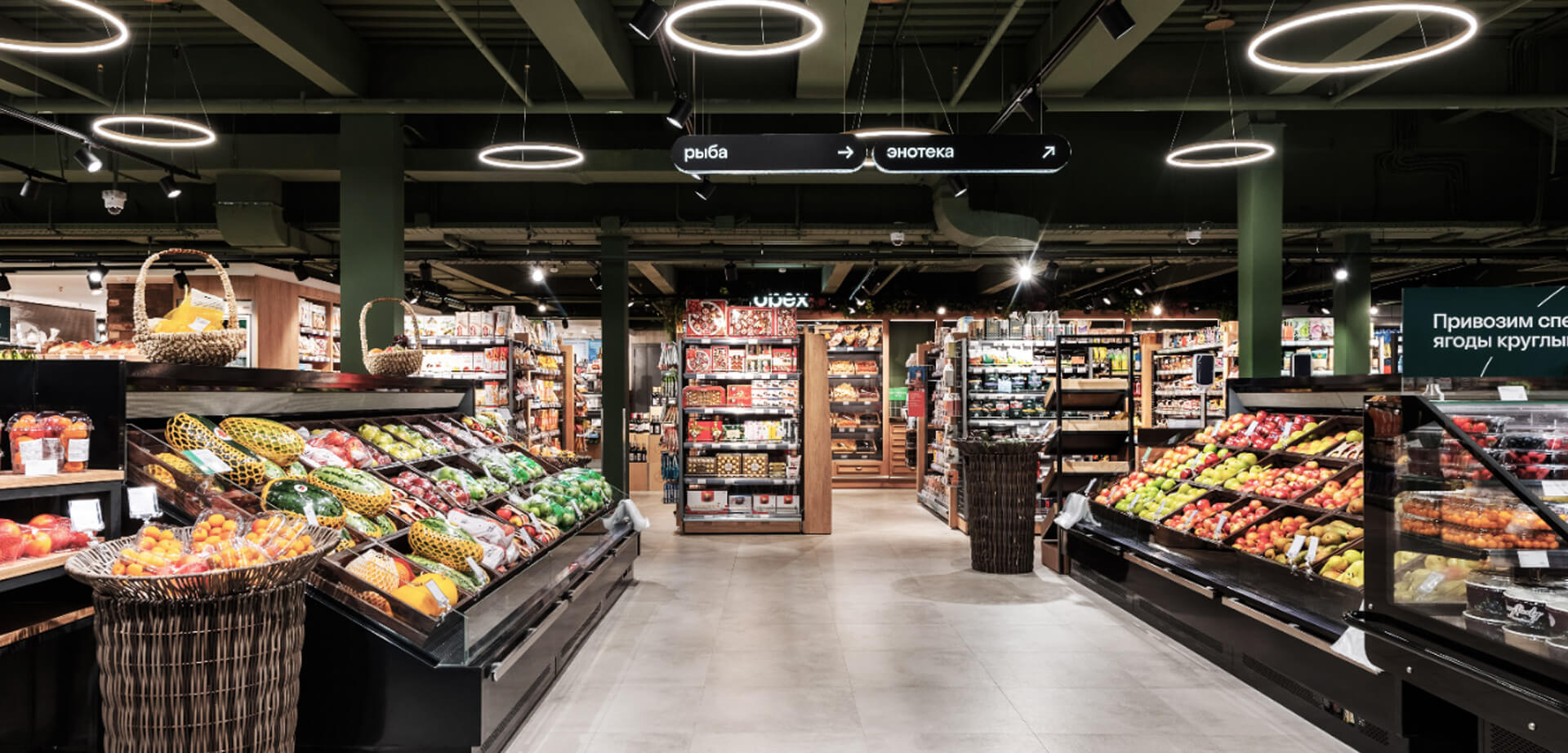
Its target audience is affluent, quality-conscious Moscow consumers who value discovery, convenience, service and premium food experiences. The positioning is premium rather than mass-market: Azbuka Vkusa describes itself as a leader in Russia’s high-end food retail segment, with more than 18,000 products and a strong emphasis on personalised customer experience.
The future of supermarket branding is therefore not simply about making stores look better. It is about making them more relevant, more distinctive and more desirable, giving shoppers a compelling reason to choose one supermarket over another.
The supermarket is becoming a lifestyle platform and branding is becoming one of its most important commercial assets.
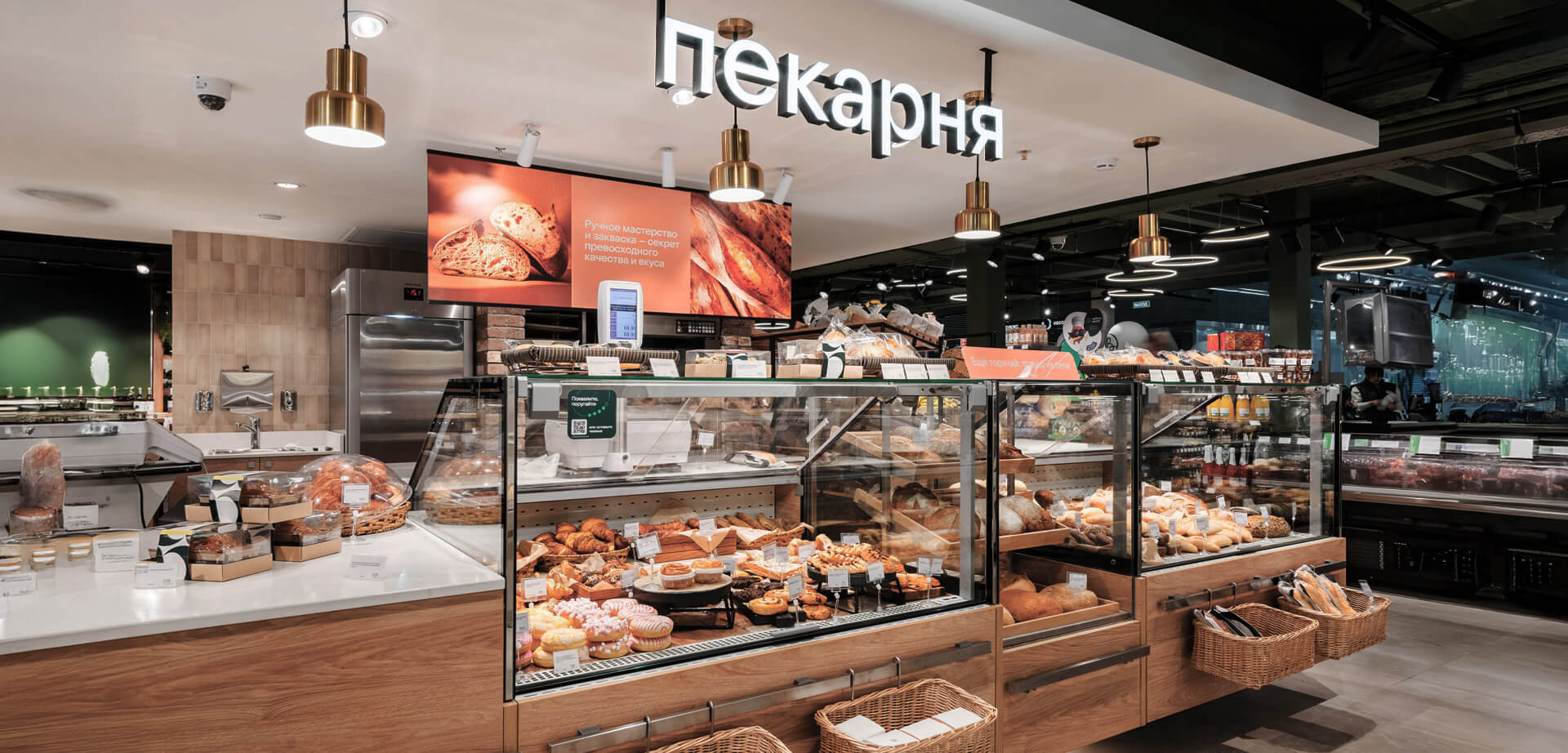
Store Design Makes the Brand Physical
Supermarket branding cannot stop with a new logo or advertising campaign.
The objective is to create a lifestyle brand, the positioning must be experienced consistently across: Brand strategy, format planning, store design, merchandising, customer experience and digital integration
This is where store design becomes commercially important. Lighting, materials, colour, spatial planning, fixtures, signage and merchandising all communicate brand positioning before a customer reads a single piece of advertising.
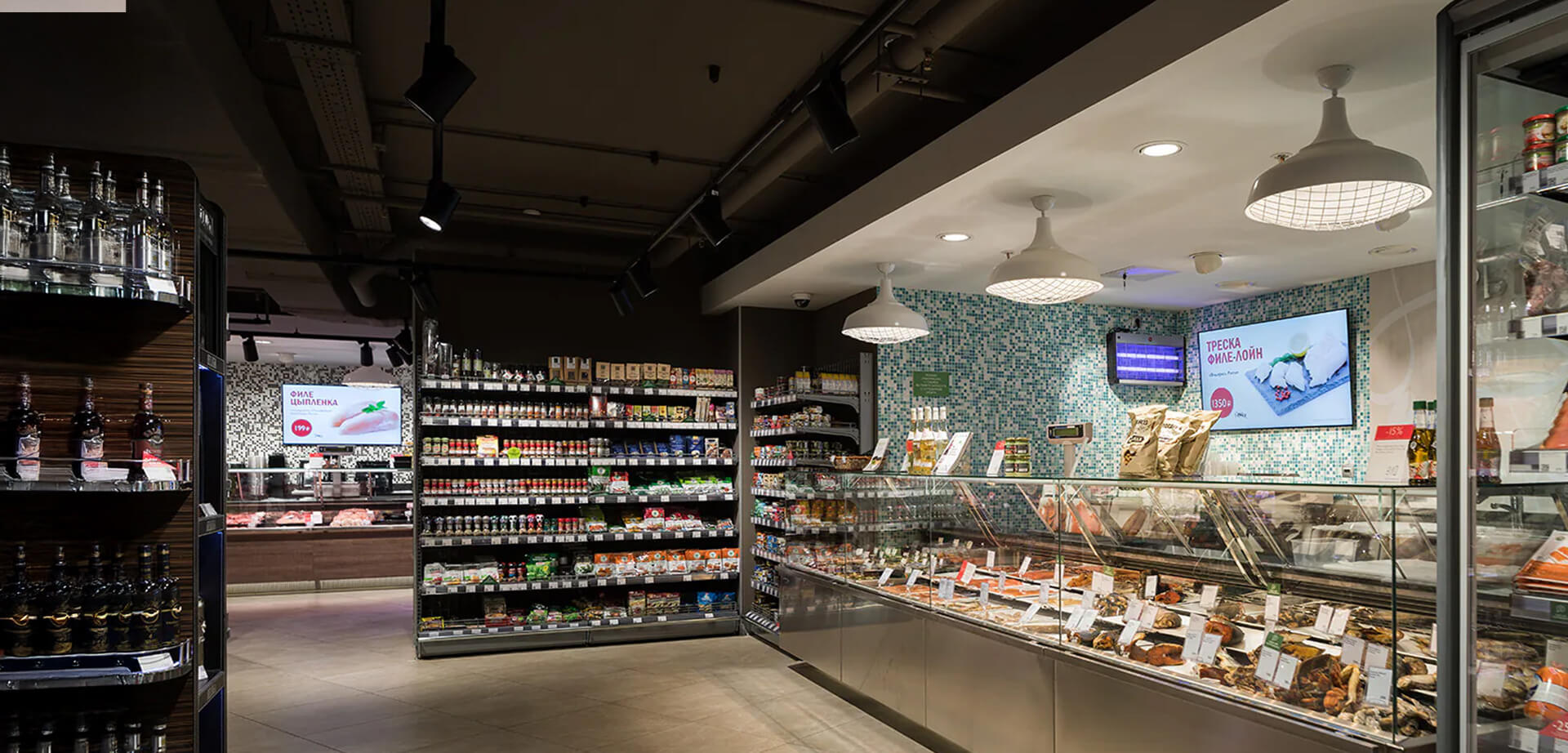
Designing the Customer Journey
The strongest supermarket formats are increasingly designed around customer missions rather than traditional departments.
Instead of simply organising products by category, retailers can create zones around customer needs: Discover → Explore → Experience → Purchase → Engage → Return→ higher engagement → larger baskets → stronger loyalty
For example, a wellness-focused customer might move from fresh produce into prepared healthy food, supplements, functional beverages, beauty and a café. A time-poor professional might move through fresh food, food-to-go, meal solutions, rapid checkout and digital ordering.
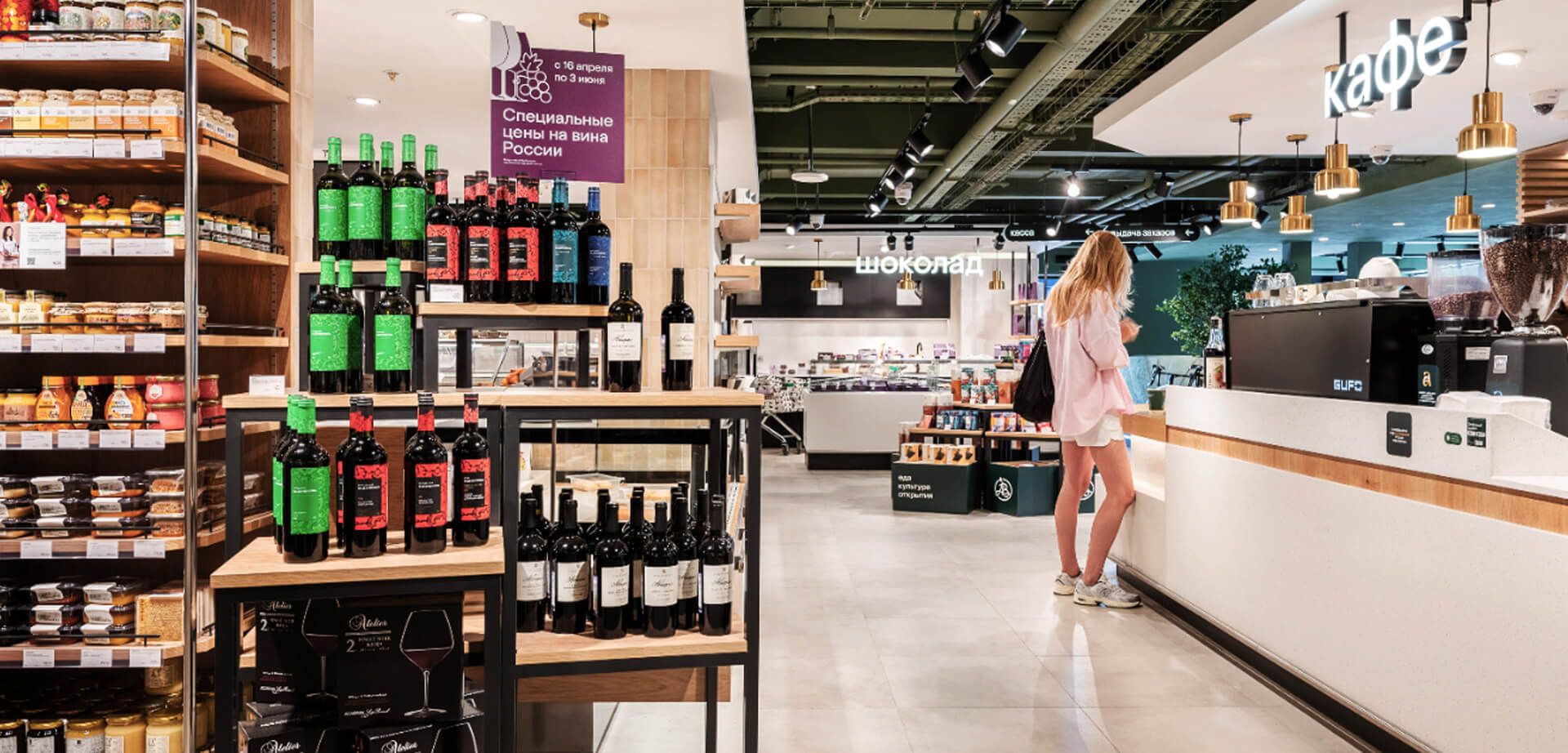
What Is Supermarket Branding, Store Design and Commercial Performance?
The objective is commercial. A stronger supermarket proposition can support:
Greater differentiation → stronger customer engagement → increased dwell time → larger baskets → higher loyalty → stronger brand equity → improved performance per square metre.
Store design can support this by making the brand easier to understand, improving navigation, creating discovery moments and giving customers more reasons to stay.
Retailers are increasingly using fresh-food theatre, intuitive wayfinding, lifestyle zones, sustainable materials and digital integration to create more engaging supermarket environments. CampbellRigg's own research into European supermarket design identifies these trends as important components of the next generation of grocery formats.
The commercial opportunity is therefore to connect brand strategy with physical retail performance.
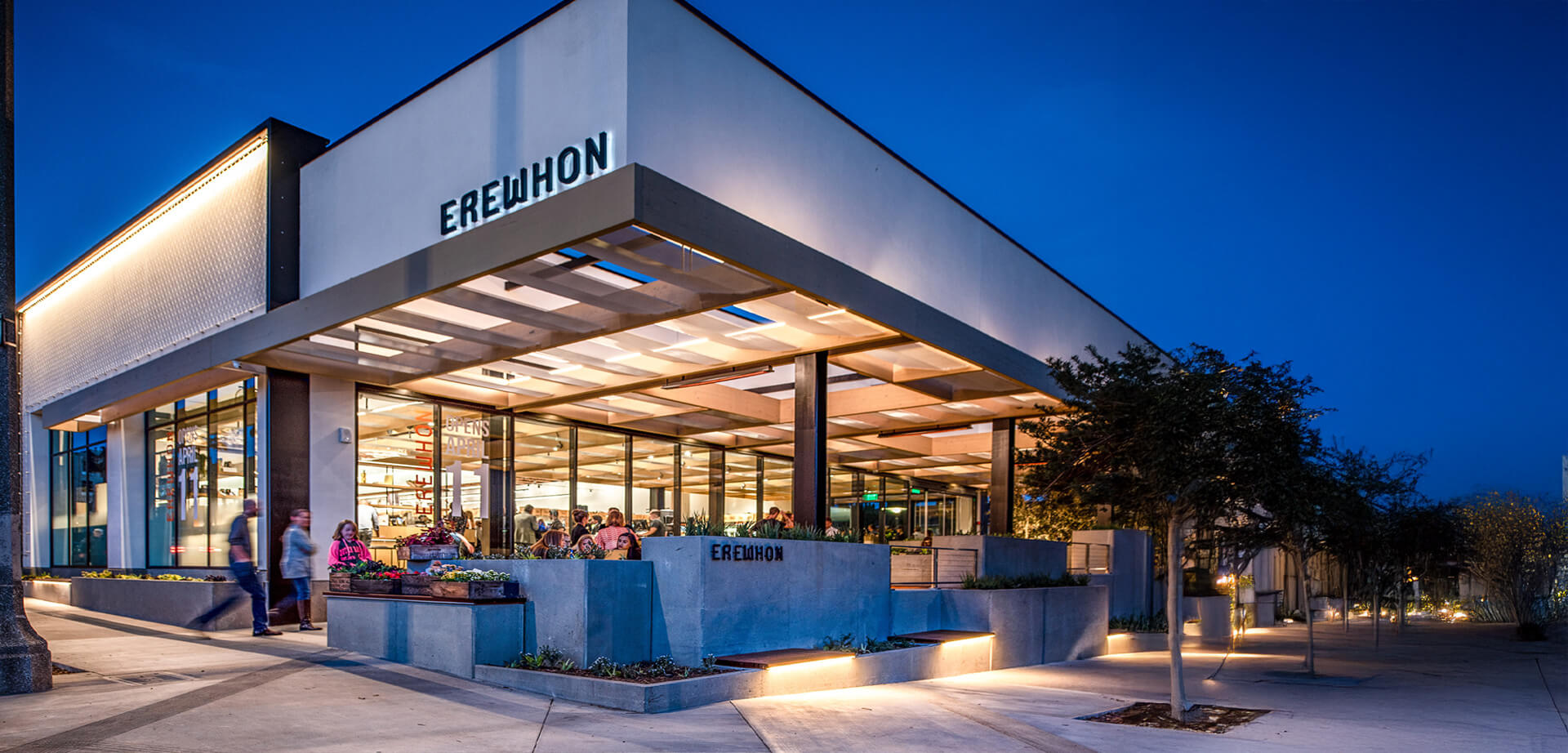
From Retailer to Lifestyle Brand
The examples demonstrate different routes to lifestyle branding.
For supermarket operators, the strategic implication is clear:
- Branding defines the promise.
- Positioning creates differentiation.
- Format planning defines the proposition.
- Store design makes it physical.
- Customer experience makes it memorable.
- Digital engagement extends the relationship.
When these elements work together, a grocery retailer can evolve from a functional place to buy food into a distinctive lifestyle destination with stronger brand equity, customer loyalty and commercial performance.
Building a Stronger Supermarket Brand?
CampbellRigg helps supermarket and grocery retailers transform brand strategy into distinctive, commercially effective retail experiences, from brand positioning and identity through format planning, store design, visual merchandising and phygital customer experience.
Build a supermarket brand customers choose, not simply a store where they shop.
Our integrated approach connects brand positioning, customer insight, format strategy and physical experience. Brand strategy defines the proposition. Format planning translates it into the right retail model. Store design brings the brand to life. Customer experience turns the brand promise into meaningful customer behaviour.
The result is a more distinctive supermarket brand, designed to strengthen customer loyalty, increase premium perception, differentiate the offer and improve commercial performance per square metre.
Frequently Asked Questions
What is supermarket branding?
Supermarket branding is the strategic process of defining and expressing a grocery retailer's identity, positioning and customer promise across products, stores, services, communications and digital experiences.
What is supermarket branding strategy?
Supermarket branding strategy defines who a retailer is for, what it stands for and why customers should choose it. It translates that positioning into the product range, store environment, customer journey and communications.
What is grocery store branding?
Grocery store branding translates a retailer's brand positioning into the physical and digital experience customers encounter, including identity, merchandising, navigation, materials, service and customer experience.
How can a supermarket become a lifestyle brand?
A supermarket becomes a lifestyle brand by connecting products, experiences and environments with a distinctive way of living, such as wellness, premium food, sustainability, convenience, local culture or discovery.
What is premium supermarket branding?
Premium supermarket branding combines quality products with distinctive positioning, service, design, curation and customer experience to create greater perceived value and differentiation.
How does supermarket branding increase customer loyalty?
A distinctive brand gives customers a reason to choose a retailer beyond price. Consistent product, service, store and digital experiences can strengthen recognition, emotional connection and repeat visits.
What is supermarket rebranding?
Supermarket rebranding involves redefining or modernising a retailer's brand identity and positioning and translating the strategy into products, stores, customer experience, communications and digital touchpoints.
Why is supermarket store design important to branding?
Store design makes the brand physical. Architecture, interiors, lighting, materials, merchandising, navigation and customer journeys communicate the brand promise and influence how customers experience it.
But the strongest supermarket brands will sell something bigger: A lifestyle customers want to be part of.