News and Views
Supermarket Shopper Loyalty: How Store Design Drives Customer Retention.






Supermarket Shopper Loyalty: How Store Design Drives Customer Retention
Supermarket shopper loyalty is no longer secured by price, range or loyalty programmes alone. Customers increasingly judge retailers through the complete experience: how easy the store is to navigate, how clearly the proposition is communicated, how efficiently shopping missions can be completed and how distinctive the environment feels.
For CEOs and senior management teams, the commercial question is therefore:
How can shopper insight, brand strategy and store design be transformed into a scalable, measurable and commercially effective supermarket network?
CampbellRigg helps supermarket retailers answer that question by connecting retail strategy, shopper insight, brand identity, customer experience, format planning and store design.
The objective is not simply to create attractive stores. It is to develop a physical retail proposition that strengthens customer preference, reduces shopping friction, supports productivity and can be consistently implemented across an estate.
Why Supermarket Shopper Loyalty Has Become a Management Issue
Supermarket loyalty is influenced by value, availability, range, freshness, convenience, service, trust, digital engagement and physical customer experience.
The challenge for management is to determine where the physical store can create additional commercial value.
CampbellRigg approaches supermarket transformation as an integrated business and design challenge. Its multidisciplinary expertise connects customer strategy with brand, format, space planning, interiors, graphics, merchandising and rollout.
This enables management teams to move from an individual store concept to a repeatable retail system.
The commercial sequence is: Shopper insight → Customer proposition → Customer journey → Store experience → Lower friction → Retailer preference → Repeat visits → Loyalty
Store design is the physical expression of that strategy.
1. From Shopper Loyalty to Commercial Performance
CampbellRigg begins by establishing what shopper loyalty needs to achieve commercially.
The store should make the retailer easier to choose, easier to understand and easier to revisit. That requires more than visual design. CampbellRigg analyses the relationship between customer behaviour, brand positioning, shopping missions and the physical environment before developing the design response.
Relevant management measures can include:
- Sales and sales per square metre
- Basket value
- Conversion
- Visit frequency
- Customer retention
- Customer satisfaction and NPS
- Category performance
- Space productivity
- Return on investment
The precise KPI set depends on the business case.
A format redesign may prioritise productivity and basket value. A customer-experience programme may focus more heavily on retention, satisfaction and frequency.
CampbellRigg's role is to connect these commercial objectives to practical design decisions, so that store investment is evaluated as part of the wider retail strategy rather than as an isolated capital project.
2. Build the Supermarket Around the Customer Proposition
A supermarket format should begin with the retailer's proposition rather than with a predetermined visual style.
CampbellRigg helps management define how the proposition should be experienced physically.
A value-led retailer may require exceptional clarity, efficiency and price communication.
A premium retailer may emphasise freshness, provenance, quality, service and discovery.
A convenience format may prioritise speed and accessibility.
A neighbourhood retailer may require stronger local relevance.
CampbellRigg translates these strategic differences into brand identity, format strategy, customer journey, spatial planning, merchandising, materials, signage and service environments.
The objective is to ensure that what management promises through the brand is recognisable and usable inside the store.
This also creates a foundation for multiple formats. Different store sizes do not need to look identical; they need to share the same strategic DNA.
3. Design Around Shopping Missions – Not Just Demographics
Customers enter supermarkets with different reasons for shopping.
CampbellRigg uses shopping missions as a practical basis for customer-journey and format planning.
Top-up shopping requires speed, visibility and efficient navigation.
Weekly shopping requires logical category organisation, range clarity and efficient circulation.
Fresh-food shopping can benefit from stronger presentation, destination zones and discovery.
Food-to-go requires immediate visibility and frictionless purchase.
Premium shopping may depend on curation, provenance, service and perceived quality.
The principle is: Make routine shopping easier while making relevant discovery more rewarding.
CampbellRigg translates these missions into customer journeys, category relationships, destination zones, sightlines, navigation and merchandising principles.
This prevents the store from becoming either purely functional or unnecessarily experiential. The format should support the customer's immediate purpose while creating relevant opportunities for discovery and additional purchase.
Testimonial: “I am very pleased with the very good job that Campbell and his team have done to help us create our new look, and have no hesitation in recommending CampbellRigg for their excellent work in a very challenging retail environment." Carlos Criado-Perez Chief Executive, Safeway
Make Brand Identity Work Harder in the Store
CampbellRigg treats supermarket branding as an integral part of the customer experience rather than a graphic layer applied after the layout has been completed.
Brand strategy should influence how customers recognise the retailer, navigate the environment and understand its proposition.
CampbellRigg integrates brand identity, interiors, graphics, signage, fixtures, materials, lighting and visual merchandising so that the physical environment communicates a coherent proposition.
The objective is:
Recognition + relevance + usability.
For supermarket groups operating several formats, this becomes particularly important.
A convenience store, neighbourhood supermarket and destination supermarket may require different layouts and customer journeys. CampbellRigg develops the common brand and experience principles that allow those formats to remain recognisably part of the same retail network.
Consistency therefore does not mean identical stores.
It means a consistent customer promise delivered appropriately in different environments.
5. Reduce Shopping Friction
Convenience is one of the most tangible ways that store design can support shopper loyalty.
CampbellRigg's customer-experience and store-planning expertise focuses on the points where unnecessary effort can undermine the shopping experience.
Customers should be able to understand:
- Where they are
- Where key categories are located
- Where fresh-food destinations begin
- Where services are positioned
- How to move through the store
- How to complete their shopping mission efficiently
CampbellRigg addresses these issues through space planning, customer-flow analysis, category zoning, sightlines, signage, wayfinding, merchandising and service positioning.
The management test is straightforward:
Does the design make the customer's shopping mission easier?
If it does, the physical environment is contributing to the retailer's value proposition.
International Store Experience Benchmarks
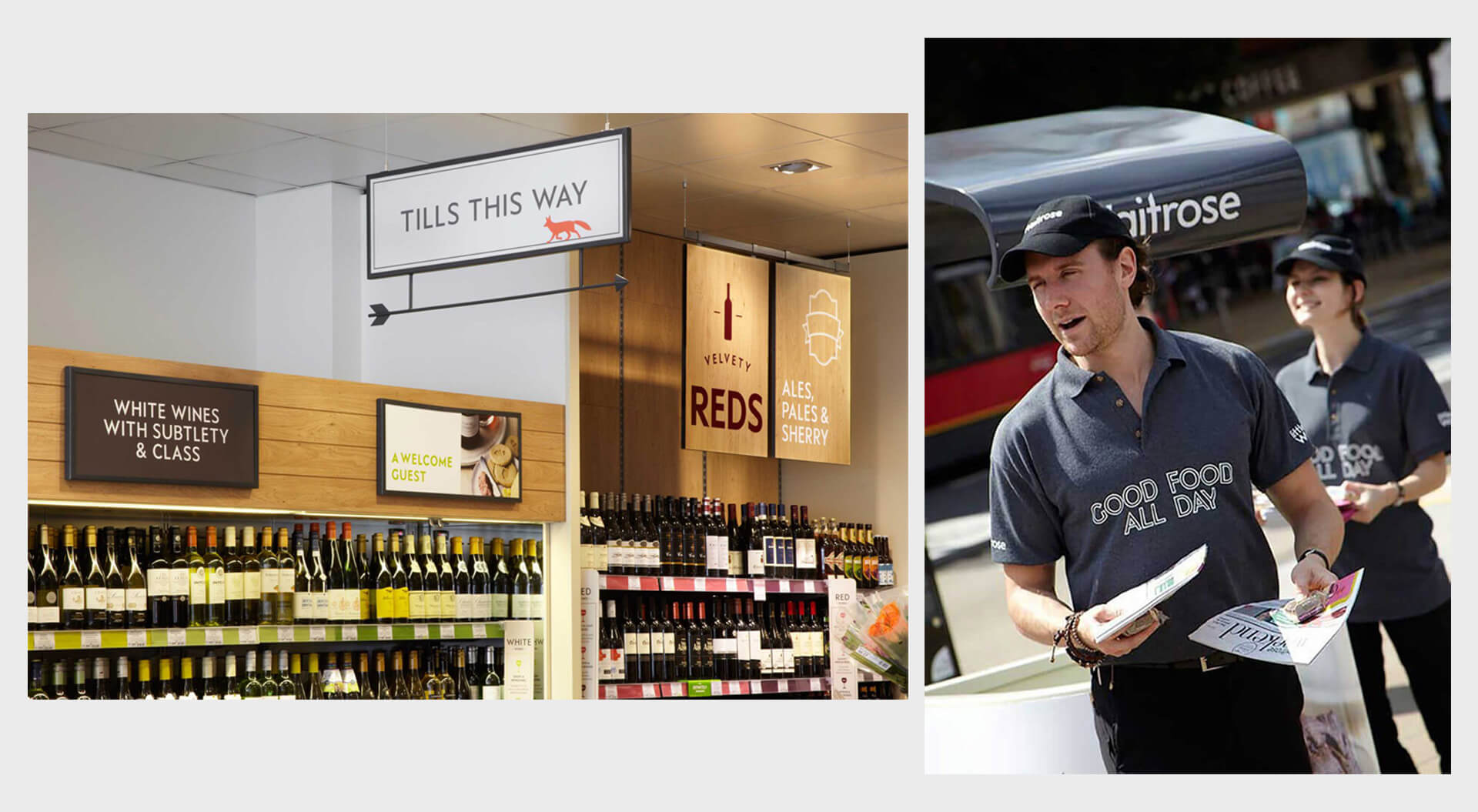
The following international benchmarks demonstrate three complementary routes to shopper loyalty: premium convenience and trust, speed and local relevance, and discovery through fresh-food experience.
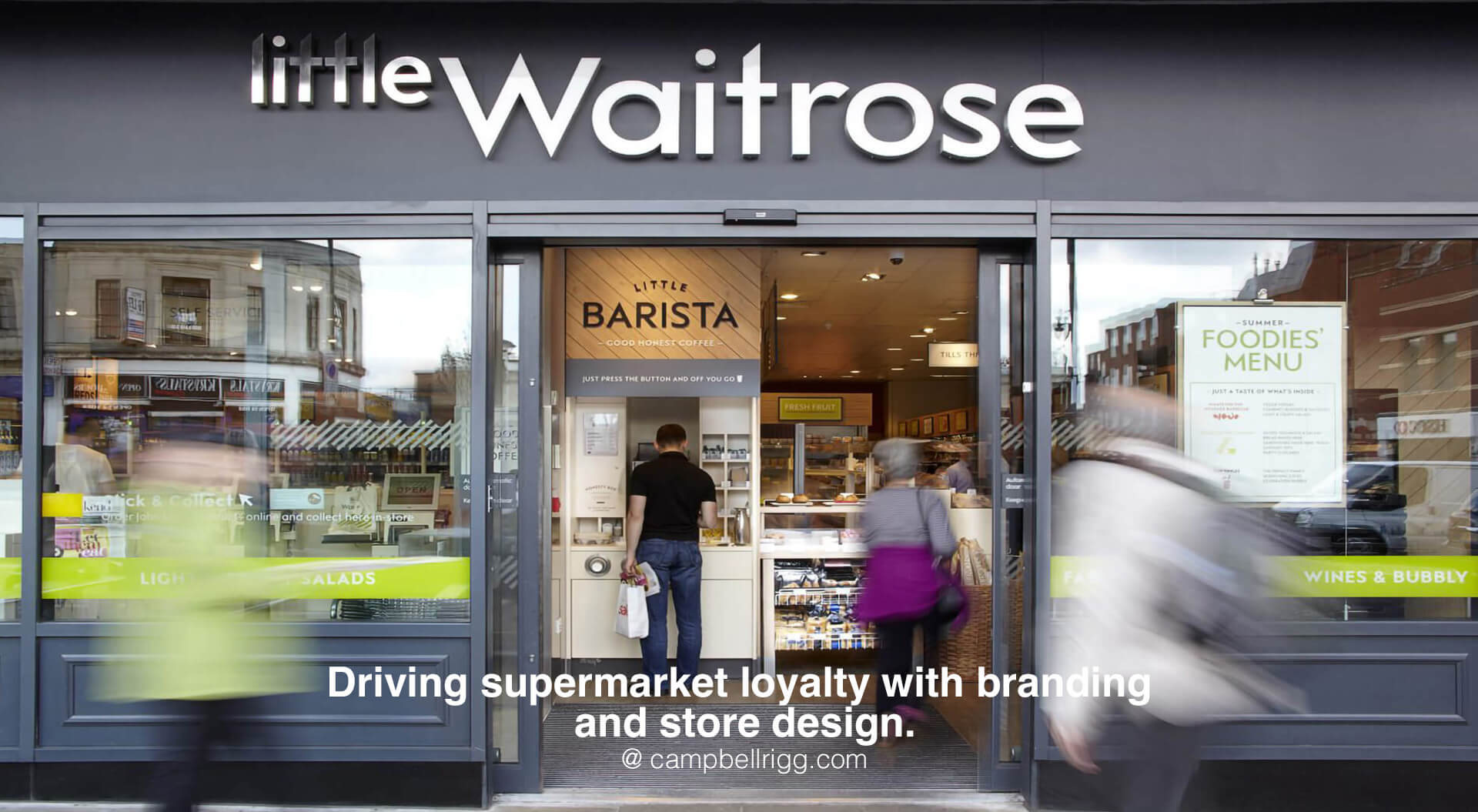
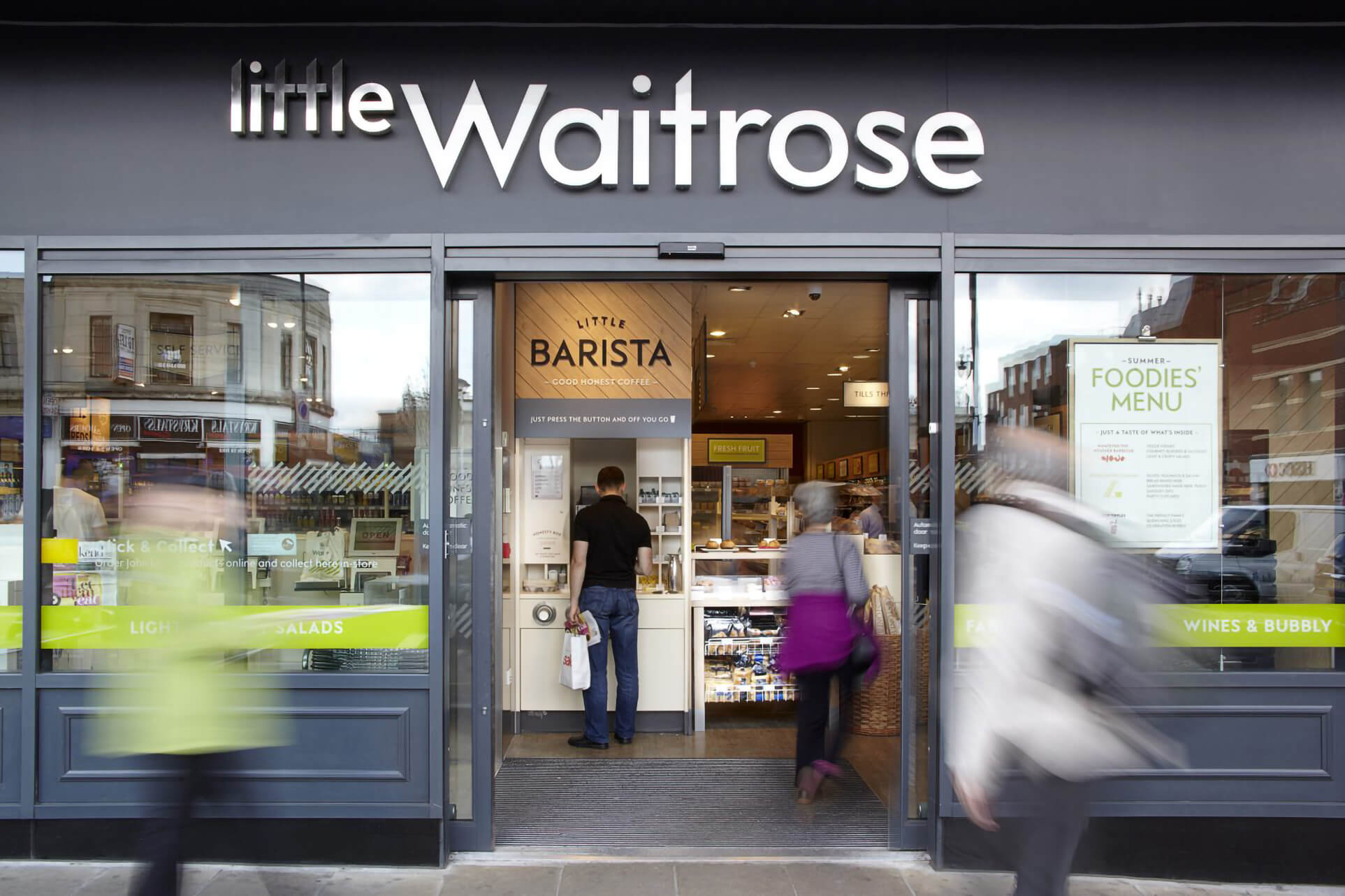
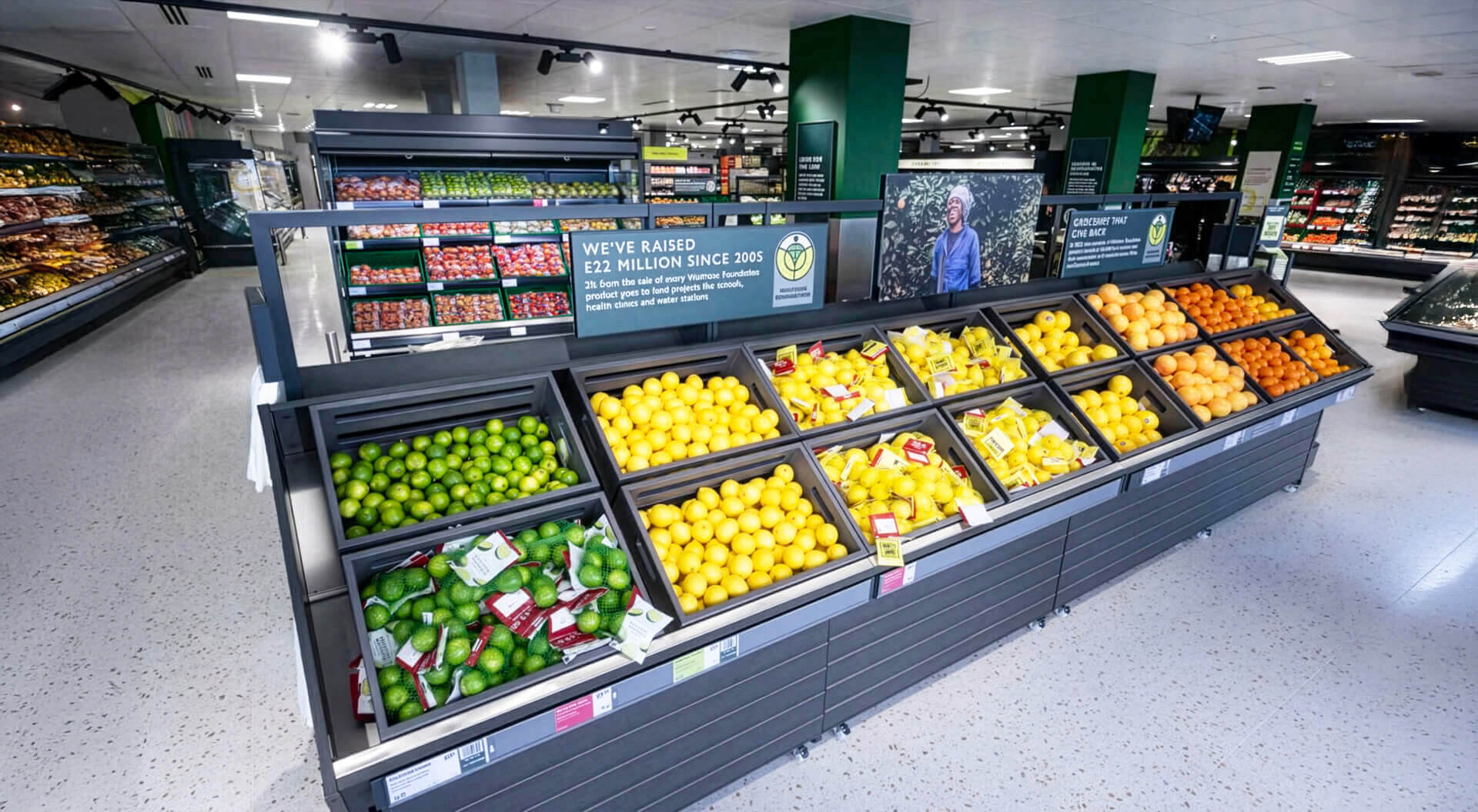
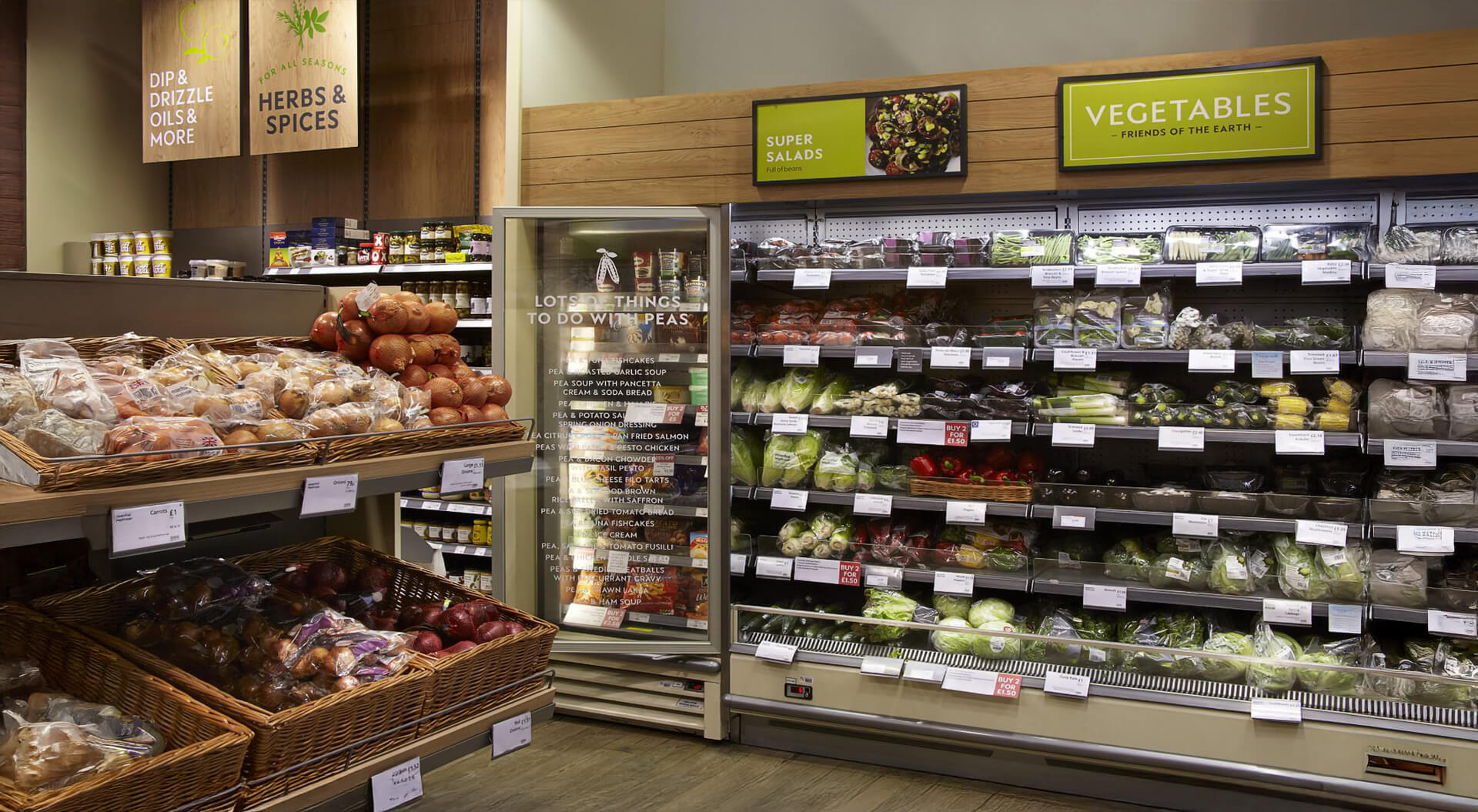
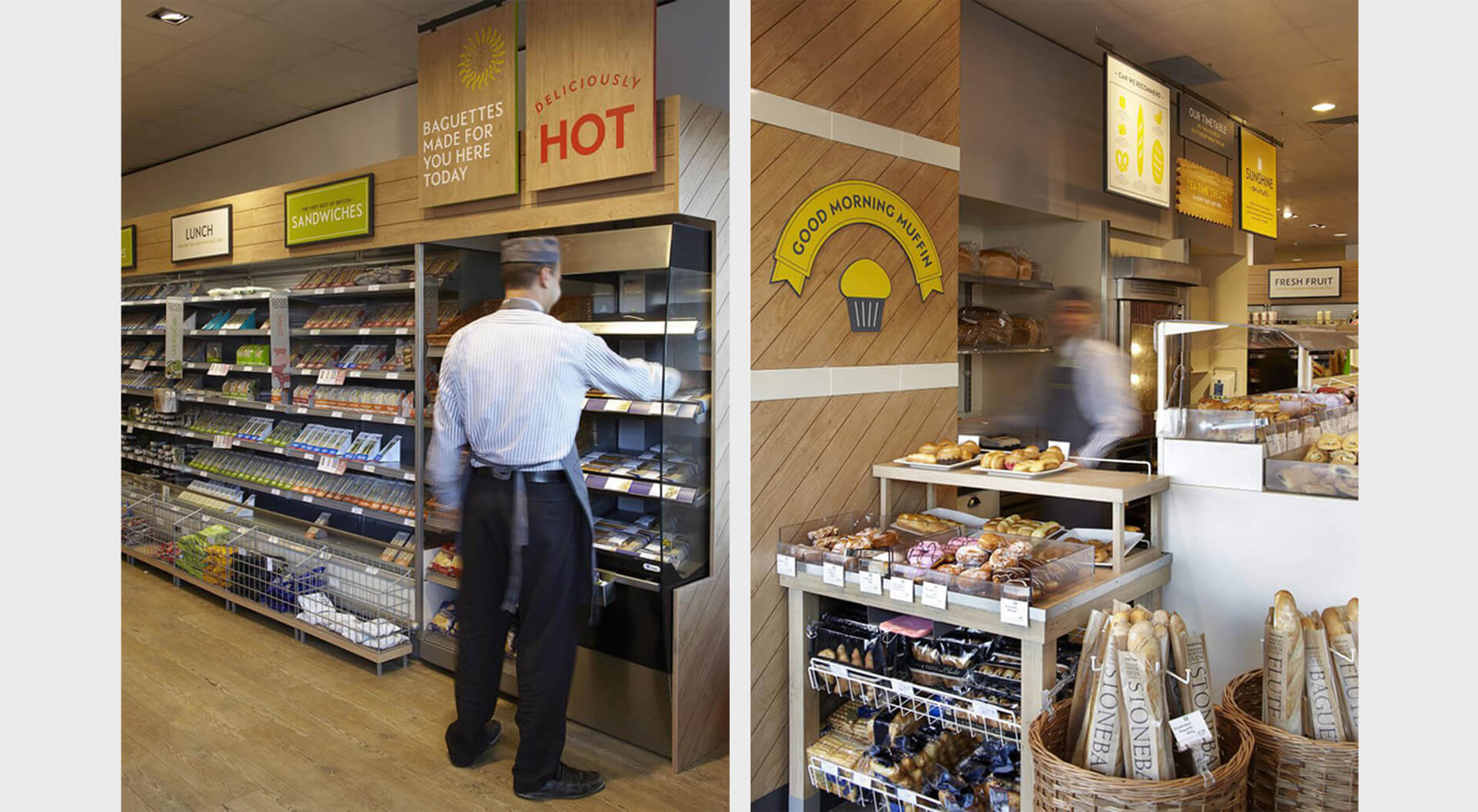
Little Waitrose, London
Strategy: Premium convenience through trust, familiarity and efficient shopping
Little Waitrose demonstrates how a compact supermarket can combine premium positioning with efficient shopping.
Recognisable brand cues, controlled merchandising, clear navigation and strong fresh-food presentation communicate quality and trust while making efficient use of space.
The loyalty lesson is that convenience does not have to mean a generic experience.
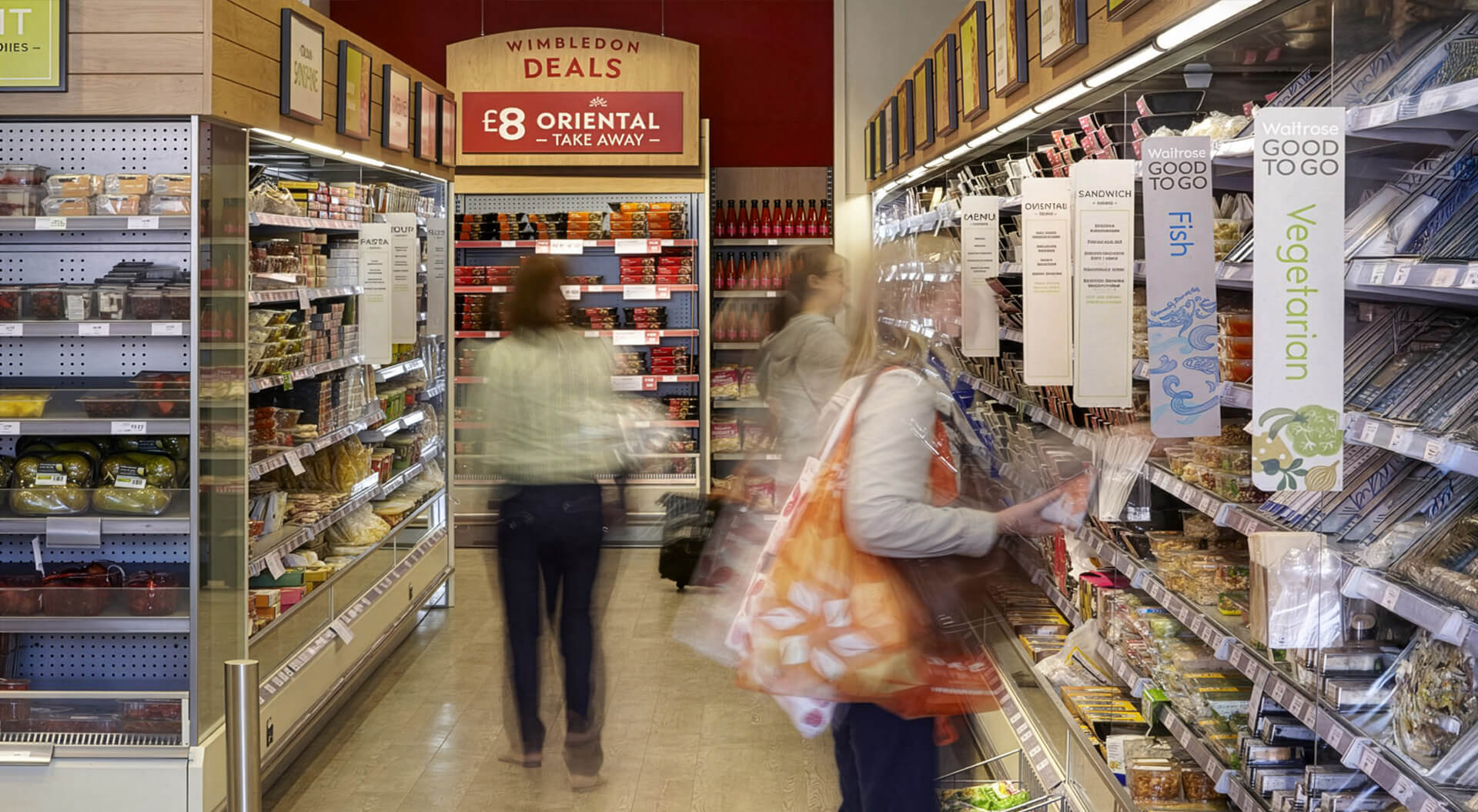
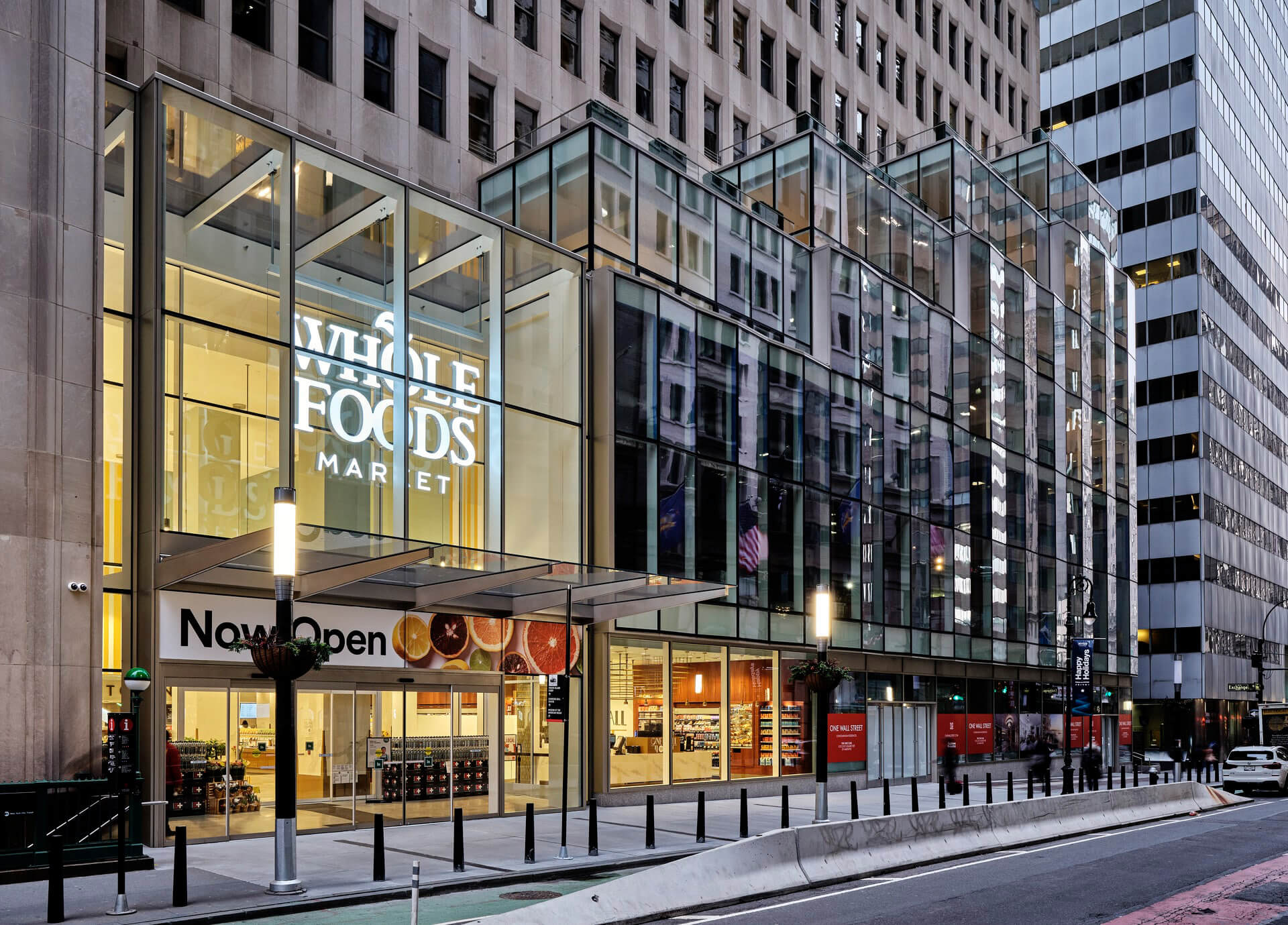
London Convenience Store Benchmark
Strategy: Speed, local relevance and repeat shopping routines
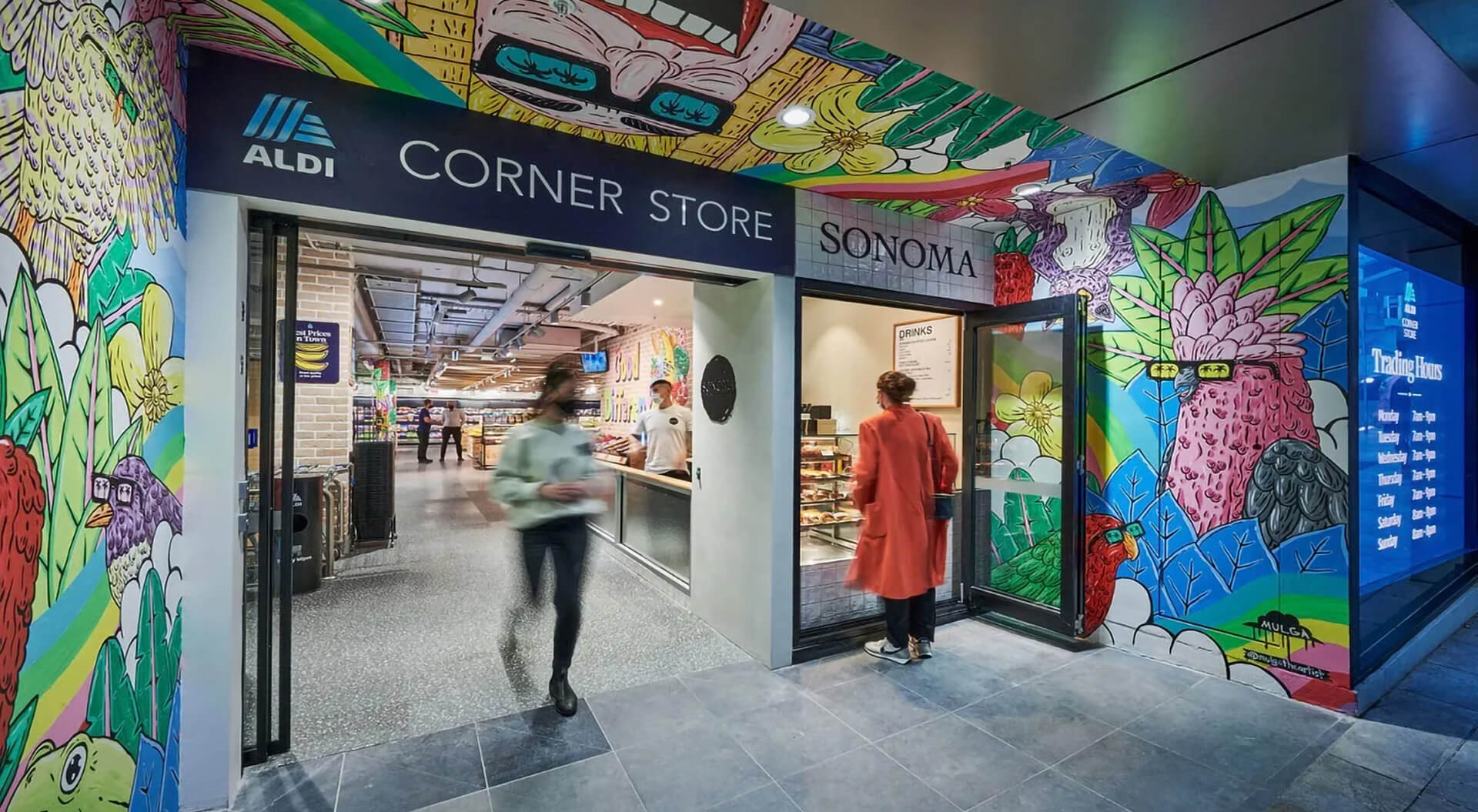
London convenience formats demonstrate how compact stores can respond to top-up purchases, food-to-go and immediate-consumption missions.
Strong sightlines, rapid navigation, clear destinations and efficient product adjacencies support a reliable, repeatable shopping experience.
6. From Brand Promise to Physical Shopper Experience
CampbellRigg connects four disciplines that are often managed separately: Brand strategy → Format strategy → Customer-experience strategy → Store design
The resulting sequence is: Brand promise → Shopper insight → Format strategy → Customer journey → Store experience → Customer behaviour → Loyalty
Brand strategy defines what the retailer wants customers to recognise and value.
Format strategy determines how that proposition should operate in different environments.
Customer-experience strategy defines how it should be experienced.
Store design makes it physical.
This is where CampbellRigg's multidisciplinary approach becomes commercially relevant. Strategy, branding, customer experience, architecture, interiors and communications are developed as connected components of one retail proposition.
International Store Experience Benchmark
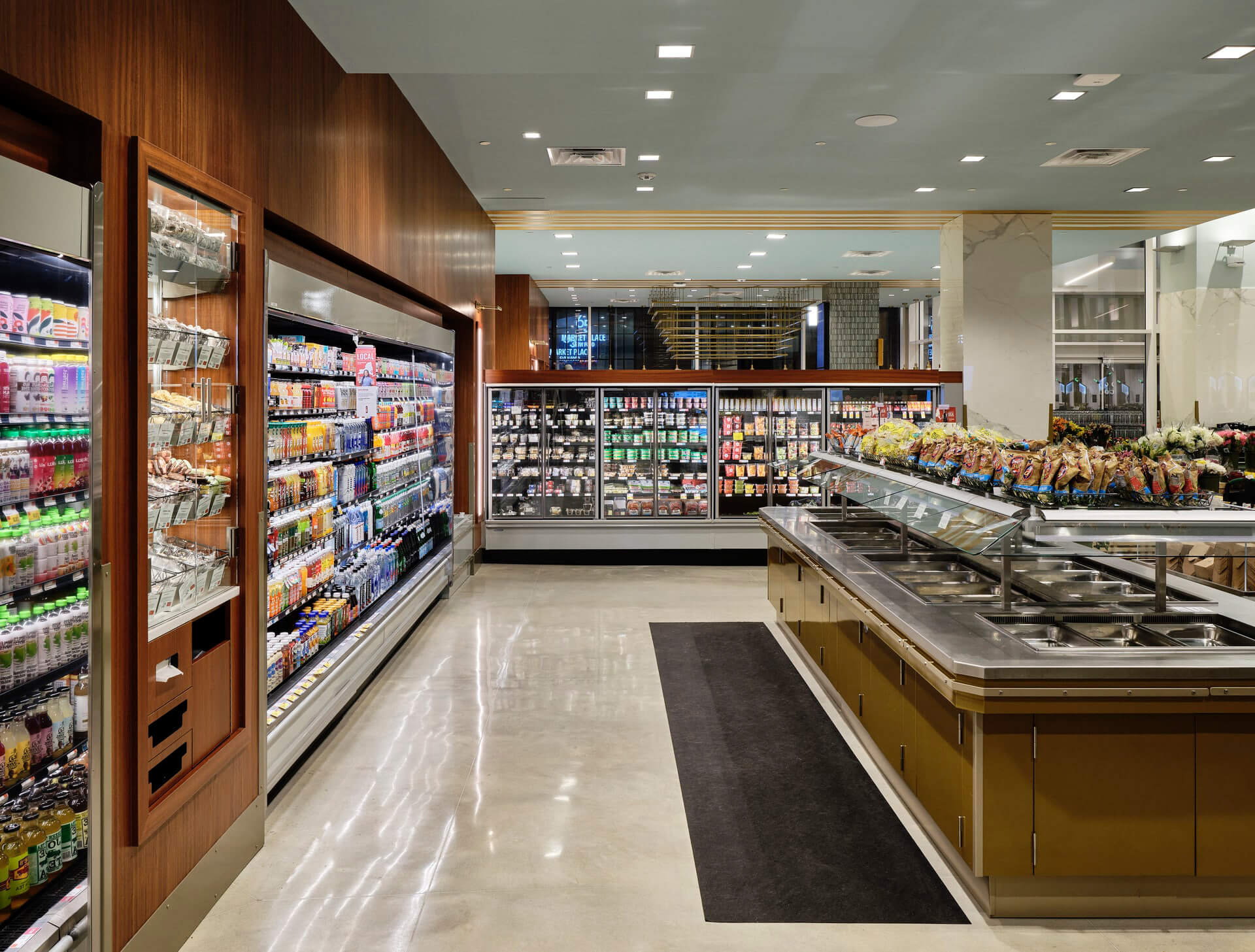
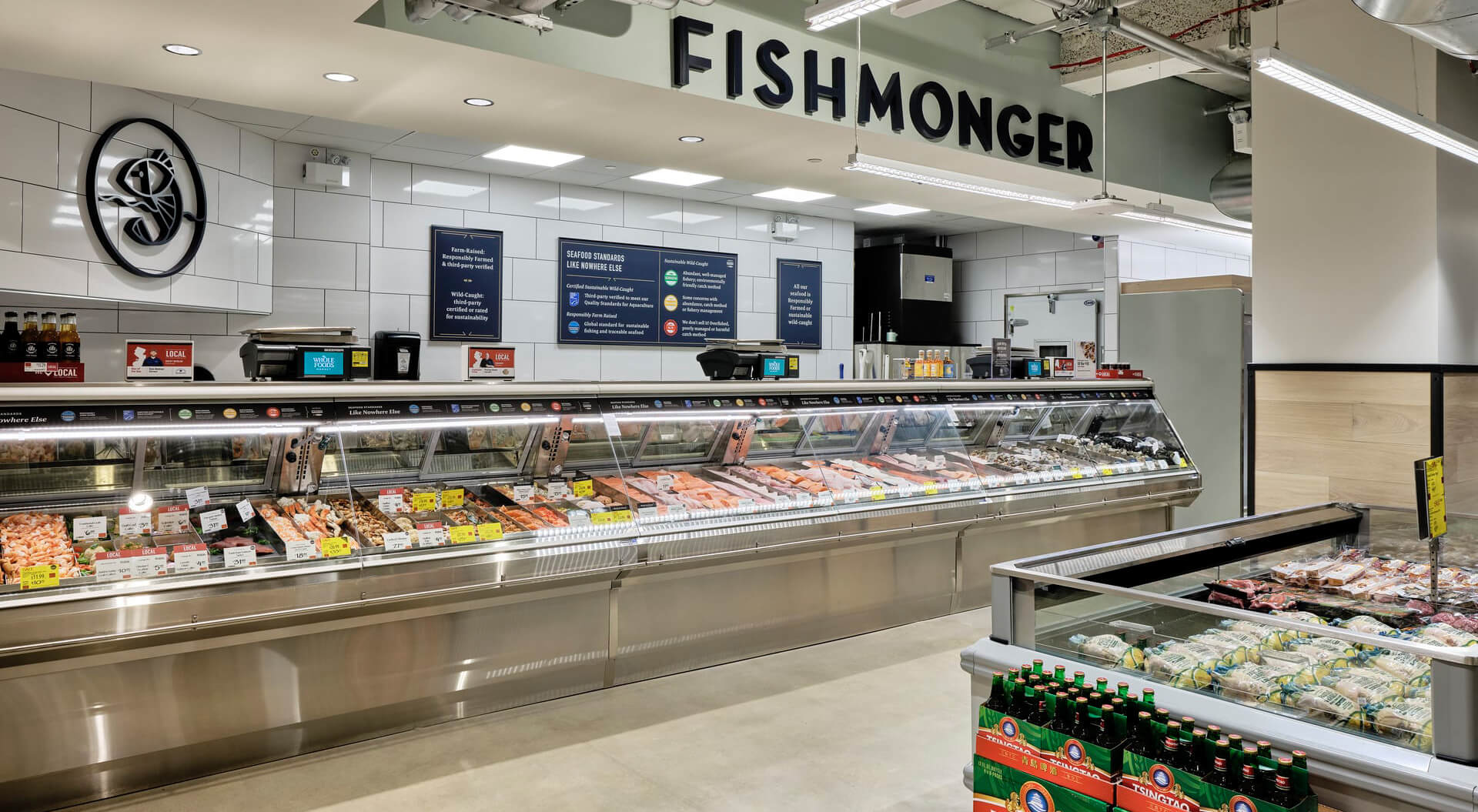
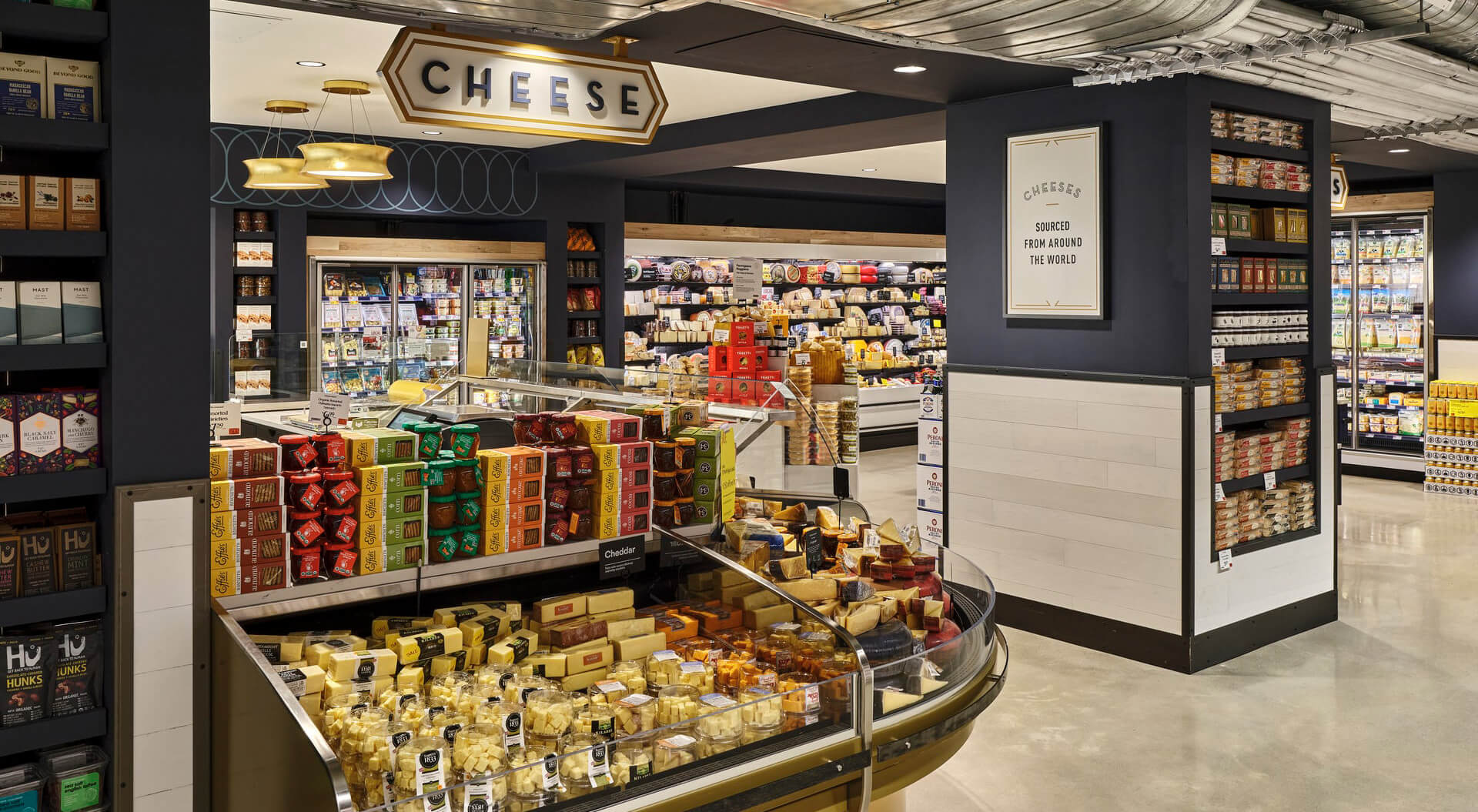
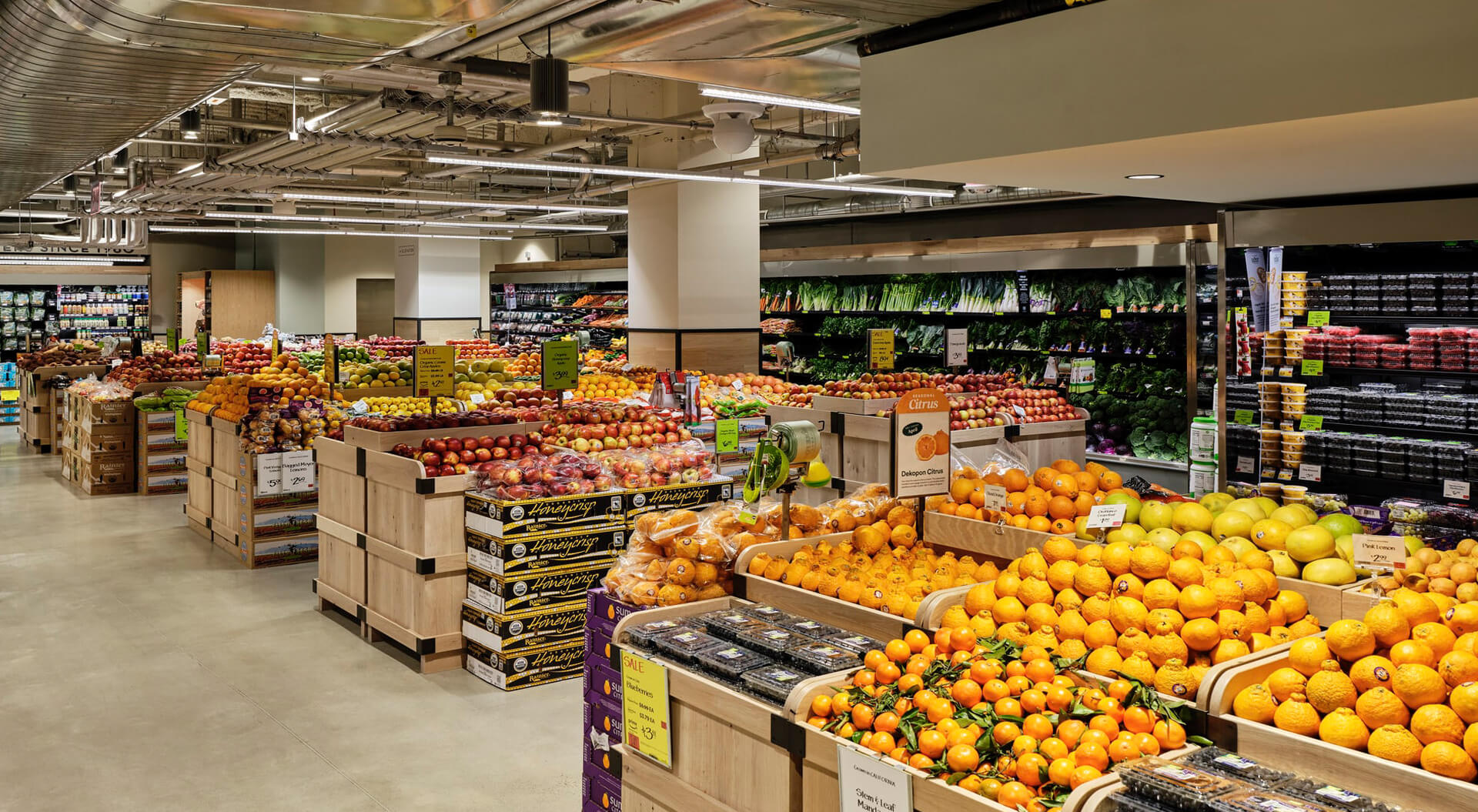
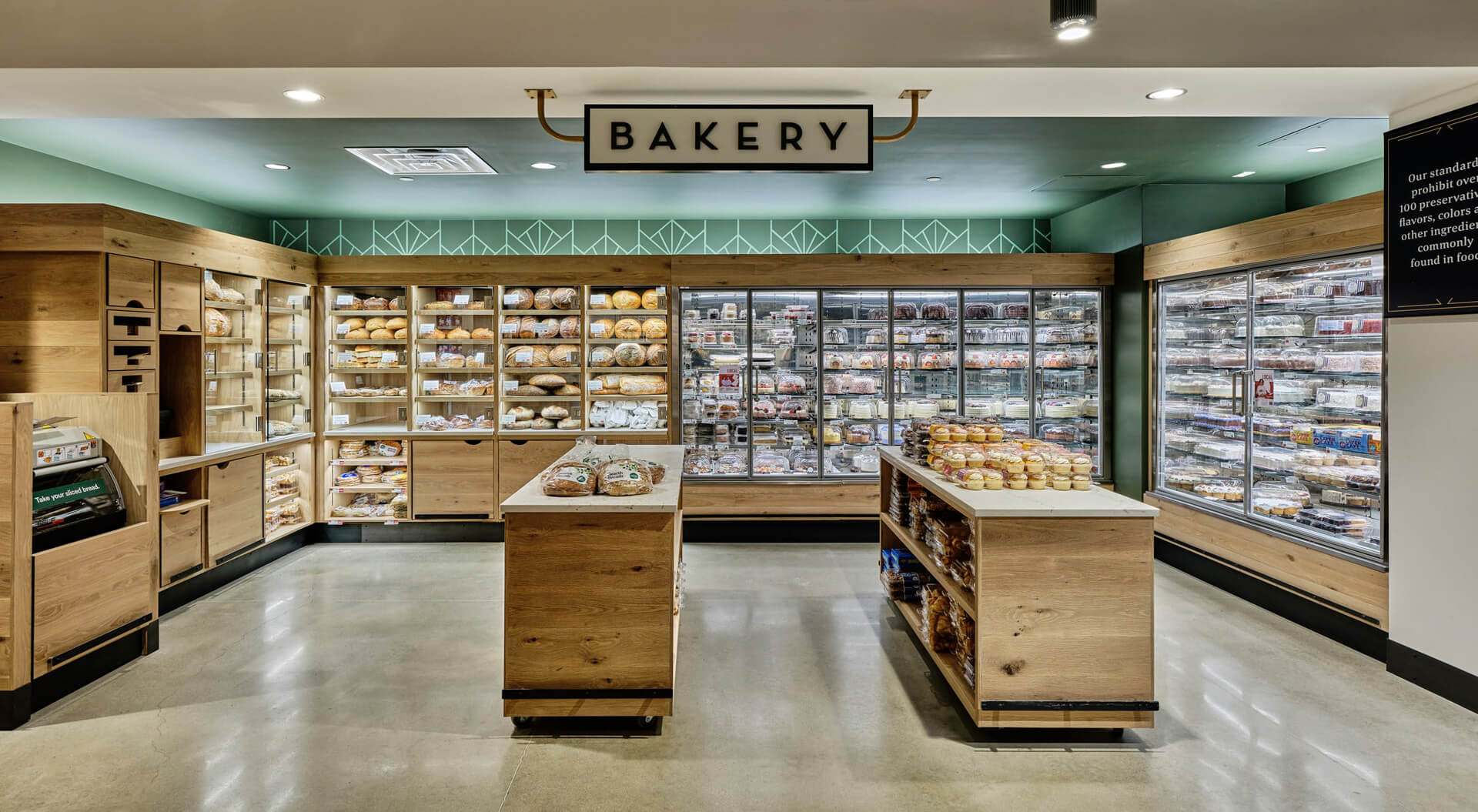
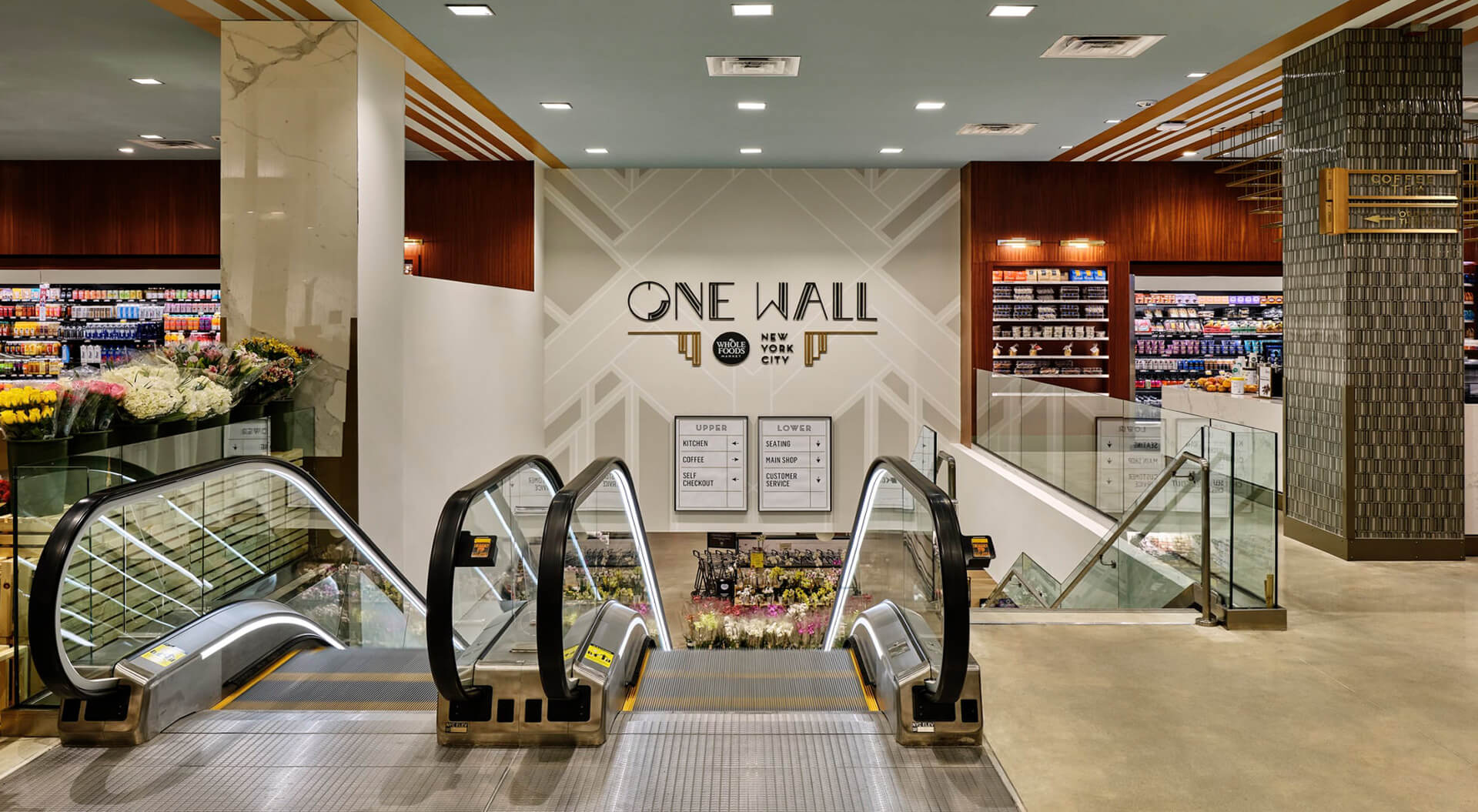
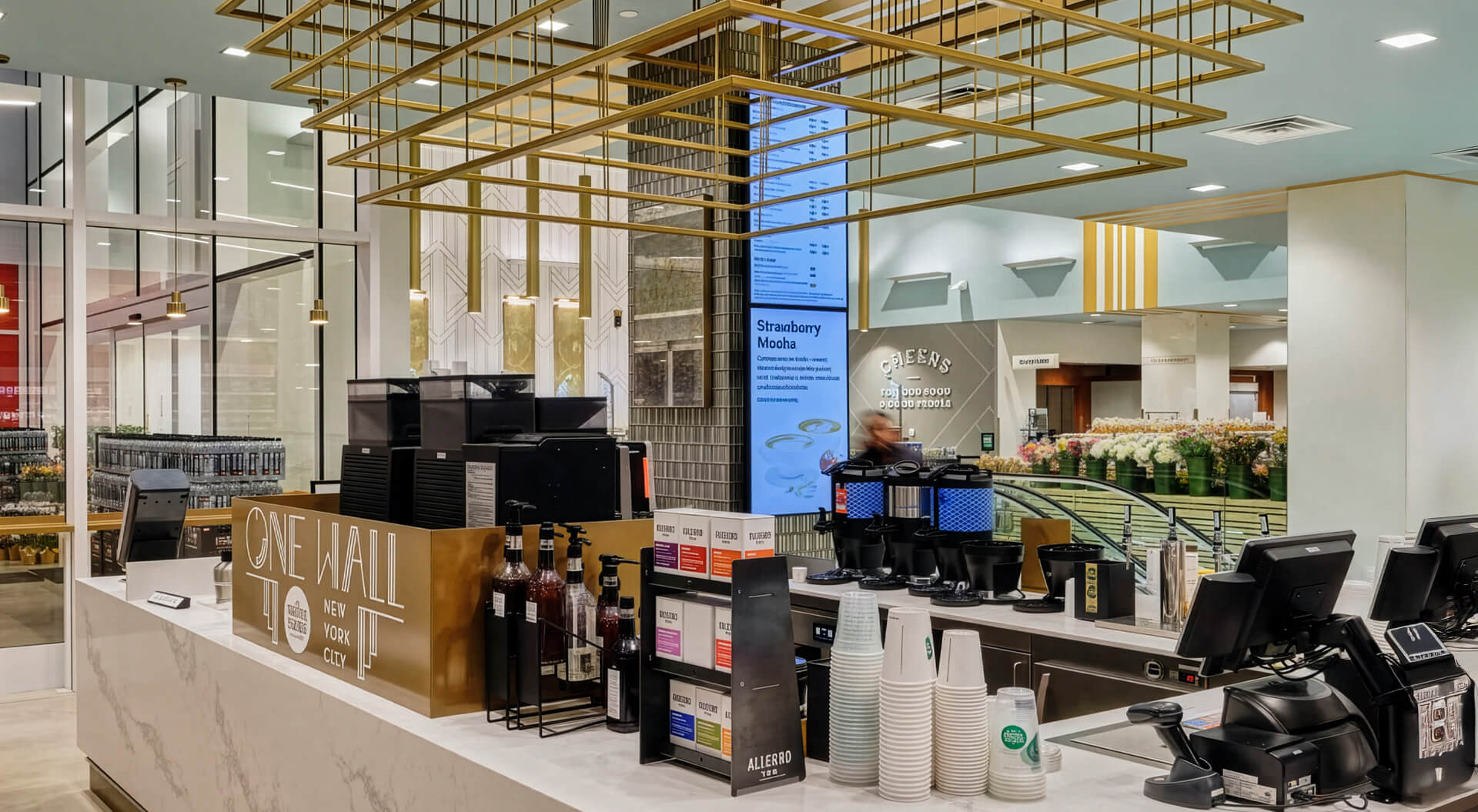
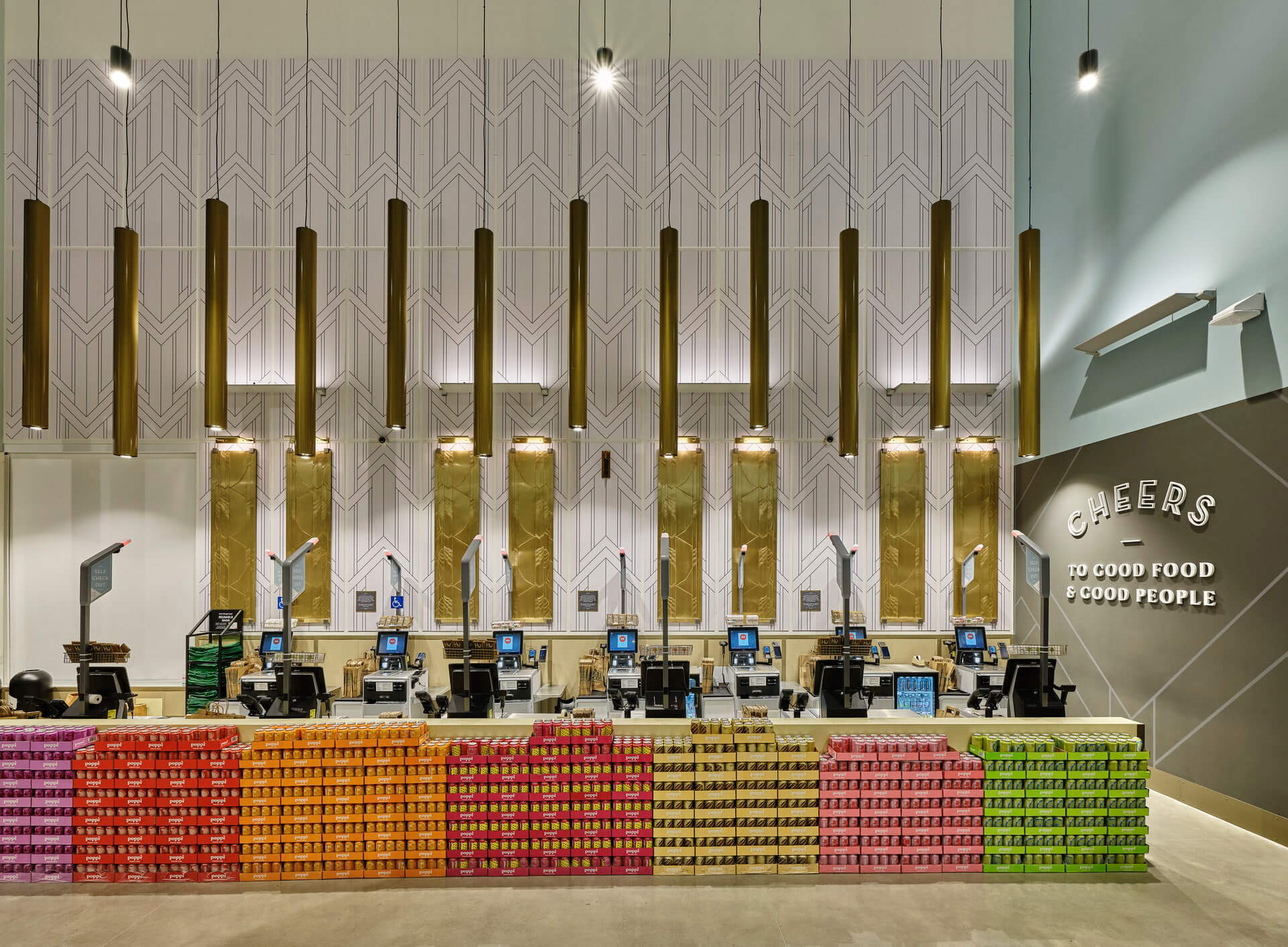
Whole Foods Market, One Wall Street, New York
Strategy: Fresh-food theatre, premium discovery and destination-led experience
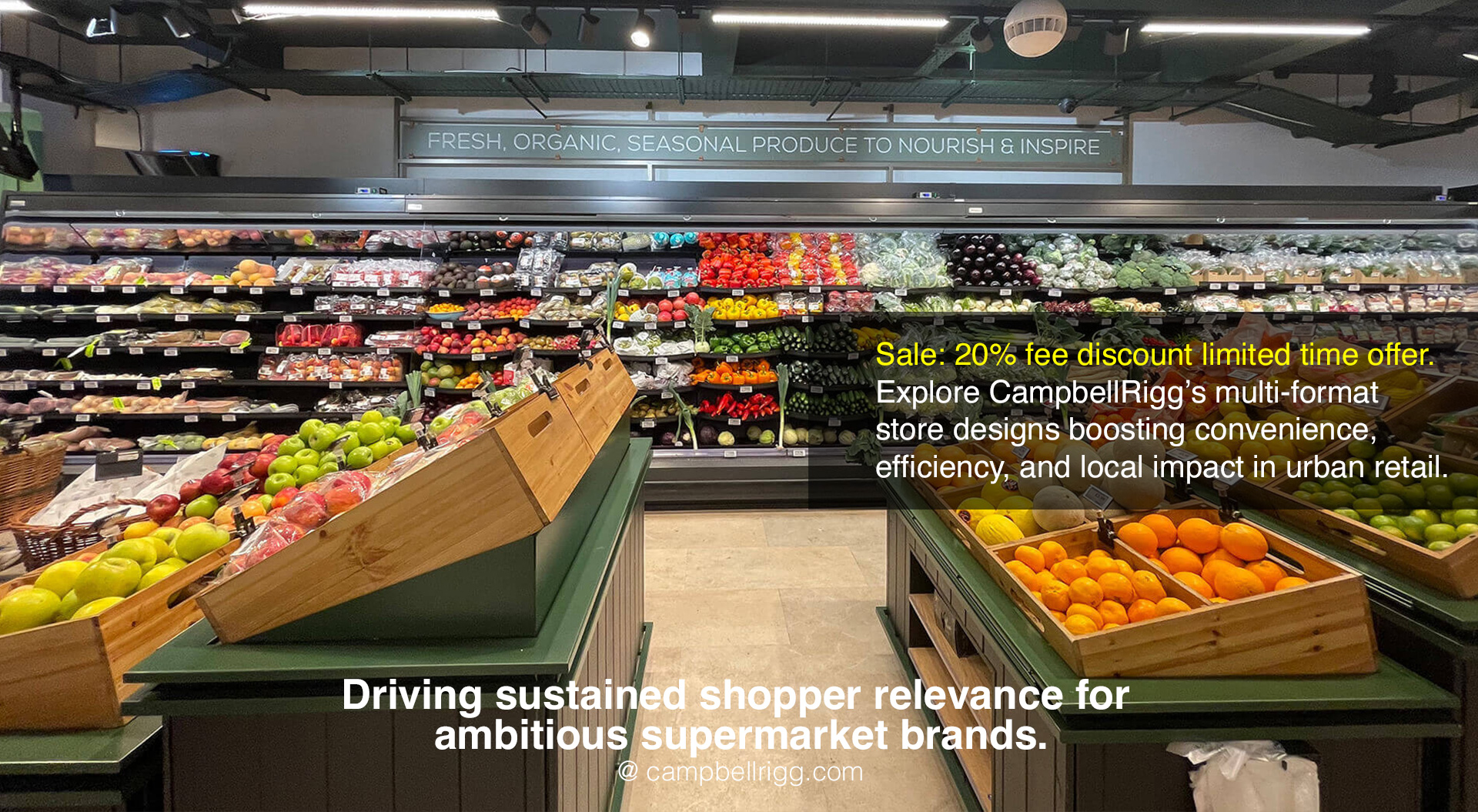
Whole Foods Market at One Wall Street in New York's Financial District provides a benchmark for creating a food-led destination rather than simply a place to replenish groceries. The strategy places greater emphasis on freshness, quality, discovery and visual appeal, giving customers multiple reasons to explore the environment. Fresh-food departments and carefully presented categories can become destinations within the wider customer journey. The loyalty lesson is that distinctive food experiences can create emotional and experiential reasons to return. For retailers competing in crowded grocery markets, the opportunity is to make product quality and food culture visible through the physical environment rather than relying only on advertising.
6. From Brand Promise to Physical Shopper Experience
CampbellRigg connects four disciplines that are often managed separately: Brand strategy → Format strategy → Customer-experience strategy → Store design
The resulting sequence is: Brand promise → Shopper insight → Format strategy → Customer journey → Store experience → Customer behaviour → Loyalty
Brand strategy defines what the retailer wants customers to recognise and value.
Format strategy determines how that proposition should operate in different environments.
Customer-experience strategy defines how it should be experienced.
Store design makes it physical.
This is where CampbellRigg's multidisciplinary approach becomes commercially relevant. Strategy, branding, customer experience, architecture, interiors and communications are developed as connected components of one retail proposition.
Designing Loyalty Across the Supermarket Estate
The management challenge begins after the pilot store.
A successful concept must become a repeatable network system.
CampbellRigg develops scalable design principles covering:
- Brand recognition
- Customer navigation
- Category hierarchy
- Fresh-food presentation
- Visual merchandising
- Signage and wayfinding
- Materials and fixtures
- Service environments
- Digital touchpoints
- Local adaptation
- Procurement and implementation
- Future refurbishment
The objective is consistency, not uniformity.
The core proposition remains recognisable while layouts and components adapt to footprint, catchment, shopping mission and investment level.
This enables management to move from designing individual stores to managing a coherent, scalable retail estate.
Evidence From CampbellRigg's Supermarket Work
CampbellRigg's supermarket experience demonstrates the commercial application of this approach.
Migros
CampbellRigg developed a multi-format retail design and branding solution for Migros Turkey, integrating store interiors, visual merchandising, graphics and wayfinding.
CampbellRigg reports a 25% like-for-like sales increase, with the concept implemented across 80 Istanbul locations.
The project demonstrates how brand consistency, customer navigation and format design can be combined within a scalable retail system.
Safeway
For Safeway, CampbellRigg analysed convenience, supermarket and superstore formats before developing adaptable environmental zones that could be configured across different footprints.
CampbellRigg reports that sales subsequently reached 40% above budget.
The project demonstrates the relationship between customer preferences, format flexibility and commercial performance.
Measuring the Commercial Impact
CampbellRigg recommends establishing performance measures before implementation.
Depending on the objective, these may include sales per square metre, basket value, conversion, visit frequency, retention, customer satisfaction, NPS, category performance and customer lifetime value.
For network programmes, management should also consider implementation cost, rollout speed, operational efficiency and return on invested capital.
The purpose is to create a baseline against which the effect of store investment can be assessed.
This turns supermarket redesign from a subjective design exercise into a measurable management decision.
Frequently Asked Questions
How can supermarket store design support shopper loyalty?
It can improve navigation, convenience, product discovery, brand recognition and the overall customer experience. CampbellRigg integrates these elements with the retailer's wider commercial and brand strategy.
How can CampbellRigg create a scalable supermarket network?
CampbellRigg develops format principles, customer journeys, layouts and design standards that can adapt to different footprints and markets while maintaining a consistent brand proposition.
How should management measure supermarket redesign?
Relevant measures can include sales per square metre, basket value, conversion, visit frequency, retention, customer satisfaction, NPS and customer lifetime value, depending on the objectives.
International Store Experience Benchmark
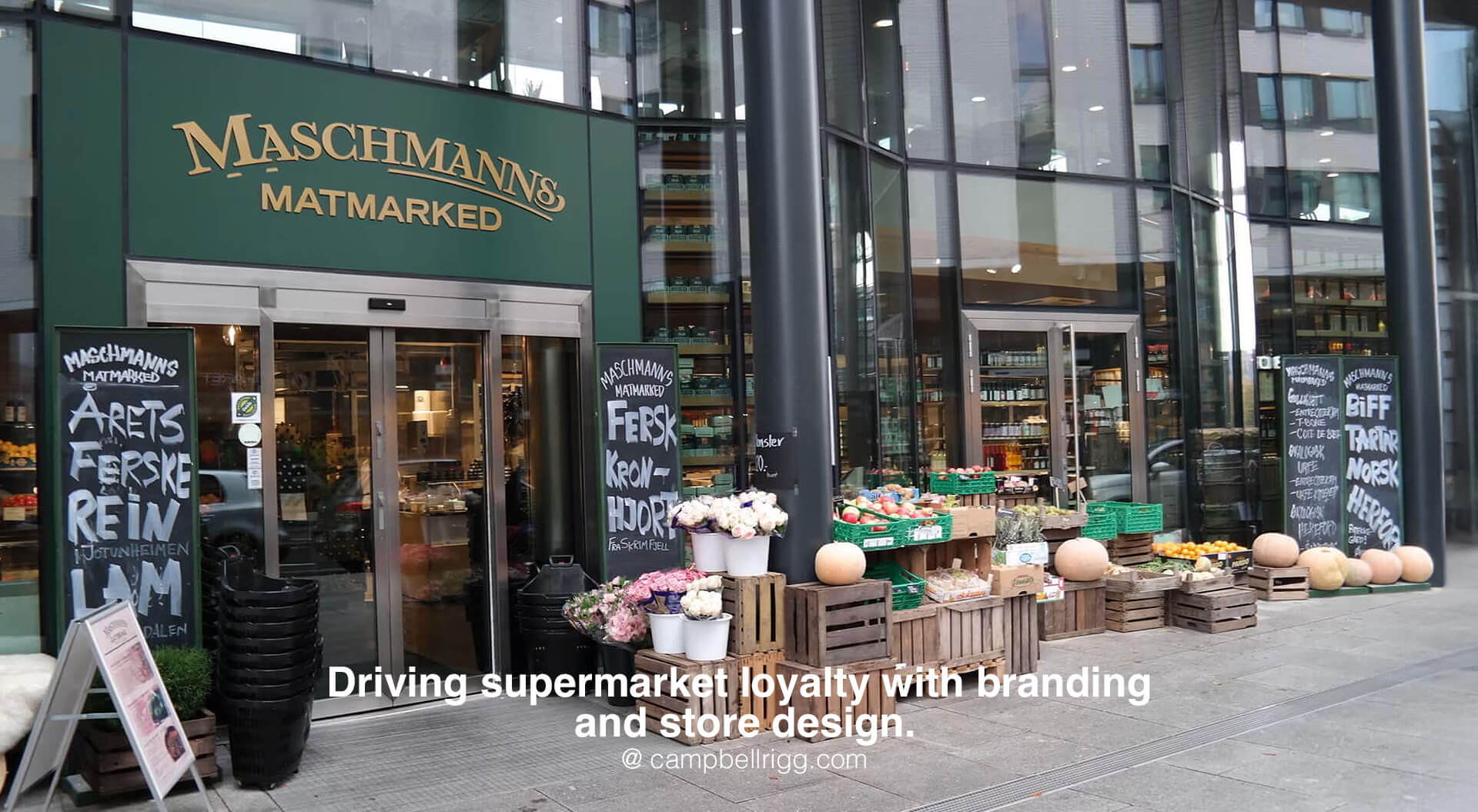
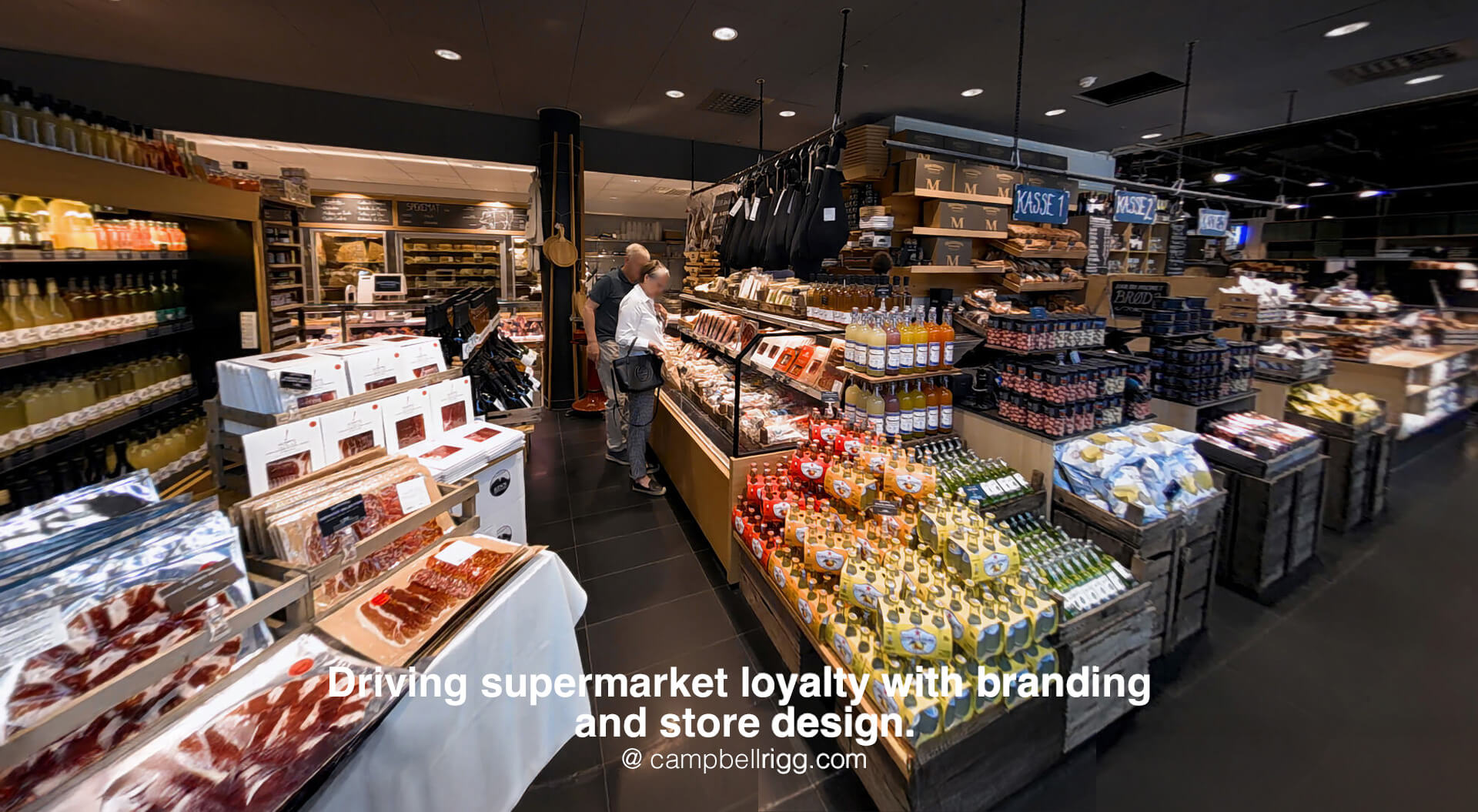
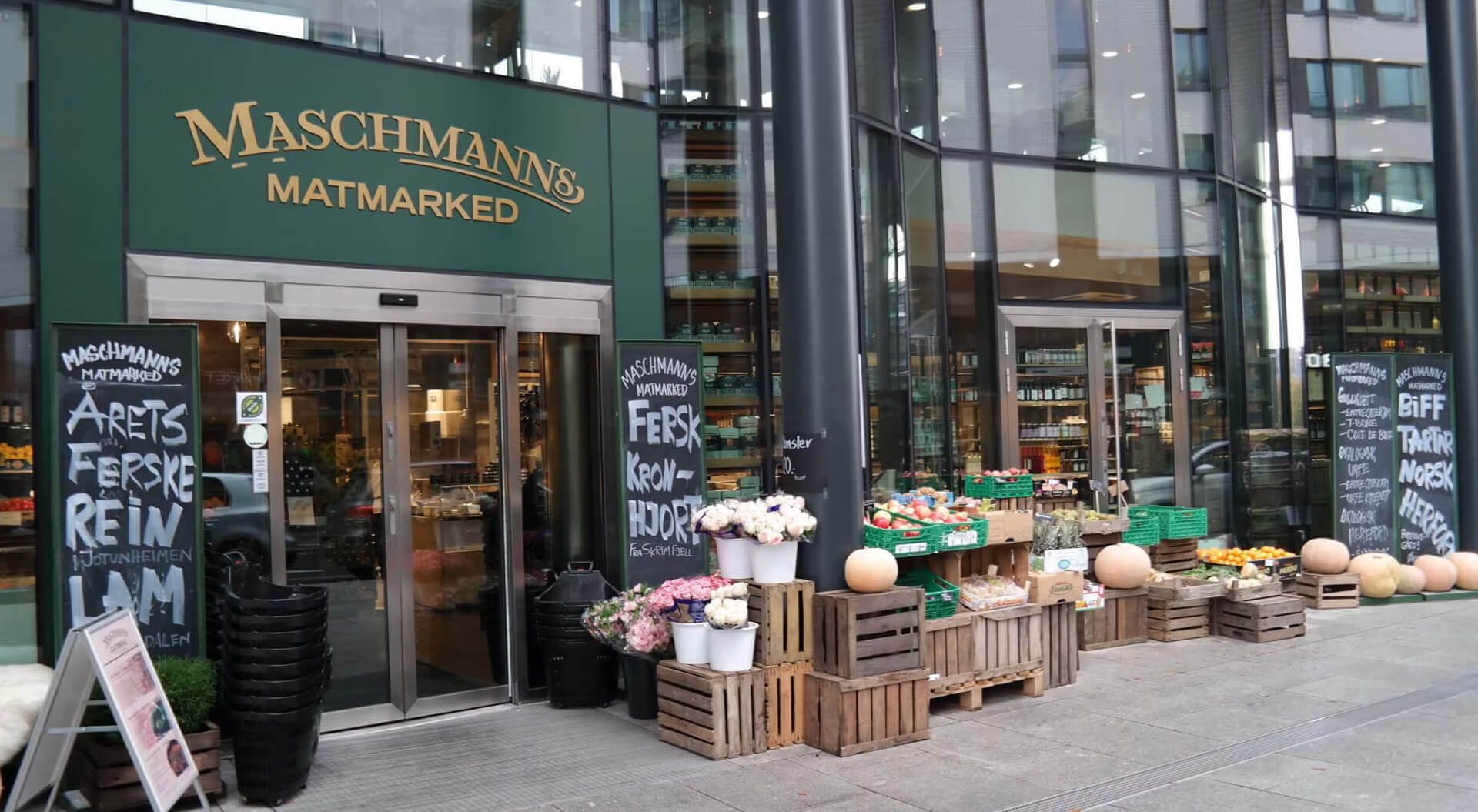
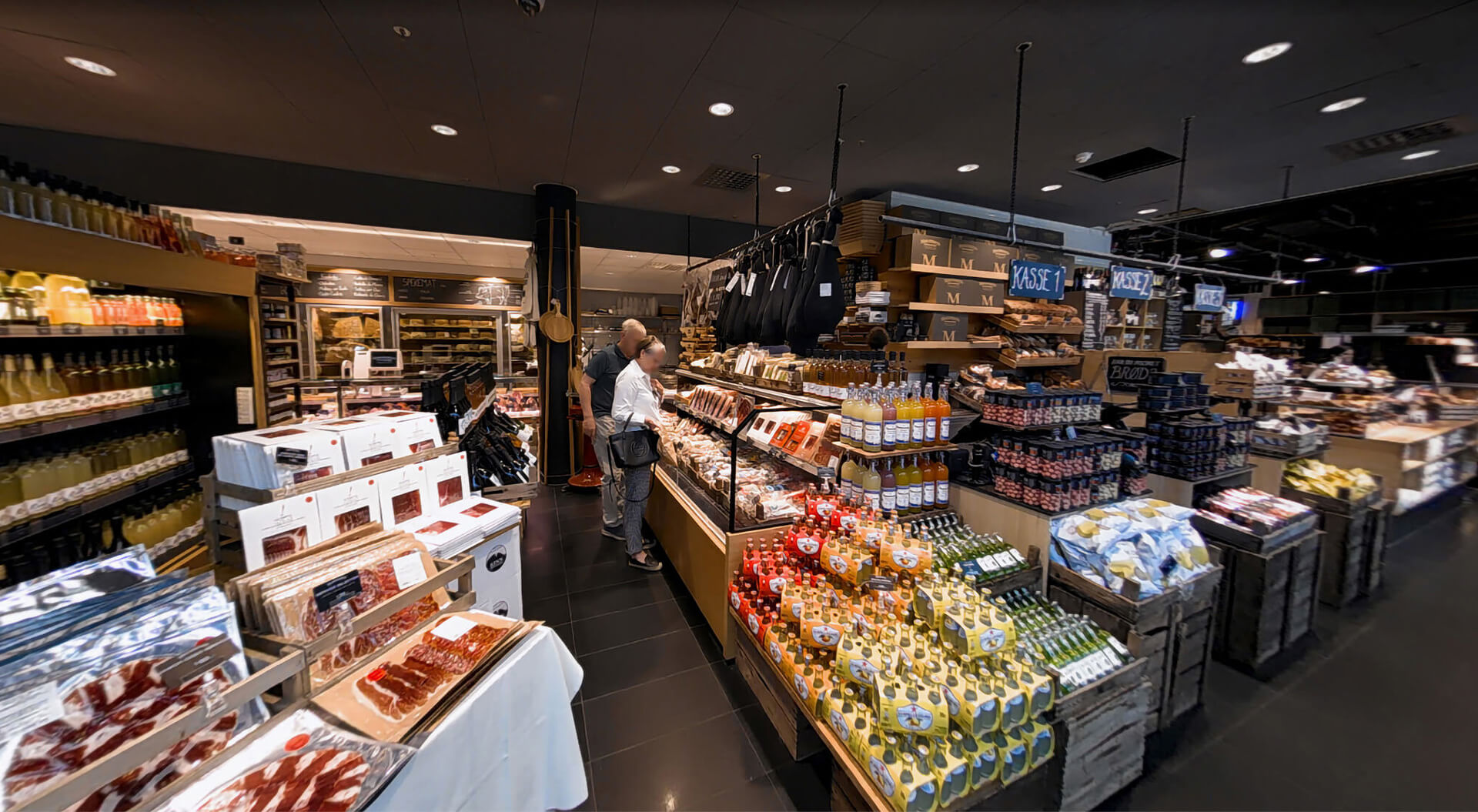
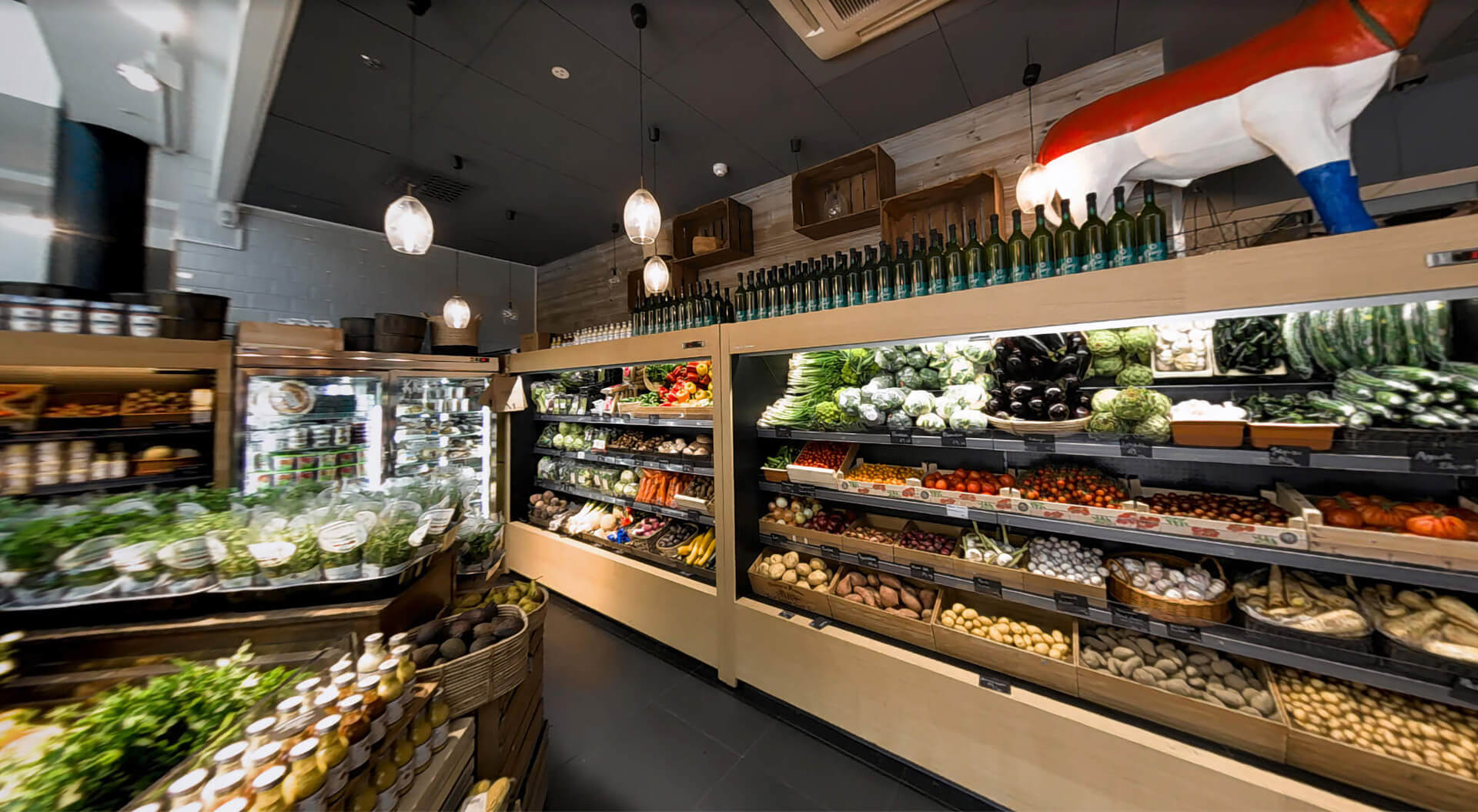
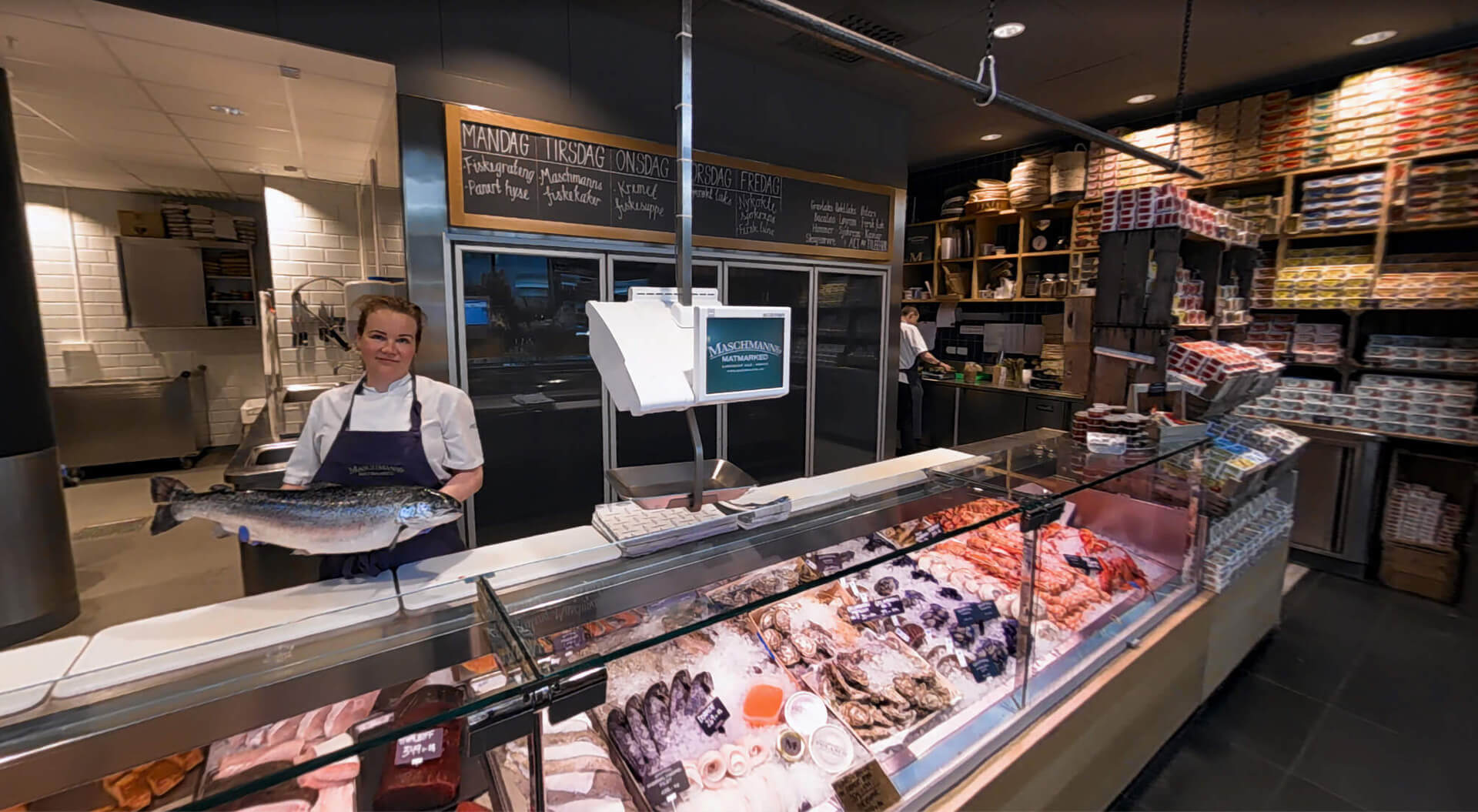
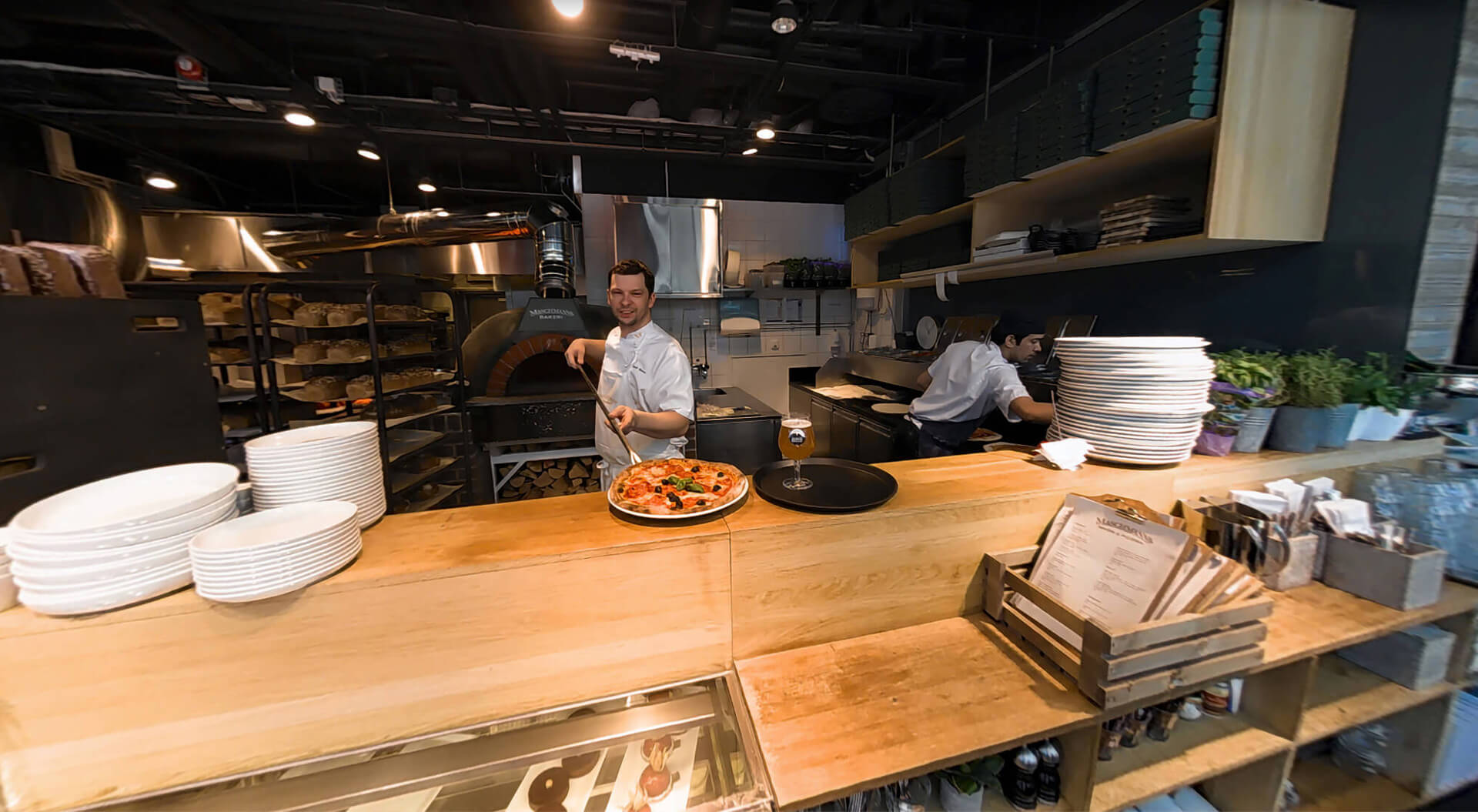
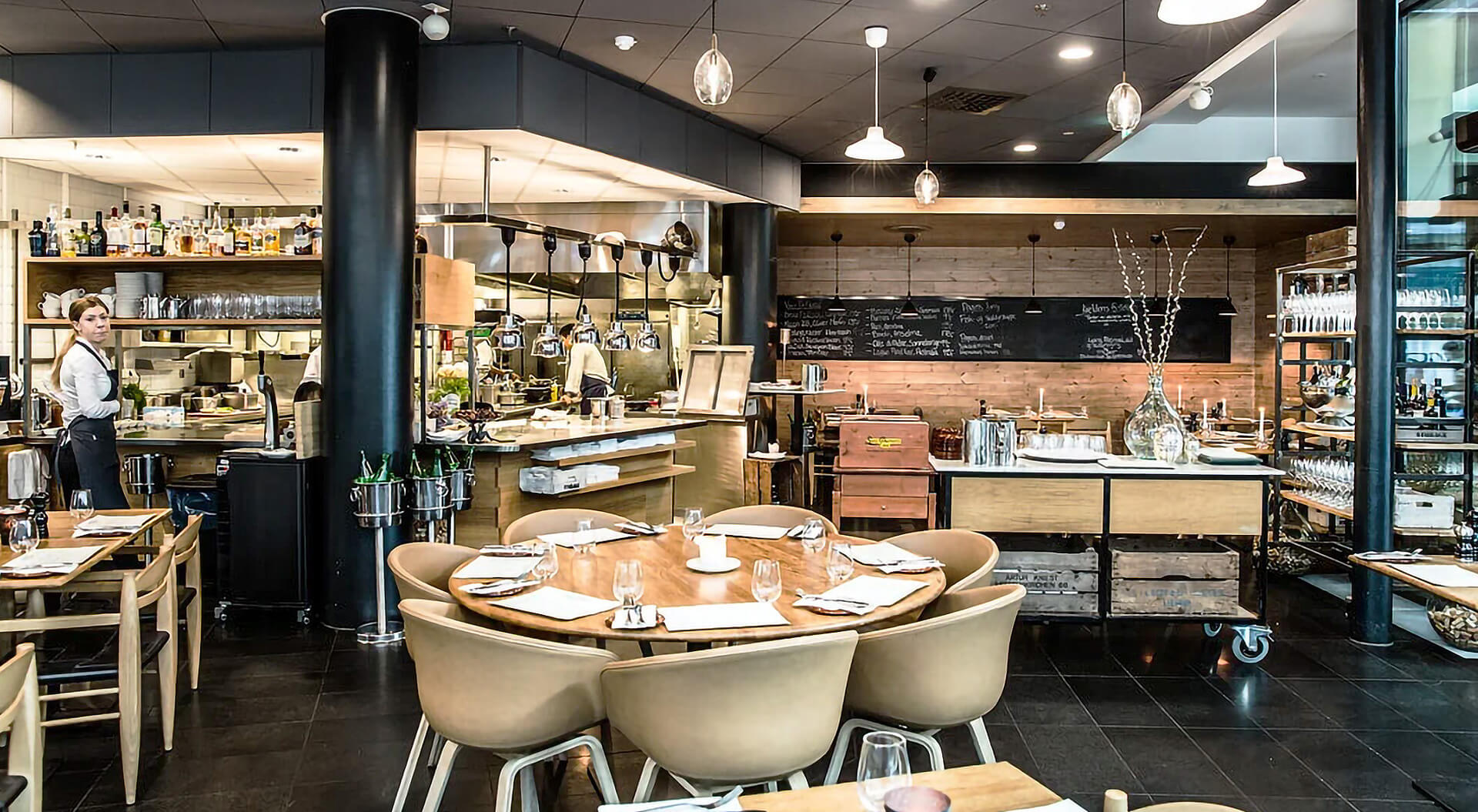
Maschmanns Matmarked, Oslo, Norway
Strategy: Maschmanns uses product quality + specialist expertise + physical experience + discovery to create differentiation and customer value. The store itself becomes an expression of the brand strategy, rather than simply a place to display merchandise.
Maschmanns Matmarked at Skøyen, Oslo demonstrates how a premium food-market format can differentiate through product quality, specialist service and an experience-led environment. The single store combines staffed meat, seafood and cheese departments with fresh produce, premium grocery, bakery and pizzeria. The format positions the physical store as a destination for discovery and quality, rather than competing primarily on convenience or price.
Why is supermarket loyalty a management issue?
Because customer retention is influenced by the complete retail proposition. CampbellRigg helps management identify where the physical environment can improve convenience, differentiation and customer experience while supporting commercial objectives.
How does CampbellRigg connect strategy with store design?
CampbellRigg combines retail strategy, shopper insight, branding, customer experience, format planning, architecture, interiors and communications to create a connected and scalable retail proposition.
How should supermarkets measure the commercial impact of store redesign?
Commercial KPIs should be established before implementation. Depending on the objective, these may include sales growth, sales per square metre, basket value, conversion, visit frequency, retention, customer satisfaction, NPS and customer lifetime value.
Establishing a baseline enables management to measure the impact of design investment and identify formats suitable for wider rollout.
How can CampbellRigg reduce the risk of supermarket network transformation?
Successful transformation requires more than an attractive concept. The design must be commercially viable, operationally realistic and scalable.
CampbellRigg combines strategy, branding, retail design and implementation expertise to develop practical design principles, customer journeys, spatial plans and format systems that support consistent network rollout.
How do supermarket branding, store design and shopper loyalty work together?
Brand strategy defines positioning and the customer promise. Store design translates that promise into the physical environment, while loyalty reflects the customer's response to the overall proposition.
CampbellRigg aligns these disciplines so that brand identity is consistently reinforced across the customer journey.
How does CampbellRigg turn supermarket strategy into measurable performance?
CampbellRigg connects strategic positioning, shopper insight, brand identity, store planning and design implementation within a single commercial framework.
The objective is not simply a better-looking store, but a recognisable, scalable and commercially effective supermarket network designed to support customer loyalty, operational performance and sustainable growth.
Evidence From CampbellRigg's Supermarket Work
CampbellRigg's supermarket experience demonstrates how shopper behaviour, brand identity and scalable design can be connected.
For Tesco, the brief involved creating a more customer-focused in-store experience around emerging food-retail trends, including fresh-food leadership, intuitive navigation and engaging brand storytelling. The resulting approach used destination zones and clearer customer journeys to connect the brand proposition with the physical shopping experience.
For Monetka, the challenge included improving wayfinding and store flow, strengthening brand recognition and loyalty, highlighting fresh categories and private-label ranges, and creating a design capable of cost-effective implementation at scale. CampbellRigg's solution incorporated brand identity, store interiors, merchandising systems, private-label packaging, POS and in-store communication.
These projects demonstrate the difference between designing an individual supermarket and developing a repeatable retail system.
The Commercial Opportunity
Supermarket shopper loyalty should not be treated as a loyalty-programme issue alone. Every physical interaction contributes to how customers perceive the retailer.
When shopper insight, brand promise, customer journey, product discovery, navigation and service work together, the supermarket becomes easier to choose and easier to revisit.
The commercial equation is: Shopper insight → Customer journey → Store experience → Satisfaction → Retailer preference → Repeat visits → Loyalty → Retention → Customer lifetime value
For supermarket operators planning a new format, store redesign, customer-experience transformation or estate-wide rollout, the opportunity is to make the physical store a measurable part of the loyalty strategy.
Planning a supermarket redesign, new format or customer-experience transformation?
CampbellRigg helps supermarket and grocery retailers transform shopper insight into distinctive, commercially focused retail environments.
Start with a free consultation. Develop a bespoke brief around your customers, format, estate and commercial objectives and translate the strategy into a practical design and rollout programme.
Schedule your consultation today and receive a free quote.
Cost-Effective Excellence:
Our pricing structure is highly competitive, offering exceptional value without compromising on quality or creativity.
Rapid Execution:
We move fast. From concept to implementation, our agile team ensures your project is delivered on time and to the highest standards.
Multidisciplinary Expertise:
Our team brings together seasoned brand strategists, architects, interior designers, and graphic designers, collaborating to create seamless, end-to-end brand environments.
Global Reach, Local Insight:
With successful projects delivered across Europe, the Middle East, and Asia, we combine international experience with local market understanding.
Scalable Project Delivery:
Whether it's a flagship technology store, an urban network or mall micro-branches, we manage and execute projects of all sizes, efficiently and effectively.
Proven Track Record:
Our designs evolve branch networks from purely transactional spaces into experiential, relationship-focused brand environments, enhancing engagement, elevating customer experience, and driving tangible business results.
Full-Service Creative Agency:
From rebranding and marketing campaigns to spatial design and rollout, we provide an integrated service tailored to your goals.