News and Views
By 2029, Capital Efficiency and Hyper-Local Branding Will Define Supermarket Success




By 2029, Capital Efficiency and Hyper-Local Branding Will Define Supermarket Success
Supermarket success is entering a more demanding phase. Growth can no longer depend primarily on adding stores, increasing selling space or investing in increasingly elaborate retail environments. For CEOs and senior management teams, the more important question is how every retail investment contributes to sales productivity, customer loyalty, operational efficiency and return on invested capital (ROIC) across the network.
By 2029, competitive advantage will increasingly belong to supermarket operators that can combine capital-efficient format strategy, hyper-local brand relevance, customer experience, technology and disciplined rollout systems.
The strategic implication is significant. Retail strategy, brand strategy, supermarket format planning, store design, technology and customer experience can no longer operate as disconnected programmes. They need to function as one scalable commercial system.
McKinsey's 2026 European grocery research highlights the pressure behind this shift. European grocery sales grew 3.4% in 2025, but volume growth was only 0.6%, while EBIT margins remained at 2.8%. Cost and margin pressure remained the number-one concern among grocery CEOs, while capex-to-revenue increased to 2.9%. McKinsey also reported that 47% of surveyed grocery CEOs identified AI and automation among their top three priorities, while 70% reported no measurable EBIT impact from AI so far or said it was too early to tell.
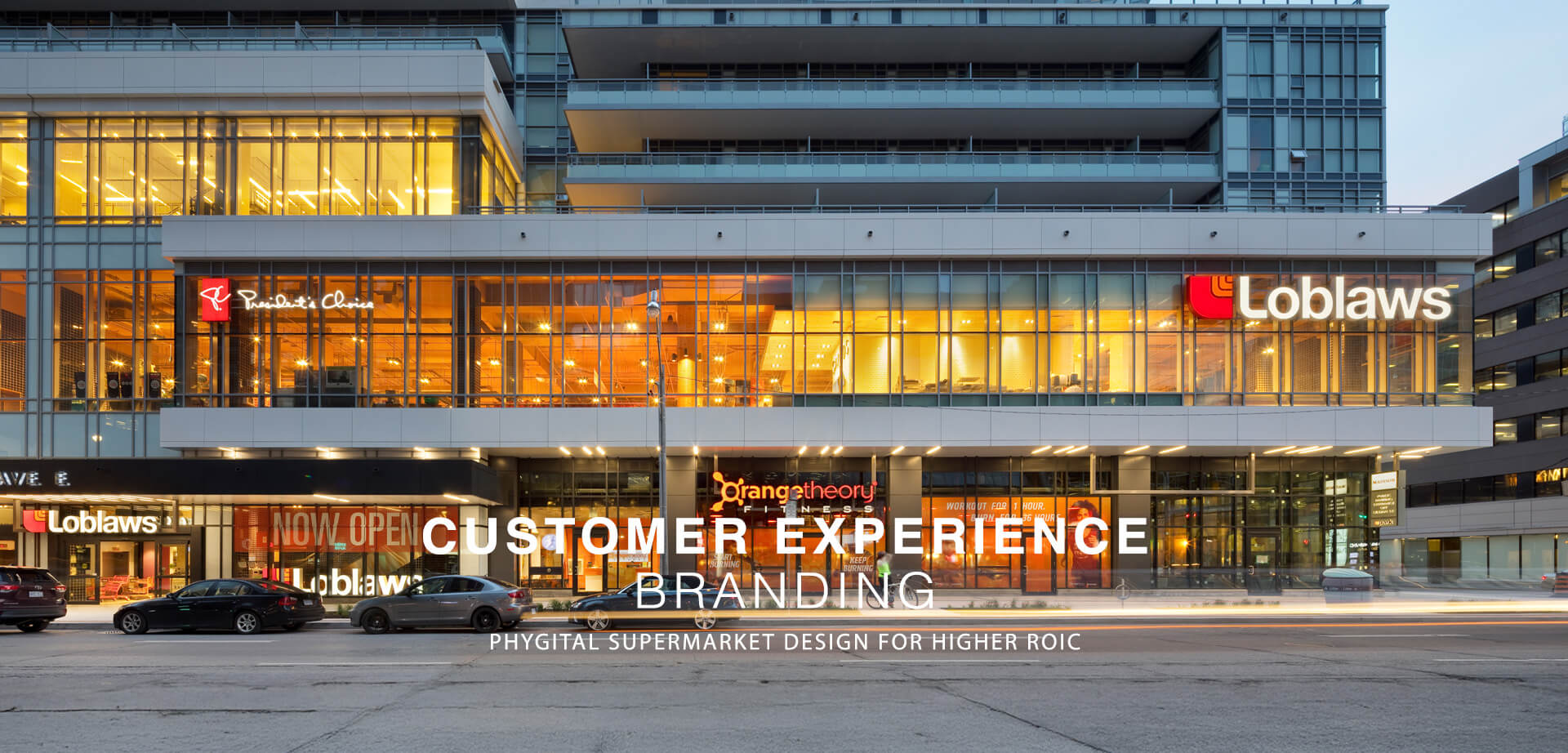
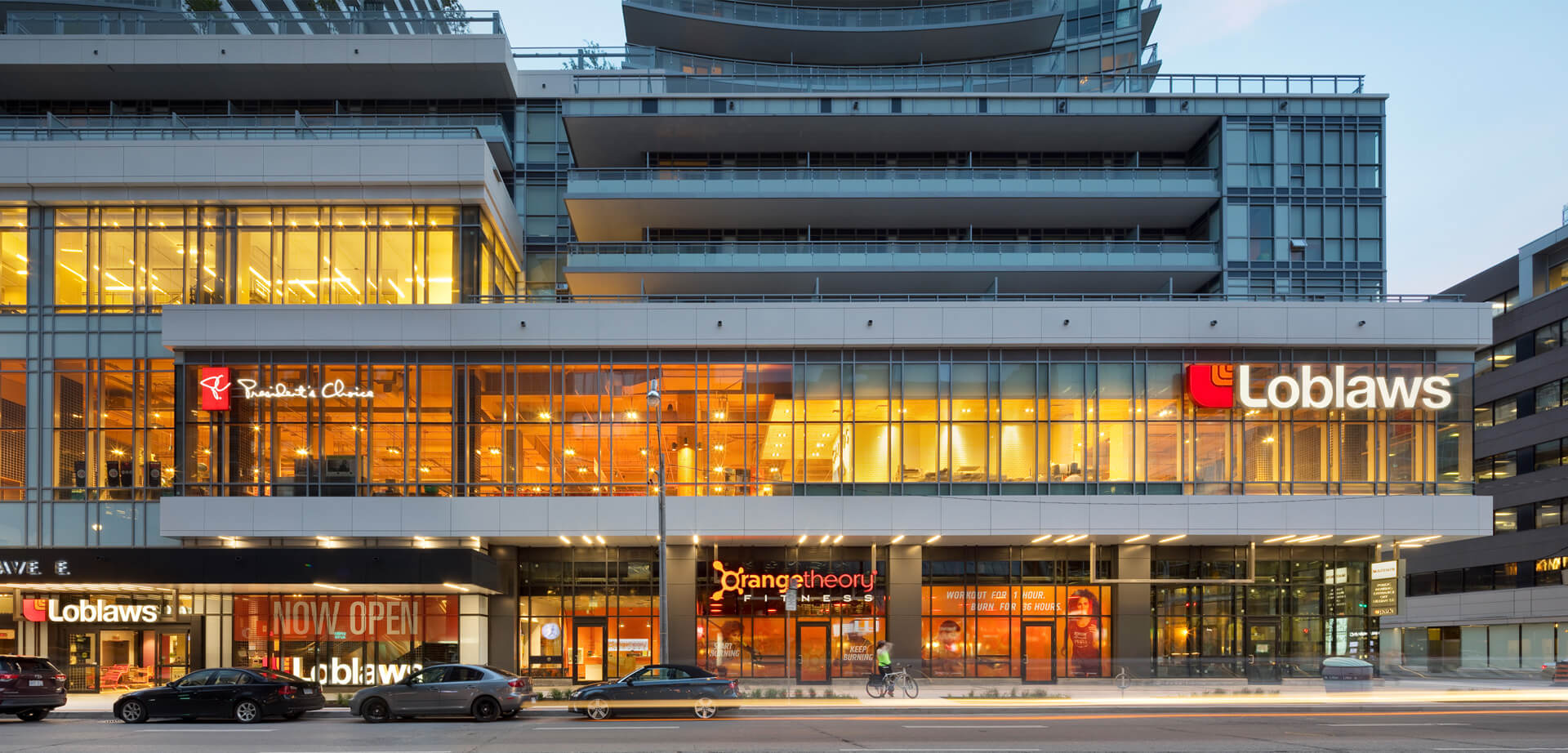
(Benchmark projects attributed to: Loblaws - In-House Team, Longo's Market - Ampersand, and Victoria Supermarkets - CampbellRigg)
The management challenge is therefore not simply to invest in better stores or new technology.
It is to create a capital-efficient supermarket strategy in which brand, format, space, experience and implementation decisions contribute to measurable commercial performance.
The management question: how can a supermarket network become more scalable, relevant and productive?
Senior management needs a supermarket strategy capable of answering six connected questions:
- Where should capital be invested, and what commercial return should each format generate?
- How can one supermarket brand remain consistent while becoming locally relevant?
- How can formats become modular enough to scale without becoming generic?
- How can technology improve economics rather than simply increase complexity?
- How can customer experience increase basket value, frequency and loyalty?
- How can strategy be translated into a repeatable rollout system across the estate?
CampbellRigg addresses these questions by connecting brand strategy, retail strategy, format planning, customer experience, identity, supermarket design and implementation.
The objective is not to create an isolated flagship.
It is to create a scalable supermarket format system that management can fund, measure, adapt and roll out.
Capital efficiency must become a supermarket format strategy
Many supermarket operators still approach investment as a store-by-store decision. This can result in high-capex environments that are difficult to replicate, maintain or adapt.
A stronger supermarket format strategy begins by defining the commercial role of every format before design begins.
A large supermarket, hypermarket, urban store, neighbourhood supermarket and convenience format should not necessarily receive the same investment or deliver the same customer mission.
Each requires a clearly defined role within the portfolio.
The management objective is to understand the relationship between: catchment → customer mission → format → investment → sales productivity → margin → ROIC.
How CampbellRigg helps
CampbellRigg translates commercial objectives into a capital-efficient supermarket format and design strategy.
We examine:
- catchment and customer missions
- store size and sales productivity
- range architecture
- space productivity
- customer journey
- brand positioning
- operational requirements
- capital expenditure
- modularity and rollout
- digital and physical touchpoints
- commercial performance objectives
The resulting design brief becomes a management tool rather than simply a creative specification.
This enables management to distinguish between investments that create commercial value and features that increase project cost without a clear strategic role.
The benefit: a supermarket estate in which capital allocation is connected to format purpose, customer demand and measurable commercial return.
Hyper-local branding can increase relevance without sacrificing scale
National consistency and local relevance are not necessarily opposing objectives.
The strategic challenge is to establish a strong master brand while giving individual formats sufficient flexibility to respond to local demographics, shopping missions, income profiles, competition and community identity.
This requires brand architecture rather than uncontrolled localisation.
How CampbellRigg helps
CampbellRigg begins by connecting brand strategy with the physical retail network.
Brand auditing establishes how the existing proposition is perceived and expressed. Strategy defines the desired market position. The design brief then converts that strategy into practical requirements for customer experience, store planning, identity and implementation.
The benefit management receives one strategic direction linking brand decisions to the physical retail network, rather than a collection of disconnected design initiatives.
We establish what should remain consistent across the estate and where local adaptation can create additional relevance.
The result is a supermarket network capable of behaving locally while retaining the recognition, efficiency and authority of a coherent master brand.
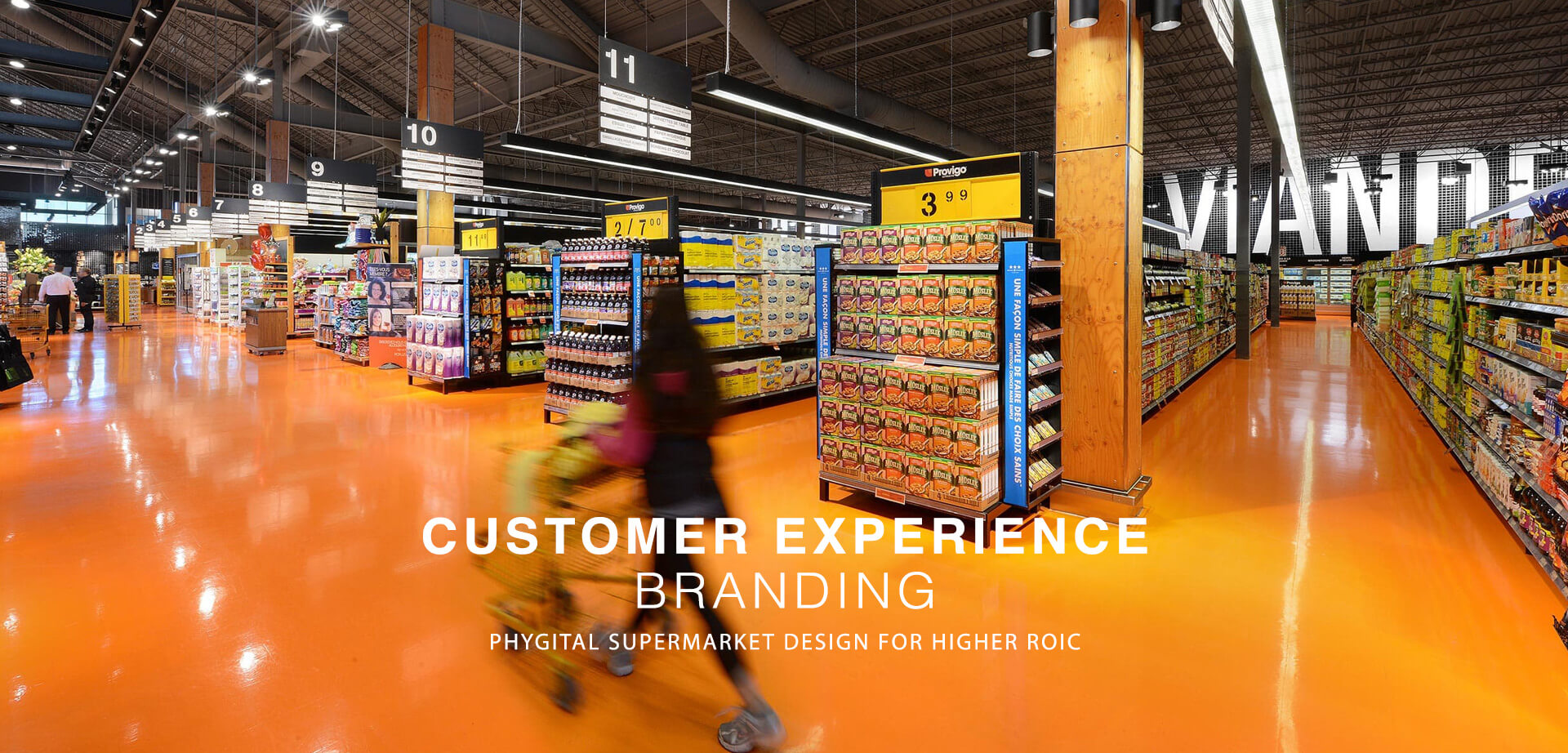
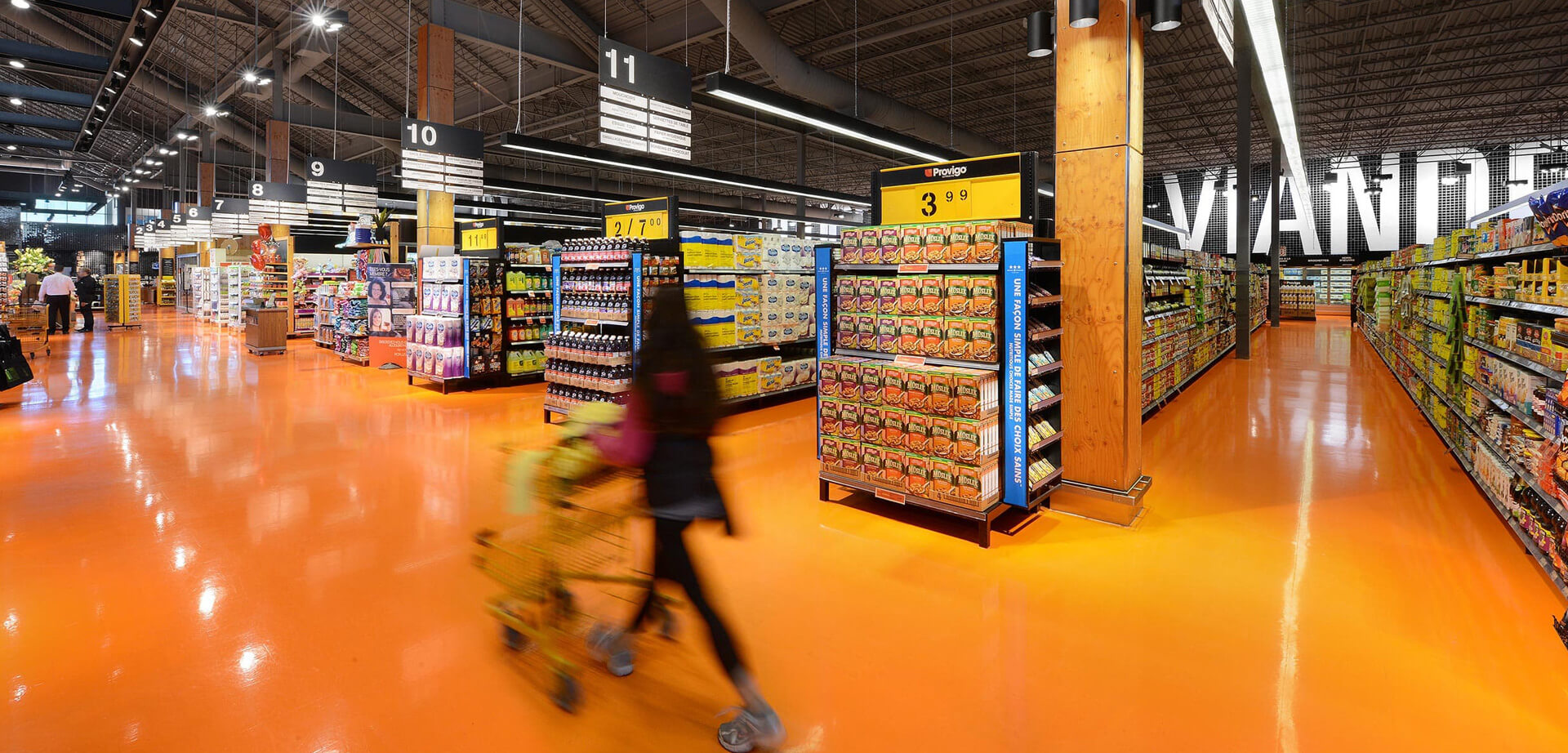
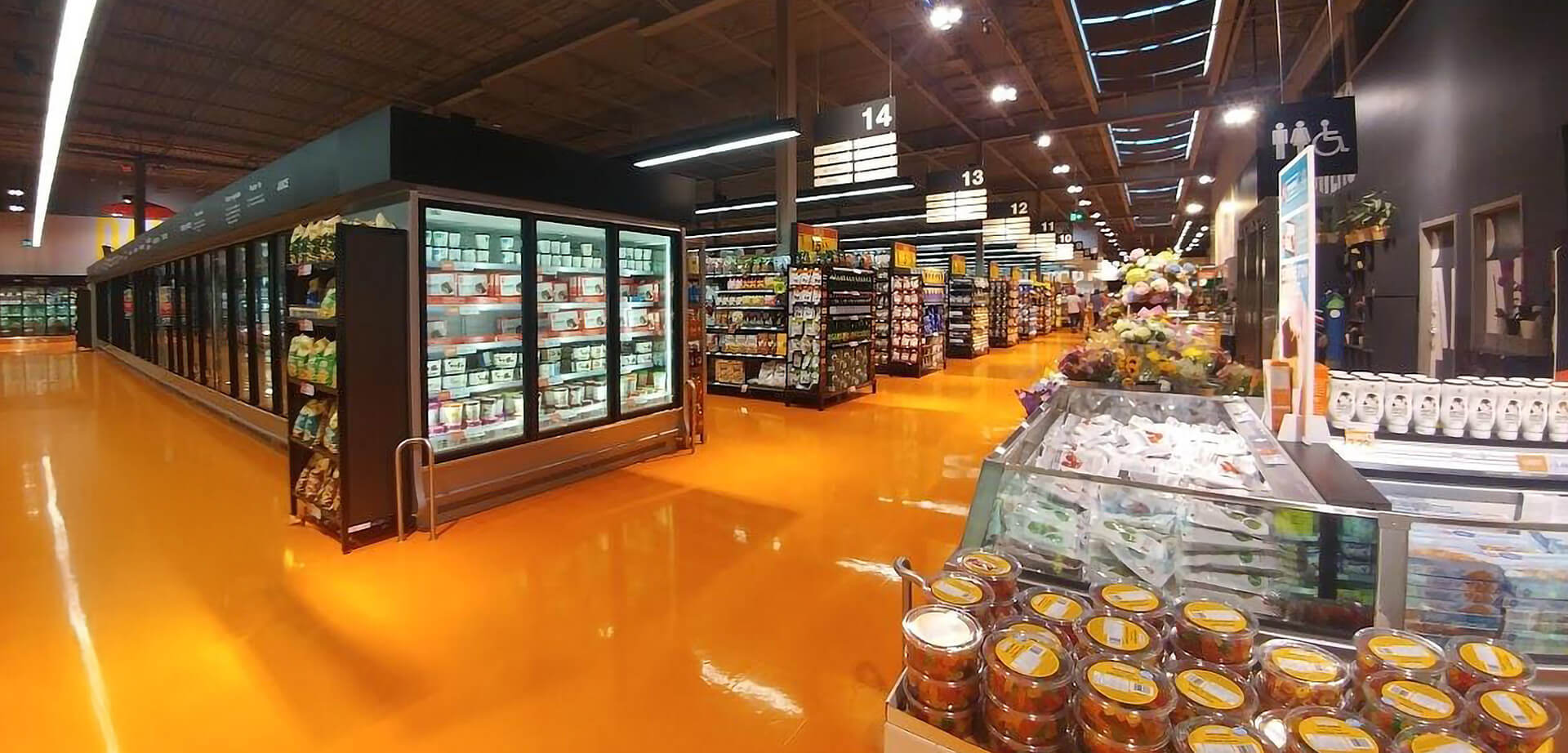
The interior view of a Provigo Le Marché grocery store in Quebec, Canada. Provigo is a member of the Loblaw group, Canada's largest food retailer.
Modular supermarket formats turn design into a scalable commercial asset
A successful supermarket concept should not need to be reinvented every time it enters a different location.
The commercial value lies in creating repeatable design principles, modular components and flexible planning systems that can adapt to different footprints while maintaining the same strategic proposition.
This is particularly important for supermarket groups managing large portfolios containing multiple store sizes and customer missions.
How CampbellRigg helps
CampbellRigg converts the strategic proposition into a modular supermarket format system.
Repeatable components can include:
- customer-entry experience
- navigation and wayfinding
- fresh-food destinations
- promotional zones
- category architecture
- food-to-go
- checkout and service
- digital touchpoints
- signage and communications
- local-branding elements
- materials and graphic systems
These modules can then be adapted according to footprint, customer mission and investment level.
The benefit is a controlled route from concept to rollout.
Management can invest in a proven strategic and design system rather than repeatedly commissioning bespoke solutions for individual stores.
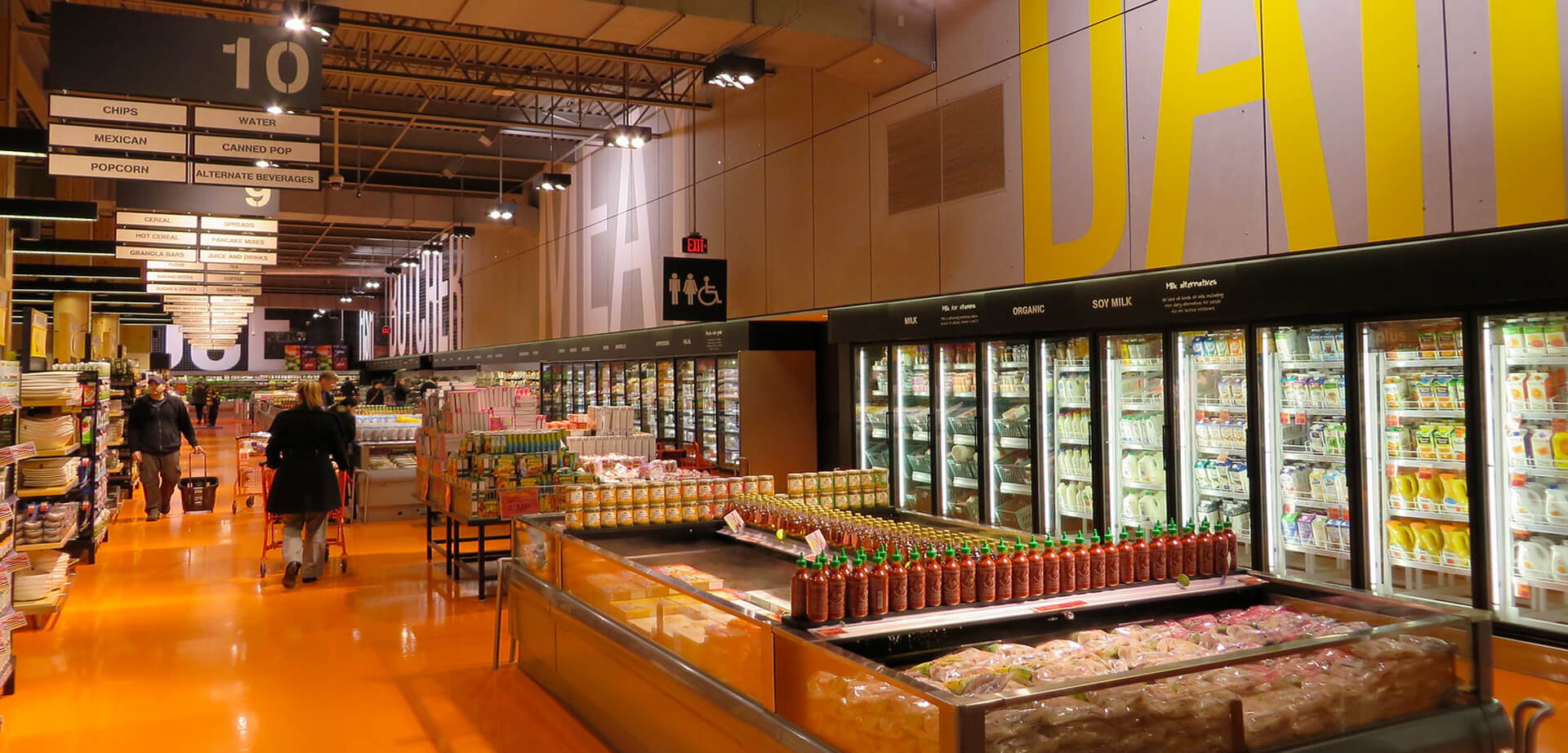
Case study: Loblaws: Scale with local relevance
Loblaws provides a useful example of how a major grocery group can combine scale with differentiated formats.
Its portfolio includes large-format stores such as Loblaws and Real Canadian Superstore, value-led No Frills stores and more urban or neighbourhood-oriented formats including CityMarket and Your Independent Grocer.
The strategic lesson is not that every retailer should copy these formats.
It is that format diversity can allow a supermarket group to match proposition and investment to different customer missions and catchments.
The commercial logic is a balance between scale efficiency and local relevance.
For capital efficiency, this is important: the retailer can deploy different formats rather than forcing every location to support the same proposition.
Loblaws also demonstrates how value, quality, fresh food, private-label products and loyalty can be combined within a broader supermarket portfolio.
The lesson for supermarket CEOs is clear:
The most efficient estate is not necessarily the most standardised estate. It is the estate in which each format has a clearly defined commercial role.
Technology should improve economics, not become the proposition
Technology is increasingly embedded in grocery, but the commercial question is not how much technology a supermarket contains.
It is whether technology improves:
- availability
- labour productivity
- convenience
- personalisation
- inventory efficiency
- waste reduction
- customer frequency
- sales
McKinsey's 2026 research shows why this distinction matters: AI and automation are strategic priorities for many grocery CEOs, yet most have not reported measurable EBIT impact so far.
How CampbellRigg helps
CampbellRigg treats technology as part of the customer and operational ecosystem, rather than as a decorative digital layer.
We connect:
- digital discovery
- loyalty
- personalised offers
- product information
- self-service
- checkout
- fulfilment
- store operations
- customer data
- physical navigation
The objective is to identify where technology should improve the commercial proposition and where it should remain invisible.
For management, this creates a clearer relationship between technology investment, customer behaviour and retail performance.
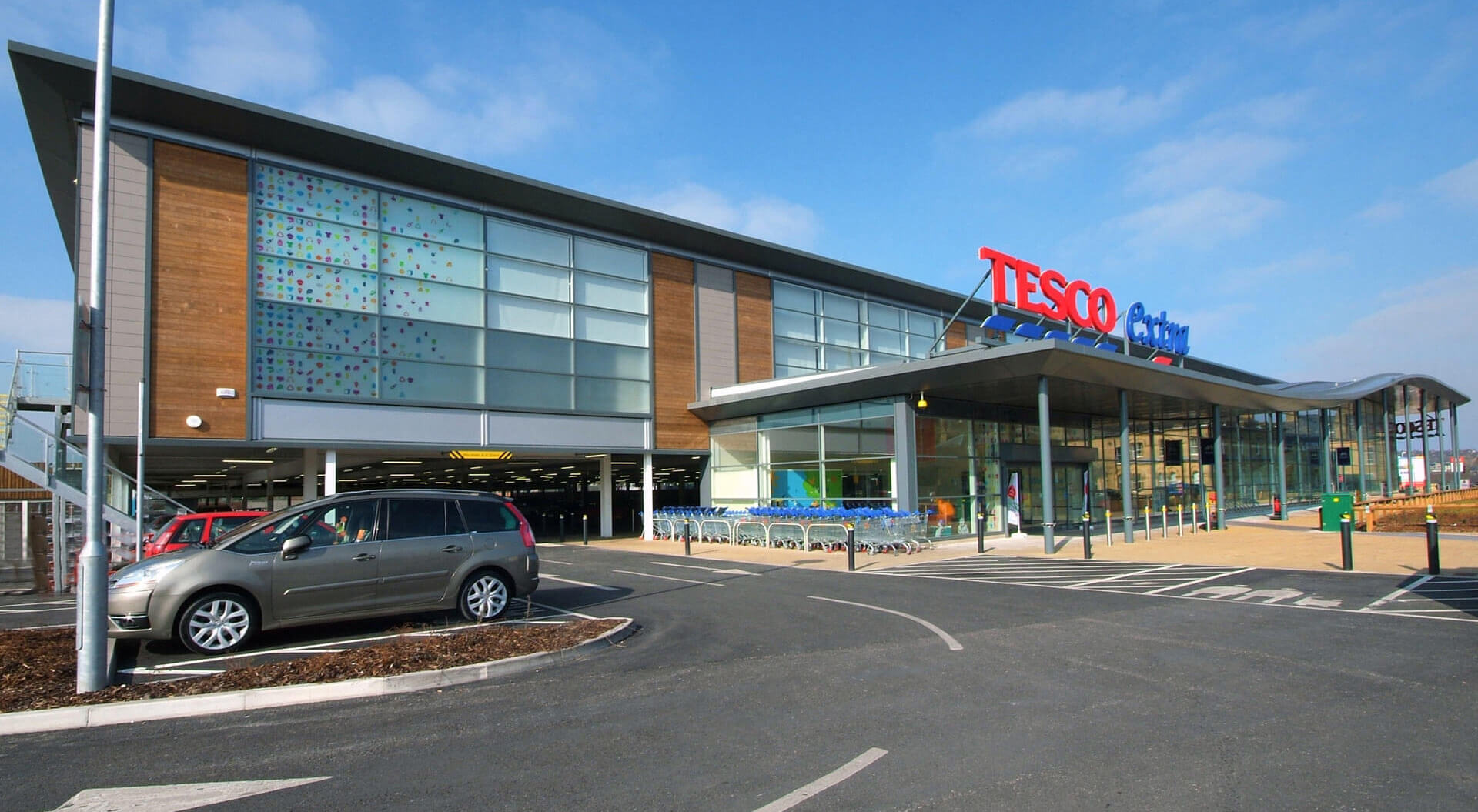
Tesco Hypermarket: Transforming the Customer Experience Through Scalable Retail Design
CampbellRigg's work with Tesco demonstrates how strategic hypermarket design can connect customer experience, retail planning, brand communication and commercial performance across a large-scale supermarket environment.
The challenge was to create a retail environment capable of managing the complexity of a major hypermarket while making the customer journey clearer, more engaging and commercially effective.
CampbellRigg developed an integrated approach combining retail strategy, customer journey planning, store layout, visual merchandising, brand environment, in-store communications and wayfinding. Rather than treating these disciplines as separate design commissions, the work connected them into a coherent retail experience capable of being applied within the wider Tesco environment.
The significance for supermarket management is the integration of strategy and implementation.
A hypermarket must accommodate multiple shopping missions, extensive product categories and complex customer journeys while maintaining a clear brand proposition. The physical environment therefore needs to work simultaneously as a commercial selling system, a navigation system and a brand experience.
Management lesson
A successful hypermarket format is not simply a large supermarket with more products. Its value comes from creating a clear, commercially effective and repeatable customer experience across a complex retail environment.
The Tesco project provides a relevant CampbellRigg proof point for the relationship between hypermarket format strategy, customer journey, merchandising, brand communication and scalable retail implementation.
https://campbellrigg.com/work/supermarkets/tesco-hypermarket-retail-design-and-branding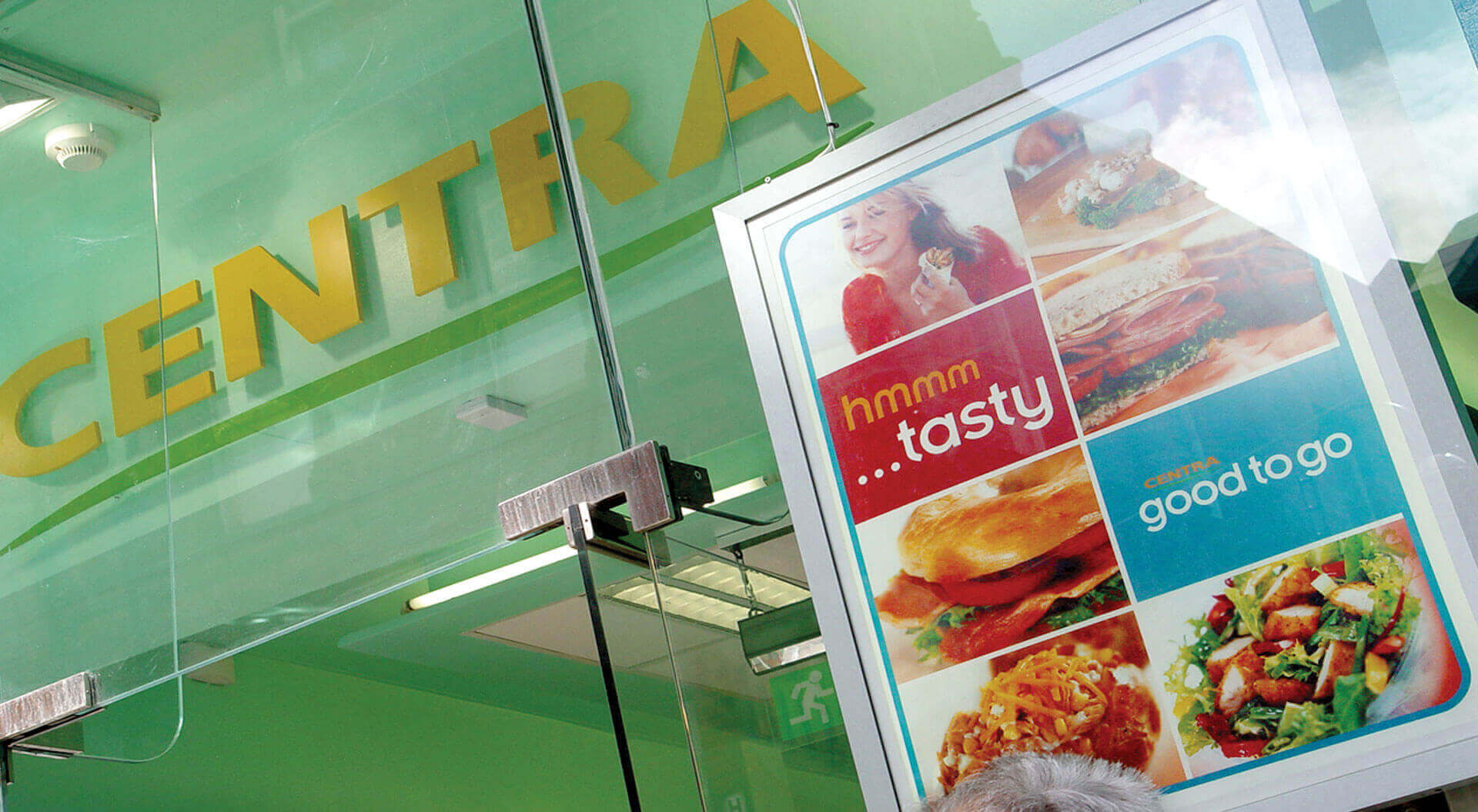
Centra: converting format strategy into measurable sales performance
CampbellRigg's work with Centra in Ireland demonstrates how a clearly defined convenience proposition can connect format planning, brand identity, food-to-go merchandising and customer experience.
Working with Musgrave, CampbellRigg developed the Centra Good to Go concept, including a dedicated serve-over proposition, fresh coffee, hot food, chilled and impulse ranges, self-service food-to-go and supporting brand communications.
The format and product offering exceeded all sales targets, and the award-winning concept was subsequently rolled out across the Centra network in the Republic of Ireland.
This is particularly relevant to capital-efficient supermarket strategy because it demonstrates the commercial value of connecting: customer need → proposition → format → layout → merchandising → brand → rollout.
The project was designed around specific customer requirements, including home-meal replacement and top-up shopping in a busy convenience market.
Management lesson
A scalable retail format should be judged not simply by how it looks, but by whether the proposition can generate commercial performance and subsequently be deployed across a wider network.
https://campbellrigg.com/work/supermarkets/centra-convenience-supermarket-retail-design
Customer experience must become a measurable commercial lever
Experience-led retail is sometimes presented as an aesthetic objective.
For supermarket management, its value needs to be more concrete.
The physical environment can influence:
- dwell time
- category discovery
- basket size
- shopping frequency
- loyalty
- perceived value
- trust
- premiumisation
- food-to-go sales
- private-label engagement
Fresh food, prepared meals, bakery, hospitality and local products can become destinations rather than simply departments.
How CampbellRigg helps
CampbellRigg connects customer experience design to the commercial role of each zone.
We analyse how customers enter, orientate, discover, compare, select and purchase, then translate those behaviours into spatial planning, identity, graphics, materials, lighting, merchandising environments and communications.
The objective is to make the commercial proposition easier to understand and easier to buy.
This is particularly important as supermarkets compete for immediate-consumption and food-to-go occasions.
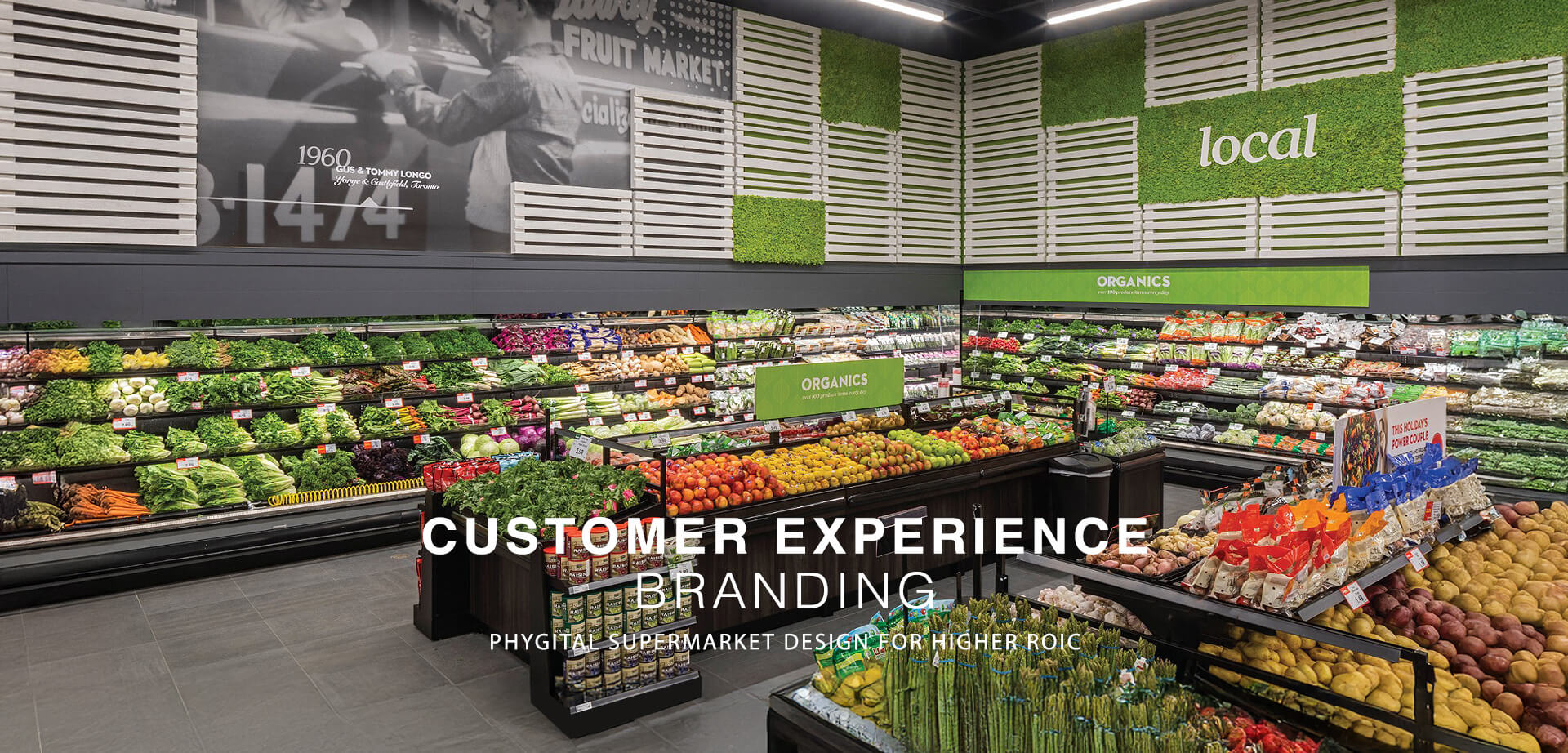
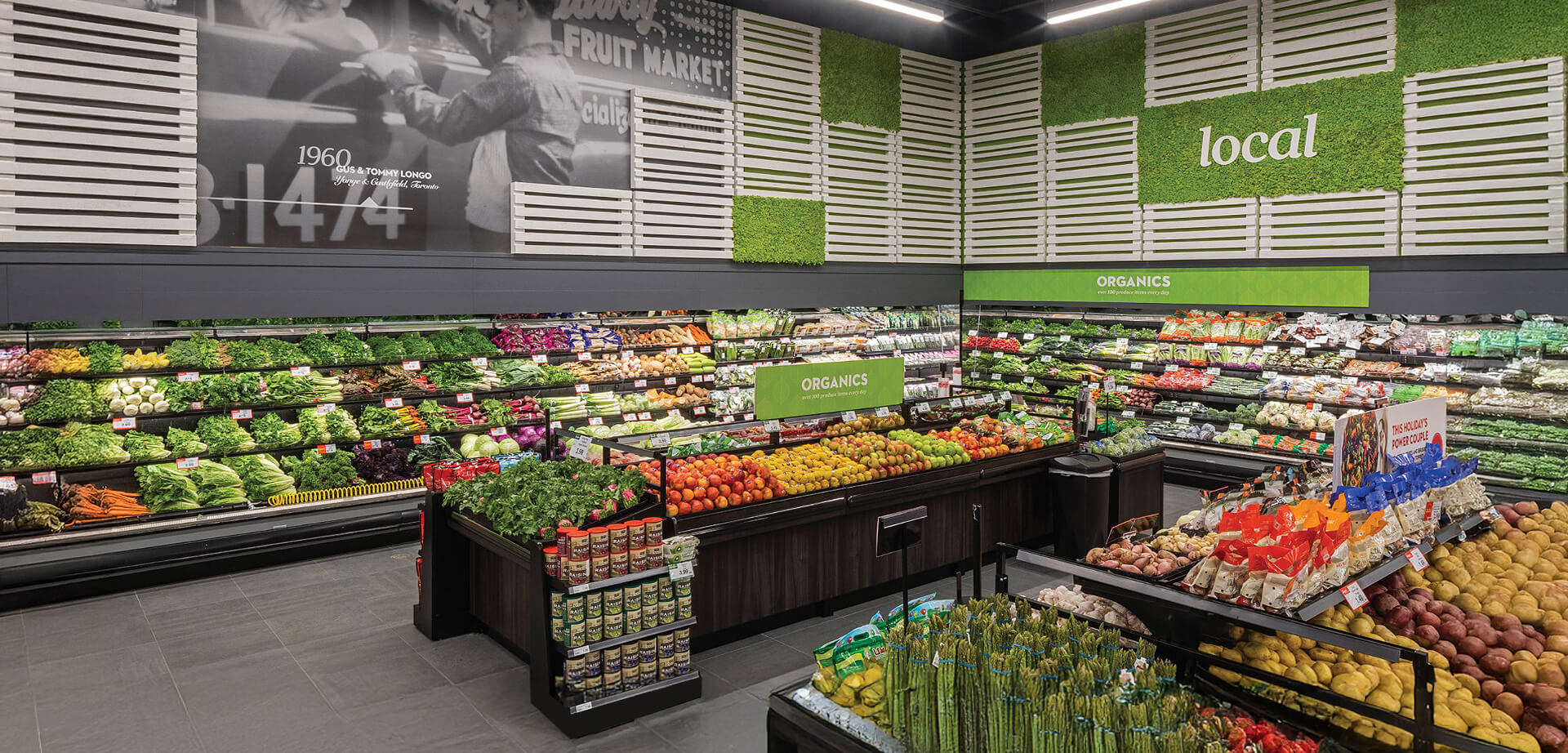
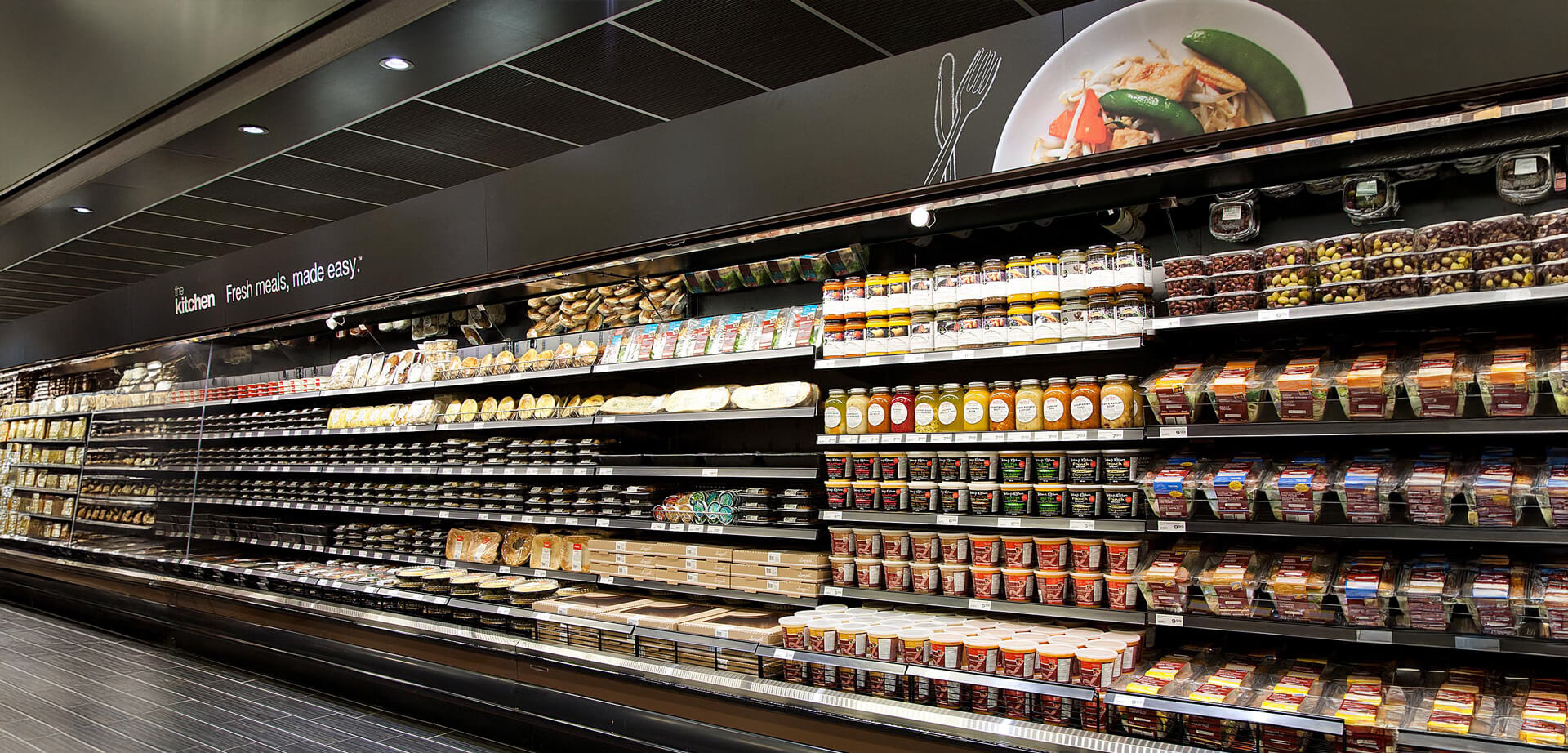
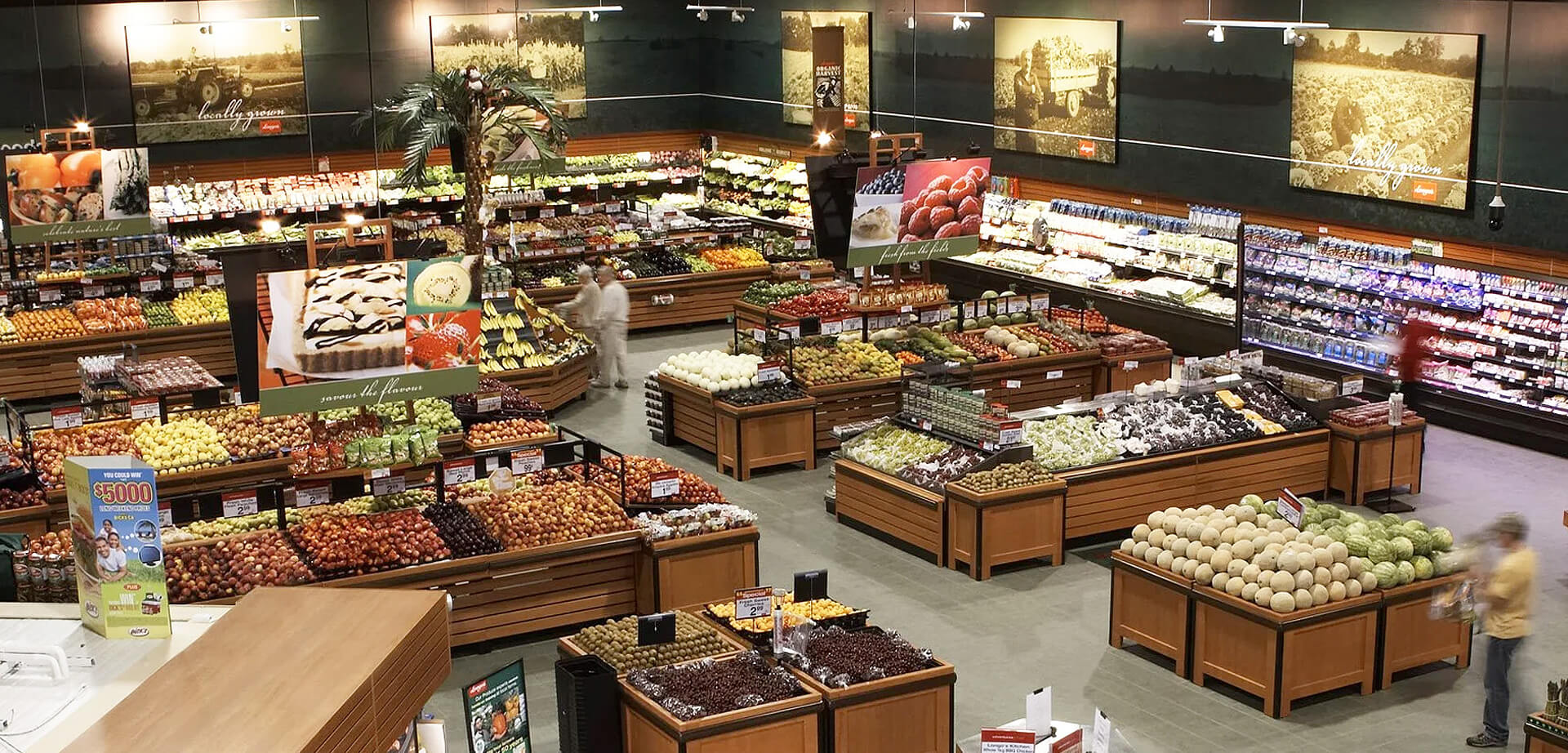
Above:Longo's, a Canadian grocery chain, showcasing its fresh produce department and Below : ready prepared meals section branded as "The Kitchen: Fresh meals, made easy."
From strategy to rollout: the network is the real asset
A supermarket strategy only becomes commercially valuable when it can be implemented consistently.
This is where retail programmes can become fragmented. Brand teams may develop one direction, property teams another, operations another, and designers may then be asked to reconcile everything at store level.
CampbellRigg begins by connecting these disciplines rather than treating them as separate design commissions.
How CampbellRigg helps
Our multidisciplinary capability brings together:
- supermarket strategy
- brand auditing
- brand positioning
- brand architecture
- retail identity
- format planning
- customer experience
- interior architecture
- graphic communication
- wayfinding
- design development
- rollout guidelines
- implementation support
The strategic proposition therefore survives the journey from management decision to physical store.
The benefit is one coherent system connecting management objectives to the retail network.
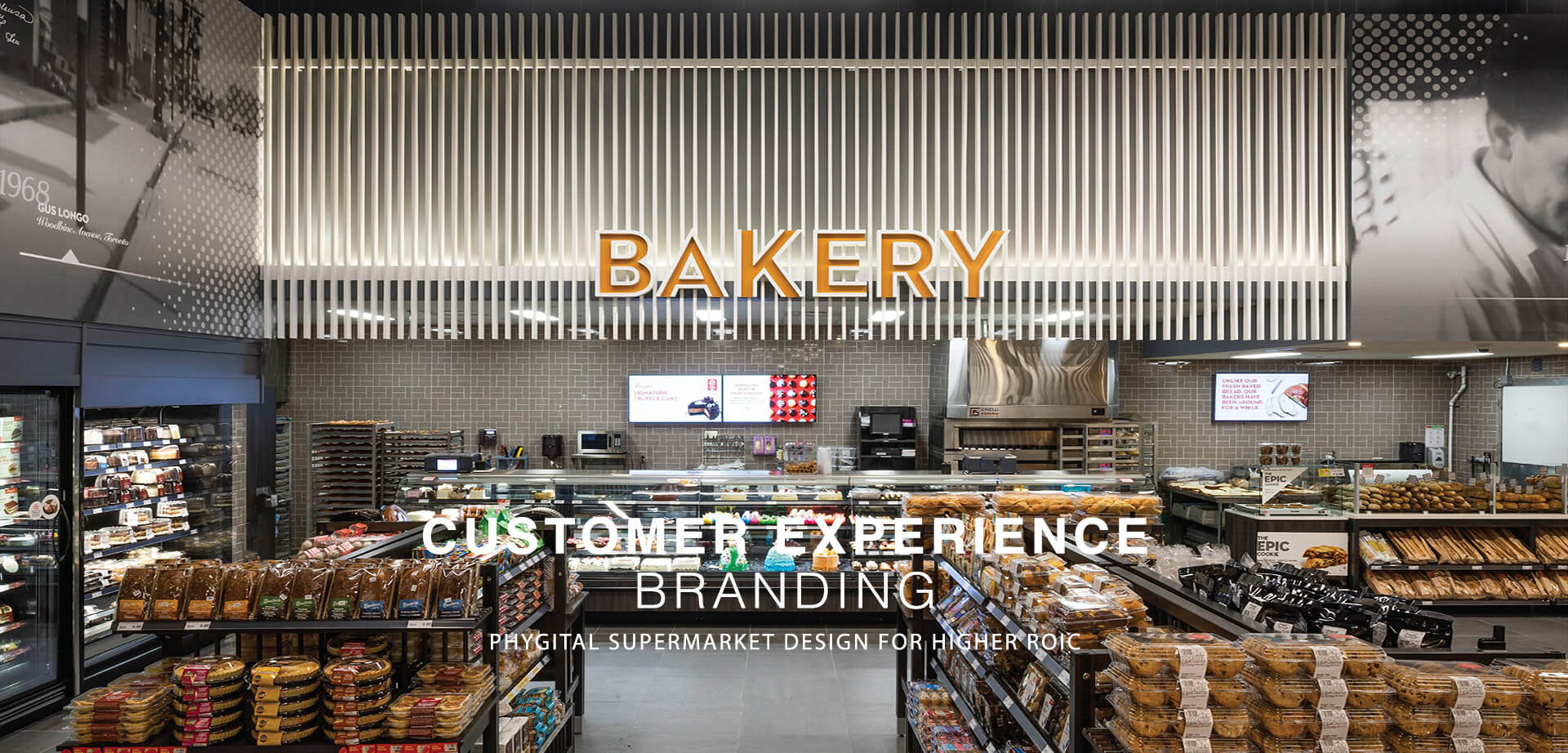
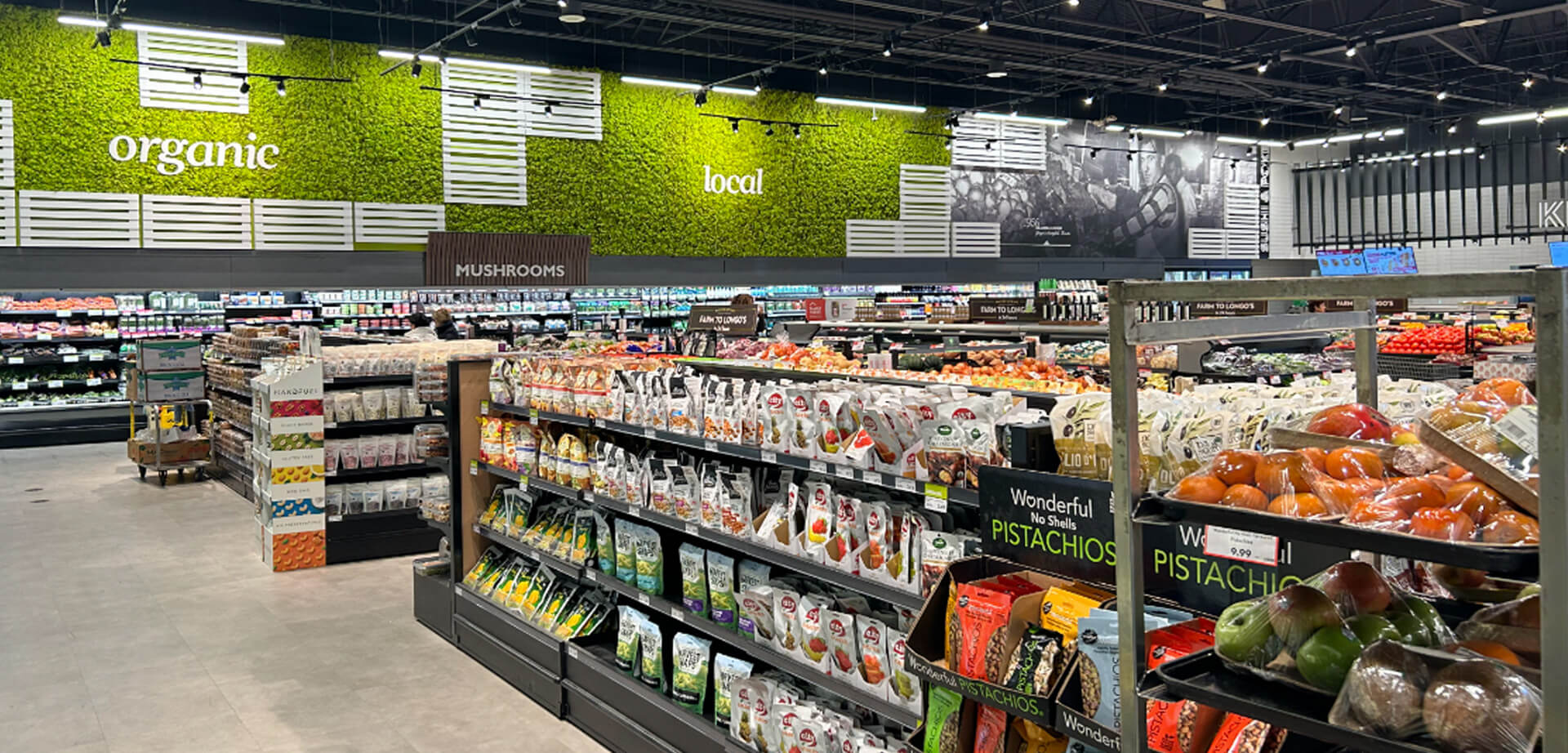
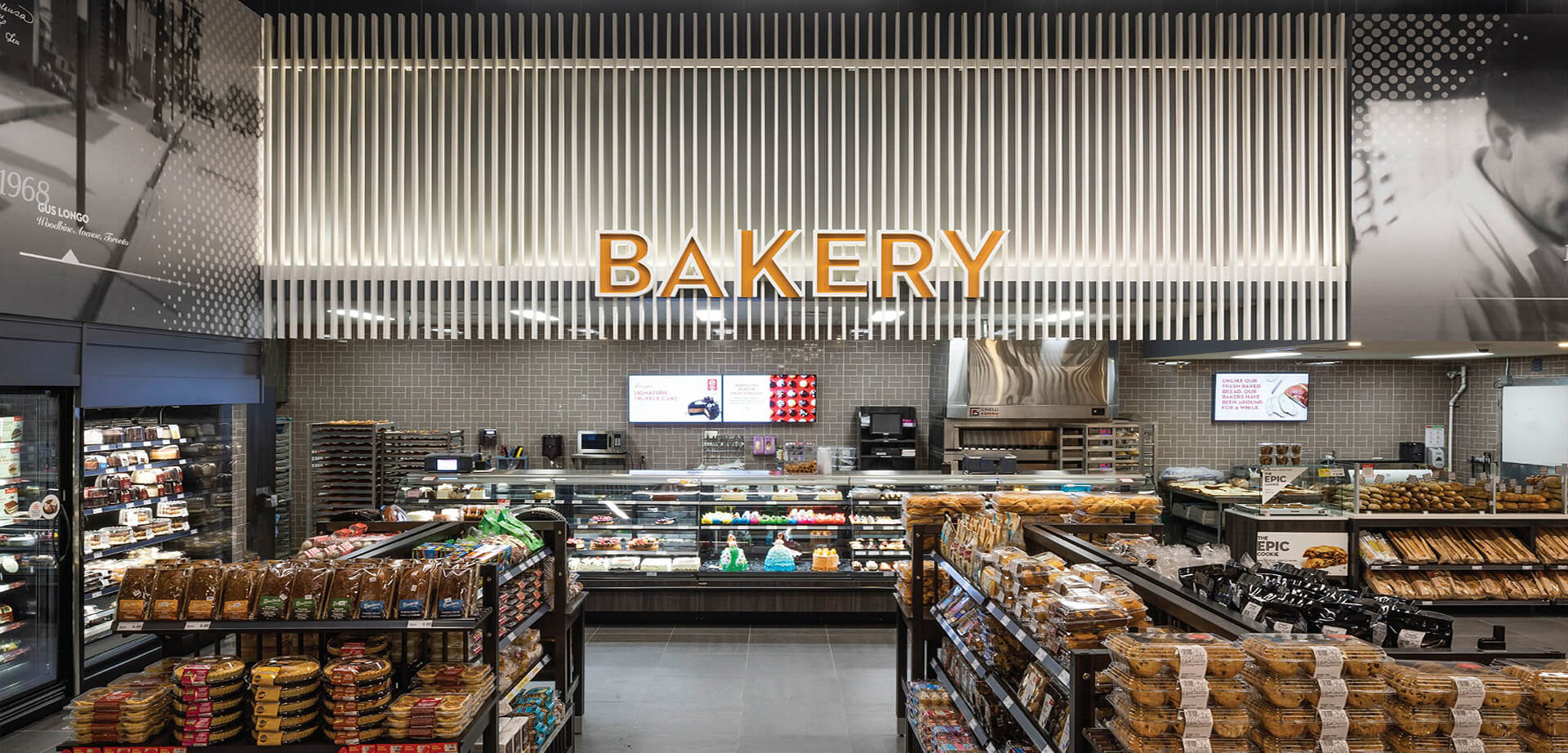
Longo's store design features in-store bakery, kitchens with ready-to-eat meals, salad bars, and various premium services, reflecting a focus on the customer experience.
Case study: Longo's: Experience as a commercial proposition
Longo's provides a different lesson.
The Canadian grocery retailer has built a differentiated proposition around fresh food, local relevance and experience-led environments.
Its stores incorporate fresh produce, bakery, prepared meals and foodservice-oriented elements, creating a supermarket environment that goes beyond basic grocery replenishment.
The strategic lesson is that experience does not have to be treated as a purely aesthetic investment.
When experience is connected to fresh food, prepared meals, hospitality and differentiated ranges, it can support commercial objectives including basket value, customer engagement and loyalty.
For supermarket operators, the important question is therefore not: “Should we create an experiential supermarket?”
It is: “Which experiences create measurable value for our target customers and justify the space and investment required?”
That distinction keeps experience aligned with ROIC.

The 2027–2029 supermarket management agenda
The strategic direction is becoming clearer.
Supermarket operators will need to manage five priorities simultaneously:
Capital efficiency
Allocate investment according to format economics, customer opportunity and expected commercial return.
Hyper-local relevance
Adapt the brand and customer experience to different catchments without fragmenting the master brand.
Modular formats
Create repeatable systems rather than repeatedly funding bespoke store concepts.
Technology ROI
Connect AI, data and digital investment to measurable operational and commercial outcomes.
Experience-led differentiation
Use physical retail to build discovery, convenience, trust, loyalty and incremental revenue.
The strongest networks will not necessarily be those with the most technology or the most spectacular flagship stores.
They will be the networks capable of translating intelligence into relevance, relevance into customer action, and customer action into repeatable commercial return.

Victoria Supermarkets: building a brand architecture for a retail network
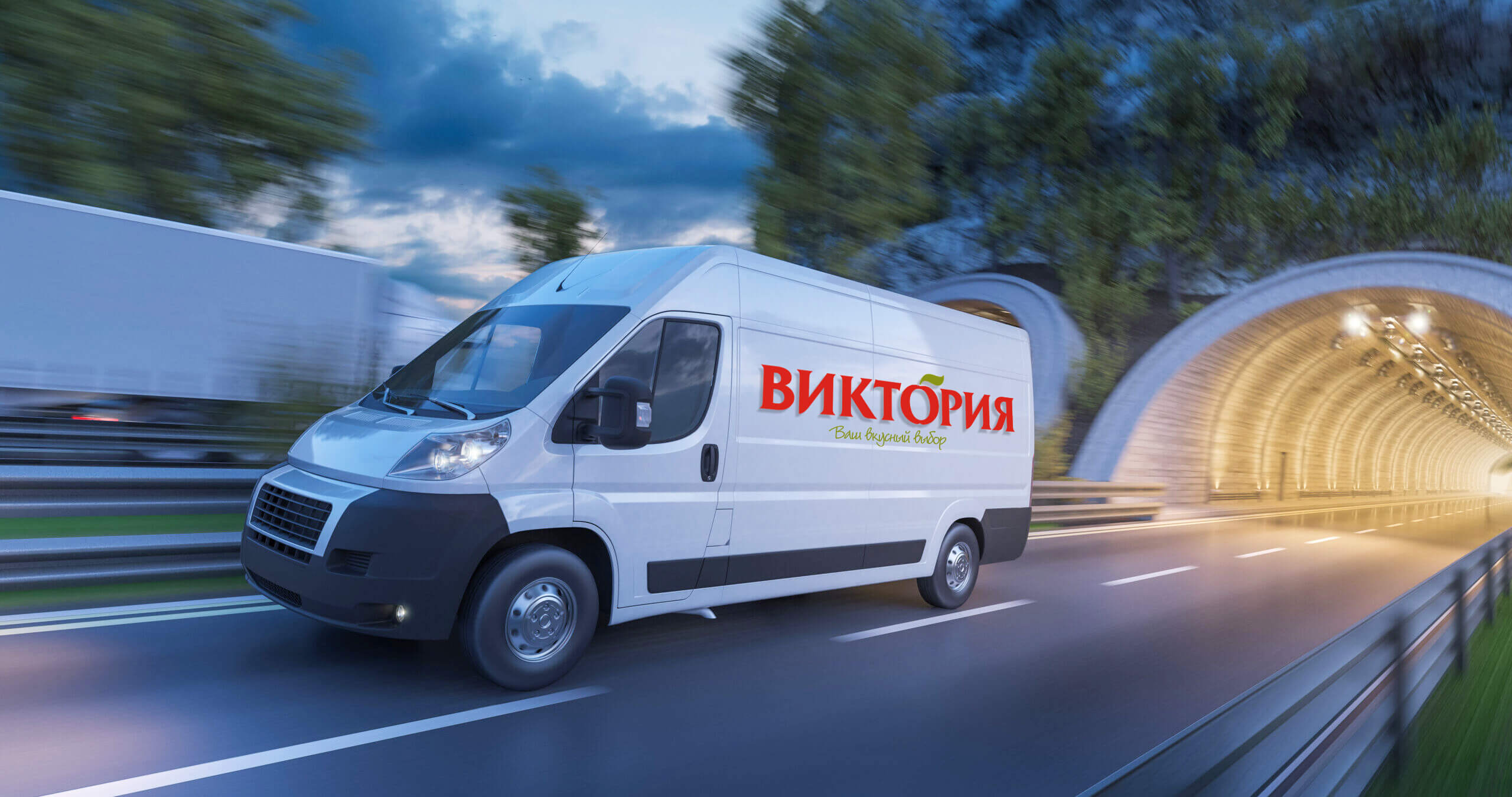
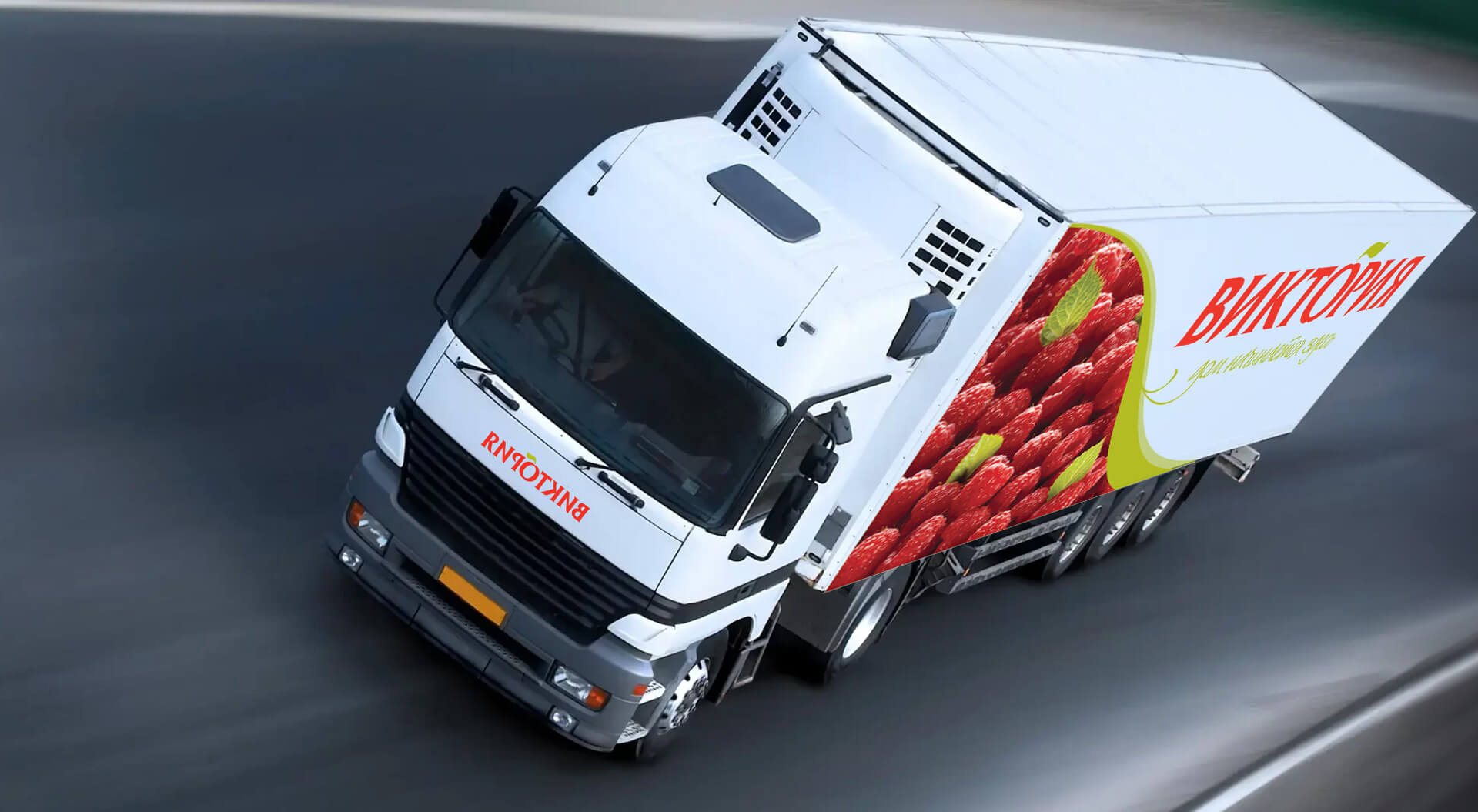
CampbellRigg's work with Victoria Supermarkets in Russia provides a further example of the relationship between brand architecture and scalable retail implementation.
The programme combined brand strategy, retail network branding and store-format development rather than treating identity as an isolated graphic exercise.
CampbellRigg developed a refreshed brand identity and brand toolkit covering the master brand and two store-format sub-brands.
As Oleg Kunkov, Director General, Victoria Group, stated: “CampbellRigg helped develop a new creative concept for our retail network branding in Russia, including the master brand and two store format sub-brands.”
Management lesson
The value of brand strategy increases when it can govern multiple formats.
The objective is not to create disconnected store identities. It is to establish a brand architecture capable of supporting a retail network.

How CampbellRigg turns supermarket strategy into a scalable commercial system
CampbellRigg works with supermarket operators that need more than an attractive store concept.
We help management connect capital-efficient supermarket strategy, brand architecture, format planning, customer experience and retail design into one coherent programme.
Our approach is built around four stages:
1. Audit and define - We assess the existing brand, customer proposition, competitive environment and retail estate to identify strategic and commercial opportunities.
2. Build the strategy - We establish positioning, format architecture, customer-experience principles and the design brief required to create a differentiated and scalable network.
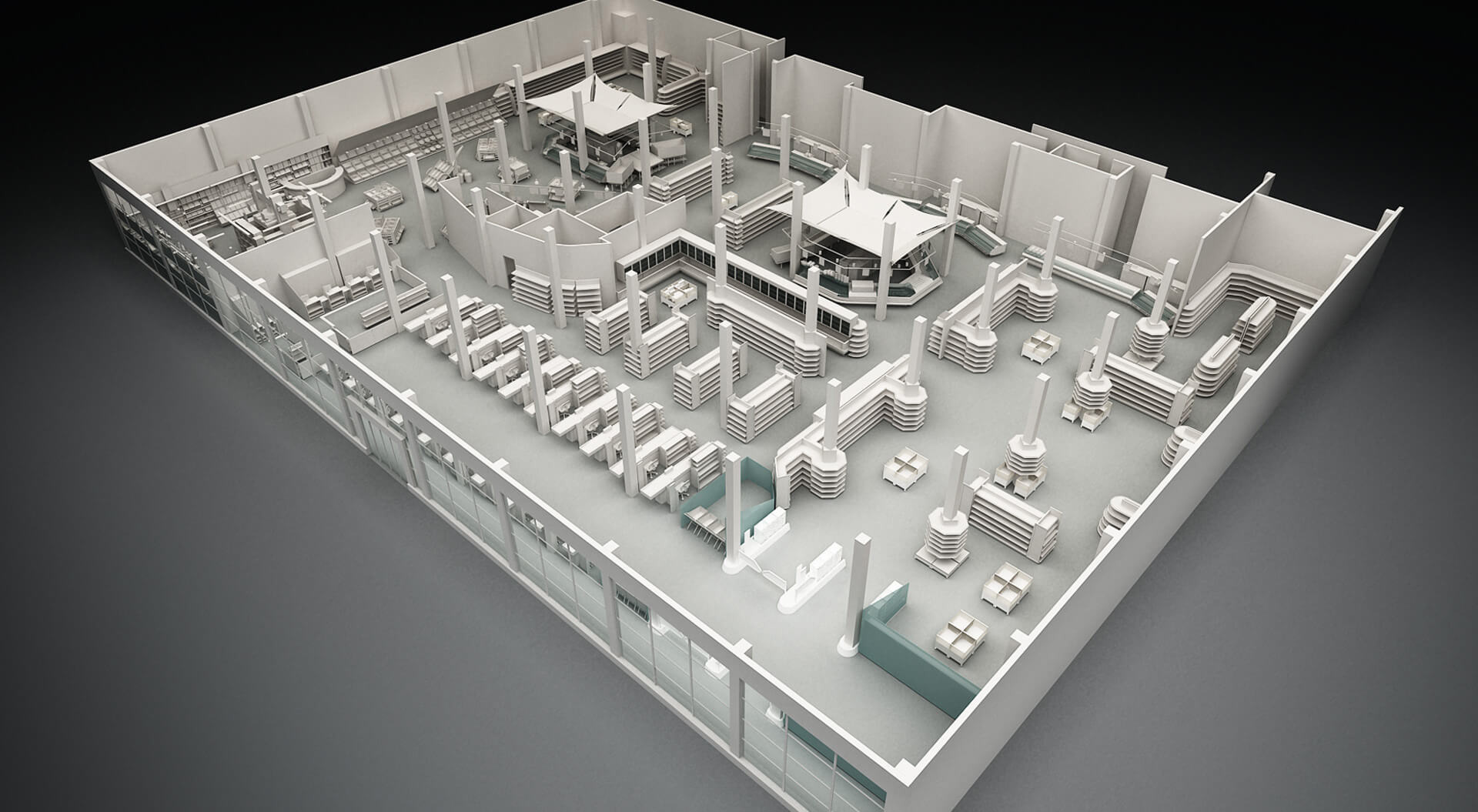
3. Design the system - Our strategists, architects, interior designers and graphic designers translate the strategy into modular physical and visual components.
4. Enable rollout - We develop guidelines and implementation frameworks that allow the concept to move from one successful environment to a repeatable network.
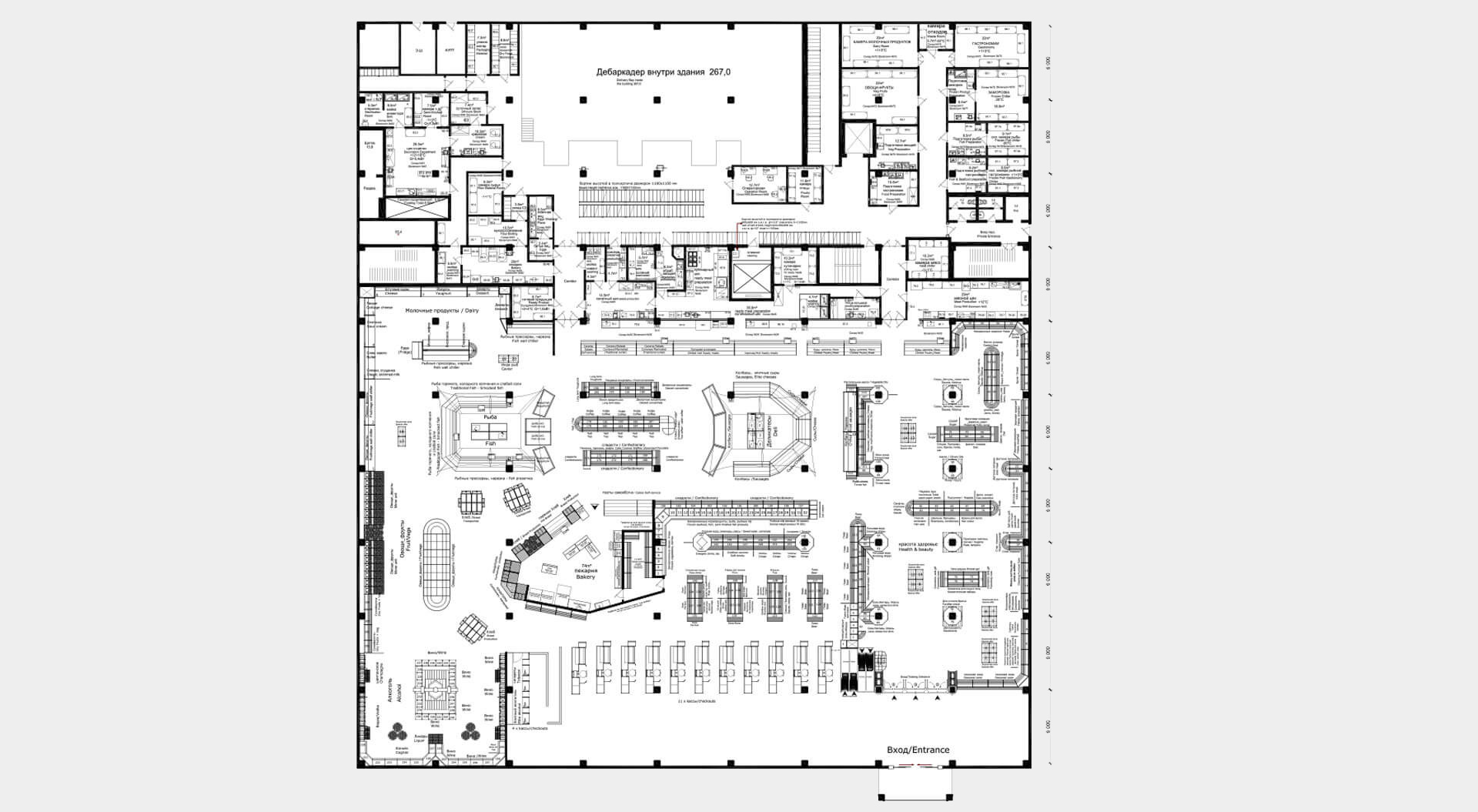
The commercial objective is straightforward: Make the investment in strategy and design work harder across the entire estate.
Start with the commercial question
If your supermarket network requires a clearer strategy for capital allocation, format development, brand differentiation, customer experience or scalable rollout, CampbellRigg can begin with a focused consultation.
Free consultation → Bespoke strategic brief → Format and brand system → Design development → Rollout
The objective is not simply to create a better supermarket.
It is to create a more scalable, measurable and commercially effective retail network.