News and Views
Shopping Mall Rebranding: How to Transform Underperforming Malls.




Shopping Mall Rebranding: Transform Underperforming Malls for Growth
Shopping mall rebranding is no longer simply about changing a logo, colour palette or advertising campaign. For an underperforming shopping centre, it can become a strategic process for diagnosing why an asset is losing relevance, repositioning its proposition and transforming the customer experience around stronger commercial opportunities.
Declining footfall, vacant space, weak tenant performance, outdated positioning and changing customer expectations can all indicate that a shopping mall needs more than cosmetic refurbishment. The real opportunity is to reposition the retail asset so that customers have stronger reasons to visit, explore, stay and return.
CampbellRigg provides shopping mall rebranding and retail asset transformation services, combining brand strategy, brand identity, tenant-mix strategy, architecture, interior design, placemaking, wayfinding and customer-experience design. The objective is to help transform an underperforming retail asset into a more relevant, distinctive and commercially productive destination.
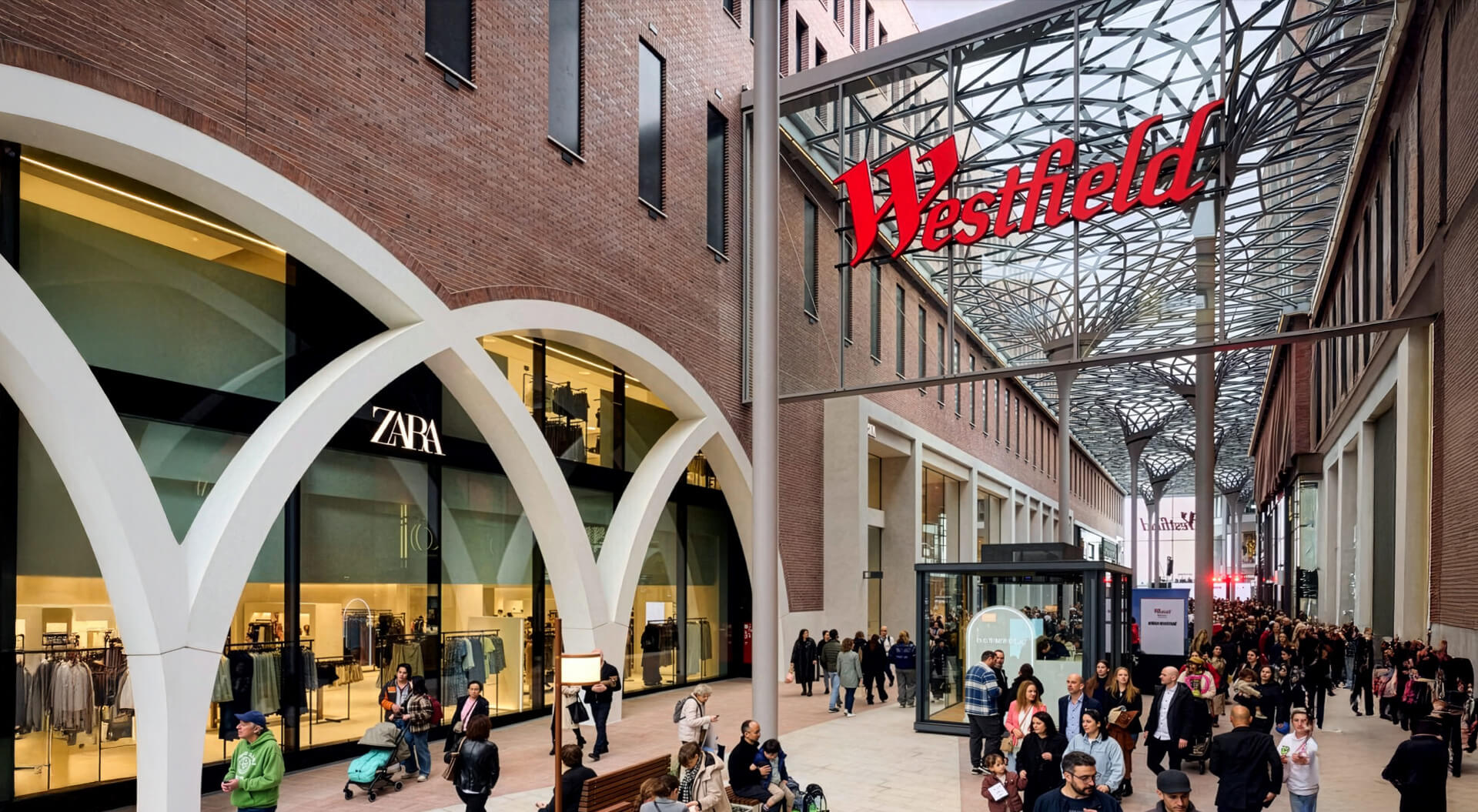
Shopping Mall Branding + Design + Tenant Mix + Placemaking + Food + Leisure + Smart Wayfinding → Drive Footfall
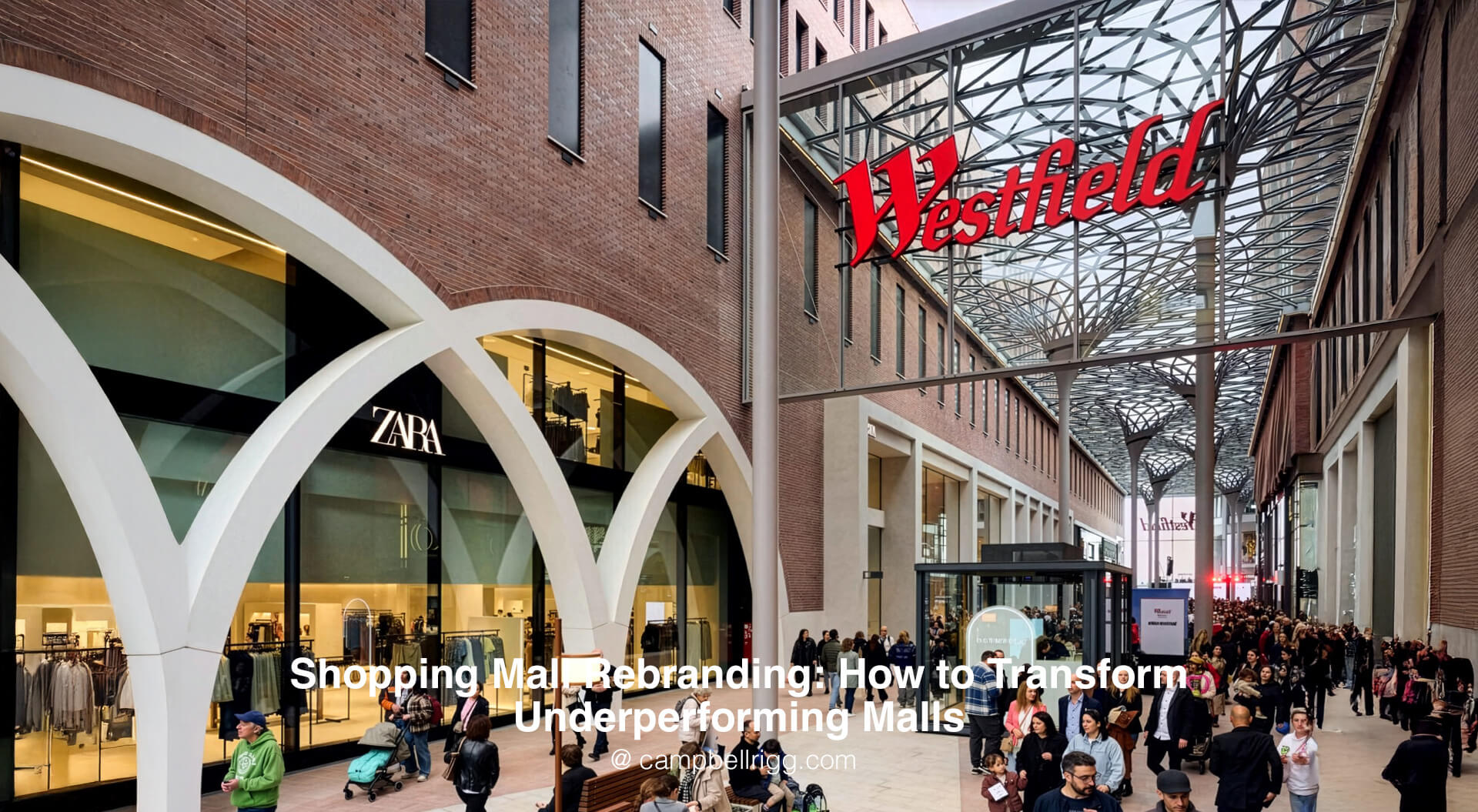
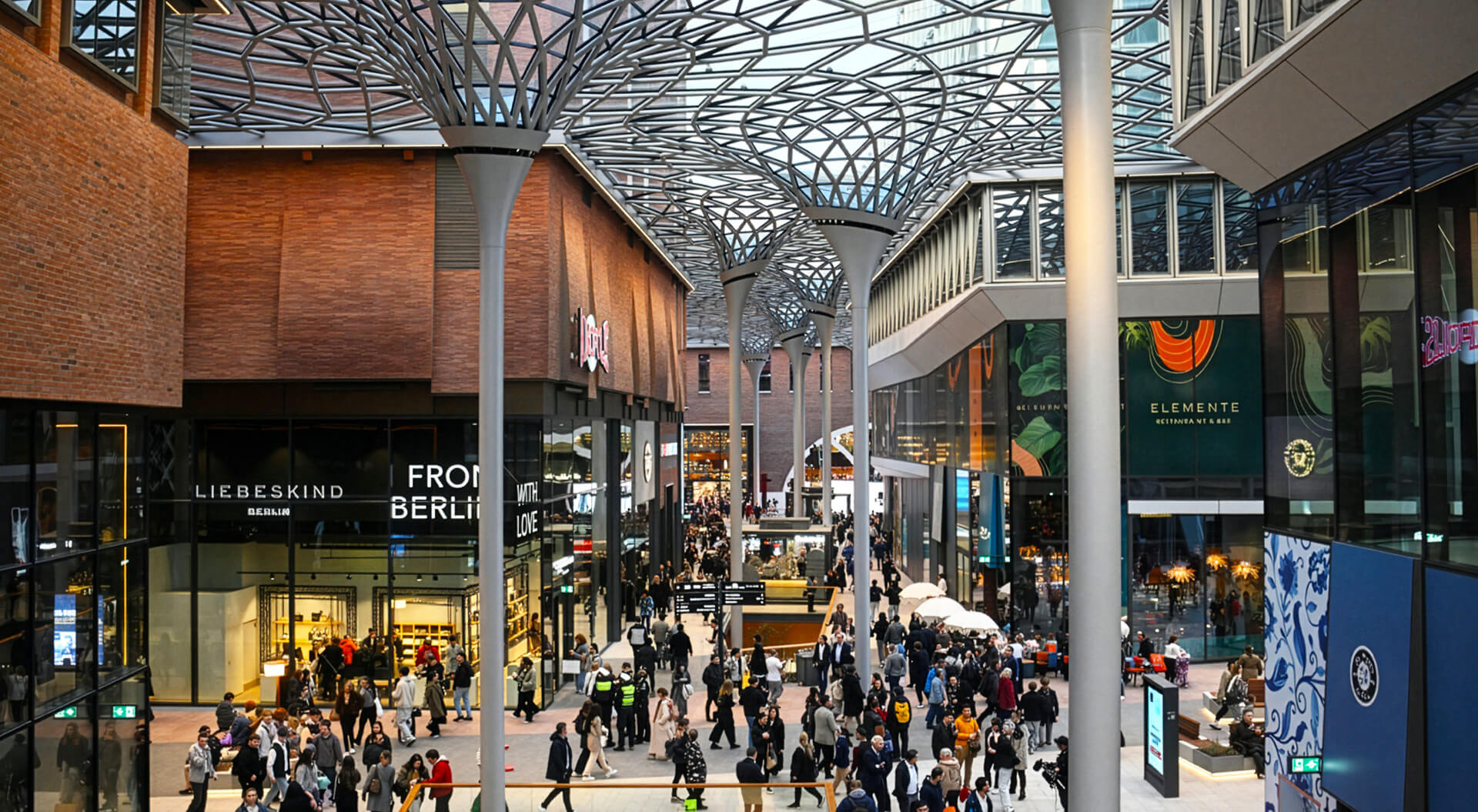
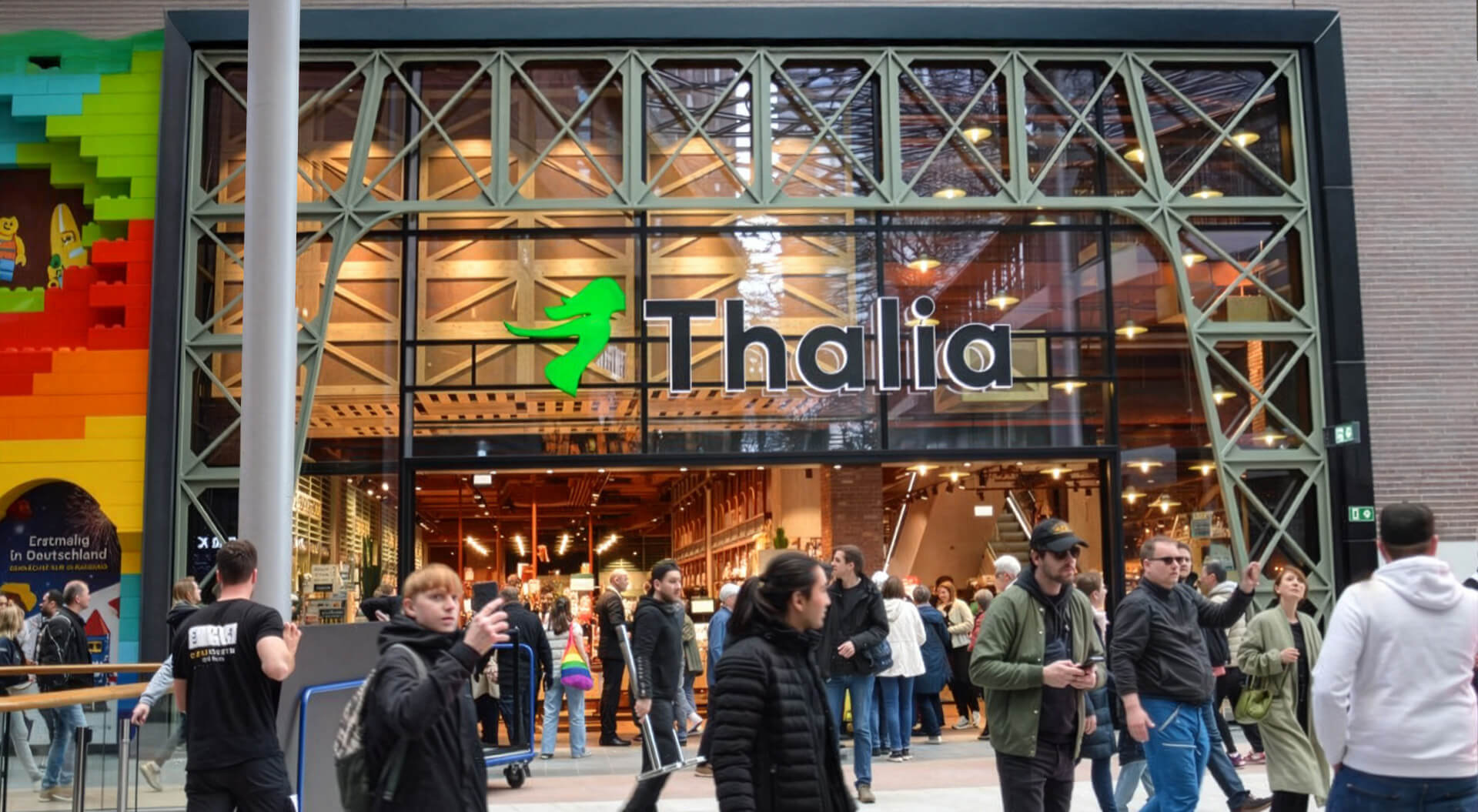
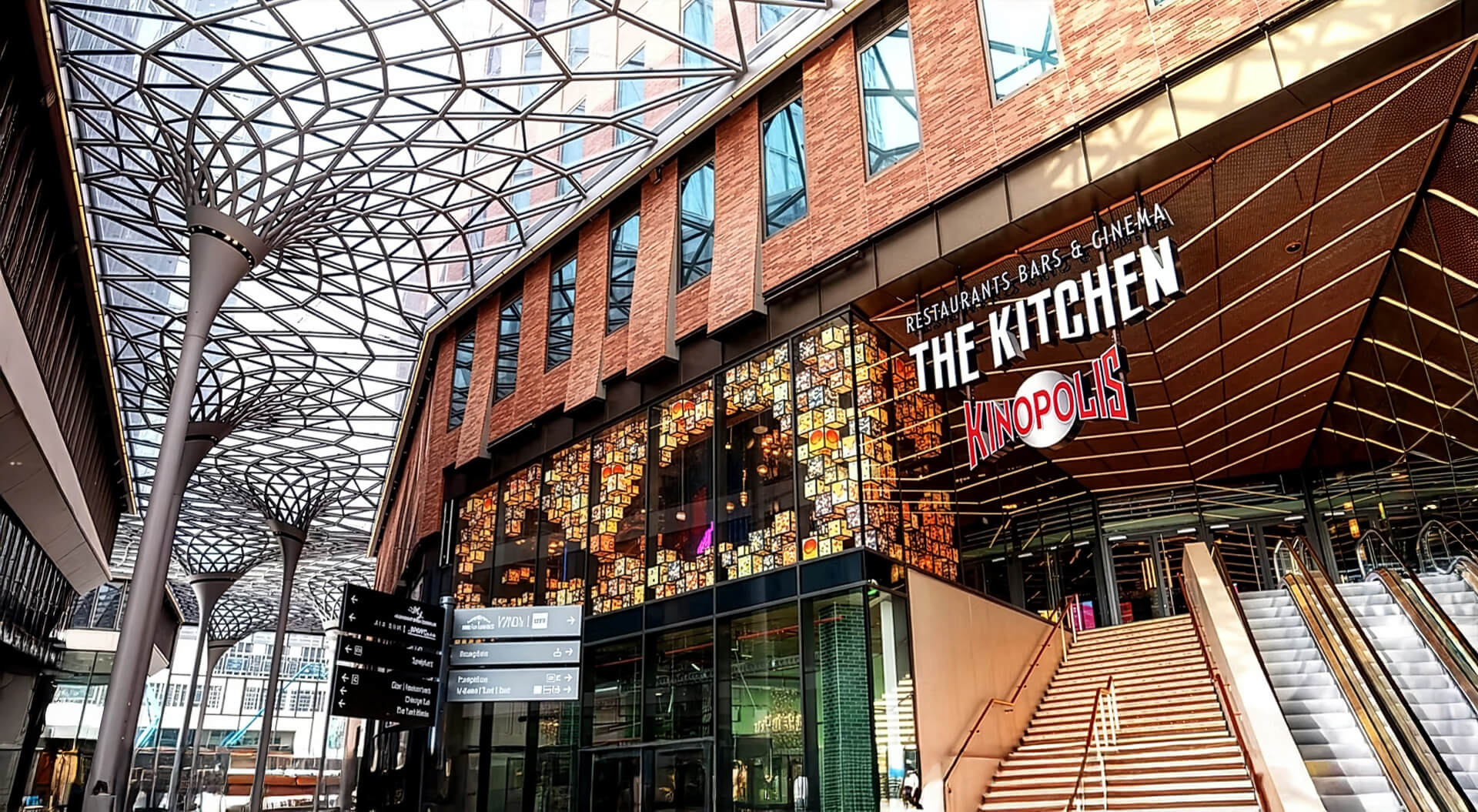
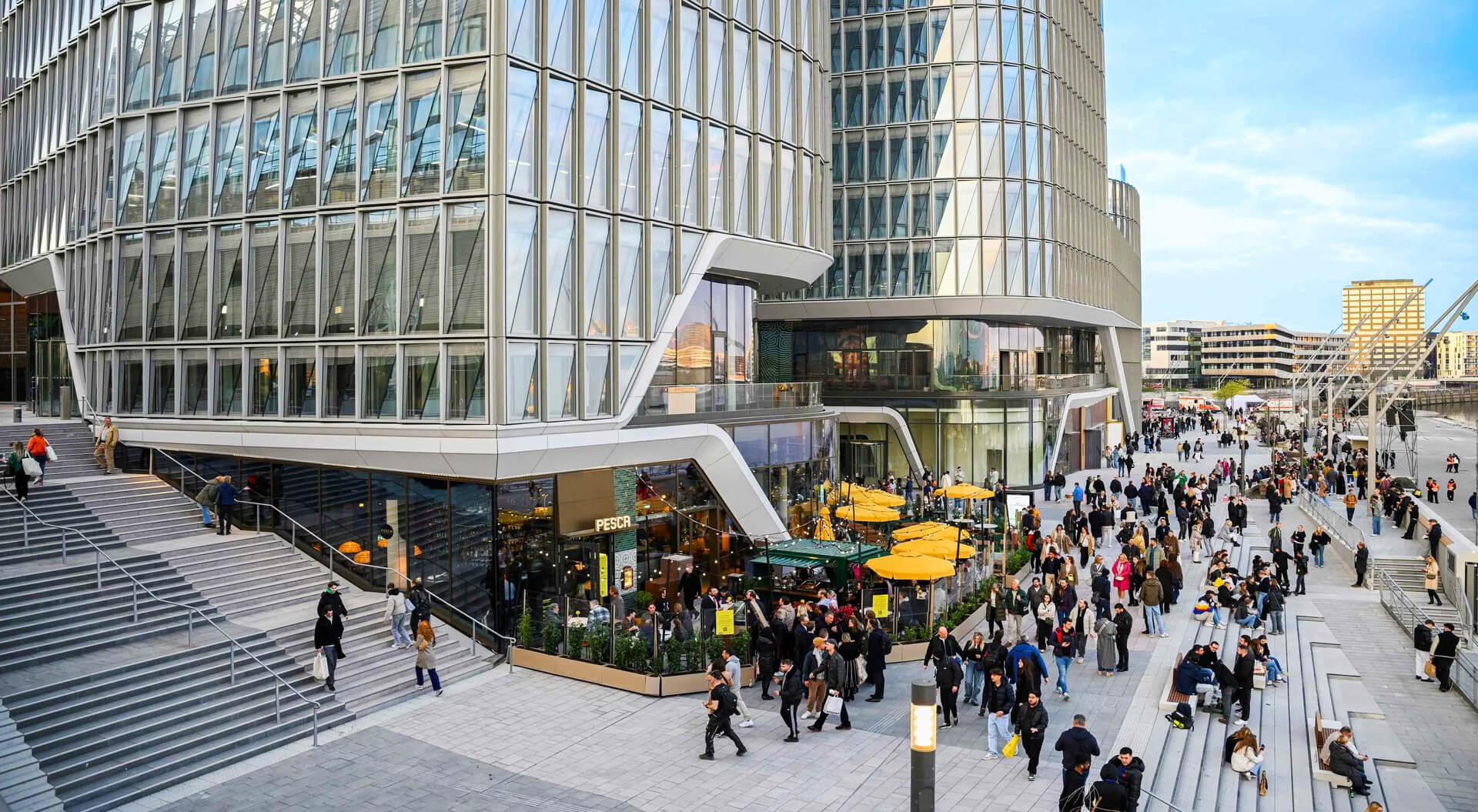
Westfield Hamburg-Überseequartier, which opened in April 2025, provides a compelling example of contemporary shopping mall branding. Its combination of lifestyle-led architecture and design, intelligent wayfinding, digital navigation, placemaking and customer experience demonstrates how the modern retail destination can be designed to increase footfall, dwell time, tenant visibility and commercial performance.
"The Westfield Mall Hamburg delivers destination creation."
What Is Shopping Mall Rebranding?
Shopping mall rebranding is the strategic repositioning of a shopping centre's brand, customer proposition and physical environment to make the destination more relevant, distinctive and commercially effective.
It can involve:
- Brand strategy and positioning
- Brand identity
- Customer and catchment research
- Tenant-mix strategy
- Architecture and interior design
- Placemaking
- Wayfinding and signage
- Food, leisure and entertainment
- Digital customer experience
- Events and community programming
- Marketing and destination launch
The critical distinction is that rebranding should address the underlying commercial problem rather than simply create a new visual identity.
A successful shopping mall rebranding strategy asks a more fundamental question: Why should customers choose this destination rather than another shopping centre, high street, retail park, leisure destination or online retailer?
The answer becomes the foundation for the transformation.
How Do You Know If a Shopping Mall Is Underperforming?
An underperforming shopping mall rarely has one isolated problem. Declining footfall may occur alongside weak tenant performance, rising vacancy, poor circulation, outdated positioning or a customer experience that no longer reflects its catchment.
Warning signs can include:
- Declining or stagnant footfall
- Rising vacancy or persistently weak zones
- Falling tenant performance
- An outdated or undifferentiated brand
- An unbalanced tenant mix
- Poor customer circulation
- Confusing wayfinding
- Low dwell time or repeat visitation
- An ageing food, leisure or entertainment offer
- Changing catchment demographics
- Stronger competing destinations
- Underused space that is difficult to lease
The diagnosis should determine whether the priority is brand repositioning, tenant-mix change, physical refurbishment, customer-journey improvement or an integrated combination.
This is why shopping mall rebranding should begin with diagnosis rather than design.
Shopping Mall Rebranding & Transformation Services
CampbellRigg works with shopping centre owners, property developers and asset managers to reposition retail destinations through integrated brand strategy, design and customer experience.
Services can include brand audits, positioning, brand identity, tenant-mix strategy, architecture, interiors, placemaking, wayfinding, signage, digital experience and destination design.
The approach connects creative decisions to commercial objectives including footfall, dwell time, tenant visibility, customer engagement, leasing potential and long-term asset value.
For an underperforming shopping centre, the objective is not simply to make the environment look newer. It is to create a stronger proposition and a more productive customer journey.
Eleven Strategies to Transform an Underperforming Shopping Mall
1. Conduct a Shopping Mall Brand Audit
A shopping mall brand audit should assess the entire customer and commercial ecosystem—not just the visual identity.
The audit should examine:
- Brand positioning and perception
- Catchment demographics and customer needs
- Competitor destinations
- Tenant mix and tenant performance
- Footfall by zone
- Entrances and arrival experience
- Architecture and interiors
- Customer circulation
- Wayfinding and signage
- Vacant and underused space
- Food and beverage
- Leisure and entertainment
- Public spaces
- Digital touchpoints
- Events and community relevance
Customer journeys should be mapped from the moment visitors approach the destination to the moment they leave.
Where do customers experience friction? Which entrances perform best? Where does circulation stop? Which stores act as anchors? Which zones are difficult to discover? Where could customers stay longer?
The result should be a prioritised transformation roadmap linking customer problems to commercial opportunities.
2. Define a New Brand Proposition
A rebranding programme needs a clear reason for the destination to exist.
A strong shopping mall brand proposition should answer three questions:
Who is it for? What makes it different? Why should people return?
The answer could centre on fashion, food, culture, entertainment, wellness, family experiences, technology, community or a carefully integrated combination.
“Another shopping centre” is not a proposition.
The new positioning should become the strategic filter for tenant acquisition, architecture, interior design, placemaking, wayfinding, communications and customer experience.
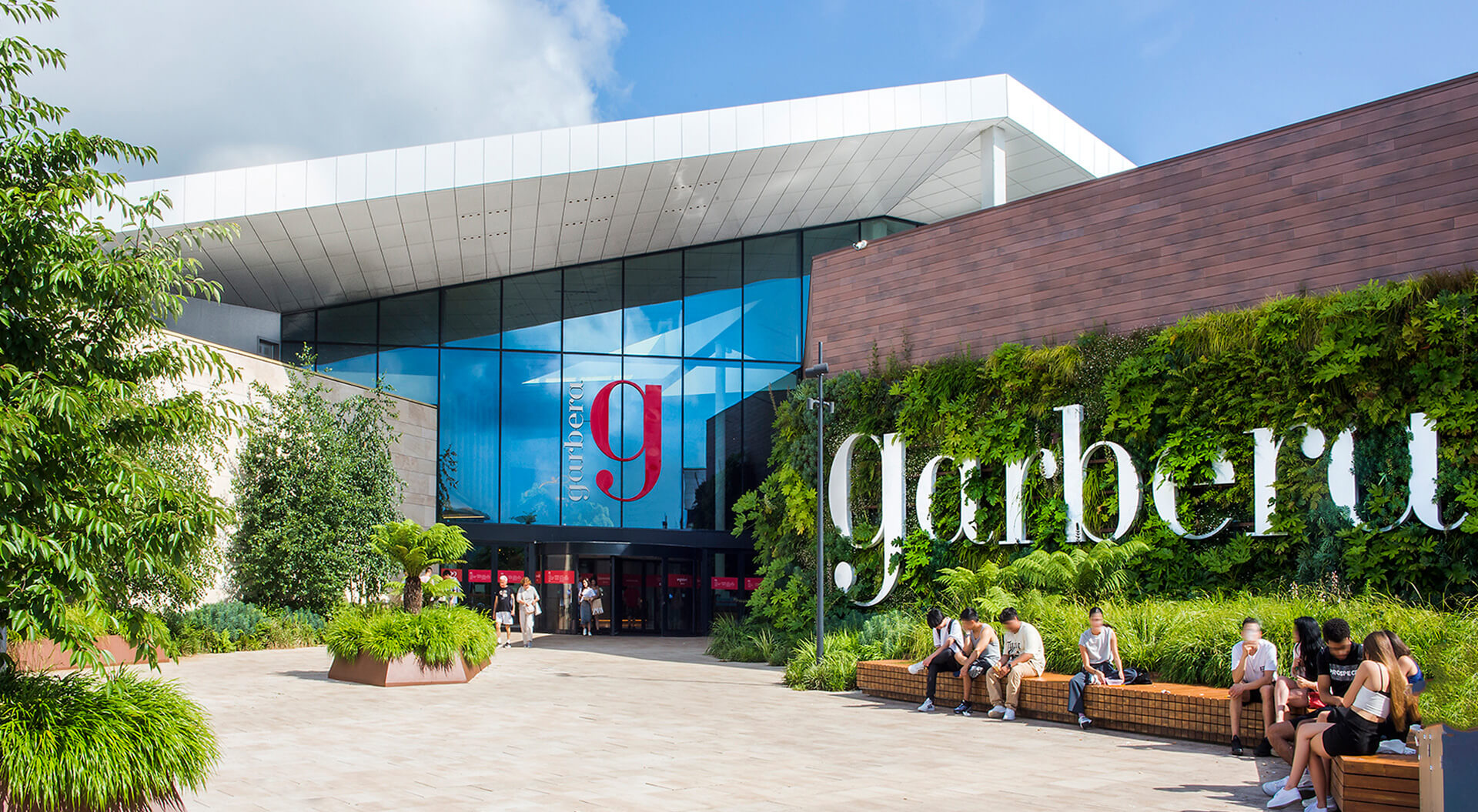
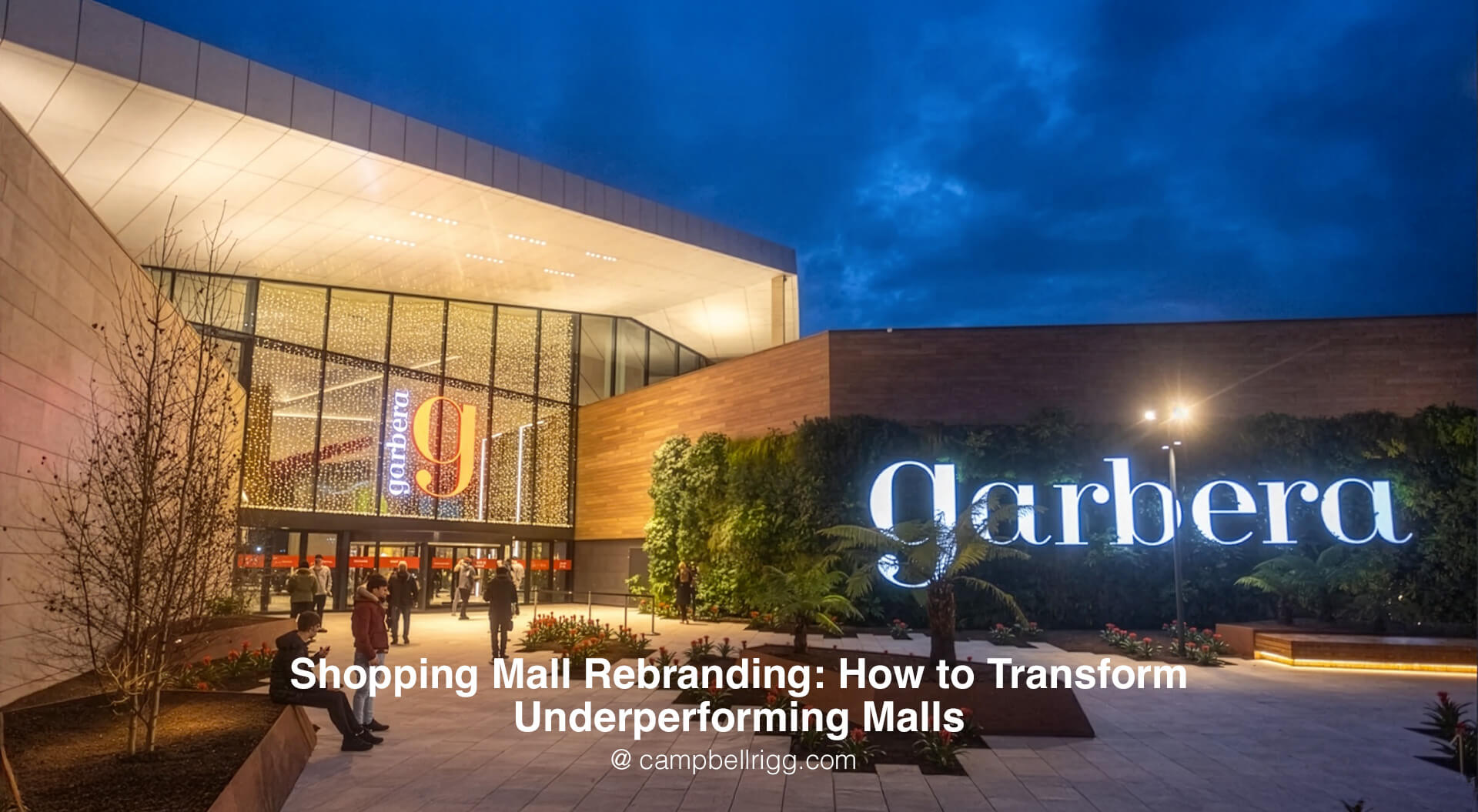
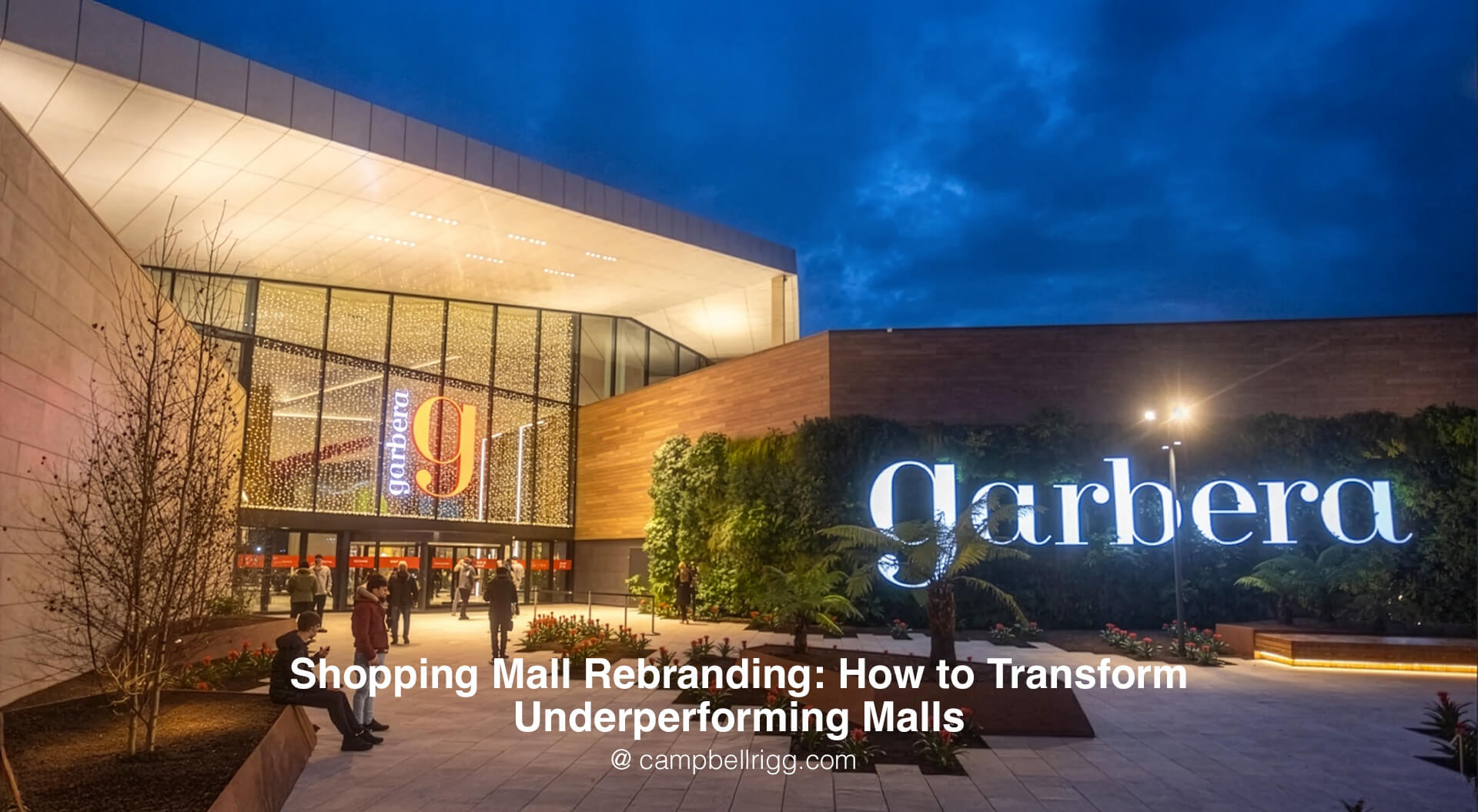
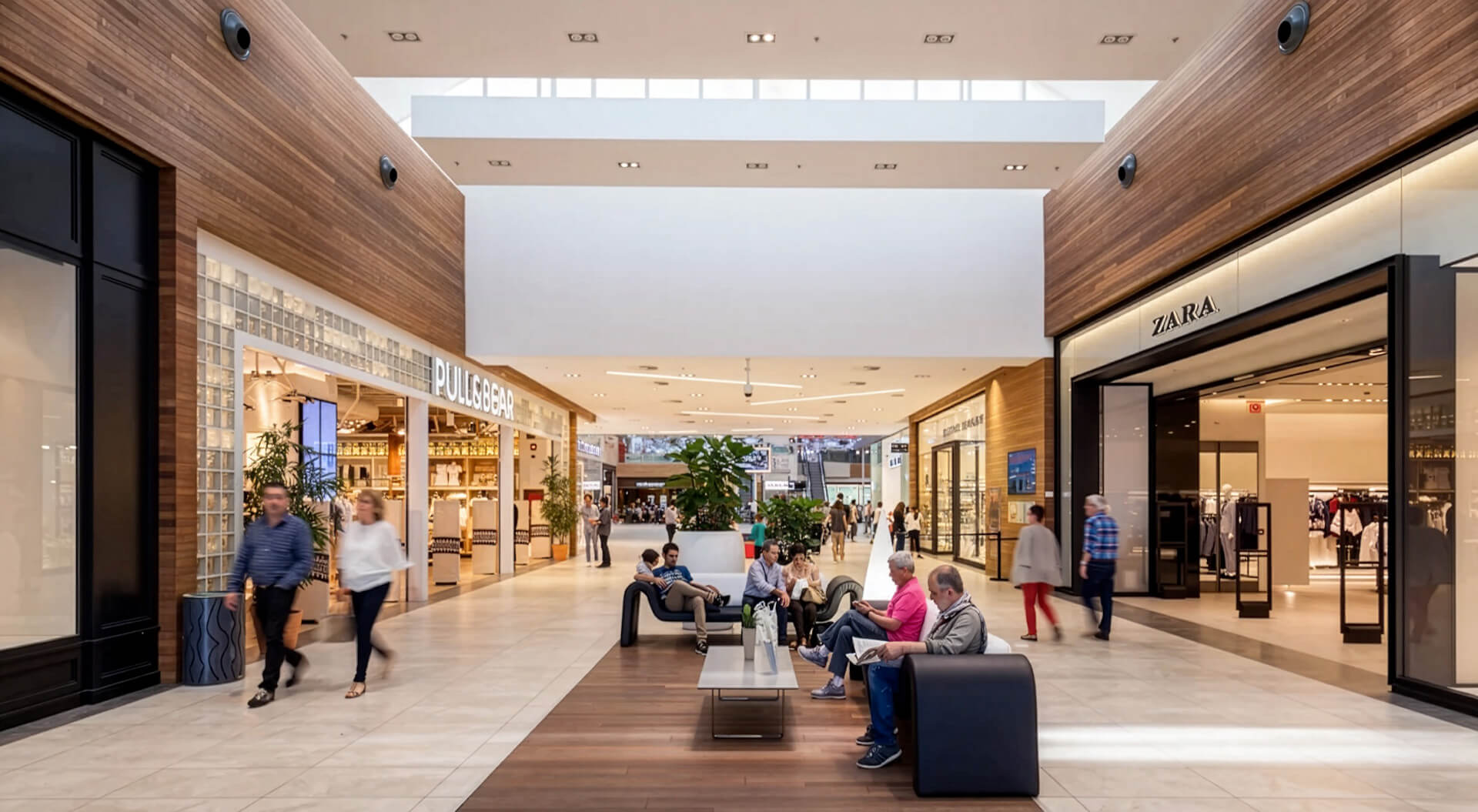
Garbera Shopping Mall, San Sebastián, Spain
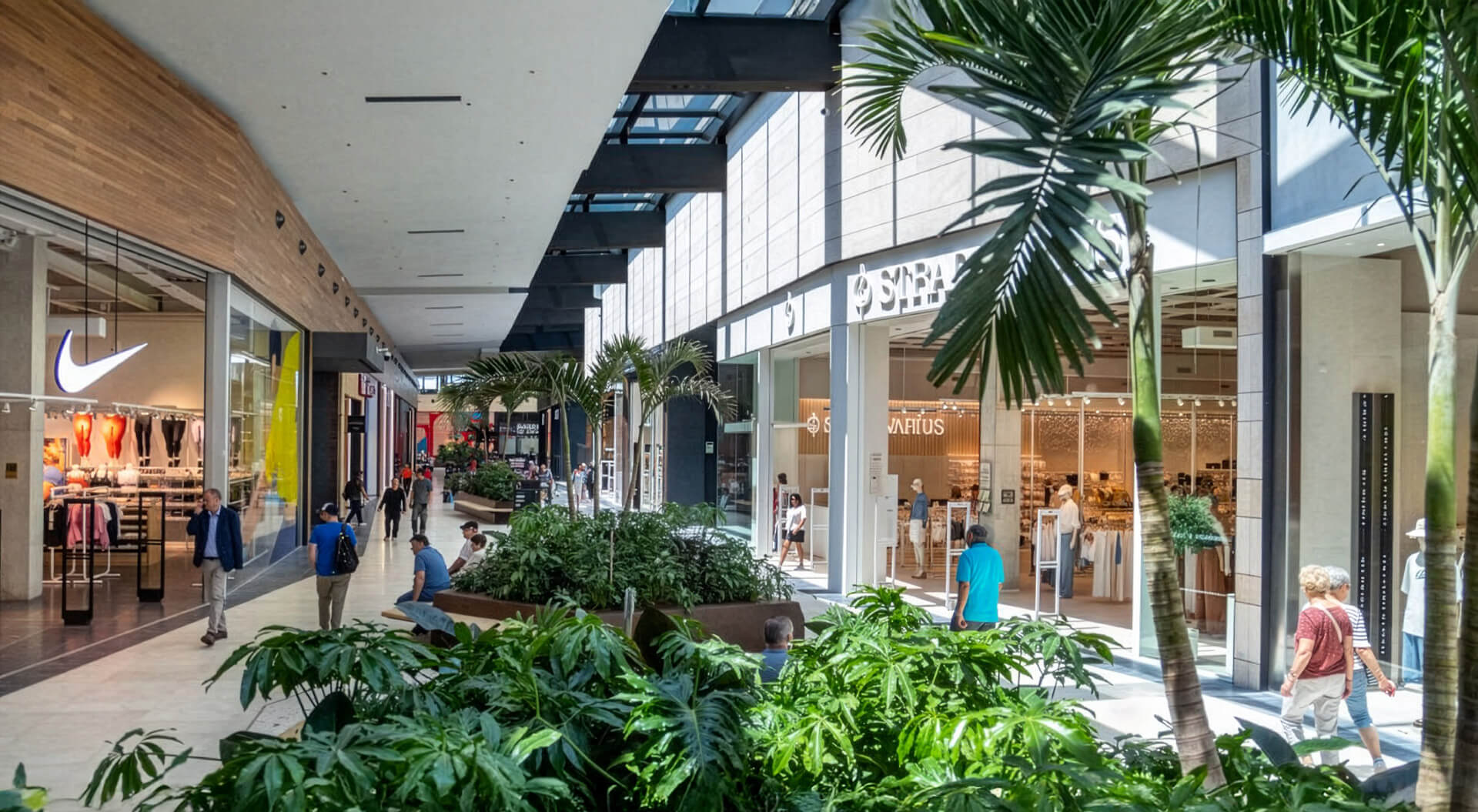
Garbera opened in 1997 and completed a major transformation in 2023, adding approximately 25,500 m² of retail space plus dining and leisure. Its USP is repositioning a regional centre as an experience-led lifestyle destination. Green spaces, terraces and a circular circulation route encourage discovery. A broader tenant mix combines international brands with local concepts, while food, leisure and landscape reflect San Sebastián's culture, tourism economy and Basque identity. The redesign turns circulation into part of the experience.
Garbera demonstrates how redevelopment can reposition a regional shopping centre around experience. Its transformation introduced additional retail, dining and leisure alongside green spaces, terraces and a circulation strategy designed to encourage discovery.
The lesson is important: circulation itself can become part of the experience
"The Garbera Mall delivers circulation + lifestyle."
3. Rebuild the Tenant Mix Around Customer Missions
Shopping mall rebranding will have limited impact if the tenant mix remains disconnected from the new proposition.
Customers may visit to shop, eat, exercise, meet friends, entertain children, attend events or discover something new. Tenant strategy should therefore organise complementary uses around customer missions.
Examples include:
- Fashion + beauty + wellness
- Food hall + restaurants + entertainment
- Family retail + play + education
- Technology + gaming + connected living
- Culture + art + events
- Fitness + health + wellness
The objective is not simply to fill vacant units. It is to create clusters that encourage movement, cross-shopping and longer visits while strengthening leasing potential.
4. Turn Vacant Space into a Testing Ground
Vacant space can become an asset for experimentation.
Pop-ups, temporary restaurants, independent retailers, cultural installations, seasonal markets, community events and immersive experiences can test concepts before permanent investment.
A successful temporary concept can generate footfall, demonstrate demand and provide evidence for a longer-term leasing decision.
This turns vacancy from a visible sign of underperformance into a platform for shopping centre transformation.

5. Make Placemaking Part of the Rebrand
An effective shopping mall should feel like a destination rather than a container for shops.
Entrances, atriums, seating, landscaping, lighting, art, event spaces, food areas and architectural landmarks can create a stronger sense of arrival and belonging.
Placemaking should reflect local identity rather than applying a generic visual language.
The transformation of Garbera in San Sebastián demonstrates how redevelopment can combine retail, dining, leisure, green spaces, terraces and circulation to reposition a regional shopping centre around experience.
The commercial lesson is that circulation and public space can become part of the destination proposition
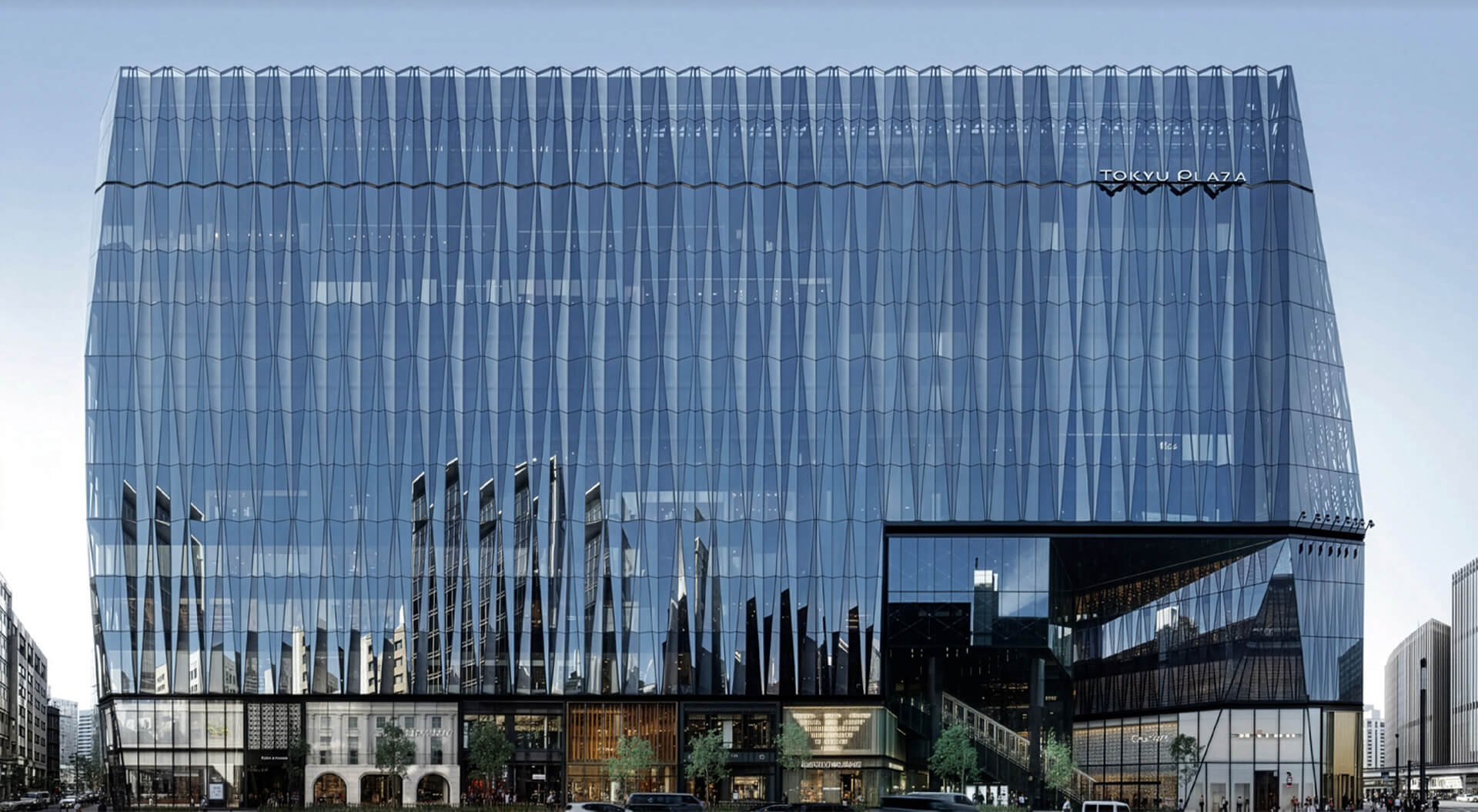
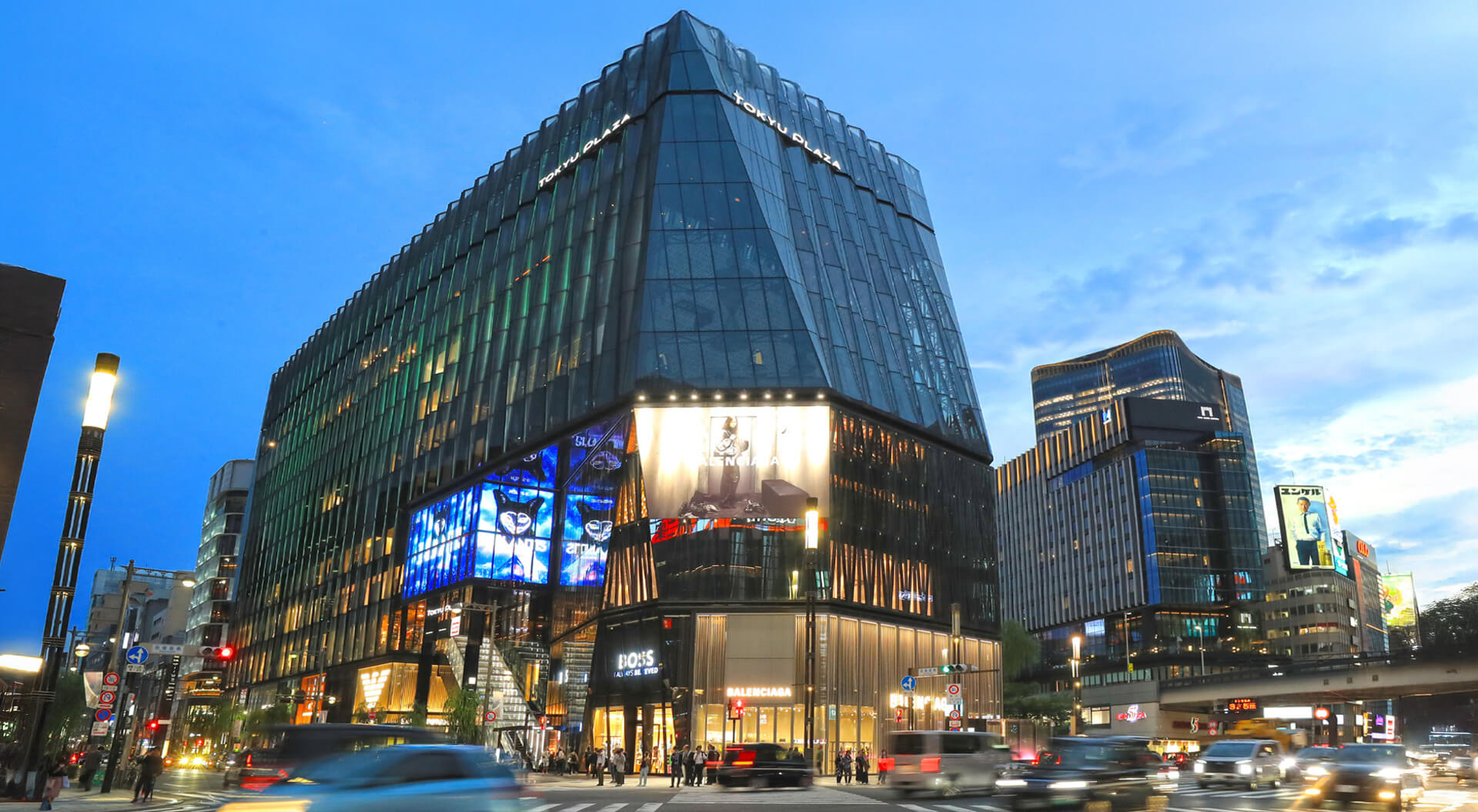
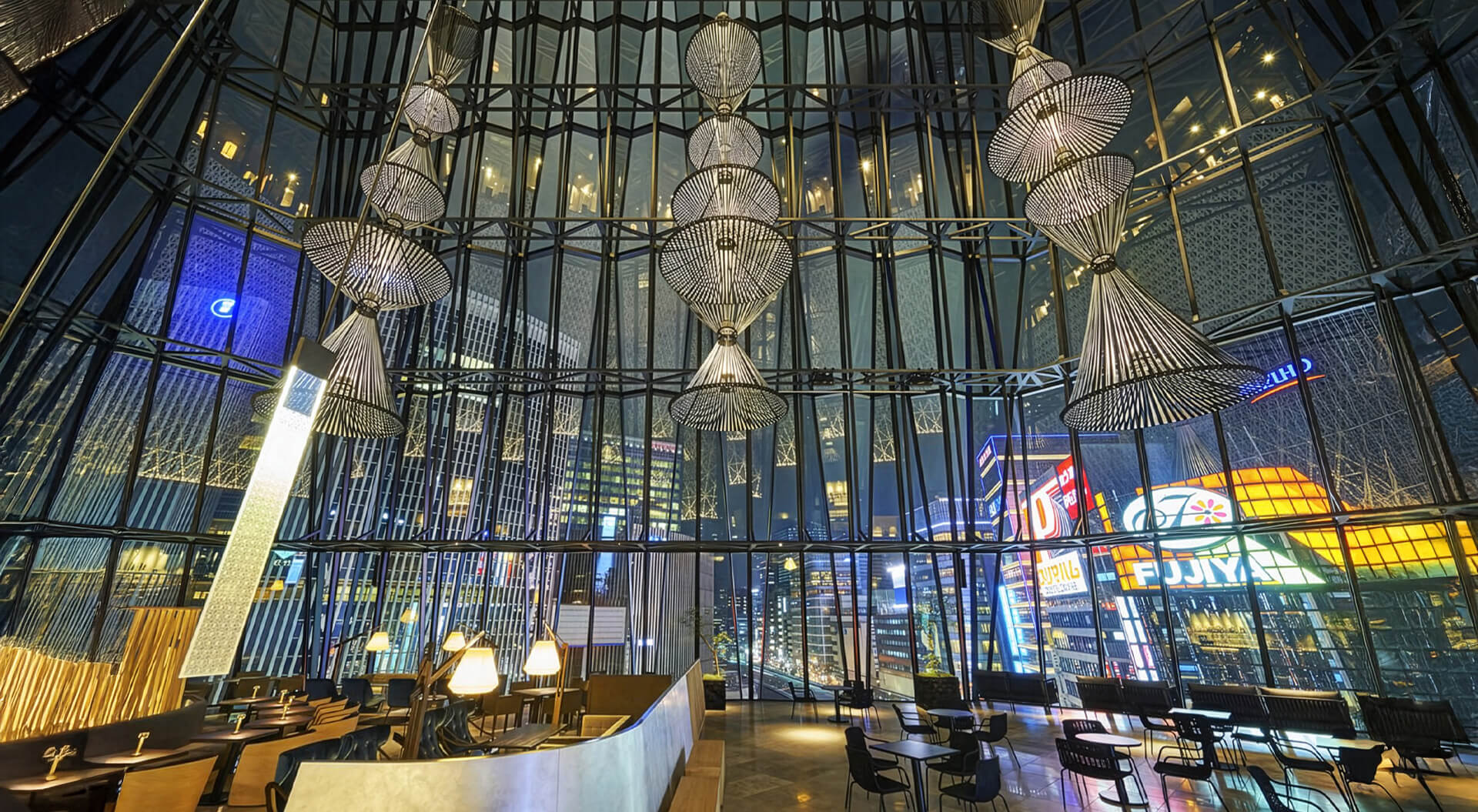
Tokyu Plaza Mall, Shibuya, Tokyo
The original Tokyu Plaza Shibuya opened in 1965 and closed in 2015 for redevelopment; the new destination opened on 5 December 2019 within Shibuya Fukuras. Its USP is targeting mature urban consumers rather than Shibuya's traditional youth market. “A Shibuya that adults can enjoy” positions food, health, beauty, hobbies and lifestyle at its core. Melloe life-inspired interiors, rooftop garden, tourism facilities and bus terminal create a lifestyle gateway linking shopping, mobility and urban experience.
"The Tokyu Plaza delivers differentiated customer proposition."

6. Redesign the Customer Journey
Wayfinding is important, but in a rebranding programme it should be considered as part of the wider customer journey.
Visitors need to understand:
- Where am I?
- Where do I need to go?
- What is nearby?
- What else can I discover?
- How do I reach another floor or zone?
- Where are restaurants, parking, leisure and services?
Physical signage can work with digital directories, maps, indoor navigation and mobile experiences to reduce friction and improve discovery.
The objective is not simply to help customers find a particular store. It is to make the entire destination easier and more rewarding to explore.
7. Create Experiences Online Retail Cannot Replicate
Online retail competes through convenience, choice and price. Physical destinations need different reasons to win.
Experience can provide those reasons.
Food, culture, entertainment, social spaces, events, architecture and interactive environments can create experiences that cannot be replicated by an online transaction.
Technology should support this objective rather than become an attraction for its own sake.
Digital directories, interactive displays, smart navigation and personalised mobile experiences can make a destination more useful while maintaining the emotional qualities of physical retail.
8. Strengthen Food, Leisure, Wellness and Culture
Successful shopping centre transformation increasingly involves a broader mix of uses.
Restaurants, cafés, food halls, cinemas, fitness, wellness, gaming, entertainment and cultural programming can attract different customer groups at different times of day.
The strategic objective is to build an experience ecosystem.
Retail can support food. Food can support leisure. Leisure can generate evening traffic. Culture and events can create reasons to return.
This creates multiple customer missions instead of dependence on a single shopping trip.
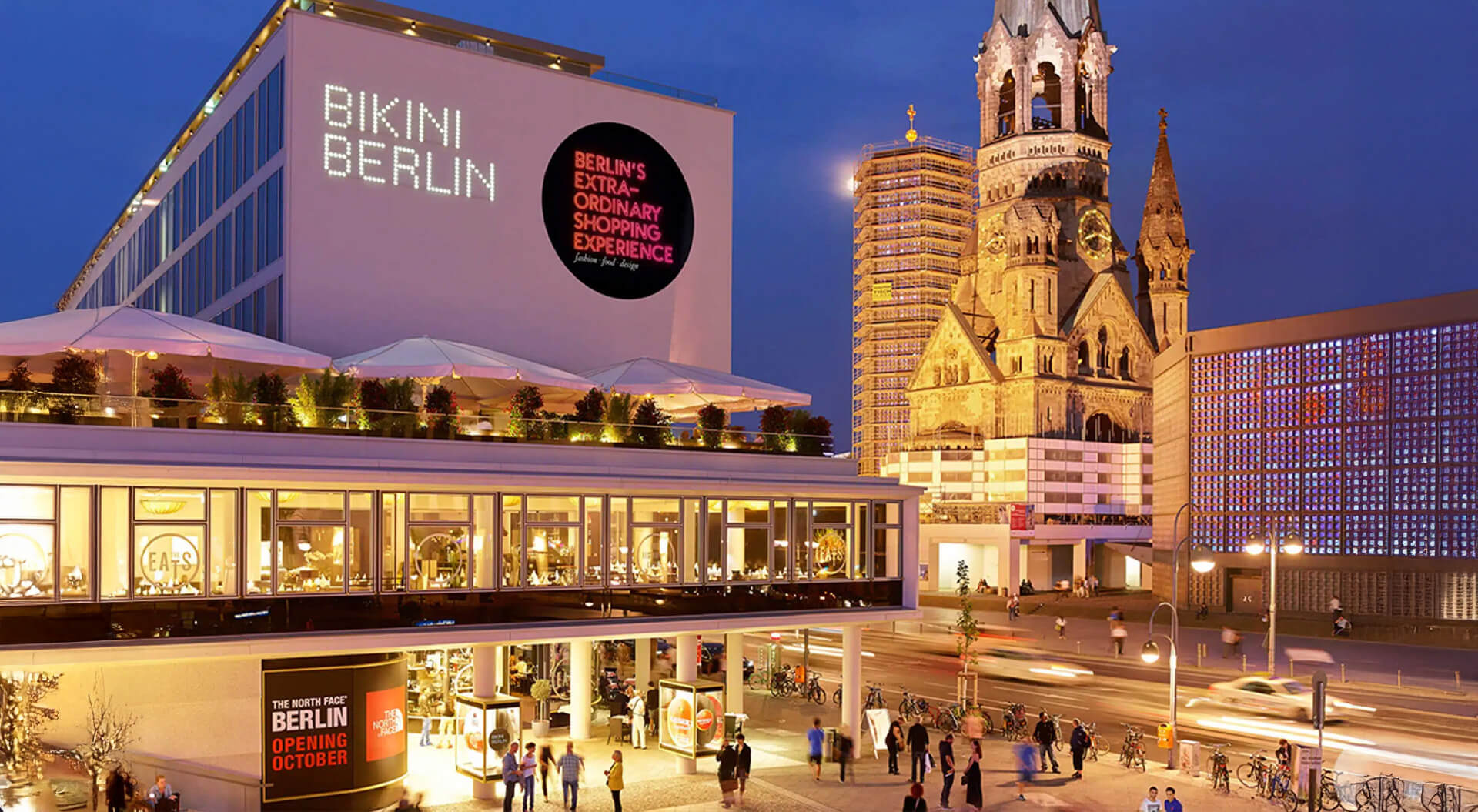
Bikini Berlin Mall, Berlin
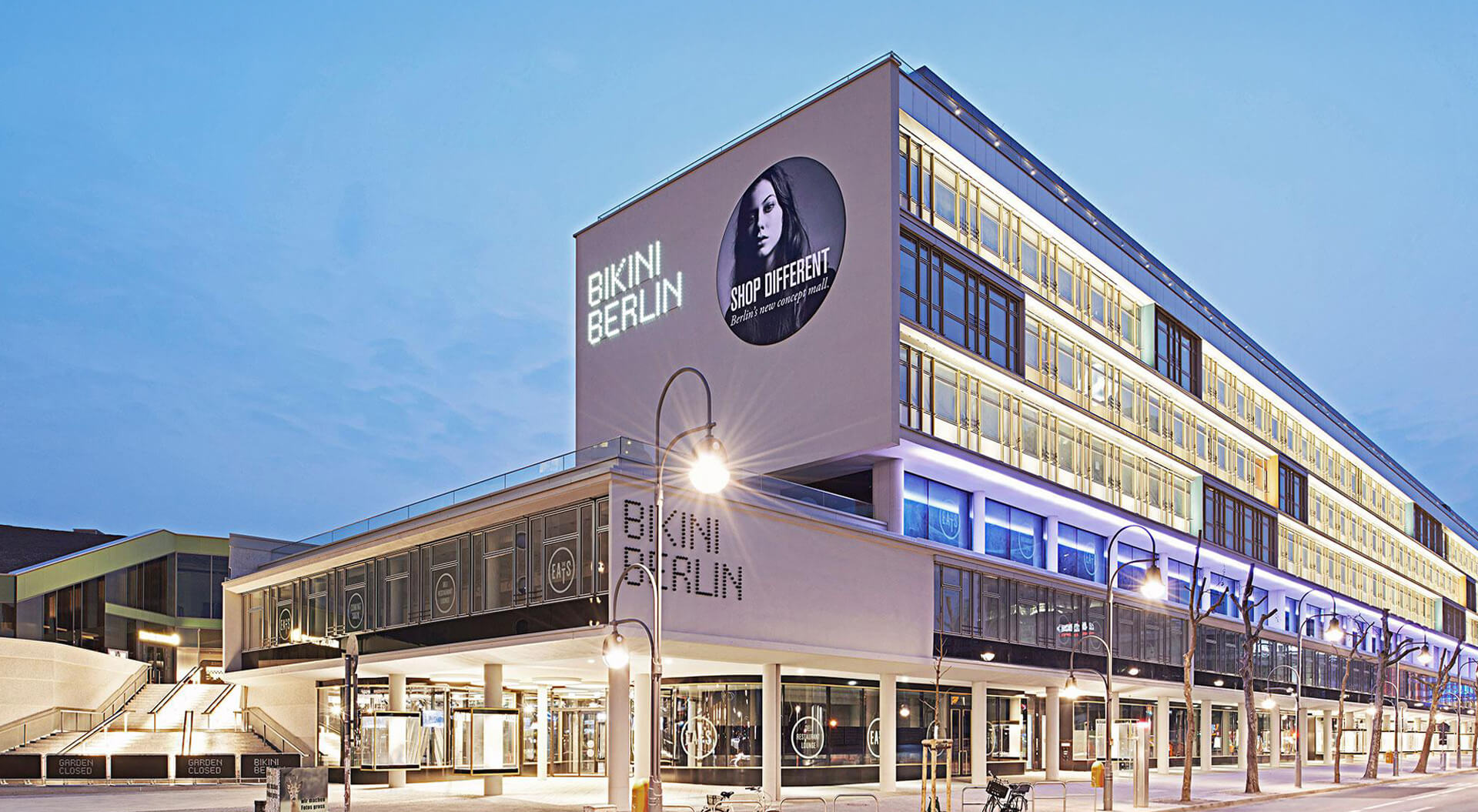
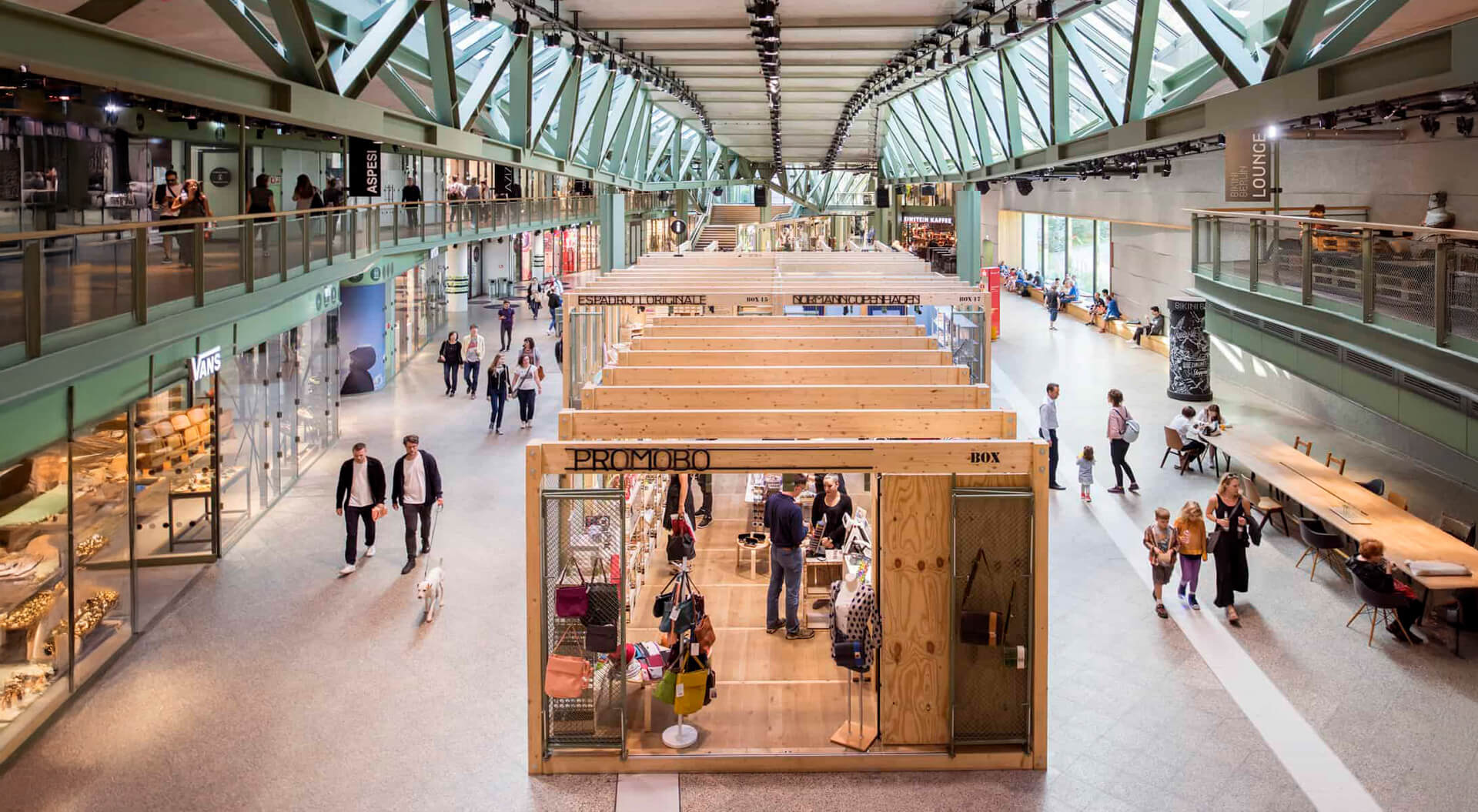
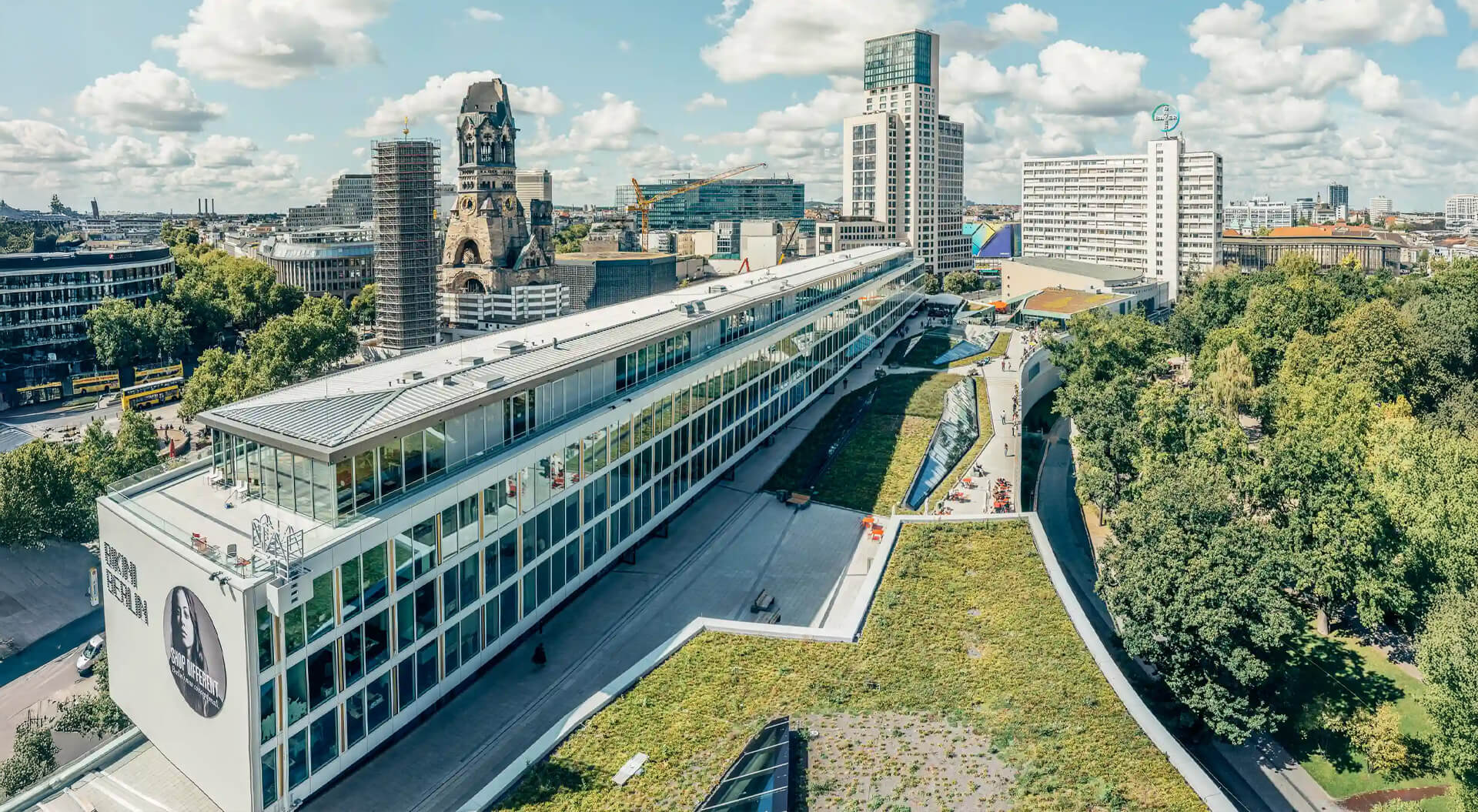
The original Bikinihaus formed part of Berlin's 1950s Zentrum am Zoo; the revitalised BIKINI BERLIN opened on 3 April 2014. Its USP is Germany's concept-mall model, combining curated design brands, pop-ups, gastronomy and lifestyle uses. Listed architecture integrates with contemporary interiors and a 7,000 m² green rooftop terrace, creating distinctive placemaking beside Berlin Zoo. The brand draws on local architectural heritage, while visual connections, compact circulation and open spaces encourage browsing, discovery and dwell time.
"The Bikini Berlin Mall delivers curated tenant mix + placemaking."
9. Build Local Identity and Community Relevance
Rebranding should not erase the character of a location. It should make the destination more relevant to its catchment.
Bikini Berlin provides a useful example of how architectural heritage, curated retail, pop-ups, gastronomy and public space can create a distinctive destination identity.
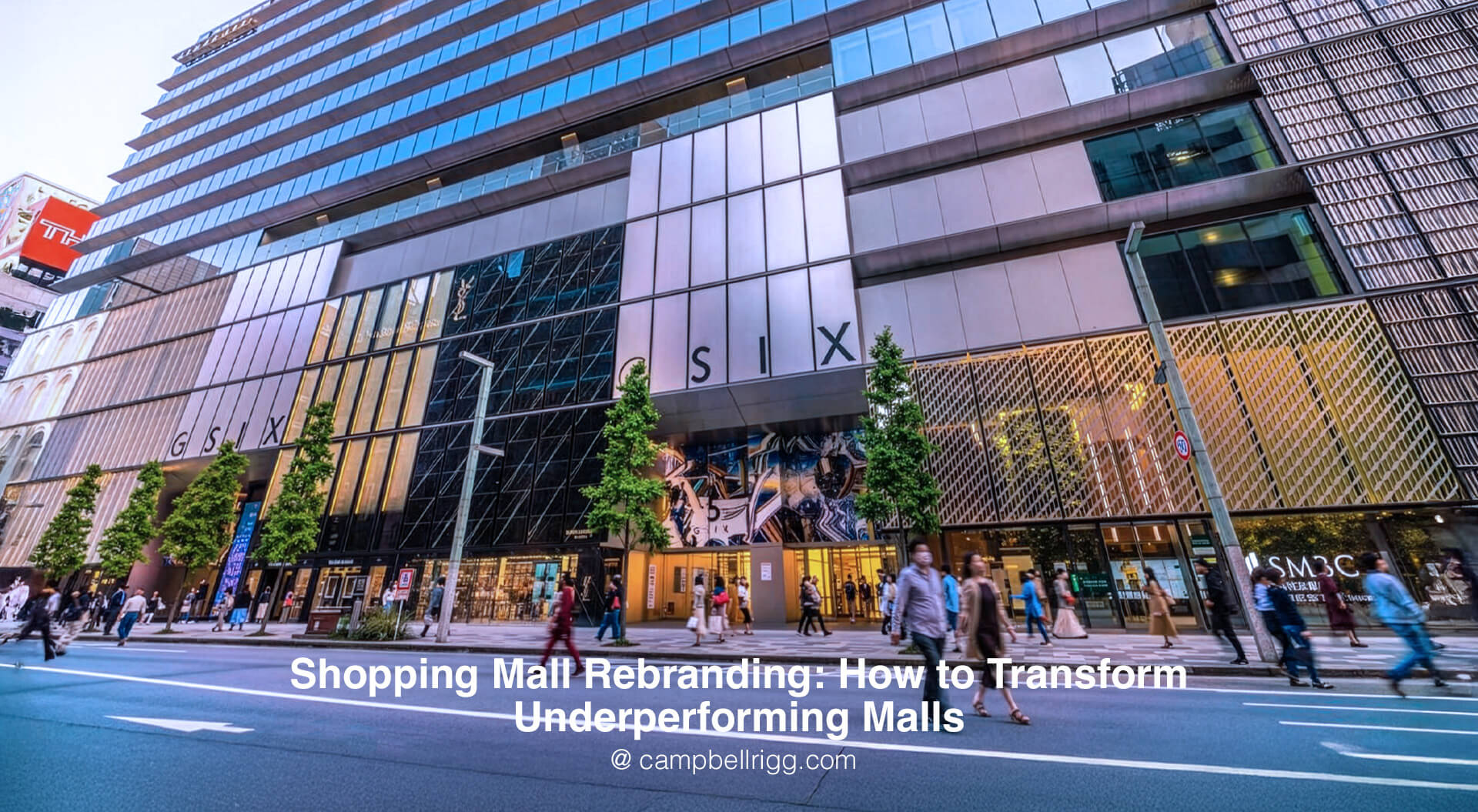
Similarly, GINZA SIX in Tokyo combines premium retail with culture, art, public space and Ginza's heritage.
The lesson is clear: local identity can become a competitive asset.
Effective shopping mall wayfinding should connect physical signage with digital directories, maps, parking information, indoor navigation and mobile experiences, creating one coherent navigation system across the customer journey. The visual language should remain consistent from car parks and entrances through lifts, escalators, corridors, retail clusters, food courts and leisure areas, reinforcing both clarity and brand identity.
The commercial opportunity is significant. Clearer navigation can help visitors find their intended destination while also increasing awareness of retailers, restaurants and leisure experiences they might otherwise overlook. In this way, wayfinding can connect navigation, tenant visibility, customer experience and commercial performance.
CampbellRigg treats mall wayfinding as a strategic component of the brand experience, not simply a system of functional signs. By combining clear information hierarchy, branded environmental graphics, strategically positioned directional signage and digital navigation, wayfinding can reinforce destination identity, reduce customer friction and encourage visitors to explore more of the mall.
For shopping mall rebranding projects, wayfinding should therefore be developed alongside the brand strategy, architecture and customer experience from the outset, rather than added as a final signage layer. This integrated approach creates a consistent journey in which brand identity, physical space, navigation and digital touchpoints work together to make the destination easier to understand, more engaging and commercially effective.
10. Connect Rebranding to Commercial Performance
Shopping mall rebranding should ultimately be measured against business outcomes rather than visual change alone.
Relevant KPIs can include:
- Footfall
- Dwell time
- Store discovery
- Conversion
- Sales per square metre
- Tenant sales
- Vacancy
- Occupancy
- Leasing velocity
- Rental values
- Customer satisfaction
- Repeat visits
- Digital engagement
- Event participation
- Asset value
The investment conversation should therefore change from: “Does the shopping centre look better?”
To: “Is the repositioning improving the performance of the asset?”
The transformation of The Bridge at The Mall Wood Green illustrates how a targeted intervention can influence circulation and commercial performance, with New River reporting a 34% increase in footfall through the activated space after launch.
Rebranding does not independently guarantee higher sales. Its value lies in creating a stronger proposition, better customer experience and more productive destination capable of supporting improved commercial performance.
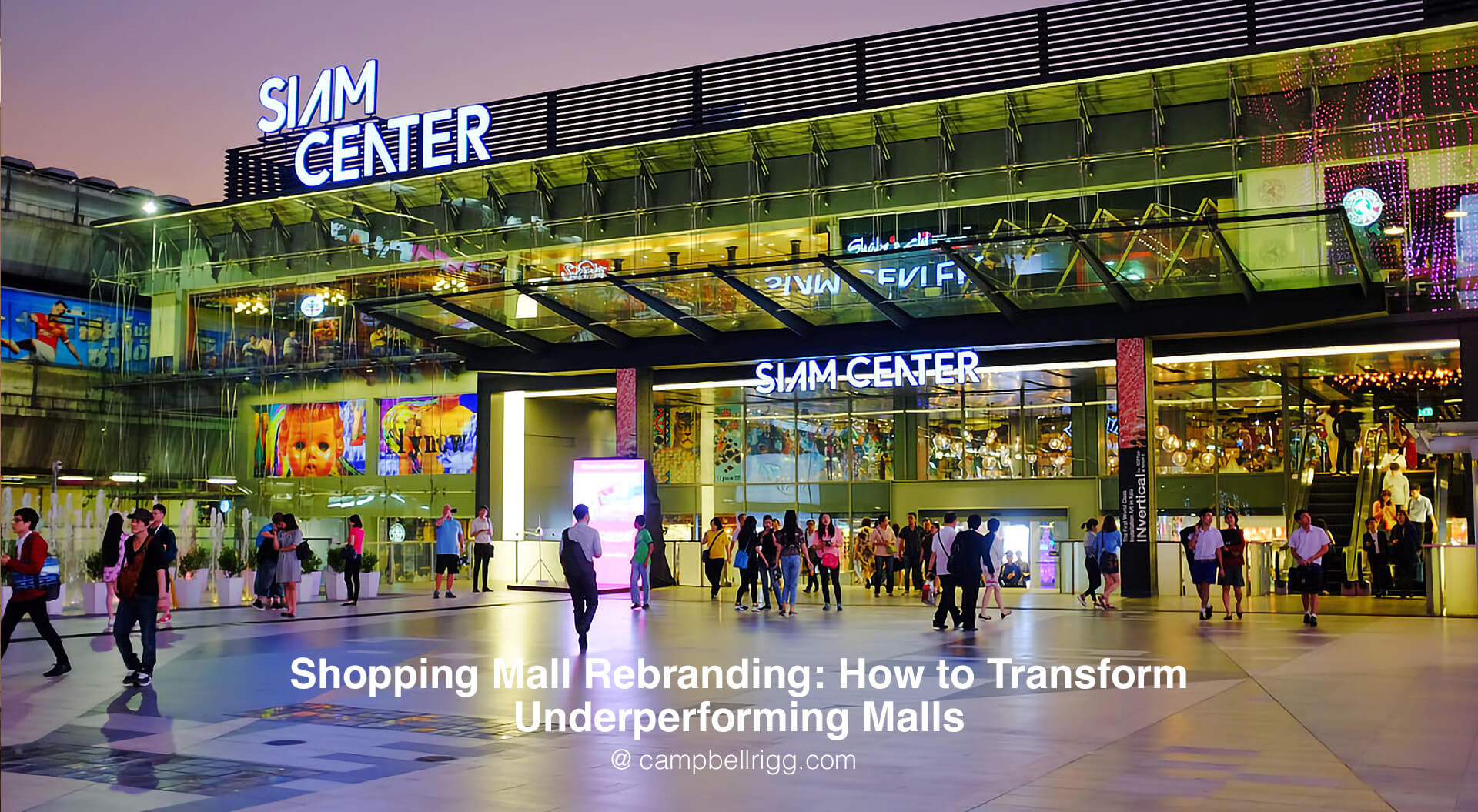
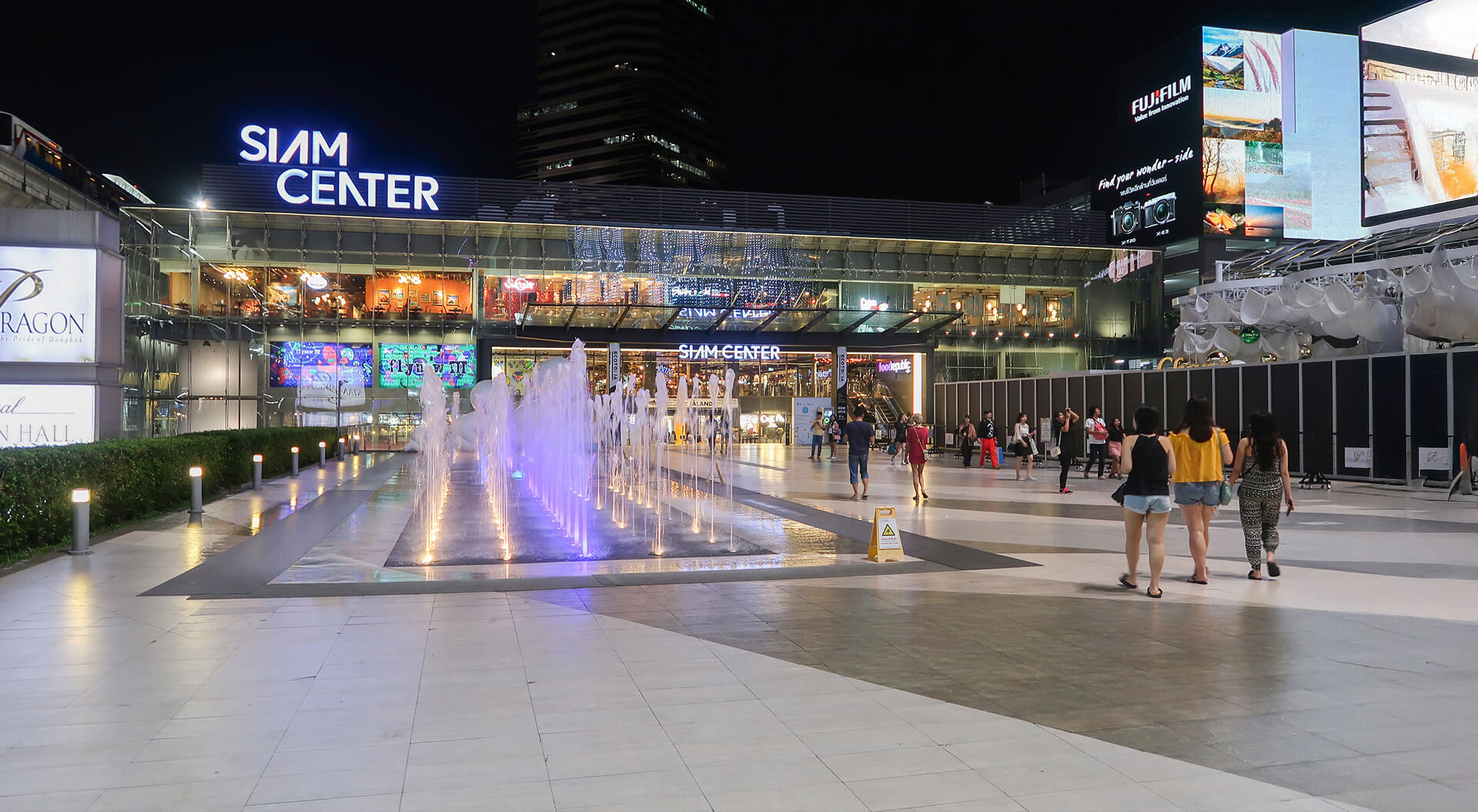
Siam Center Mall, Bangkok
Siam Center opened in 1973 as Thailand's first international-standard shopping centre and underwent a major transformation in 2013, becoming “Siam Center: The Ideaopolis.” Its USP is creativity, combining fashion, art, technology, entertainment and Thai design. Open-fronted stores, interactive environments and event spaces encourage exploration and interaction. Rebranding shifted the mall from conventional retail towards experience-led placemaking, while its central Siam location and BTS connection strengthen accessibility. Its design turns shopping into an immersive lifestyle experience.
"The Siam Center Shopping Mall delivers experience-led repositioning."
The strategic opportunity is to build an experience ecosystem.
Retail should support food.
Food should support leisure.
Leisure should generate evening traffic.
Culture and events should create reasons to return.
The result is a destination with multiple customer missions rather than a centre dependent on a single retail visit.
11. Launch the Rebrand as a Destination Transformation
A shopping mall rebrand should be presented as a transformation—not simply the introduction of a new logo.
The launch can combine:
- New brand identity
- Redesigned entrances
- New wayfinding
- Refreshed public spaces
- New food and leisure concepts
- Pop-ups and events
- Digital experiences
- Tenant communications
- Social media
- PR
- Local community engagement
The objective is to create a perception shift: From shopping centre to destination.
That gives existing customers a reason to return and prospective customers a reason to visit.
GINZA SIX Mall, Tokyo
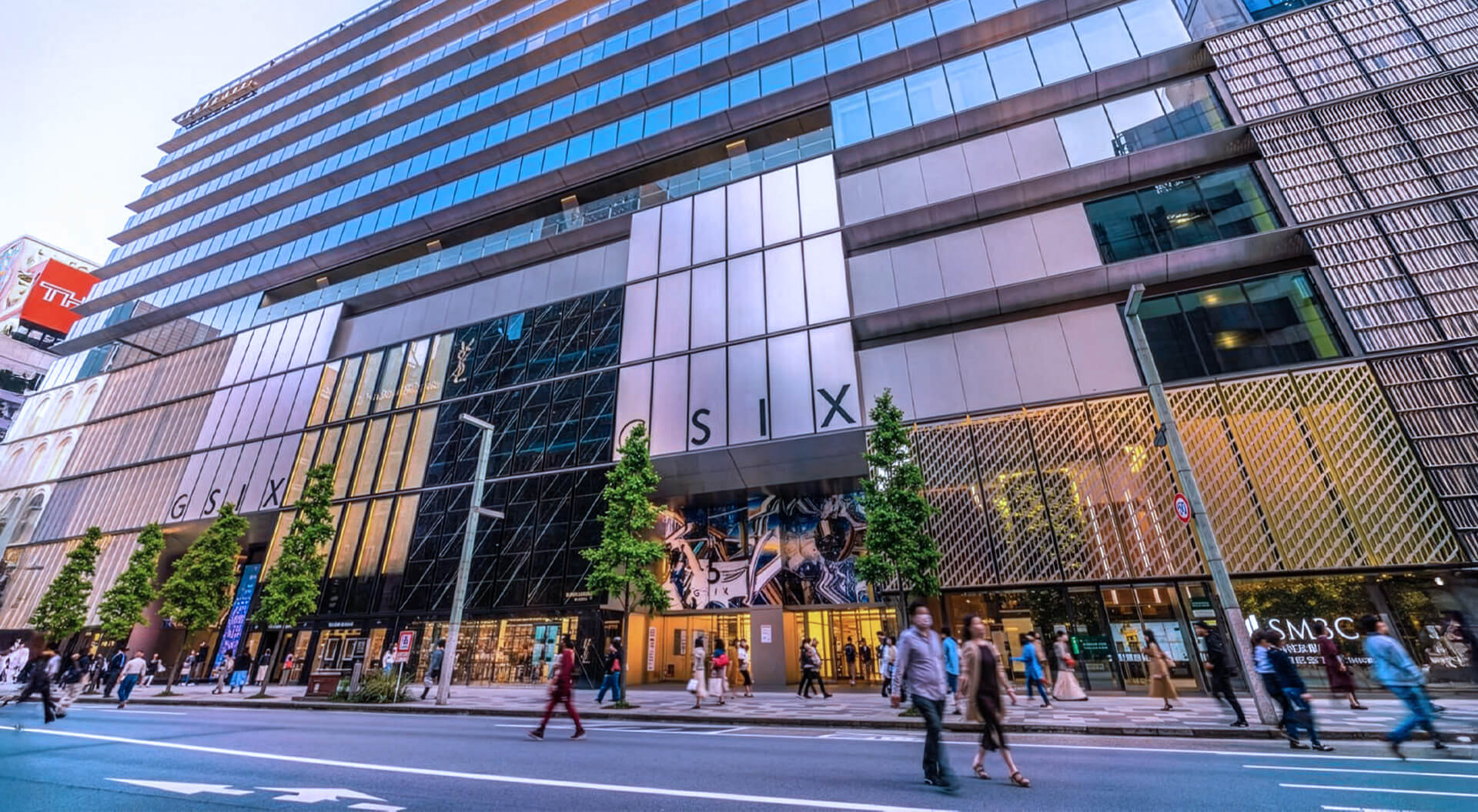
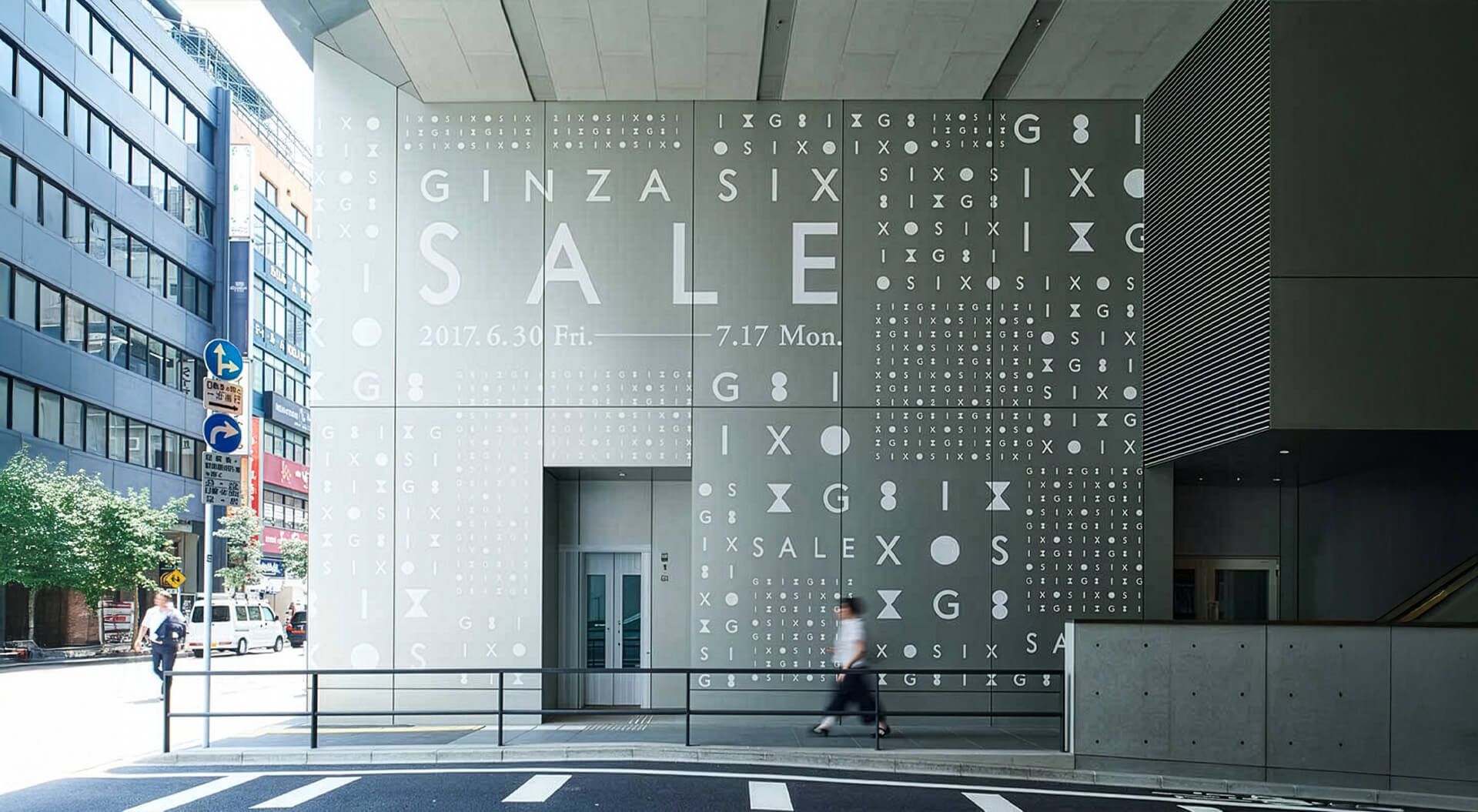
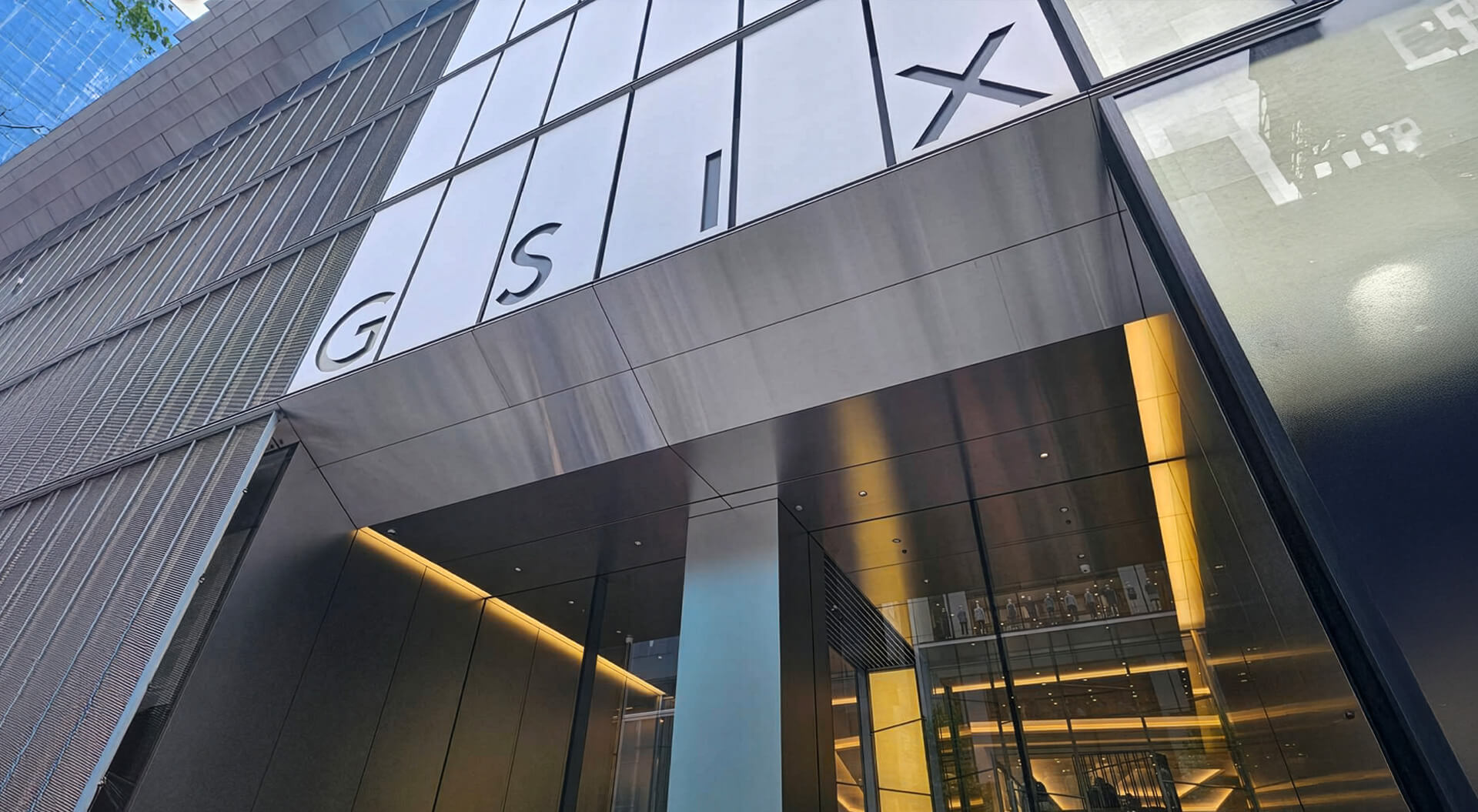
Ginza Six opened it's doors on 20 April 2017, replacing the former Matsuzakaya Ginza site through major urban redevelopment. Its “New Luxury” branding combines premium retail, culture, art and lifestyle. Its USP is integrating luxury shopping with Ginza heritage, public space and the Kanze Noh Theater. Yoshio Taniguchi's architecture creates an elegant destination, while the central atrium, rooftop garden and organised circulation support discovery. Strong local identity reinforces its premium positioning and differentiates the destination.
"The Ginza Six Shopping delivers premium positioning + culture."
10. Connect rebranding to commercial performance
A shopping mall rebranding programme should ultimately be measured by business outcomes.
Relevant KPIs include:
- Footfall
- Dwell time
- Store discovery
- Conversion
- Sales per square metre
- Tenant sales
- Vacancy rates
- Leasing velocity
- Rental values
- Customer satisfaction
- Repeat visits
- Digital engagement
- Event participation
- Social engagement
- Asset value

Shopping Mall Rebranding Case Studies
International transformations demonstrate different approaches to repositioning retail assets.
Westfield Hamburg-Überseequartier demonstrates destination creation through architecture, mixed uses, placemaking and experience-led design.
Garbera, San Sebastián demonstrates how circulation, lifestyle uses, green spaces, dining and leisure can support the repositioning of a regional centre.
Tokyu Plaza Shibuya demonstrates differentiated positioning by targeting mature urban consumers through food, health, beauty, hobbies and lifestyle.
Bikini Berlin demonstrates how curated tenants, pop-ups, gastronomy, architectural heritage and public space can establish a distinctive concept.
Siam Center Bangkok demonstrates experience-led repositioning through fashion, art, technology, entertainment and Thai creativity.
Brookfield Place New York demonstrates how an existing commercial asset can be repositioned around waterfront placemaking, dining, culture and mixed-use experiences.
The common principle is not that every mall should copy these destinations. It is that successful transformation starts by identifying a distinctive commercial proposition and then aligning the asset around it.
How to Measure Shopping Mall Rebranding ROI
The strongest rebranding programmes establish measurable objectives before design begins.
Baseline data can be established for footfall, tenant sales, vacancy, dwell time, customer satisfaction, leasing performance and zone performance. These measures can then be tracked against the transformation programme.
Not every KPI will move immediately. Brand perception may improve before footfall; new tenants may arrive before occupancy reaches target levels; and physical improvements may require time to influence asset value.
A robust measurement framework therefore combines customer, tenant and property metrics.
The ultimate objective is to determine whether the rebranding has made the retail asset more relevant, more productive and more competitive.
The objective is to create a perception shift: From shopping centre to destination. That narrative gives existing customers a reason to return and prospective customers a reason to visit.
The future of shopping mall rebranding
The next generation of shopping mall rebranding will be increasingly strategic, data-led and experience-focused.
Successful owners will bring together brand strategy, tenant mix, architecture, interior design, placemaking, wayfinding, digital technology, food, leisure and community programming as one connected system.
The transformation of an underperforming shopping mall does not necessarily require demolition or complete redevelopment.
Brookfield Place Mall, New York City
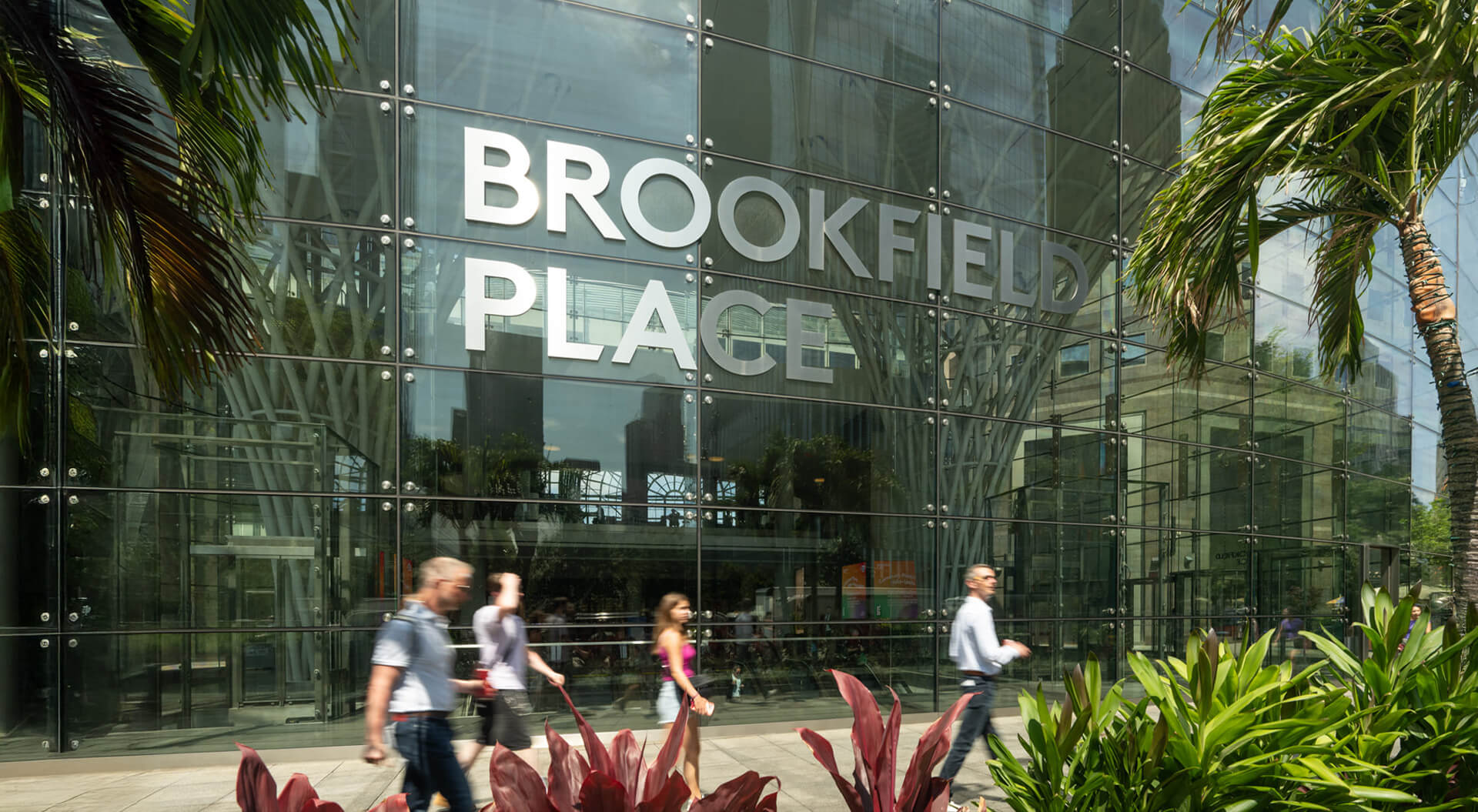
Opened as the World Financial Center in 1988, it was substantially redeveloped after 9/11 and rebranded Brookfield Place in 2014. Its USP is transforming a financial district into a lifestyle destination. The Winter Garden, waterfront setting, premium retail, dining and cultural programming create strong placemaking. Architecture connects indoor and outdoor experiences, while mixed-use tenants broaden the offer beyond offices. Its branding, public realm and design encourage visitors to stay, explore and return.
"The Brookfield Place Mall delivers mixed-use placemaking."
Why Shopping Mall Rebranding Is Now a Commercial Strategy
The future of shopping mall rebranding is increasingly strategic, data-led and experience-focused.
Underperforming malls do not necessarily require demolition or complete redevelopment. Significant value can sometimes be created by changing how an existing asset is positioned, organised and experienced.
That means brand strategy, tenant mix, architecture, interior design, placemaking, wayfinding, food, leisure, digital experience and community programming need to work as one connected system.
For property developers, shopping centre owners and asset managers, the opportunity is to transform underperforming retail assets into destinations that are easier to navigate, more relevant to their communities, more compelling to visitors and more productive for retailers.
How CampbellRigg Can Help
CampbellRigg combines shopping mall rebranding, brand strategy, architecture, interior design, tenant-mix thinking, placemaking, wayfinding and customer-experience design to help reposition retail assets.
The process begins with understanding the commercial problem: why customers are not visiting, why tenants may be underperforming, where circulation fails, which spaces are underused and how the destination can become more relevant to its catchment.
From there, strategy and design can work together to create a distinctive proposition and translate it across identity, space, navigation, tenant experience and customer journey.
Shopping mall rebranding is no longer simply about creating a new identity. It is about creating a new commercial reason to visit.
For owners, developers and asset managers facing declining relevance, vacancy or changing customer expectations, the opportunity is to turn an underperforming shopping centre into a distinctive, experience-led and commercially focused destination.