News and Views
Modular Fashion Store Design: Scale Faster & Reduce Rollout Costs






Modular Fashion Store Design: Scale Faster & Reduce Rollout Costs
Fashion retailers expanding across multiple locations eventually face a strategic question that cannot be solved by designing another individual store:
How can we turn our retail strategy into a repeatable store format that can be deployed, adapted, measured and improved across the network?
This is the commercial role of modular fashion store design.
A modular format establishes the core spatial, merchandising, fixture and brand principles once, then provides controlled options for applying them across different locations. The objective is not identical stores. It is a coherent retail system capable of supporting different footprints, trading conditions and customer requirements without repeatedly starting the design process from zero.
For CEOs, retail directors, property directors and senior management teams, the value is therefore broader than store aesthetics. A well-developed modular system can provide greater control over design development, rollout, refurbishment, brand consistency and commercial measurement.
CampbellRigg helps fashion retailers build that system, combining retail strategy, brand strategy, customer journey planning, store planning, visual merchandising, environmental design, modular fixtures, prototype development, design standards and rollout planning.
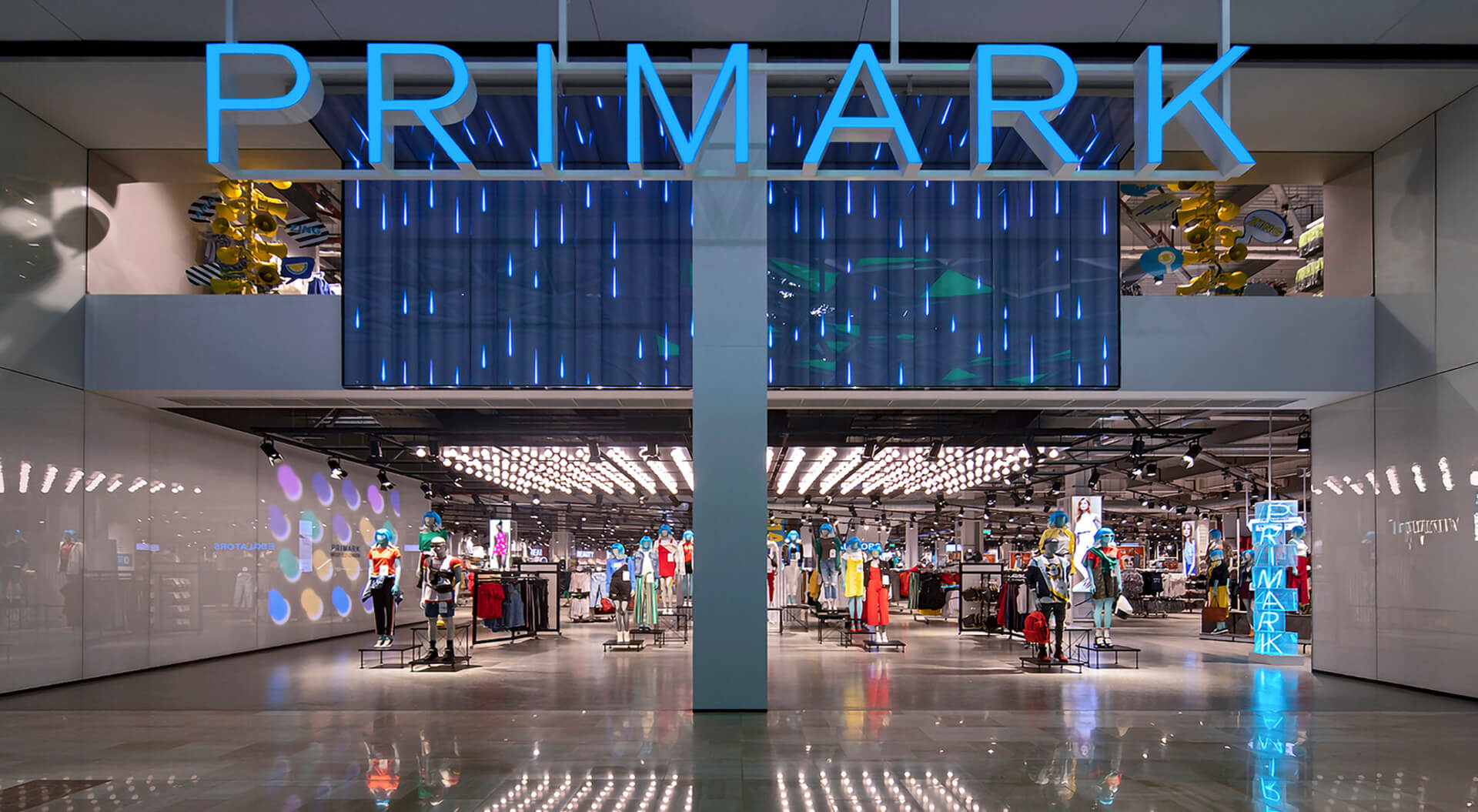
Our international fashion benchmarks include Primark Westfield London, C&A Zurich and Tom Tailor Hamburg, demonstrating different approaches to fashion retail environments and scalable store concepts.
What Is Modular Fashion Store Design?
Modular fashion store design is a retail format system built from repeatable components and defined adaptation rules.
Its core components can include:
- customer journey and spatial planning;
- category zoning;
- modular fixtures;
- visual merchandising;
- lighting and materials;
- fitting-room and service environments;
- signage and graphics;
- digital touchpoints;
- brand standards;
- prototype formats;
- technical specifications;
- rollout documentation.
The strategic principle is simple: standardise what creates brand and commercial value; make everything else adaptable where the location requires it.
How CampbellRigg helps: CampbellRigg starts by assessing the retailer's existing proposition, estate, customer experience, competitors and growth objectives. Through retail auditing, international benchmarking, brand assessment, customer-journey analysis and strategic brief development, we identify the elements that should define the future format.
We then translate those findings into the format architecture, spatial principles, merchandising logic and physical brand system that future stores can use.
The deliverable is therefore not simply a design concept. It is the foundation for a repeatable retail format.
Why Fashion Retailers Are Moving to Scalable Store Formats
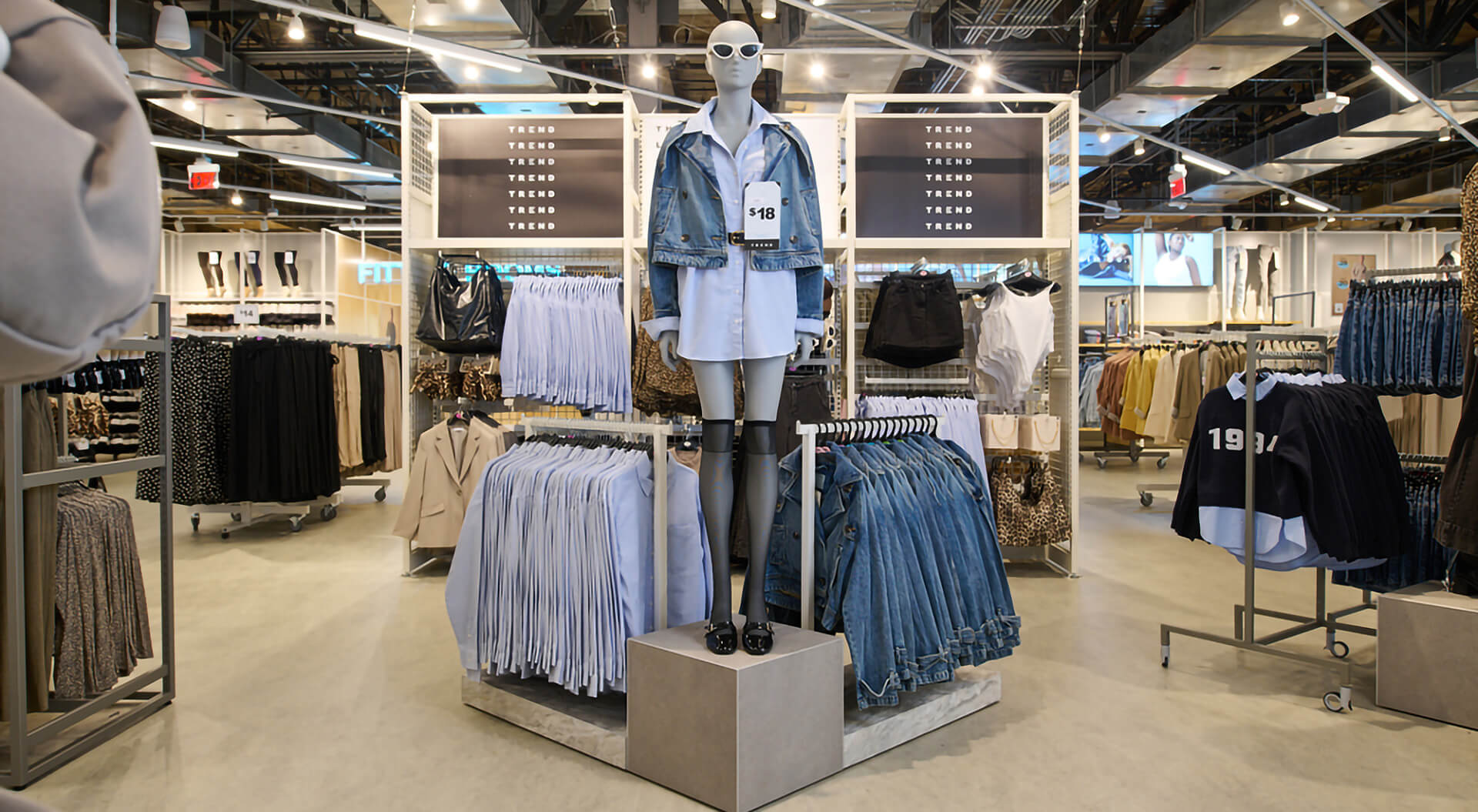
As networks expand, designing each location independently can duplicate strategic and design work. It can also create different interpretations of the brand, inconsistent merchandising and unnecessary variation in fixtures, specifications and implementation.
A scalable format allows management to establish a common framework while providing defined options for different store roles and footprints.
How CampbellRigg helps: CampbellRigg develops the format strategy before the individual store designs.
We can define:
- the role of each store format;
- target footprint parameters;
- customer missions;
- category priorities;
- format-specific merchandising;
- mandatory brand standards;
- permitted local adaptations;
- rollout requirements.
This gives management a format portfolio rather than a collection of unrelated stores.
How Modular Fashion Store Design Works
The system is built around five connected disciplines.
1. Flexible Spatial Planning
CampbellRigg uses customer-journey mapping, store planning, spatial analysis and category zoning to establish how customers should enter, navigate, discover, compare and purchase.
We create planning principles that can be applied to different footprints while protecting the commercial priorities of the format.
2. Repeatable Fixtures
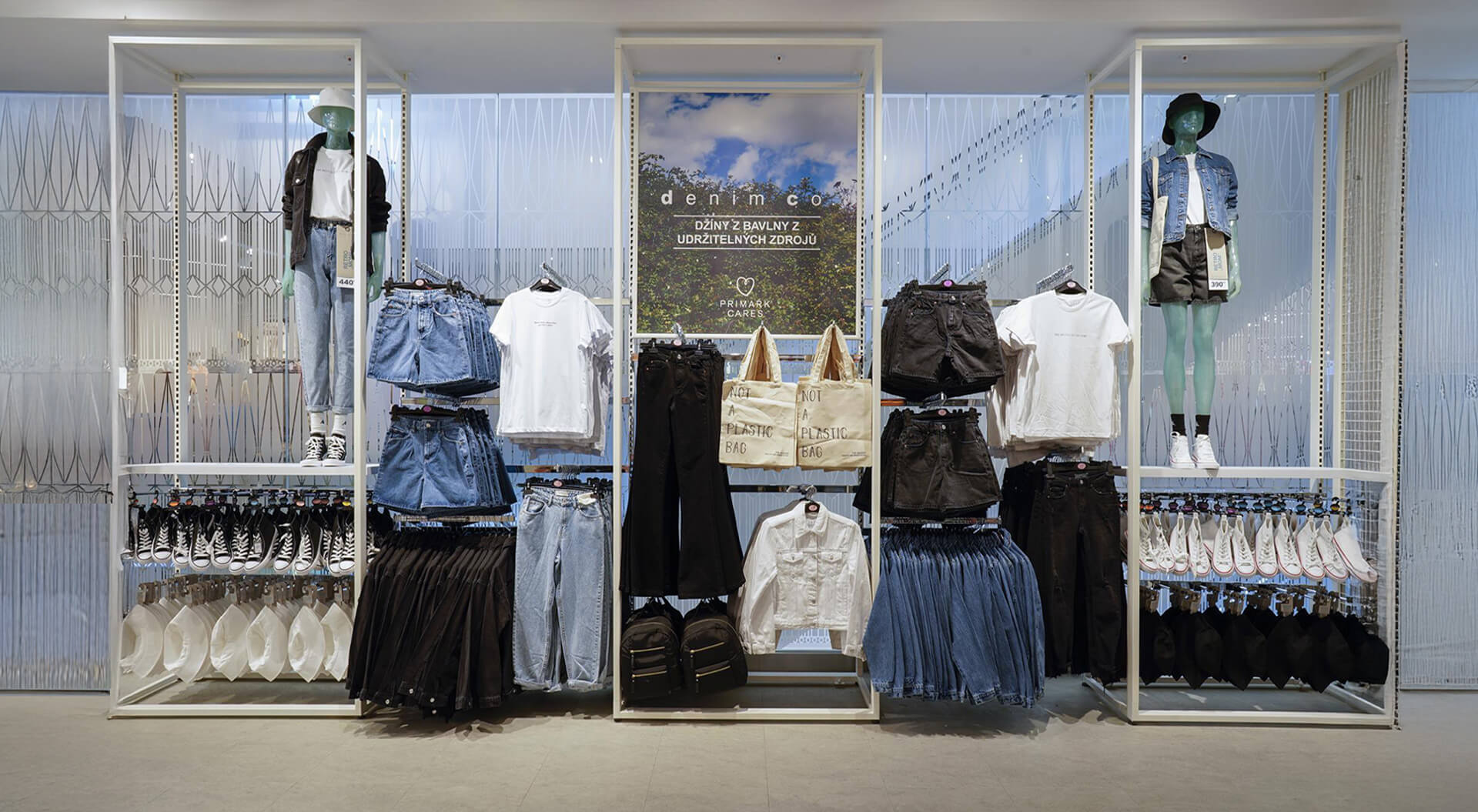
CampbellRigg develops fixture families and merchandising architecture rather than one-off display solutions.
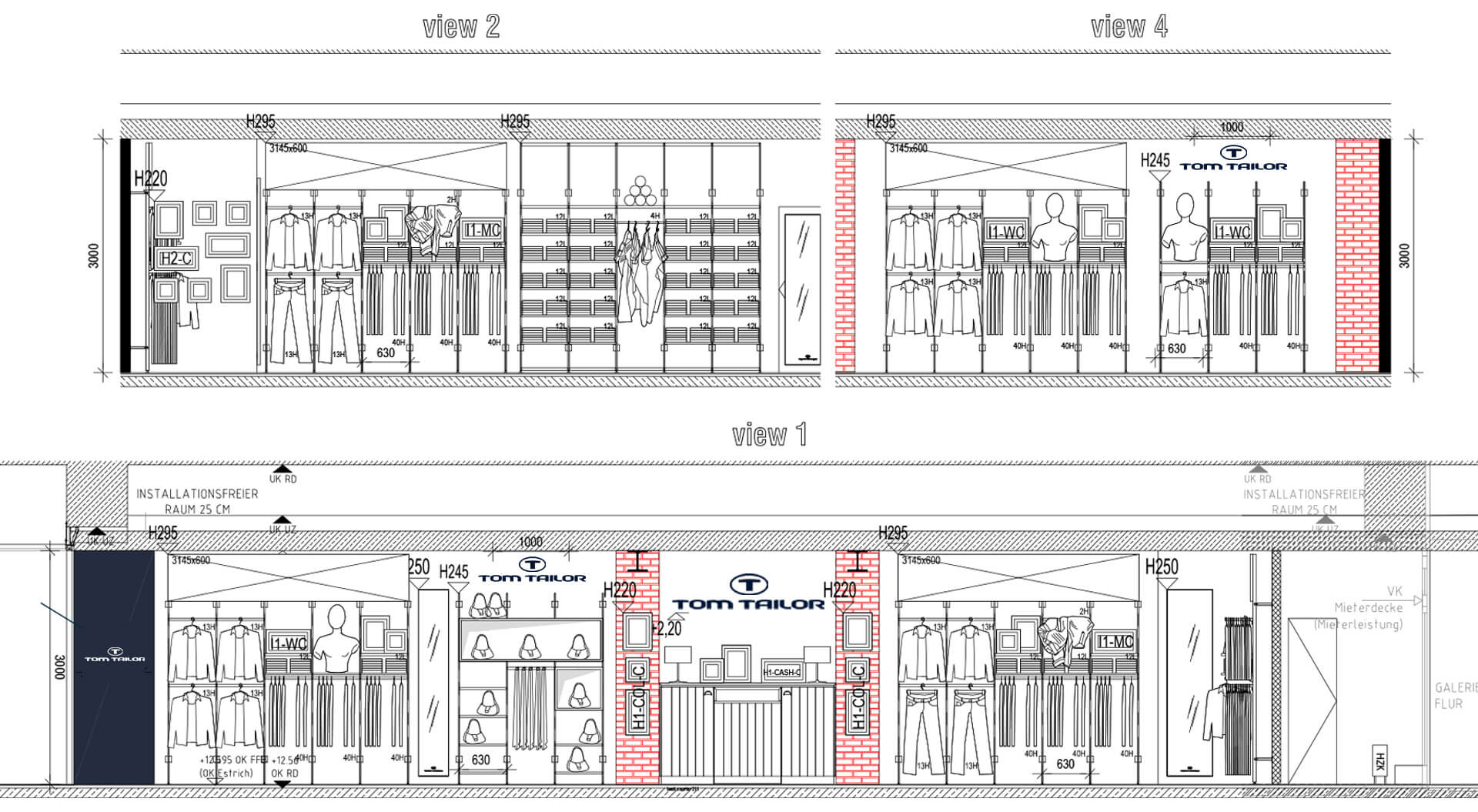
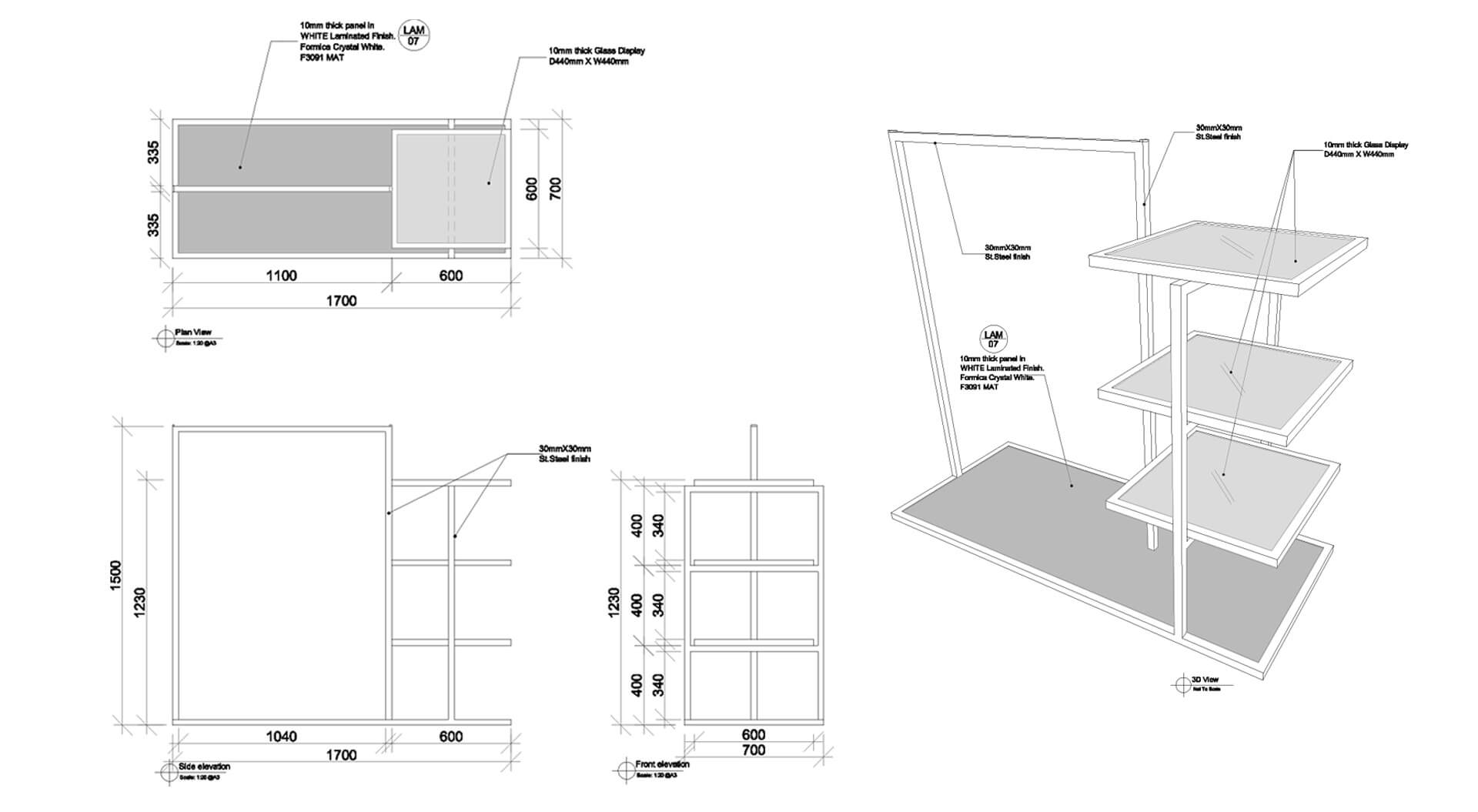
Rails, shelving, tables, wall systems and promotional elements can be specified as a coordinated system, including dimensions, materials, lighting integration, display hierarchy and reconfiguration requirements.
3. Adaptable Merchandising
CampbellRigg integrates visual merchandising with spatial planning and category strategy.
We determine how new collections, hero products, seasonal campaigns, promotional activity and cross-selling opportunities should be presented so that the store can change commercially without requiring structural redesign.
4. Consistent Brand Systems
CampbellRigg translates brand strategy into physical brand standards covering storefront expression, materials, colour, graphics, signage, lighting, photography and key customer touchpoints.
This protects recognition and brand equity as the network expands.
5. Local Adaptation
CampbellRigg establishes controlled flexibility by defining what is mandatory and what can change.
Core brand expression, customer-journey principles and merchandising standards can remain fixed, while fixture quantities, zone dimensions, product emphasis or selected communications can respond to local conditions.
These five disciplines form the design rules. The following stages explain how CampbellRigg turns those rules into a deliverable network system.
How to Develop a Modular Fashion Store Design System
CampbellRigg's process converts the strategy into practical tools that management and delivery teams can use repeatedly.
1. Retail and Brand Audit
We assess the existing estate, customer proposition, brand expression, competitive environment and current store formats.
Deliverable: strategic findings, opportunities and design brief.
2. Format Strategy
We define store roles, footprint parameters, customer missions and commercial priorities.
Deliverable: format architecture and format portfolio.
3. Customer Journey and Spatial Strategy
We establish customer flows, category relationships, focal points, service areas and merchandising zones.
Deliverable: spatial-planning principles and customer-journey framework.
4. Modular Design Architecture
We develop fixture families, materials, lighting, graphics, signage and merchandising systems.
Deliverable: modular design system and specifications.
5. Prototype Development
We test the concept in a representative environment before wider deployment.
Deliverable: prototype store and refinements to the system.
6. Standards and Rollout Documentation
We document the approved concept so future projects can work from a common reference.
Deliverable: design standards, fixture schedules, material schedules, guidelines and rollout documentation.
7. Measurement Framework
We establish the KPIs against which the format will be evaluated.
Deliverable: baseline, performance measures and review framework.
This is how CampbellRigg converts retail strategy into an operational store-format system rather than leaving strategy and implementation as separate exercises.
Testimonial: "I am very pleased with the very good job that Campbell and his team have done to help us create our new look, and have no hesitation In recommending CampbellRigg for their excellent work in a very challenging retail environment." Carlos Criado-Perez Chief Executive Officer, Safeway
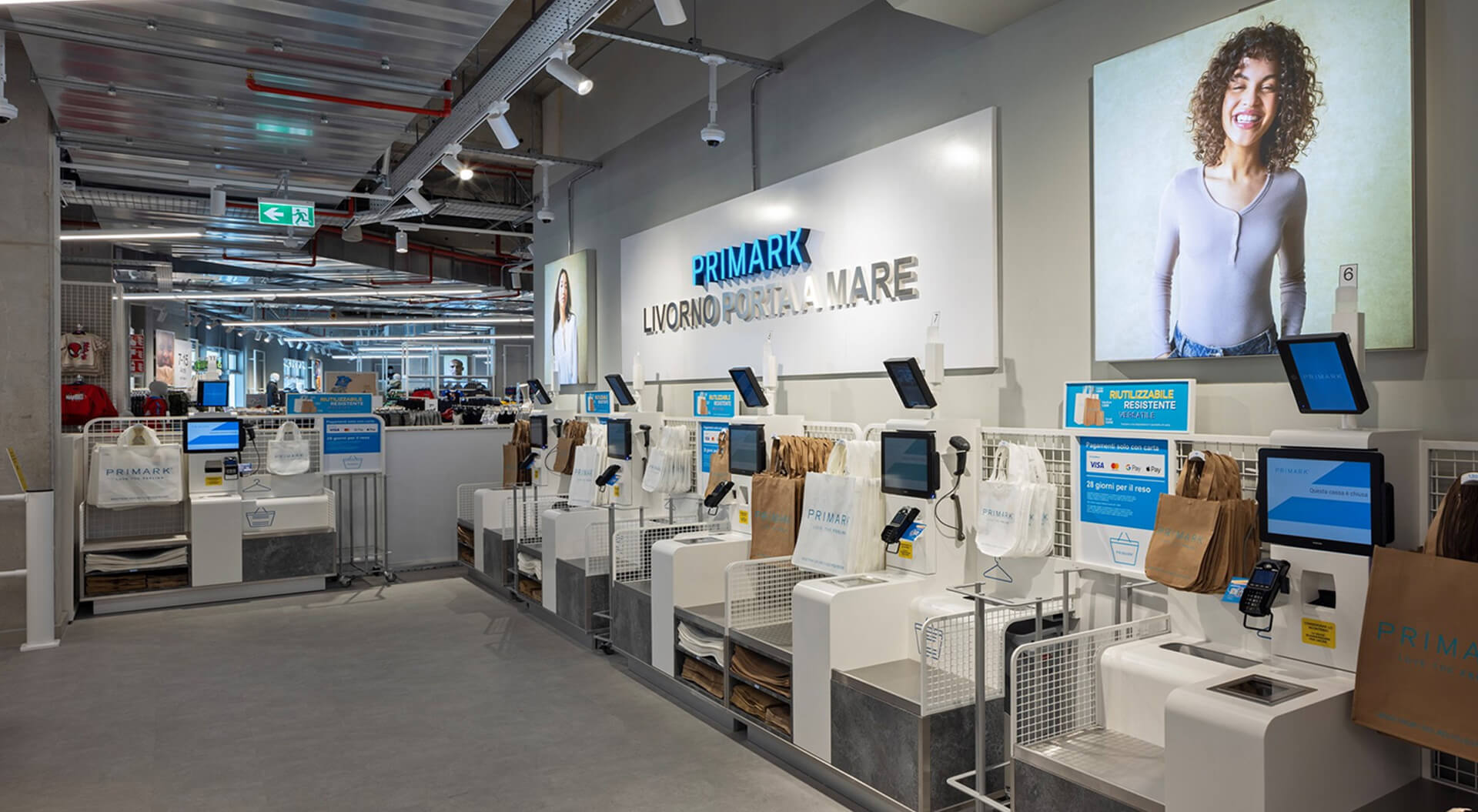
Primark: Scaling a Fashion Store Concept Across Different Locations
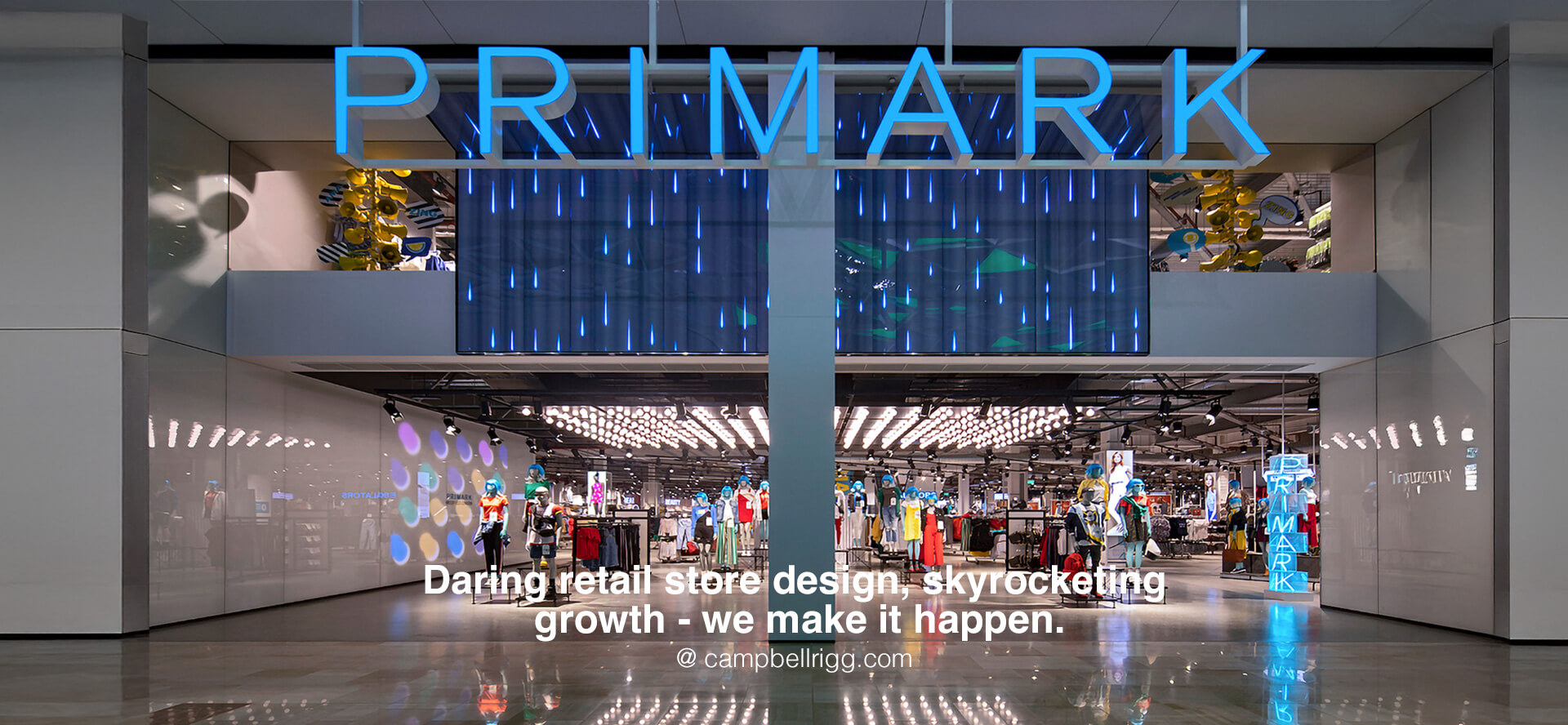
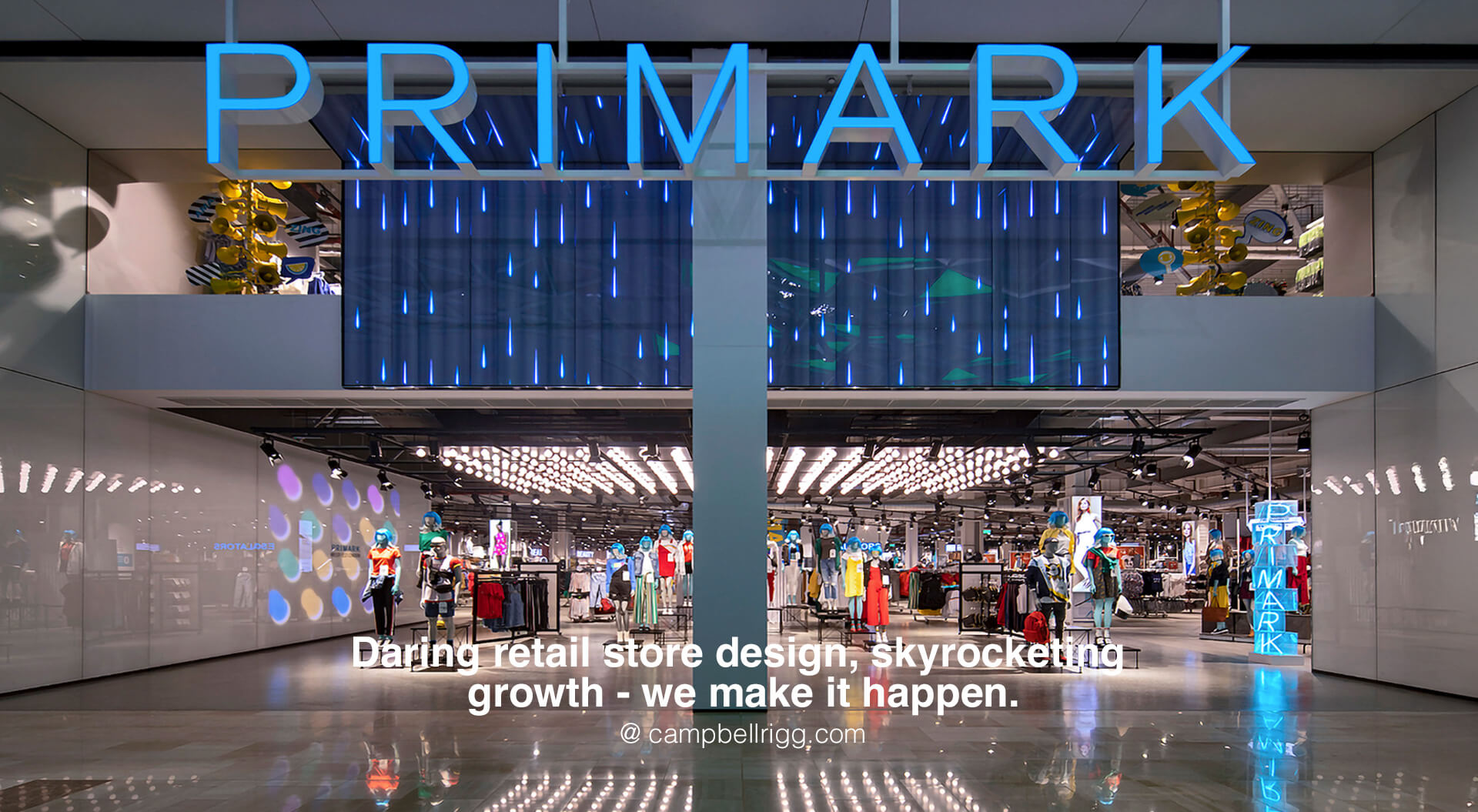
Primark provides an international benchmark for the challenge of applying a recognisable fashion proposition across substantial retail environments.
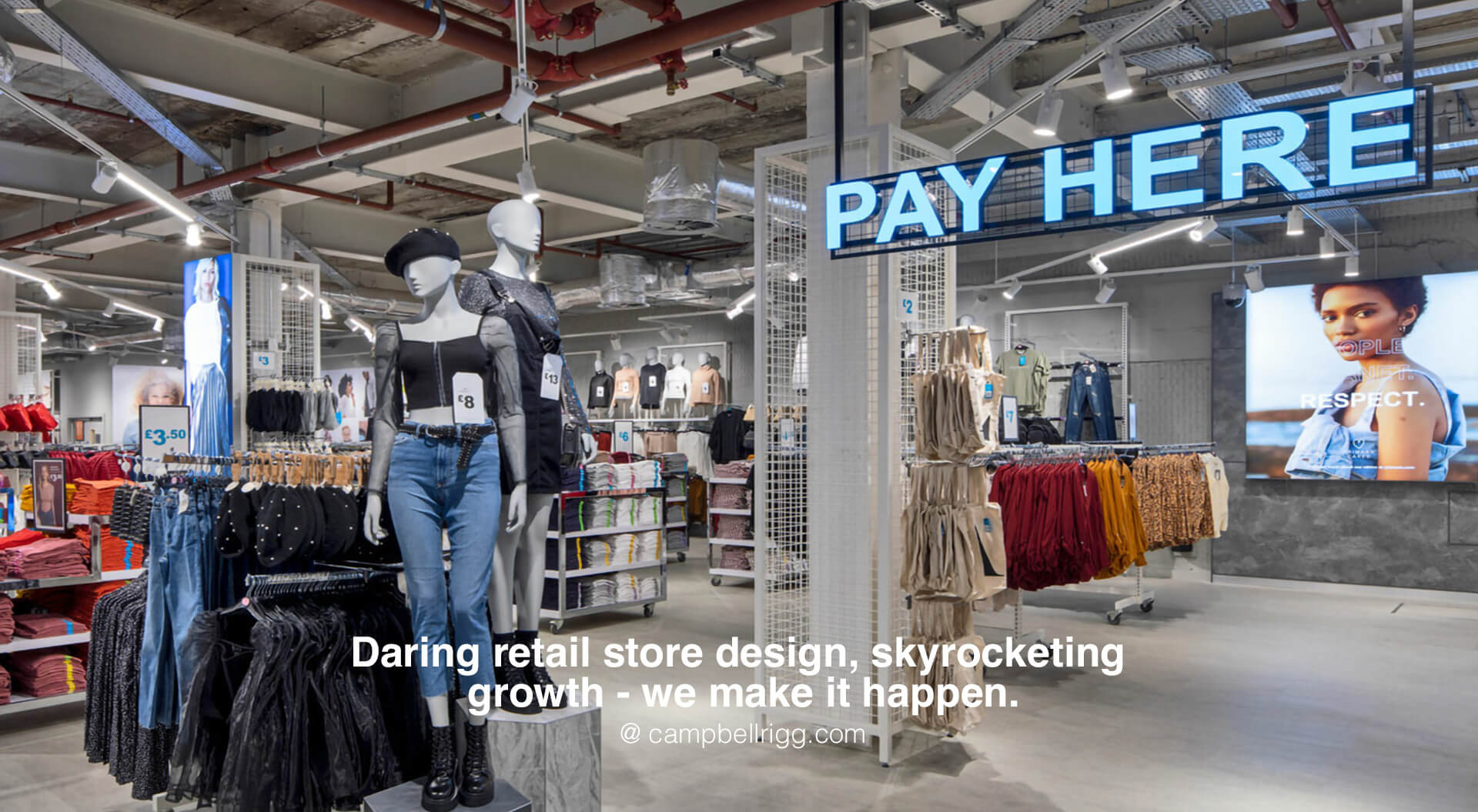
The Primark Westfield London benchmark illustrates the importance of coordinating customer flow, product presentation, brand communication and spatial planning.
What CampbellRigg takes from the benchmark: CampbellRigg does not reproduce another retailer's design. We use international benchmarking to identify format, customer-journey, merchandising and spatial principles that can inform the client's own proposition.
Our fashion benchmarking work has been used to compare international fast-fashion retailers and identify opportunities for distinctive positioning and improved retail performance.
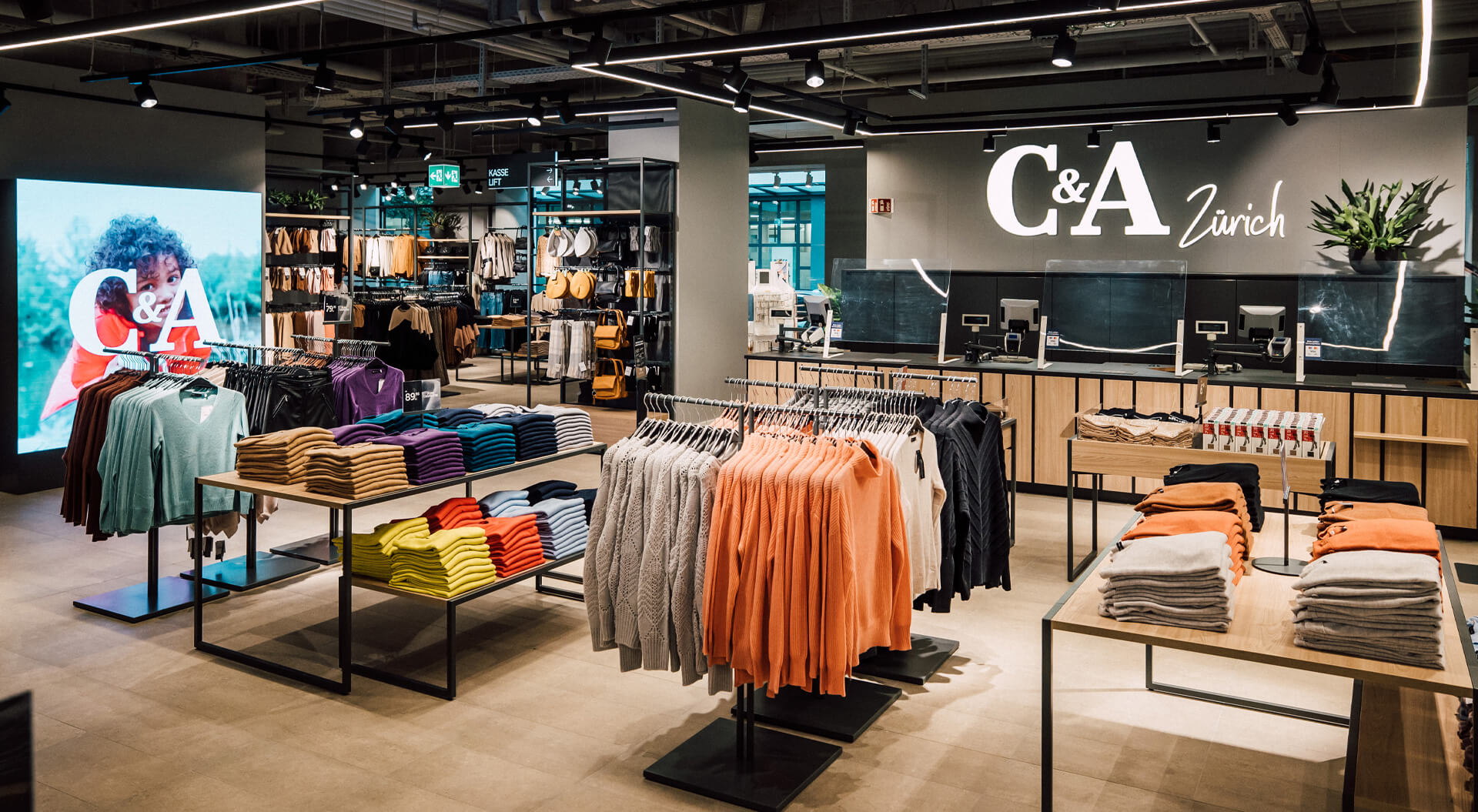
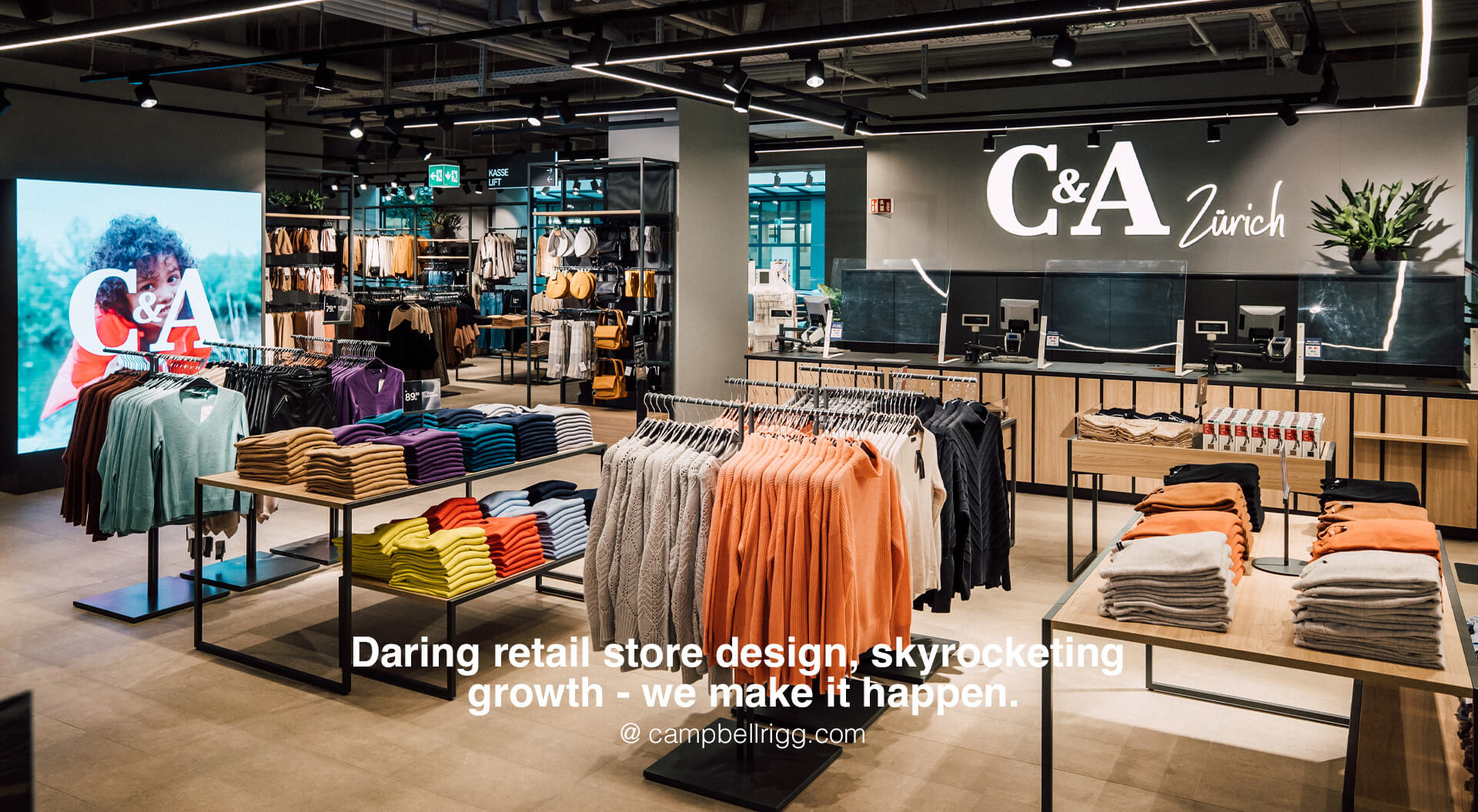
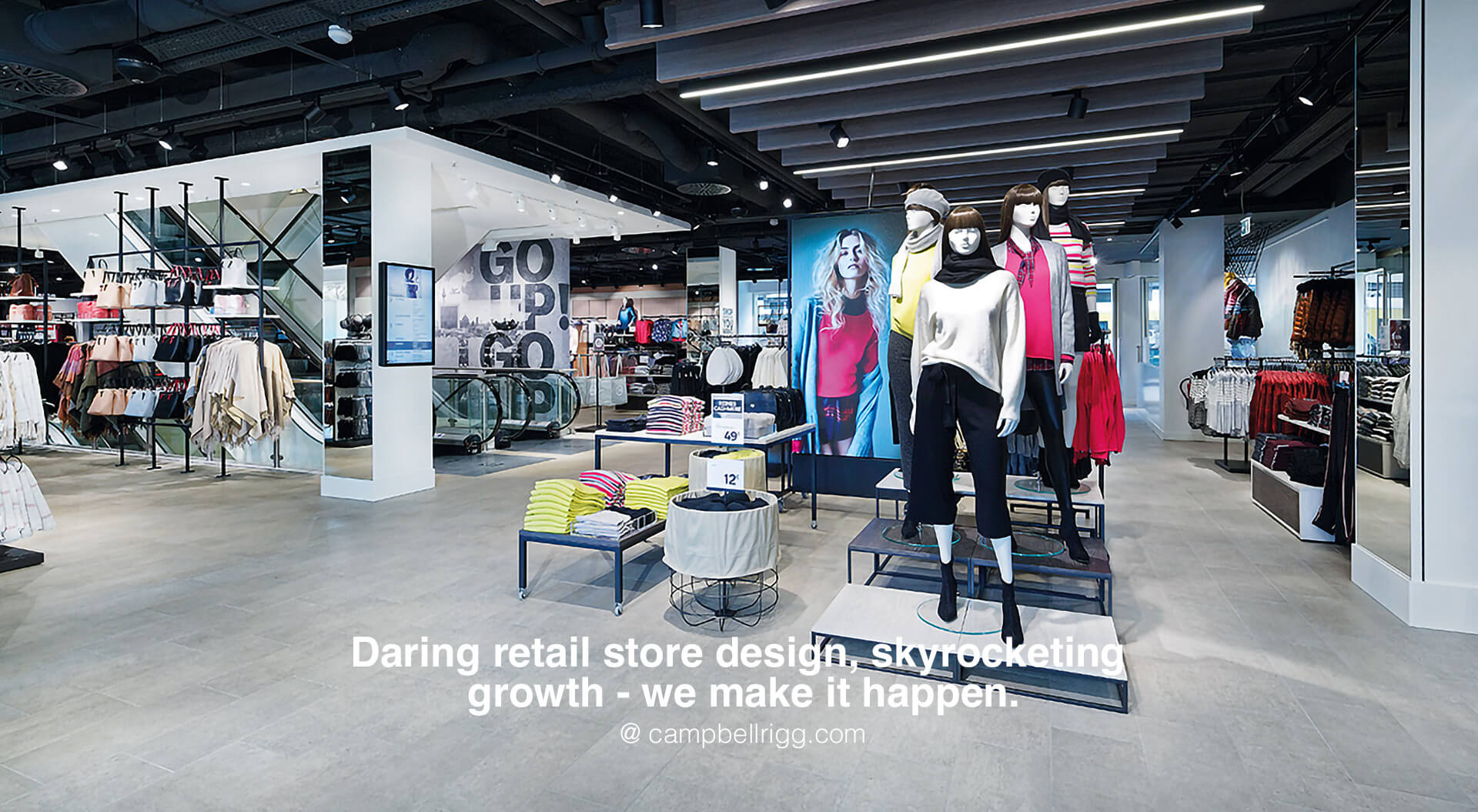
C&A: Flexible Merchandising and Store Adaptation
C&A Zurich provides a further benchmark for the relationship between store environment and changing merchandising requirements.
What CampbellRigg delivers: CampbellRigg develops the merchandising architecture alongside the physical store system.
We establish how collections, categories, campaigns and promotional messages can occupy different spatial configurations while remaining consistent with the overall retail strategy.
The benefit is practical: store teams have clearer rules for changing product presentation, while management retains control over the intended customer experience.
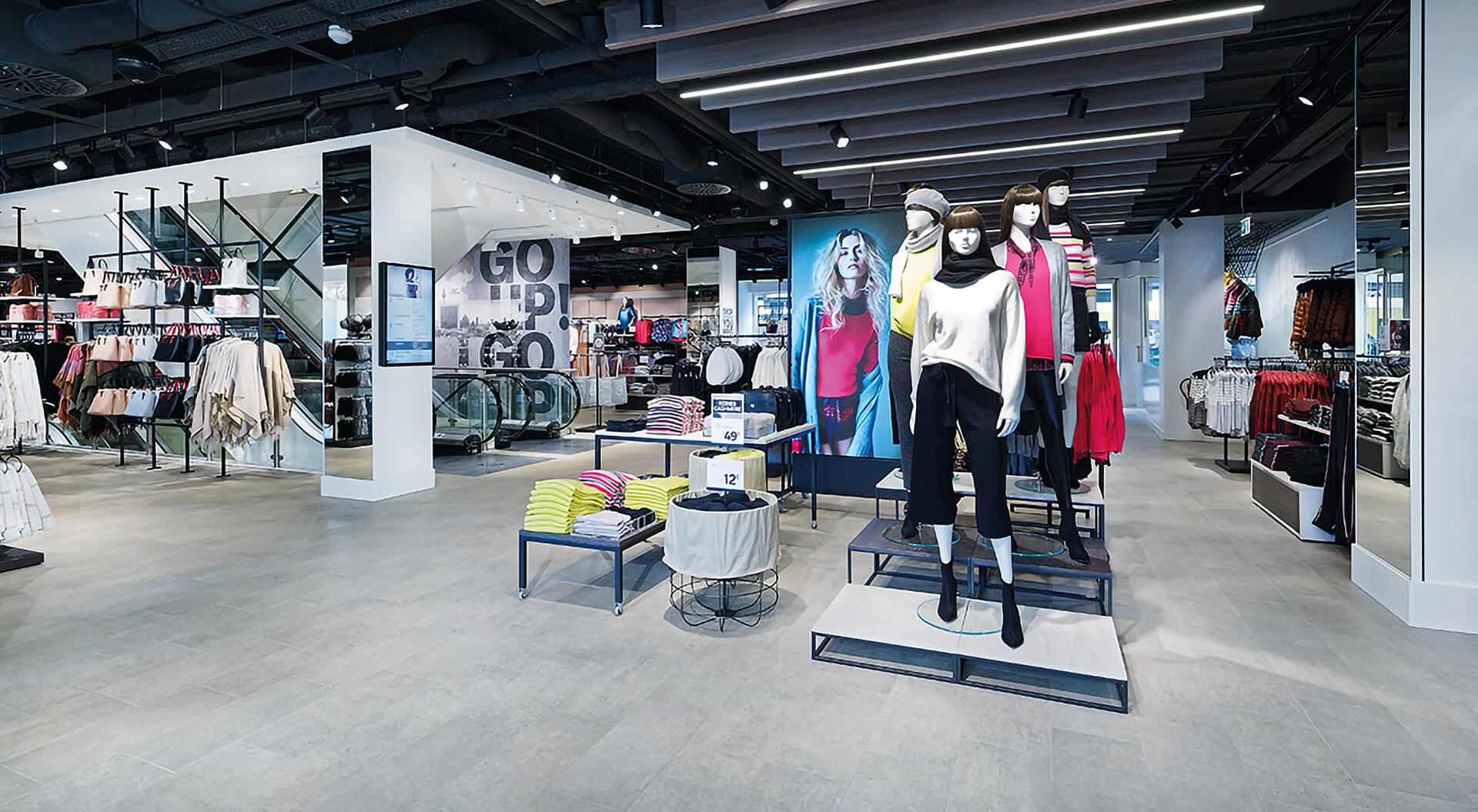
How Modular Store Design Can Reduce Rollout Costs
The economic case for modularity extends beyond construction.
Repeated design development, bespoke specifications and one-off fixtures can increase complexity across a multi-store programme. A tested system can instead provide reusable design information, approved components and clearer implementation requirements.
How CampbellRigg helps: We develop repeatable design specifications and rollout documentation covering fixture families, materials, graphics, spatial modules, merchandising principles and implementation requirements.
This allows management to assess design investment across the whole store lifecycle, initial development, rollout, refurbishment, reconfiguration and future adaptation.
CampbellRigg's fashion case-study material includes project-specific commercial evidence, including an 18% increase in average basket and opportunities for up to 30% ROI improvement associated with tailored space planning and intuitive store navigation. These figures relate to specific project work and should not be treated as universal guarantees.
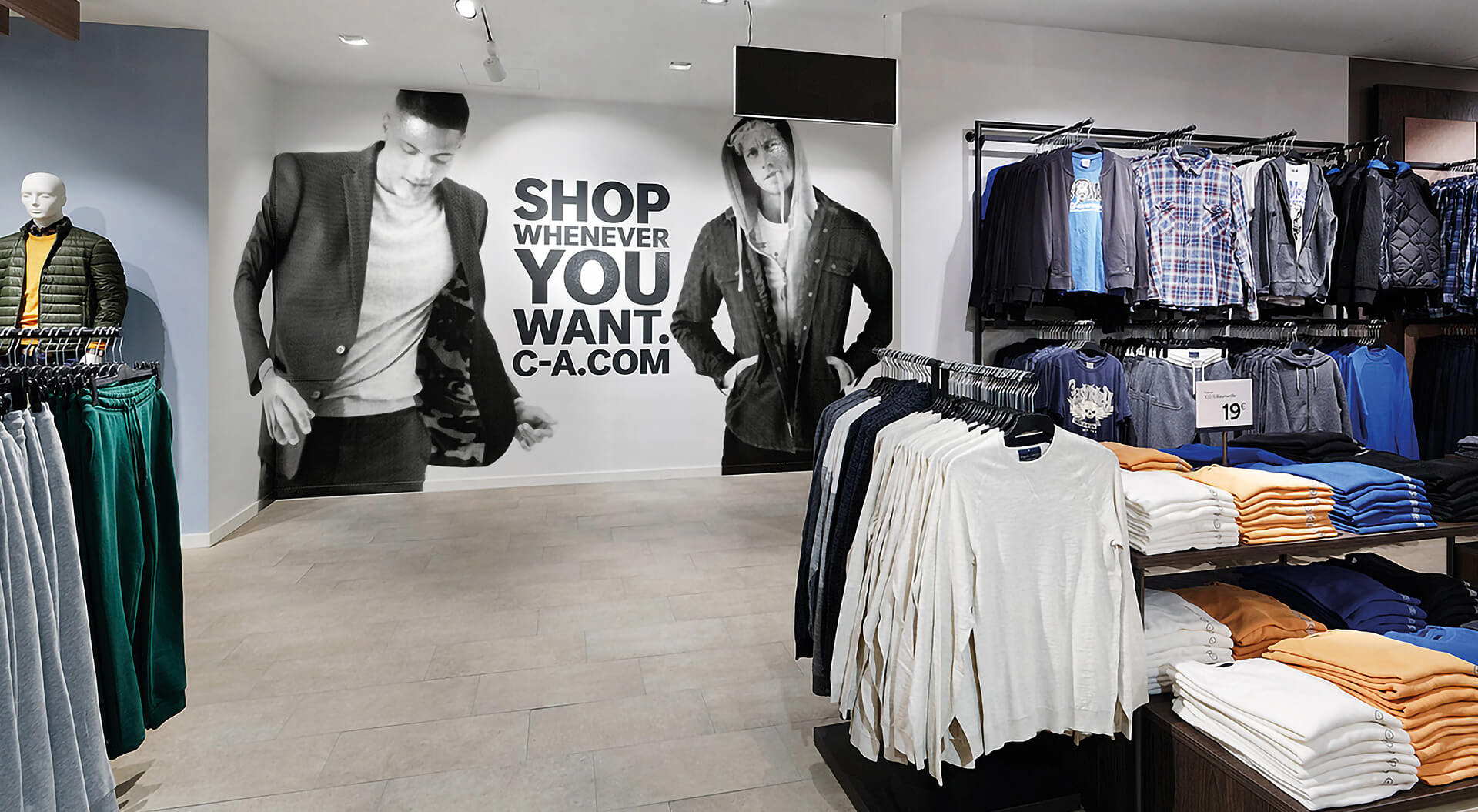
How Scalable Fashion Store Formats Improve Network Consistency
Consistency is a management control issue as much as a design issue.
Without agreed standards, stores can gradually develop different interpretations of the brand, merchandising hierarchy and customer experience.
How CampbellRigg helps: We create the standards and governance framework that future stores can work from:
- brand standards;
- customer-journey principles;
- spatial rules;
- fixture specifications;
- merchandising guidelines;
- lighting and material standards;
- graphic systems;
- local-adaptation rules.
This gives management a common reference for future stores, refurbishments and format extensions.
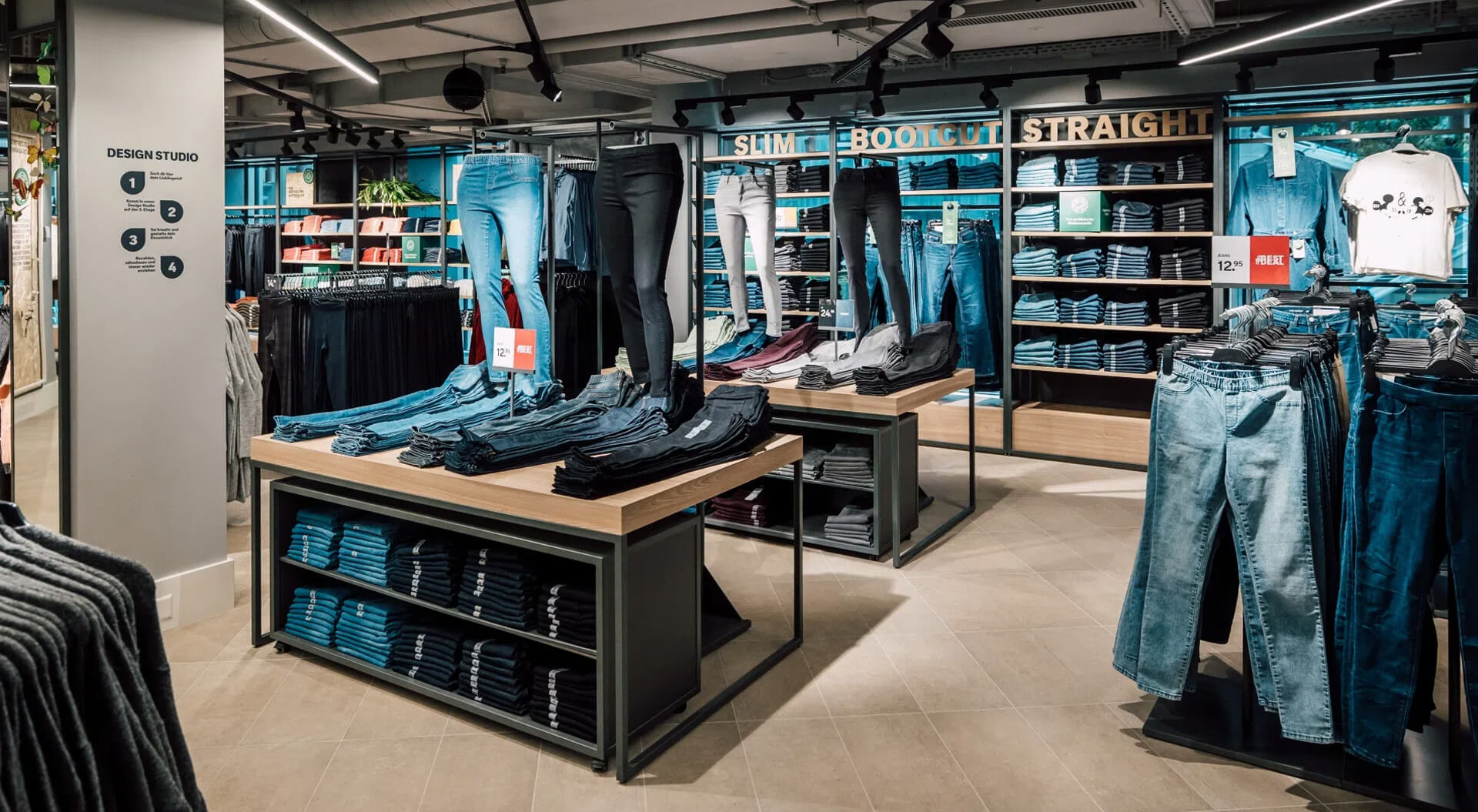
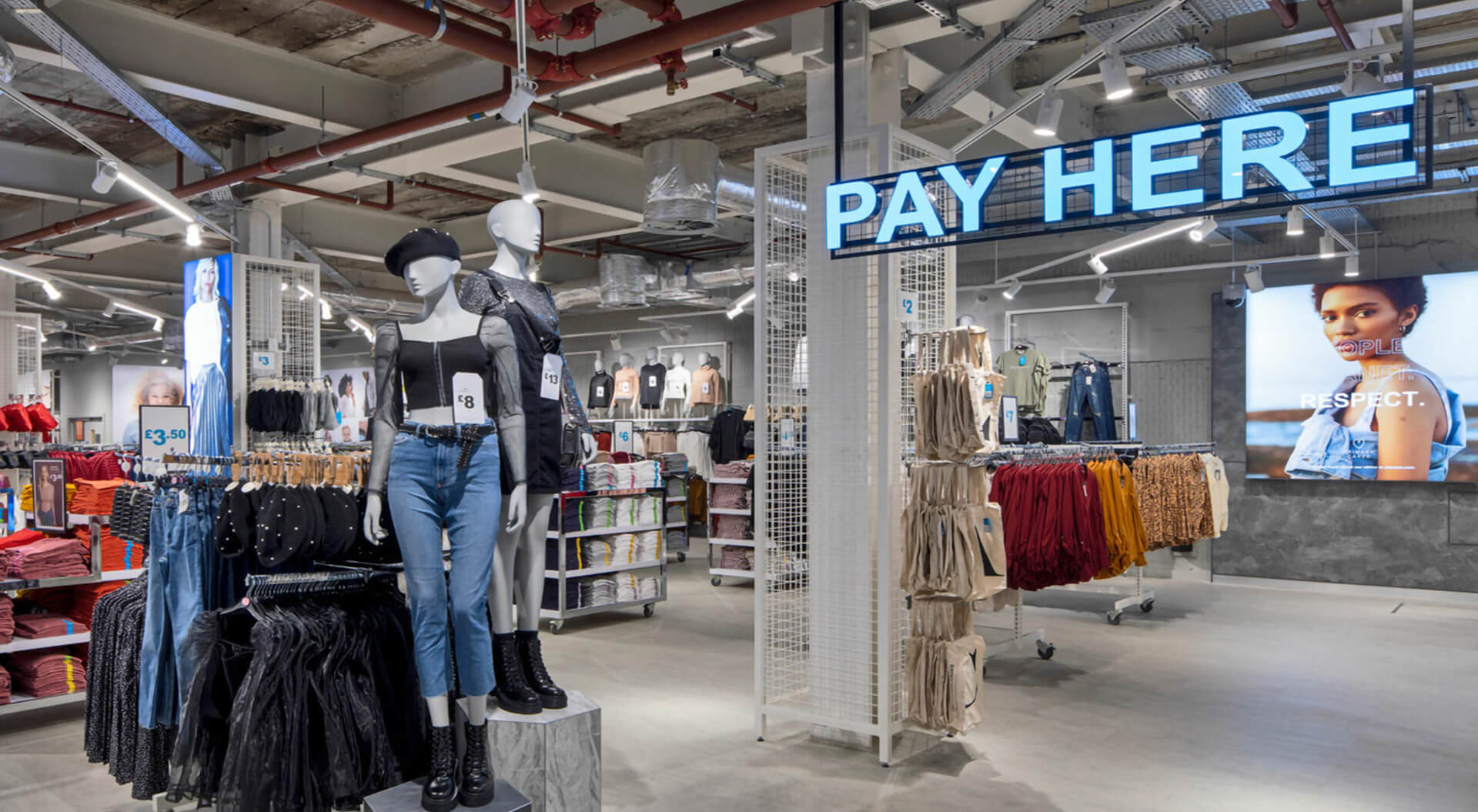
We create seamless store interiors that integrate digital and physical touchpoints for a coherent brand journey.
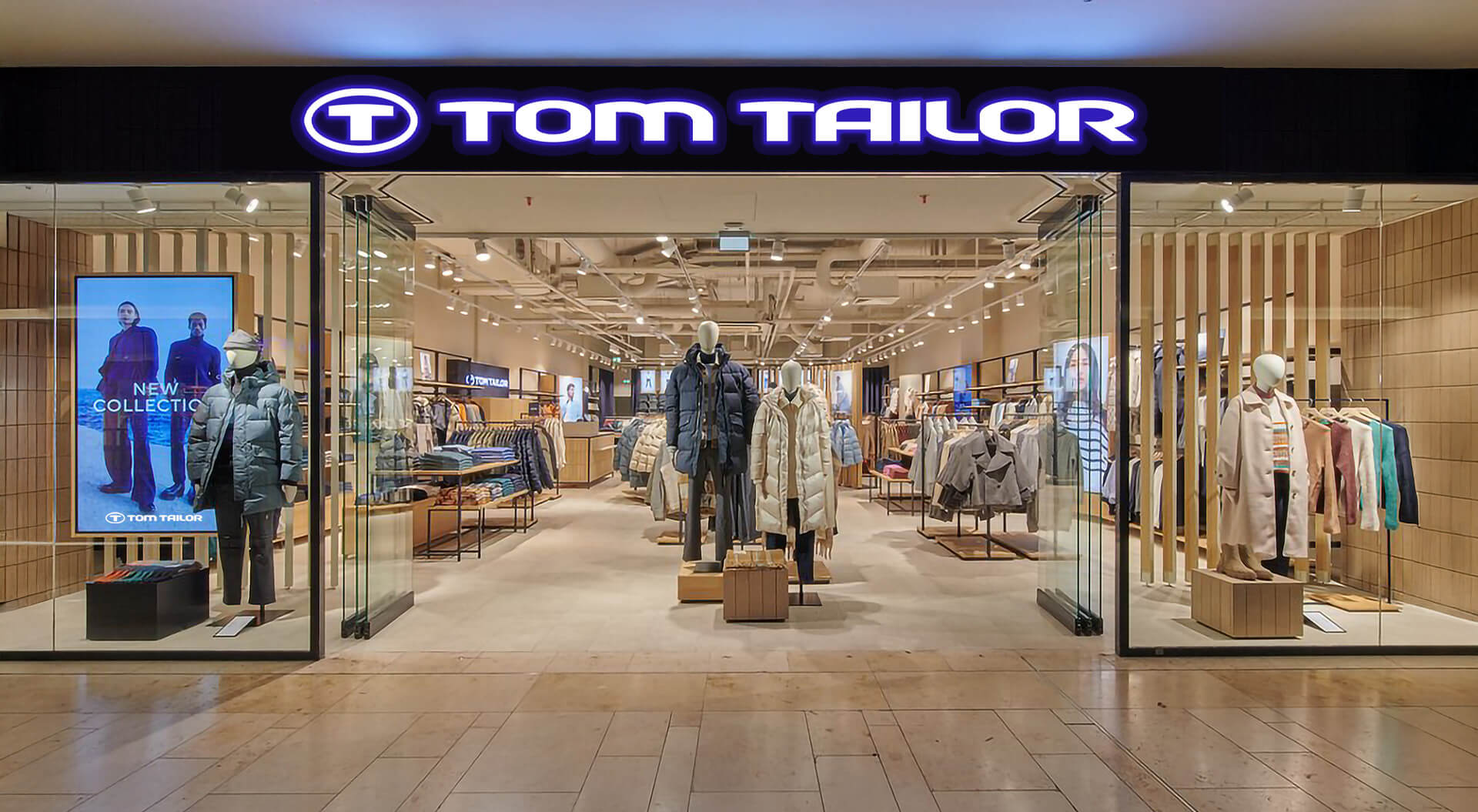
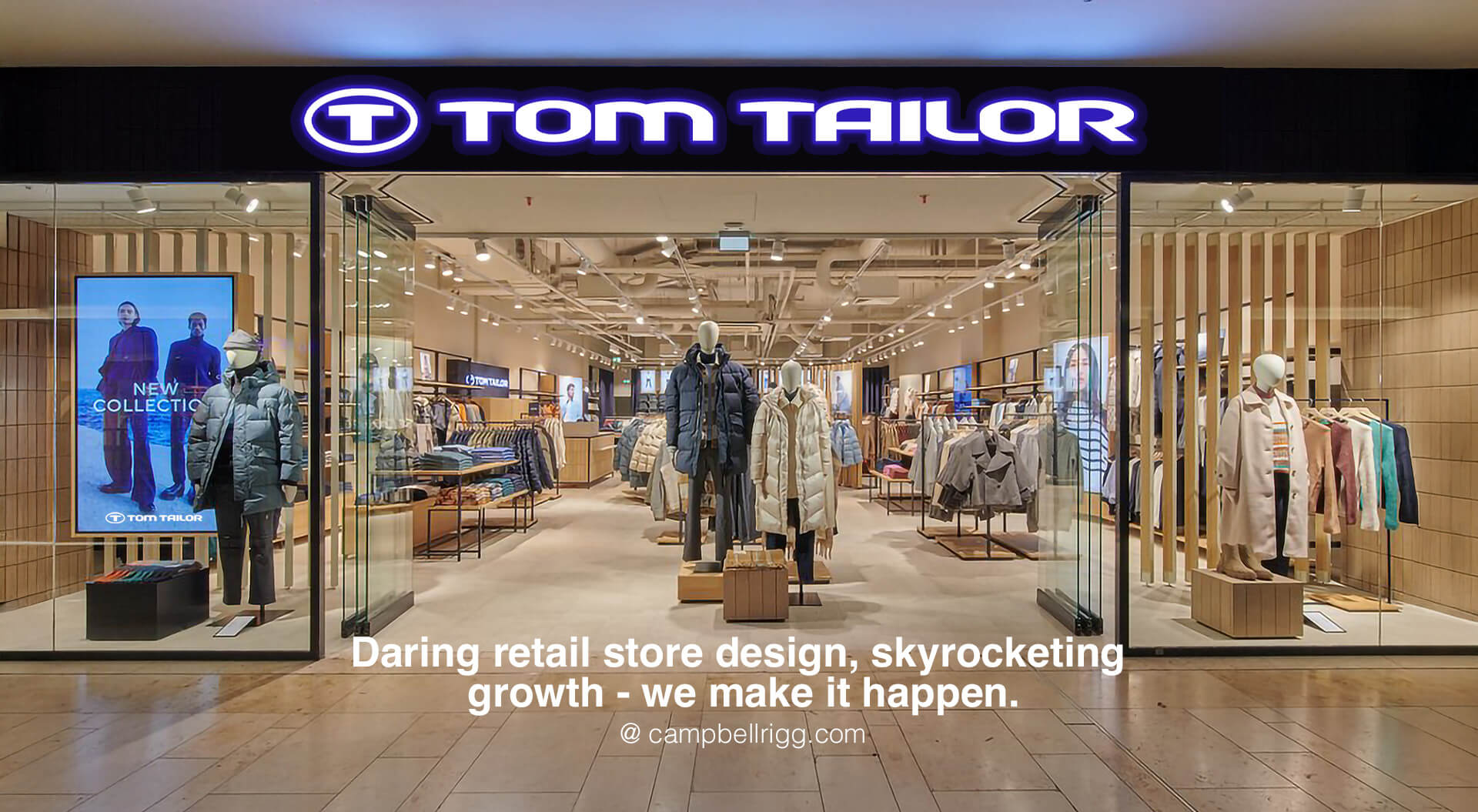
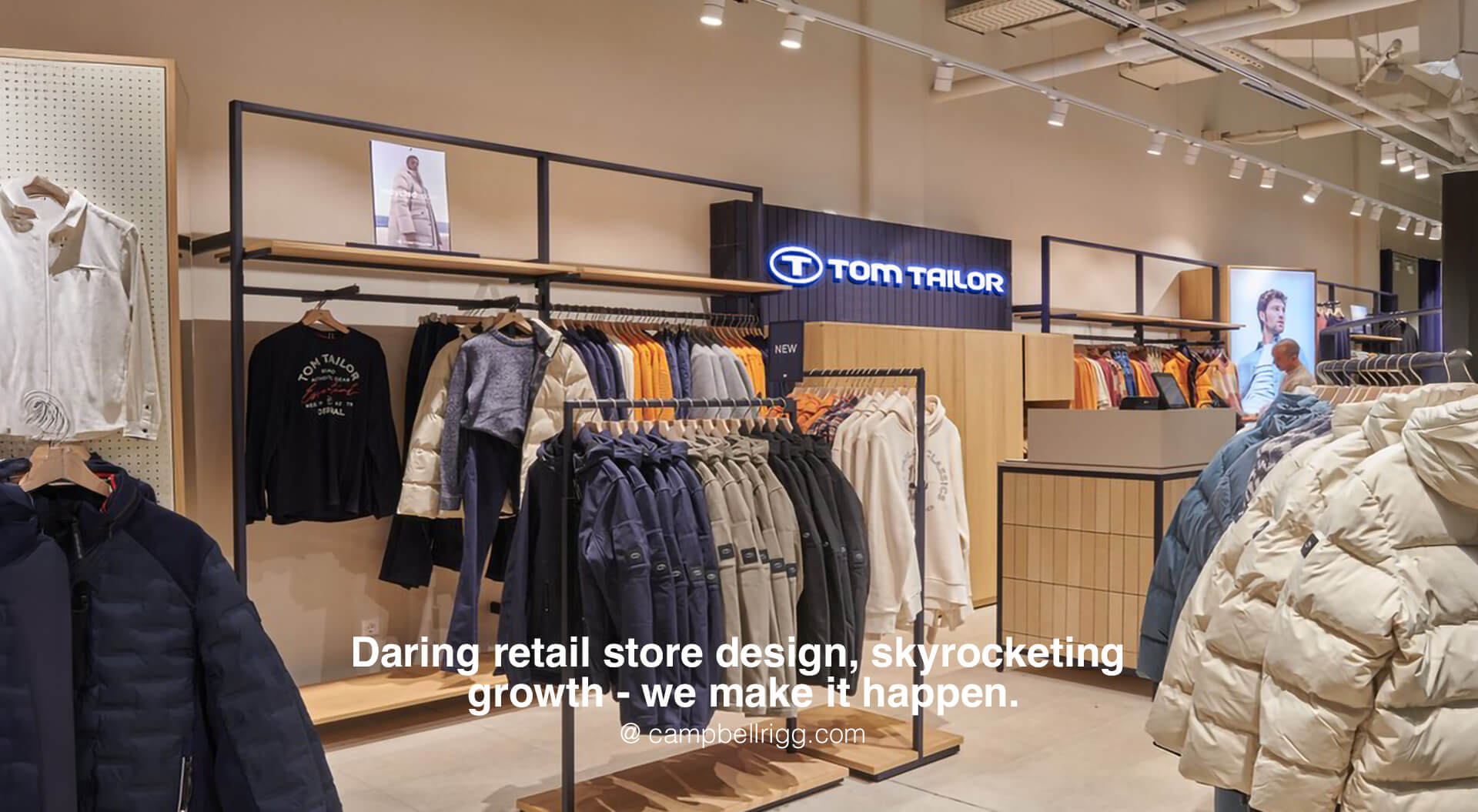
Tom Tailor: Creating a Scalable Fashion Store System
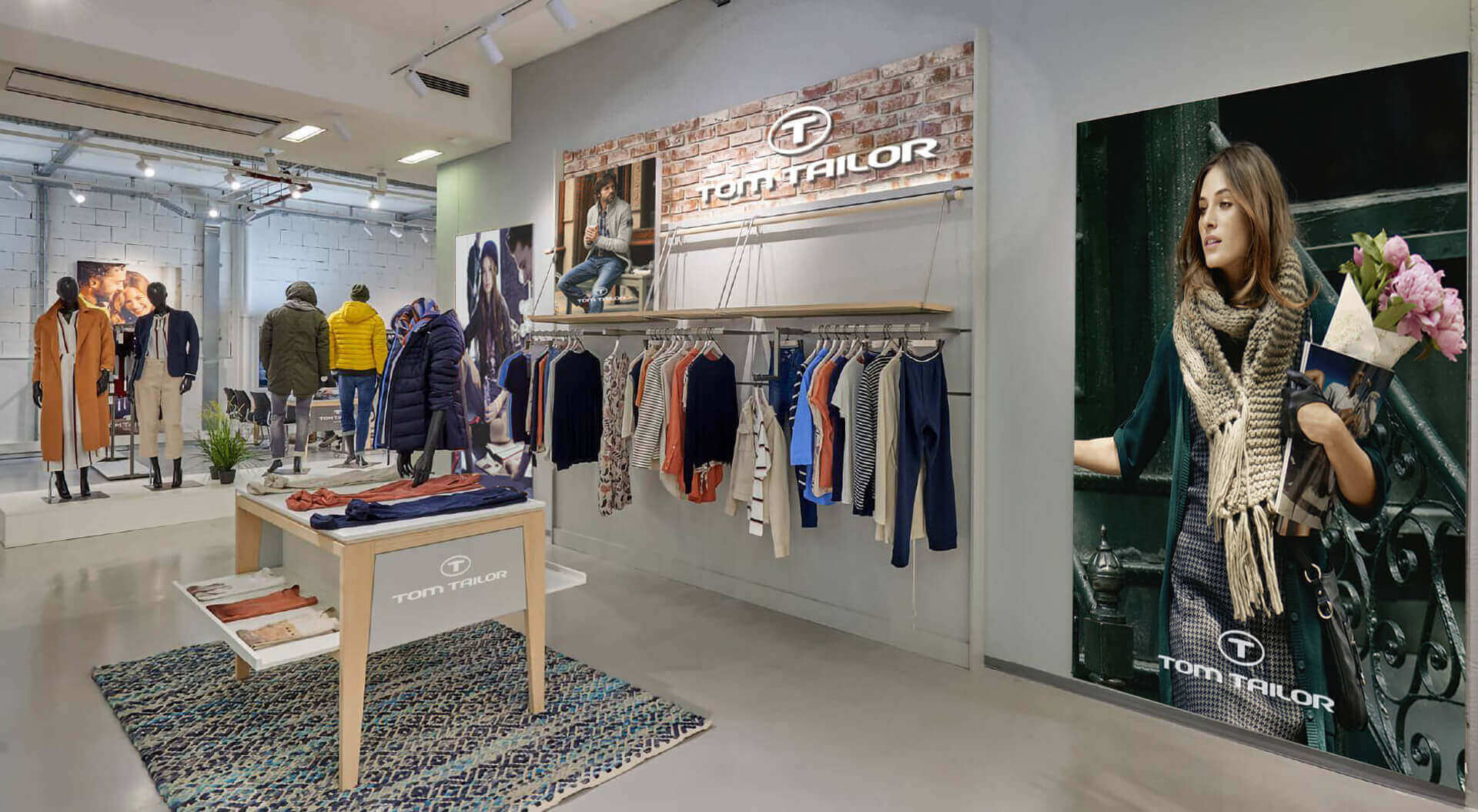
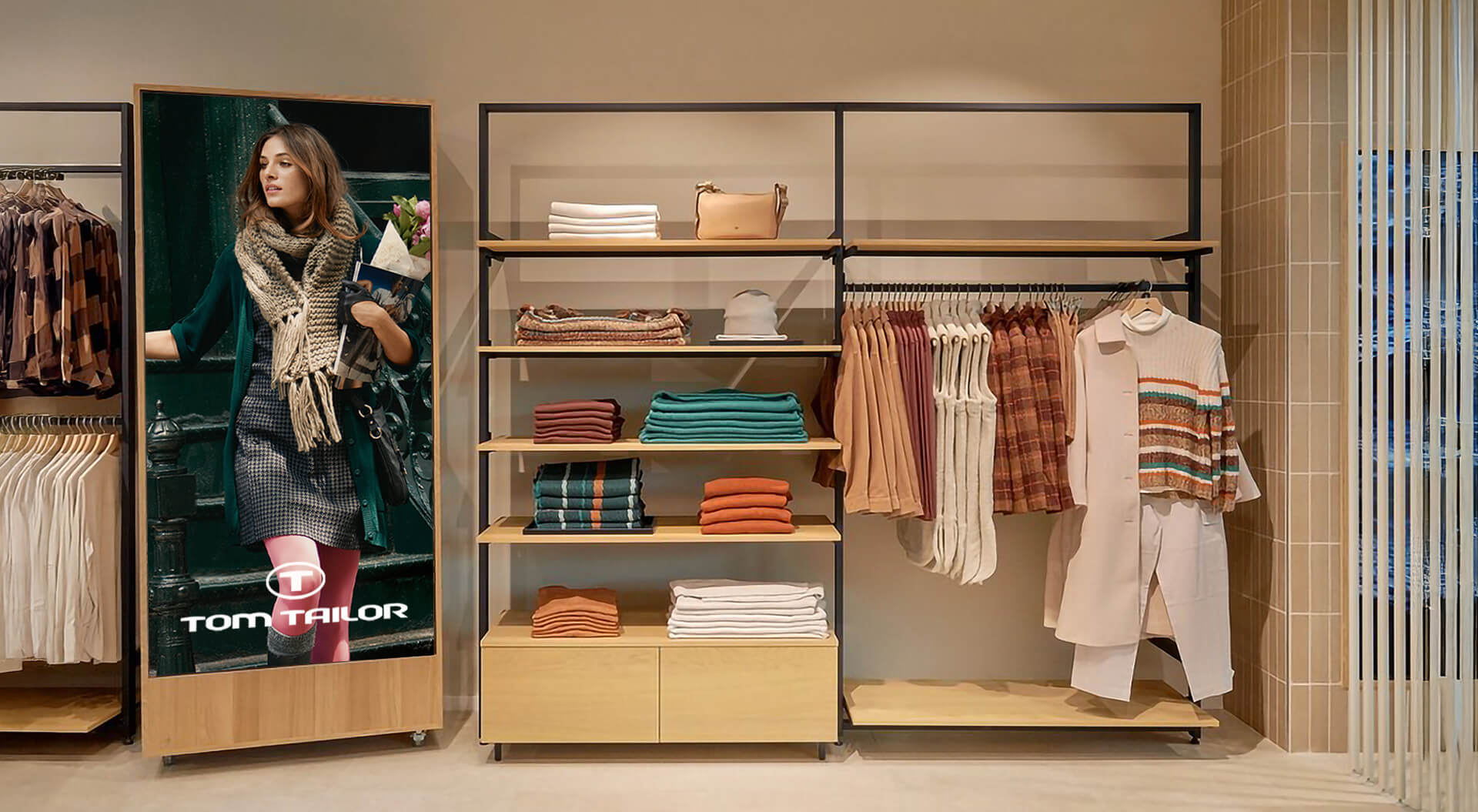
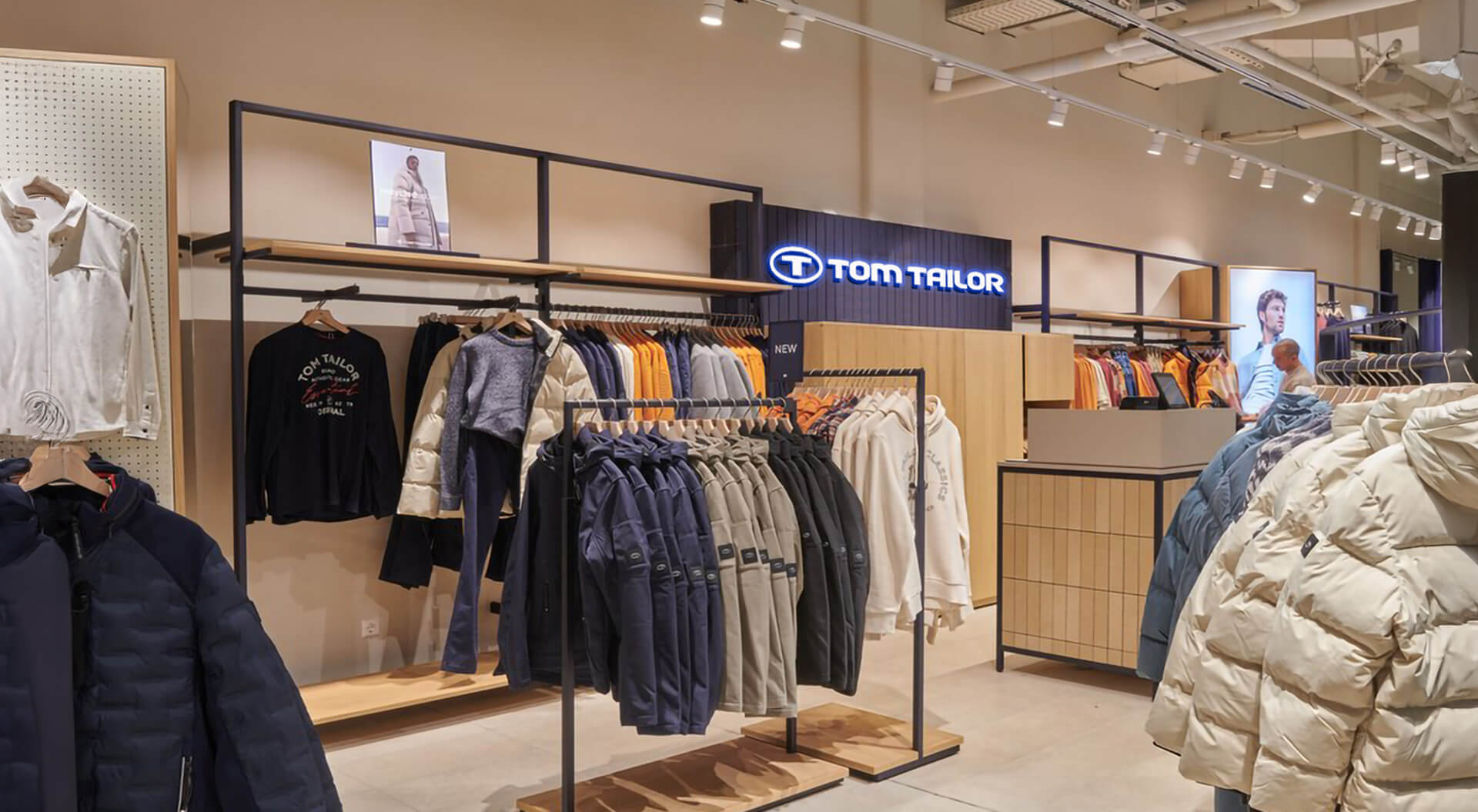
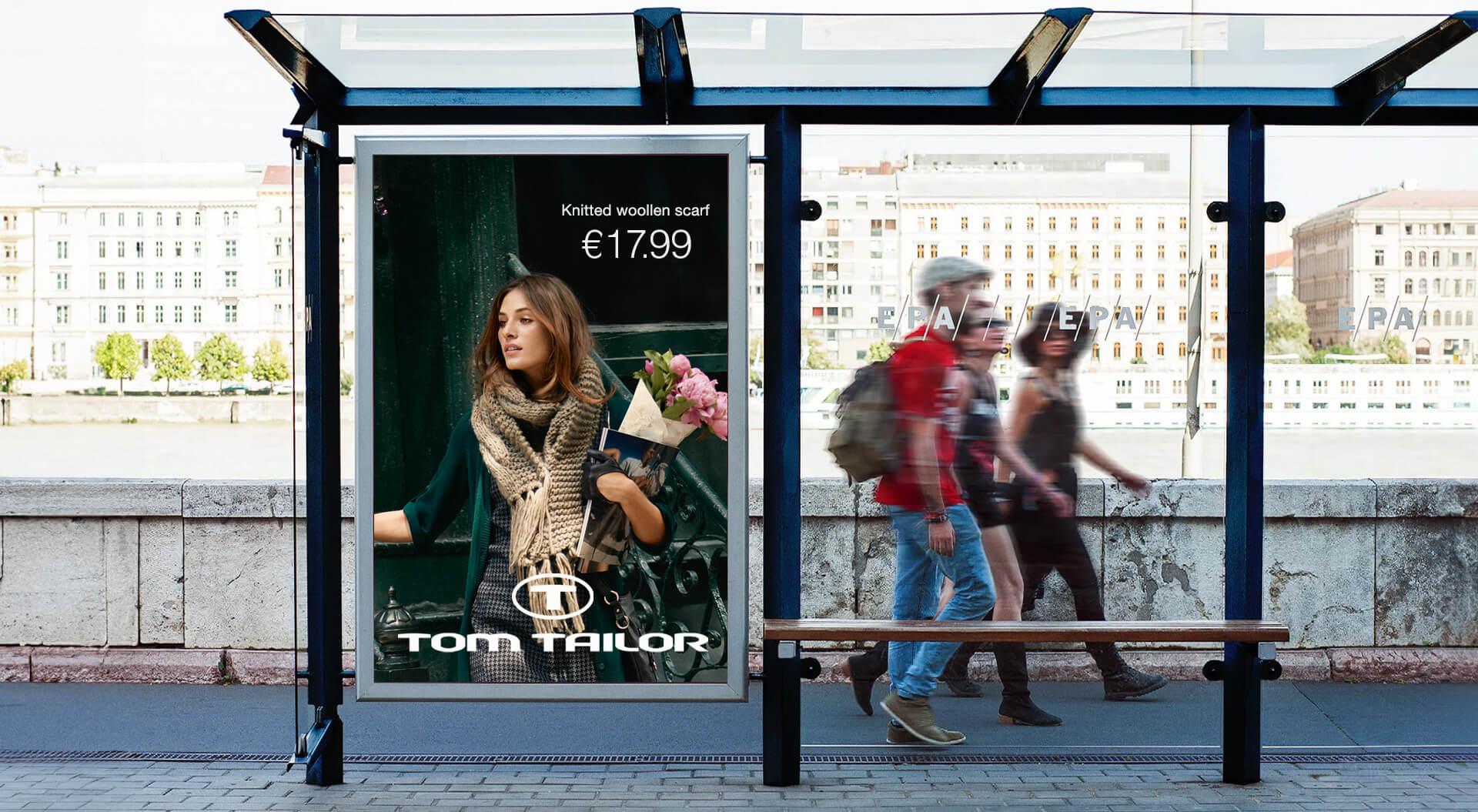
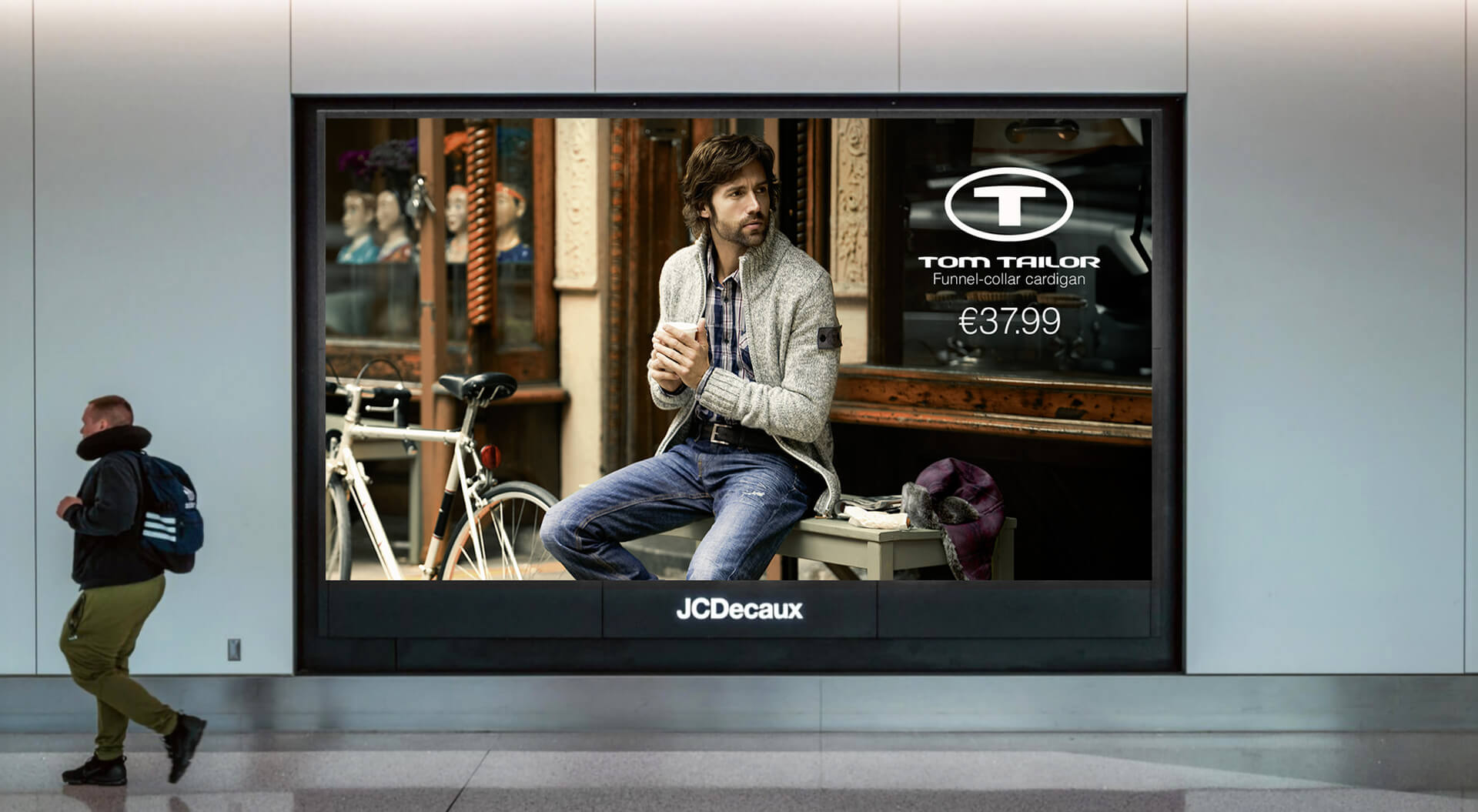
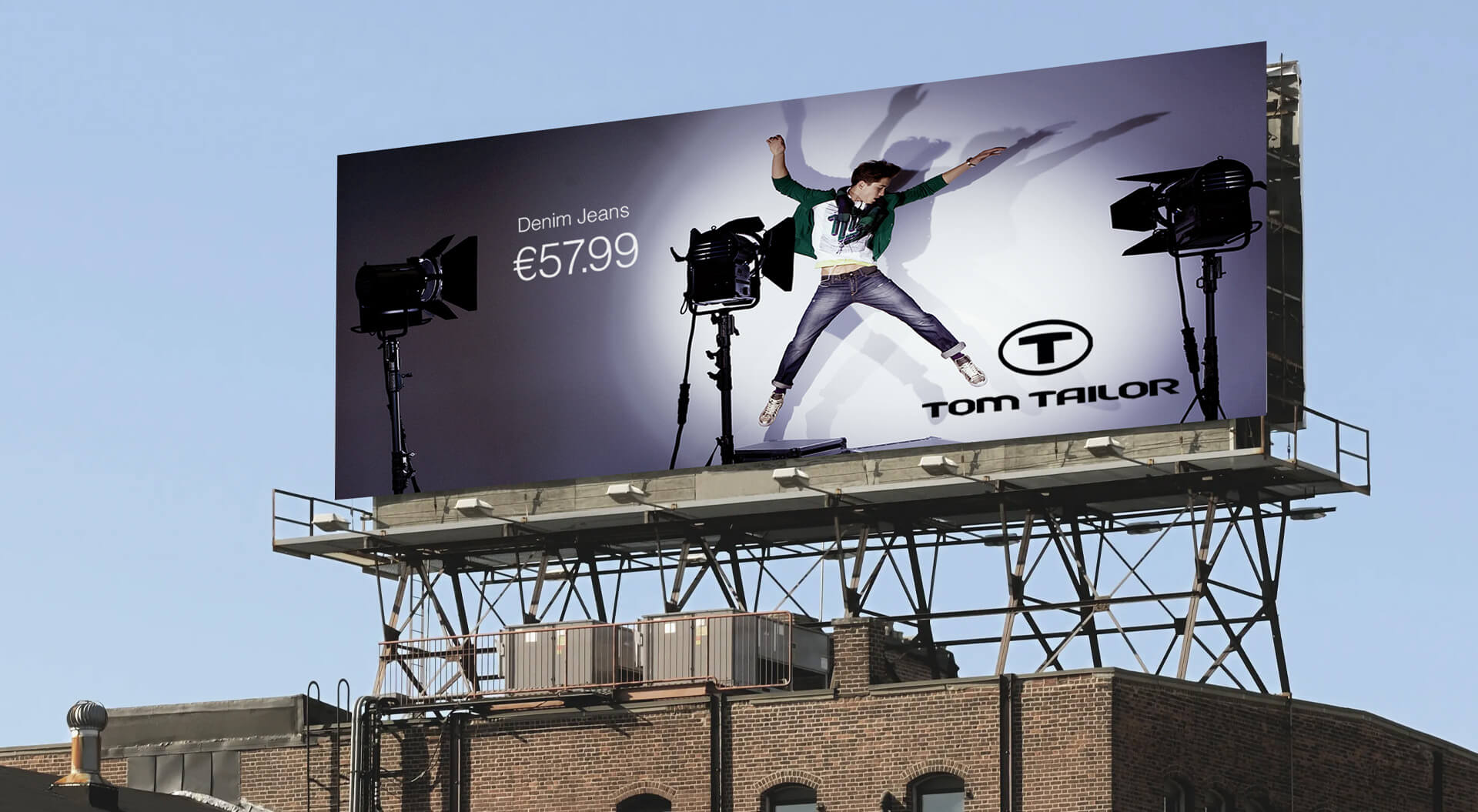
Tom Tailor demonstrates how CampbellRigg combines brand positioning, retail strategy, store design and visual merchandising to create a coherent fashion retail experience.
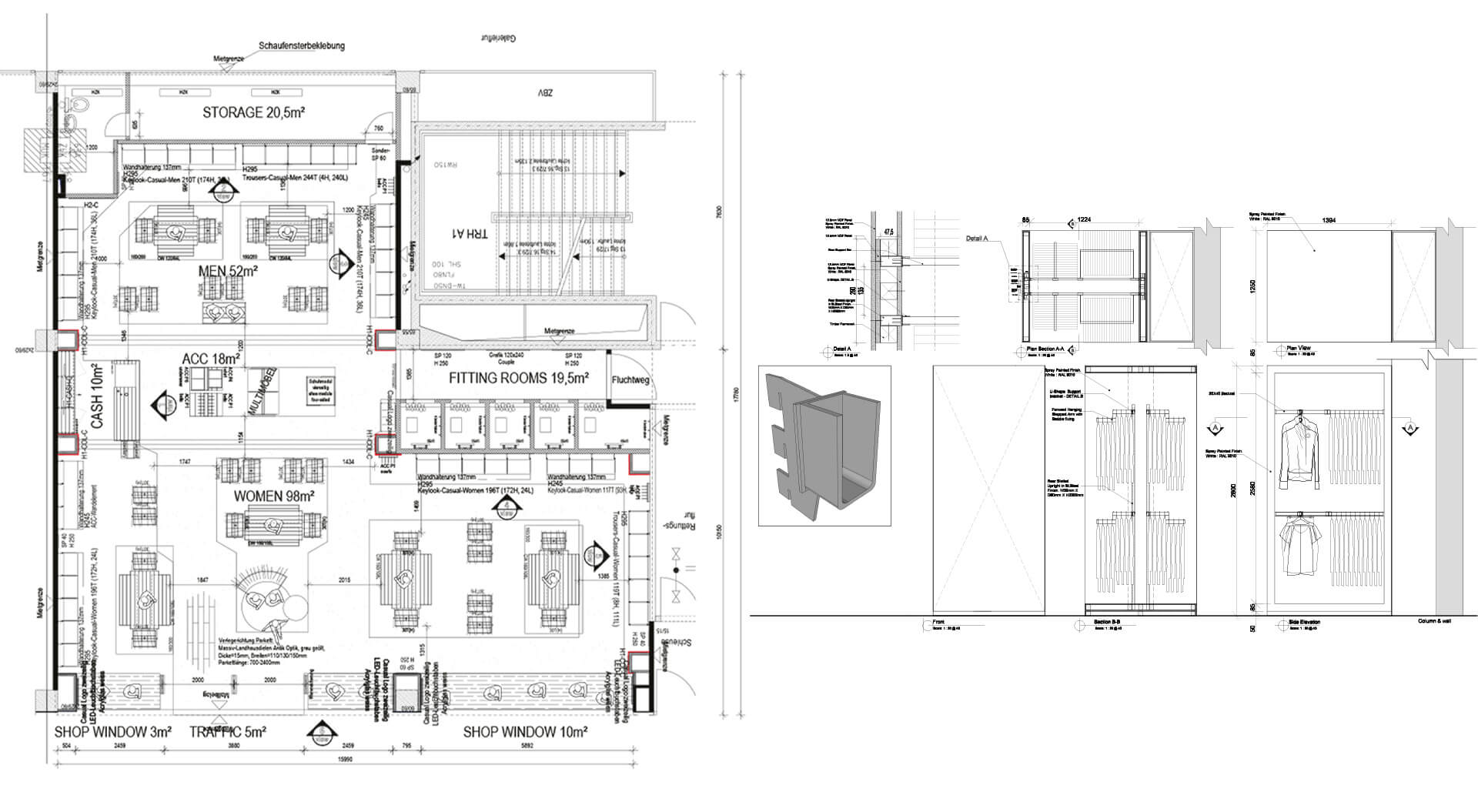
CampbellRigg's work included customer-flow planning, product-category relationships, focal points, merchandising, lighting and graphic communications, connecting the brand proposition directly with the physical retail environment. (campbellrigg.com)
The wider Tom Tailor network included directly owned stores, franchise stores, shop-in-shop locations and multi-brand points of sale, increasing the importance of coherent brand expression and adaptable retail principles. (campbellrigg.com)
The CampbellRigg project identified a 20%+ sales uplift target through shopper-focused layouts and optimised merchandising. (campbellrigg.com)
What this demonstrates: The commercial value lies in the process: brand strategy → retail strategy → customer journey → spatial design → merchandising → physical implementation.
CampbellRigg's expertise is connecting those disciplines so that the resulting concept can become a repeatable retail system rather than an isolated store design.
Measuring the Commercial Performance of Modular Fashion Stores
CampbellRigg establishes measurement before rollout so management can assess whether the format is delivering its intended commercial purpose.
We connect the design intervention to the KPI it is intended to influence.
A pilot can therefore be reviewed against an agreed baseline, with management able to decide which elements should be retained, refined or rolled out.
The process becomes: strategy → design intervention → customer behaviour → KPI → management decision → network refinement.
When Should a Fashion Retailer Adopt a Modular Store Format?
A modular approach is particularly relevant when management is:
- expanding across multiple locations;
- entering new markets;
- operating several store footprints;
- refurbishing an existing network;
- accelerating rollout;
- changing merchandising strategy;
- developing smaller formats;
- seeking greater control over design and rollout costs.
The greatest opportunity comes when modularity is incorporated before the store concept is finalised.
CampbellRigg can then build repeatability into the retail strategy, format architecture, customer journey, fixtures, merchandising, brand standards and rollout documentation from the outset.
What Exactly Does CampbellRigg Deliver?
For senior management, the practical output is a scalable retail system, not simply a store concept.
Depending on the programme, CampbellRigg can provide:
Strategy = retail audit, international benchmarking, brand assessment, retail strategy and format strategy.
Format architecture = store roles, footprint principles, customer journeys, spatial hierarchies and category zoning.
Design system = modular fixtures, merchandising systems, materials, lighting, graphics, signage and environmental brand expression.
Customer experience = customer journeys, product storytelling, visual merchandising and key customer touchpoints.
Prototype = representative store concept, testing and refinement.
Rollout tools = technical information, design standards, fixture schedules, material schedules and implementation guidelines.
Measurement = KPI definition, performance baselines and post-implementation review.
The benefit to management is a single connected framework linking strategy, design, implementation and measurement.
From Retail Strategy to a Scalable Fashion Network
The strategic value of modular fashion store design is not that every store becomes identical.
It is that management gains a controlled system for developing, deploying and improving stores across the network.
CampbellRigg brings together the expertise required to make that possible: retail strategy → format strategy → customer journey → spatial planning → merchandising → modular design → brand standards → prototype → rollout → measurement.
Each discipline has a defined role. Together they create a retail system that can be deployed across locations while giving management greater control over investment, implementation and commercial performance.
For fashion retailers planning expansion, refurbishment or international rollout, CampbellRigg can develop the modular fashion store design system that turns retail strategy into a scalable, measurable and commercially effective network.
Book a consultation with CampbellRigg to define your format strategy, develop the modular design system and establish the rollout and measurement framework for your next phase of retail growth.
Drive ROI up to 30%. Increase average basket by 18% with Campbell Rigg’s tailored space planning and intuitive store navigation designs.

Schedule your consultation today and receive a free quote.
Cost-Effective Excellence:
Our pricing structure is highly competitive, offering exceptional value without compromising on quality or creativity.
Rapid Execution:
We move fast. From concept to implementation, our agile team ensures your project is delivered on time and to the highest standards.
Multidisciplinary Expertise:
Our team brings together seasoned brand strategists, architects, interior designers, and graphic designers, collaborating to create seamless, end-to-end brand environments.
Global Reach, Local Insight:
With successful projects delivered across Europe, the Middle East, and Asia, we combine international experience with local market understanding.
Scalable Project Delivery:
Whether it's a flagship fashion store, an urban network or mall store, we manage and execute projects of all sizes, efficiently and effectively.
Proven Track Record:
Our designs evolve branch networks from purely transactional spaces into experiential, relationship-focused brand environments, enhancing engagement, elevating customer experience, and driving tangible business results.
Full-Service Creative Agency:
From rebranding and marketing campaigns to spatial design and rollout, we provide an integrated service tailored to your goals.