News and Views
Fashion Retail Rebranding: Transform Brand Identity into a Scalable Retail Network



Fashion Retail Rebranding: Transform Brand Identity into a Scalable Retail Network
Fashion retail rebranding is no longer simply a question of refreshing colours, fixtures or signage. For senior management, the objective is to align brand strategy, customer experience, store design and commercial performance across a retail network.
A successful rebrand establishes a clear retail proposition, translates it into a distinctive store experience, connects physical and digital channels, and creates a format that can be implemented consistently across different locations.
CampbellRigg combines retail strategy, brand auditing, design-brief construction, brand identity, retail branding, customer journey planning, fashion store design, format planning, visual merchandising and digital experience to connect these decisions into one commercially focused programme.
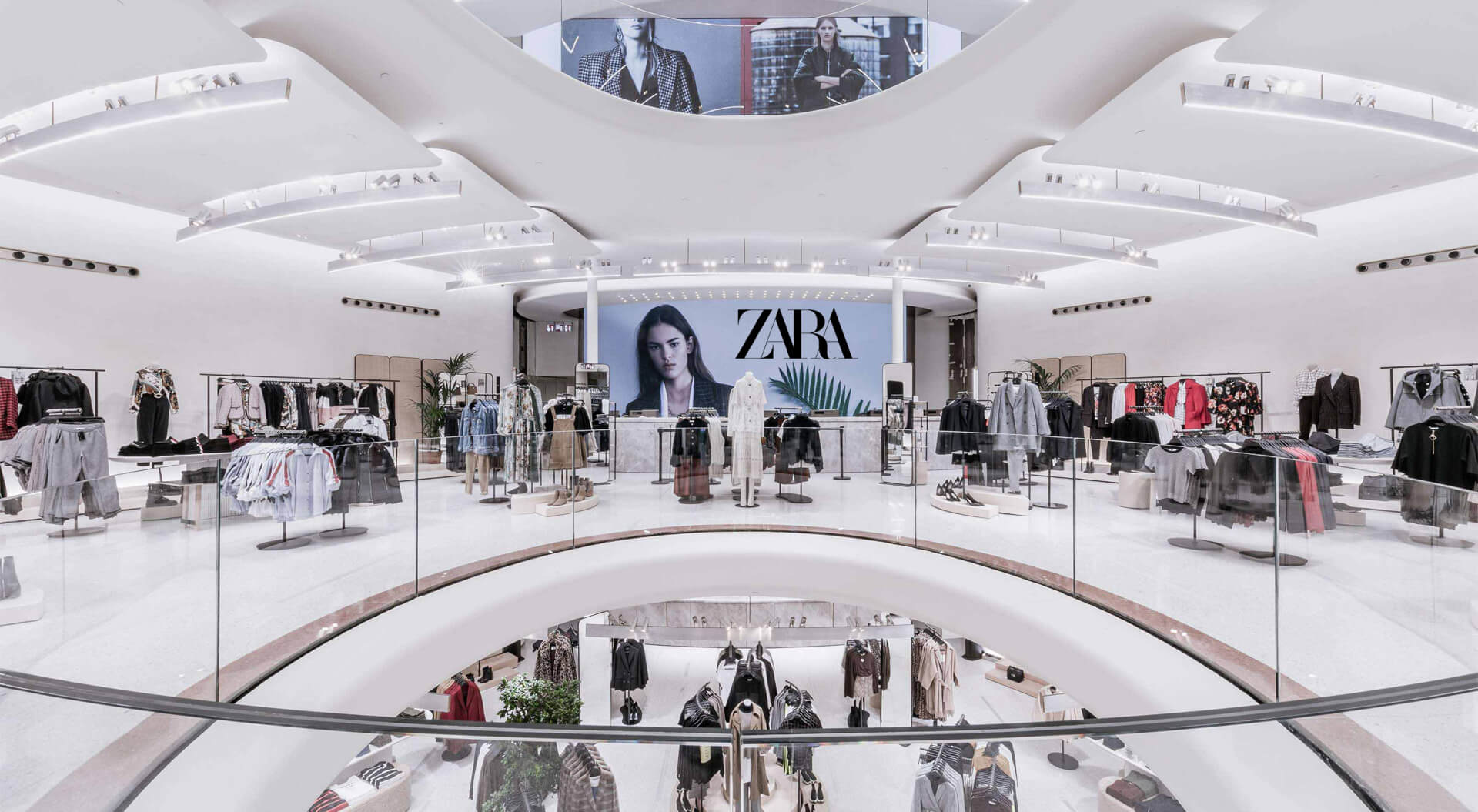
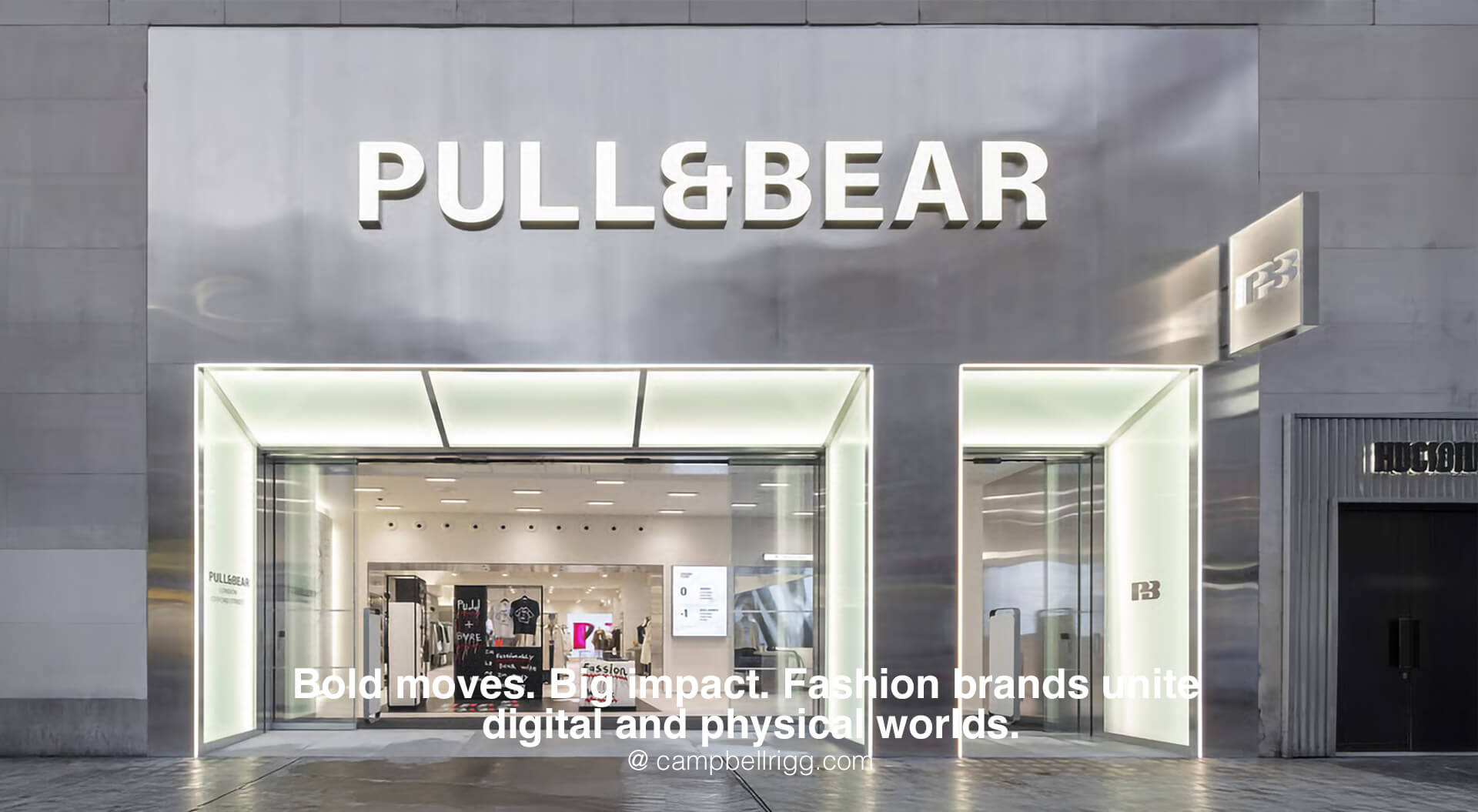
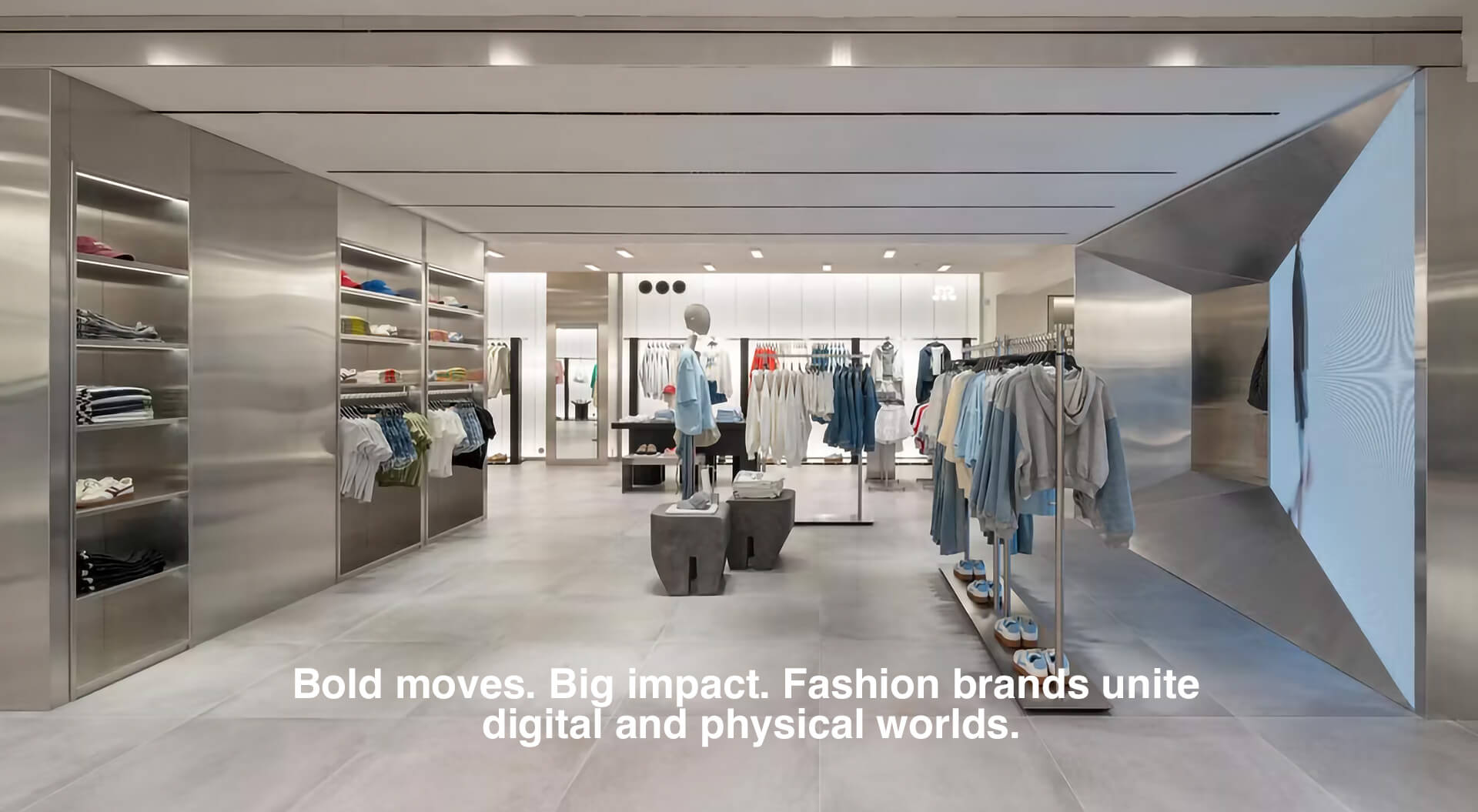
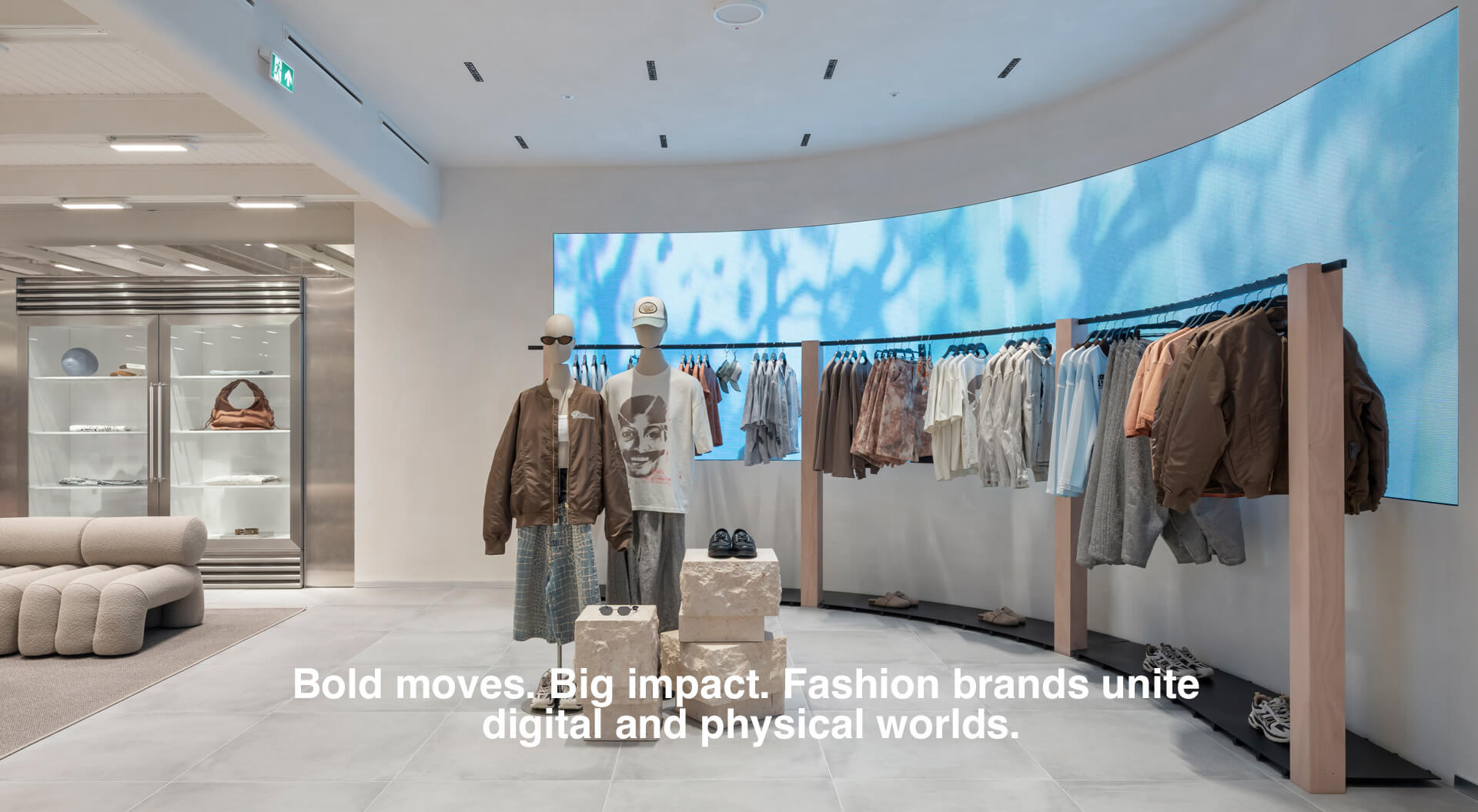
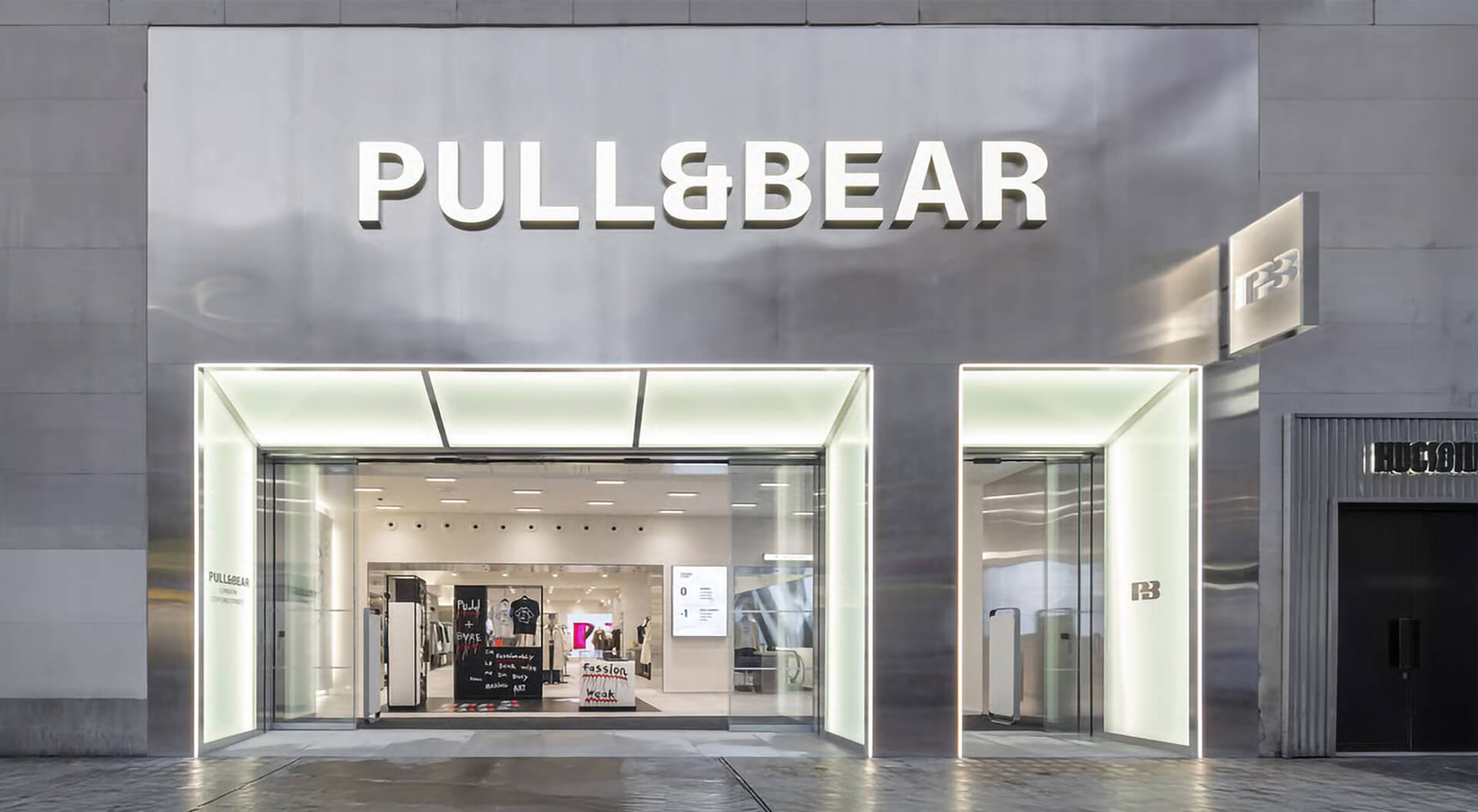
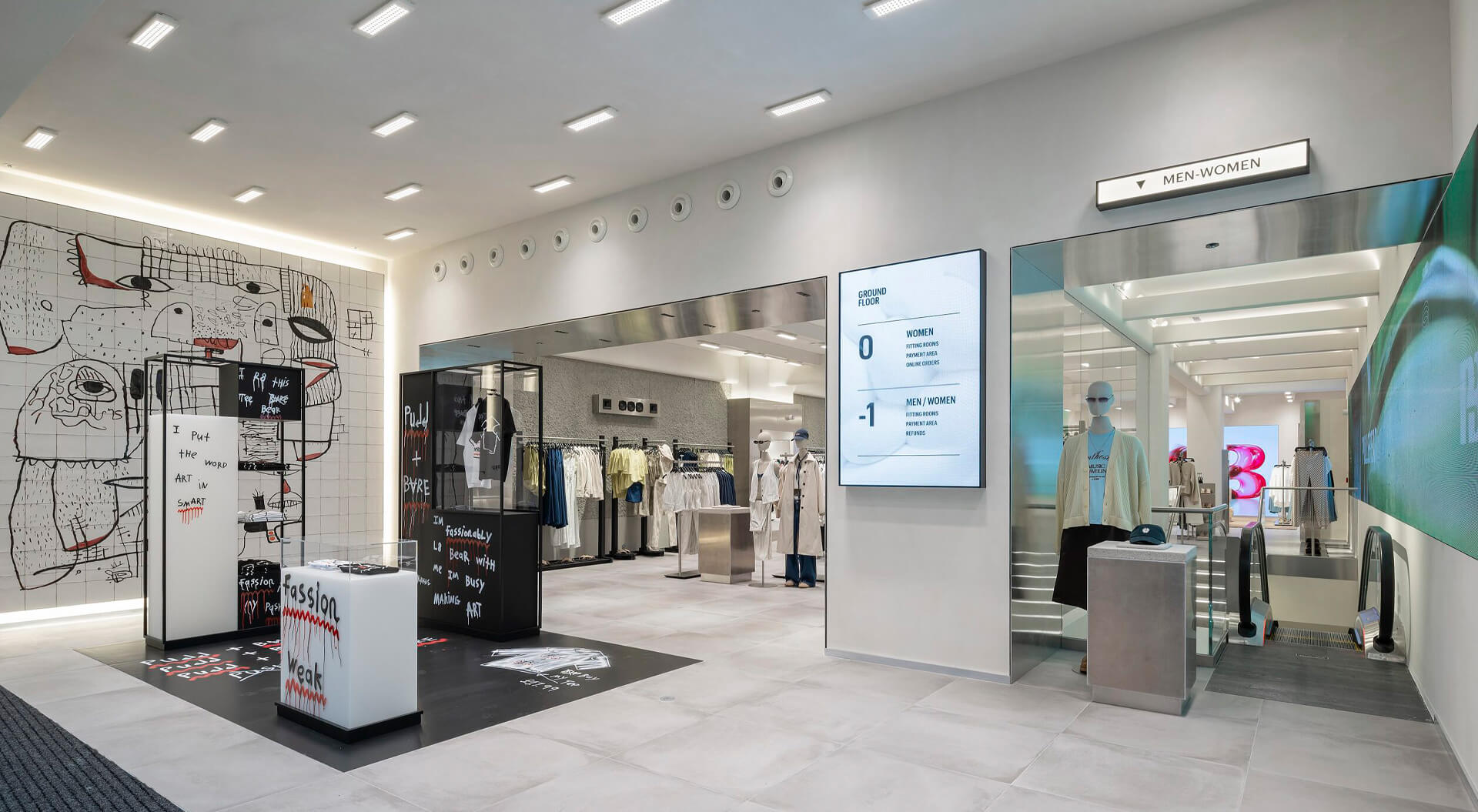
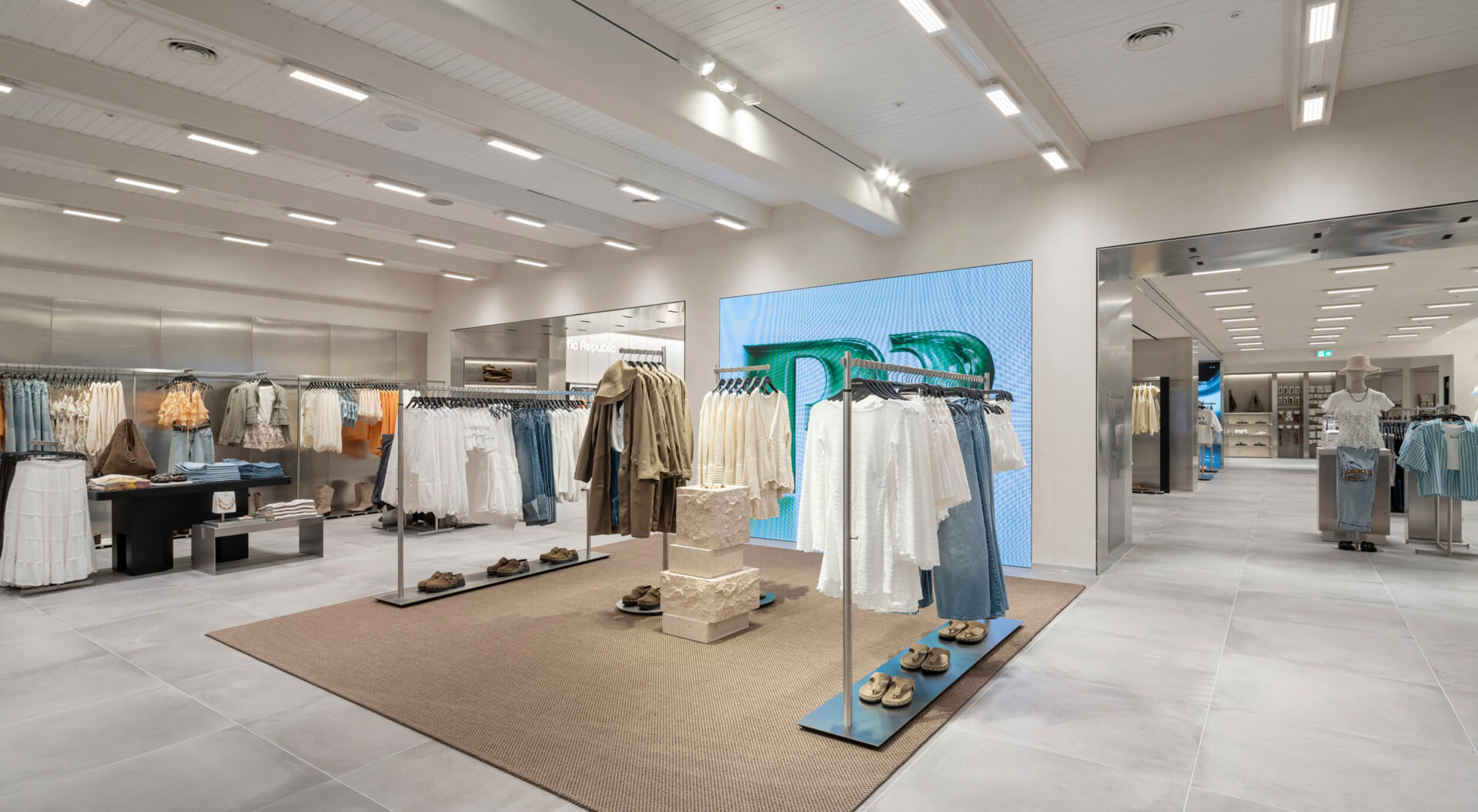
Our benchmarks include Pull&Bear London, Zara Torino, and Tom Tailor Hamburg. Leaders in fashion retail design, brand story telling and store planning. (Projects attributed to: In-house teams Pull&Bear/Zara, and Tom Tailor/CampbellRigg Agency)

What Is Fashion Retail Rebranding?
Fashion retail rebranding is the structured transformation of a retailer's brand proposition, customer experience and physical retail environment.
It can involve:
- Brand and retail strategy
- Brand identity and retail branding
- Customer journey planning
- Store concept and interior design
- Visual merchandising
- Format and space planning
- Digital and omnichannel integration
- Prototyping and rollout standards
- Commercial measurement
How CampbellRigg helps
CampbellRigg begins by connecting these disciplines rather than treating them as separate design commissions. Brand auditing establishes how the existing proposition is perceived and expressed. Strategy defines the desired market position. The design brief then converts that strategy into practical requirements for customer experience, store planning, identity and implementation.
The benefit: management receives one strategic direction linking brand decisions to the physical retail network, rather than a collection of disconnected design initiatives.
Why Fashion Brands Need to Rethink the Physical Store
The physical store remains a critical brand and commercial touchpoint, but customer expectations have changed. Shoppers move between ecommerce, social media, mobile devices and stores before making purchasing decisions.
A store can therefore underperform when it has:
- Declining traffic or conversion
- Weak product discovery
- Inefficient circulation
- Outdated brand presentation
- Poor category visibility
- Inconsistent formats
- Limited digital integration
- An experience that no longer reflects the target customer
How CampbellRigg helps
CampbellRigg uses brand audit, retail strategy, customer journey planning, spatial planning, retail branding and store design to identify how these issues interact.
Rather than immediately redesigning the interior, the process establishes which problems are strategic, experiential, spatial or operational. This creates a more precise design brief and directs investment towards the areas capable of producing measurable improvement.
When Should a Fashion Brand Rebrand Its Stores?
A rebrand may be required when a retailer is repositioning, targeting a new customer, expanding internationally, consolidating formats, responding to declining productivity or finding that its stores no longer express the brand.
How CampbellRigg helps management make the decision
CampbellRigg's brand and retail audits compare the existing brand proposition, customer experience, store format and competitive position with the desired future state.
This analysis establishes:
- What should change
- What should remain
- Which customer behaviours need to change
- Which elements require investment
- How the concept should operate across the network
The result is a defined strategic brief before substantial design investment begins.
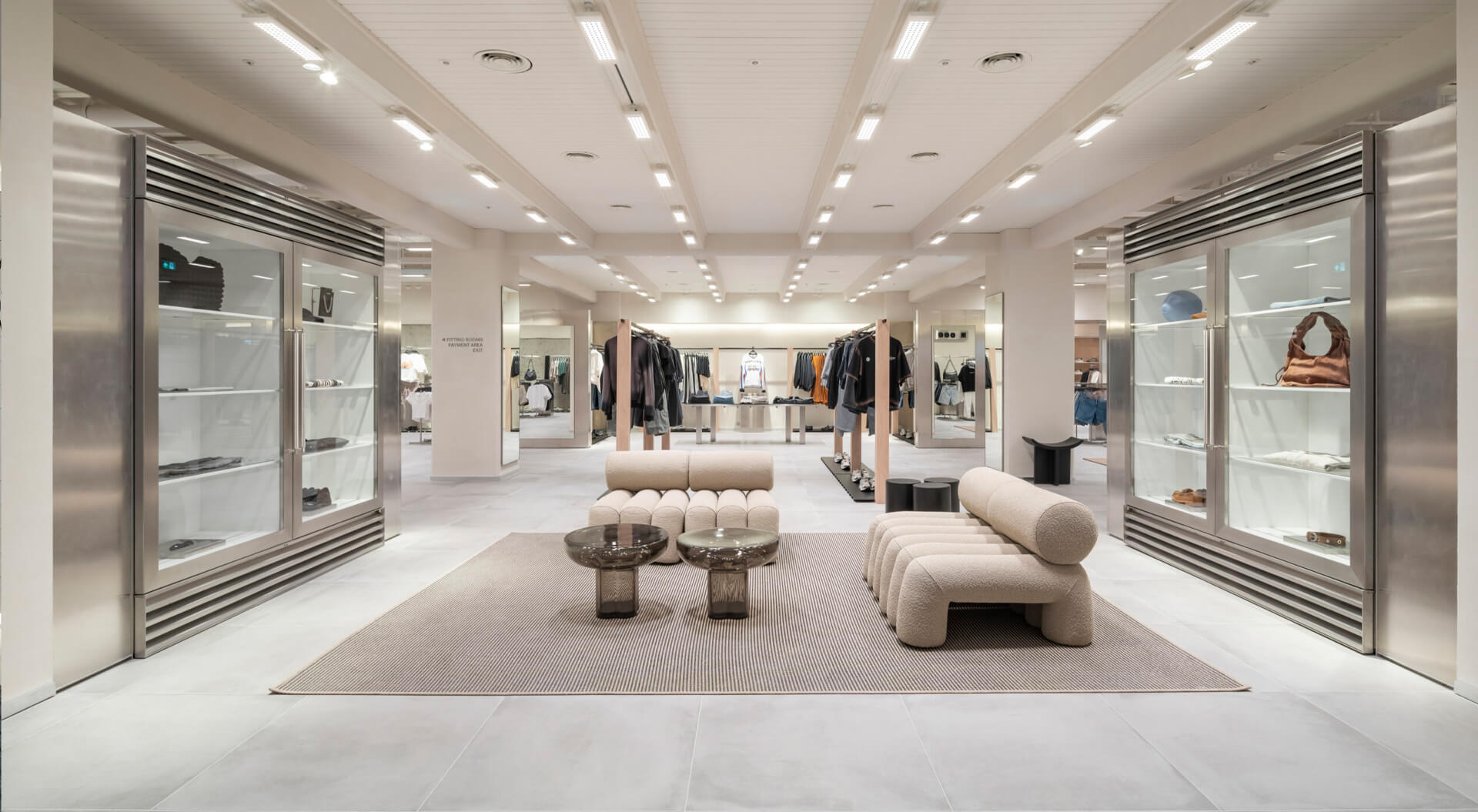
Fashion Retail Rebranding Strategy: From Brand Identity to Store Performance
A commercially effective rebranding programme can be structured through five connected stages.
Audit the existing brand and store experience
CampbellRigg examines brand identity, positioning, customer expectations, competitors, store formats, customer journey, merchandising, signage, spatial allocation and digital touchpoints.
Benefit: management obtains an evidence-based starting point for the rebrand.
Define the new retail positioning
Brand strategy establishes the target customer, proposition, personality and experience principles.
CampbellRigg then translates these strategic decisions into a design brief capable of guiding identity, store concept and customer experience.
Benefit: brand positioning becomes an actionable retail strategy rather than remaining a marketing statement.
Testimonial: "I am very pleased with the very good job that Campbell and his team have done to help us create our new look, and have no hesitation In recommending CampbellRigg for their excellent work in a very challenging retail environment." Carlos Criado-Perez Chief Executive Officer, Safeway
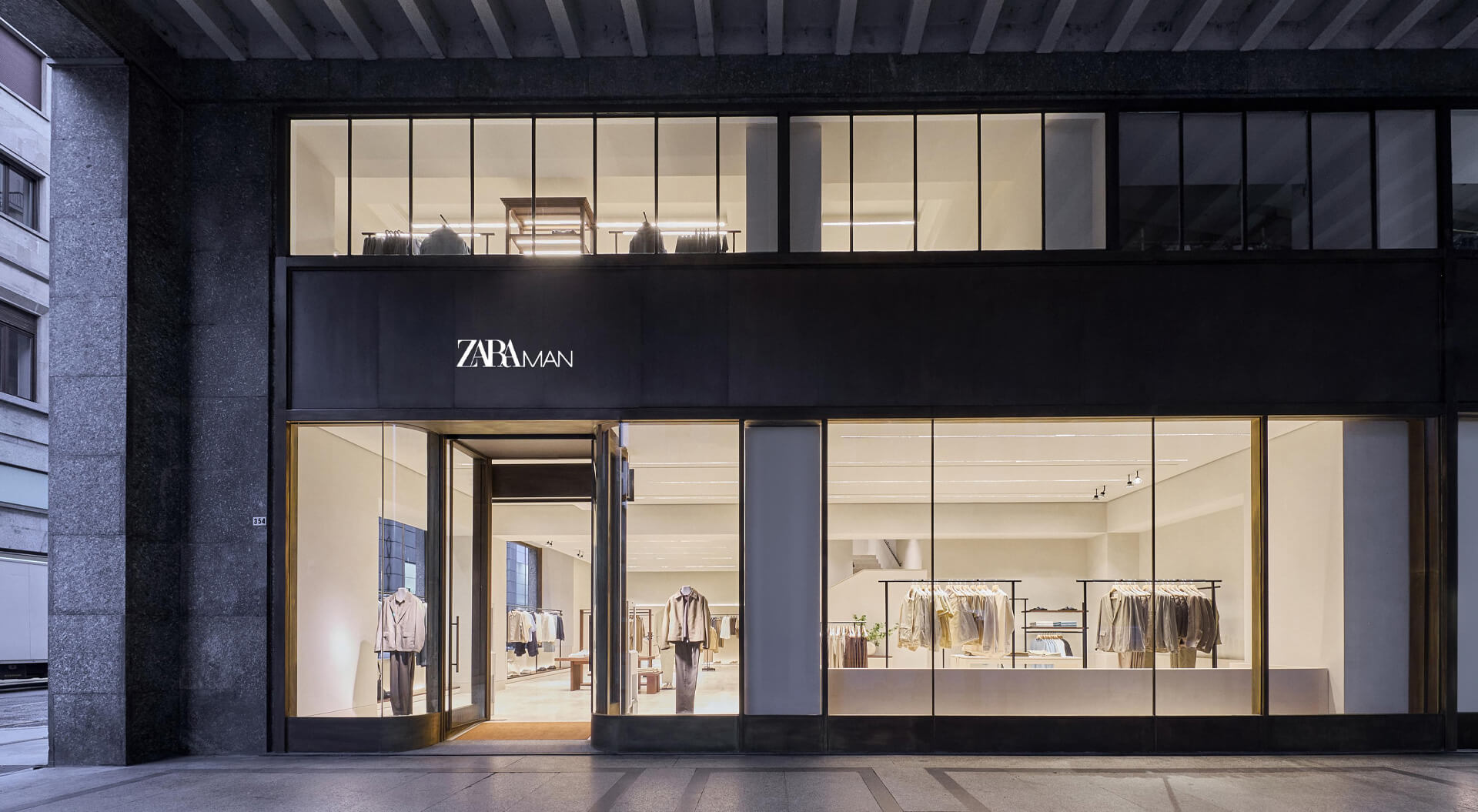

Unlock 15% to 30% sales uplifts by using our shopper-centric design strategies and optimized format store planning.
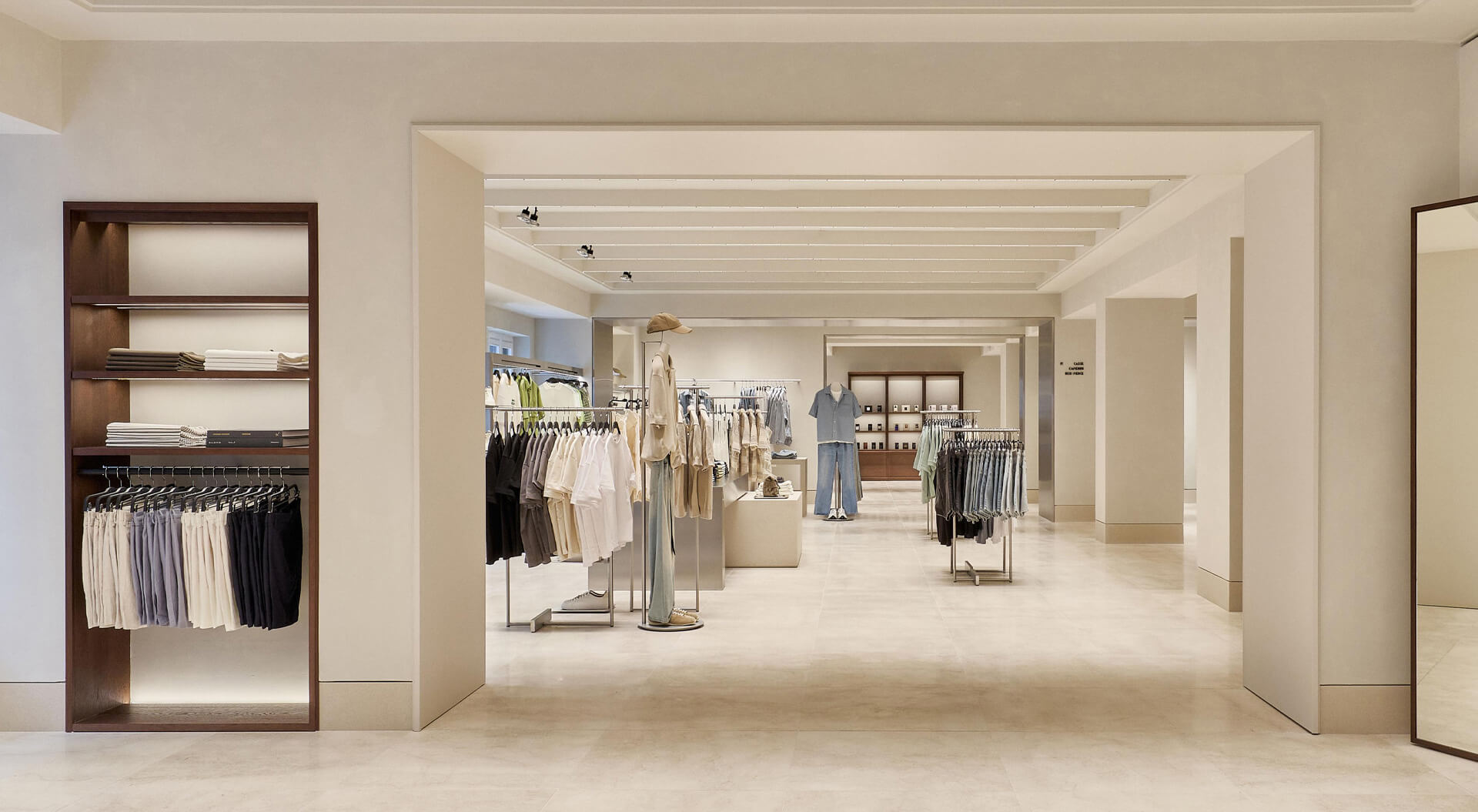
Redesign the customer journey
CampbellRigg maps the journey from arrival and discovery through navigation, product interaction, fitting, decision-making, purchase, collection and returns.
Spatial planning and retail design then turn this journey into physical requirements.
Benefit: the store is planned around customer behaviour rather than simply around available floor area.
Translate brand strategy into store design
Brand strategists, retail specialists, architects, interior designers and graphic designers work together to create a coherent retail environment.
Materials, lighting, fixtures, graphics, zoning, product presentation and service points are developed as expressions of the same brand strategy.
Benefit: customers experience one consistent brand across identity, environment and interaction.
Connect physical and digital retail
CampbellRigg incorporates relevant digital touchpoints such as product information, mobile interaction, stock visibility, clienteling, ecommerce and click-and-collect into the customer journey.
Benefit: digital technology supports the retail proposition instead of becoming an isolated feature.
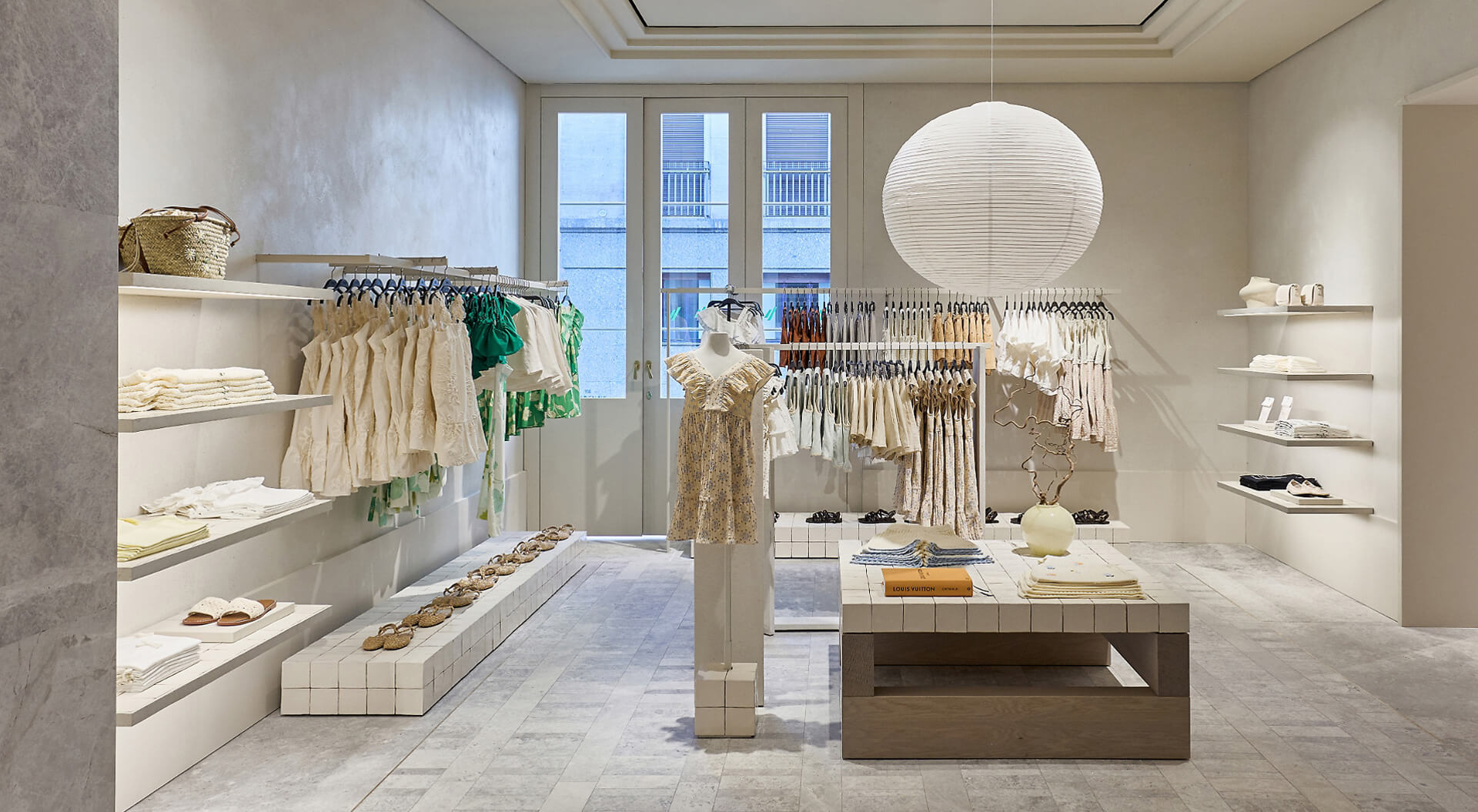
How to Translate Brand Identity into a Fashion Store Experience
A fashion brand becomes tangible when its identity influences the physical environment.
CampbellRigg translates brand positioning into:
- Entrance hierarchy and first impression
- Spatial zoning and circulation
- Materials, lighting and colour
- Graphics and signage
- Fixtures and merchandising systems
- Product presentation
- Fitting-room and service experience
- Digital touchpoints
This requires more than applying a logo to an interior. Retail branding, visual merchandising and store design must work together to communicate the intended brand personality while supporting navigation and purchasing behaviour.
The benefit: brand identity becomes an operating principle for the store, helping create recognition, consistency and a distinctive customer experience across the network.
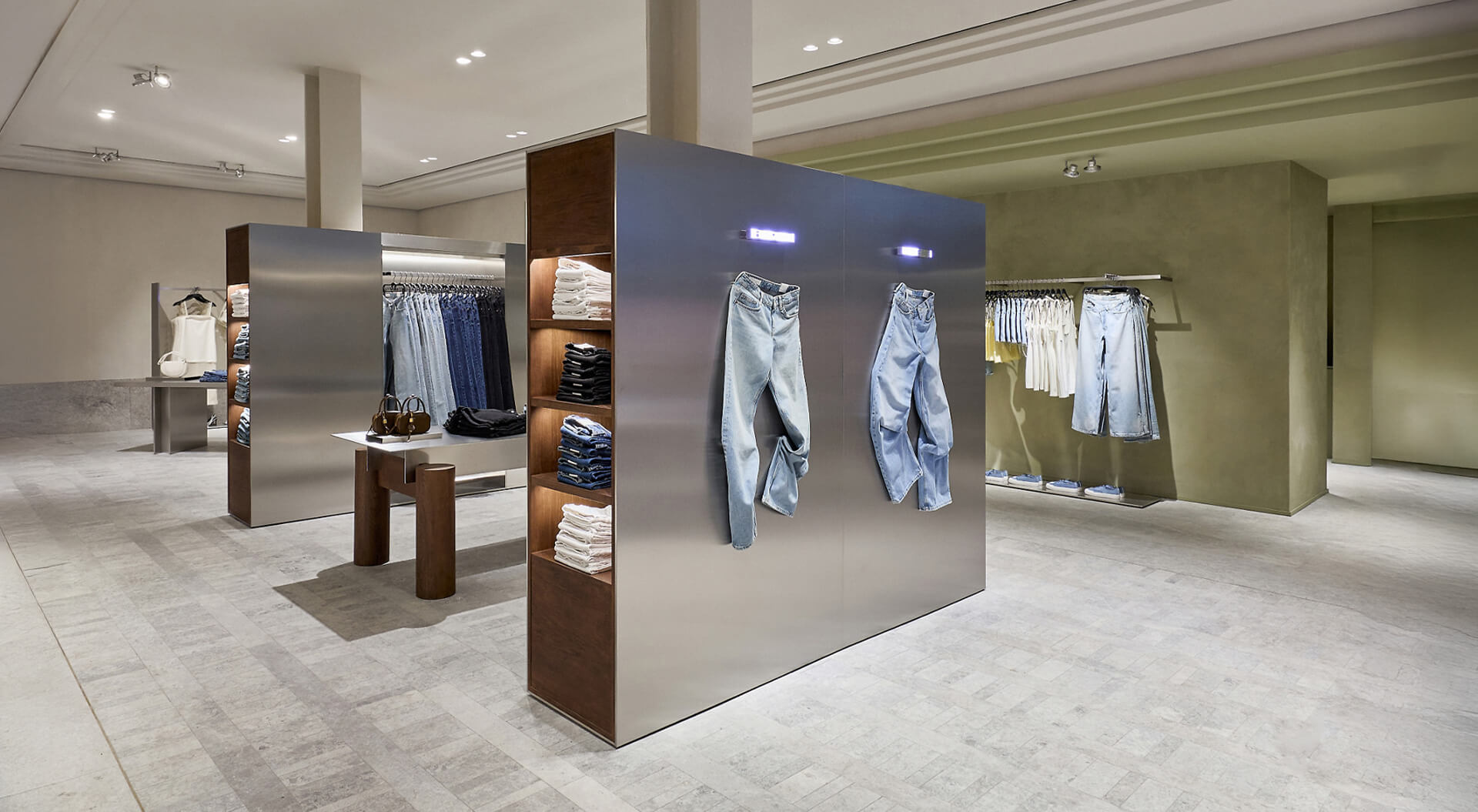
Customer Journey, Merchandising and Conversion
Rebranding should influence measurable customer behaviour.
CampbellRigg connects:
Zoning → product discovery → engagement → conversion
Category adjacency → easier comparison → larger basket opportunities
Entrance hierarchy → orientation → dwell
Wayfinding → reduced search time → improved experience
Product presentation → interaction → conversion
Stock visibility and click-and-collect → additional store visits
Flexible fixtures → easier adaptation → lower future rollout complexity
The value of CampbellRigg's customer journey planning, spatial planning, merchandising and visual communication expertise is that these relationships are considered during design rather than measured only after completion.
Benefit: management can connect design decisions with defined commercial KPIs.
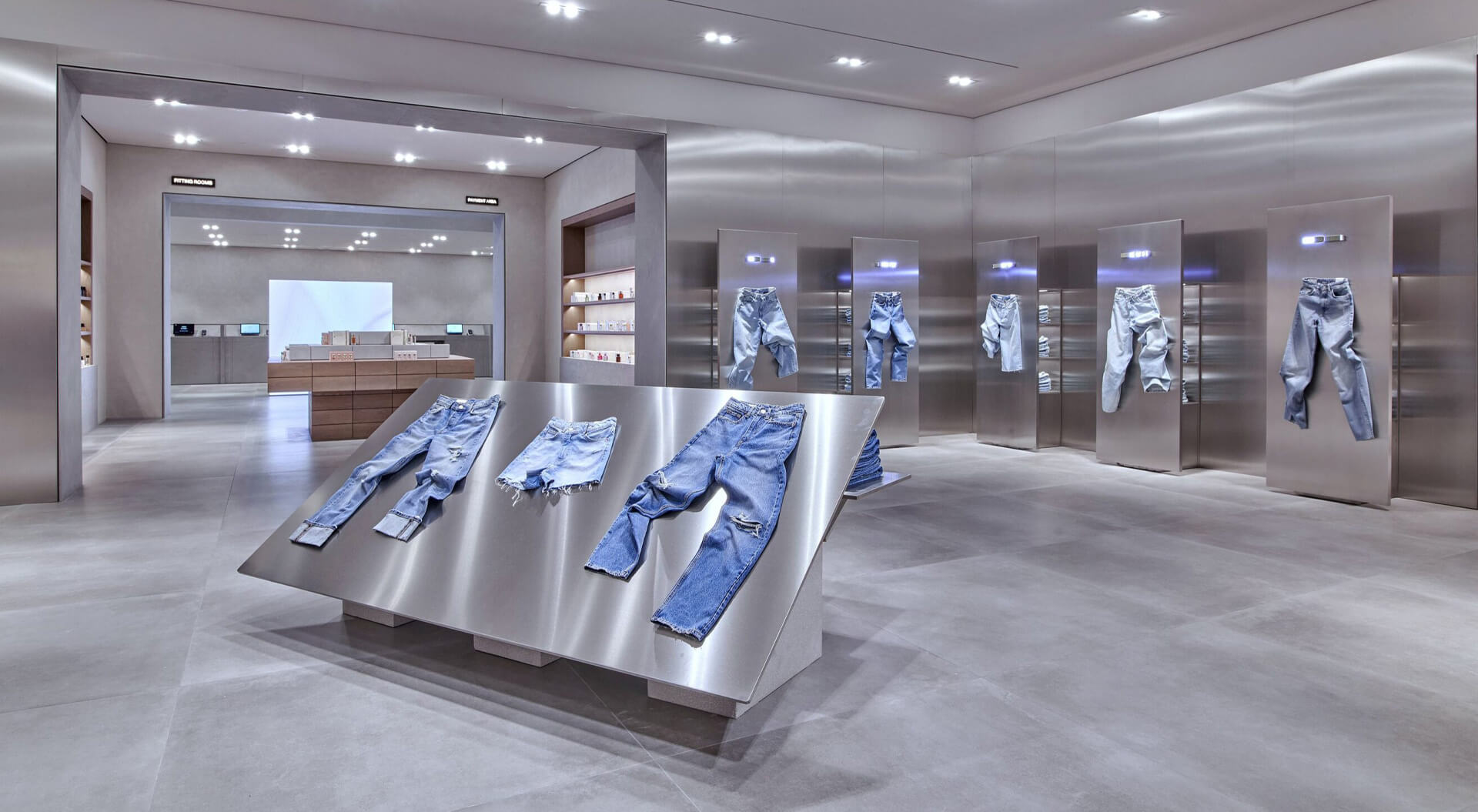
Fashion Rebranding Case Studies: Pull&Bear, Zara and Tom Tailor
Different fashion brands demonstrate different aspects of successful retail transformation.
Pull&Bear: Translating Brand Personality into the Store
Pull&Bear demonstrates the importance of translating a fashion brand's personality into the physical environment.
For a youth-focused fashion retailer, the store needs to communicate energy, relevance and contemporary culture while making products easy to discover.
The lesson is that fashion retail branding should not stop at logos, graphics or colours. Brand positioning needs to influence the complete customer environment.
Zara: Connecting Physical and Omnichannel Retail
Zara provides a different lesson: the relationship between the physical store and digital commerce.
The modern fashion store increasingly needs to support ecommerce, online ordering, collection and other omnichannel behaviours.
For retailers with extensive digital channels, store rebranding should therefore consider how the physical environment supports the complete customer relationship rather than simply the in-store transaction.
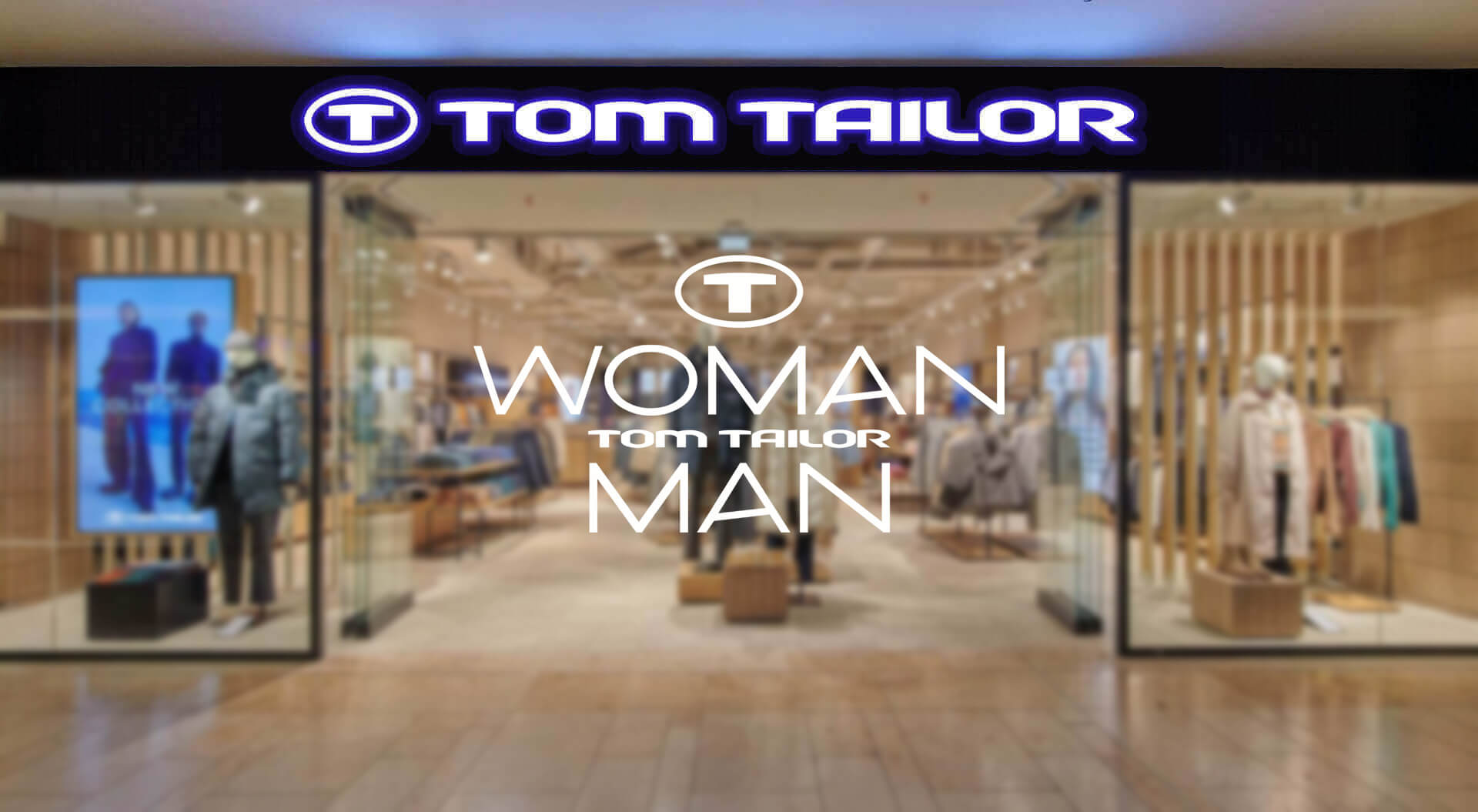
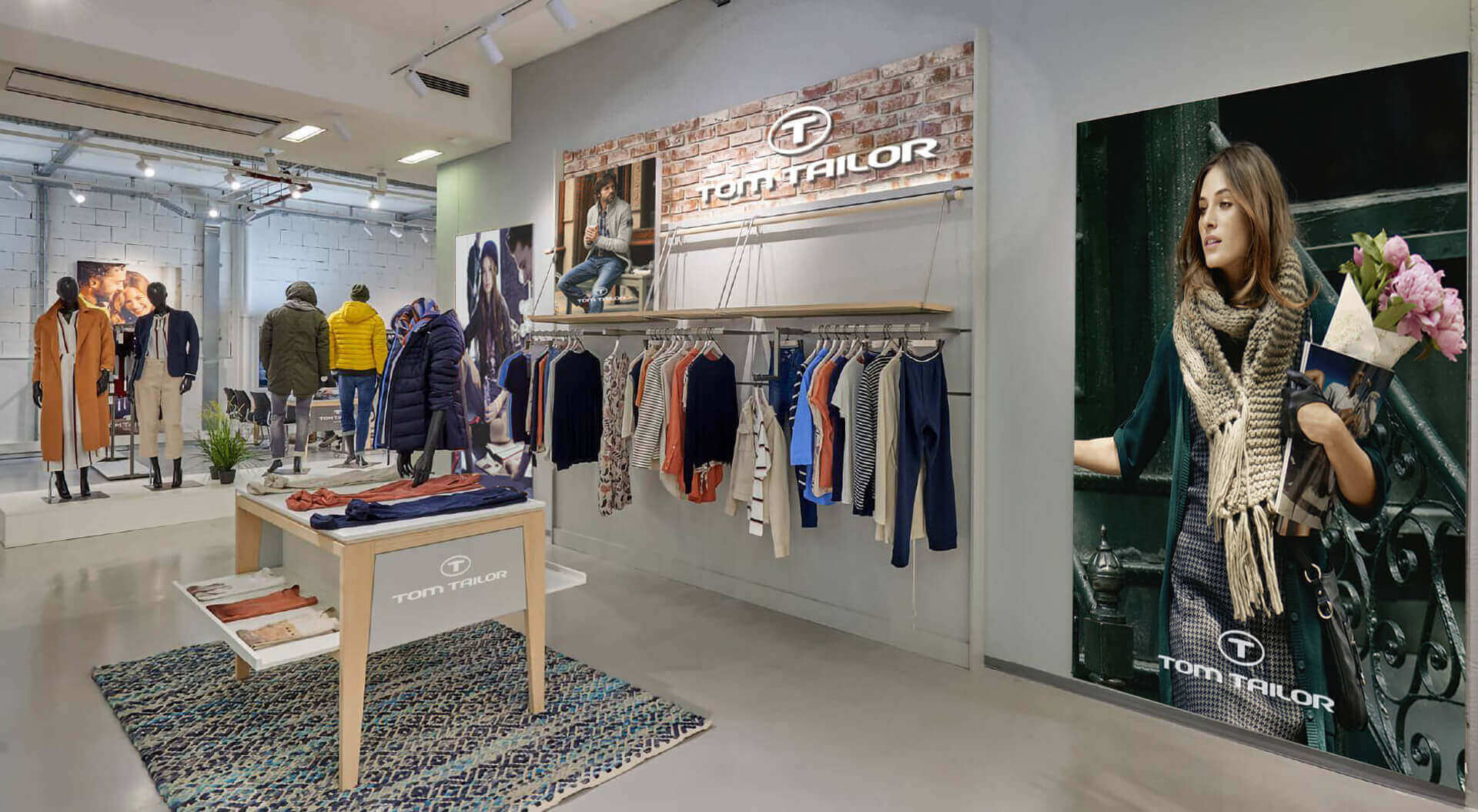
Tom Tailor: Rebranding for Commercial Performance
Tom Tailor demonstrates how brand transformation can connect customer definition, store planning and commercial objectives.
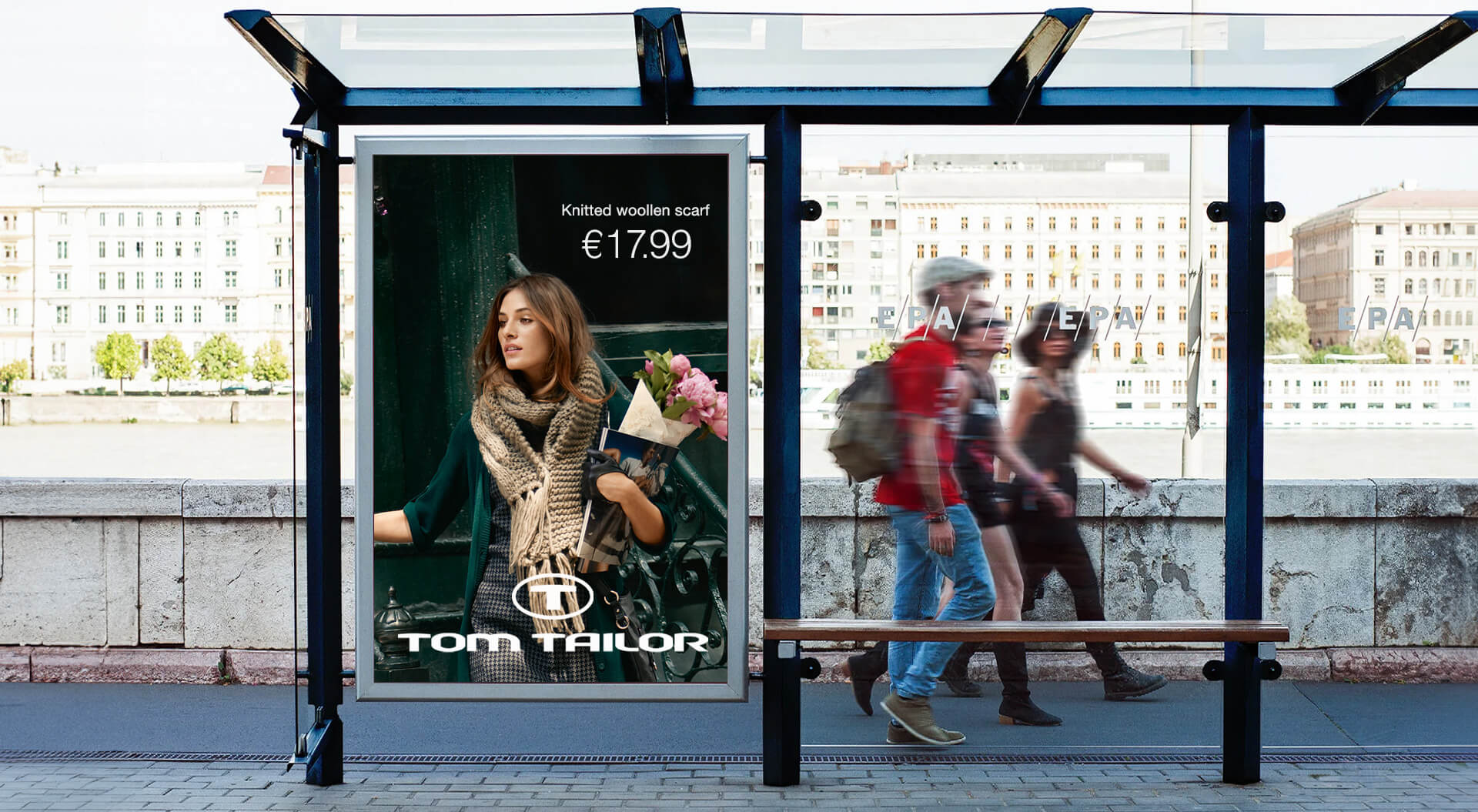
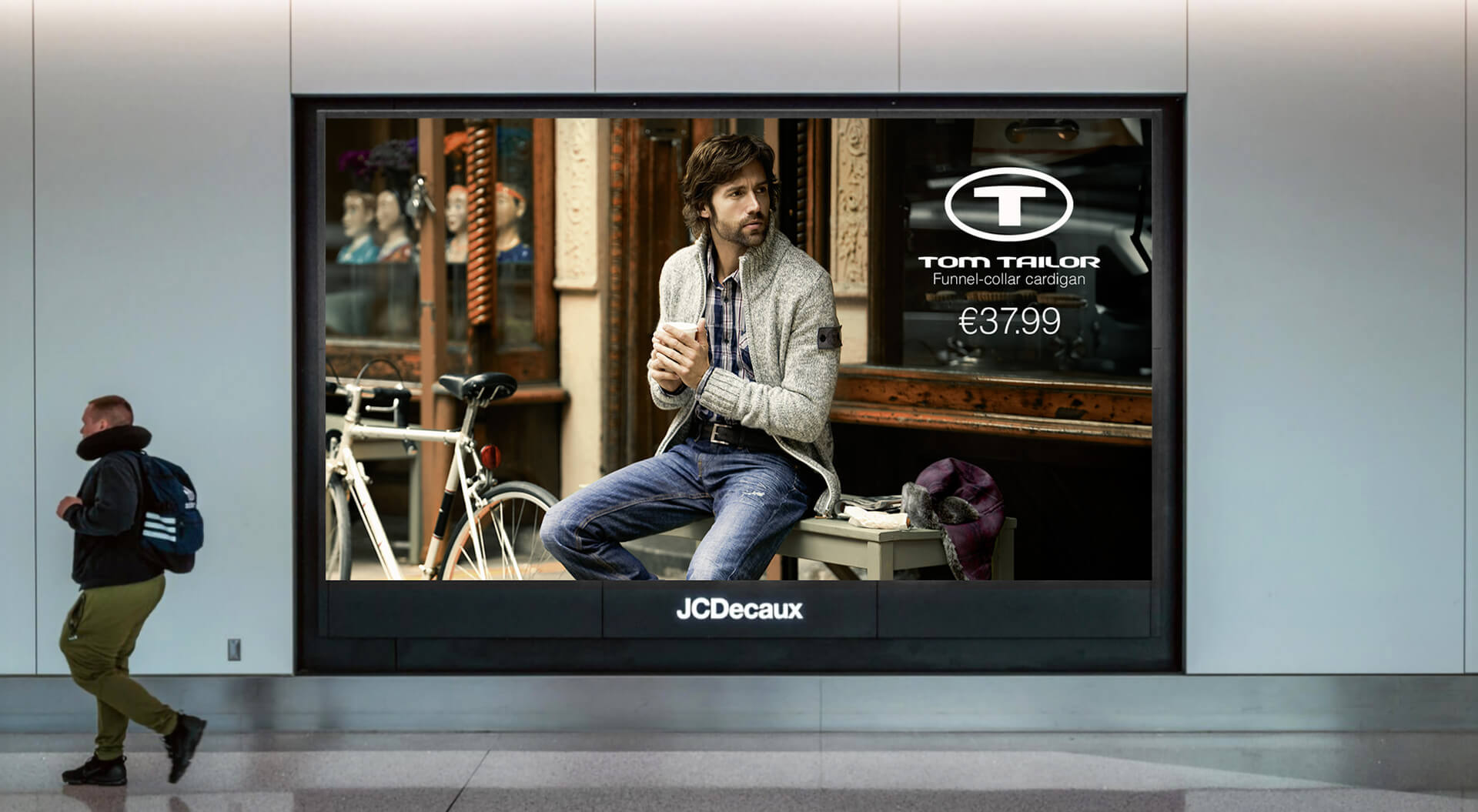
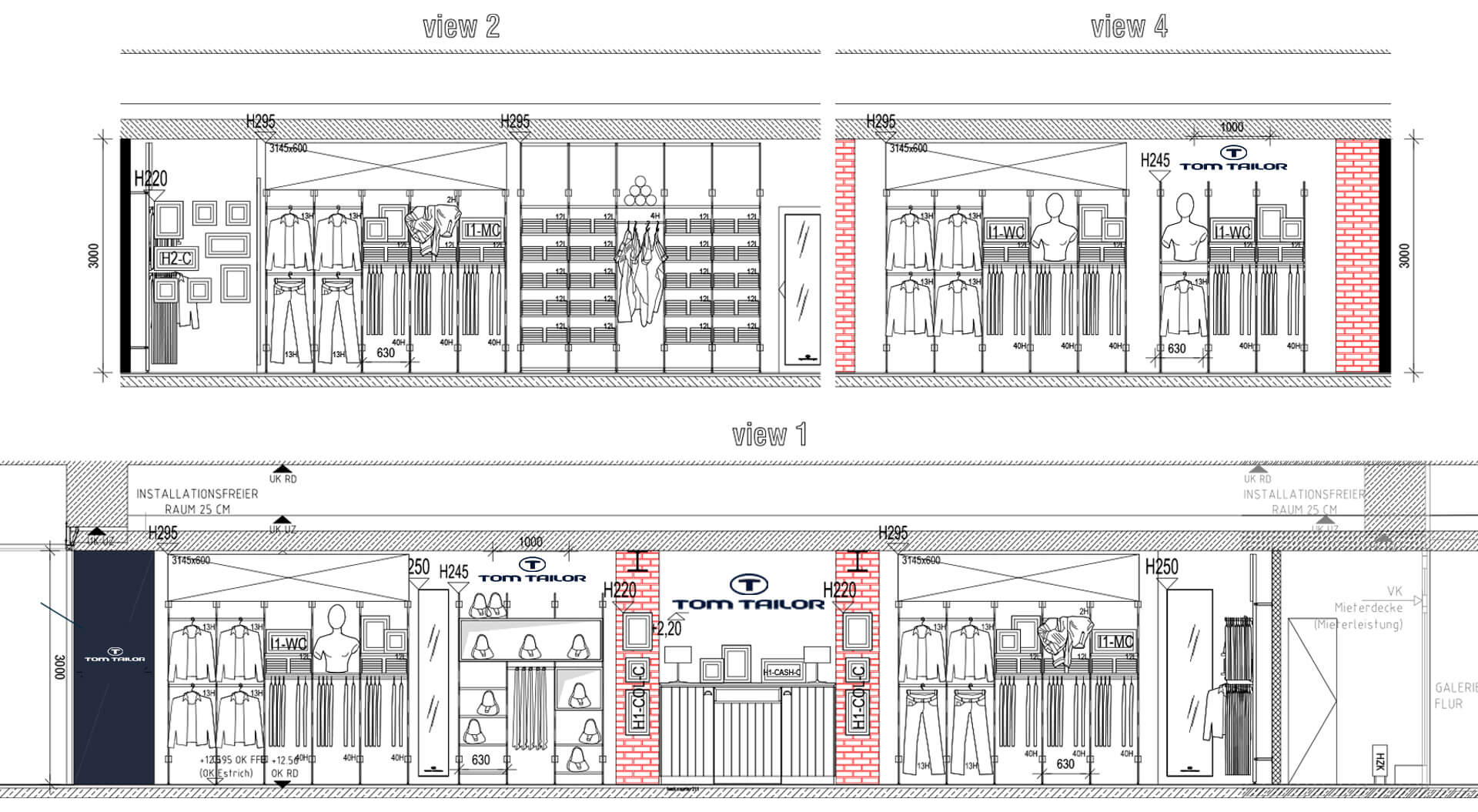
CampbellRigg worked across brand positioning, customer segmentation, spatial planning, merchandising, colour zoning, graphics and architecture to create greater consistency between brand identity and the shopping experience.
The concept was developed with wider application in mind rather than as an isolated flagship exercise.
Project-specific material associated with the concept identified a sales uplift target of more than 20%, while tailored space planning and navigation were associated with an 18% improvement in average basket value. These figures are project-specific and should not be treated as universal rebranding outcomes.
What this demonstrates: CampbellRigg's value lies in connecting strategic positioning to physical implementation and commercial objectives.
From Transactional Store to Branded Retail Experience
The modern fashion store can operate simultaneously as:
- A brand communicator
- A product environment
- A customer-experience platform
- A service channel
- An omnichannel touchpoint
CampbellRigg combines brand strategy, retail branding, architecture, spatial planning, merchandising, service design and digital integration to make these functions work together.
The objective is not simply to make a store more attractive. It is to create a retail environment in which brand expression, customer behaviour and business objectives reinforce one another.
Scaling a Rebranded Fashion Store Concept
A successful concept must work beyond the original store.
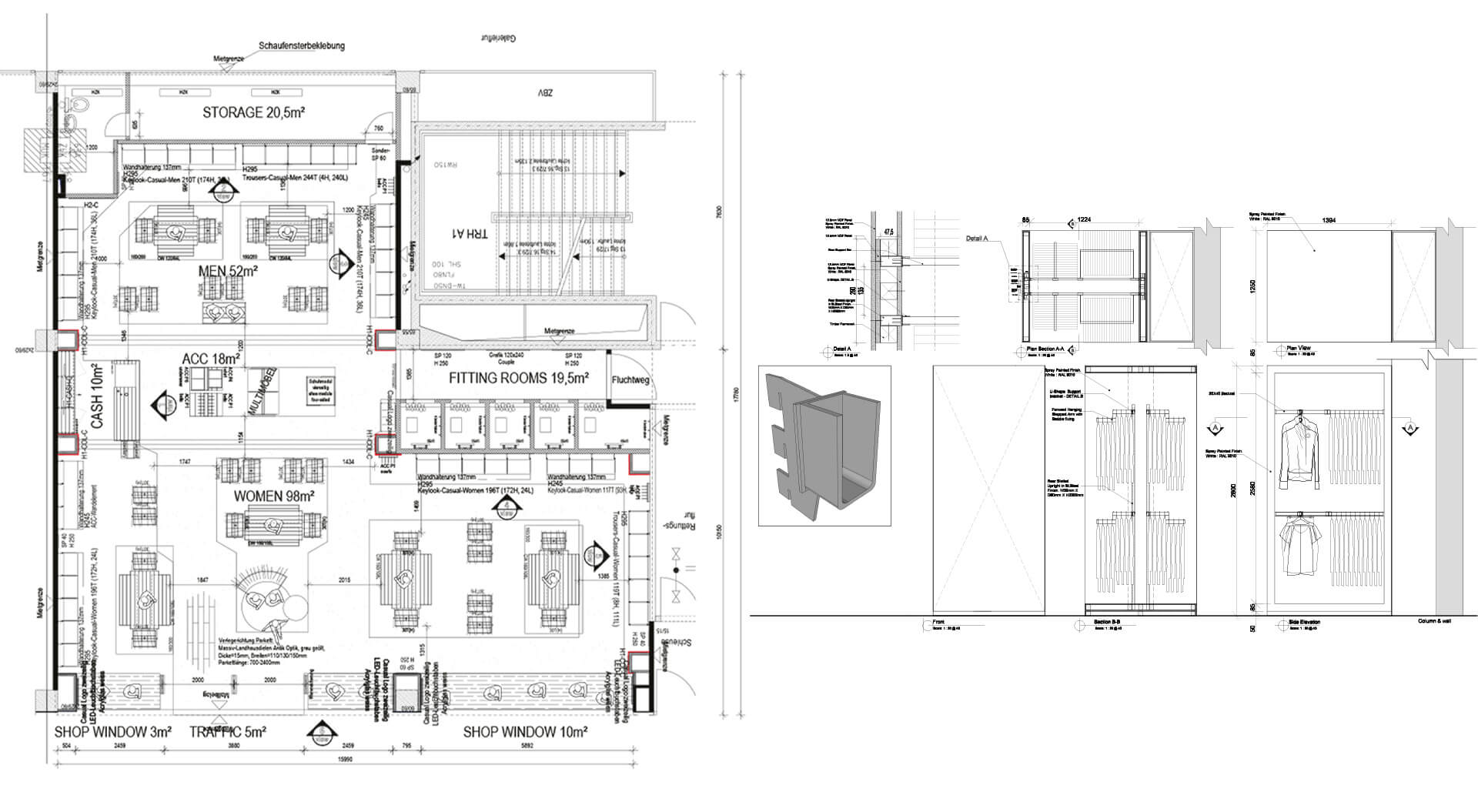
CampbellRigg develops modular design principles, scalable fixture systems, flexible zoning, adaptable visual merchandising, brand standards, format guidelines, prototypes and rollout documentation where appropriate.
The critical management decision is to define what must remain consistent and what can adapt to local conditions.
This may include:
Non-negotiables: brand identity, customer experience principles, key design elements and standards.
Flexible elements: store footprint, category allocation, local merchandising, fixture quantities and specific operational requirements.
How CampbellRigg creates scalability
The prototype becomes a tested reference point. Design standards and rollout guidelines then provide the framework for implementation across different locations.
Benefit: management does not need to reinvent the concept for every store. The business gains a controlled format system capable of supporting expansion while retaining brand consistency.
Measuring the Commercial Impact of a Fashion Store Rebrand
Commercial measurement should be established before implementation.
Relevant KPIs can include:
- Sales growth
- Conversion rate
- Average transaction value
- Units per transaction
- Dwell time
- Customer flow
- Product interaction
- Sales per square metre
- Store productivity
- Customer satisfaction
- Digital engagement
- Click-and-collect activity
- Return visits
- Rollout efficiency
- Return on investment
How CampbellRigg helps
CampbellRigg incorporates commercial objectives into the design brief and identifies which customer behaviours the new environment is intended to influence.
This creates a measurable chain: Design intervention → Customer behaviour → KPI → Commercial outcome
Benefit: rebranding becomes an accountable business investment rather than an aesthetic exercise.
Scale smarter with modular fashion store design systems
Conclusion: Building a Scalable Fashion Retail Network
Fashion retail rebranding is most effective when brand strategy, customer experience, store design and commercial performance are treated as one management programme.
CampbellRigg brings together:
- Brand Audit - establish the current position.
- Retail Strategy - define the future proposition.
- Design Brief Construction - convert strategy into requirements.
- Brand Identity & Retail Branding - create consistent brand expression.
- Customer Journey Planning - design around customer behaviour.
- Store Format Planning & Fashion Store Design - translate strategy into physical experience.
- Visual Merchandising - improve product communication and discovery.
- Digital/Phygital Experience - connect physical and digital retail.
- Prototype Development - test the concept before rollout.
- Rollout Standards - create consistency across locations.
- Commercial Measurement - establish accountability for performance.
The result is a progression from brand strategy to retail concept, prototype, scalable format and measurable network performance.
For fashion retailers considering a rebrand, CampbellRigg can begin with a free consultation, develop a bespoke brief, establish the strategic priorities and define the design and rollout programme required to turn those priorities into a commercially effective retail network.

Schedule your consultation today and receive a free quote.
Cost-Effective Excellence:
Our pricing structure is highly competitive, offering exceptional value without compromising on quality or creativity.
Rapid Execution:
We move fast. From concept to implementation, our agile team ensures your project is delivered on time and to the highest standards.
Multidisciplinary Expertise:
Our team brings together seasoned brand strategists, architects, interior designers, and graphic designers, collaborating to create seamless, end-to-end brand environments.
Global Reach, Local Insight:
With successful projects delivered across Europe, the Middle East, and Asia, we combine international experience with local market understanding.
Scalable Project Delivery:
Whether it's a flagship fashion store, an urban network or mall store, we manage and execute projects of all sizes, efficiently and effectively.
Proven Track Record:
Our designs evolve branch networks from purely transactional spaces into experiential, relationship-focused brand environments, enhancing engagement, elevating customer experience, and driving tangible business results.
Full-Service Creative Agency:
From rebranding and marketing campaigns to spatial design and rollout, we provide an integrated service tailored to your goals.