News and Views
Phygital banking and omnichannel branding are reshaping retail banking.





Phygital banking connects branches, digital platforms, brand experience and human advice into one seamless customer journey. BMO Bank and WaFd Bank illustrate how banks can turn branches into connected experience platforms that strengthen engagement, loyalty and measurable performance.
What Is Phygital Banking?
Phygital banking combines physical banking environments with digital technology to create one connected customer experience. Customers can start in an app, continue online, speak with an advisor by video and complete the journey in a branch.
The objective is to remove friction while combining digital convenience with trusted human expertise. Phygital banking therefore extends omnichannel banking by connecting mobile, web, branch and advice without forcing customers to restart their journey.
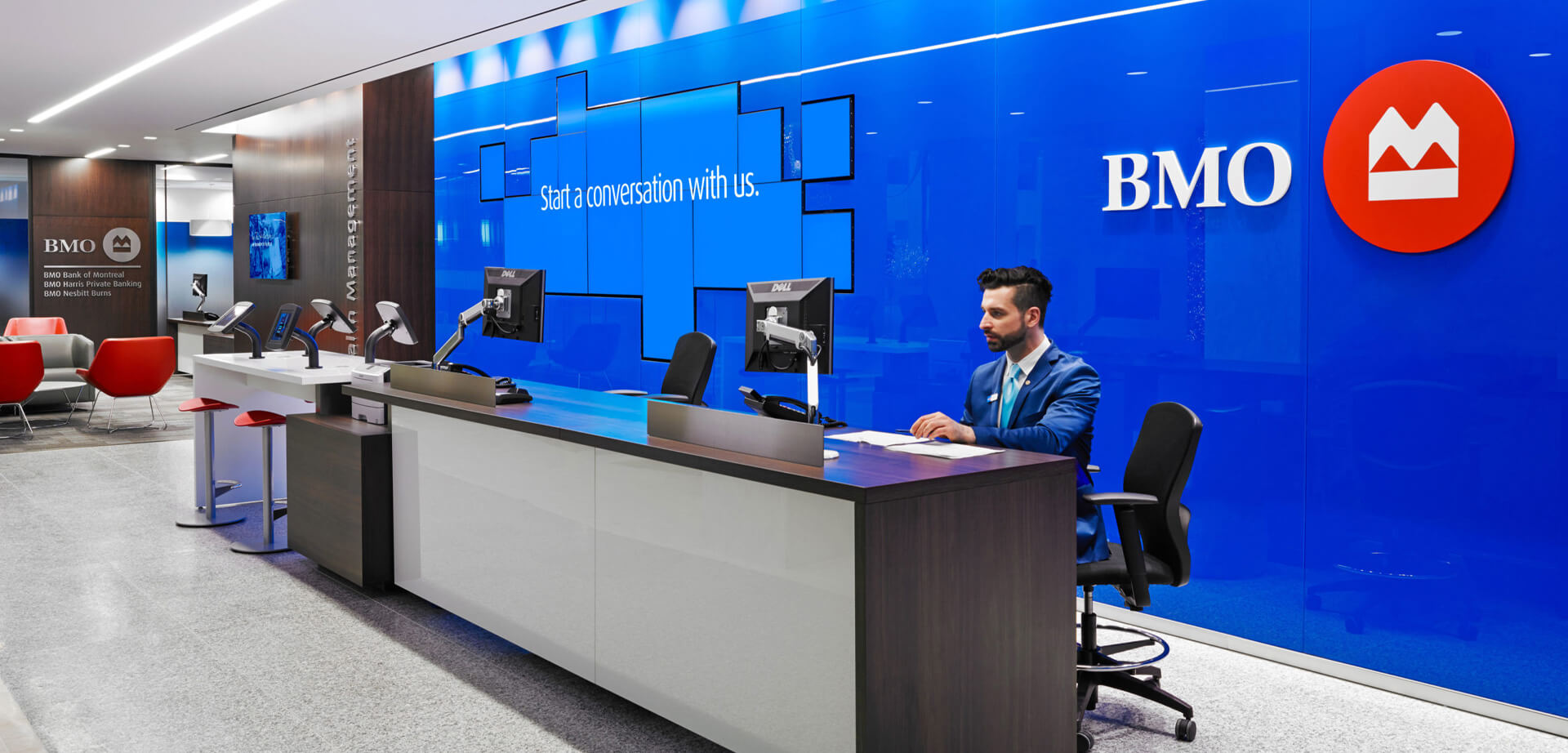
Why Omnichannel Banking Is Changing the Branch
As routine transactions move online, branches can focus on higher-value interactions including mortgages, investments, business banking and financial planning. Future-ready branches combine digital self-service, AI-supported assistance, video banking, flexible advisory spaces and consistent brand communication.
The branch becomes less a transaction centre and more a relationship and advice hub.
BMO Bank: Connecting Digital Convenience With Human Advice
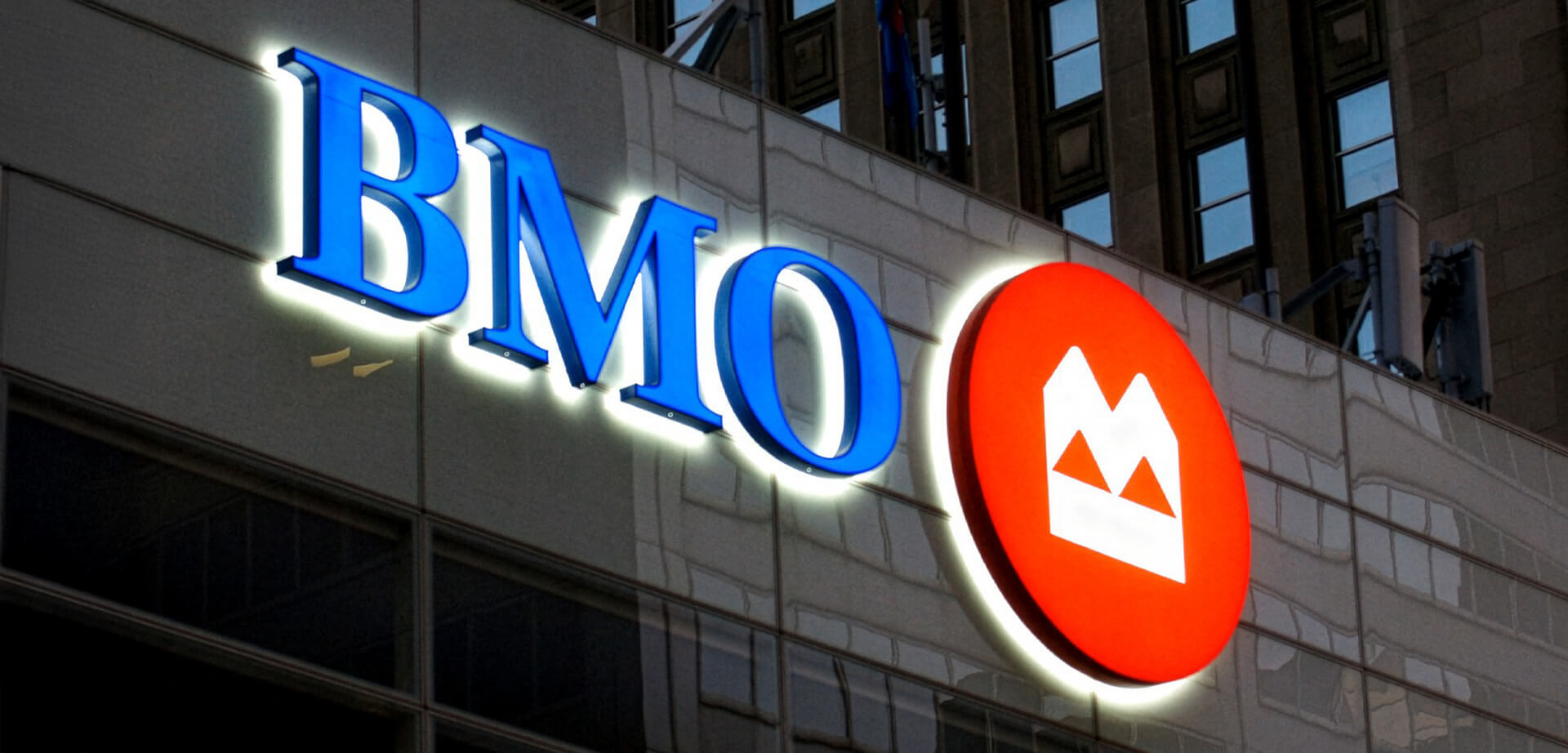
BMO demonstrates the potential of combining technology with human assistance. Its phygital approach connects digital services, self-service and branch advice to reduce routine friction and give employees more time for customer relationships.
Mobile → Digital Service → Branch → Banker → Advice → Relationship
The strategic opportunity is to make every transition feel like one connected bank rather than separate channels.
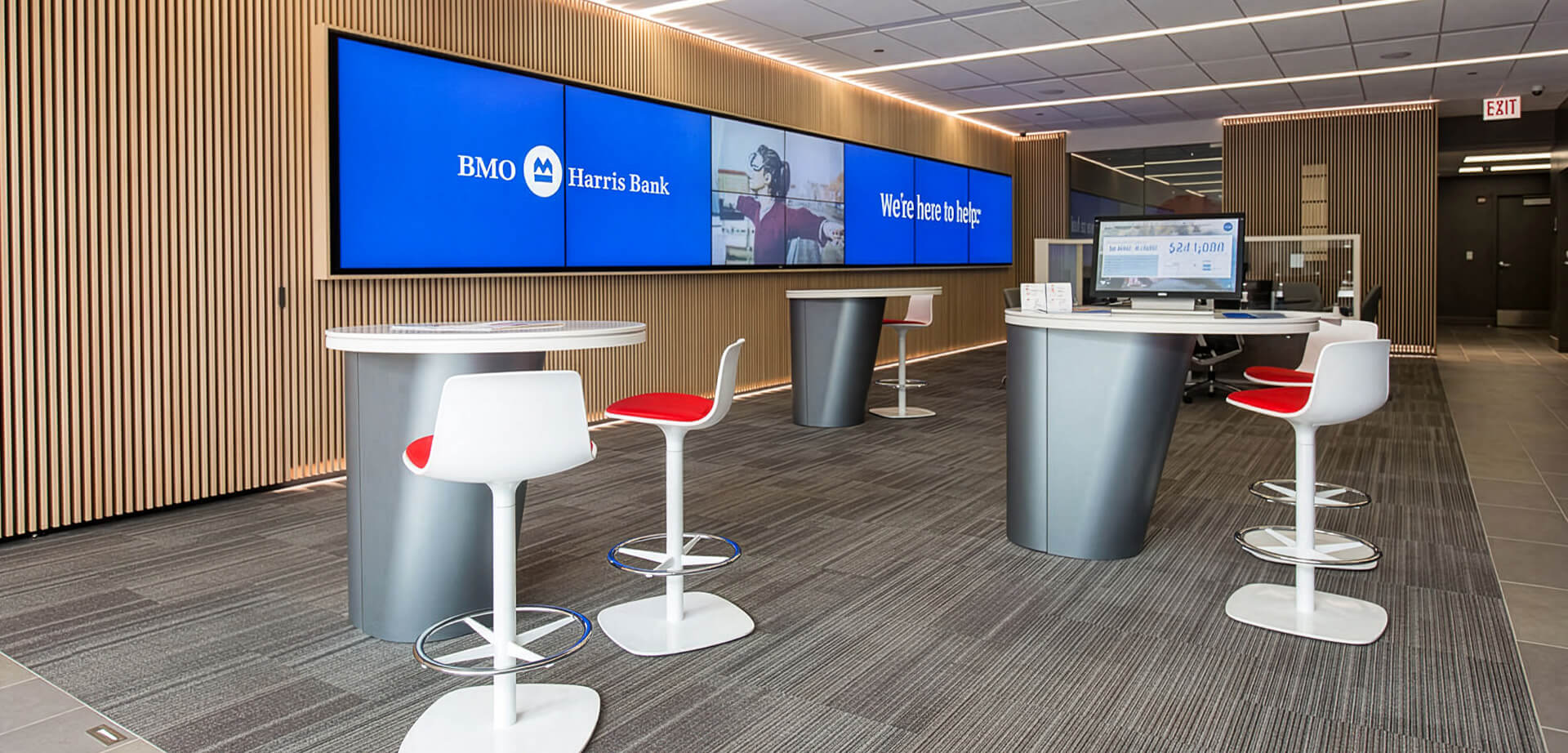
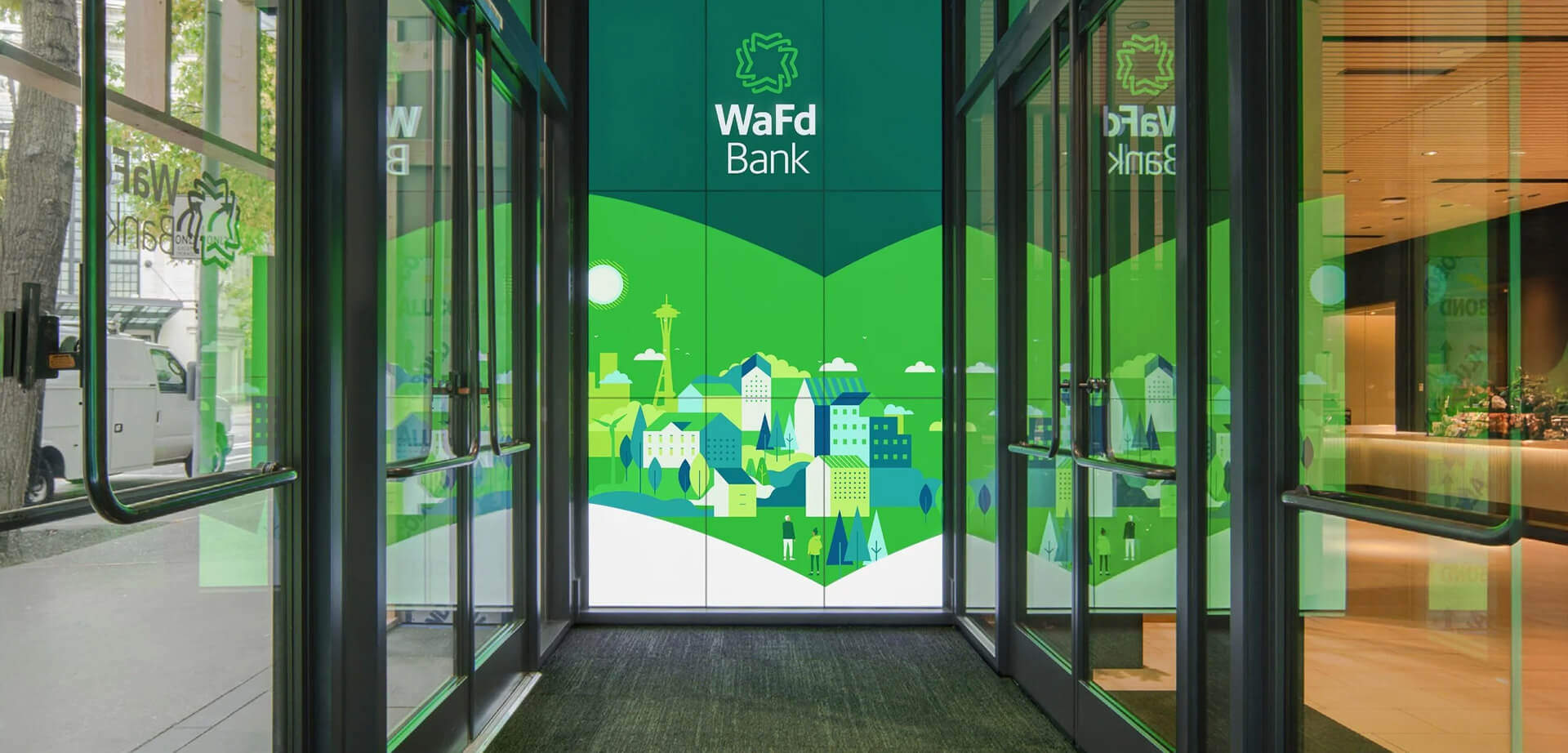
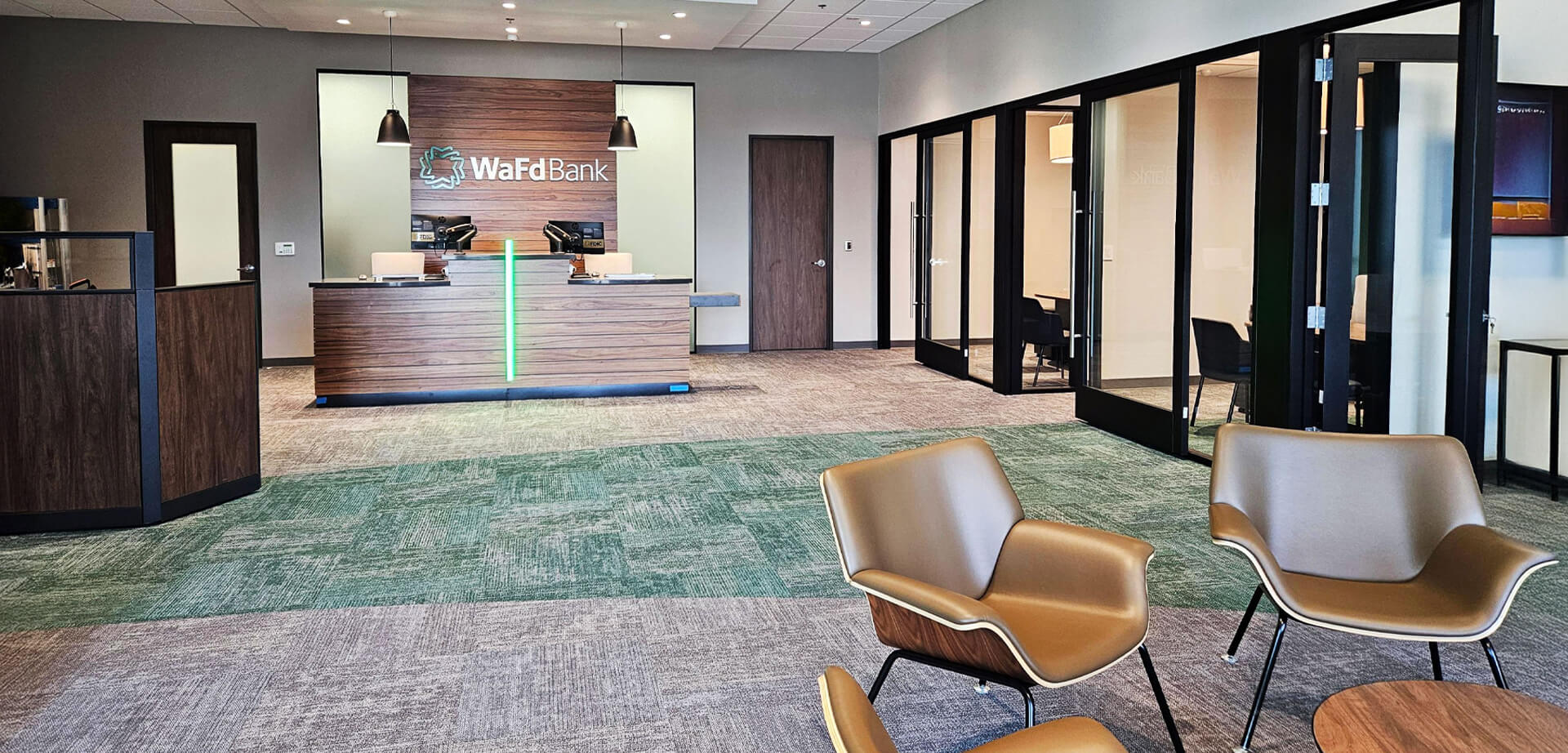
WaFd Bank: Making the Branch a Brand Experience
For a regional bank, the branch can make a local, relationship-led proposition tangible through trust, expertise, accessibility, advice, community and digital convenience.
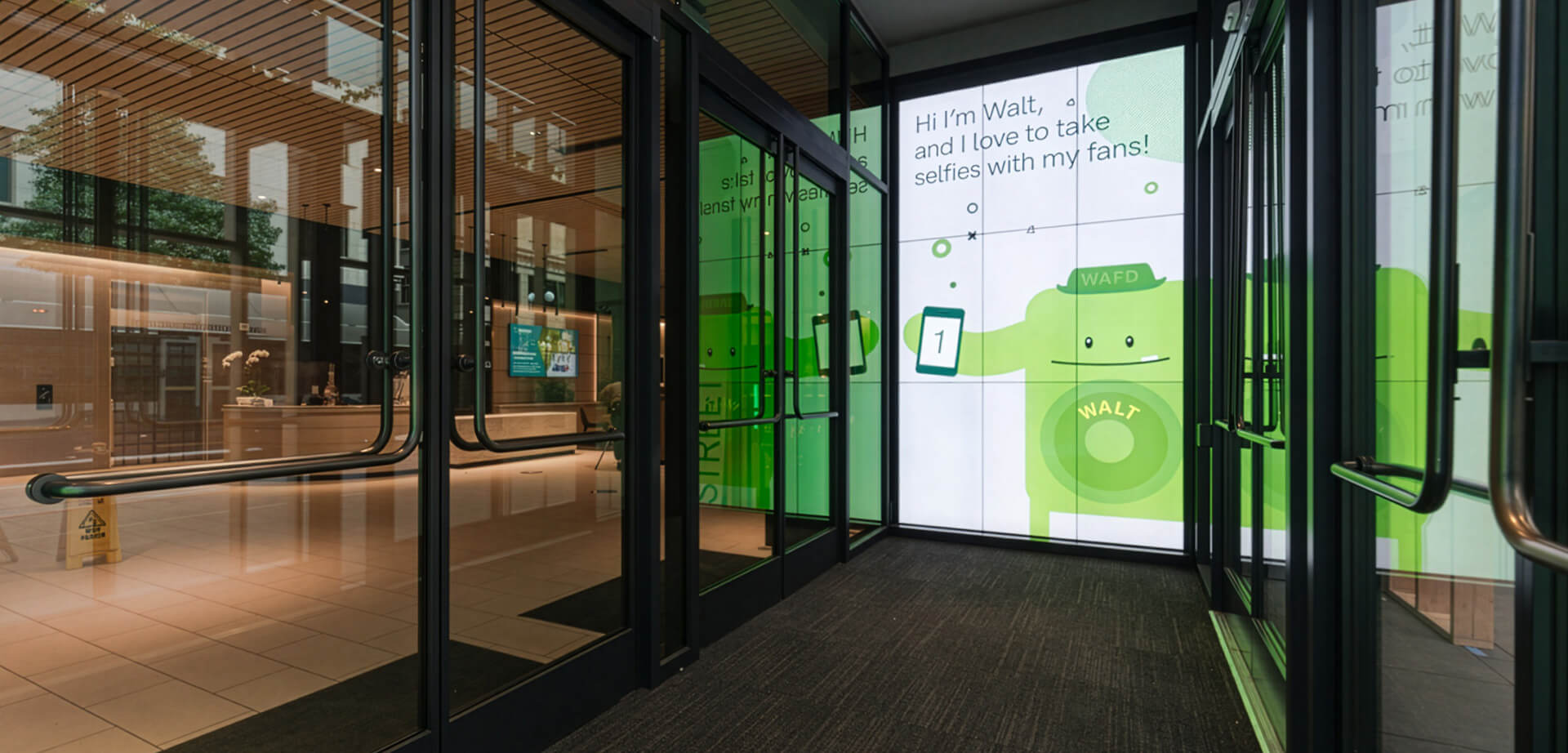
Architecture, interiors, signage, digital interfaces and employee interactions should communicate one consistent brand story. Banking brand strategy and branch design therefore need to work together.
Five Principles of High-Performance Phygital Banking
1. Design the customer journey: identify friction and where human intervention adds value.
2. Make self-service effortless: resolve routine needs while enabling easy access to advice.
3. Strengthen human advice: equip employees with technology and customer insight.
4. Make the brand consistent: align app, website, contact centre, branch and banker experiences.
5. Measure outcomes: track acquisition, retention, adoption, engagement, productivity, revenue per square metre and branch ROIC.
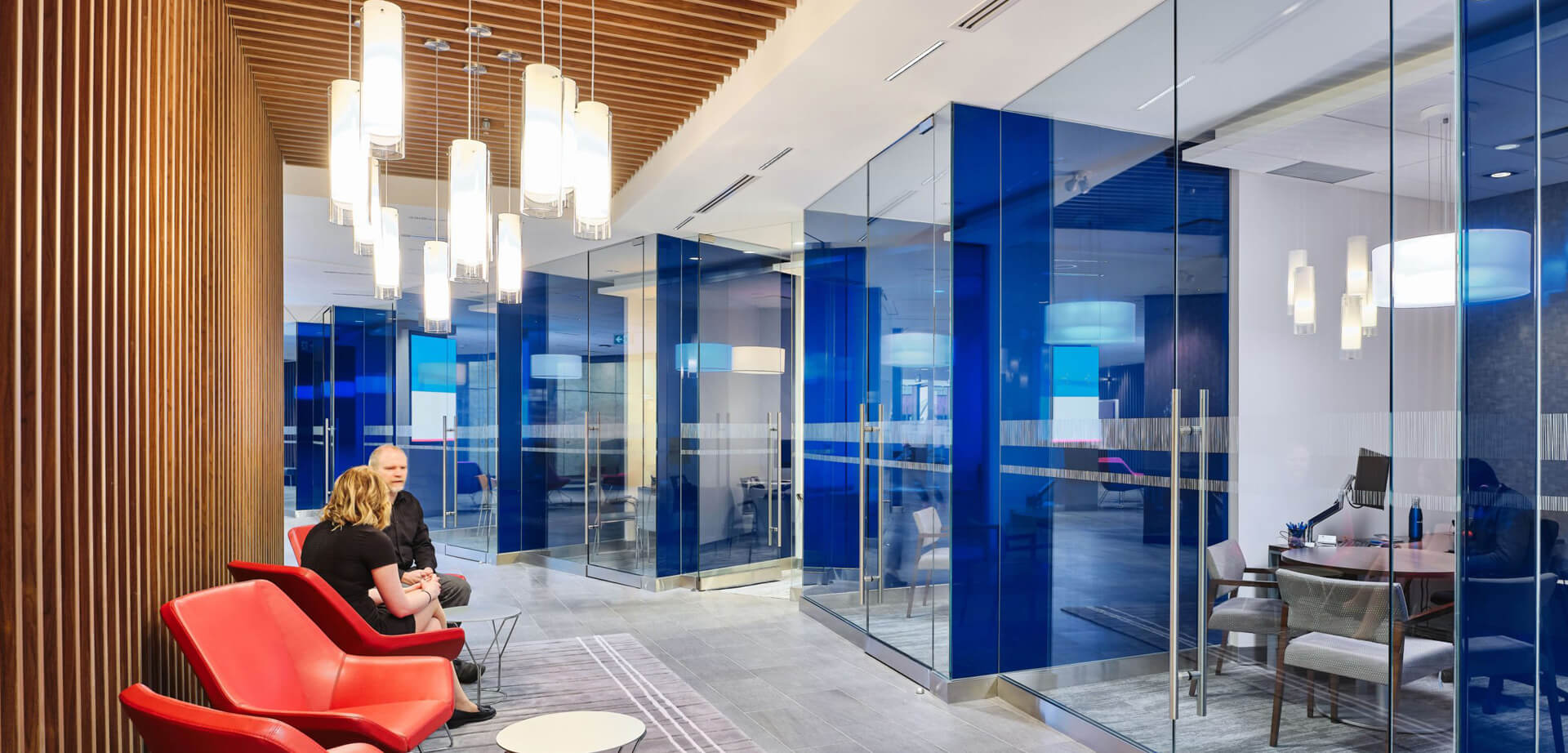
From Branch to Intelligent Banking Platform
Next-generation branches will combine AI-supported insight, digital automation and data with human expertise and experience-led design.
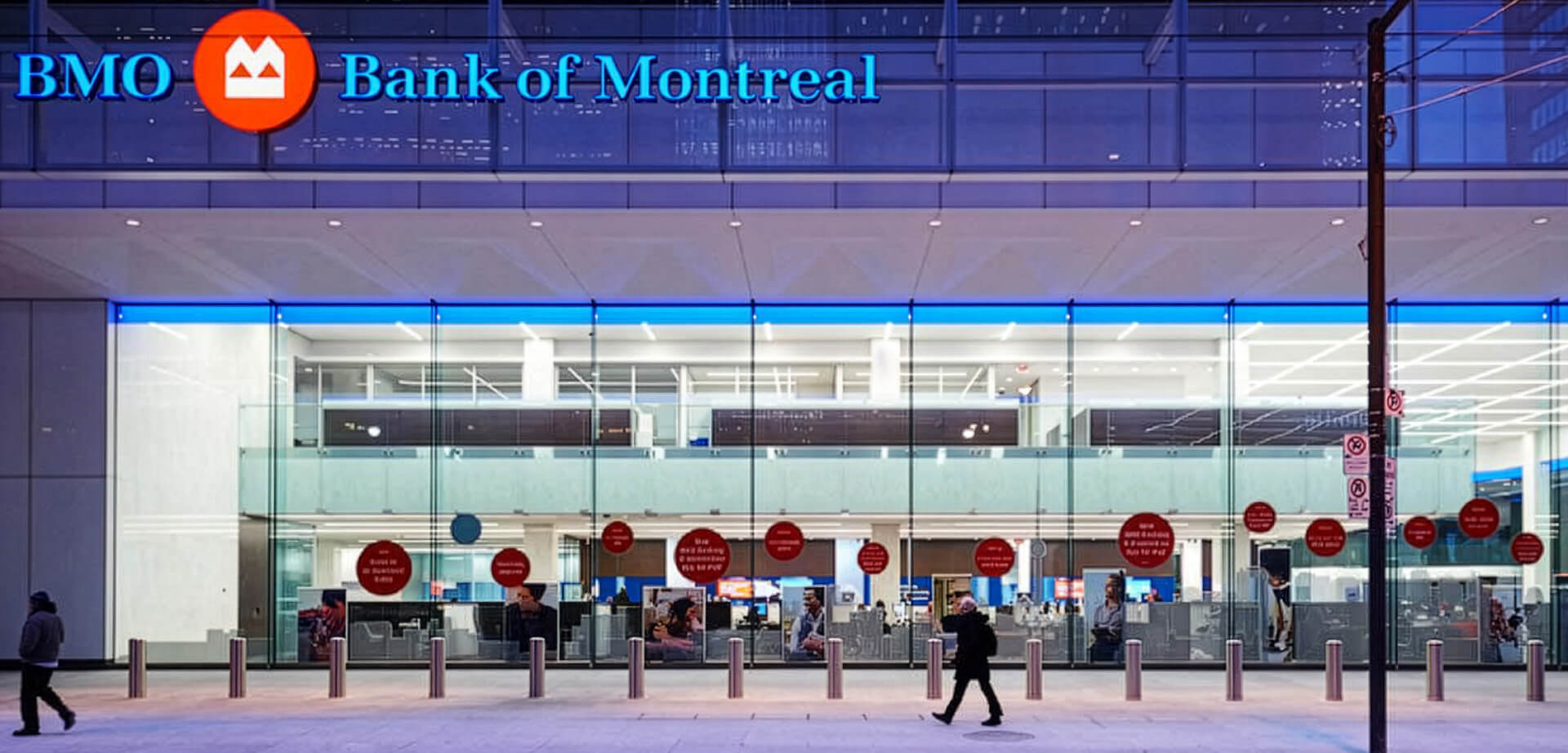
The winning model is People + Brand + Data + Technology + Space: transforming the branch into a phygital banking ecosystem.
![WaFd Bank (Washington Federal) [Image Context]. WaFd Bank is a regional financial institution primarily serving the Western United States with over 200 branches across Washington, Oregon, Idaho, Utah, Nevada, Arizona, New Mexico, and Texas](/images/uploads/2026/08/12/11.jpg)
The Future of Bank Branch Design
Physical branches are not disappearing; their role is changing. Transaction-heavy formats are evolving into flexible, digitally connected environments focused on advice, relationships and measurable performance.
The branch of the future is not simply a physical location. It is a connected customer experience platform.
Engineer for ROIC
Every investment should have a measurable business objective. BMO and WaFd track customer acquisition, product sales, advisory conversion, digital adoption, customer retention, cost-to-serve, employee productivity and revenue per square metre.
These measures allow both banks to identify which branch formats, technologies and customer experiences deliver the greatest returns
The result is a phygital banking ecosystem where technology, people, brand and physical space work together, making banking easier for customers while turning branches into measurable engines of growth, loyalty and ROIC.
Leading banking environments increasingly include:
- digital self-service zones
- AI-supported advisory services
- flexible consultation areas
- video banking integration
- omnichannel customer journeys
- modular branch formats
This evolution allows banks to improve operational efficiency while strengthening customer loyalty, engagement and long-term brand perception.
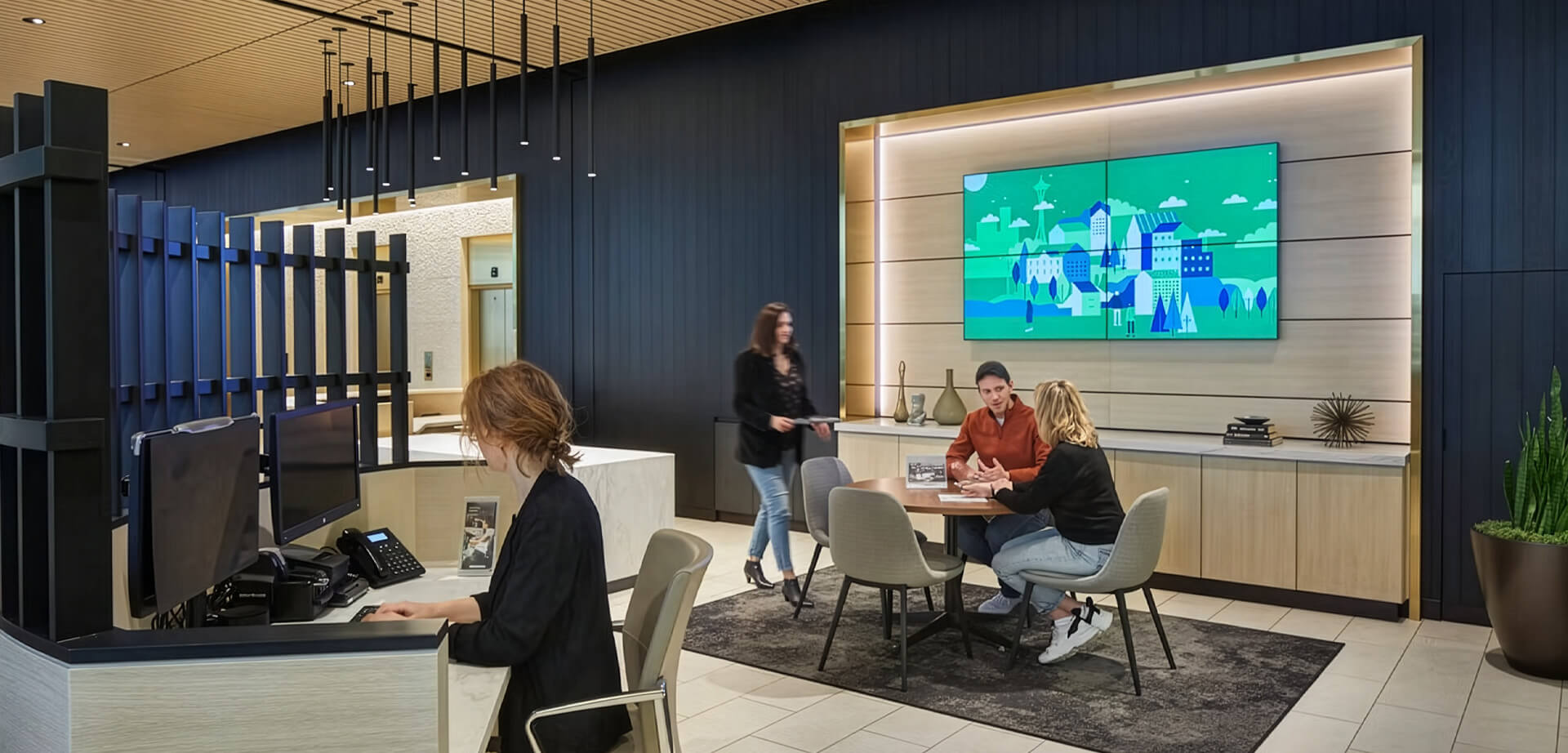
Why Physical Bank Branches Still Matter. Despite rapid digital adoption, physical bank branches continue to play a critical role in building trust, reassurance and relationship-based advisory services. However, the function of the branch is changing dramatically.
Traditional transaction-heavy layouts are being replaced by flexible phygital environments that combine self-service technology, digital onboarding, advisory spaces and hospitality-inspired customer experiences. Retail banking branches are evolving into experience-led destinations focused on customer engagement and higher-value interactions rather than routine transactions.
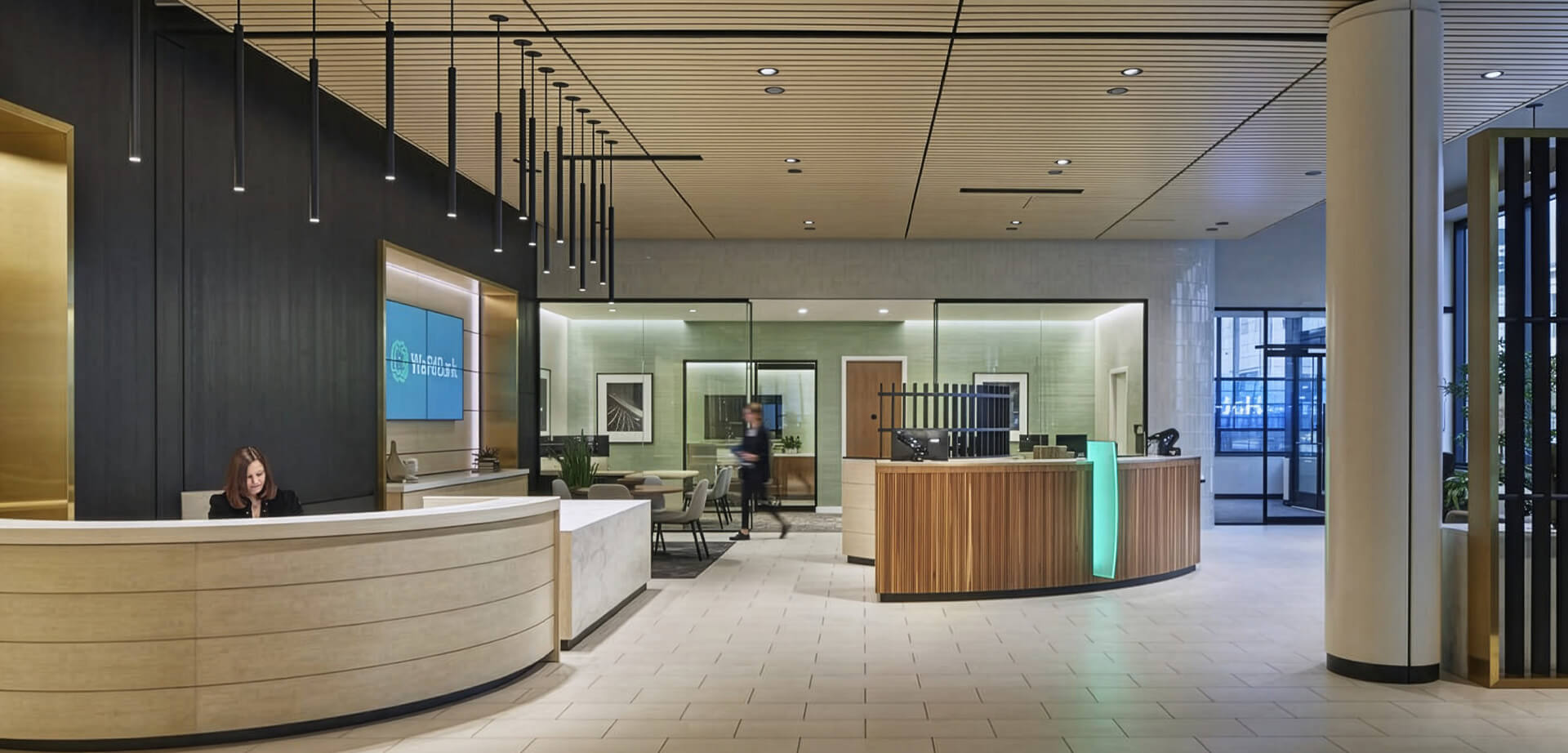
How CampbellRigg Helps Banks Transform
CampbellRigg integrates banking brand strategy, customer experience, architecture, interior design, digital innovation and omnichannel planning to create future-ready banking environments.
Our expertise includes branch strategy, bank architecture, retail interiors, customer journey planning, omnichannel experience design, digital-physical touchpoint integration and ROIC measurement.
The objective is to make brand, technology, people and physical space work together to increase customer value.
- improve operational efficiency
- strengthen customer trust
- modernise banking experiences
- increase engagement
- support long-term growth
The Phygital Banking Opportunity
BMO and WaFd illustrate how digital convenience, human advice and physical environments can reinforce differentiated banking brands.
For banks planning next-generation branches, the opportunity is no longer simply to redesign the interior, but the entire customer experience.
Phygital banking turns the branch into a connected platform for engagement, advice, loyalty and measurable growth.