

News and Views
Supermarket Trends 2027–2029: AI, Hyper-Local Formats, Experience & ROIC




Supermarket Trends 2027–2029: AI, Hyper-Local Formats, Experience & ROIC
Technology alone will not define the next generation of grocery retail. Competitive advantage will increasingly come from connecting AI, customer intelligence, hyper-local formats, store design, fresh-food experience and measurable commercial performance.
For supermarket leadership teams, the strategic question is changing.
It is no longer simply: Which technologies or trends should we adopt?
It is: Which combination of technology, format, brand, customer experience and physical design will create the strongest commercial return from each location?
The six supermarket trends most likely to shape the next three years are:
- Invisible AI and predictive supermarket technology
- Hyper-local supermarket formats and localised assortments
- Experience-led supermarket design
- Fresh food, food-to-go and hospitality as growth platforms
- Phygital retail and connected customer journeys
- ROIC-led supermarket investment and productivity
The strategic shift is from adding technology to existing stores towards using customer intelligence to determine what each store should be, how it should operate and what return it should generate.
Shopper intelligence → AI → format strategy → brand → store design → experience → productivity → ROIC
That is the emerging supermarket model for 2027–2029.
What are the biggest supermarket trends for 2027–2029?
European grocery retail is entering a period of modest volume growth, margin pressure and accelerating investment in data, AI and technology. McKinsey's 2026 grocery research reports European grocery sales growth of 3.4% in 2025, while volume increased only 0.6%; EBIT margins remained under pressure at 2.8%, while 47% of grocery CEOs identified AI and automation among their top three priorities.
This changes the strategic question for supermarket executives.
The issue is not simply whether a retailer should invest in AI, new technology, refurbishment or store experience. It is whether those investments are connected to the right customer, the right format, the right location and the right commercial objective.
The six trends therefore need to be considered as interconnected components of a future supermarket operating and design model.

The supermarket trends at a glance
Invisible AI: Predictive rather than reactive operations. The commercial opportunity is to improve availability, increase efficiency and reduce waste. Key measures include availability, waste and forecast accuracy.
Hyper-local formats: More flexible rather than standardised stores. The commercial opportunity is to improve relevance to each catchment and increase sales productivity. Key measures include sales per square metre, basket size and frequency.
Experience-led design: Stores become destinations rather than purely transactional spaces. The commercial opportunity is to increase discovery, engagement and basket value. Key measures include dwell time, conversion and basket size.
Fresh-food platforms: Food becomes theatre and service. The commercial opportunity is to increase visit frequency and higher-value shopping missions. Key measures include fresh-food sales, food-to-go revenue and margin.
Phygital retail: Digital and physical shopping become one connected journey. The commercial opportunity is to improve convenience and customer loyalty. Key measures include conversion, loyalty and cost-to-serve.
ROIC-led investment: Supermarket trends are measured by financial return. The commercial opportunity is to allocate capital more effectively and improve investment performance. Key measures include payback, incremental sales and ROIC.
The important point is that no single trend will define the future supermarket.
Competitive advantage will come from how effectively retailers connect them.
How CampbellRigg helps turn supermarket trends into commercial decisions
CampbellRigg begins by connecting these disciplines rather than treating them as separate design commissions.
Brand auditing establishes how the existing proposition is perceived and expressed. Strategy defines the desired market position. Format planning determines the role, size and commercial purpose of each store type. The design brief then converts that strategy into practical requirements for customer experience, store planning, identity, merchandising, technology and implementation.
The benefit is one strategic direction linking brand decisions to the physical retail network and its commercial objectives, rather than a collection of disconnected design initiatives.
For retailers reviewing their estate, the process can begin with a brand audit, followed by design brief construction and ideation, format planning and the appropriate physical and digital design response.
The objective is straightforward: Turn emerging supermarket trends into a scalable, measurable retail system.
Invisible AI becomes supermarket infrastructure
One of the most important supermarket technology trends for 2027–2029 will be the movement of AI from visible innovation to invisible infrastructure.
AI may increasingly determine:
- what products are stocked;
- how much inventory is required;
- when replenishment occurs;
- how space is allocated;
- which promotions are activated;
- how prices respond to demand;
- where fresh-food capacity is concentrated;
- how online and in-store inventory is coordinated;
- and which customer propositions work in each catchment.
McKinsey's 2026 grocery research highlights an important commercial issue: many grocery businesses have yet to demonstrate measurable EBIT impact from AI investment.
That creates a strategic lesson.
AI investment does not automatically create AI value.
The commercial opportunity lies in connecting AI to clearly defined business problems.
Where AI can create supermarket value
- Demand forecasting can improve availability while reducing excess stock.
- Predictive replenishment can improve shelf availability and labour productivity.
- Assortment optimisation can identify which SKUs are genuinely relevant to individual locations.
- Pricing and promotion analytics can improve margin and reduce ineffective discounting.
- Loyalty data can enable more relevant offers and recommendations.
- Space optimisation can connect customer behaviour to category allocation.
- Predictive maintenance can reduce operational disruption.
The next step is to connect these capabilities to supermarket format strategy.
A high-density urban store may require an entirely different AI-driven operating model from a suburban weekly-shop destination.
AI therefore becomes more than an operational tool. It becomes a mechanism for deciding what the store should be.
The commercial test
Every AI investment should answer: Which measurable customer, revenue, productivity or cost problem will this technology improve?
This prevents AI from becoming a technology programme disconnected from supermarket economics.
For retailers investigating this subject in greater depth, CampbellRigg's specialist AI-powered supermarket research examines how AI, predictive analytics and intelligent store design can influence future formats.
How CampbellRigg helps
CampbellRigg connects AI and customer intelligence to the physical retail proposition rather than treating technology as an isolated installation.
The work can include customer and market insight, format definition, design brief development, customer journey planning, digital touchpoints, store design and performance measures.
The commercial question remains: What should the technology change about the customer, the operation or the economics of the store?
Hyper-local supermarket formats replace one-size-fits-all
The second major supermarket trend is the move from standardised formats towards hyper-local supermarket strategy.
- Traditional supermarket economics rewarded replication.
- One format could be rolled out across hundreds of locations, creating purchasing, operating and branding efficiencies.
- But customers do not behave identically across every catchment.
- An urban commuter location has different needs from a suburban family supermarket.
- A residential neighbourhood has different demand from a transport hub.
- A destination store has different economics from a convenience-led local store.
The strategic shift is therefore: From “How do we replicate this supermarket?” to “What supermarket should exist in this location?”
The hyper-local supermarket equation: Catchment intelligence → customer mission → assortment → format → design → experience → commercial performance
What hyper-localisation should achieve
A hyper-local format should answer:
- Who is the customer?
- Why are they visiting?
- What do they need?
- What will make them choose this store?
- Which products and services deserve the most space?
- What experience can this location deliver better than digital or competitors?
The strategic benefit is better alignment between space, customer demand and capital investment.
How CampbellRigg helps
CampbellRigg's role is to convert catchment and customer intelligence into a scalable format system.
That can mean defining different store typologies, creating modular brand and design principles, establishing assortment and space-planning requirements, and determining which elements should remain consistent across the estate and which should adapt locally.
This is particularly relevant when retailers are developing convenience supermarket formats or larger supermarket and format-planning systems.
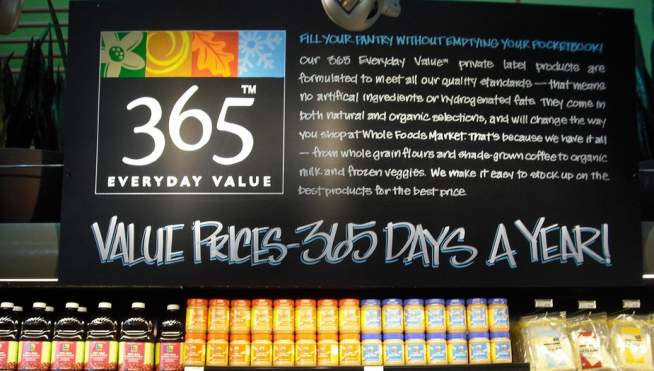
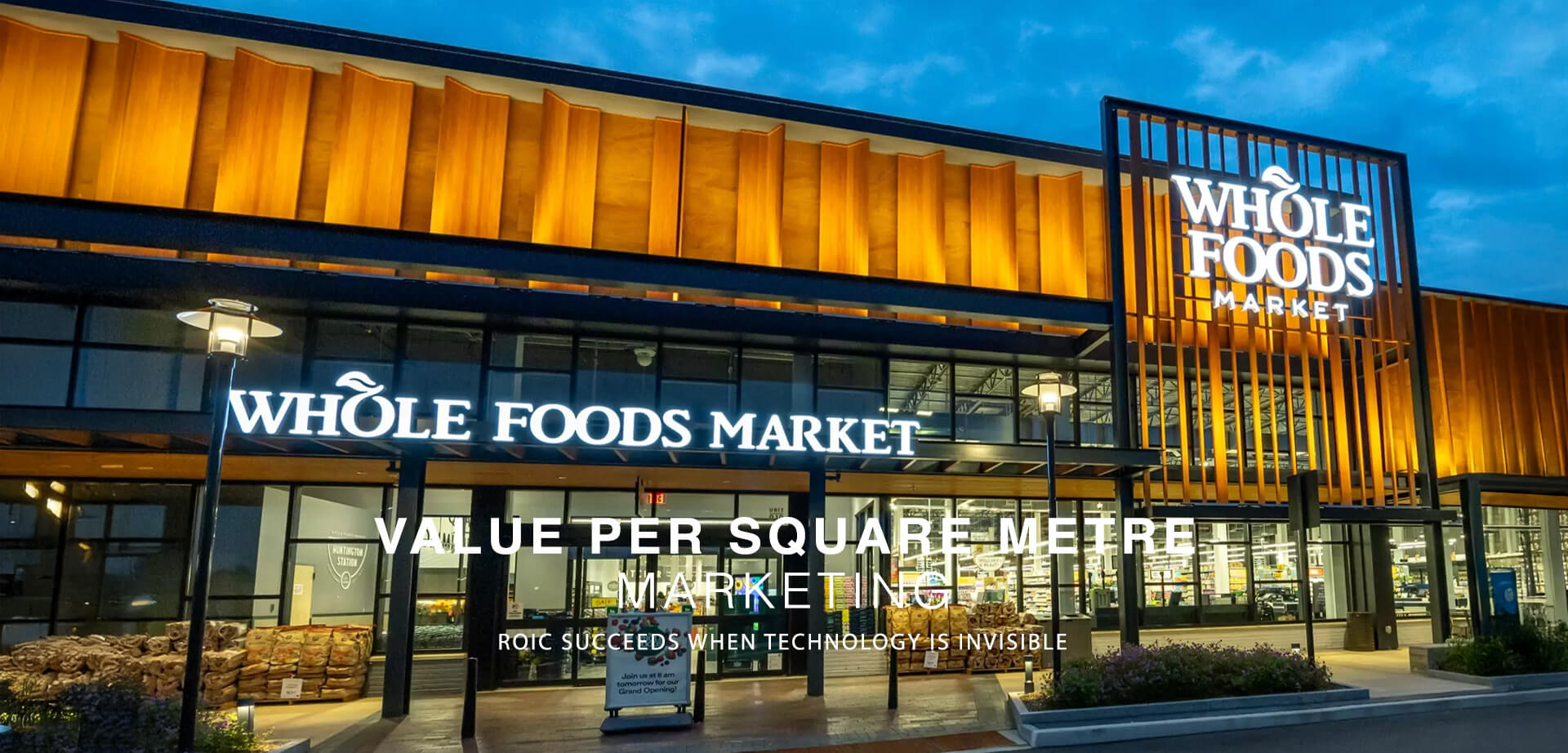
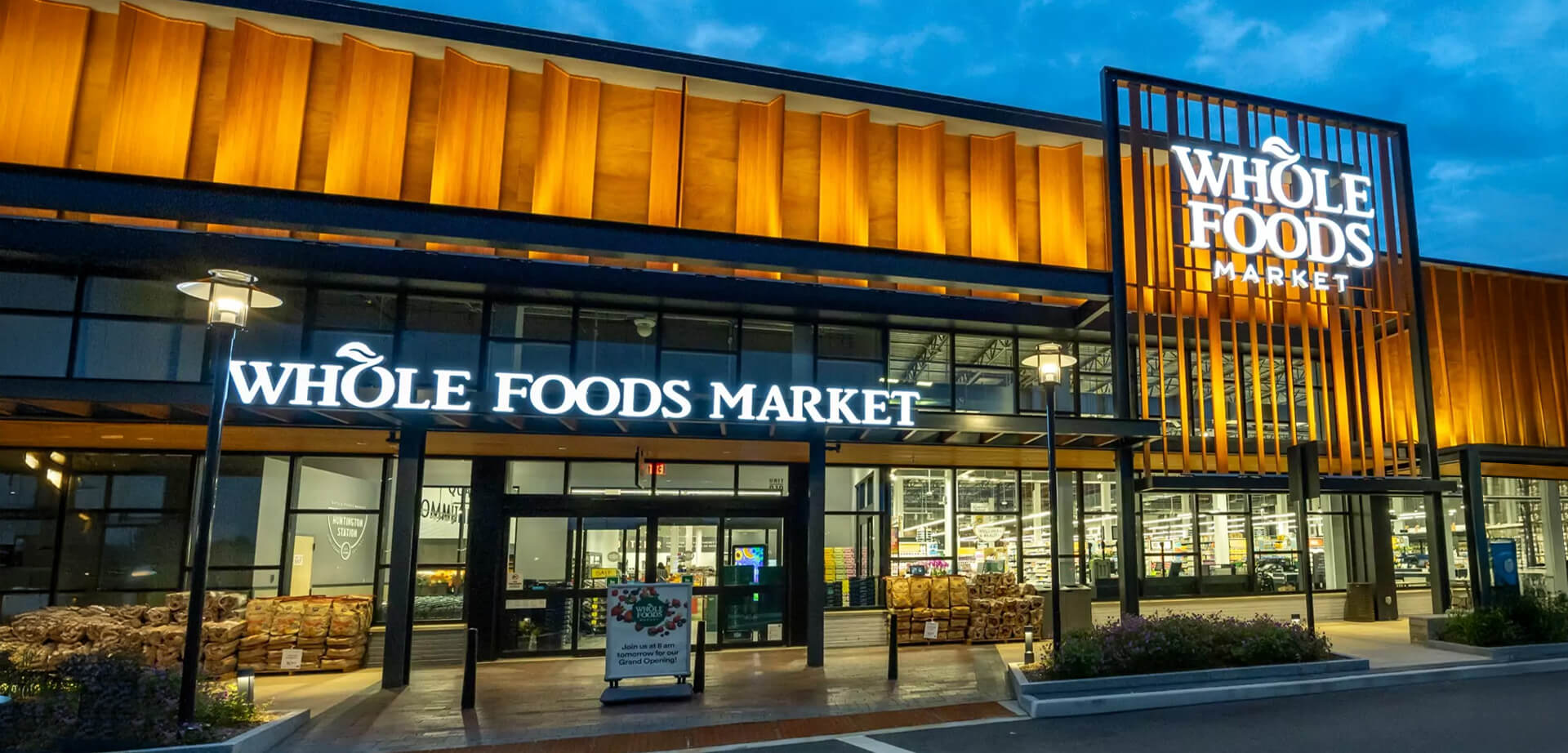
Whole Foods Market: fresh food as brand experience
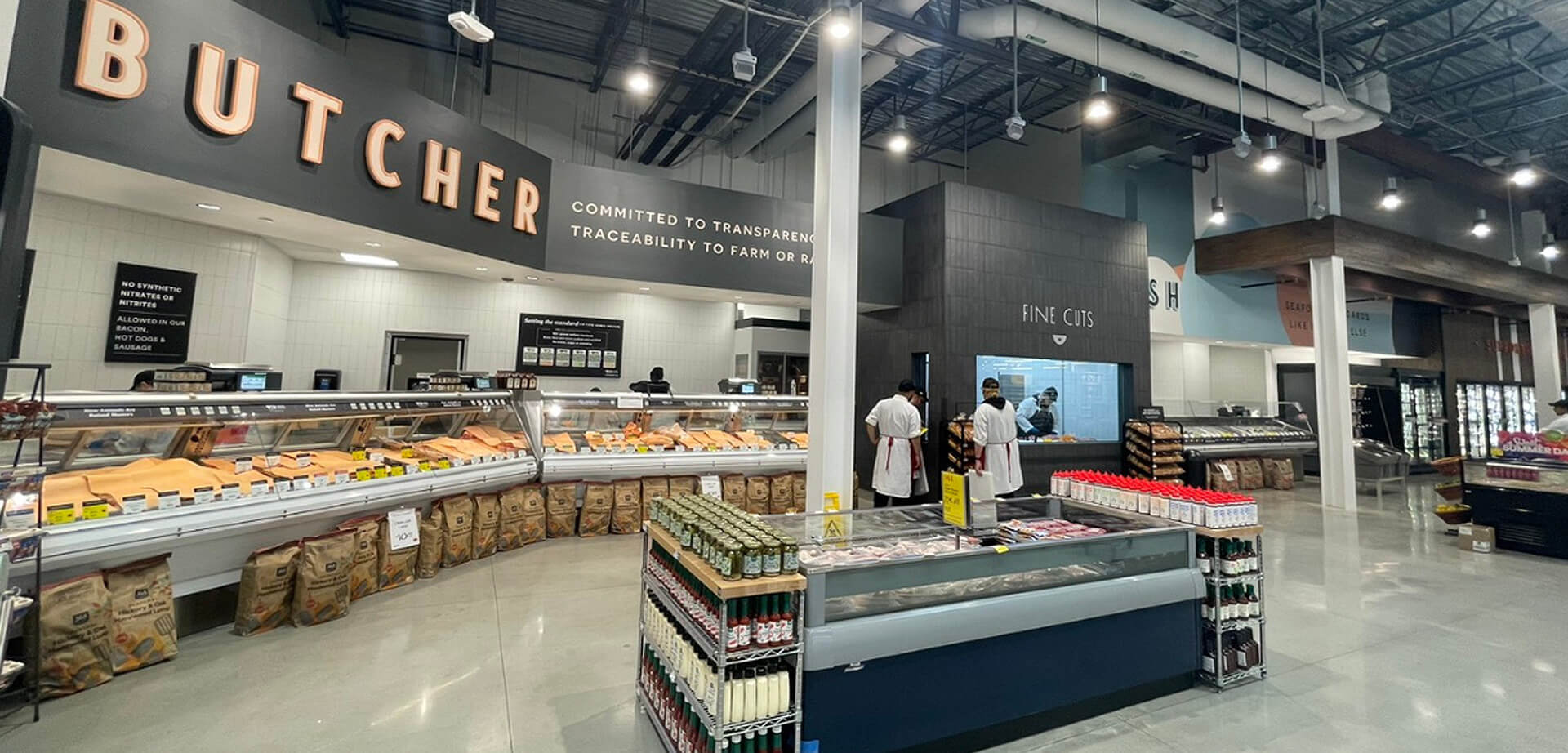
Whole Foods Market operates two main active store formats. The traditional full-size supermarket of 40,000 square feet offering full departments of organic produce, meat, seafood, bakery, and wellness items and the newer, compact urban quick-shop format. Whole Foods Market Daily Shop: ranging from roughly 3,300 to 14,000 square feet designed for high-density city neighbourhoods with grab-and-go meals, essentials, and core grocery selections.
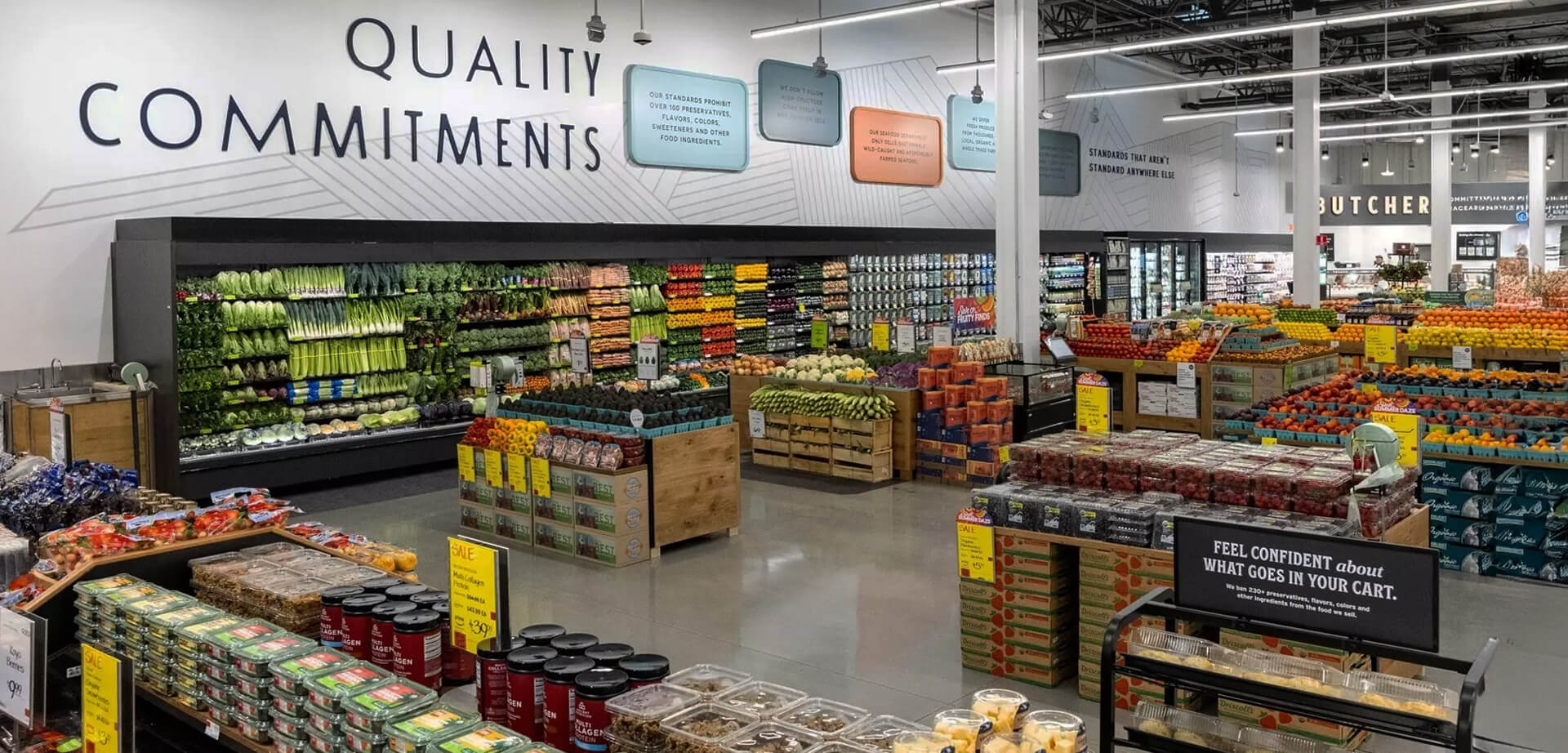
Whole Foods Market demonstrates how fresh food, prepared food, quality communication and specialist propositions can turn the supermarket into part of the product experience. Its approach makes the physical store more than a place to purchase groceries, creating a stronger sense of discovery, quality and expertise.
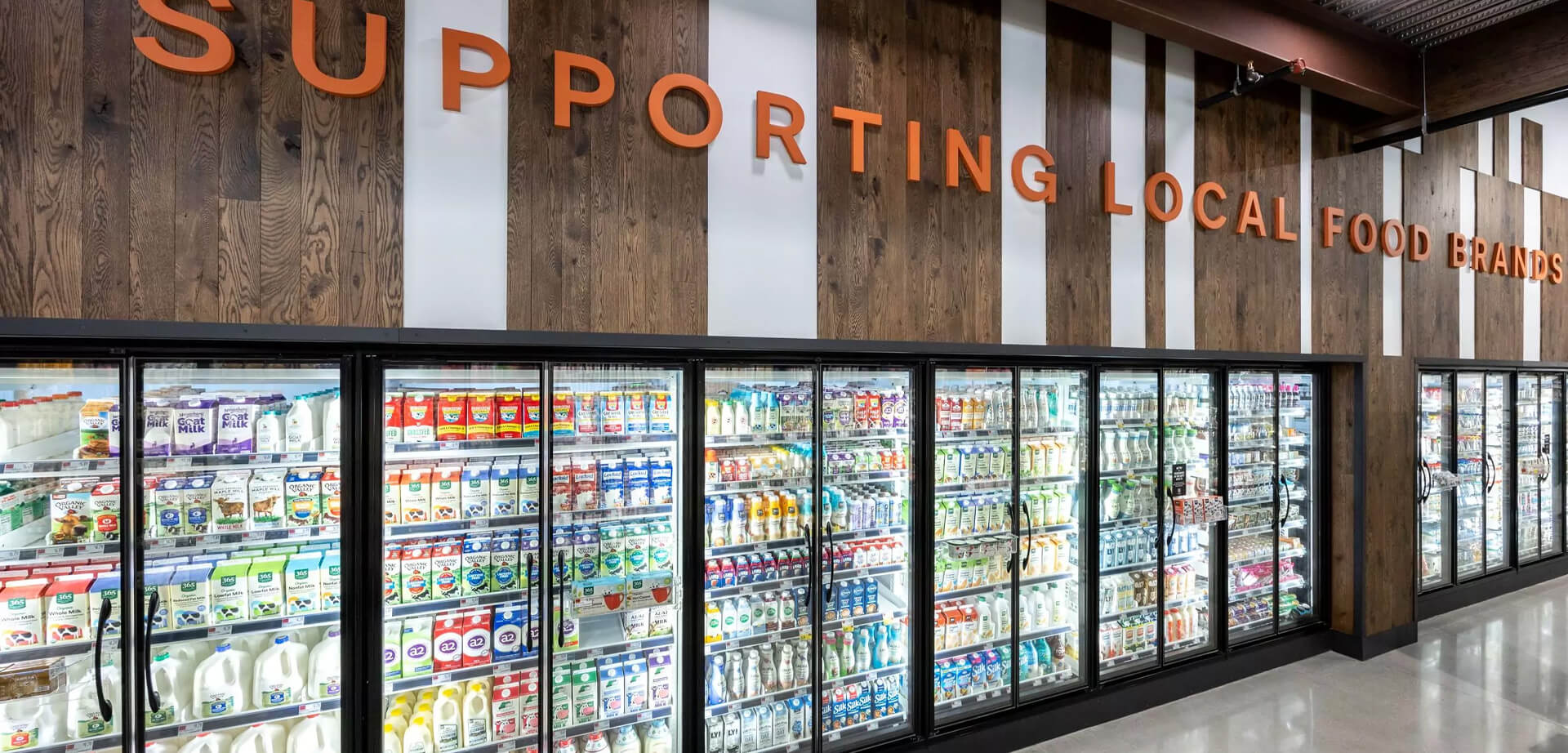
This experience-led model is increasingly important as routine grocery shopping shifts online. Fresh food, food-to-go, specialist ranges and visible product quality give customers compelling reasons to visit physical stores and spend more time in them.
Commercial lesson: Fresh food can function simultaneously as product, experience, brand and destination.
Experience-led supermarket design becomes a commercial strategy
Experience-led supermarket design is often misunderstood as making stores look more attractive.
That is too narrow.
The real opportunity is to use architecture, interiors, visual merchandising, food theatre, service and technology to create additional commercial value.
The store should do something that digital channels cannot easily replicate.
The future supermarket experience should combine:
- Functional efficiency: Customers can find products quickly, navigate easily and complete transactions with minimal friction.
- Discovery: The store provides inspiration, new products, seasonal propositions and reasons to explore.
- Service: Employees, specialist counters and expert advice add value that algorithms cannot fully replicate.
- Sensory experience: Fresh food, preparation, cooking, aroma and visual merchandising make the physical store distinctive.
- Community: Local relevance and social spaces can create stronger emotional connections.
- Digital assistance: Technology provides information, navigation, personalisation and convenience without dominating the environment.
This creates a useful strategic principle: Digital intelligence removes friction. Physical experience creates differentiation.
The objective is not maximum dwell time.
A faster journey may be commercially superior for a convenience customer. A longer, discovery-led journey may be more valuable for a destination shopper.
Experience must therefore be designed around customer mission and commercial purpose.
How CampbellRigg helps
CampbellRigg connects customer journey, brand positioning, architecture, interior design, visual merchandising and technology to define what the physical store needs to achieve.
The resulting supermarket layout strategy can then be translated into circulation, category adjacencies, navigation, merchandising, fresh-food destinations and branded customer touchpoints.
The principle is not to design more experience. It is to design more commercially purposeful experience.
Fresh food, food-to-go and hospitality become growth platforms
Fresh food is one of the most important bridges between supermarket retail and experience.
Fresh food combines attributes that digital grocery cannot easily replicate:
- visual theatre;
- aroma;
- freshness;
- service;
- preparation;
- provenance;
- expertise;
- immediate consumption;
- and social interaction.
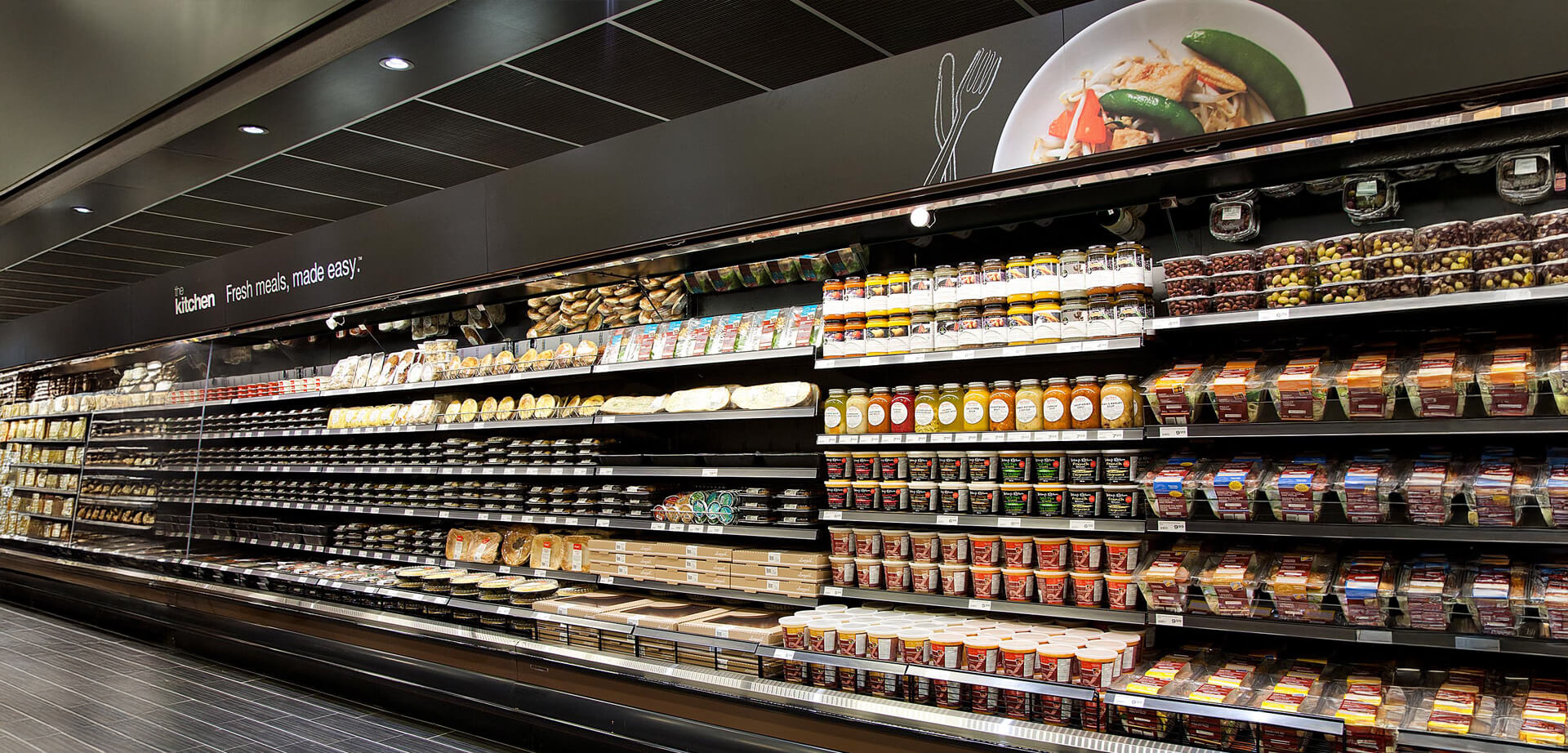
Bakery, produce, prepared foods, food-to-go, coffee, specialist counters and open kitchens can therefore become destinations within the supermarket.
Fresh food can perform four strategic roles.
- Brand - Fresh food communicates quality and positioning.
- Experience - Preparation and presentation create theatre.
- Frequency - Ready-to-eat and food-to-go propositions can create more frequent visits.
- Basket growth - Fresh and prepared-food missions can introduce additional purchases beyond the planned grocery list.
The opportunity is therefore not simply to allocate more space to fresh food.
It is to design fresh food as an integrated customer experience and commercial platform.

What Tesco, Whole Foods, and Monetka reveal about the future supermarket
The most useful supermarket case studies are not necessarily those with the most technology.
They are the retailers that demonstrate a clear relationship between customer proposition, format, experience and commercial strategy.
Tesco: scale through differentiated formats
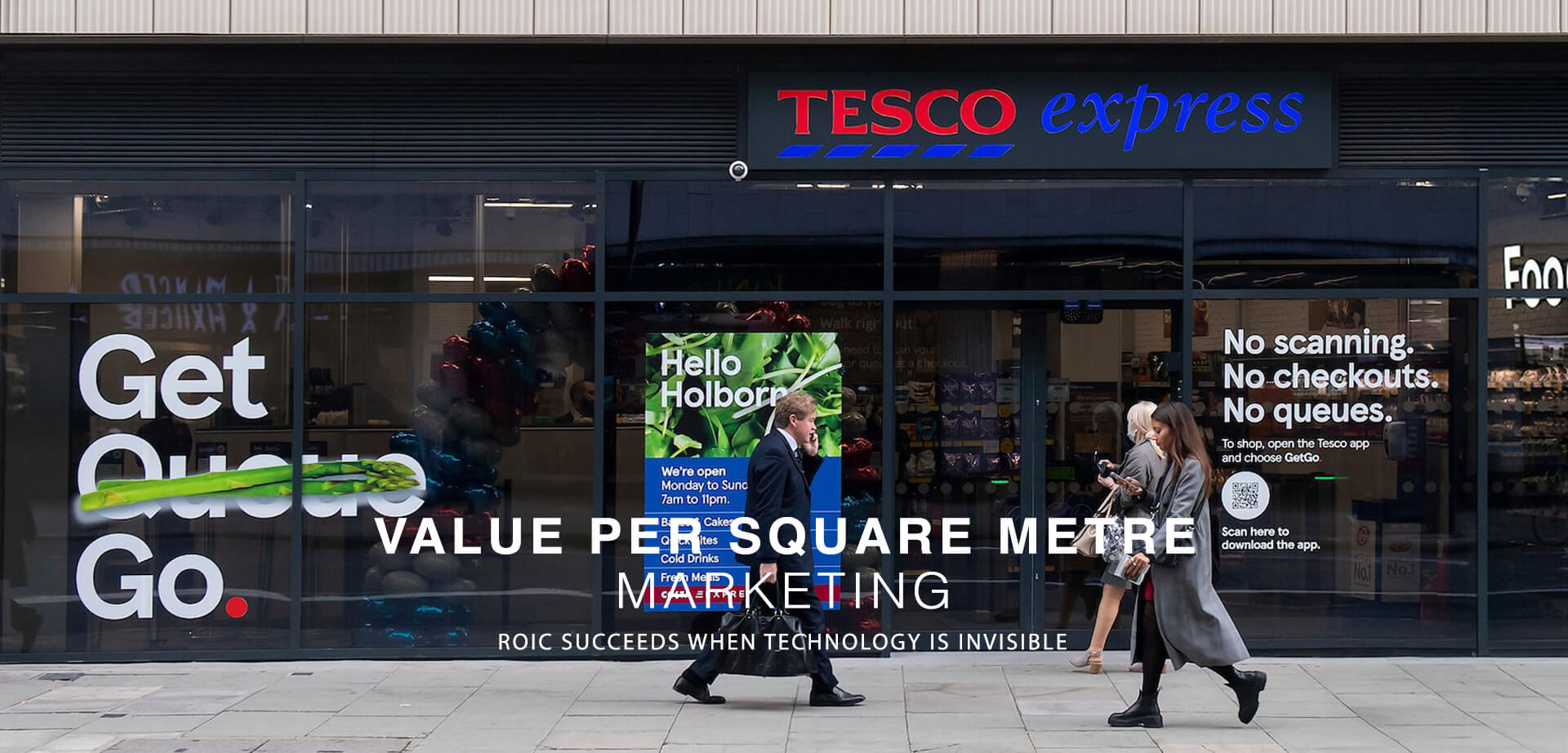
Tesco demonstrates how a large supermarket group can combine scale with local relevance through a diversified store-format strategy. Its Extra, Superstore, Metro and Express formats serve different locations, customer needs and shopping missions, rather than relying on a single standardised model.
This flexibility allows Tesco to adapt store size, range and proposition to local demand while maintaining the efficiencies of a large-scale operation. Its value-to-premium positioning, including Aldi Price Match, Low Everyday Prices and Tesco Finest, further broadens its appeal across different customer segments and budgets.
Commercial lesson: Scale creates efficiency; differentiated formats create relevance and customer value.
CampbellRigg evidence: Safeway Convenience
CampbellRigg's work with Safeway provides a direct example of this principle.
At Safeway's St Katharine's Dock convenience store, the Fresh to Go proposition occupied 25% of the store and incorporated fresh perishables, hot food, pizza, sandwiches and bakery. CampbellRigg reports that expanding the fresh-food departments was associated with a 20–30% week-on-week sales increase at the location.
The commercial lesson is not that every supermarket should allocate 25% of its space to fresh food.
It is that fresh-food allocation should be determined by customer mission, catchment demand and category productivity.
How CampbellRigg helps
CampbellRigg can connect fresh-food strategy with format planning, customer journey, merchandising, brand communication and physical design.
For retailers considering refurbishment rather than a complete new format, specialist supermarket refurbishment strategy can help determine where existing space should be reallocated to create greater commercial value.
Phygital supermarkets connect digital and physical retail
The distinction between online and offline grocery is becoming less useful.
The future customer journey may look like: AI discovery → personalised recommendation → digital comparison → store visit → physical experience → loyalty offer → purchase → replenishment
The store is one component within a wider phygital supermarket ecosystem.
FMI and NIQ have reported widespread use of technology, including AI, by food retailers to personalise or customise shopping and marketing experiences across online and in-store environments.
Agentic AI may further change how grocery shopping is initiated and completed.
That creates an important future challenge for physical retail.
If an AI agent increasingly influences what a customer buys, the physical supermarket needs to provide compelling reasons for customers to experience the brand, products and services.
Phygital supermarket design can integrate
- personalised offers;
- digital navigation;
- loyalty platforms;
- predictive availability;
- frictionless checkout;
- click-and-collect;
- interactive information;
- digital signage;
- AI-powered customer service;
- omnichannel fulfilment;
- connected lifestyle experiences.
But technology should not become the visual identity of the store.
The strongest phygital supermarket environments will make digital functionality feel natural, useful and brand-consistent.
The objective is one connected customer experience rather than a collection of technology installations.
How CampbellRigg helps
CampbellRigg connects digital requirements with physical customer journeys, brand architecture, store planning and customer experience.
The objective is to ensure that technology improves the proposition rather than creating another layer of complexity.

Supermarket productivity and ROIC become the critical performance measures
This may be the most commercially important supermarket trend of 2027–2029.
Technology, branding, architecture and experience are increasingly capital-intensive.
Retailers therefore need to demonstrate what those investments actually deliver.
Sales remain essential.
But sales alone do not provide a sufficient measure of supermarket performance.
A sophisticated supermarket ROIC framework should connect investment to:
- Technology performance
- Store performance
- Customer performance
- Investment performance
The central question should always be: What measurable commercial return will this investment generate?
The implication is clear.
The future supermarket cannot afford technology, design or experience programmes that are disconnected from economics.
How CampbellRigg helps
CampbellRigg translates commercial objectives into practical requirements for format, brand, space, customer journey and physical design.
The process can connect the initial investment case with measurable outcomes such as sales productivity, basket value, customer engagement, loyalty, operational efficiency and ROIC.
This is also where supermarket refurbishment design becomes strategically important: the question is not simply whether a store needs modernising, but which changes will generate sufficient commercial value to justify the investment.
From bigger supermarkets to better-matched supermarkets
The future of supermarket retail is not simply smaller stores.
It is better-matched stores.
Large destination supermarkets will continue to serve weekly and family shopping missions.
Smaller urban stores can serve convenience and immediate-consumption needs.
Neighbourhood supermarkets can emphasise fresh food, local relevance and community.
Transport and employment hubs can prioritise food-to-go and speed.
Experience-led destination stores can combine grocery, foodservice, hospitality and discovery.
The retailer therefore needs to determine:
- Which format?
- For which customer?
- In which location?
- With which assortment?
- At what investment level?
- Generating what return?
This is where AI and customer intelligence become strategically important.
Data can increasingly help retailers decide where each format belongs and how each store should perform.
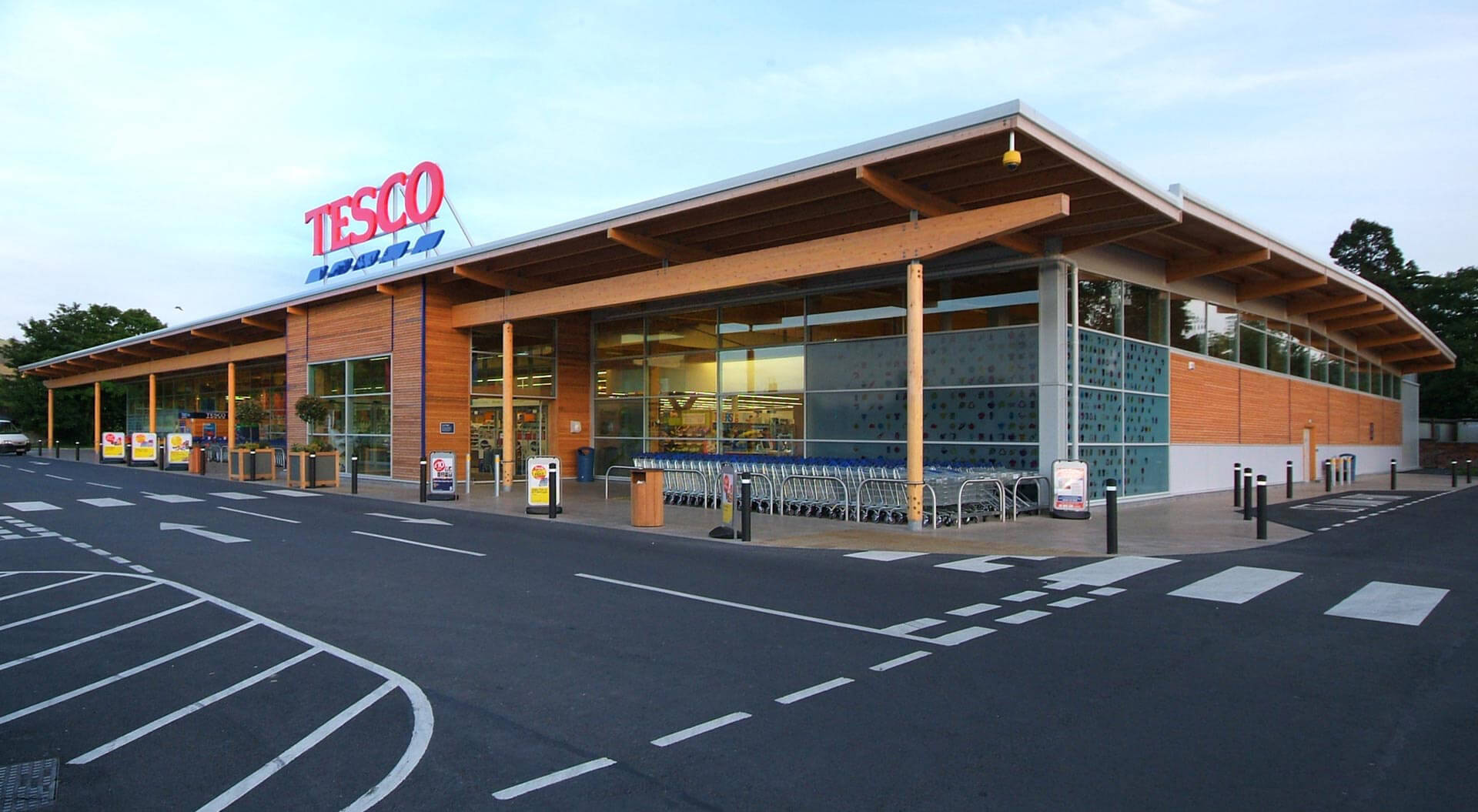
Tesco: scale through differentiated formats
Tesco demonstrates how a large supermarket group can combine scale with local relevance through a diversified store-format strategy. Its Extra, Superstore, Metro and Express formats serve different locations, customer needs and shopping missions.
This flexibility allows Tesco to adapt store size, range and proposition to local demand while maintaining the efficiencies of a large-scale operation.
Commercial lesson: Scale creates efficiency; differentiated formats create relevance and customer value.
CampbellRigg evidence: Tesco Welshpool
CampbellRigg's Tesco Welshpool design provides a more direct illustration of how physical design can translate into measurable commercial performance.
The project delivered reported improvements of 25% in shopper flow, 18% in dwell time and 12% in basket spend. The work combined enhanced fresh-food and hero zones, intuitive navigation, strategic merchandising and integrated brand communications.
The significance for future supermarket strategy is that store design can be evaluated through customer behaviour and commercial performance rather than aesthetics alone.

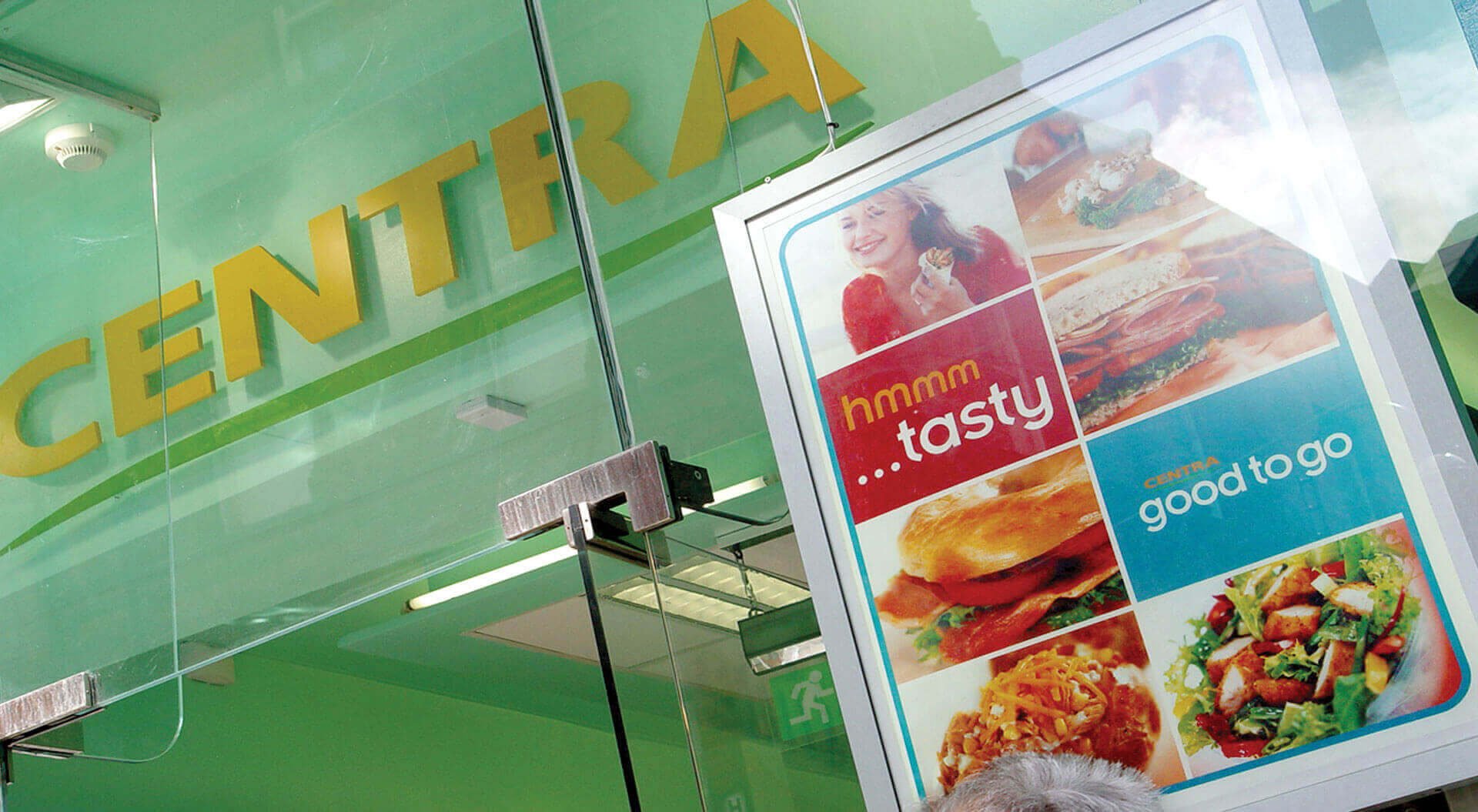
Centra: turning a convenience proposition into a scalable format
Centra provides a particularly relevant example of how a targeted customer proposition can become a network-wide commercial platform.
CampbellRigg worked with Centra to address demand for home meal replacement and top-up shopping in Ireland's convenience market. The resulting format and product offering exceeded sales targets, won Convenience Store of the Year, and was subsequently rolled out across the Republic of Ireland network.
The strategic lesson is important:
A successful format is not simply a successful store. It is a proposition that can be systematised and scaled.
The Supermarket 2027–2029 Investment Framework
Before approving a new supermarket, refurbishment, technology programme or format transformation, retail leaders should be able to answer six questions.
- Who is the customer?
What are the dominant demographics, behaviours, shopping missions and unmet needs within the catchment? - What should the format do?
Should the store prioritise convenience, weekly shopping, fresh food, food-to-go, discovery, hospitality, fulfilment or a combination? - What should technology improve?
Where can AI, predictive analytics, loyalty data and digital services improve availability, relevance, productivity or convenience? - What should the physical experience deliver?
Which elements of architecture, interiors, visual merchandising, food theatre and service provide value that digital channels cannot replicate? - How will performance be measured?
Which KPIs will demonstrate improvement in sales, margin, productivity, loyalty, efficiency or customer value? - What is the ROIC case?
What incremental revenue, margin improvement, cost saving or productivity gain is required to justify the investment?
This framework changes the strategic conversation from: “What will the future supermarket look like?” to: “What supermarket model will produce the strongest commercial return for this customer, location and investment?” That is the more important question.
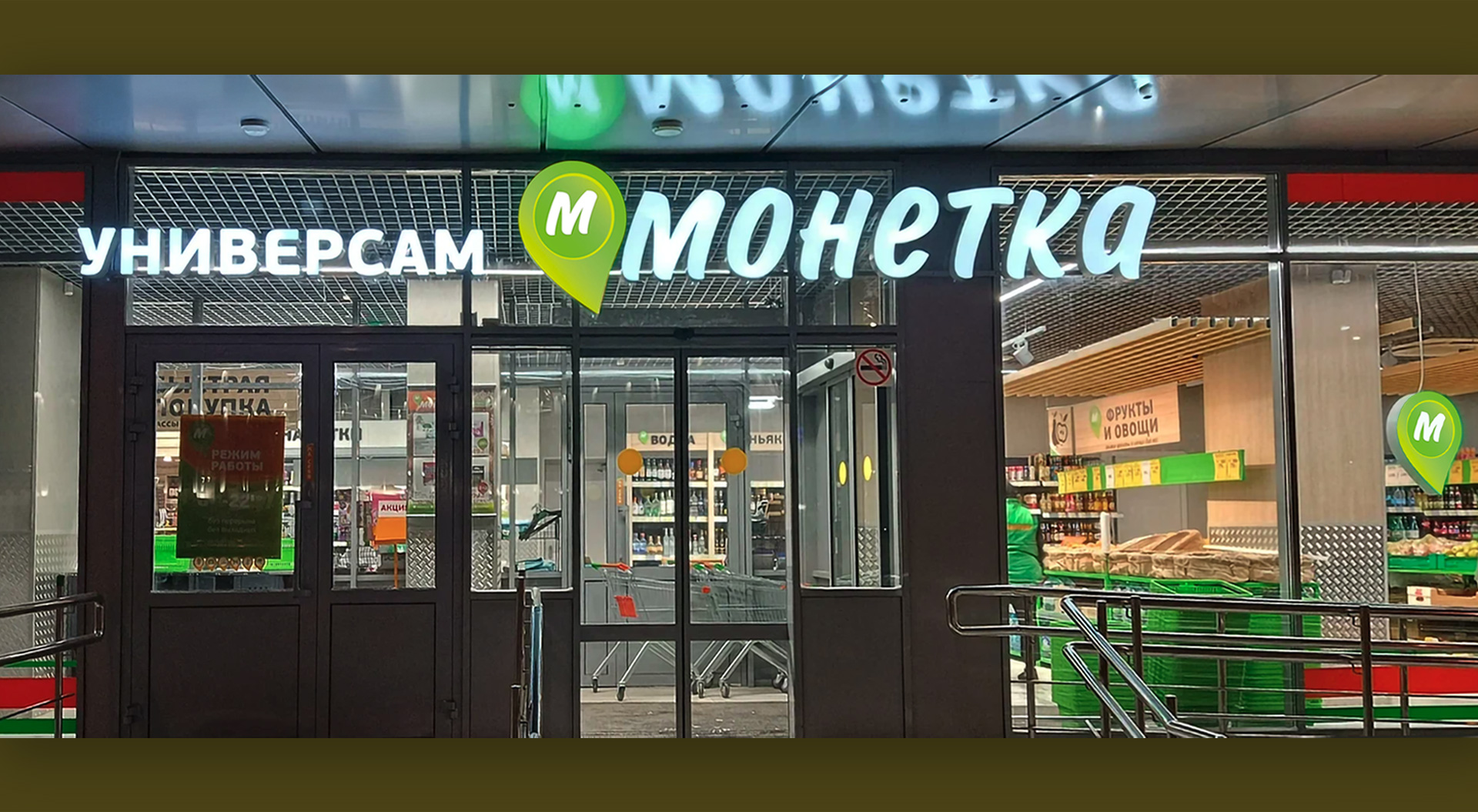
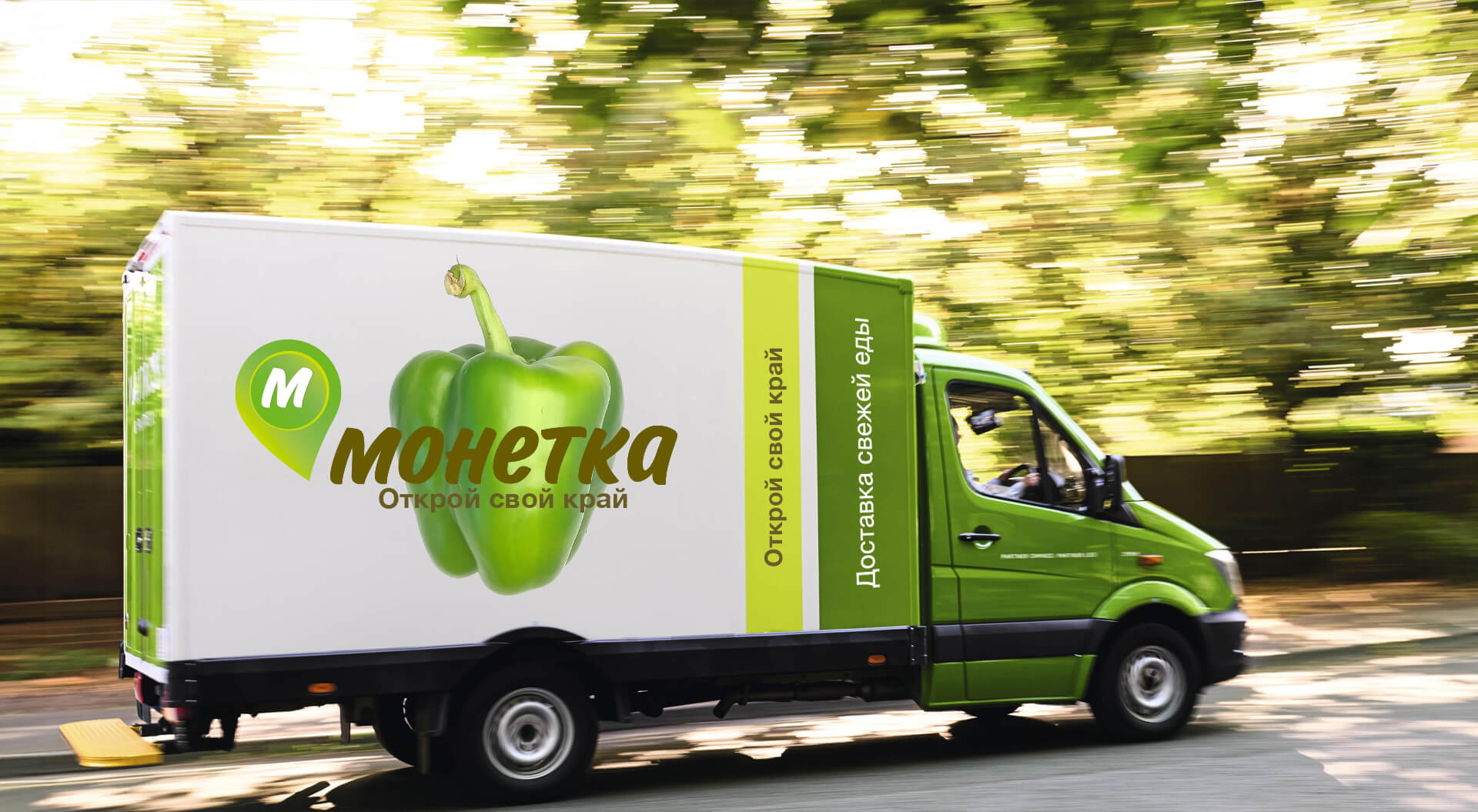
Monetka: Scalable Identity and Format Consistency
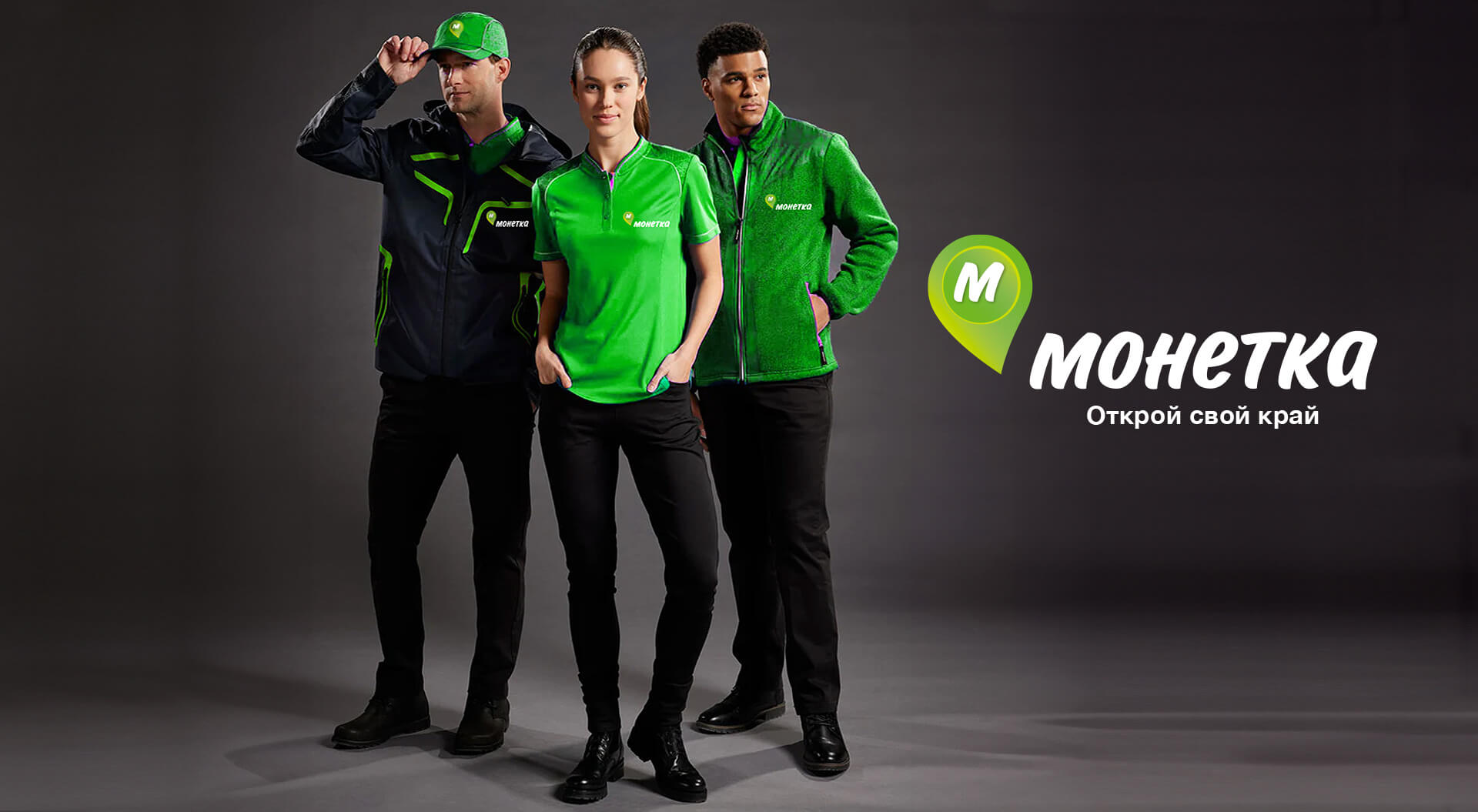
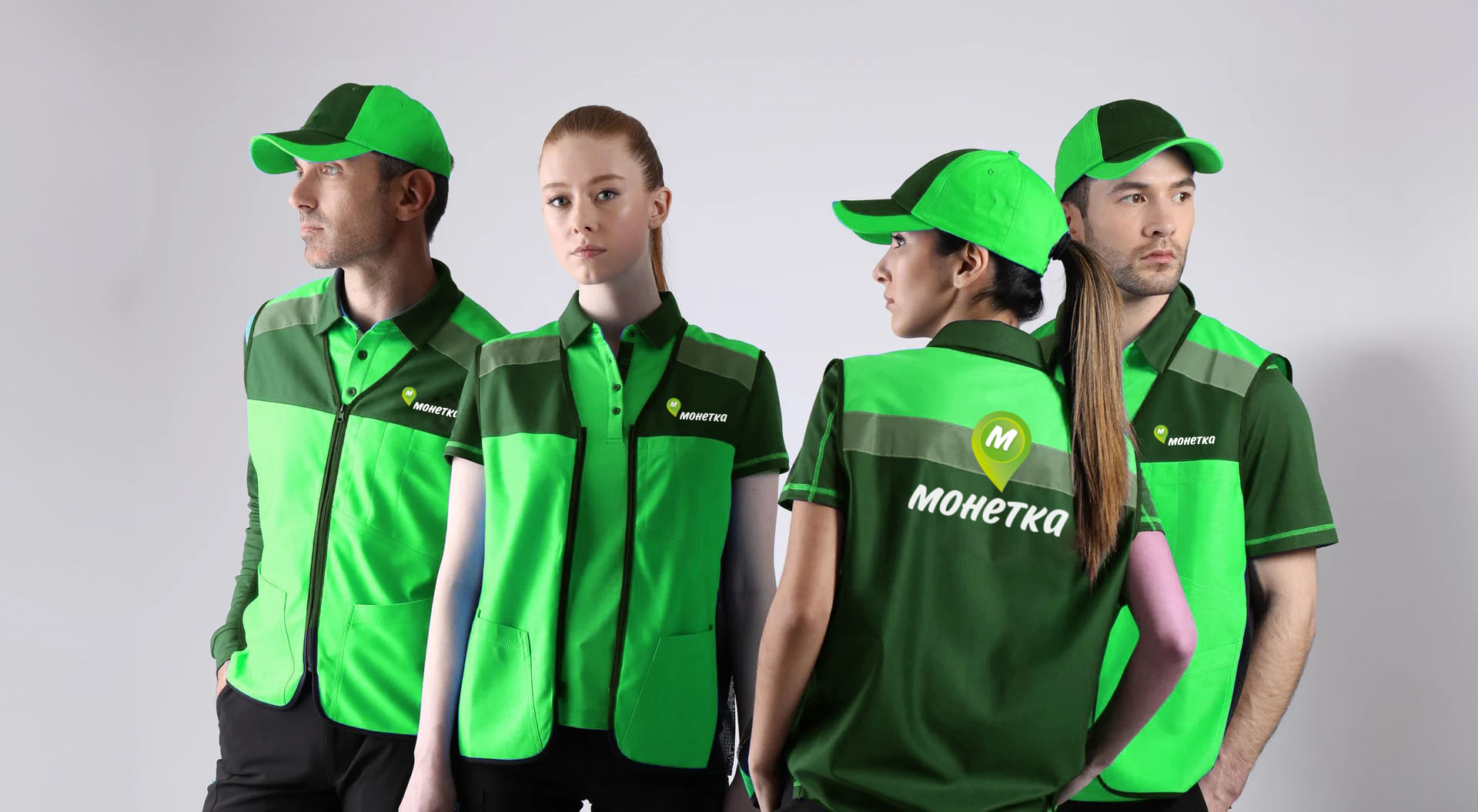
Monetka, the Russian convenience retailer with more than 2,120 stores across Russia, demonstrates how a scalable brand and store-format system can create consistency across a large supermarket network.
CampbellRigg worked with Monetka management to develop a coherent brand identity, store layout principles and customer experience. The system helped maintain strong brand recognition across the network while allowing individual stores to adapt to different locations, footprints and local conditions.
Commercial lesson: Localisation works best when it operates within a coherent brand and format architecture.

How Supermarket Leaders Can Turn Trends into ROIC
The six trends should not be managed as separate programmes.
They should work together as one integrated commercial system, linking customer insight, technology, format strategy, branding, design and performance.
- It starts with shopper insight, identifying customer missions, behaviours and local demand.
- AI and data then turn this information into predictive intelligence that can guide decisions.
- This intelligence informs format strategy, determining what each store should be and the role it should play.
- Brand architecture provides consistency across the network while allowing local relevance.
- Store design then translates the strategy into architecture, interiors, navigation, merchandising and customer experience.
- Phygital integration connects physical and digital journeys, making the overall customer experience more seamless.
Finally, performance measurement tracks sales, productivity, loyalty, efficiency and customer value. These measures determine whether the investment is delivering sustainable ROIC.
The real opportunity in supermarket transformation is therefore not technology for technology's sake, experience for experience's sake, or design for design's sake.
It is the integration of all three around measurable commercial performance.
How CampbellRigg helps turn supermarket strategy into a scalable network
CampbellRigg helps supermarket and grocery retailers translate shopper insight, brand strategy, technology and format planning into commercially productive retail environments.
The approach connects:
- Supermarket strategy
- Format planning
- Brand architecture
- Retail branding
- Architecture
- Interior design
- Visual merchandising
- Customer experience
- Phygital retail
- Technology integration
- Performance-led store transformation
CampbellRigg begins by defining the commercial opportunity and then connects the strategic disciplines required to deliver it.
Insight defines the customer.
Strategy defines the proposition.
Format planning defines the store model.
Brand defines differentiation.
Design translates the strategy into space.
Technology improves the journey and operation.
Measurement determines whether the investment performs.
The result is not simply a more attractive supermarket.
It is a better-matched, more relevant and more productive retail format that can be adapted and scaled across a network.
For supermarket leaders planning new stores, refurbishment, format transformation or brand repositioning, the strategic priority is clear:
Turn supermarket trends into scalable formats, stronger customer experiences and measurable commercial performance.
Planning a supermarket transformation?
CampbellRigg can connect customer insight, format strategy, branding, architecture, interior design, technology and experience into one commercially focused supermarket proposition.
Whether the requirement is a new format, an estate-wide transformation, a supermarket refurbishment or a more targeted customer-experience programme, the starting point is the same:
Define the commercial opportunity first. Then design the supermarket around it.
Discuss your supermarket strategy, format transformation or store design programme with CampbellRigg
Schedule your consultation and receive a free quote.
Schedule your consultation today and receive a free quote.
Cost-Effective Excellence:
Our pricing structure is highly competitive, offering exceptional value without compromising on quality or creativity.
Rapid Execution:
We move fast. From concept to implementation, our agile team ensures your project is delivered on time and to the highest standards.
Multidisciplinary Expertise:
Our team brings together seasoned brand strategists, architects, interior designers, and graphic designers, collaborating to create seamless, end-to-end brand environments.
Global Reach, Local Insight:
With successful projects delivered across Europe, the Middle East, and Asia, we combine international experience with local market understanding.
Scalable Project Delivery:
Whether it's a flagship hypermarket store, a metropolitan city supermarket or convenience store, we manage and execute projects of all sizes, efficiently and effectively.
Proven Track Record:
Our designs evolve branch networks from purely transactional spaces into experiential, relationship-focused brand environments, enhancing engagement, elevating customer experience, and driving tangible business results.
Full-Service Creative Agency:
From rebranding and marketing campaigns to spatial design and rollout, we provide an integrated service tailored to your goals.