News and Views
International Supermarket Strategy: Building Stronger Brands and More Competitive Retail Businesses.





Developing A Distinctive Retail Brand
International supermarket operators face a more demanding commercial environment. Changing shopping habits, price sensitivity, digital competition, rising operating costs and pressure on margins are reshaping the grocery sector. At the same time, customers expect greater convenience, stronger value, better-quality fresh food and more relevant shopping experiences.
For supermarket groups operating across several markets, these pressures create a strategic challenge: how to build a distinctive and competitive
A successful proposition in one country cannot simply be transferred to another. Purchasing power, consumer behaviour, competitive positioning, property markets and local expectations all influence how a supermarket brand should develop.
International supermarket strategy must therefore connect business strategy, brand development, marketing, customer experience, format planning and retail implementation. These disciplines should work together to create a commercially relevant proposition that customers recognise, value and return to.
CampbellRigg brings these disciplines together, helping supermarket owners, investors and management teams translate business ambitions into distinctive brands and effective retail environments.

1. Supermarket business strategy: Establishing a stronger competitive position
A clear supermarket business strategy starts with understanding the commercial position of the organisation and the markets in which it operates.
Management teams must assess customer expectations, competitor propositions, pricing structures, product ranges, store productivity and opportunities for expansion. They must also decide where the business should compete: through value, quality, convenience, product differentiation, service or a combination of these factors.
The challenge is to establish a proposition that is both relevant to customers and sustainable for the business.
How CampbellRigg helps
CampbellRigg connects market positioning with brand strategy and retail development. We examine how the existing business is perceived, identify opportunities to strengthen differentiation and translate management objectives into a practical strategic direction.
This includes considering the relationship between product, price, customer experience, marketing and the physical retail environment.
The benefit
A clearer competitive proposition gives management teams a stronger basis for investment decisions, business development and market positioning. It helps ensure that future marketing, branding and store development support the same commercial objectives.
2. Supermarket brand strategy: Creating meaningful differentiation
In competitive grocery markets, a supermarket brand must communicate more than its name and visual identity. Customers need a clear reason to choose it over competing retailers.
Value perception, product quality, freshness, convenience, service and trust all contribute to brand preference. The strongest supermarket brands translate these qualities into a consistent proposition that customers can recognise across advertising, digital channels, packaging and stores.
This is particularly important for international operators. A brand needs to retain a recognisable central identity while responding to the expectations and purchasing behaviour of local markets.
How CampbellRigg helps
CampbellRigg develops supermarket brand strategies that connect business positioning with customer-facing expression. Brand auditing establishes how the existing proposition is perceived and communicated. Strategy defines the desired market position. The creative brief then translates that direction into practical requirements for identity, marketing, customer experience and retail design.
The benefit
A distinctive and consistently expressed brand helps strengthen recognition, customer confidence and loyalty. It also gives the business a coherent platform for marketing, new-format development and expansion into additional markets.
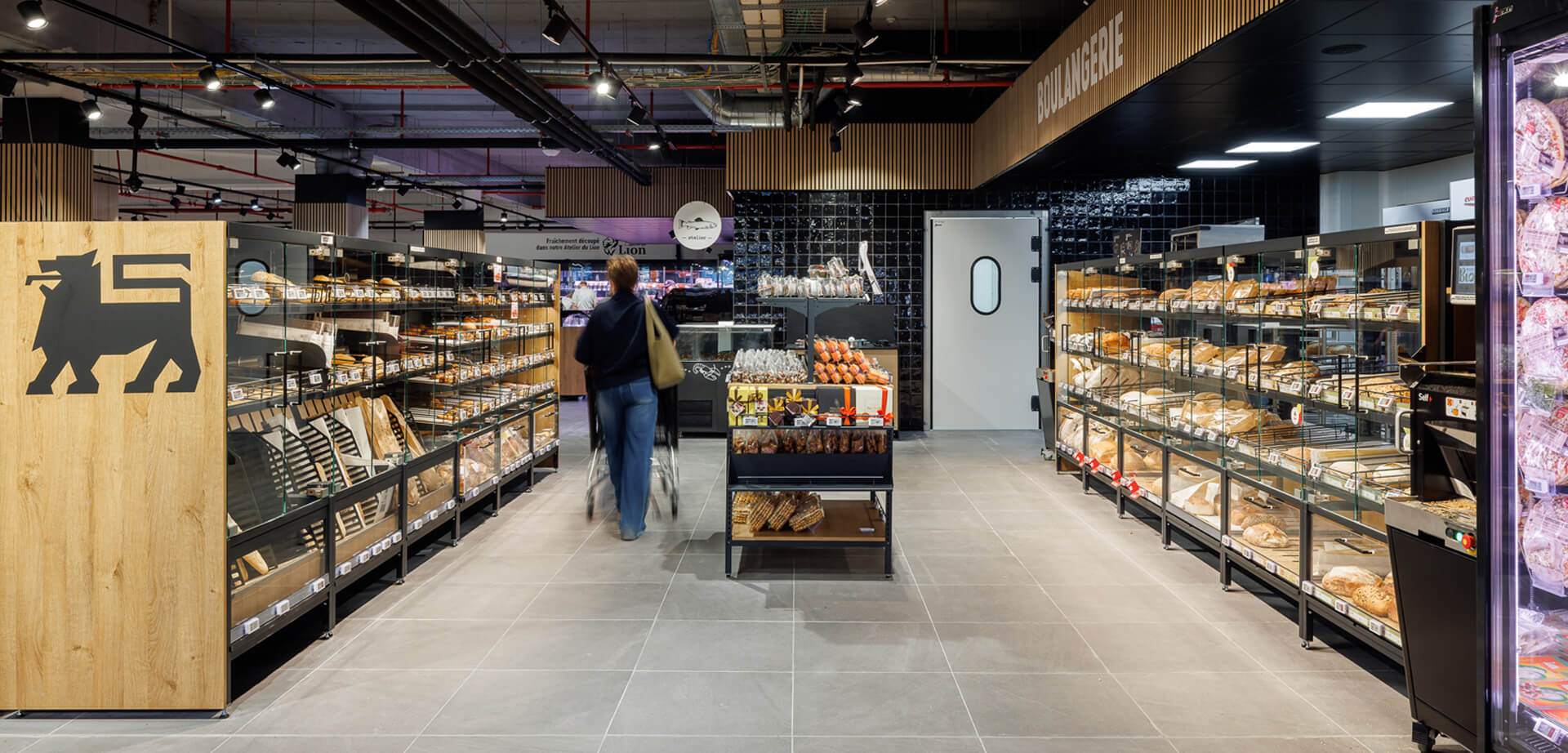
3. Integrating large supermarkets and convenience stores under a connected brand proposition
The development of convenience retail raises an important brand strategy question: should smaller stores operate under the established supermarket identity, or should they have a differentiated brand proposition?
A consistent masterbrand can build recognition and transfer customer confidence across the network. Alternatively, a differentiated sub-brand may provide greater flexibility to address specific customer groups, locations and shopping missions.
CampbellRigg contribution:
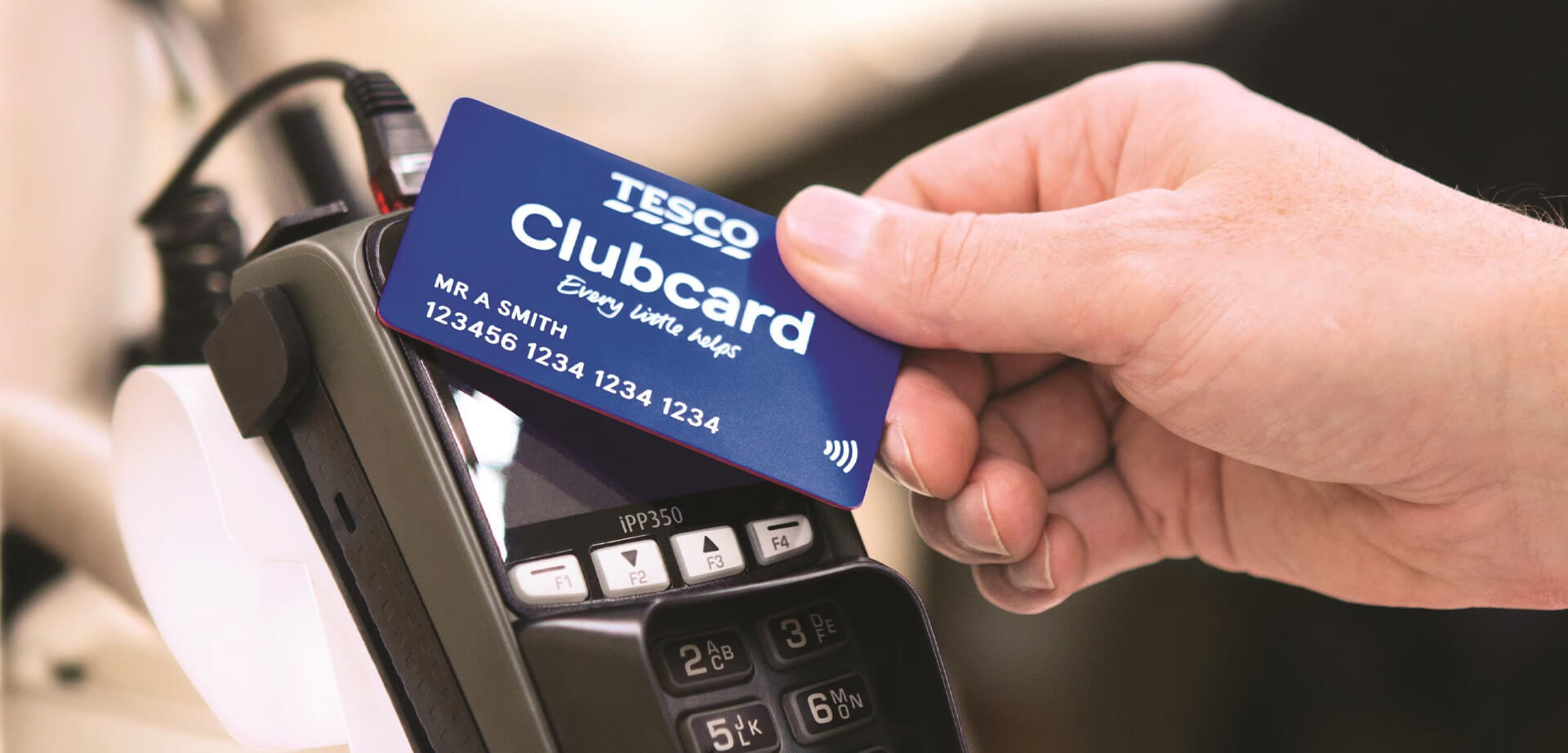
We develop brand architecture and integrated format identities, connecting naming, visual identity, signage, marketing communications and customer experience across different store formats.
The benefit
A recognisable and commercially coherent brand portfolio, with individual formats communicating relevant propositions while strengthening the wider supermarket business.
4. Supermarket format planning: Matching retail propositions to customer needs
Supermarket format planning is a strategic business decision, not simply a matter of determining store size or layout.
Different locations require different retail propositions. A large-format supermarket may serve planned weekly shopping, broad product choice and family purchasing. An urban convenience store may be built around frequent shopping missions, immediate consumption, top-up purchases and restricted customer time.
International operators must also consider local property conditions, catchment characteristics, purchasing power, competition and operational requirements.
The format should reflect the role the store is expected to play within the wider business.
How CampbellRigg helps
CampbellRigg translates the commercial proposition into practical format requirements. This includes considering customer missions, product mix, brand expression, space allocation, circulation, merchandising and the relationship between the store and its local market.
Convenience development is approached as a distinct retail proposition built around high-frequency customer needs and local catchments, rather than simply a smaller version of a supermarket.
The benefit
Better-aligned formats help retailers use space more effectively, respond to local demand and deliver a more relevant customer experience. They also provide a clearer basis for evaluating future store investment and development opportunities.
5. Connecting marketing development with customer engagement and sales
Marketing must support the commercial purpose of each retail format.
Convenience customers may prioritise location, speed, availability and immediate shopping needs. Customers visiting larger supermarkets may place greater emphasis on assortment, fresh food, value and the overall shopping experience.
CampbellRigg contribution
We connect brand strategy with marketing development, promotional communications, digital channels, loyalty propositions and in-store messaging.
The benefit
More relevant customer communications, stronger engagement and a clearer relationship between marketing investment, brand recognition and the commercial objectives of each format.
6. Supporting international supermarket brand and market development
International expansion presents opportunities to strengthen established businesses, enter new markets and develop complementary retail propositions.
However, a supermarket brand that performs successfully in one country cannot automatically be transferred unchanged into another. Local competition, customer expectations, purchasing power and shopping habits influence how the business should position itself.
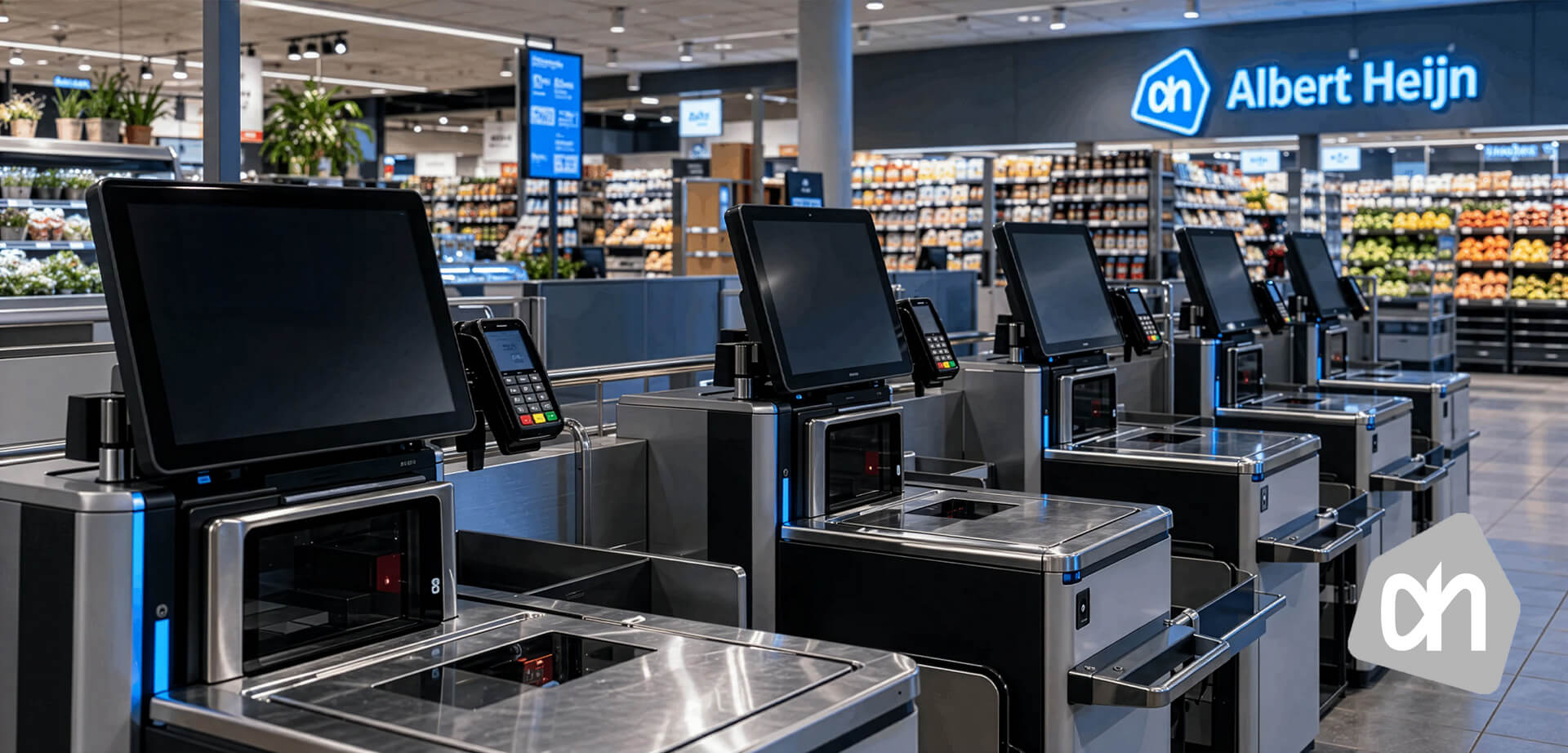
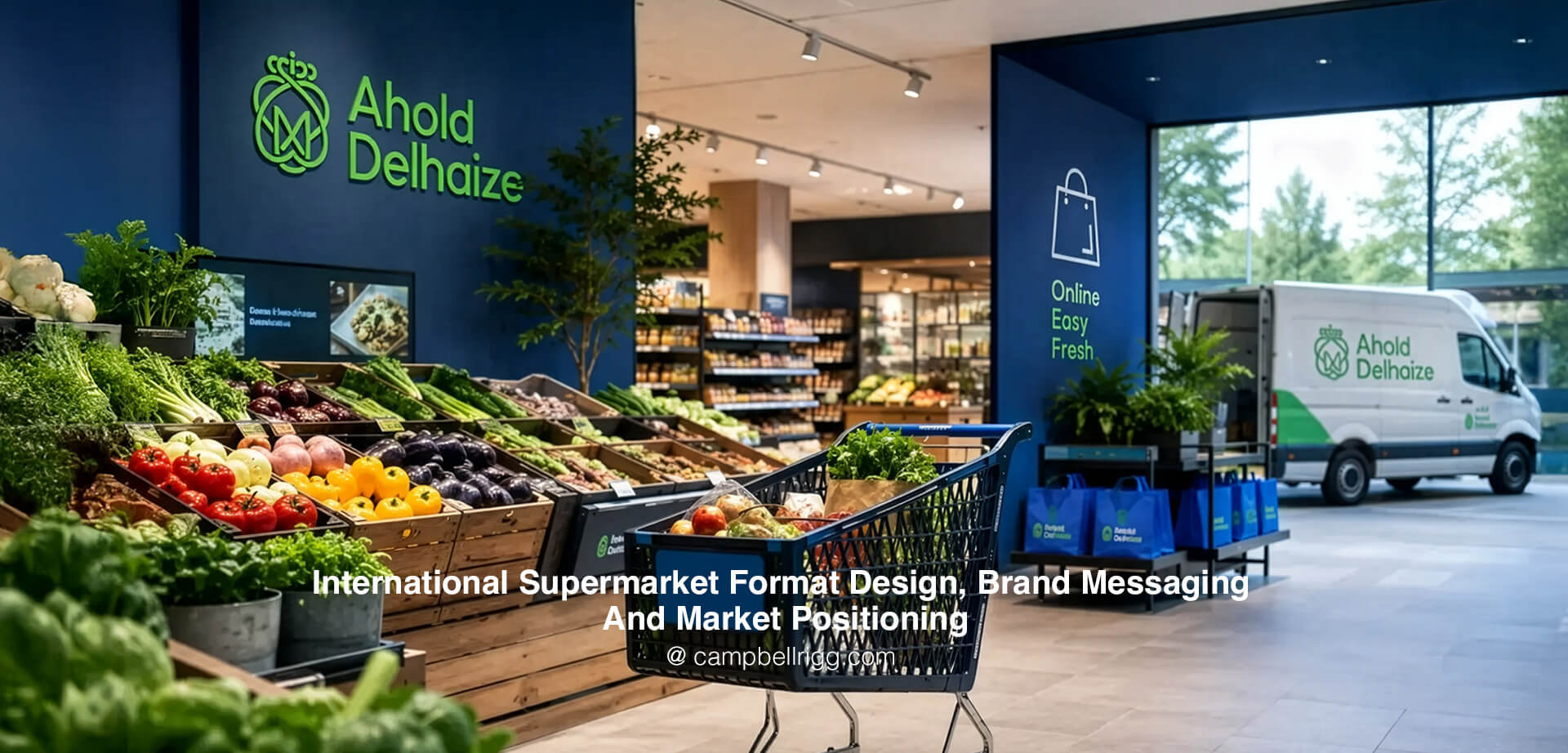
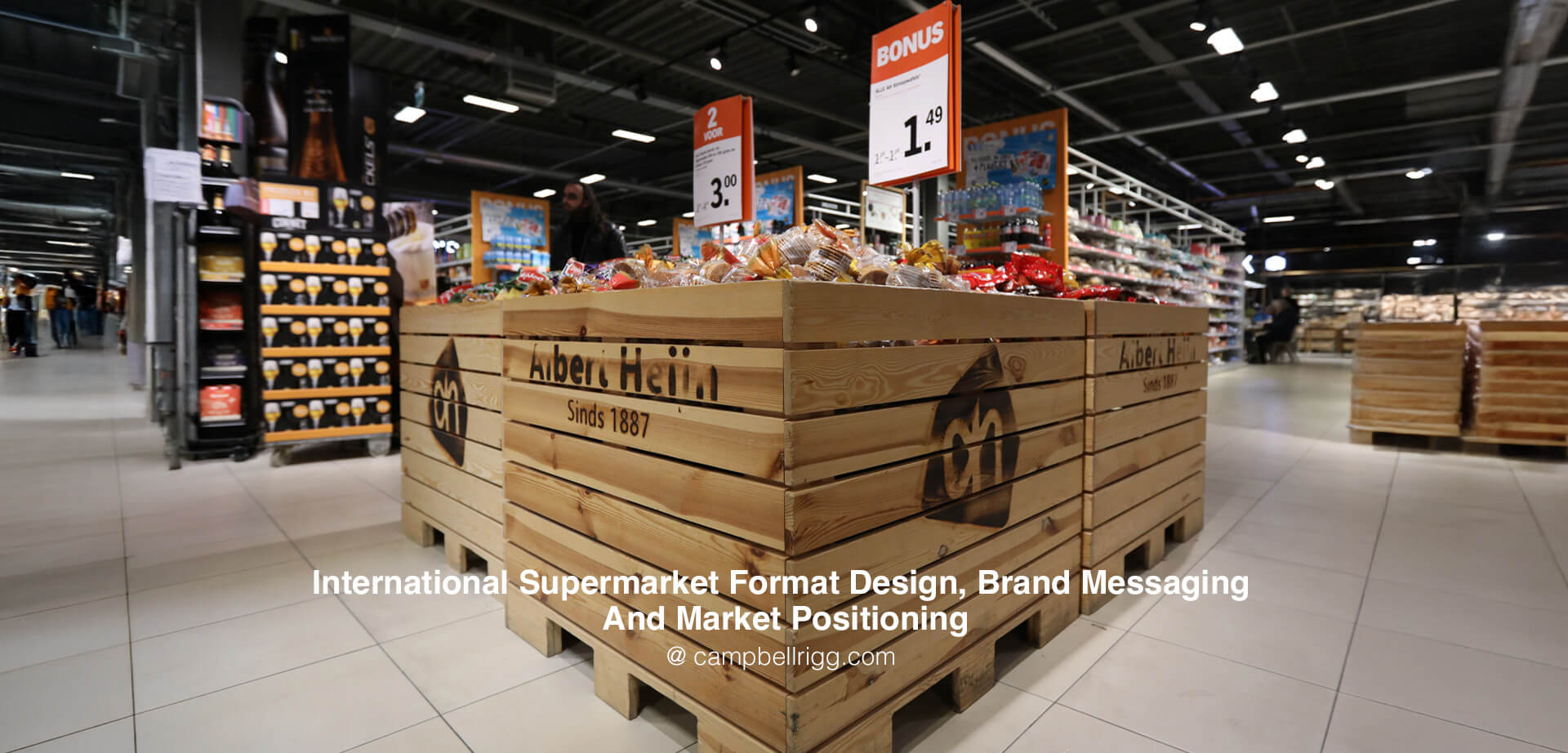
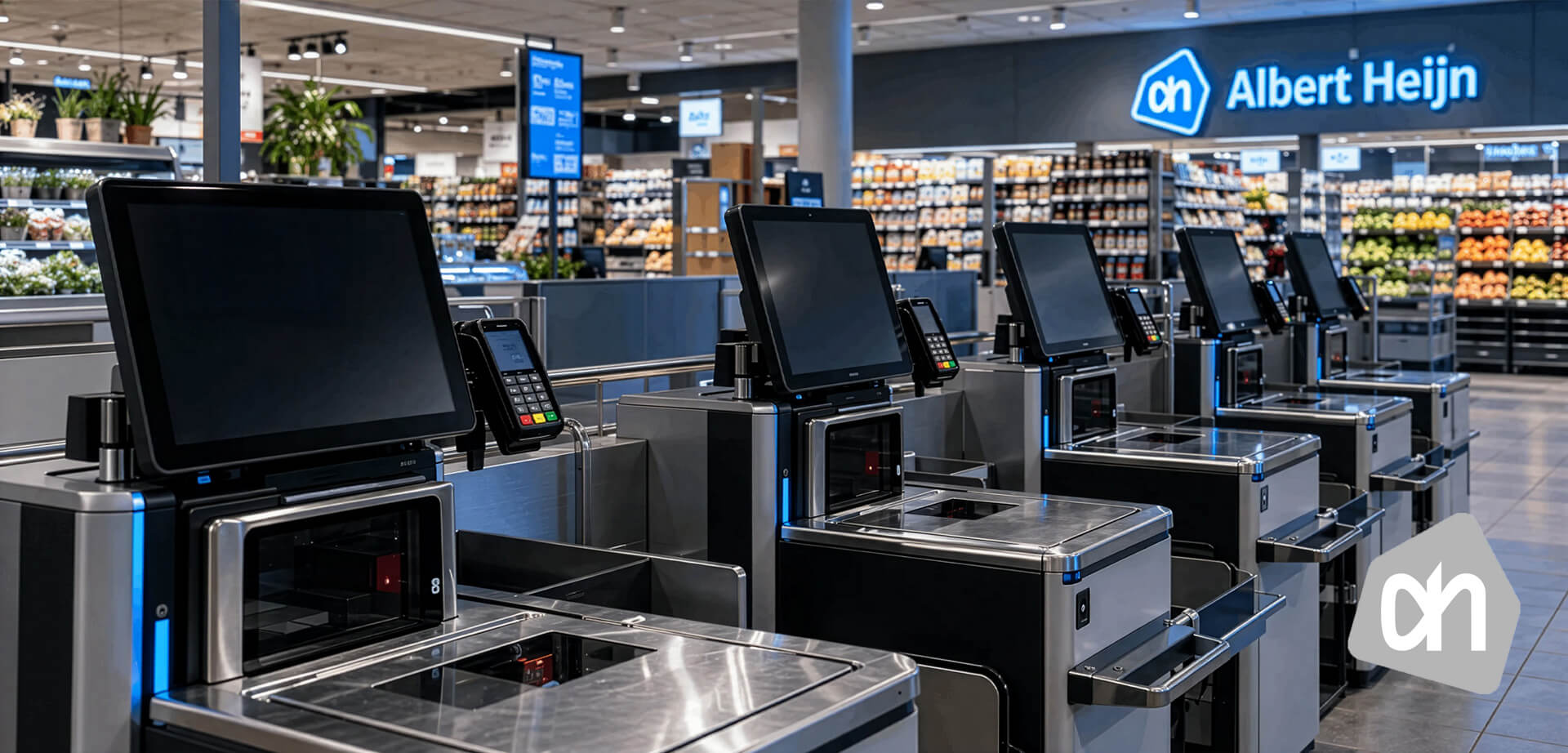
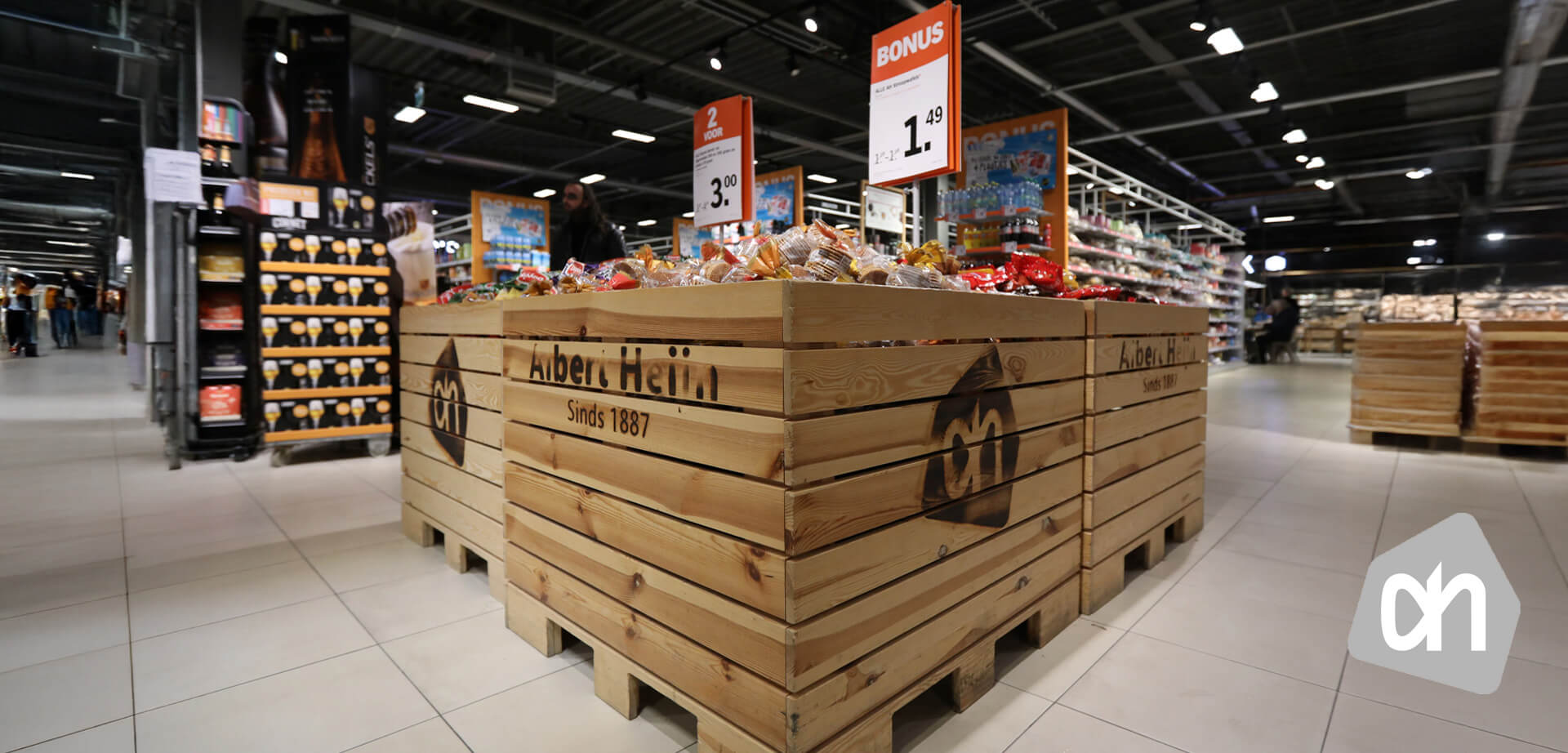
Ahold Delhaize provides an illustration of the complexity of international supermarket development. Its portfolio demonstrates the importance of managing established local brands across different markets, while continuing to strengthen competitiveness and develop appropriate retail propositions.
How CampbellRigg helps
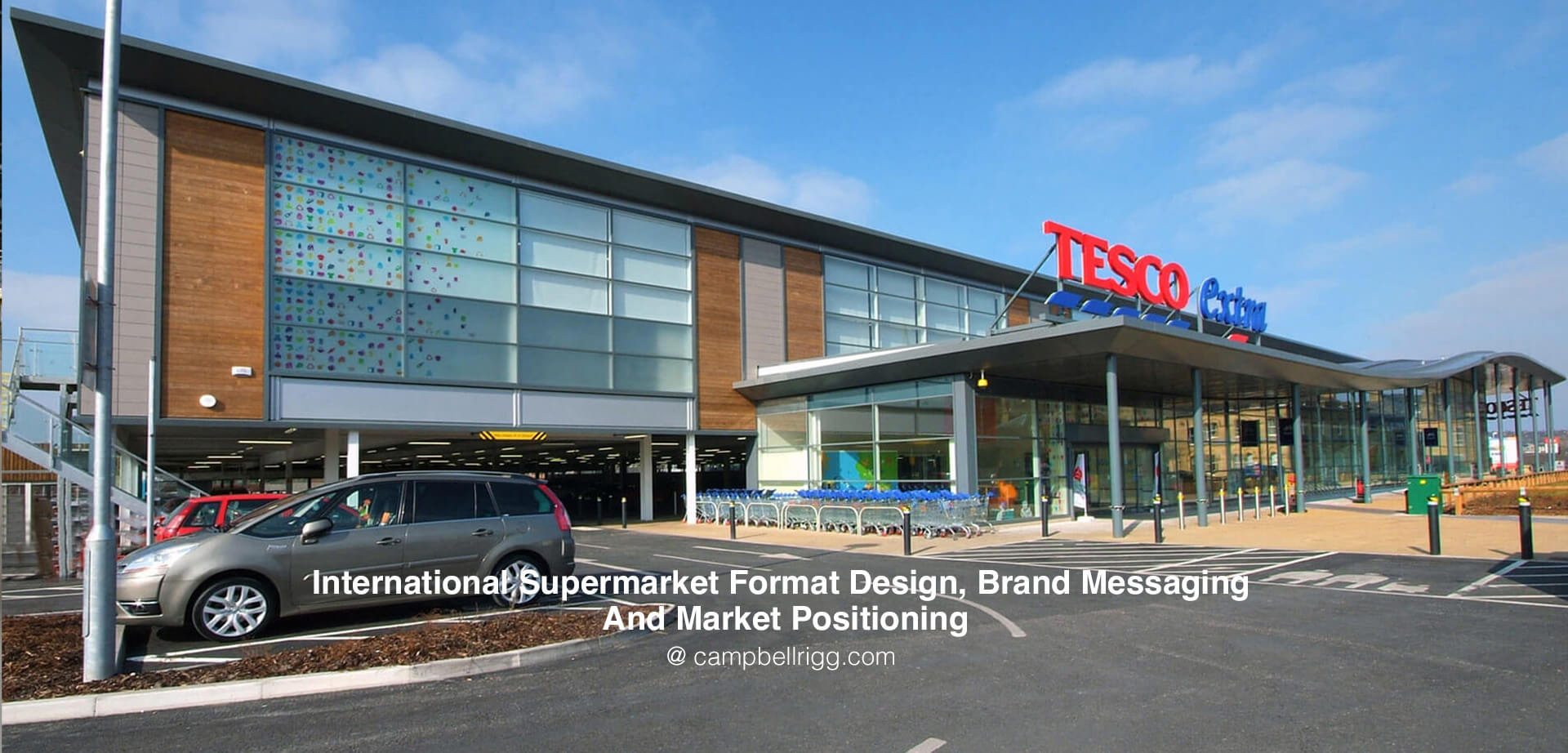
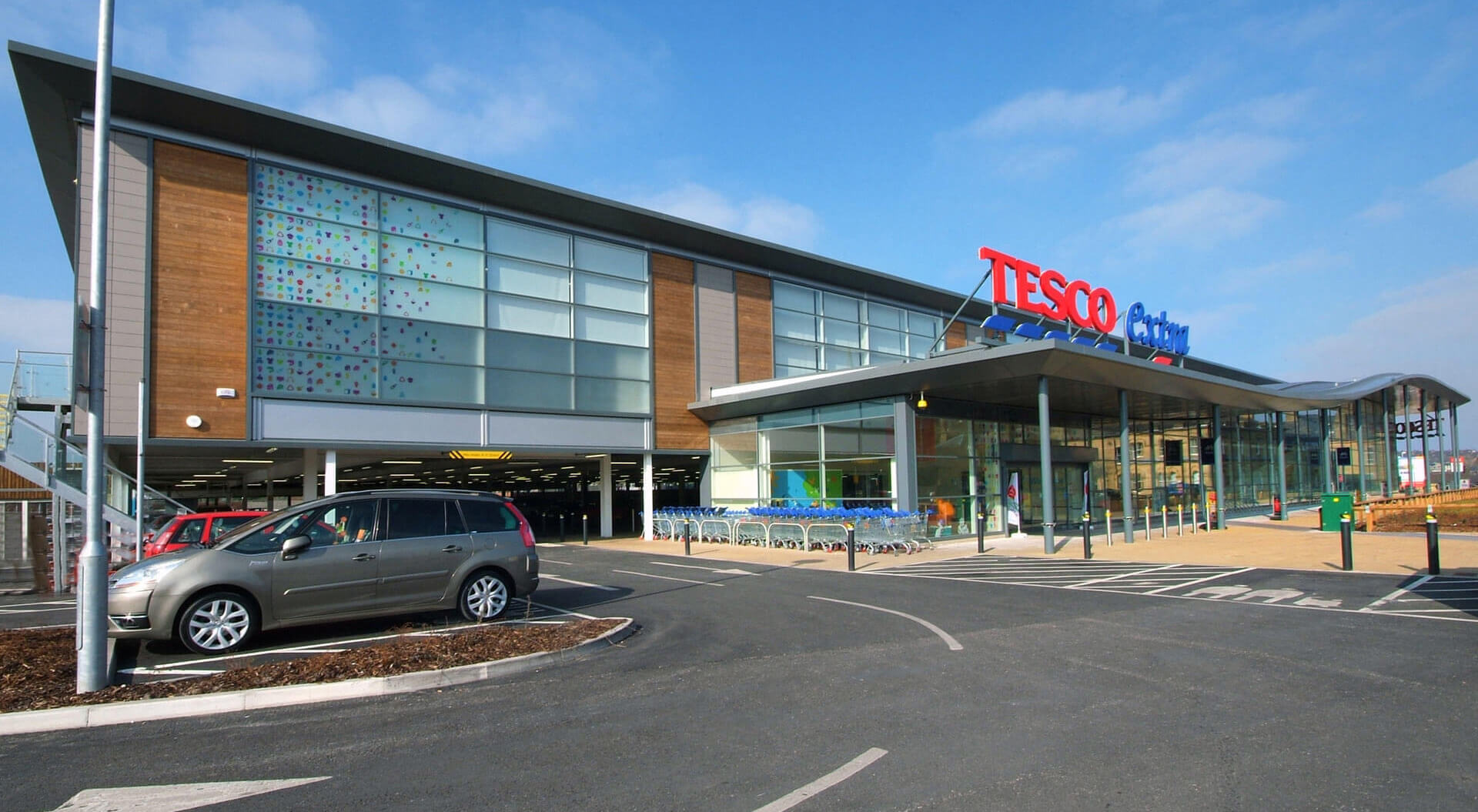
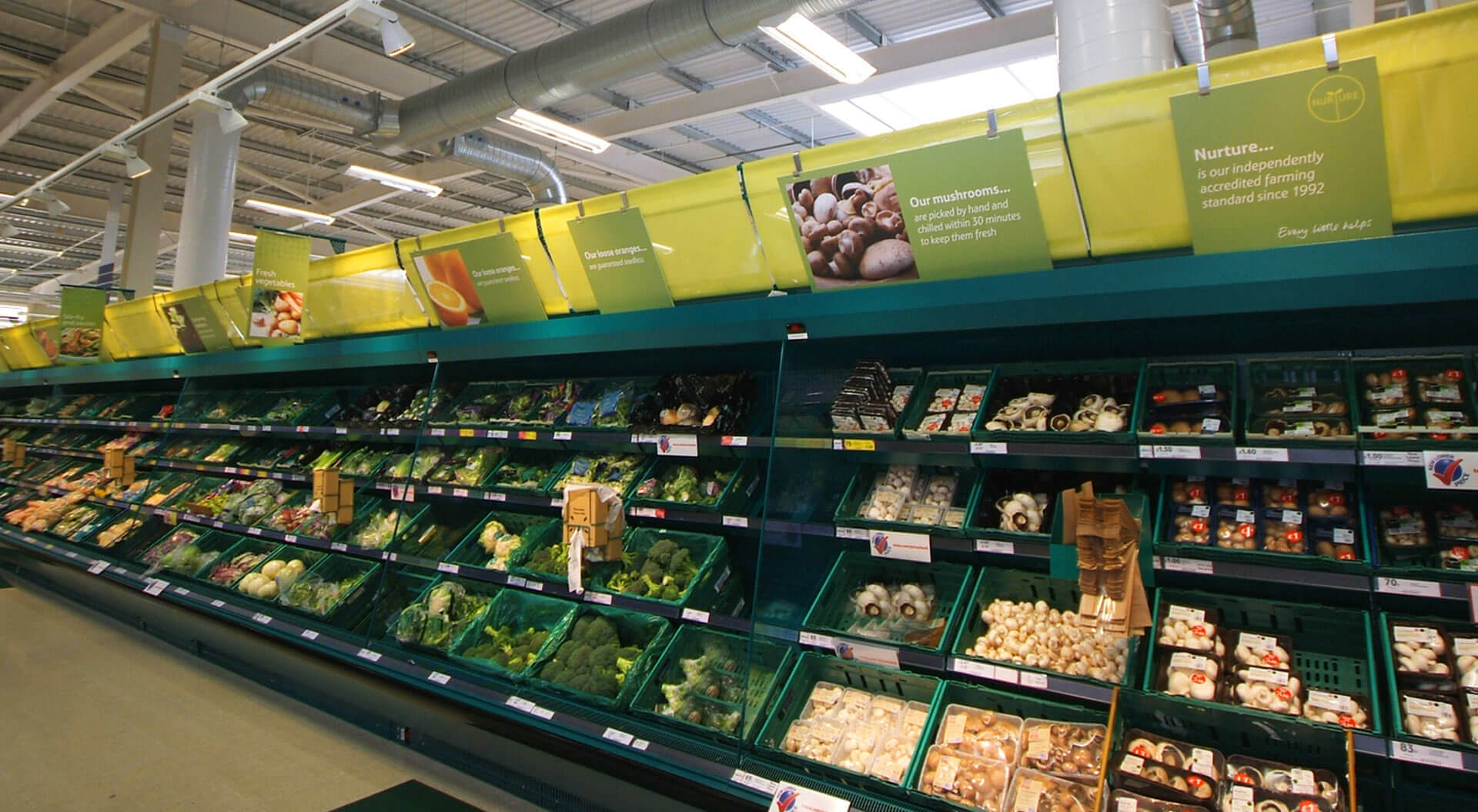
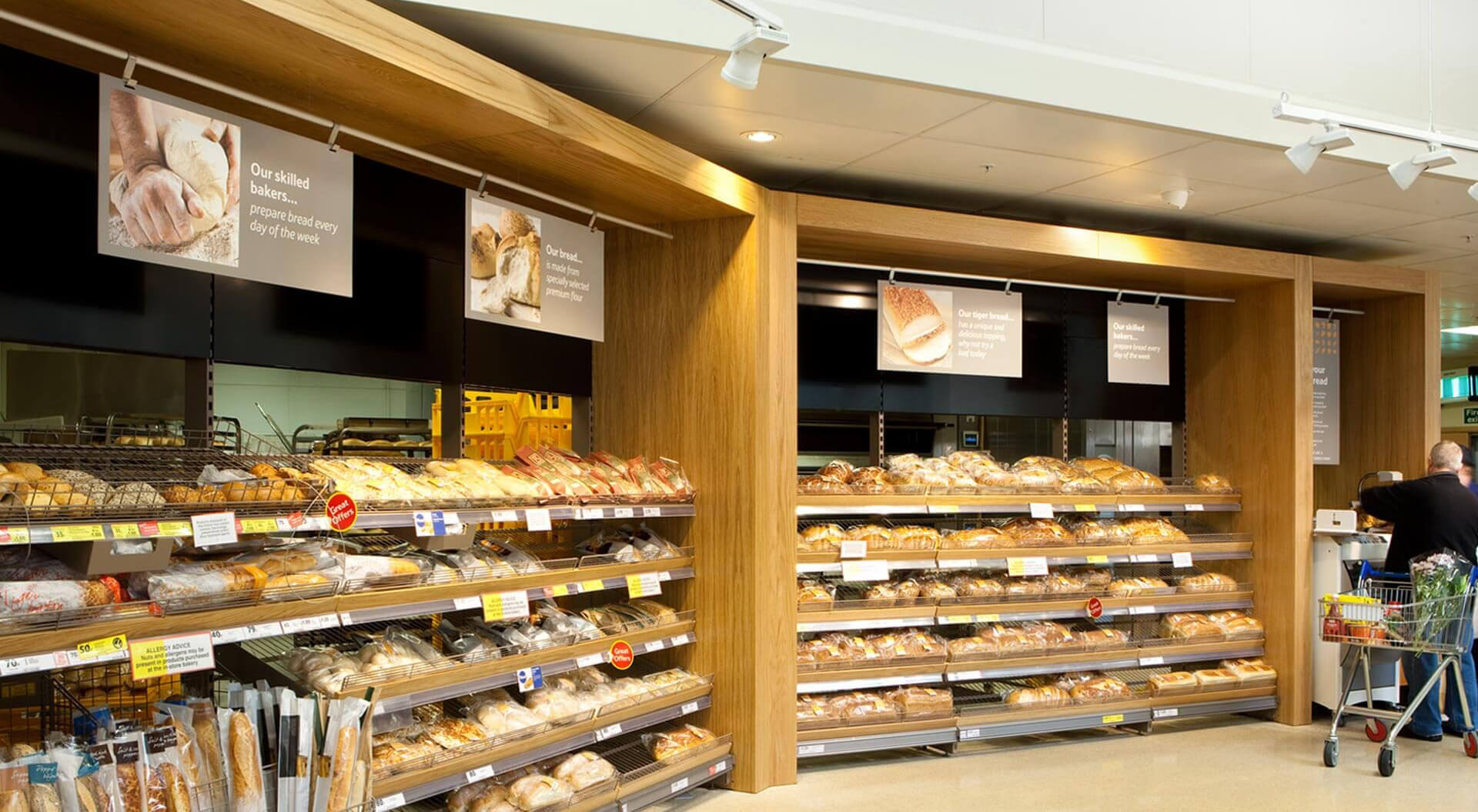
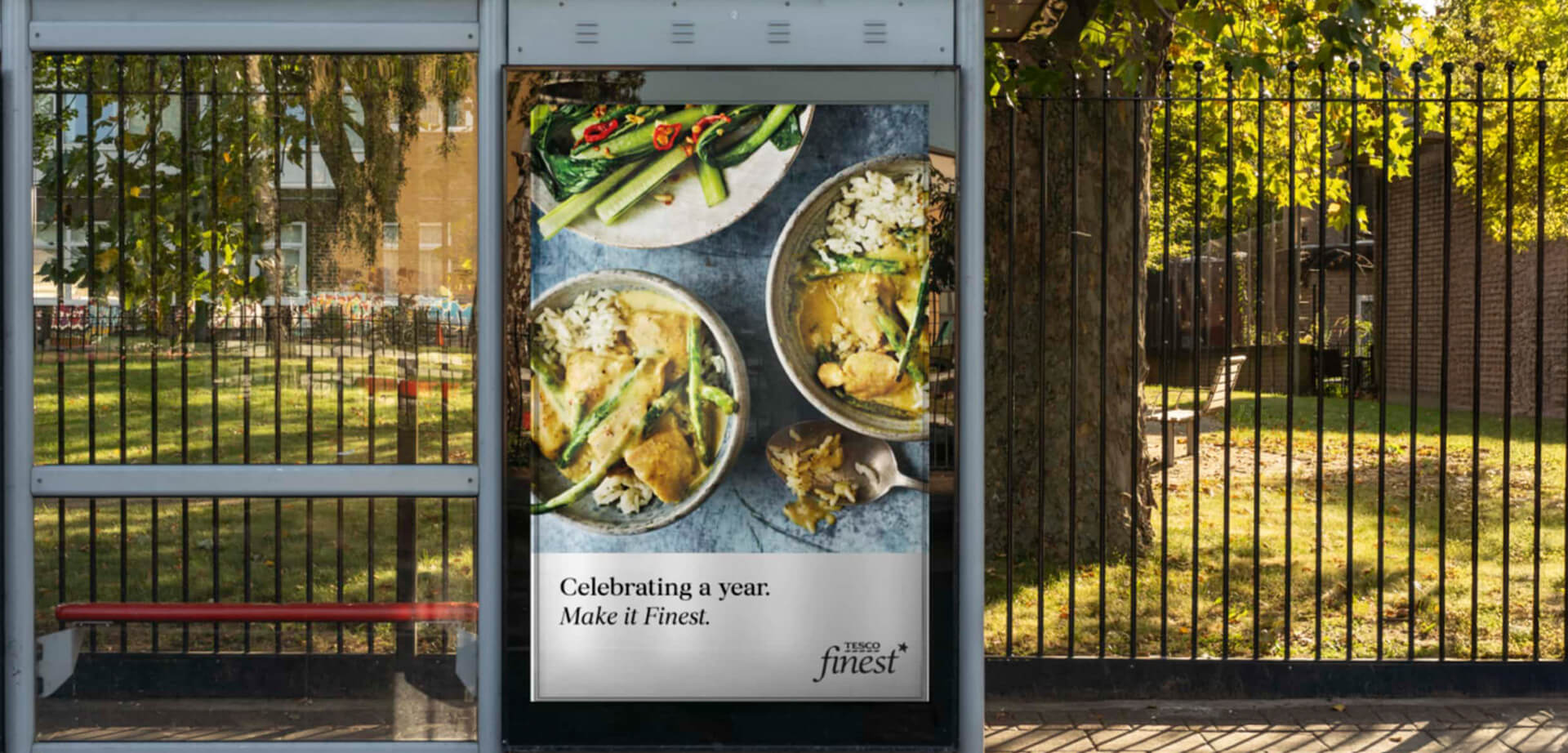
We bring international brand strategy, marketing and retail development experience to these challenges. Our work with Tesco across European and Asian markets, including Poland, demonstrates our experience connecting supermarket branding, marketing and physical retail development across different operating environments.
The benefit
A stronger international brand proposition, combining consistent strategic direction with the flexibility to respond to local market opportunities.
7. Translating brand and marketing strategy into effective retail environments
CampbellRigg's supermarket and food retail experience provides practical context for the relationship between business strategy, brand development and the physical store.
Examples include:
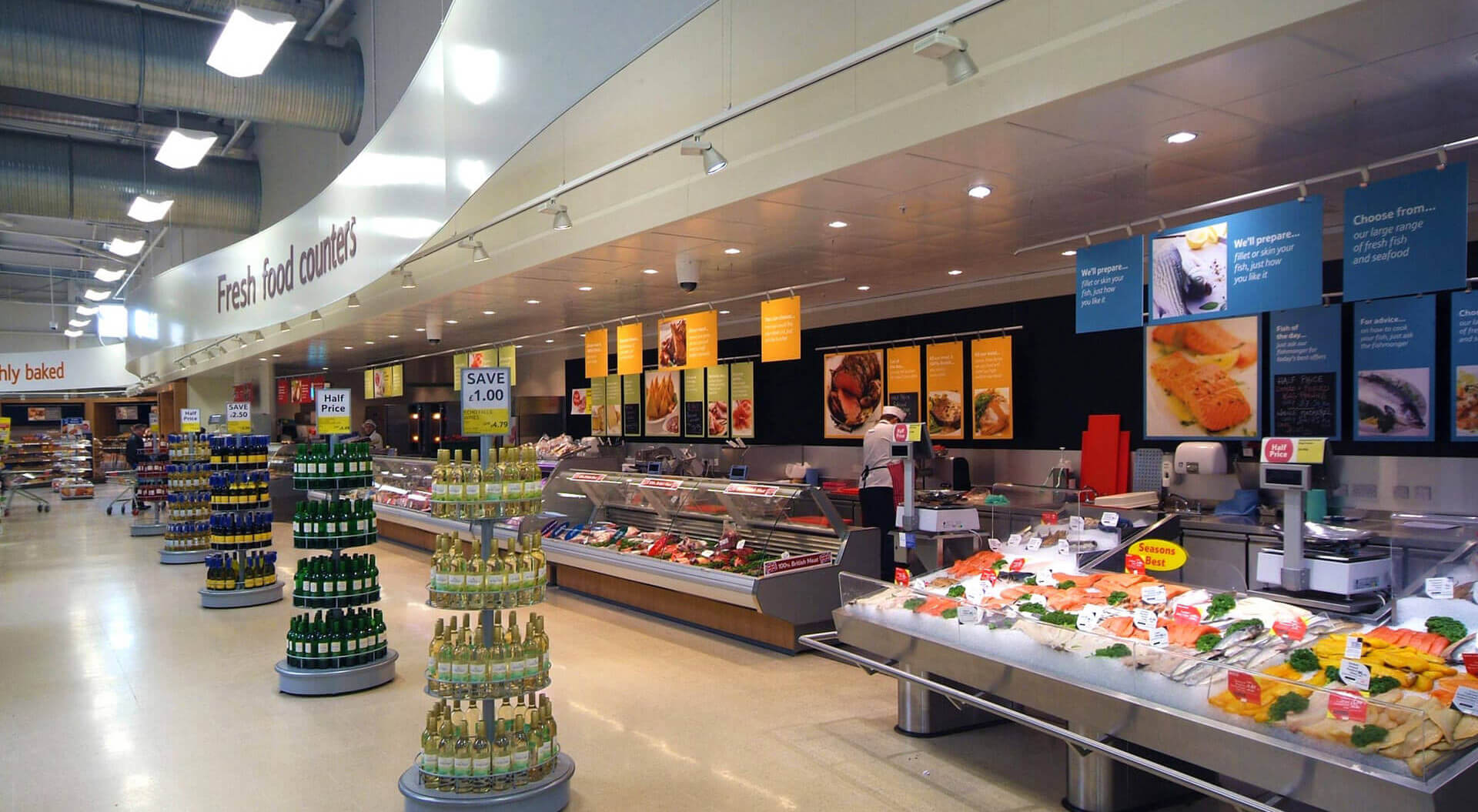
- Tesco: Hypermarket retail design and format planning, addressing the requirements of a large-format supermarket and its customer experience.
- Safeway: Supermarket development associated with sales approximately 40% above budget, demonstrating the importance of connecting the retail proposition with commercial performance.
- Migros: Retail development experience associated with like-for-like growth of approximately 25%, alongside an Istanbul estate of 80 stores.
- Monetka: Experience relevant to discount supermarket development in the context of a large retail estate of approximately 2,120 stores.
- Centra: Convenience retail development recognised through Convenience Store of the Year, supporting a substantial convenience network.
Together, these projects illustrate the range of considerations involved in supermarket development: brand positioning, format planning, customer experience, commercial objectives and the requirements of different retail environments.
The value of this experience lies in understanding how strategic decisions translate into practical retail solutions.
Customers ultimately experience a supermarket brand through its stores, products, communications and service.
A new convenience proposition, a repositioned supermarket brand or an integrated multi-format strategy must be translated into a physical environment that communicates the intended brand promise.
How CampbellRigg helps
We translate brand and marketing strategies into practical retail concepts, format planning, interior design, customer journeys and implementation.
The benefit
Retail environments that reinforce brand positioning, improve the customer experience and support the commercial objectives of individual formats.
International experience. Connected thinking. Practical delivery.
CampbellRigg works across more than 14 countries, bringing international experience and multilingual capabilities to projects involving different markets, cultures and business environments.
We understand that supermarket groups face different commercial conditions in different countries. Our approach connects strategic thinking with practical delivery, from brand positioning and rebranding to marketing development, retail format planning and store environments.
Our international supermarket experience includes working with Tesco across Europe and Asia, alongside projects involving other retail businesses and sectors.
We bring these disciplines together to help supermarket management teams respond to changing markets, strengthen their brands, develop new retail opportunities and improve the commercial performance of their networks.
The objective is to ensure that business strategy, brand strategy, marketing development and retail format planning work together to support sustainable growth.
We build brands designed to transform markets.
Innovative. Relevant. Memorable.
To discuss your supermarket strategy, brand development or retail network ambitions in Europe, the Middle East and Asia, contact CampbellRigg to arrange an initial consultation. We will work with your management team to establish the commercial objectives, define the brief and develop a practical programme for implementation.