




News and Views
Supermarket Branding & Retail Design Agency: Build a Scalable, High-Performance Retail Network




Supermarket Branding & Retail Design Agency: Build a Scalable, High-Performance Retail Network
CampbellRigg is a specialist supermarket branding and retail design agency helping grocery retailers turn brand strategy into scalable, measurable and commercially effective retail networks.
For CEOs and senior management teams, the issue is not simply whether a store looks better after investment. The more important question is whether brand strategy, customer experience, format planning, store design and rollout can work together to improve commercial performance across the estate.
CampbellRigg connects supermarket branding, retail strategy, format planning, store design, customer experience, visual merchandising and implementation around defined business objectives.
The management question is therefore straightforward:
How can we turn retail strategy into a scalable, measurable and commercially effective supermarket network?
The answer is to connect the strategic decisions that determine why customers choose the brand, how they experience it and how efficiently the physical estate performs.
Why Supermarket Branding and Retail Design Are Management Decisions
A supermarket brand is experienced through the physical environment.
Customers encounter the brand through the entrance, navigation, fresh-food departments, category presentation, promotional communication, service areas, checkouts and increasingly through digital touchpoints.
These decisions influence:
- brand differentiation
- price and quality perception
- customer flow
- category engagement
- basket-building opportunities
- loyalty
- sales productivity
- operational efficiency
- return on investment.
For management, this creates a more important question than “What should the store look like?”
It becomes: What should the retail network achieve, and how should the physical environment deliver it?
Management challenge
Existing stores may have evolved through individual refurbishments, inconsistent formats or disconnected branding initiatives. The result can be a network in which the brand proposition, customer experience and physical environment no longer work as one system.
How CampbellRigg helps
CampbellRigg begins with brand auditing and strategic diagnosis, establishing how the existing proposition is perceived, expressed and experienced.
Strategy then defines the desired market position. The design brief converts that strategy into practical requirements for customer experience, store planning, identity, merchandising and implementation.
The benefit is one strategic direction linking brand decisions to the physical retail network, rather than a collection of disconnected design commissions.

Making the Customer Journey Commercially Effective
Customers shop according to different missions: weekly grocery shopping, top-up purchases, food-to-go, fresh-food visits and increasingly integrated physical and digital journeys.
Store planning therefore needs to balance convenience with opportunities for discovery and category engagement.
Management challenge
Poor navigation, weak category relationships and unnecessary friction can reduce engagement and make valuable space less productive.
How CampbellRigg helps
CampbellRigg combines shopper insight with spatial planning to establish:
- customer movement
- sightlines
- department zoning
- category adjacencies
- destination categories
- fresh-food theatre
- promotional locations
- service points
- checkout journeys
- digital touchpoints.
The objective is not simply to make customers travel further. It is to remove unnecessary friction while creating relevant opportunities for discovery, comparison and complementary purchasing.
The benefit
Management gains a customer journey designed around both customer needs and commercial priorities, with the physical environment supporting clearer navigation, stronger category engagement and more effective use of space.

Turning Brand Strategy into a Retail Format System
A successful supermarket concept cannot depend on a single flagship store.
Different locations may require different footprints, formats and customer journeys while maintaining a recognisable brand.
Management challenge
Management needs consistency across the estate without forcing every location into the same physical model.
How CampbellRigg helps
CampbellRigg develops format principles and design systems that identify what must remain consistent and where adaptation is commercially justified.
The process can establish:
- format architecture
- store footprint principles
- customer missions
- spatial zoning
- category relationships
- navigation systems
- brand identity
- merchandising principles
- environmental graphics
- implementation standards.
The benefit is a repeatable retail model that can be adapted to different locations without losing the strategic integrity of the brand.
CampbellRigg's supermarket store-design work combines format planning, customer journey design, footprint optimisation and brand communication within an integrated retail environment.

Supermarket Store Design That Improves Shopper Experience
Effective supermarket store design starts with understanding how people shop.
Customers may enter with very different missions: a planned weekly shop, a quick top-up, a food-to-go purchase, a fresh-food visit or an unplanned discovery trip. Store design needs to support these missions without making the environment confusing or inefficient.
CampbellRigg combines shopper insight with spatial planning to consider:
- Customer journeys and movement
- Sightlines and visual hierarchy
- Department zoning
- Category adjacencies
- Navigation and wayfinding
- Fresh-food destination zones
- Promotional opportunities
- Service points
- Checkout and self-service
- Accessibility
- Digital touchpoints
The aim is to create a customer journey that feels natural while supporting commercial objectives.
Layout should therefore be considered as part of a wider retail design strategy rather than as an isolated exercise. CampbellRigg's specialist work on supermarket layout and shopper flow addresses the detailed planning of customer movement, while this broader approach connects that experience back to brand strategy and commercial performance.
Proof: Safeway — Designing for Multiple Formats and Commercial Performance
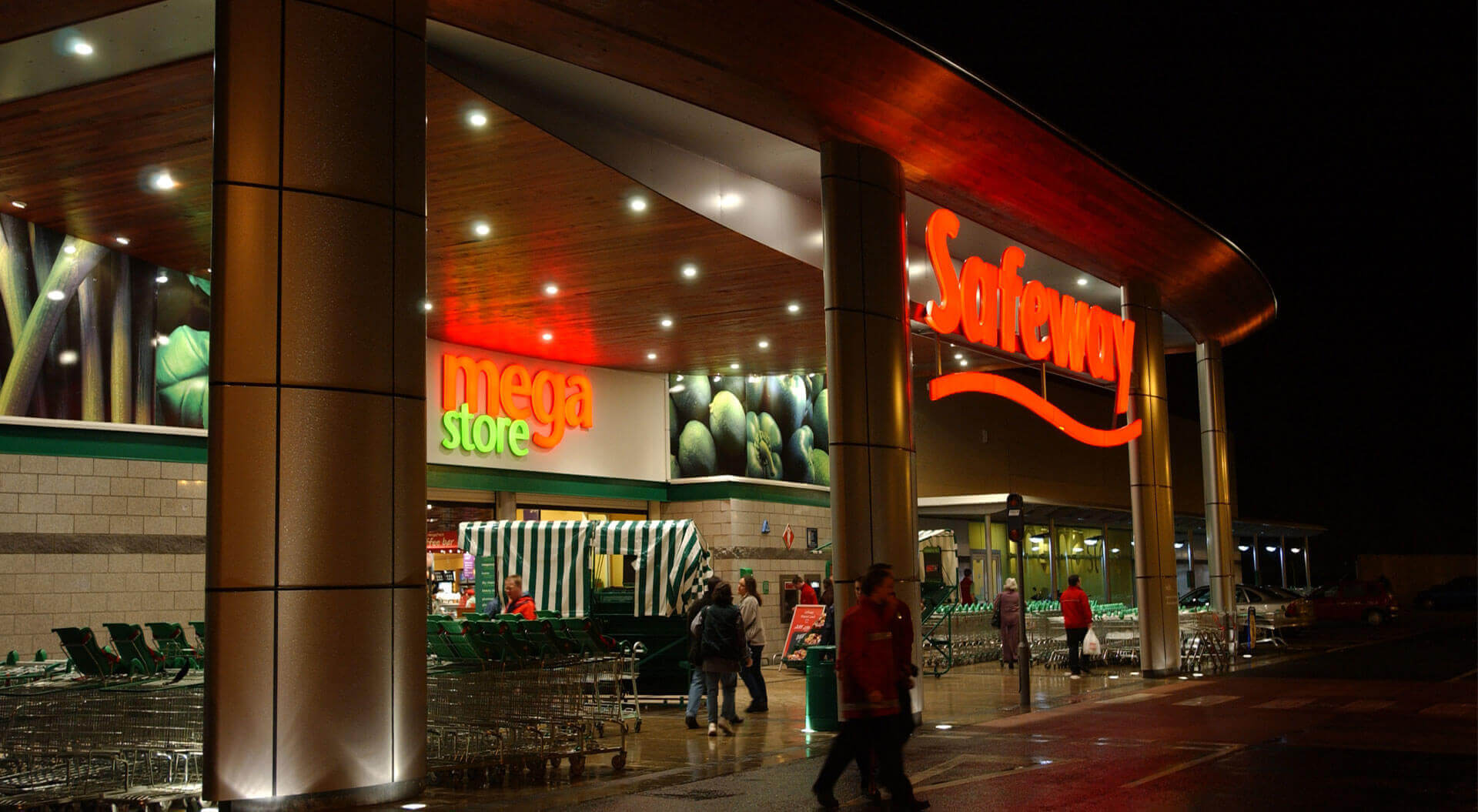
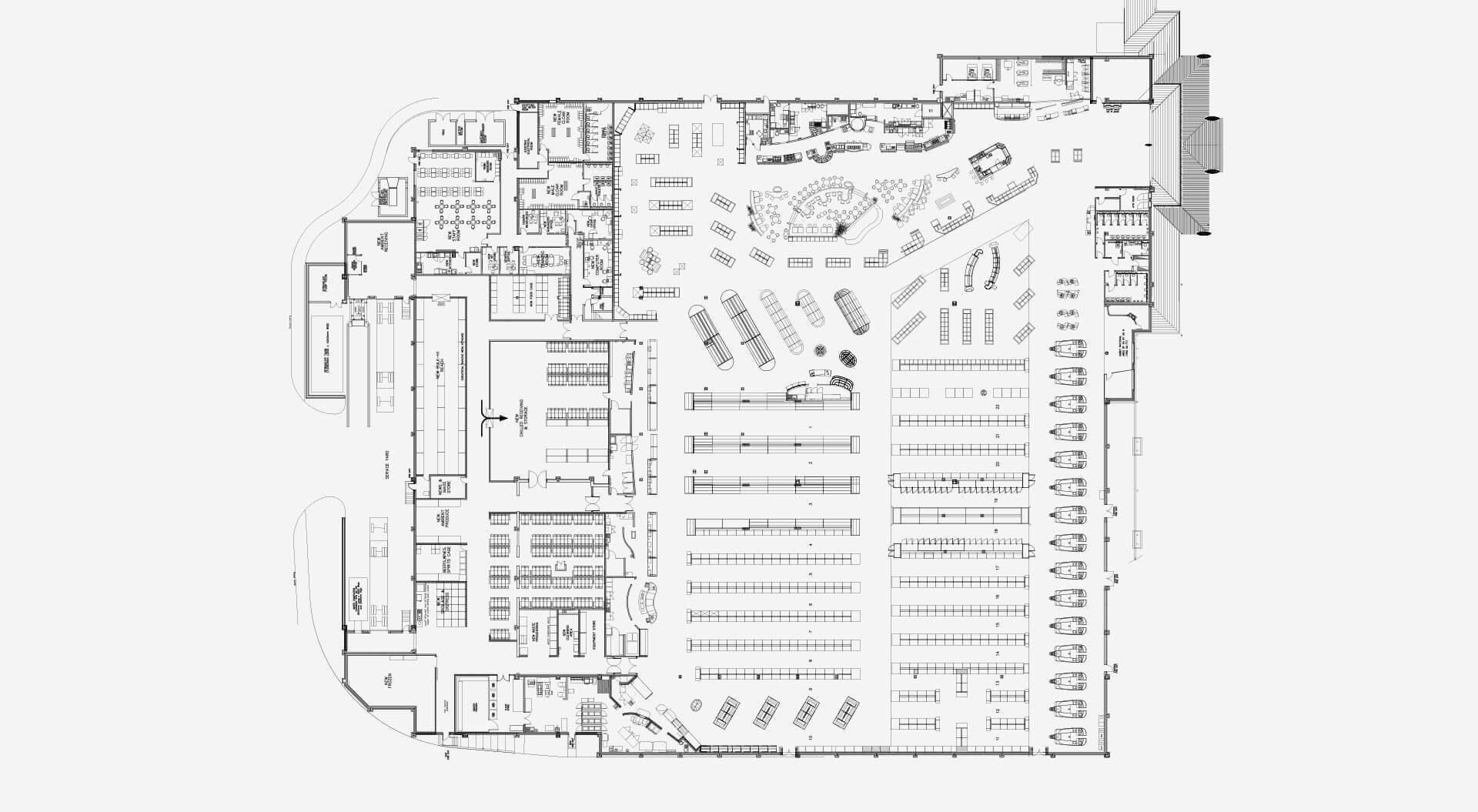
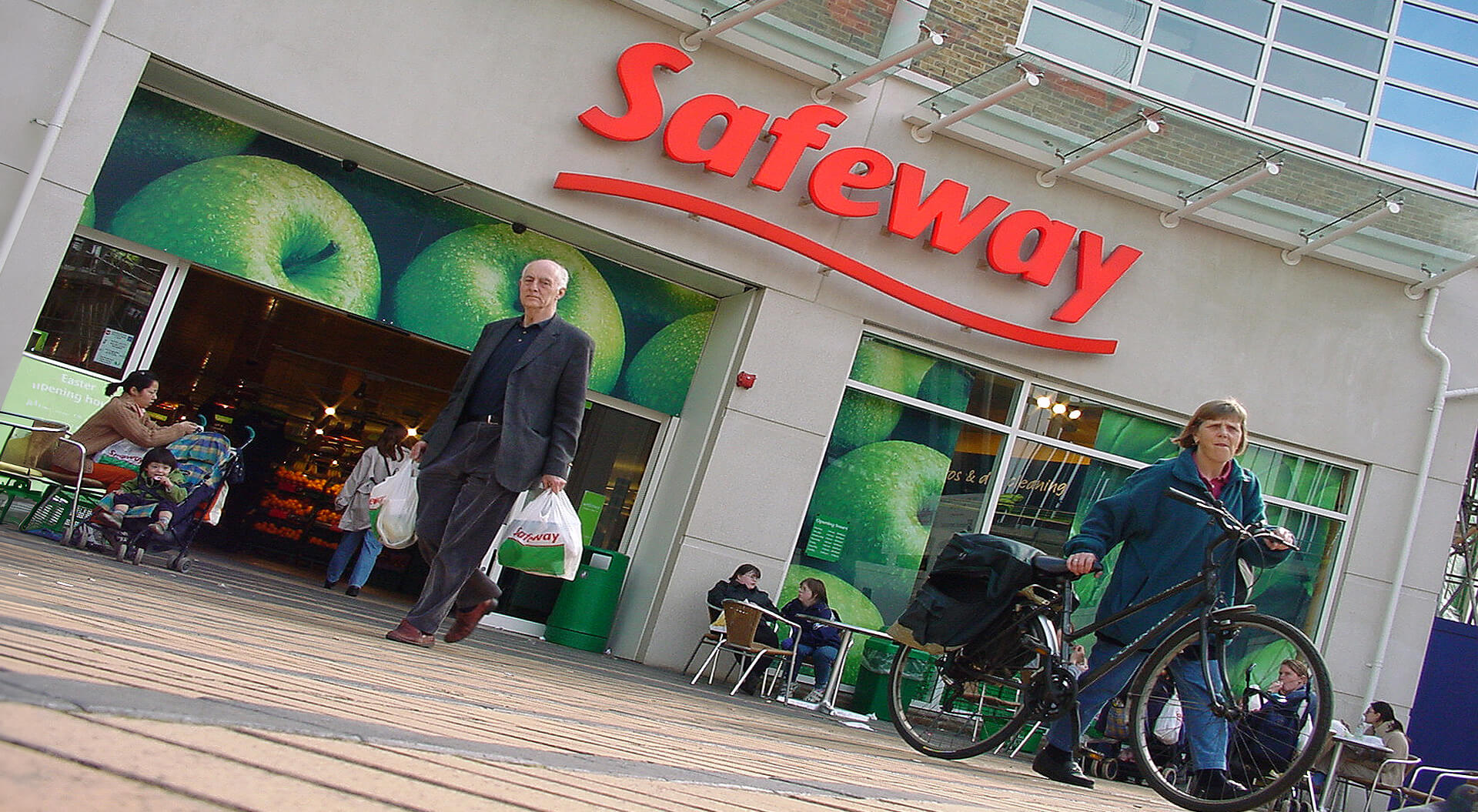
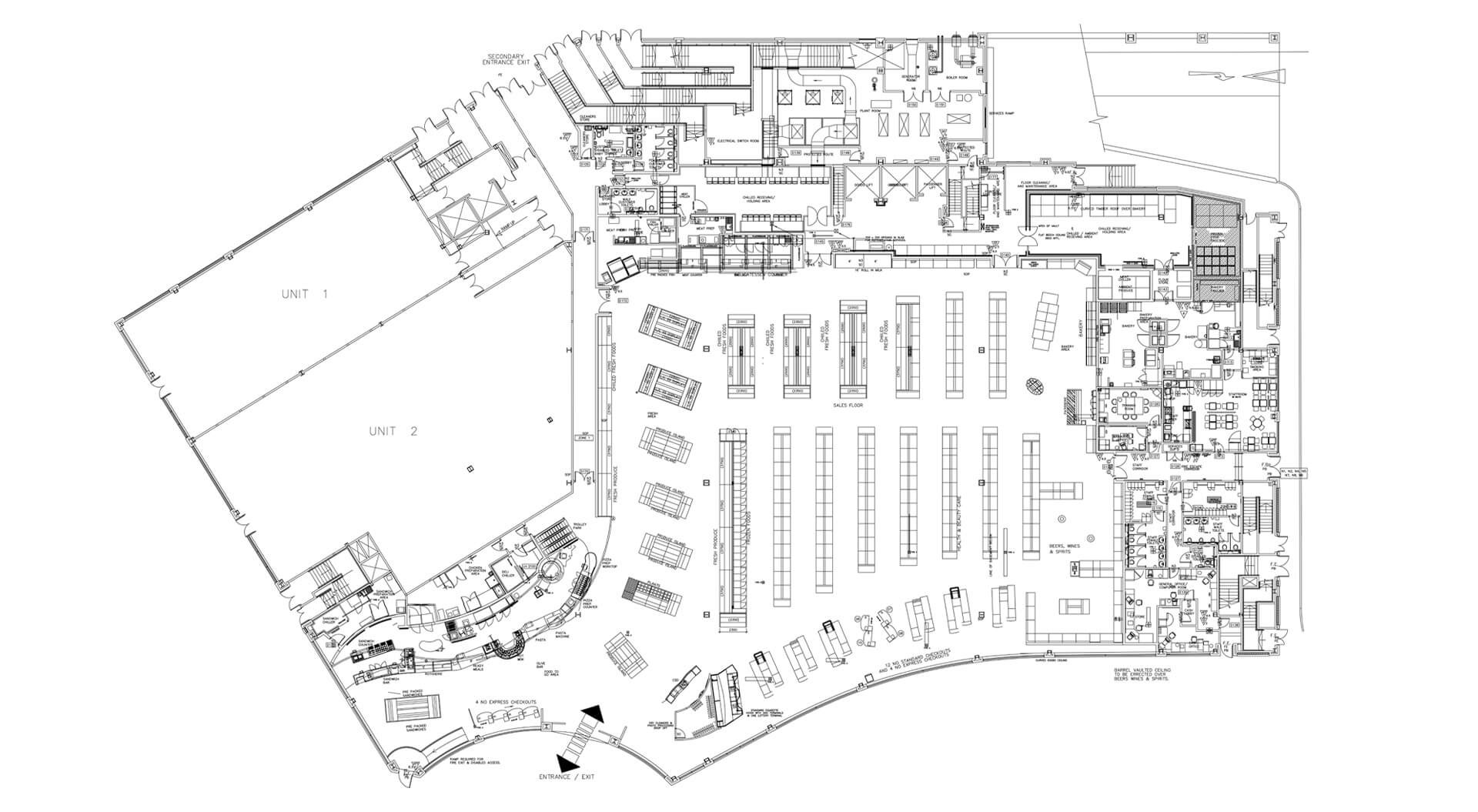
Safeway demonstrates why format strategy and store design need to be developed together.
Management challenge
Safeway needed to understand how different existing store formats could respond to changing customer expectations while strengthening competitiveness and commercial performance.
How CampbellRigg helped
Before working with Safeway's management team, CampbellRigg analysed three existing formats: convenience stores, supermarkets and superstores.
The agency developed new environmental zones for each format and designed them to be adaptable to different store sizes. Product categories were grouped according to customer preferences for range, display and promotion.
The benefit
The resulting format exceeded expectations, with sales reported at 40% above budget after opening.
This is the distinction between designing an attractive store and engineering a retail concept around customer behaviour, format flexibility and commercial objectives.
Proof: Migros Turkey — From Concept to 80+ Locations
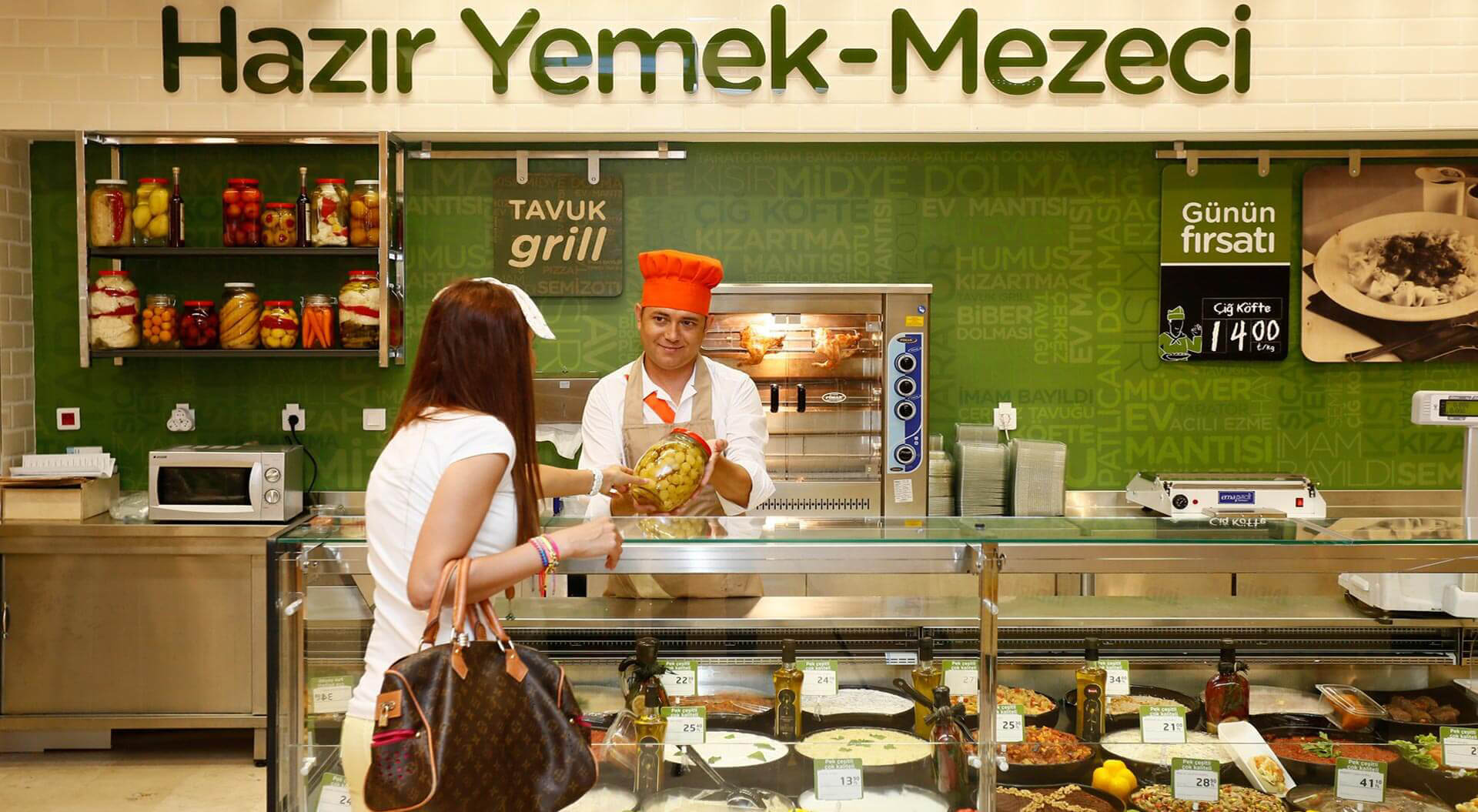
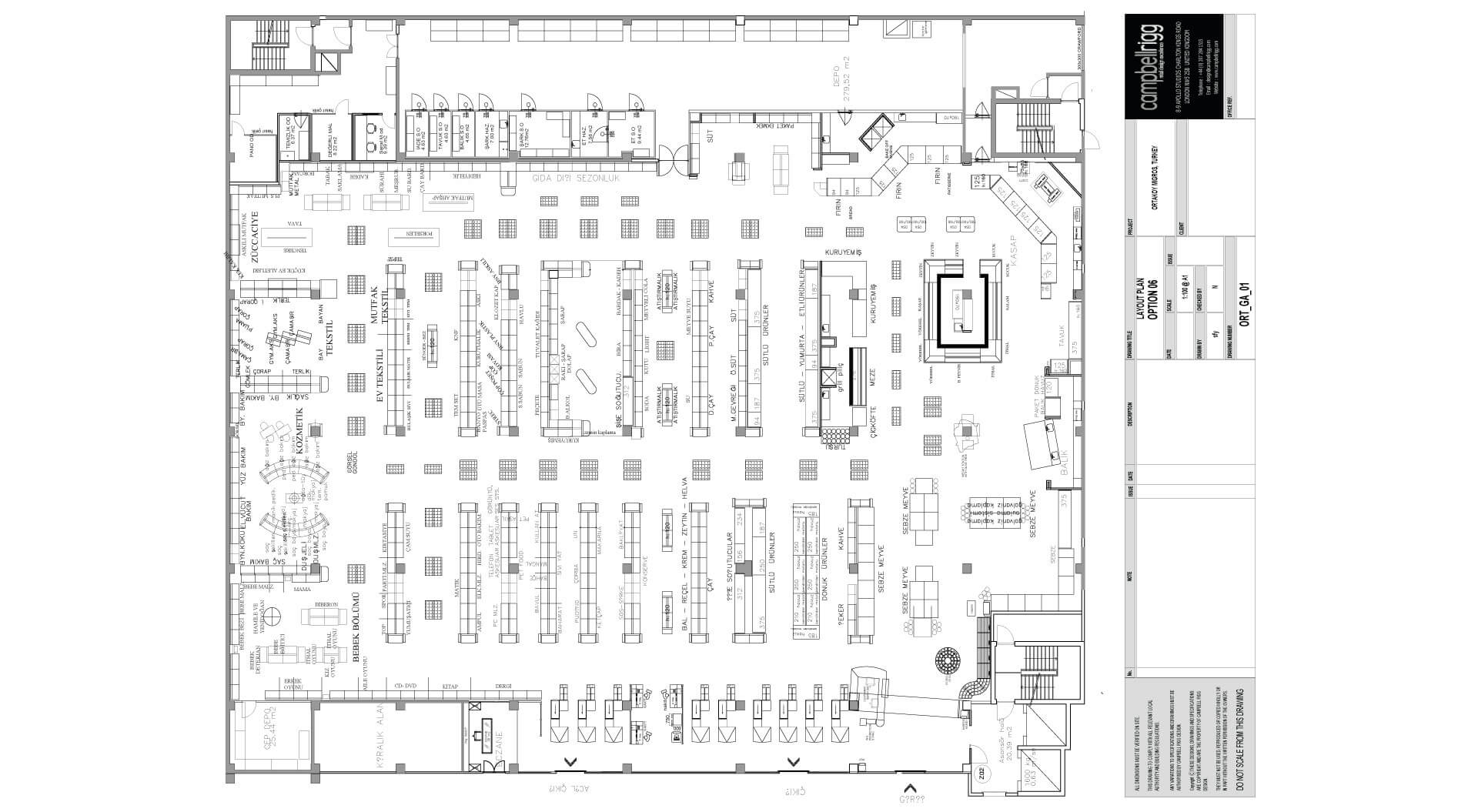
Migros provides a strong example of how CampbellRigg translates a supermarket concept into a scalable format system.
Management challenge
Migros Turkey wanted to modernise its store formats while better expressing its proposition of quality, choice, convenience and competitive pricing.
How CampbellRigg helped
Following conceptual research and workshops with Migros leadership, CampbellRigg developed a multi-format solution incorporating:
- interior and exterior design
- format planning
- store footprint optimisation
- lighting
- merchandising
- signage
- parking wayfinding
- spatial zoning
- brand storytelling.
The design created a consistent visual and spatial language while allowing flexibility for local execution.
The benefit
The resulting concept delivered a 25% increase in like-for-like sales and was implemented at more than 80 locations in Istanbul.
For management, the significance is the combination of commercial performance and scalability: the successful concept was not left as a one-store design exercise.

Proof: "Centra Good to Go" Creating a Scalable Convenience Proposition
Centra demonstrates how a specific customer proposition can become a scalable retail format.
Management challenge
Centra needed to respond to growing demand for home-meal replacement, top-up shopping, fresh food and fast convenience while maintaining a coherent brand across different outlets.
How CampbellRigg helped
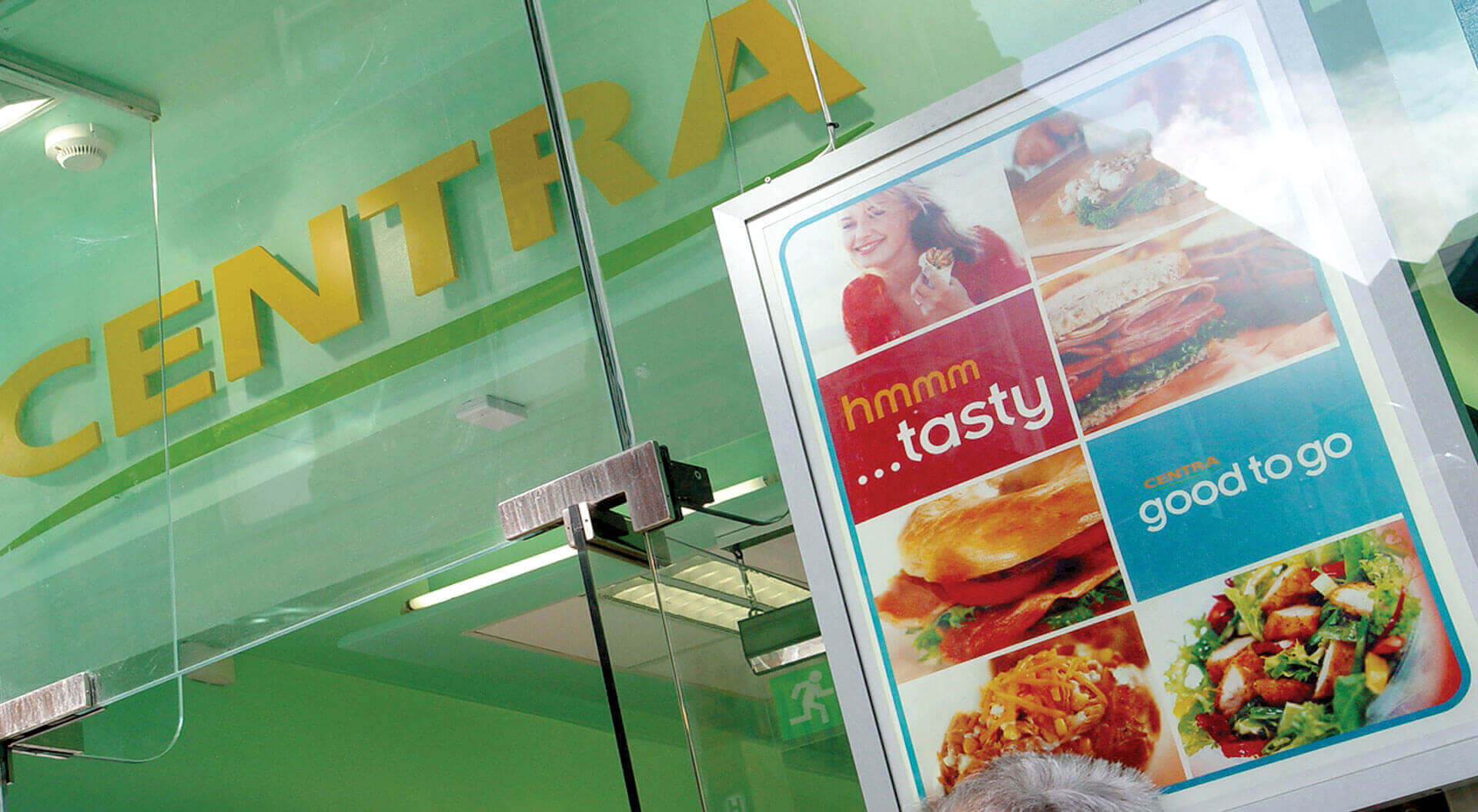
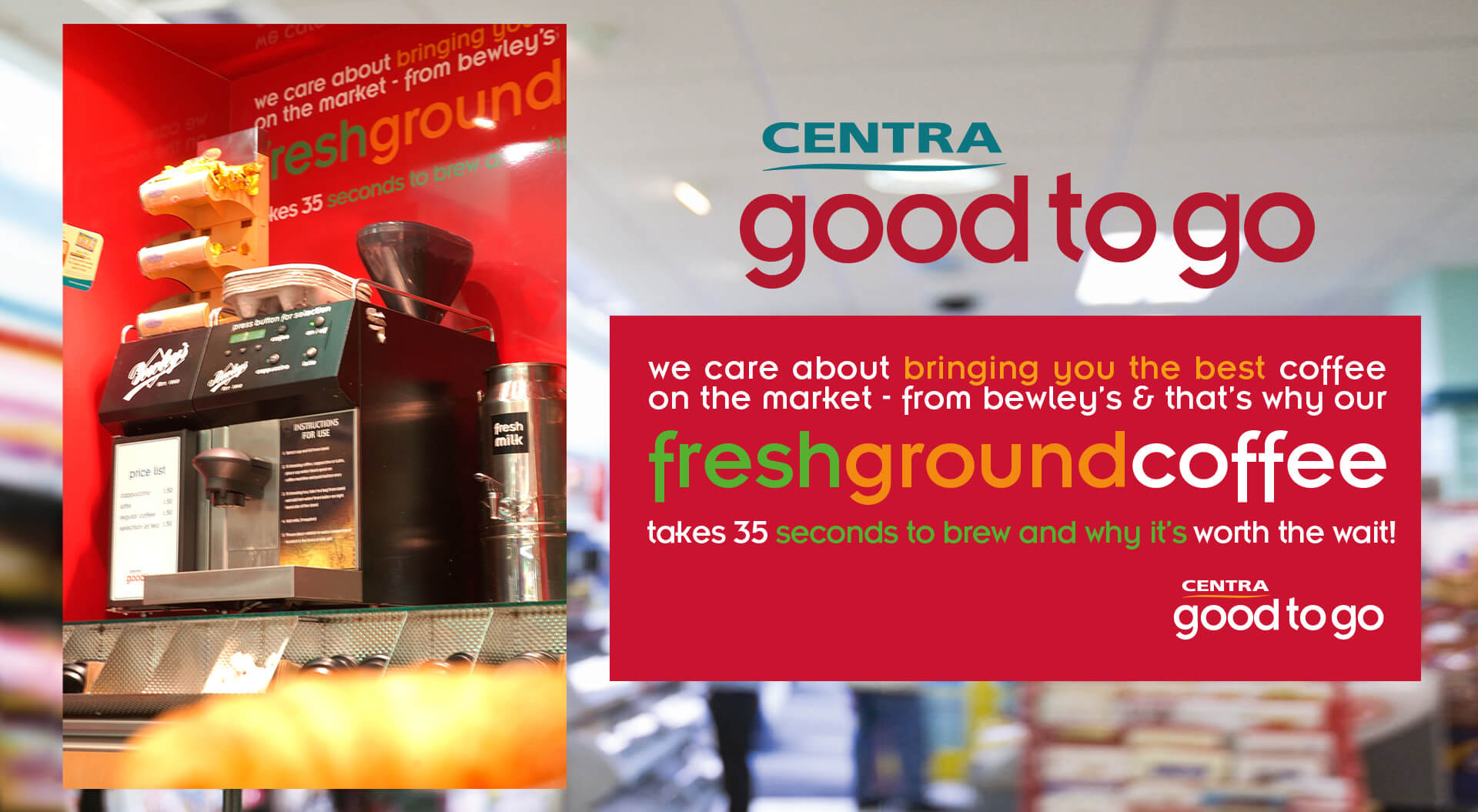
CampbellRigg developed the Good to Go proposition through sub-brand identity, store planning, packaging, visual merchandising and customer-experience design.
The agency created a serve-over concept and worked with Musgrave on impulse and chilled food, fresh coffee and hot-food propositions. The store was zoned around Coffee Shop, Chilled Convenience, Ready to Eat, Hot Food, Produce, Grocery, Fresh Meat and Till Points.
The system was designed for fast, scalable rollout across different store sizes and locations.
The benefit
The format and product proposition exceeded sales targets, won Convenience Store of the Year, and was subsequently rolled out across the Republic of Ireland network.
This demonstrates the commercial value of connecting sub-brand strategy, customer mission, merchandising, spatial planning and implementation rather than treating them as separate activities.
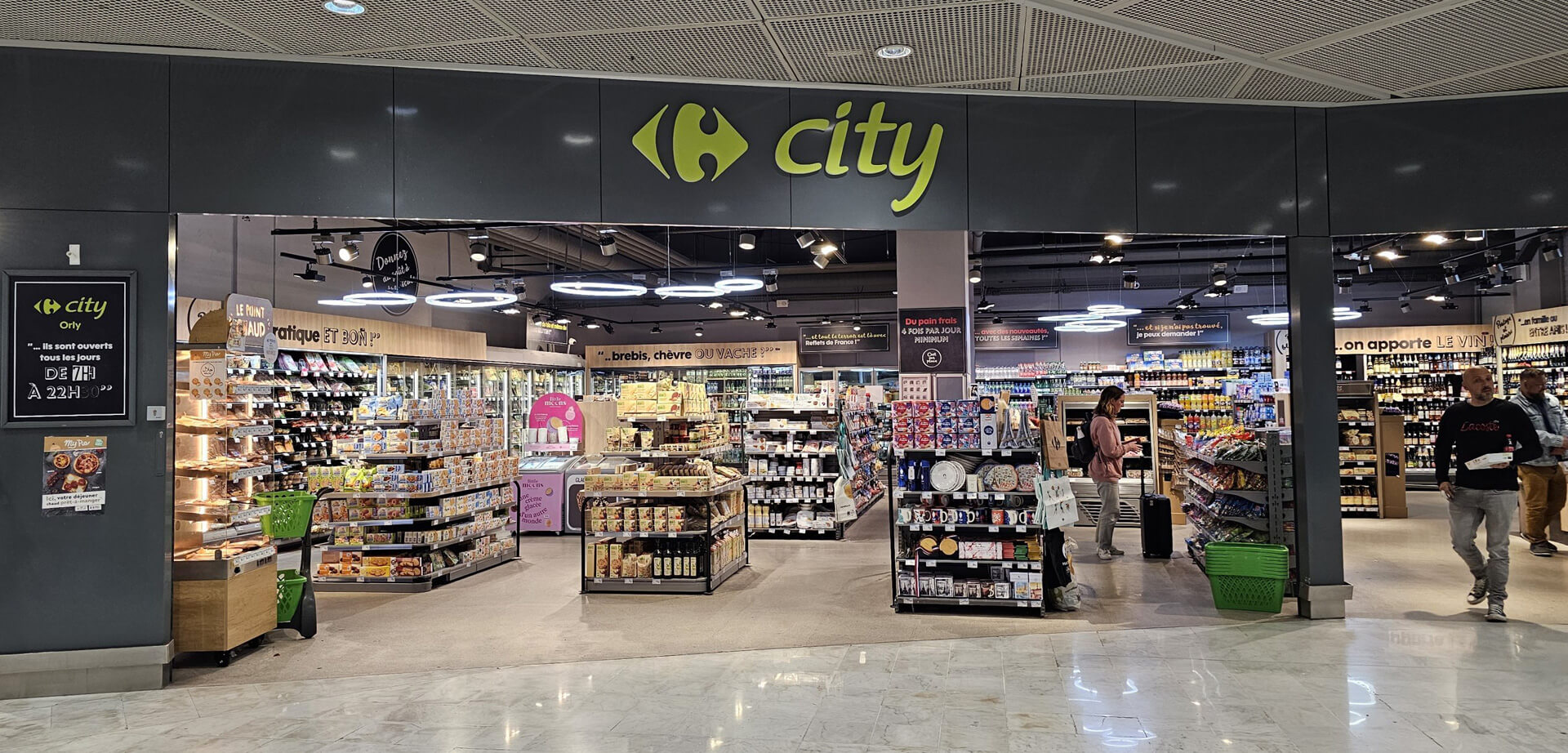
Connecting Physical and Digital Retail
The supermarket journey increasingly crosses physical and digital channels.
Customers may discover products online, use loyalty apps, receive personalised offers, check availability, use self-service, collect orders and continue shopping in-store.
Management challenge
Technology can become an expensive layer added to the store rather than an integrated part of the customer proposition.
How CampbellRigg helps
CampbellRigg identifies where digital services can improve the customer journey, operational efficiency or commercial proposition, then integrates those touchpoints into the physical environment.
This can include:
- self-service
- click and collect
- mobile journeys
- digital signage
- loyalty integration
- digital product discovery
- connected promotional communication.
The benefit
Management gains a phygital retail environment in which technology supports the customer proposition rather than becoming the proposition.
Specialist technology and AI subjects are treated separately within CampbellRigg's supermarket content strategy so that this broader article retains ownership of the core supermarket branding and retail-design proposition.
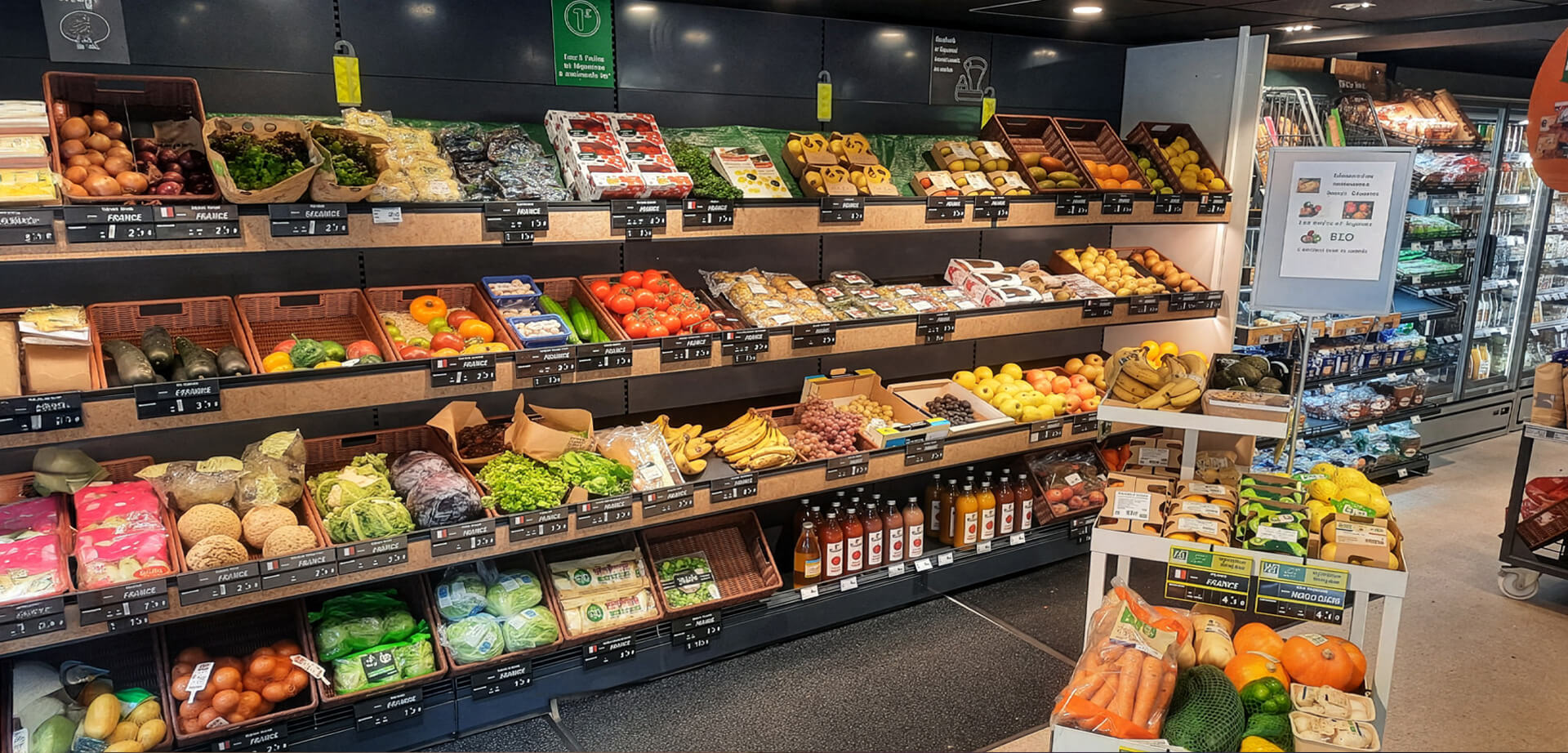
Making Every Square Metre Work Harder
Store design ultimately has to translate into commercial performance.
Management challenge
A design investment is difficult to justify if its intended business outcomes have not been defined before implementation.
How CampbellRigg helps
CampbellRigg establishes commercial objectives at the briefing stage and considers relevant measures such as:
- sales per square metre
- average basket value
- conversion
- footfall
- category performance
- fresh-food sales
- customer flow
- loyalty
- repeat visitation
- space productivity
- operational efficiency.
The design brief can therefore establish what the intervention should improve, how the pilot will be evaluated and what needs to be replicated during rollout.
The benefit
Management receives a clearer relationship between investment, intervention and performance measurement.
The objective is not to claim that design alone causes every commercial result. It is to ensure that the design programme is aligned with measurable business objectives and that the resulting environment can be evaluated against them.

International Benchmark: Designing for Different Retail Conditions
International supermarket experience demonstrates why brand consistency and local adaptation have to operate together.
A retailer operating across different markets may face different customer expectations, store footprints, competitive conditions and shopping missions.
CampbellRigg's supermarket experience includes projects for retailers such as Migros, Safeway, Centra, Tesco, Monetka and ASDA.
The common principle is not to copy an international format. It is to identify the strategic principles that should remain consistent and adapt their physical expression to the market, customer and commercial objective.
Building a Retail System That Can Scale
The strategic objective is not one successful store.
It is a model that can be: tested → refined → measured → standardised → adapted → rolled out.
Management challenge
A successful pilot can lose value if it cannot be reproduced efficiently across different locations.
How CampbellRigg helps
CampbellRigg develops the design principles, format rules, customer-experience standards, identity systems, merchandising frameworks and implementation guidelines required to move from pilot to estate.
Monetka demonstrates this capability in practice. CampbellRigg developed a new brand identity, store interior, space-planning approach, own-label packaging and comprehensive POS toolkit, with the system structured for flexible implementation across the retailer's network.
ASDA provides another example of connecting strategic positioning to physical execution: CampbellRigg translated the “More for you at ASDA Price” proposition into brand communication, departmental messaging, POS, signage and customer-pathway elements within a flagship hypermarket environment.
The benefit
Management gains controlled scalability: a clearer framework for deciding what to standardise, where to adapt and how to prioritise future investment.
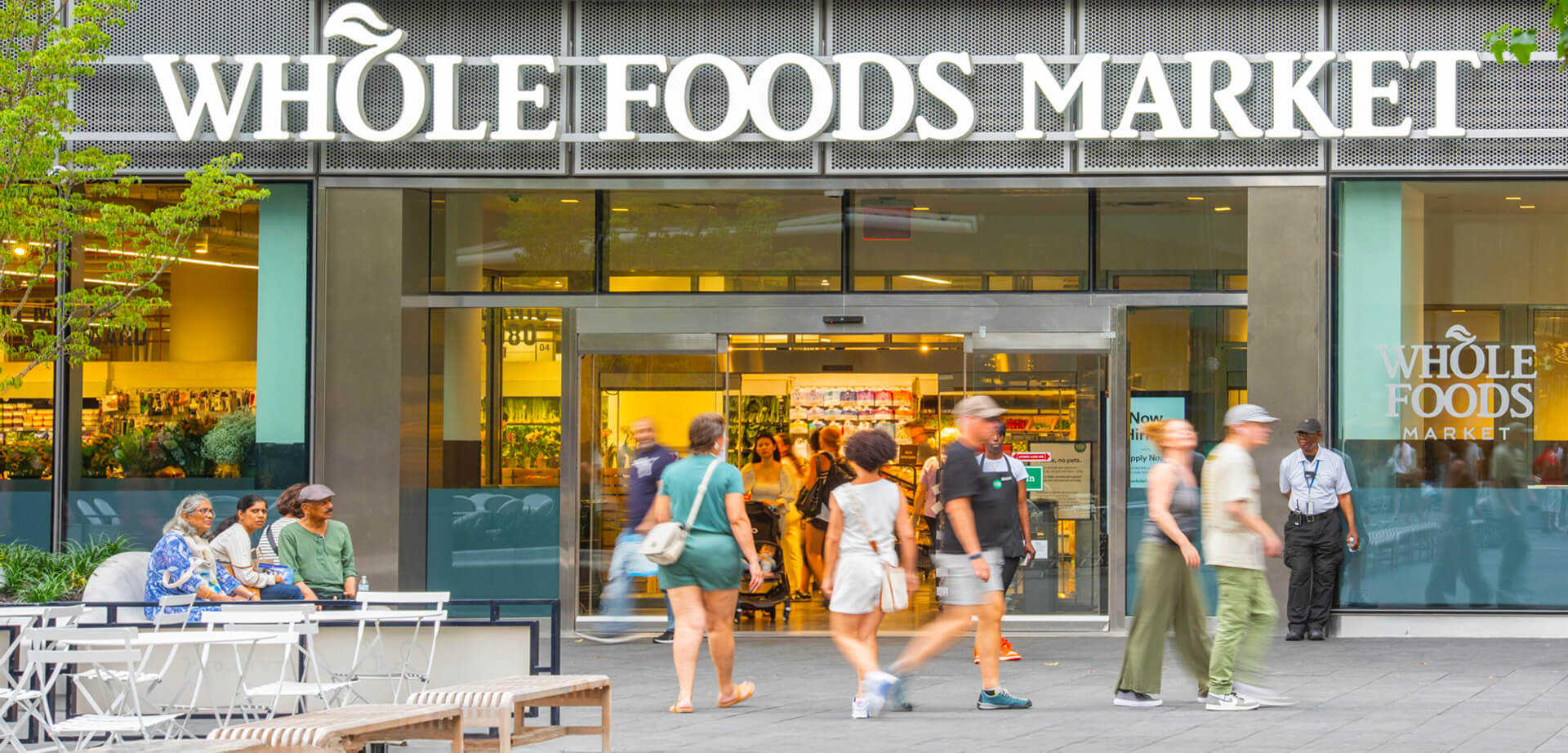
What a Senior Management Team Should Expect
A strategic supermarket branding and retail design partner should contribute more than an attractive concept.
The required capability spans:
- Diagnosis - establish where the current proposition and estate are underperforming.
- Strategy - define the position the brand needs to occupy.
- Format planning - determine how the proposition should work across different locations and missions.
- Customer experience - design journeys around customer needs and commercial priorities.
- Brand expression - make the strategic proposition tangible.
- Store design - translate strategy into architecture, interiors, lighting and spatial planning.
- Merchandising - connect product presentation with category and customer objectives.
- Digital integration - connect physical and digital experiences where they add value.
- Implementation - create standards capable of consistent network rollout.
- Measurement - establish how investment will be assessed.
How CampbellRigg helps
CampbellRigg brings these disciplines together rather than handing management a series of disconnected specialist outputs.
Its supermarket practice combines brand strategists, architects, interior designers and graphic designers to deliver integrated retail environments.
The evidence is demonstrated through projects rather than capability statements alone:
- Safeway: three existing formats analysed; adaptable environmental zones developed; resulting format reported sales 40% above budget.
- Migros Turkey: multi-format brand and retail design; 25% like-for-like sales increase; implementation at 80+ Istanbul locations.
- Centra: Good to Go proposition, merchandising and customer-flow system; sales targets exceeded; award-winning format rolled out across the Republic of Ireland.
- Monetka: brand identity, store interiors, space planning, own-label packaging and POS system developed as a scalable retail toolkit.
- ASDA: strategic value positioning translated into environmental branding, POS, departmental communication and customer-pathway design.
The benefit is a partner able to connect strategic diagnosis, creative development, physical implementation and network scalability.
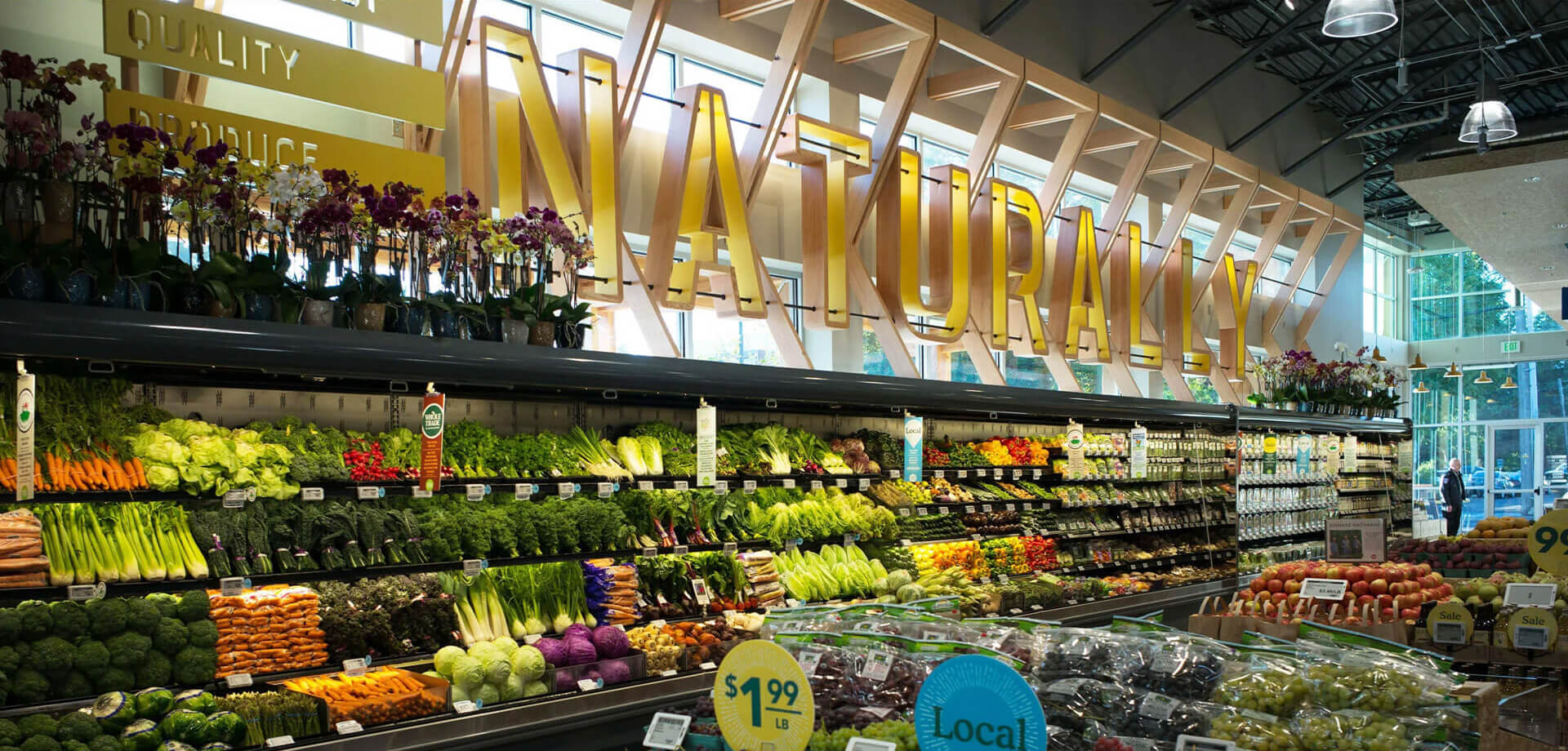
Why CampbellRigg for Supermarket Branding and Retail Design?
The strongest supermarket transformation programmes do not begin with an interior concept.
They begin with a commercial question.
- Why should customers choose this retailer?
- What needs to change in the existing estate?
- Which formats should serve which customer missions?
- How should the brand proposition become tangible in-store?
- How can the solution be replicated without losing relevance?
- How will management measure whether the investment is working?
CampbellRigg connects these decisions across brand strategy, retail branding, format planning, store design, customer experience, merchandising and implementation.
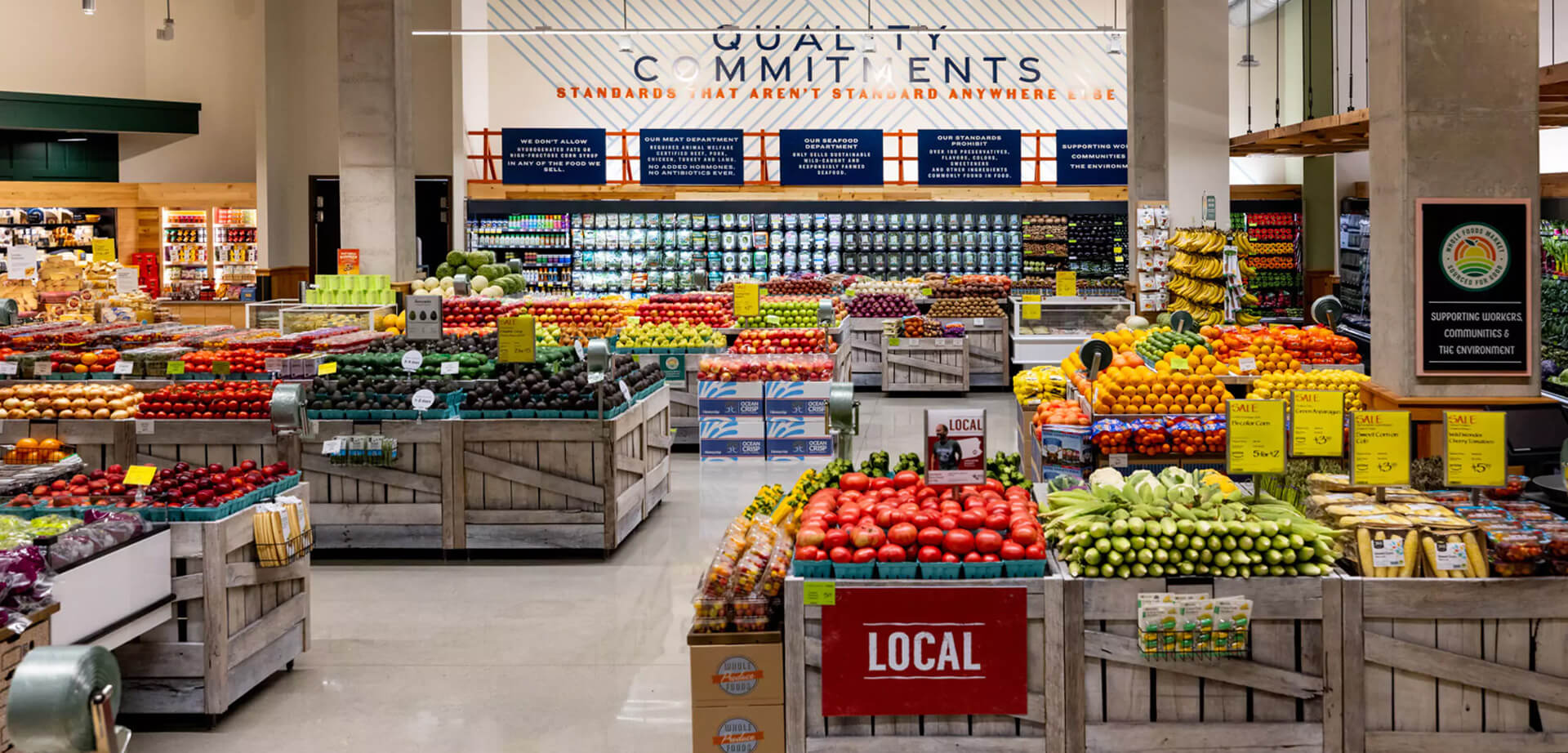
From Brand Strategy to Measurable Supermarket Performance
The objective is not simply a more attractive supermarket. It is a more distinctive, more relevant and more productive retail network.
The proposition is therefore:
- Brand strategy defines the opportunity.
- Format strategy determines where it works.
- Store design makes it tangible.
- Customer experience makes it usable.
- Merchandising makes it commercially relevant.
- Implementation makes it scalable.
- Measurement makes the investment accountable.
Measurable Business Outcomes You Might Expect
- 15-30% Sales Uplift via shopper-centric layouts and optimized visual merchandising.
- 20% Increase in Sales/Per Square Meter through strategic zoning and improved flow.
- Stronger Brand Loyalty & Repeat Visits via immersive environments that reinforce identity.
- Higher Average Basket Spend with clear adjacencies tailored to shopper missions.
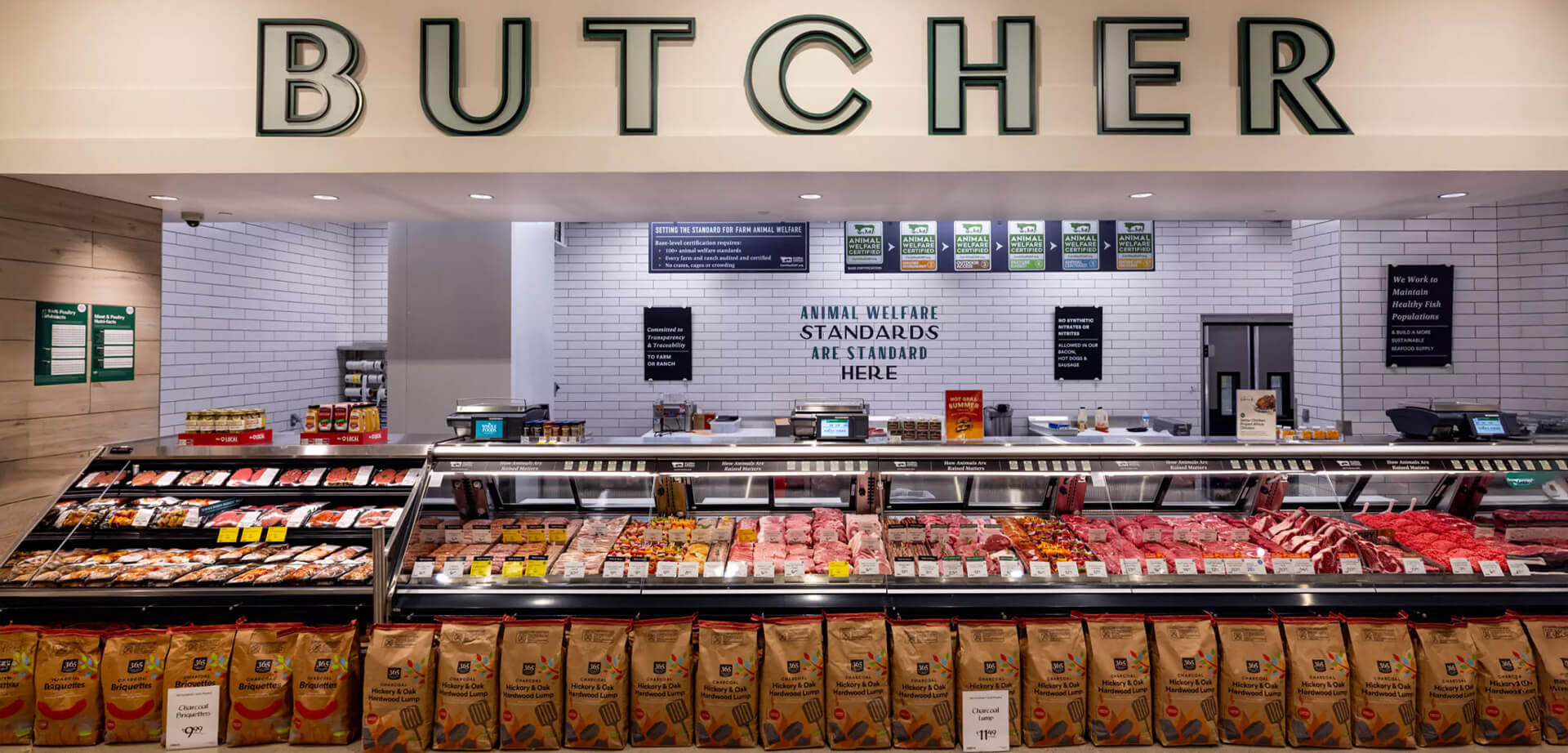
CampbellRigg's supermarket projects have included significant improvements in sales performance and sales productivity. Project-specific benchmarks include sales uplifts of 15–30% and improvements of around 20% in sales per square metre, depending on the retailer, format, location, proposition and implementation.
These figures should be treated as project benchmarks rather than guaranteed results. The commercial impact of supermarket redesign depends on the quality of the proposition, customer demand, operating model, location, implementation and the effectiveness of the resulting customer journey.
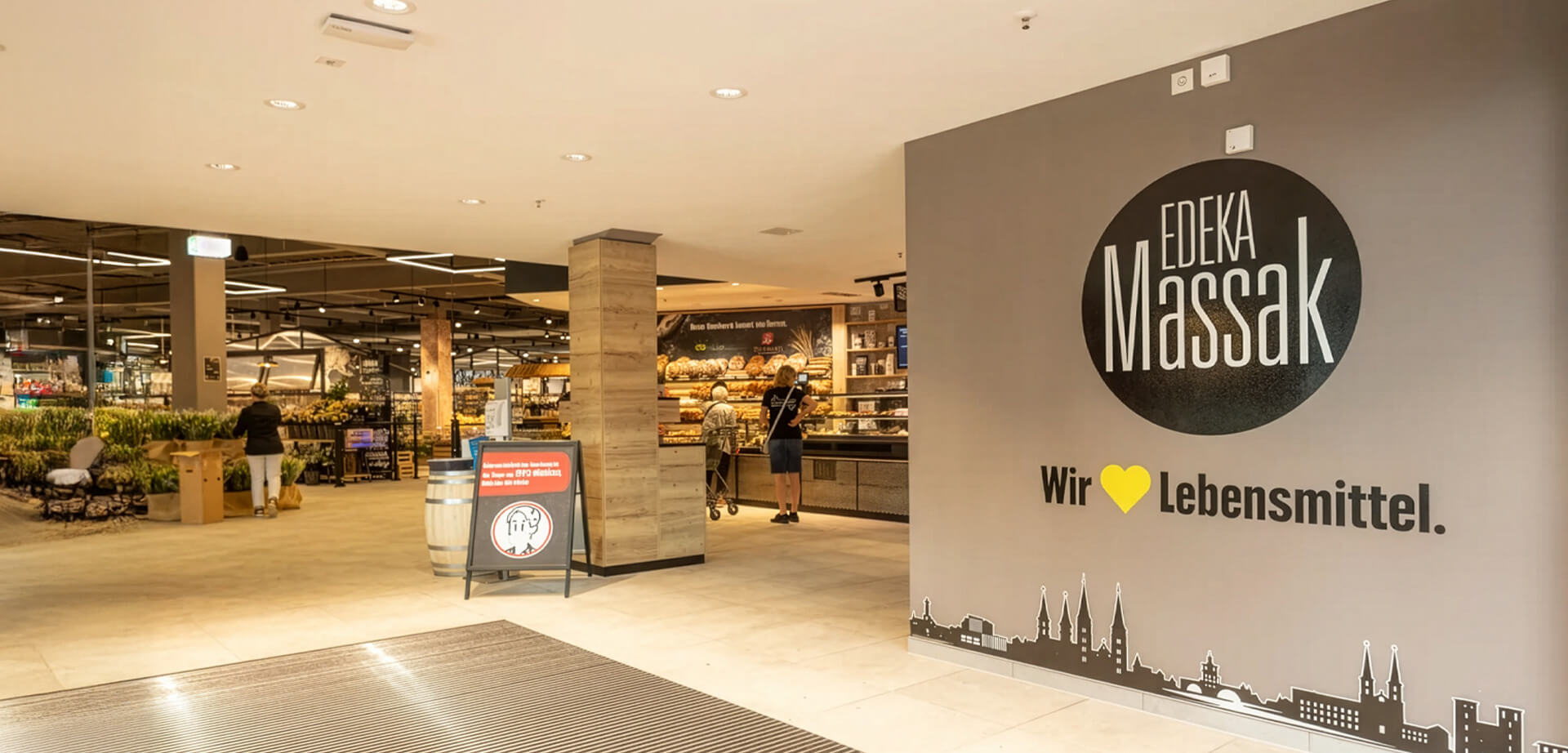
Building a Higher-Performance Supermarket Brand
The most effective supermarket environments connect brand strategy with commercial execution. Brand positioning defines why customers should choose the retailer, while format planning adapts the proposition to different locations, store sizes and customer needs.
Store design brings the brand to life, while visual merchandising makes products and categories more compelling. Customer experience design creates an intuitive, engaging journey, and digital integration connects the physical supermarket with the wider retail ecosystem.
Commercial measurement then provides evidence of what works and where improvements can be made. The result is a supermarket designed not simply to look distinctive, but to perform better, strengthen customer relationships and deliver measurable commercial value.
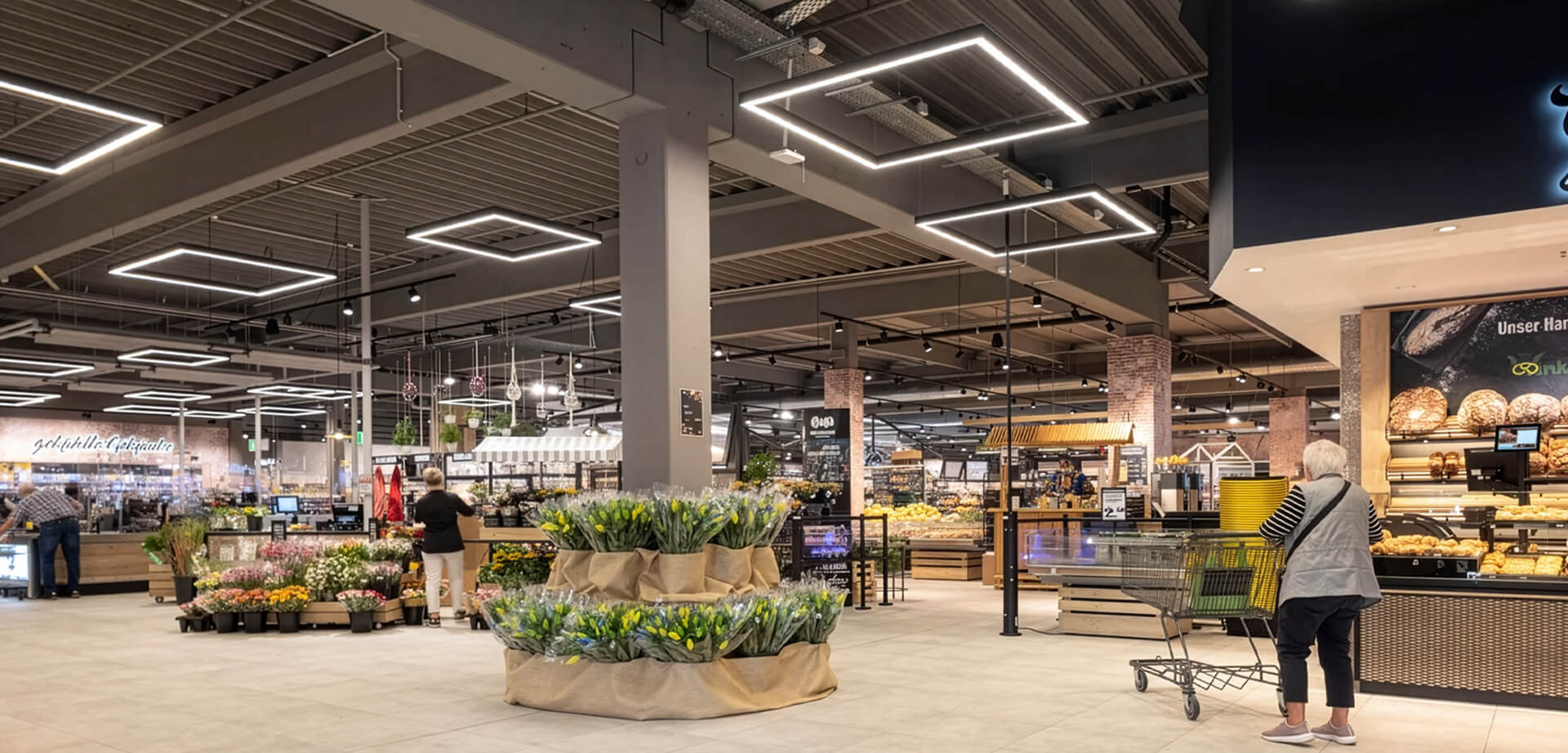
Why Choose CampbellRigg for Supermarket Branding and Retail Design?
Supermarket transformation increasingly requires multiple disciplines to work together. CampbellRigg combines brand strategy, retail design, architecture, interiors, visual merchandising, shopper psychology and digital experience to create connected retail environments rather than isolated design solutions.
This integrated approach allows the brand strategy to inform the store format, the format to shape the store plan, and the store plan to influence the customer journey, merchandising and service experience. The complete environment can then be evaluated against clear commercial objectives.
With international supermarket and retail experience across different formats and markets, CampbellRigg brings a broader perspective to helping grocery retailers differentiate their propositions, strengthen customer experience and improve physical retail performance.
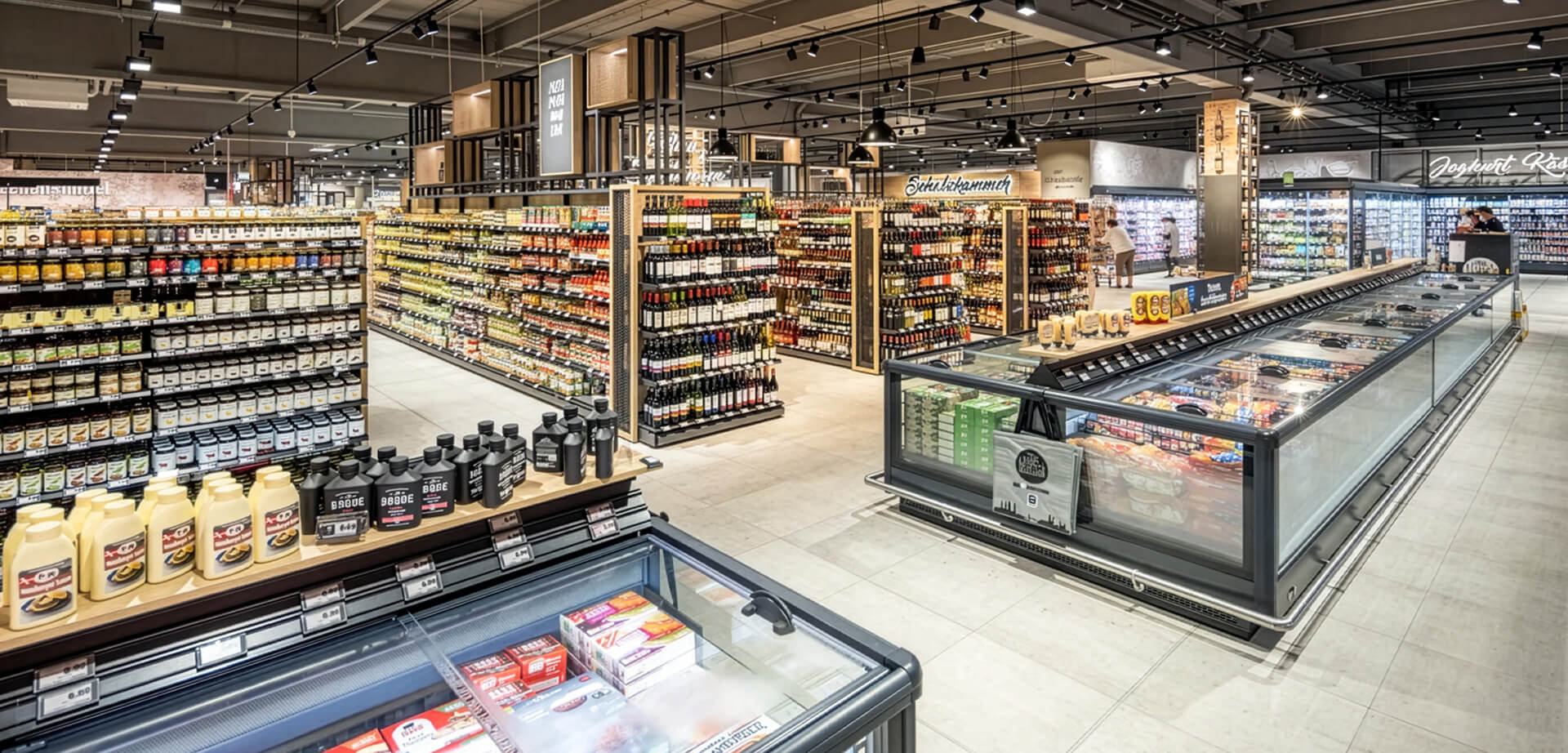
Supermarket Branding and Retail Design Services
CampbellRigg provides an integrated supermarket branding and retail design service covering strategy, design and implementation.
- Supermarket Brand Strategy - Define positioning, proposition, customer promise, brand architecture and the distinctive value the supermarket should own.
- Supermarket Store Design - Translate the brand into architecture, interiors, materials, lighting, zoning, customer journeys and spatial experience.
- Supermarket Format Planning - Develop scalable formats for convenience, urban, neighbourhood, supermarket, hypermarket and destination environments.
- Retail Visual Merchandising - Create category presentation, fresh-food environments, point-of-sale systems, promotional communication and in-store storytelling.
- Customer Experience Design - Improve wayfinding, navigation, service journeys, digital discovery and the relationship between customers and the physical environment.
- Phygital Retail Design - Connect mobile, digital, self-service and physical touchpoints into one coherent customer experience.
- Multi-Store Rollout - Create modular design systems, guidelines and scalable concepts that can be implemented consistently across multiple locations.
This combination makes CampbellRigg more than a supermarket interior design supplier. It provides a strategic connection between brand, customer experience, store design and commercial performance.
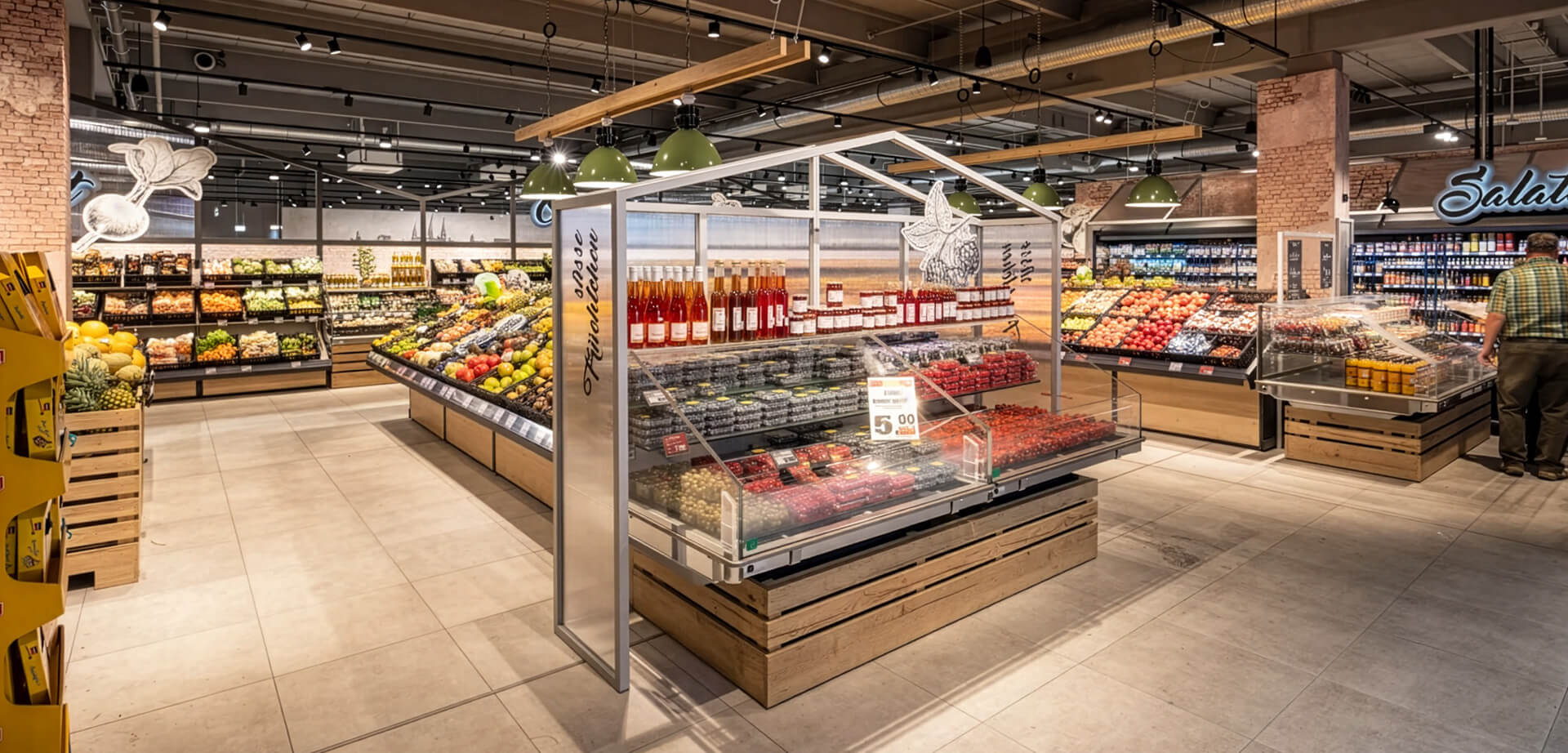
From Retail Strategy to Commercial Transformation
If your supermarket estate requires repositioning, format development, refurbishment, new-store development or multi-location rollout, CampbellRigg can translate the commercial objective into a measurable retail programme.
The process begins with a strategic assessment of the opportunity, then moves through a bespoke brief, concept development, design, pilot and implementation.
CampbellRigg's four-stage approach
1. Strategic consultation
A focused discussion to understand the commercial challenge, estate priorities and management objectives.
2. Bespoke commercial brief
Define the brand proposition, customer opportunity, format requirements, design criteria and performance objectives.
3. Integrated design and execution
Translate the strategy into brand identity, customer experience, store planning, merchandising, interiors, communications and implementation standards.
4. Scalable rollout and measurement
Refine the concept through implementation, establish repeatable standards and create a framework for measuring commercial performance across the network.
The management outcome
The objective is not simply to commission another store design.
It is to create a commercial transformation programme that connects the board-level objective to the customer proposition, the physical environment and the wider retail estate.
CampbellRigg helps supermarket management teams move from retail strategy to a scalable, measurable and commercially effective network.
We build brands designed to transform markets: Innovative. Relevant. Memorable.
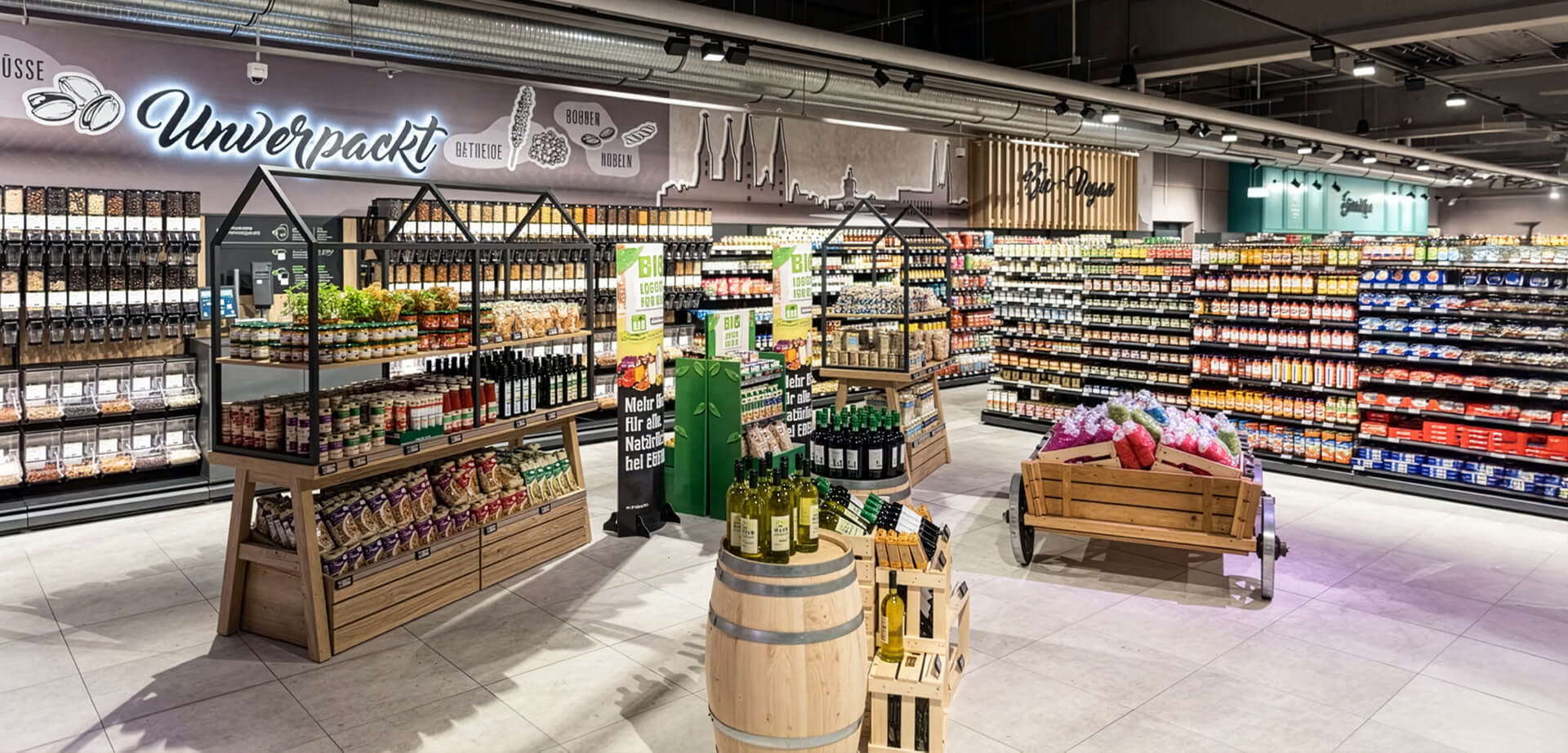
Planning a Supermarket Rebrand, Store Redesign or New Retail Format?
CampbellRigg helps supermarket and grocery retailers develop distinctive brand environments that connect strategy, branding, format planning, store design, visual merchandising, customer experience and commercial performance.
Whether the requirement is a supermarket rebrand, new store concept, retail format strategy, store redesign or multi-location rollout, the objective is the same: create a supermarket brand that customers recognise, understand and choose.
Talk to us about supermarket branding, retail design, format planning and customer experience.