News and Views
AI-Powered Supermarkets: How AI Is Creating Smaller, Smarter Stores




AI Is Changing What a Supermarket Should Be.
AI is changing grocery retail from the inside out. Rather than simply adding technology to existing supermarkets, retailers are beginning to use artificial intelligence, predictive analytics and shopper data to rethink where stores are located, how large they should be, what they sell and how they are designed.
The supermarket is no longer designed around a standard format. AI is allowing retailers to determine what each location needs, and therefore how large it should be, what it should sell and how it should be designed.
The result is a shift towards smaller, smarter and more local supermarket formats built around customer behaviour, location and shopping mission.
Smaller, smarter and more local supermarkets.
This matters because the traditional supermarket model has relied heavily on standardised formats replicated across multiple locations. The next generation of grocery retail is moving towards more flexible store portfolios, with individual locations designed around the specific needs of their communities.
McKinsey identifies a broader shift in which AI is becoming embedded into customer experiences and retail operations, while Boston Consulting Group highlights the growing potential of AI-enabled store technology and more purpose-built grocery networks.
The next stage of AI in supermarkets isn't simply adding technology to stores. It is using AI intelligence to determine what the supermarket should be
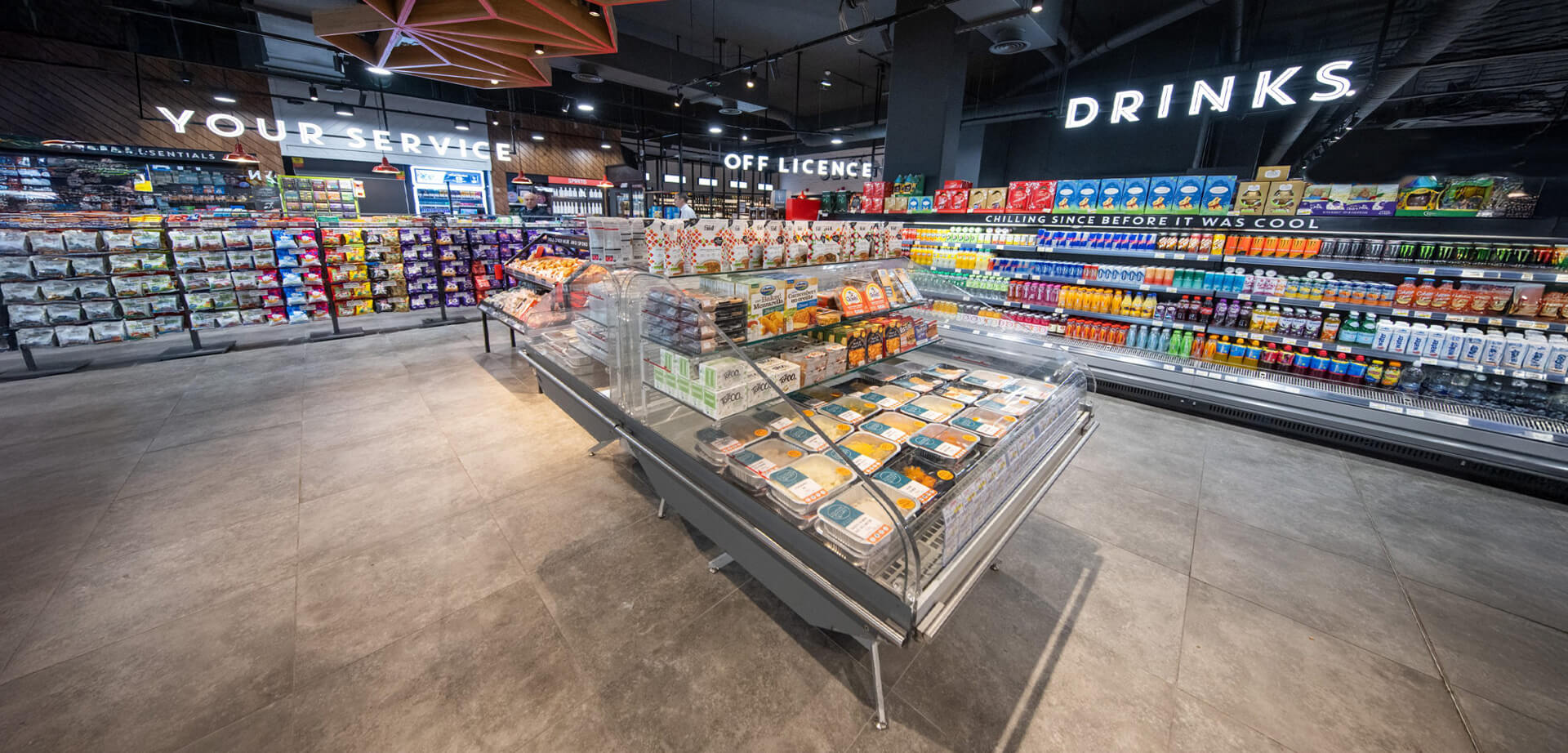
The fundamental change is simple: AI is no longer just helping supermarkets operate better. It is helping retailers decide what the supermarket should be. AI can analyse purchasing behaviour, footfall, customer preferences, local demographics, product demand and other data to identify the role a particular store should play
- That creates a more flexible approach to supermarket format planning.
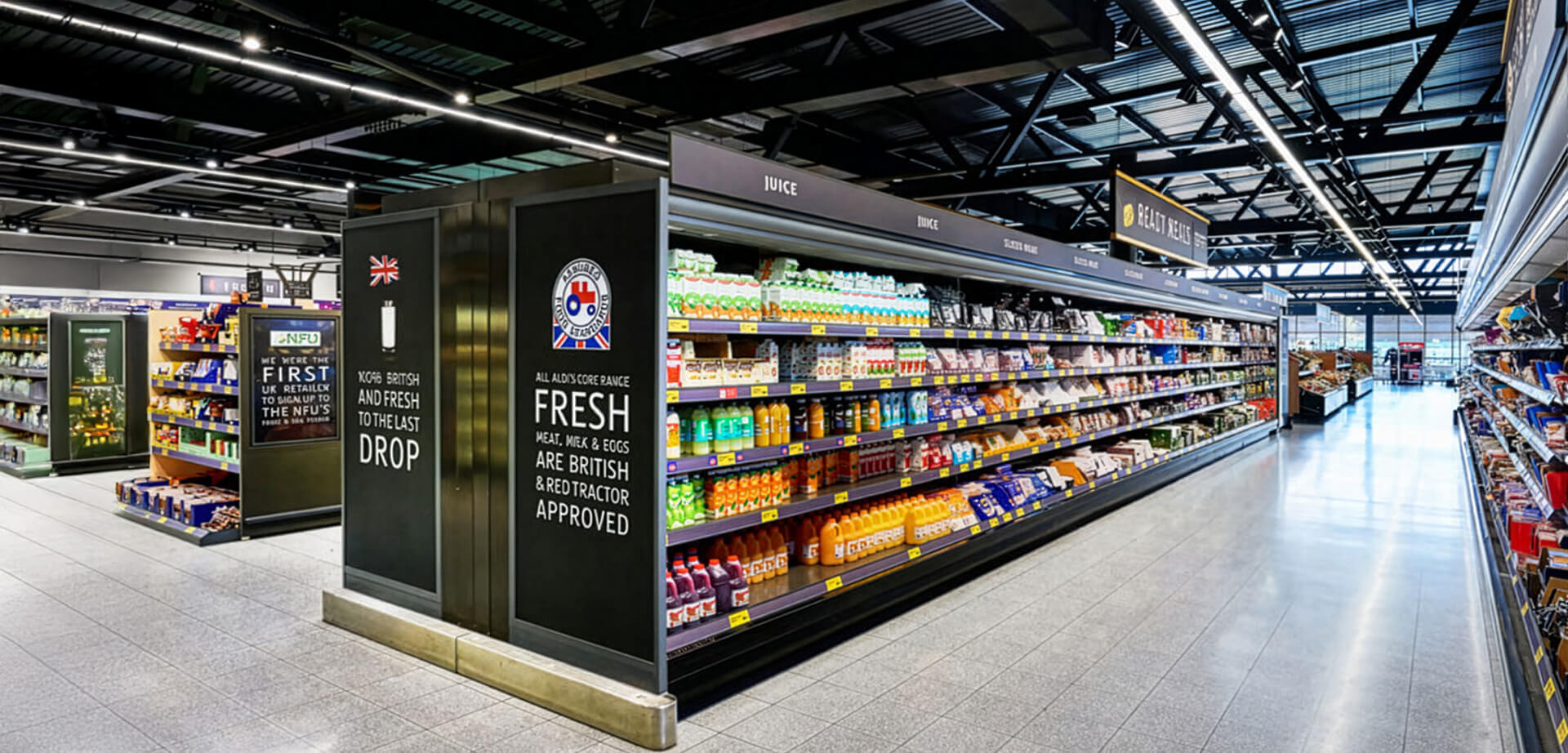
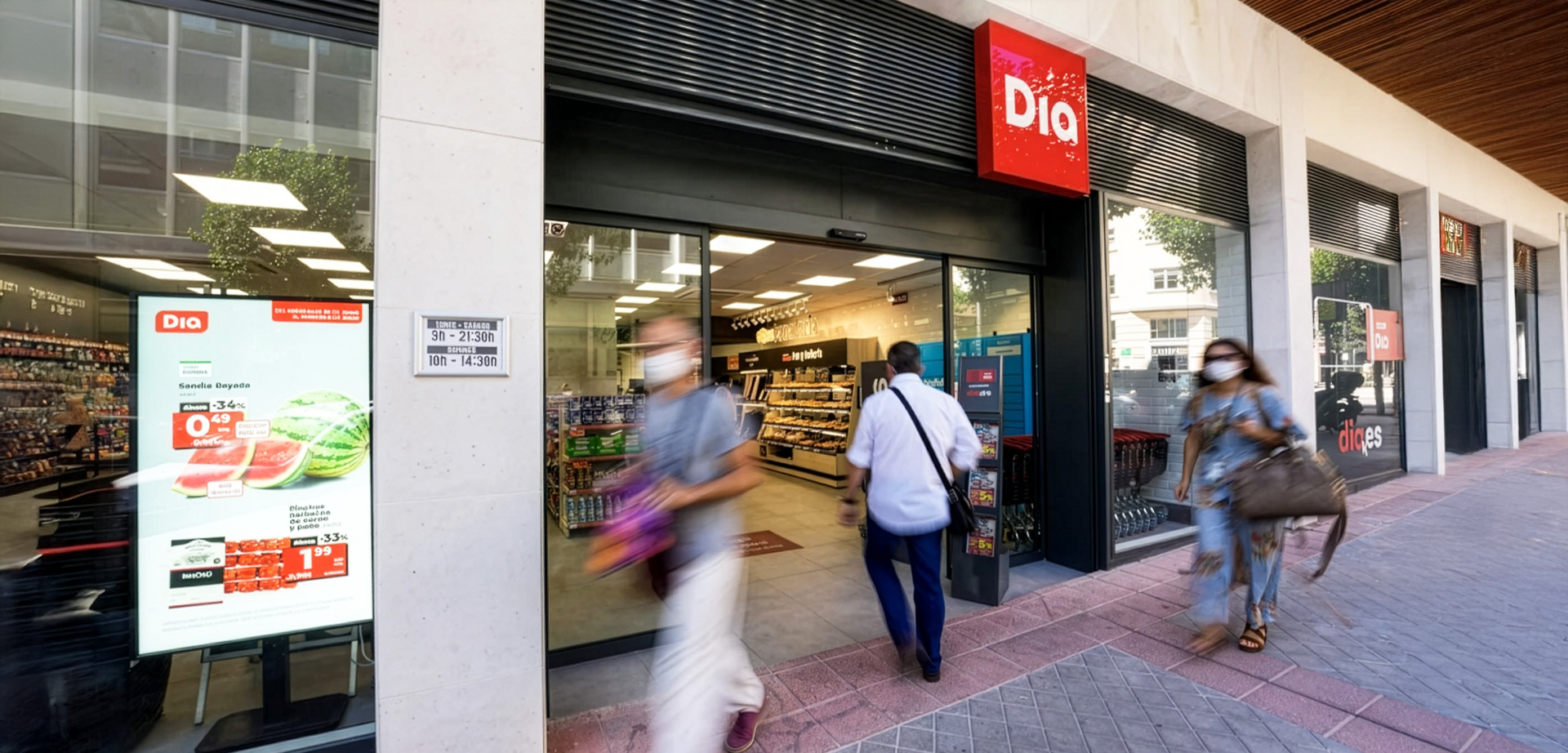
- An urban store might prioritise convenience, food-to-go and ready meals.
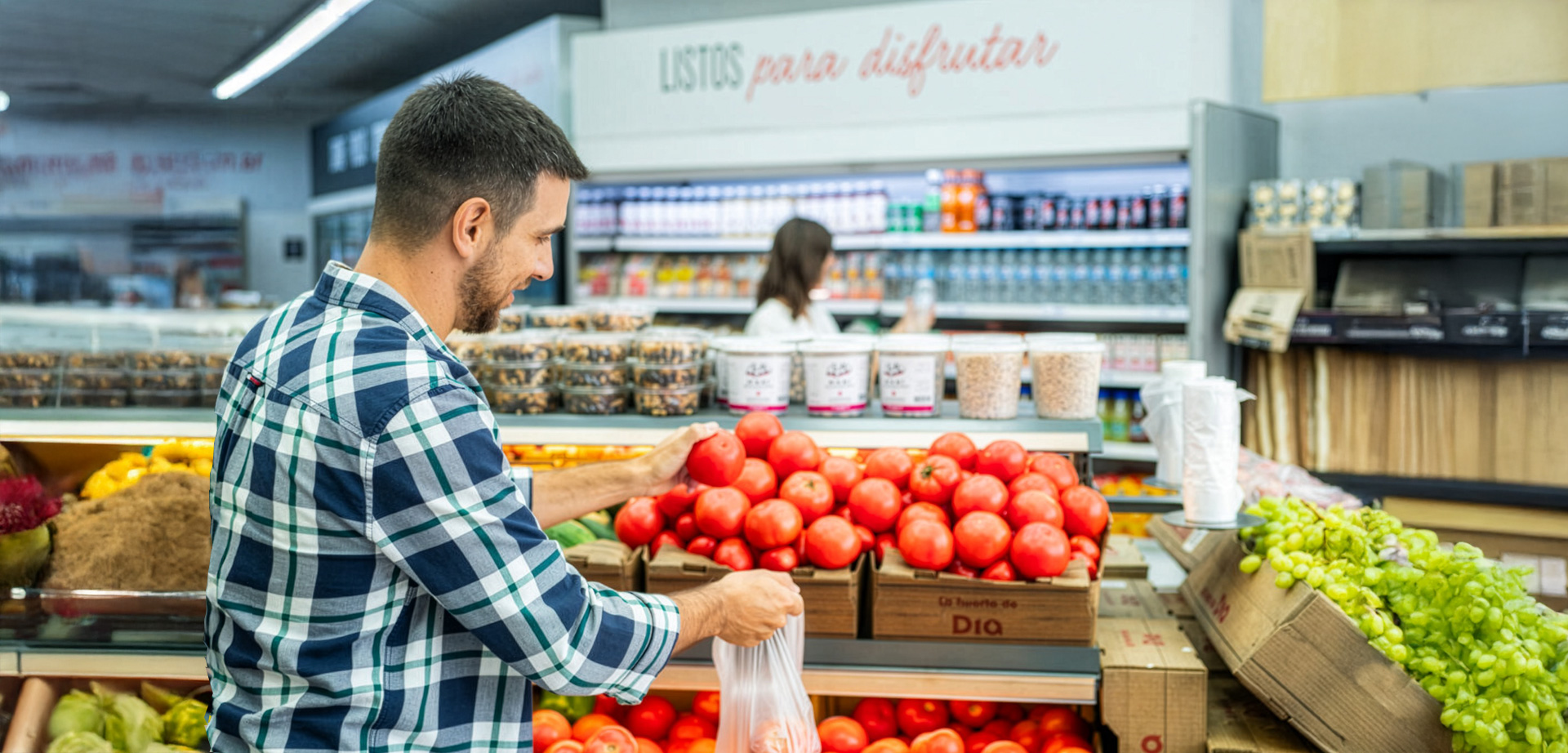
- A neighbourhood supermarket could place greater emphasis on fresh food and locally relevant products.
- A larger destination store might combine grocery shopping with hospitality, discovery and experience.
Instead of every store following the same formula, each location can become more responsive to its market. AI is moving supermarkets from standardised formats to right-sized, locally optimised stores.
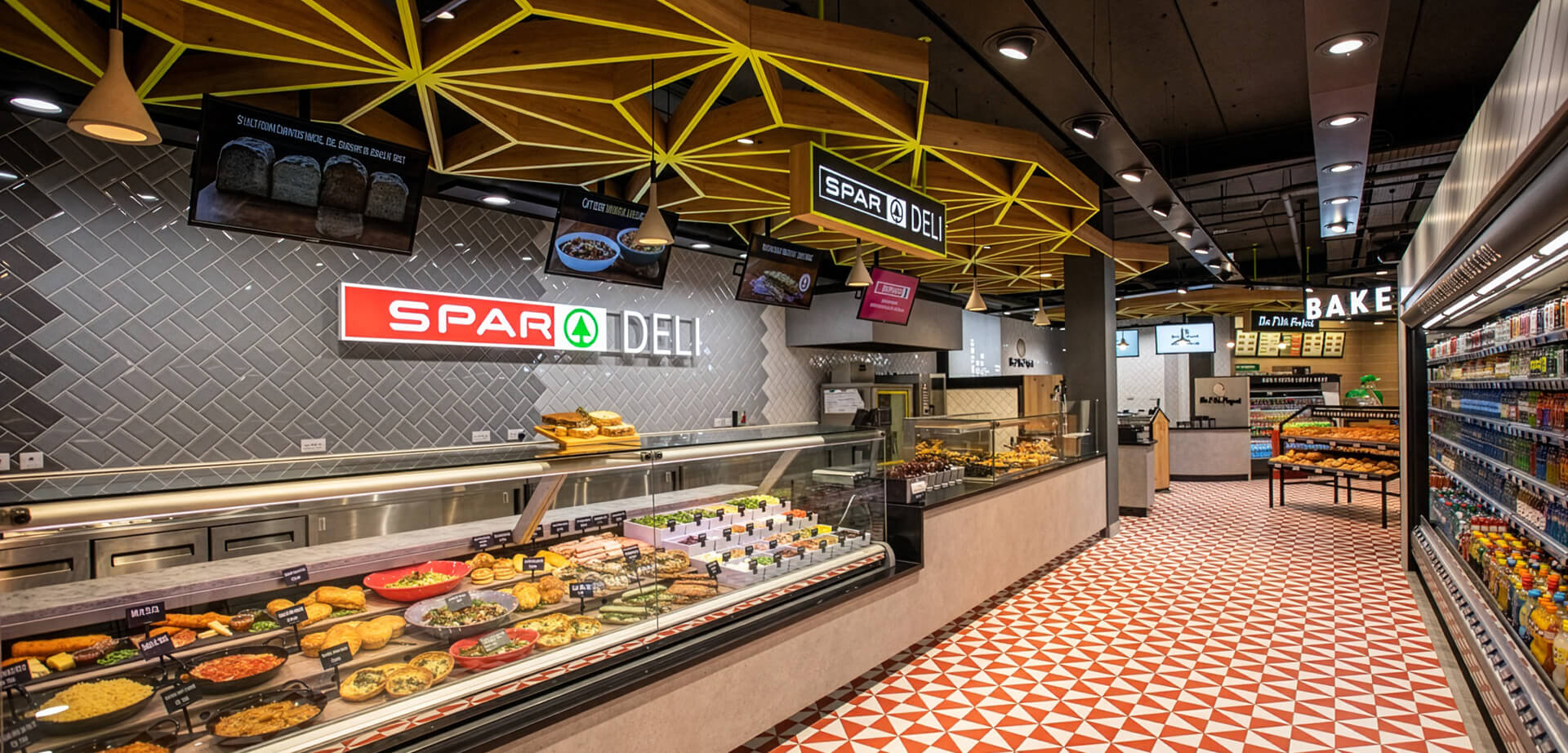
Why Supermarkets Are Becoming Smaller and More Local.
The future of grocery retail isn't necessarily about building bigger supermarkets.
It is about creating better-performing stores.
Consumers increasingly combine large weekly shops with smaller, more frequent shopping missions. Convenience, food-to-go, fresh food and immediate consumption are becoming increasingly important parts of the grocery proposition.
At the same time, AI enables retailers to understand local demand with greater precision.
The result is a new strategic equation: Location → shopper behaviour → product range → store format → store design → commercial performance
This is where AI moves beyond technology to intelligence that shapes the physical retail environment itself.
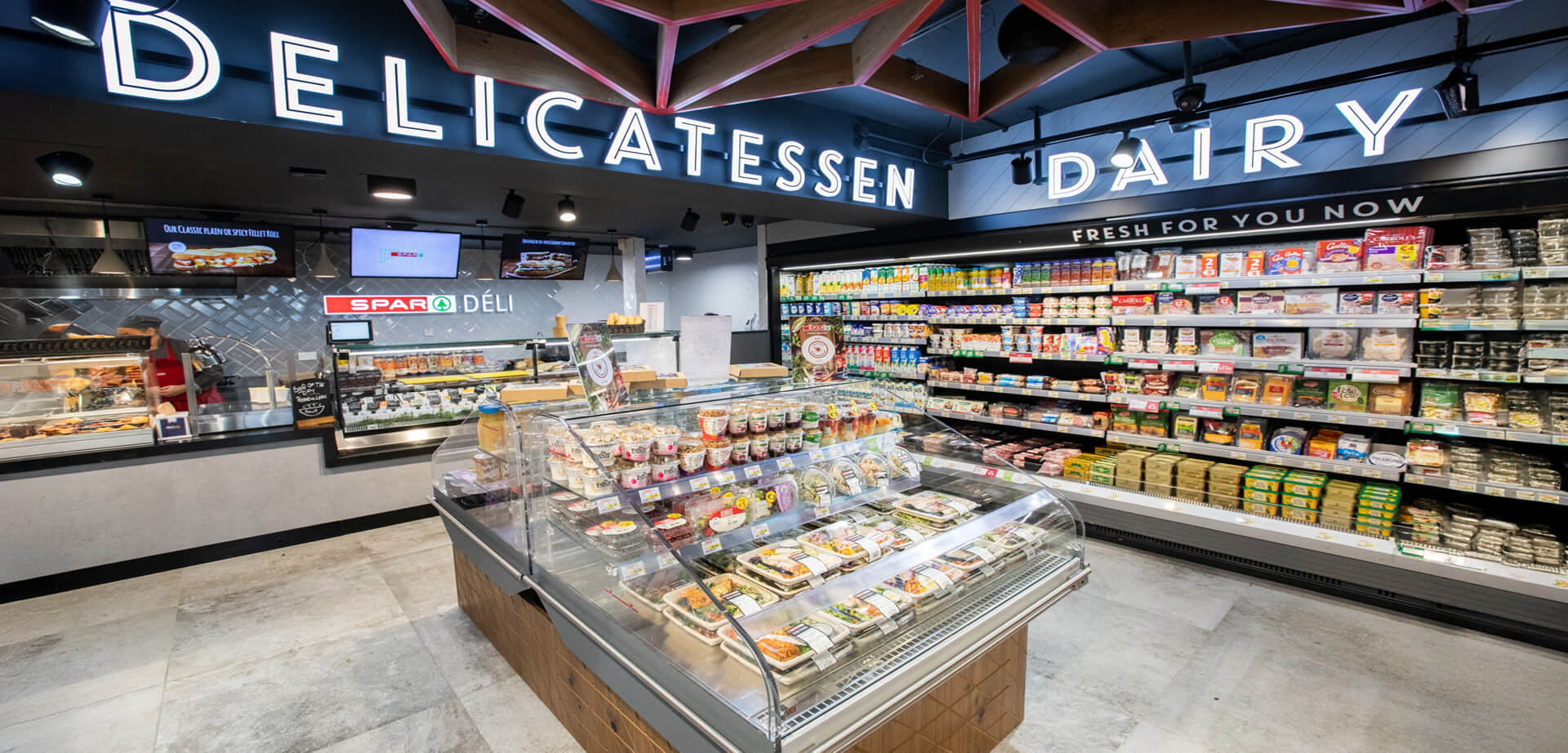
From Standardised Stores to Hyper-Local Formats.
For decades, supermarket chains have depended on repeatable formats because standardisation provided operational efficiency.
AI makes a different model increasingly possible. Retailers can analyse each location and identify differences in customer behaviour, product demand, trading patterns and shopping missions.
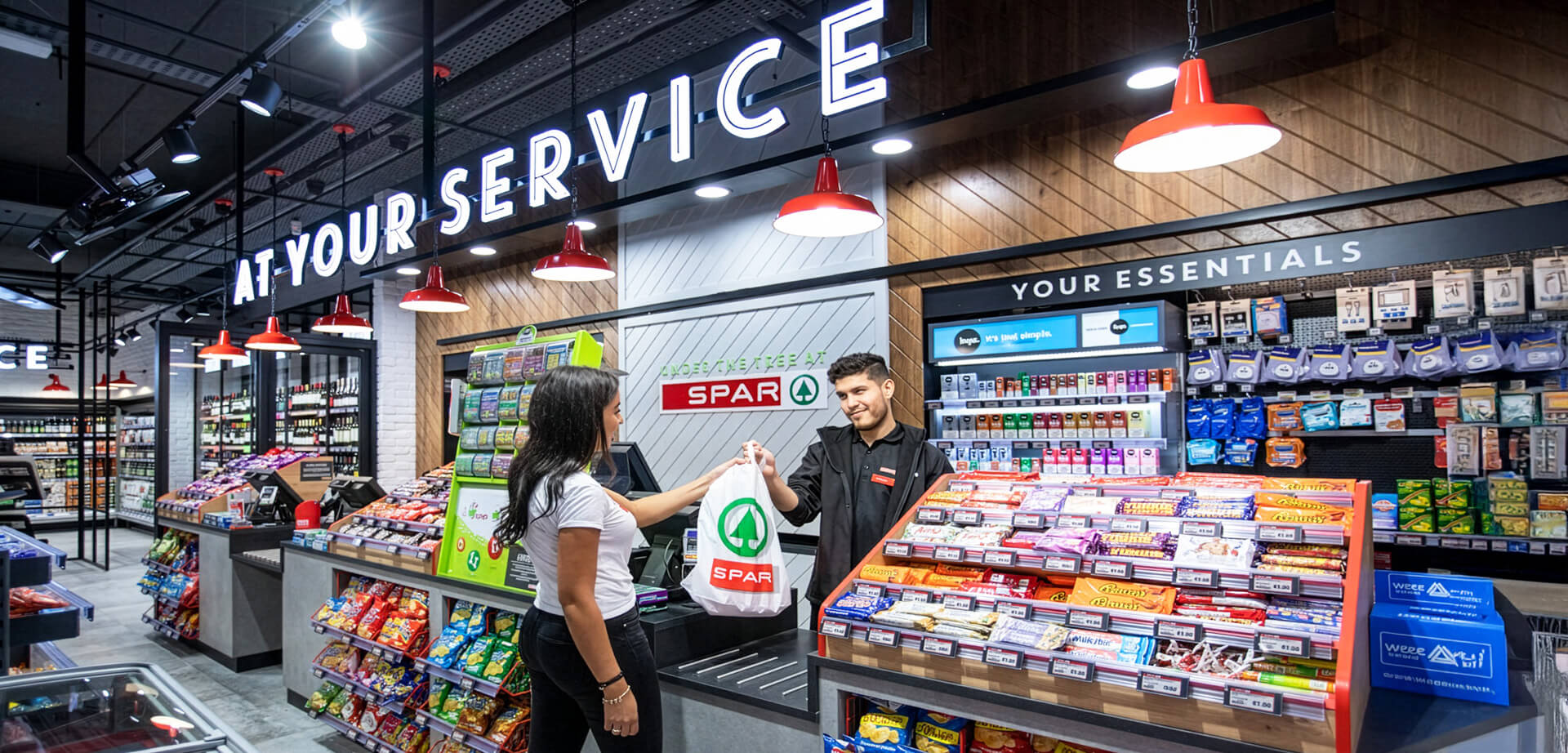
The Rise of Experience-Led Grocery Stores.
This could mean:
- Smaller urban supermarkets focused on convenience
- Neighbourhood stores with stronger local ranges
- Fresh-food-led formats
- Food-to-go and hospitality environments
- Destination stores focused on discovery and experience
- Compact stores optimised for specific customer segments
The objective is not simply to reduce store size. It is to increase the productivity and relevance of every square metre.
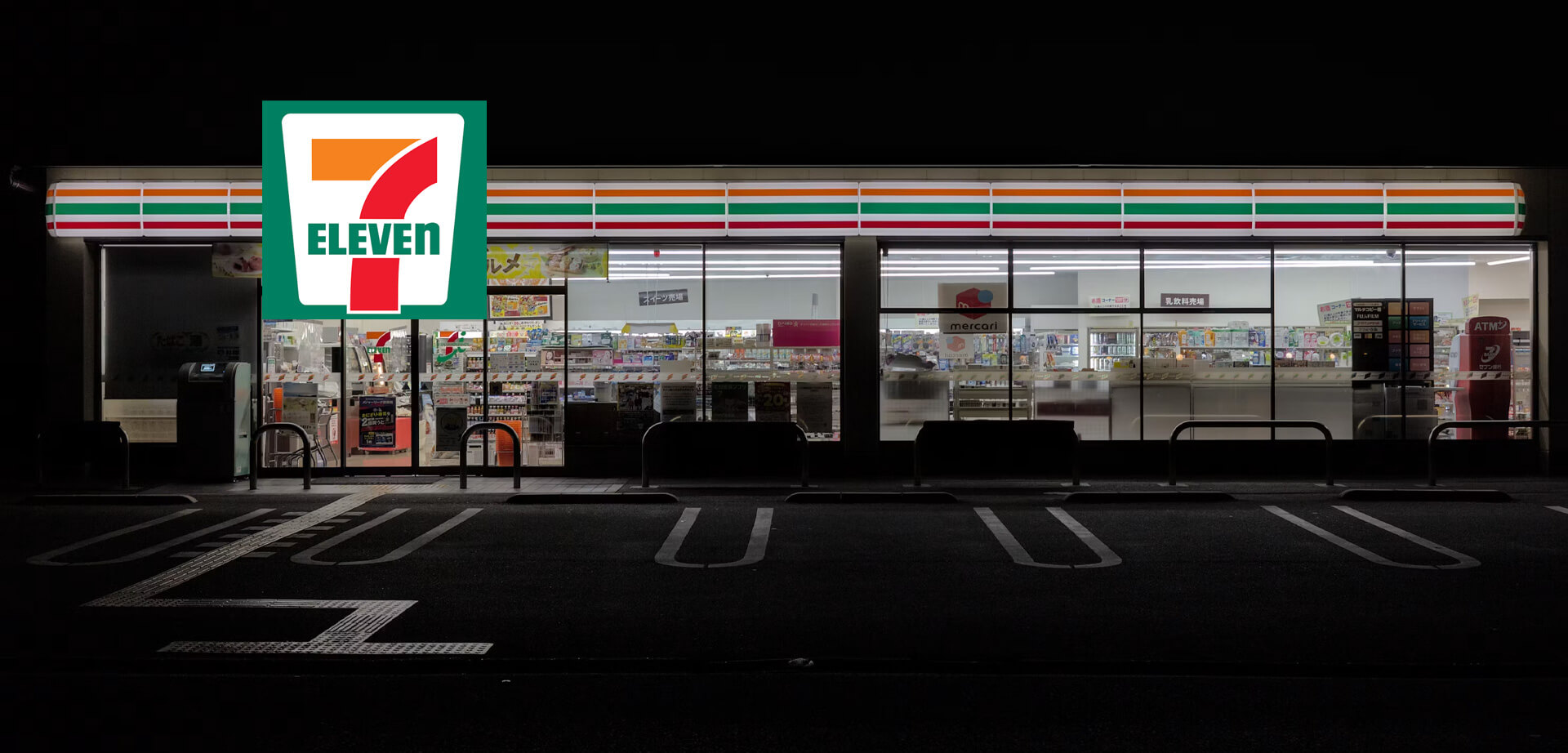
AI determining the store design.
AI is also changing the way supermarket environments are designed.
AI analyses:ocal demand, Purchasing behaviour, Footfall, Customer missions, Time of day, Product demand and Loyalty data
AI helps determine: Store size, Format, Range, SKU depth, Fresh-food allocation, Food-to-go, Services and Fulfilment requirements
The data informs: Layout, Navigation, Merchandising, Digital signage, Customer journey and Space allocation
Performance is measured through: Sales/sq m, Basket size, Availability, Waste, Loyalty, Conversion and ROIC
To illustrate these changes.
Morrisons launched Instacart's AI-powered Caper smart trolleys in Preston in July 2026 and H-E-B is cited by KPMG as an example of hyper-local intelligent retail, integrating predictive stocking, dynamic pricing, personalisation and logistics.
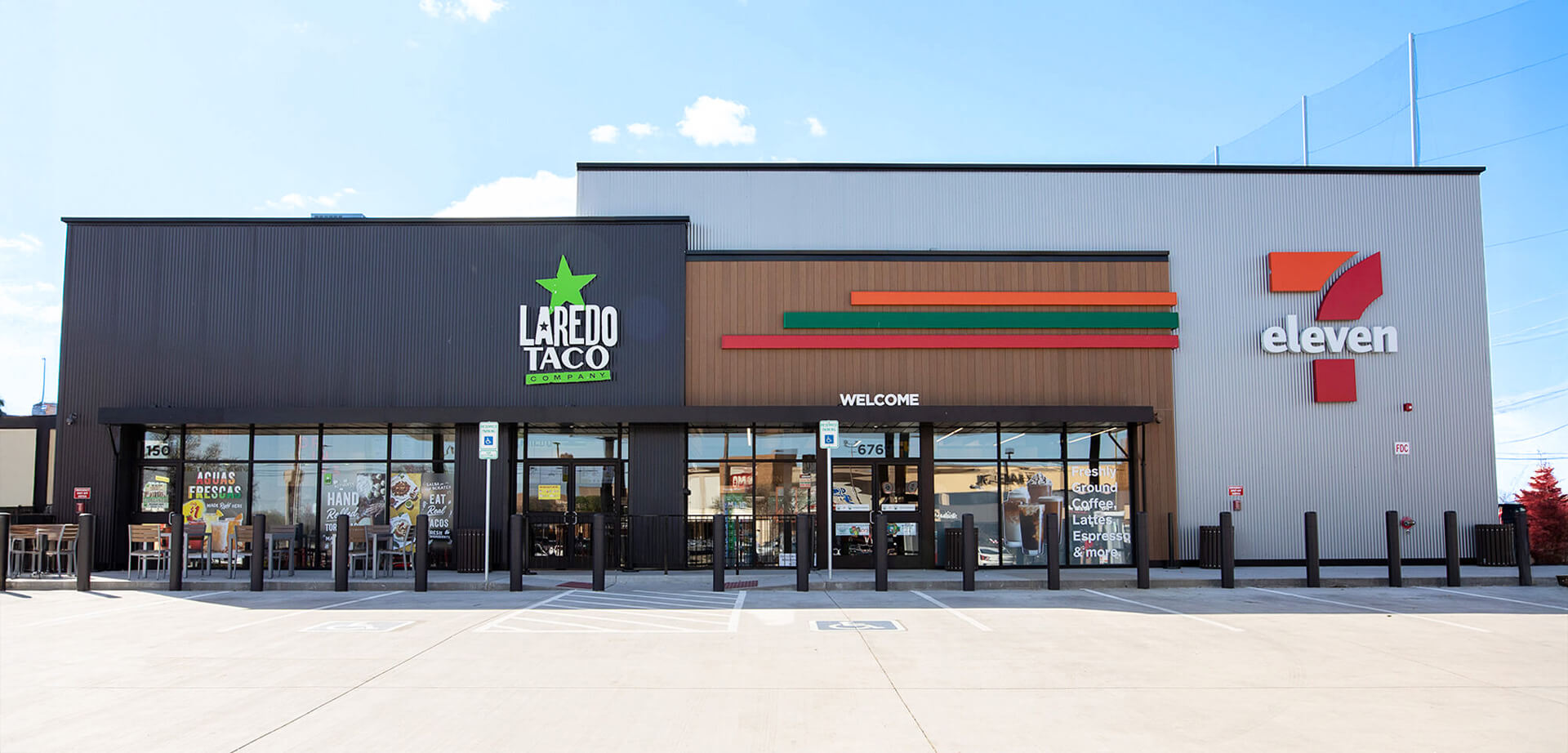
Predictive Analytics and Intelligent Operations.
One of AI's most important roles is behind the scenes.
Grocery retailers generate enormous quantities of data through transactions, loyalty programmes, inventory systems, ecommerce and store operations. AI can turn that data into predictive decisions.
Demand forecasting can help retailers anticipate changing purchasing patterns. Inventory intelligence can support availability and replenishment. Shopper analytics can identify emerging trends. Operational systems can help retailers allocate resources more effectively.
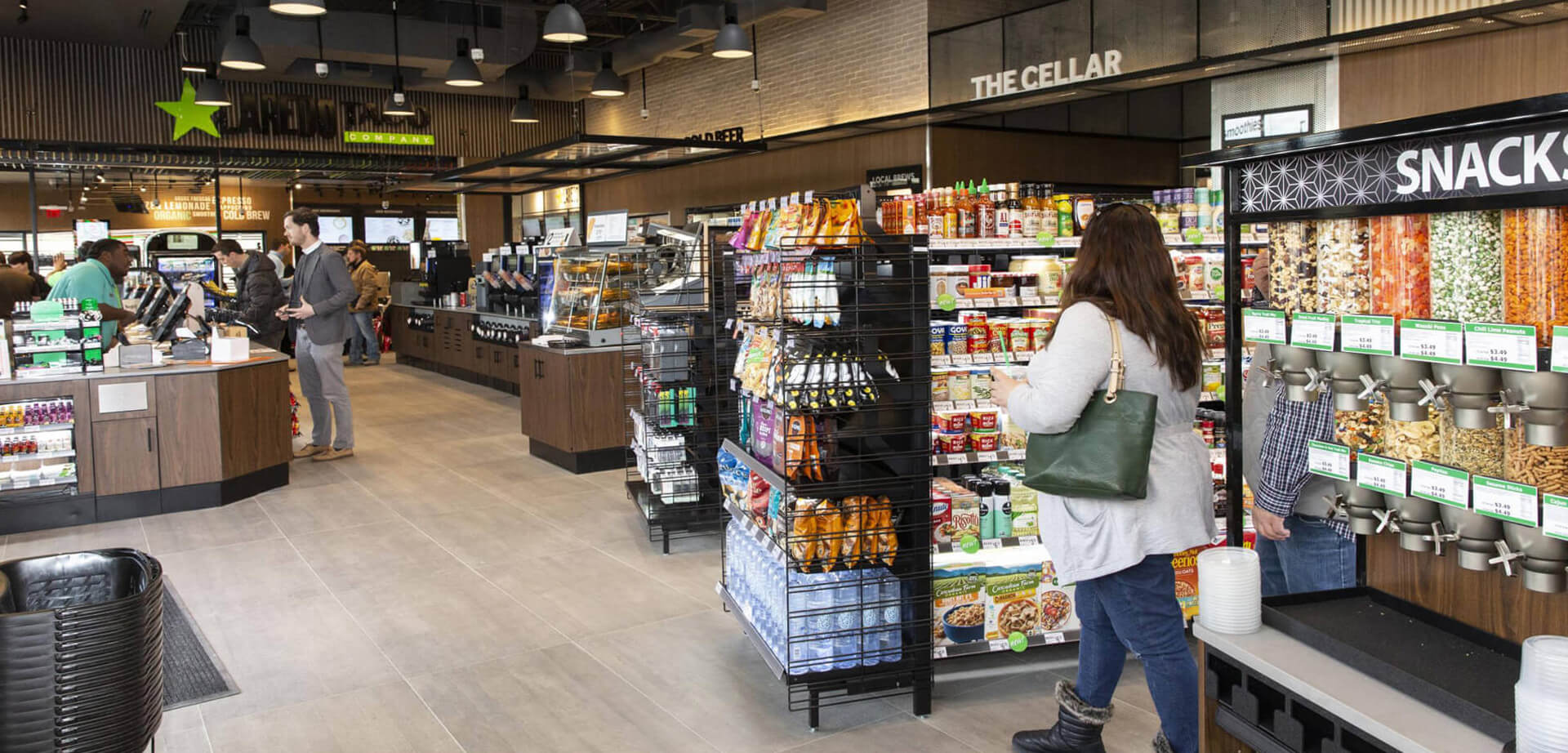
The commercial objective is clear:
Less waste, better availability, more efficient operations and stronger customer experiences
European grocery retailers are increasingly identifying AI and automation as strategic priorities, although measurable financial impact remains at an early stage for many organisations. That makes the integration of AI with store strategy particularly important.
Technology investment needs to be connected to measurable trading outcomes rather than implemented simply because it is technologically possible.
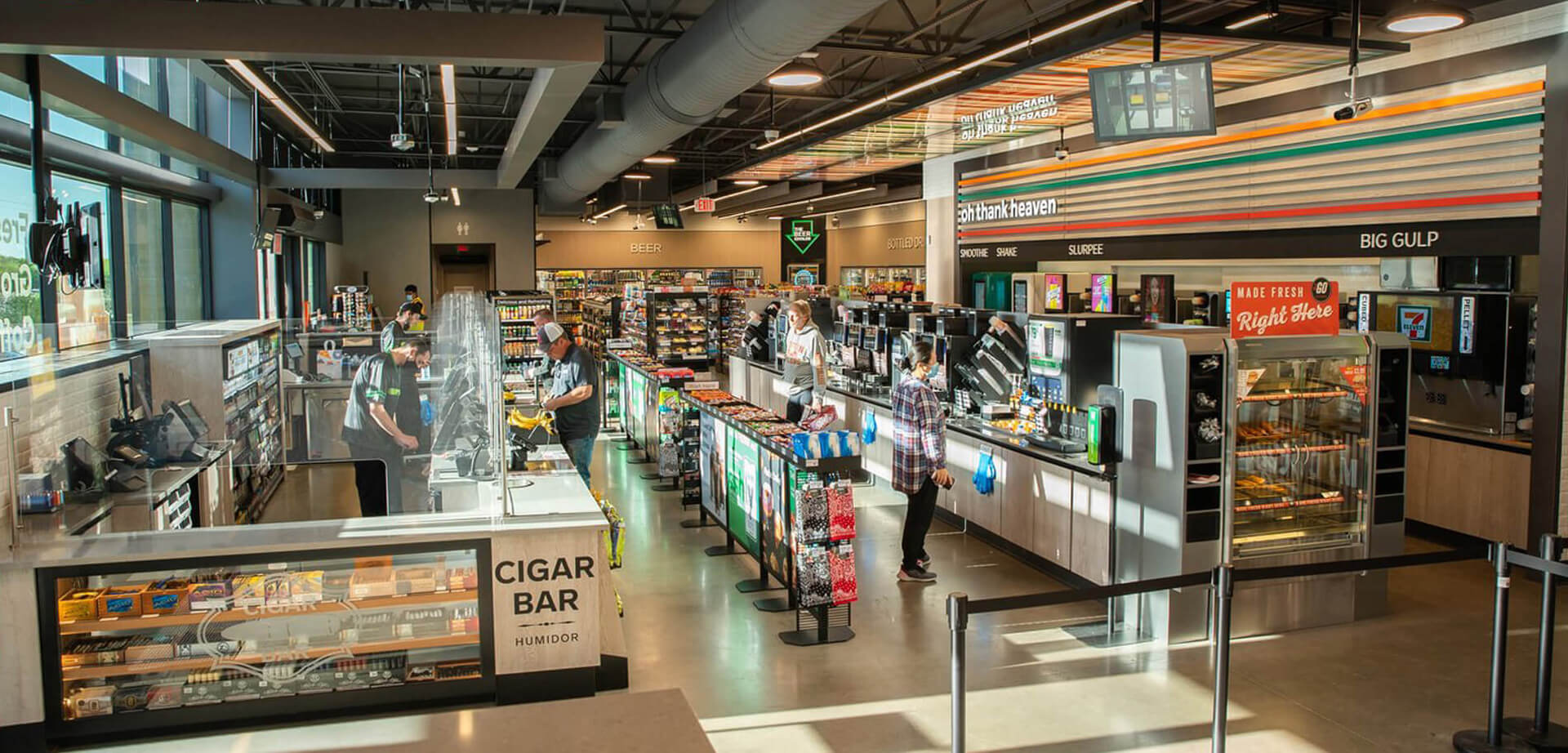
The Rise of Experience-Led Grocery Stores.
As AI automates more routine aspects of shopping, the physical supermarket has an opportunity to become more valuable, not less.
If customers can use AI to plan a shop, find products, compare options or build a basket, the physical store needs to offer something beyond basic transaction.
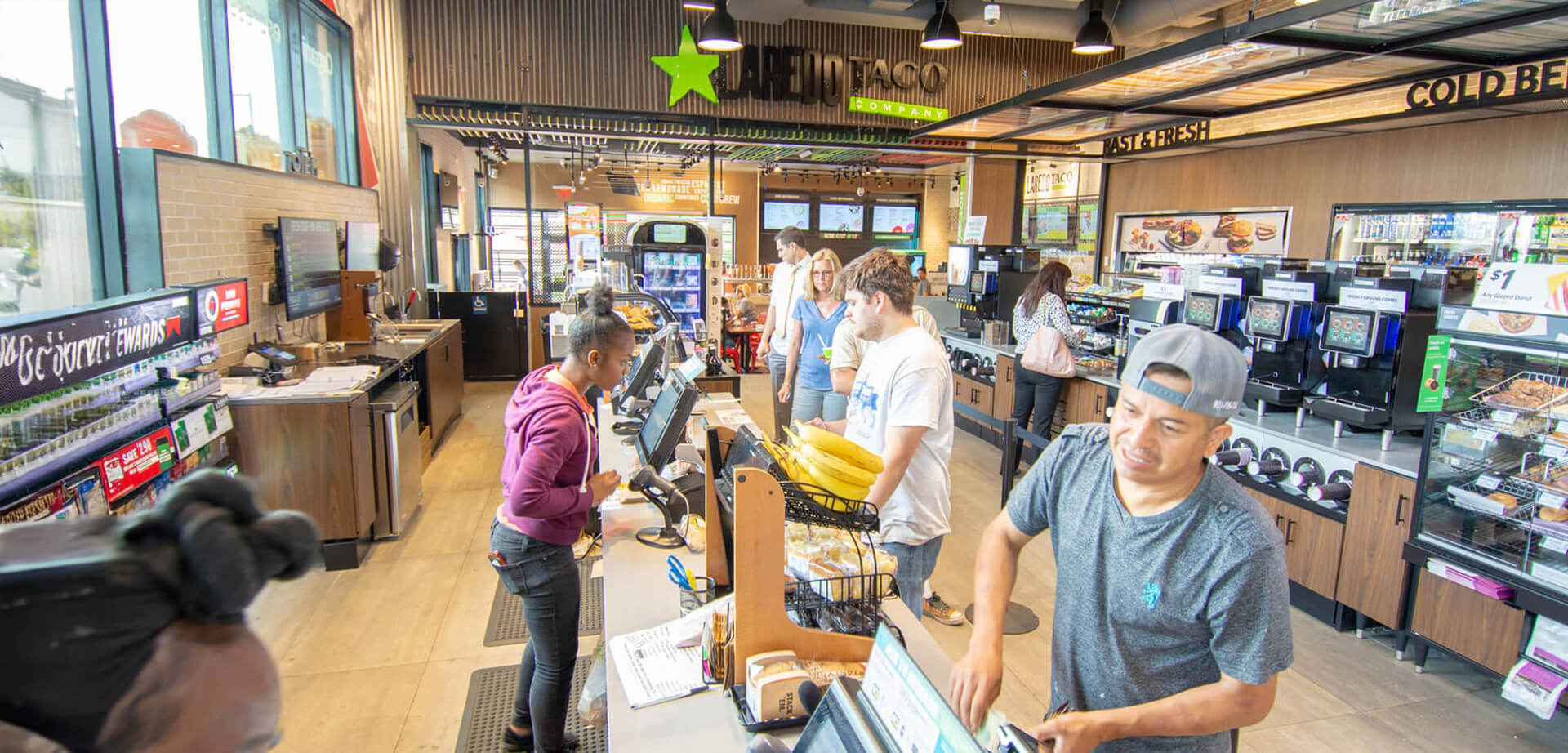
That could include:
- Fresh-food experiences
- Foodservice and hospitality
- Product discovery
- Local and specialist ranges
- Demonstration areas
- Community-oriented spaces
- Personalised customer services
- More intuitive navigation
The store becomes a physical experience within a wider digital ecosystem. This is particularly important as AI and agentic commerce increasingly influence how consumers discover, evaluate and purchase products.
The strategic shift can therefore be summarised simply:
From bigger stores to better stores
From standardised formats to hyper-local formats
From technology as an add-on to intelligence embedded throughout the customer journey
From measuring sales alone to optimising performance per square metre
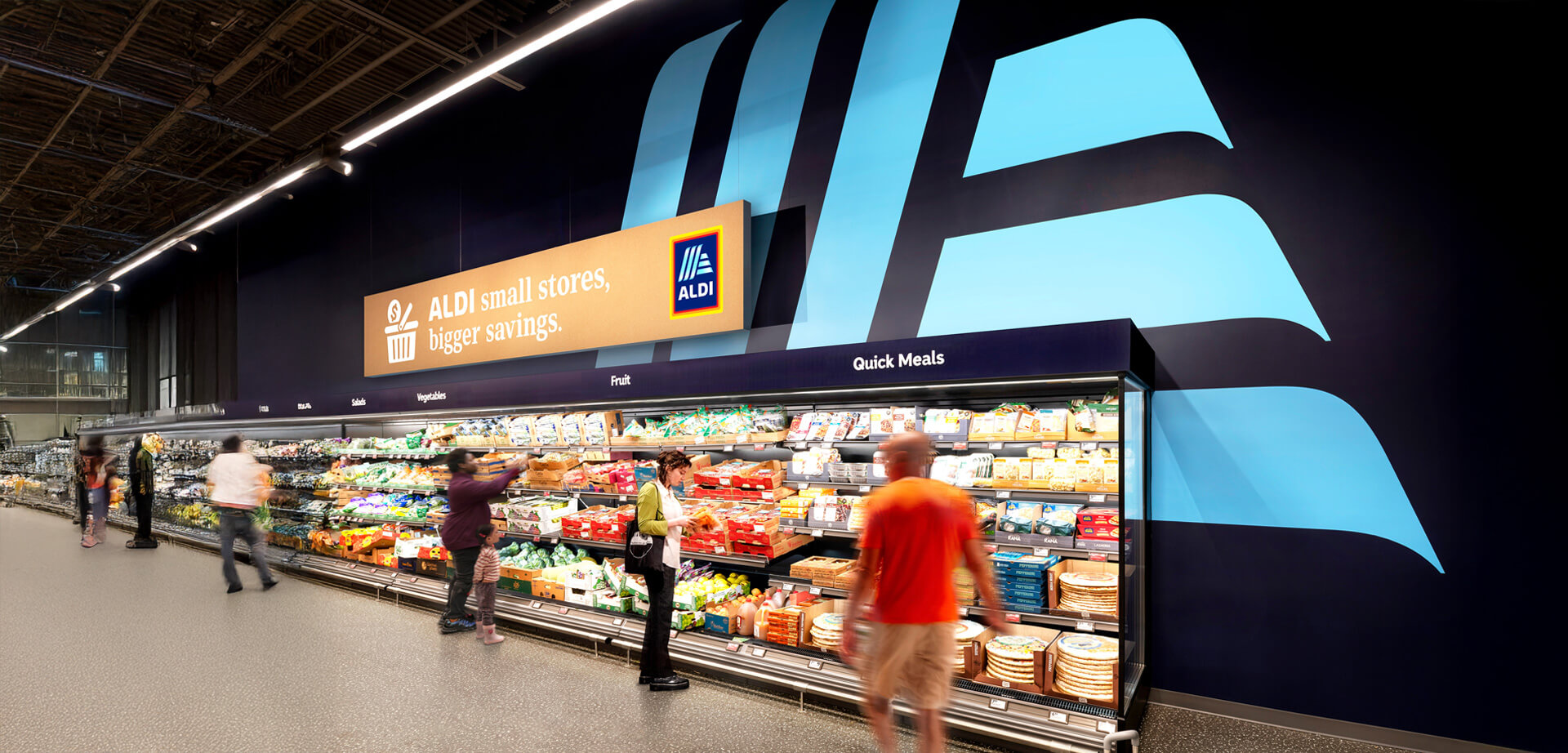
The future supermarket may therefore be smaller, but significantly more intelligent.
AI can help retailers understand who their customers are, what they want, where they shop, when they shop and what they expect from the store. Store design then turns those insights into a physical experience.
What AI Means for Supermarket Branding and Design.
This creates a new role for supermarket branding and design.
Brand strategy, format planning, architecture, interiors, visual merchandising, customer experience and digital technology can no longer be developed independently.
They need to work as one system.
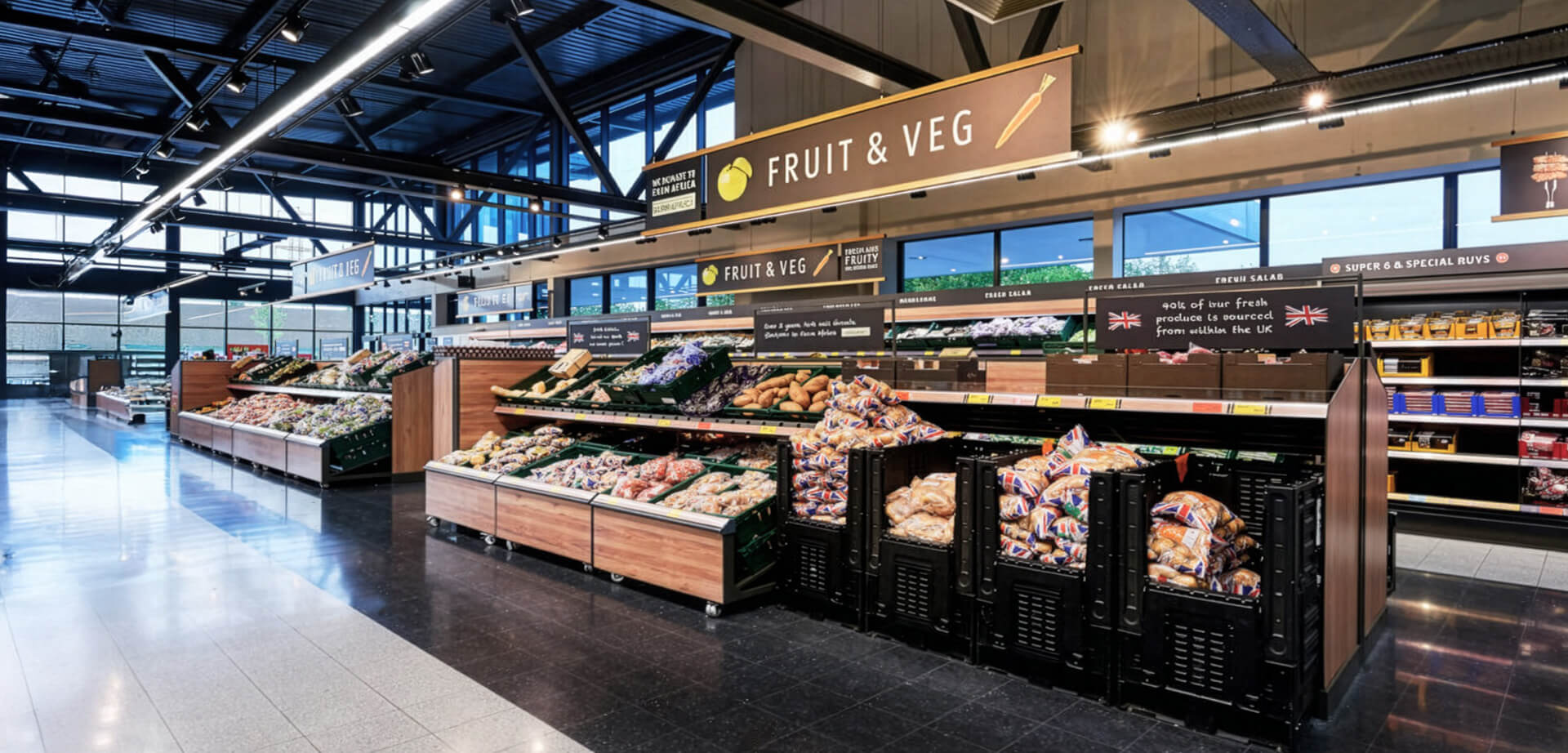
For CampbellRigg, this is where supermarket strategy and design intersect with AI.
Our approach combines supermarket branding, shopper insight, format planning, architecture, interior design, visual merchandising and digital experience to translate customer and commercial data into physical environments.
Frequently Asked Questions.
What is AI in grocery retail?
AI in grocery retail refers to the use of artificial intelligence, predictive analytics and shopper data to improve everything from product demand and inventory to store formats, customer experiences and operational performance.
How is AI changing supermarket store design?
AI is helping retailers use shopper behaviour, local demand and trading data to create store formats that are more relevant to specific locations. This can lead to smaller, more flexible and more personalised supermarkets designed around local shopping missions.
Will AI replace physical supermarkets?
AI is more likely to transform the role of physical supermarkets than replace them. As technology automates more routine activities, stores can place greater emphasis on fresh food, discovery, convenience, hospitality, service and experiences that create value beyond digital shopping.
What will the future supermarket look like?
Future supermarkets are likely to become more flexible, intelligent and locally relevant. Formats may range from compact urban convenience stores to fresh-food-led neighbourhood supermarkets and larger experience-focused destinations, with technology integrated throughout the customer journey.
Why is predictive analytics important for grocery retailers?
Predictive analytics can help retailers anticipate demand, improve product availability, reduce waste and understand changing shopper behaviour. These insights can also inform range planning, store layouts, format strategy and investment decisions.
How should supermarkets redesign their stores for an AI-driven future?
Retailers should begin with shopper behaviour and commercial objectives rather than technology alone. Store design should translate data and customer insights into the right format, product range, navigation, experience, services and digital-physical touchpoints for each location.
The Future of Grocery Retail Is Intelligent and Local.
AI is changing how consumers shop, how retailers operate and how supermarkets are designed.
The response should not be to make the physical supermarket less important. It should be to make every store more relevant, efficient and valuable to its customers.
The future belongs to grocery retailers that connect AI, shopper data, digital platforms, physical environments, brand experience and human service into one intelligent retail ecosystem.
How CampbellRigg Helps Supermarkets Transform.
CampbellRigg integrates supermarket brand strategy, shopper insight, format planning, architecture, interior design, visual merchandising, digital innovation and omnichannel experience to create future-ready grocery environments.
Our expertise includes supermarket branding, store strategy, format planning, customer journey design, retail interiors, digital-physical touchpoint integration, visual merchandising and performance-led retail design.
The objective is to make brand, technology, shopper behaviour and physical space work together to create more relevant and commercially effective stores.
Stronger CampbellRigg conversion path: AI → better demand intelligence → better space allocation → lower wasted space → better availability → better productivity per square metre → higher ROIC
- Improve store productivity and returns per square metre
- Strengthen customer engagement and loyalty
- Create more relevant local store formats
- Improve operational efficiency
- Modernise supermarket experiences
- Support long-term retail growth
The objective is not simply to design a more attractive supermarket.
It is to create a retail format that is more relevant to its location, more responsive to its customers and more commercially productive.
The Intelligent Supermarket Ecosystem
The supermarket of the future will increasingly adapt to its customers rather than expecting customers to adapt to a standardised store.
AI analyses the location.
Shopper data reveals behaviour.
Predictive analytics identifies demand.
The retailer determines the appropriate range and format.
Store design translates those insights into the physical environment.
Performance data then feeds back into the system.
This creates a continuous cycle of insight, design, trading and optimisation.
The competitive advantage will therefore not come from AI alone. It will come from integrating AI, data, supermarket branding, format strategy and store design into a single commercial proposition. The future supermarket is not necessarily bigger.
It is smaller, smarter, more local and designed around the customer.