News and Views
Telecom Retail Transformation: How Branding, Store Design and CX Are Changing the Industry




Telecom Retail Transformation: How Branding, Store Design and CX Are Changing the Industry
Telecom retail transformation is moving beyond network performance, handset sales and tariff-led propositions. In 2026–2028, telecom brands are redesigning retail around customer experience, connected technology, brand differentiation and seamless physical-digital journeys. Telecom retail branding, store design, customer journey planning, merchandising and phygital experience increasingly need to work together as one commercial ecosystem.
For telecom operators, the challenge is no longer simply how to sell smartphones and connectivity. It is how to create retail environments that increase engagement, strengthen brand preference, improve conversion and demonstrate the wider value of connected technology. As connectivity becomes increasingly commoditised, the physical store must give customers compelling reasons to visit, explore, interact and return.
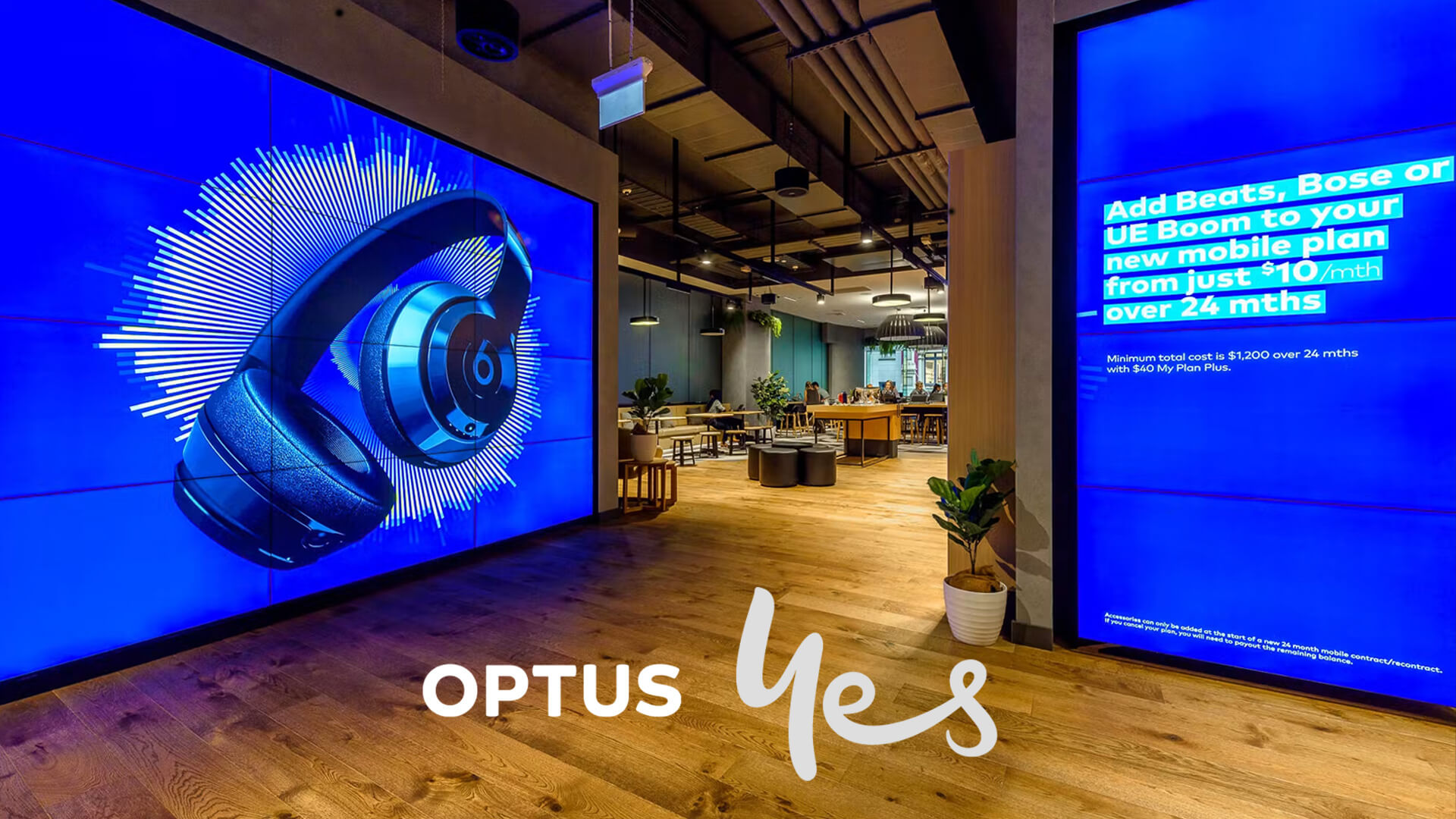
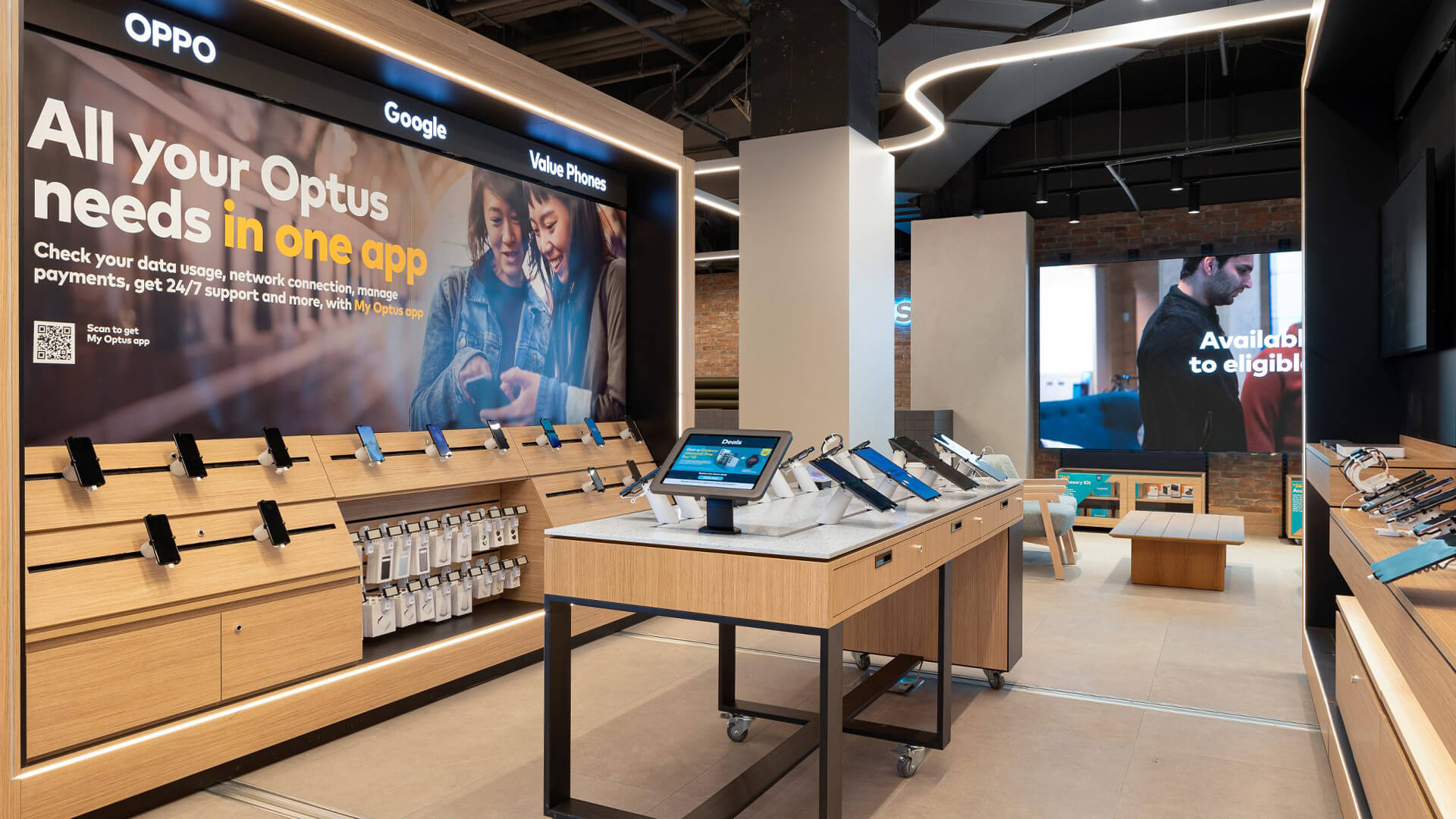
CampbellRigg benchmarks best-in-class brands to transform technology retail into dynamic. The benchmark projects in this article are attributed to: Optus/Yes (Re), & Vinaphone (Saatchi & Saatchi Vietnam).
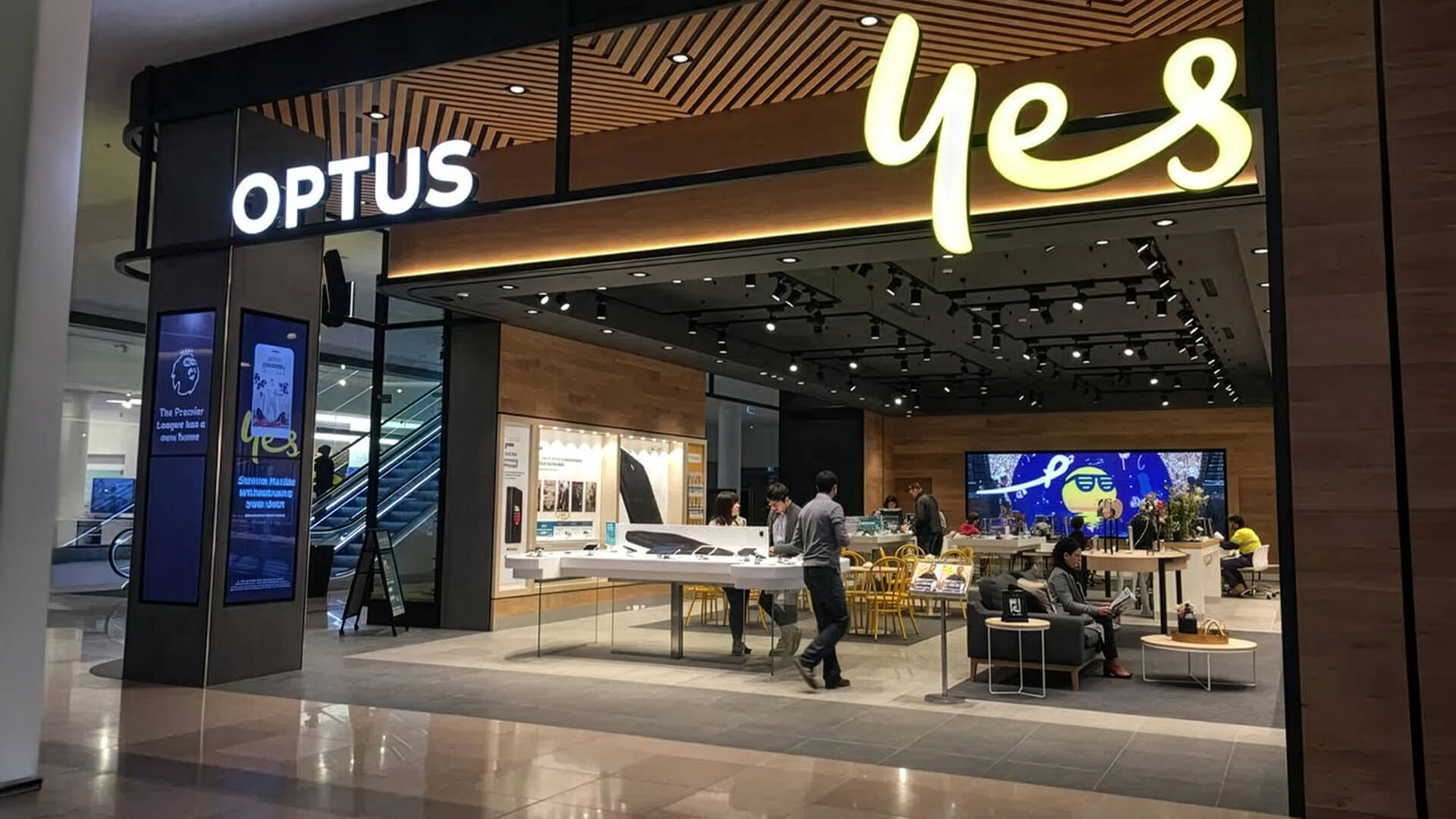
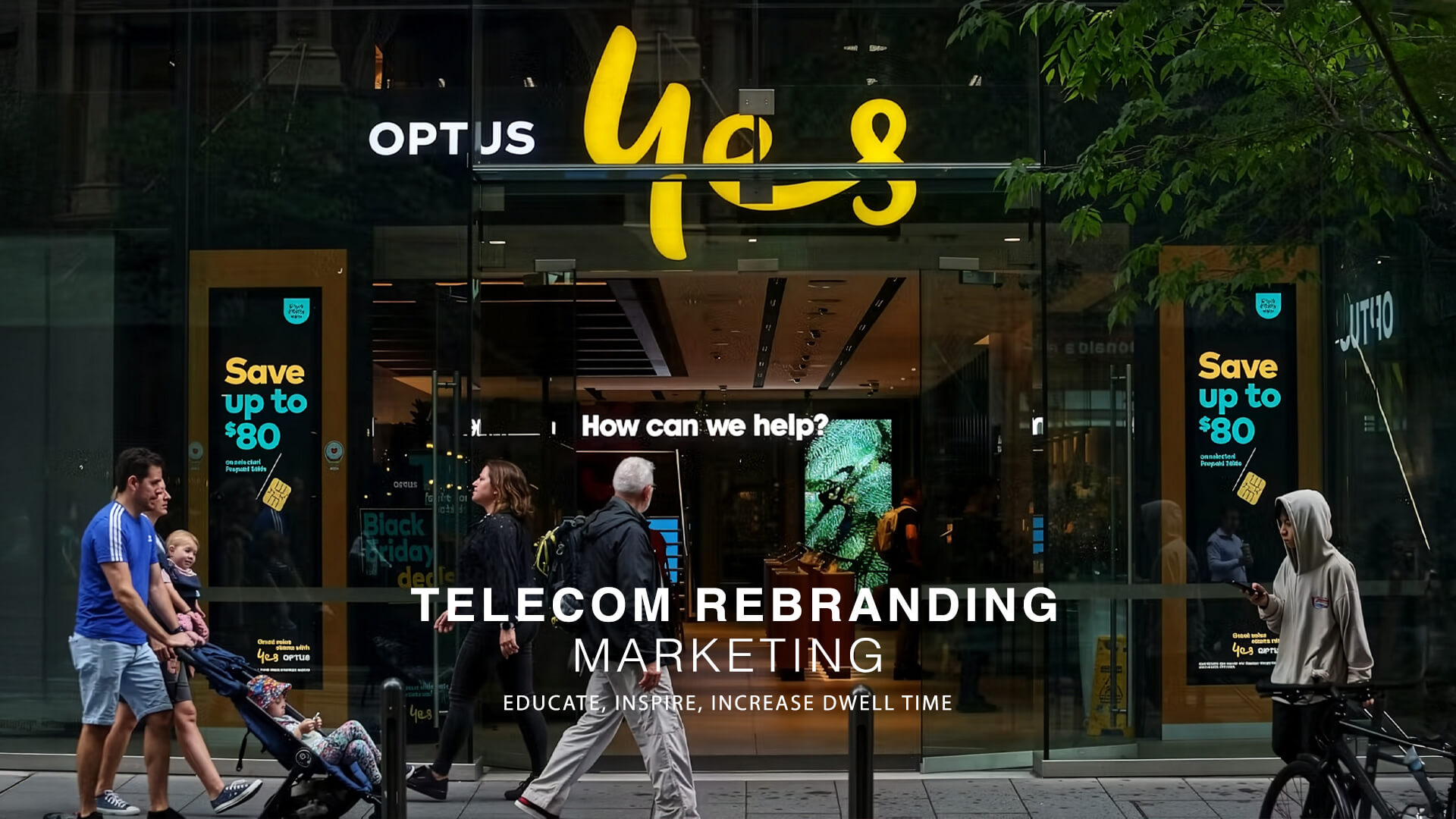
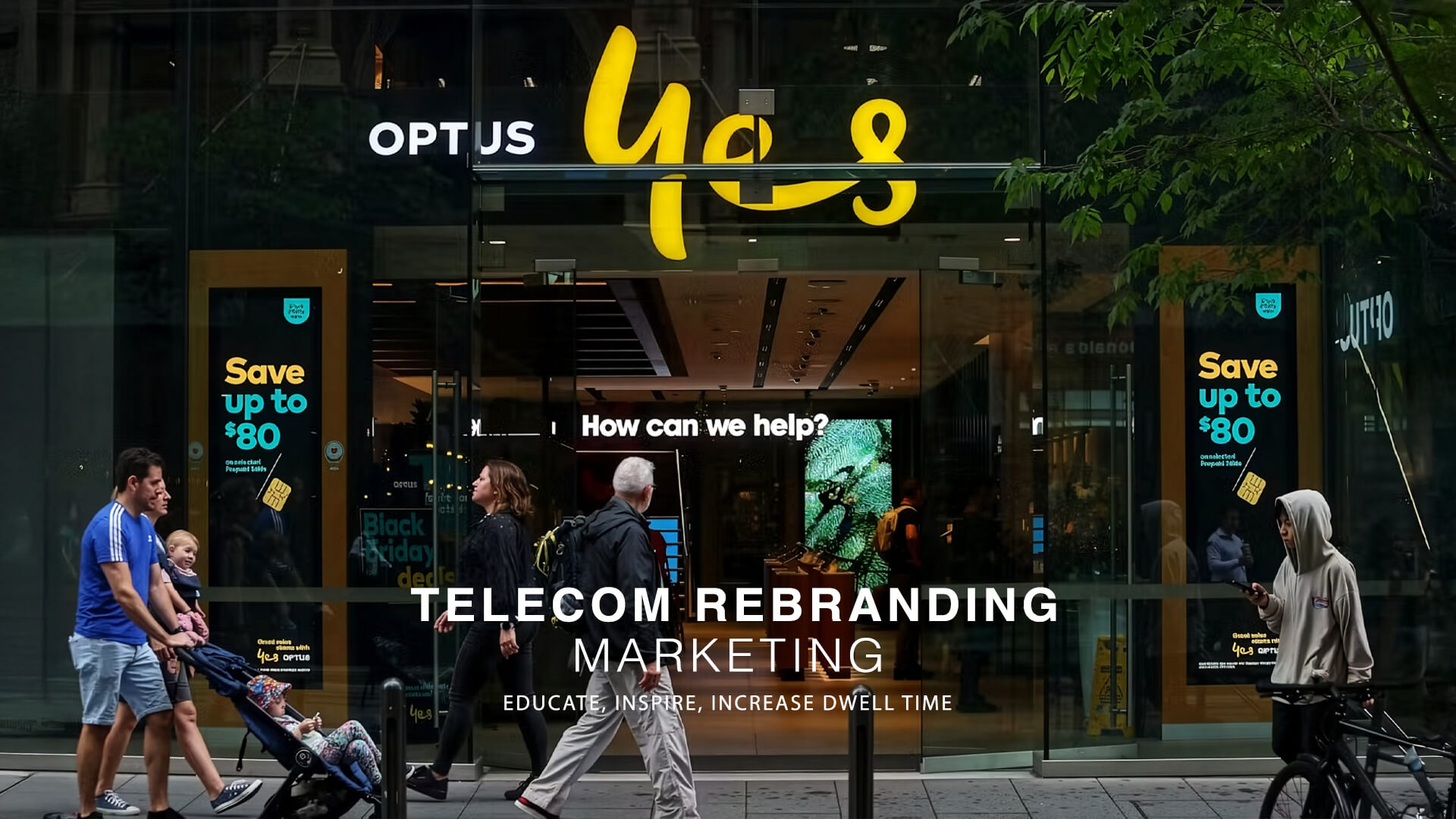
The YES! rebranding of Optus, the Australian telecom provider, provides a valuable strategic model for telecom operators facing increasing commoditisation, customer churn, and competitive pressure.
"Why flagship stores must become lifestyle destinations - Footfall drivers"
Operators, device manufacturers, and technology retailers are navigating profound shifts in consumer behaviour, artificial intelligence, omnichannel expectations, sustainability demands, and the increasing commoditisation of connectivity itself.
What Is Telecom Retail Transformation?
Telecom retail transformation is the strategic evolution of telecom stores, customer journeys and brand experiences in response to changing consumer behaviour, technology and competitive pressures.
It encompasses far more than refurbishing a store. Effective telecom retail transformation brings together telecom retail strategy, brand positioning, architecture, interior design, merchandising, customer experience, digital integration and communications.
The objective is to move from a transactional environment focused primarily on devices, tariffs and service queries towards an experience-led destination where customers can discover connected products, understand their benefits and engage with the wider brand ecosystem.
The transformation can be understood as a shift from:
Product-led → Experience-led
Transactional → Relationship-led
Physical-only → Phygital
Store-centric → Omnichannel
Device-focused → Connected-lifestyle focused
This makes the store a physical expression of the brand and an important component of the wider customer journey.
Why Telecom Brands Must Move Beyond Product and Price
For decades, telecom operators competed through network coverage, handset portfolios, pricing, tariffs and service plans. These remain important, but they are increasingly difficult to use as distinctive brand assets.
Customers can compare smartphones, tariffs, connectivity offers and service plans online within seconds. They can research specifications, read reviews and evaluate competing propositions before entering a store. The information advantage that once belonged to the retailer has therefore diminished.
The physical environment must provide something digital channels cannot easily replicate.
Telecom stores need to create confidence, enable product discovery, demonstrate technology in context and provide expert advice. The objective is to help customers understand not simply what a product does, but how connectivity and technology can improve their everyday lives.
This changes the commercial role of the store. Rather than competing with digital commerce, physical retail should complement it by providing experience, reassurance, expertise and human connection.
How Telecom Retail Branding Builds Differentiation
Telecom retail branding connects brand strategy with every physical and digital customer touchpoint. A strong telecom brand should be recognisable across the website, mobile app, social channels, store environment, signage, merchandising, packaging and employee interactions.
This requires a coherent design system in which visual identity, tone of voice, architecture, interiors, customer journey and digital interfaces reinforce the same brand proposition.
Telecom retail branding is therefore much more than applying a logo to a store. It should translate the brand's positioning into a physical experience that customers can see, navigate and remember.

The commercial opportunity is significant. A distinctive retail brand can support customer acquisition, loyalty, differentiation and brand preference while helping an operator compete beyond price and network specifications.
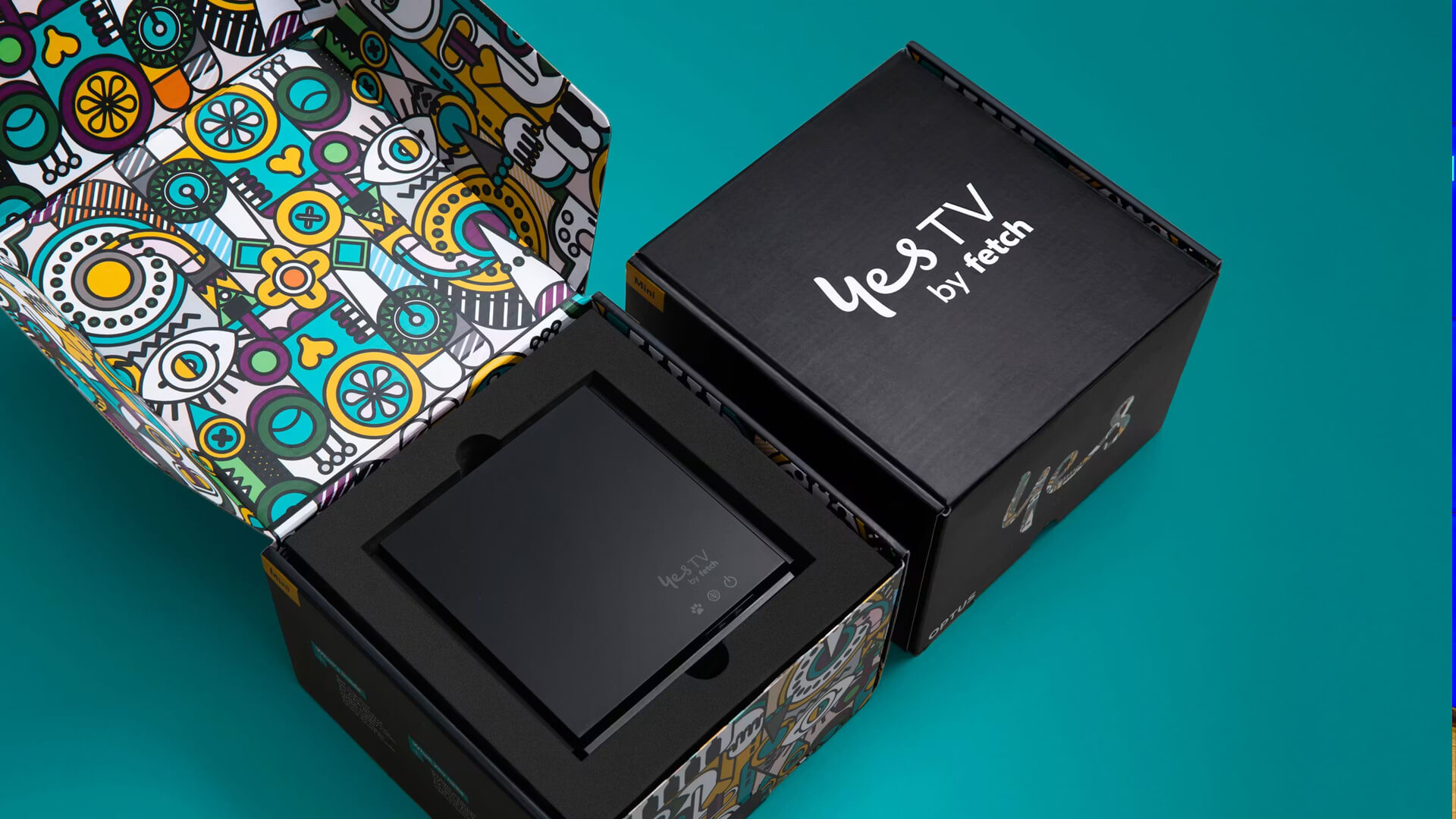
The rebranding of Optus around YES! provides an example of how a telecom proposition can move beyond conventional category conventions and place greater emphasis on emotional relevance and customer engagement. The wider lesson is that retail should be considered from the beginning of the brand development process rather than treated as a final implementation stage.

How Telecom Store Design Is Changing
Telecom store design is evolving from product display towards experience-led environments. Traditional layouts often prioritised rows of handsets, promotional communications and service counters. Future-focused stores need to organise space around customer needs, behaviours and technology ecosystems.
This can include dedicated areas for smartphone discovery, connected homes, entertainment, wearables, product demonstrations, expert consultation, customer service and digital self-service.
Experience zones make complex propositions easier to understand. Instead of viewing a smartphone, broadband package, smartwatch or entertainment service as separate products, customers can see how they work together.
Flexibility is also becoming increasingly important. Technology changes rapidly, so fixtures, displays, communications and digital systems need to accommodate new products and services without requiring complete store redesigns.
For flagship locations, the opportunity is greater still. A flagship telecom store can become a destination that communicates the brand's vision, showcases connected lifestyles and provides experiences that ecommerce cannot reproduce.
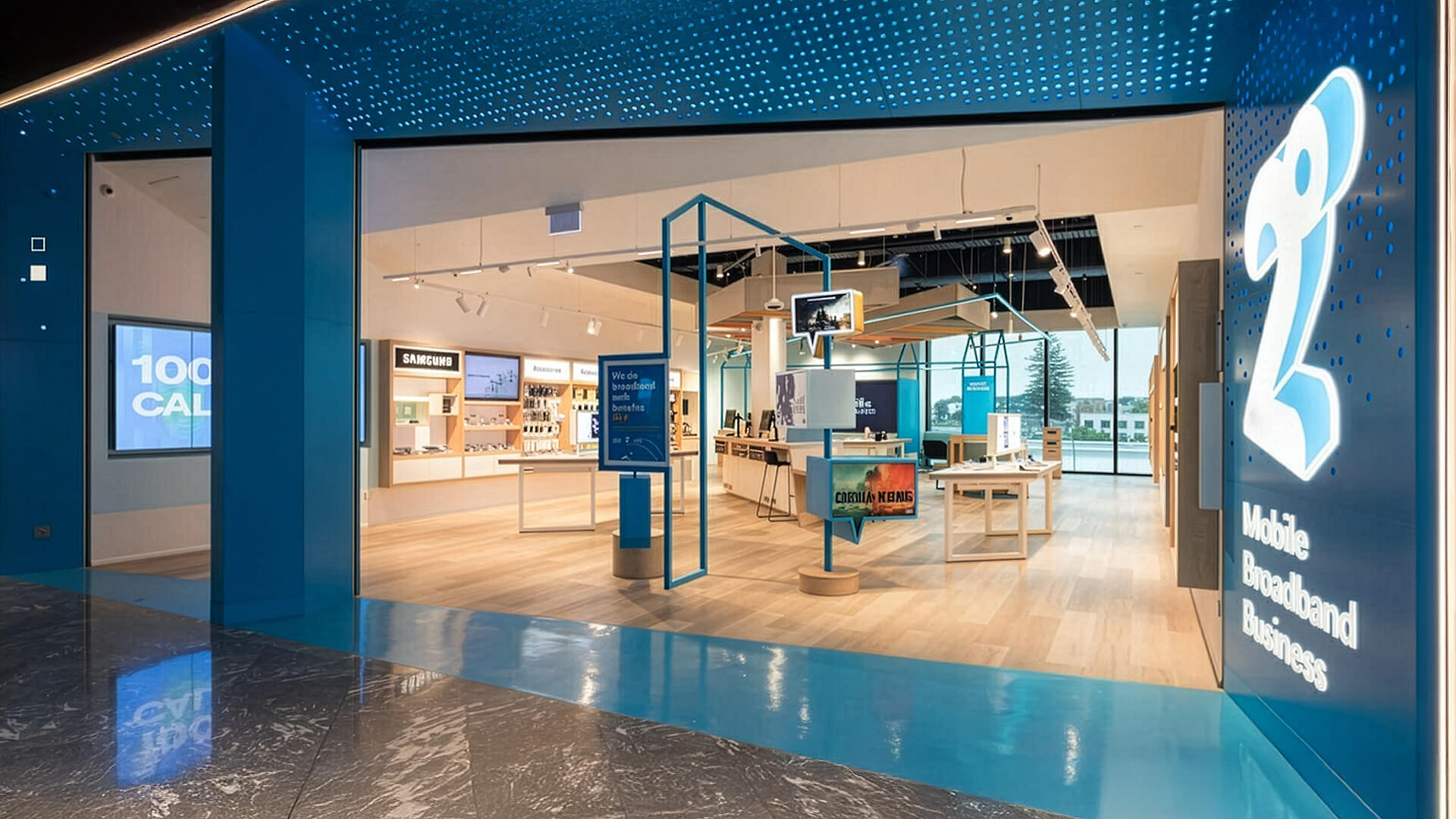
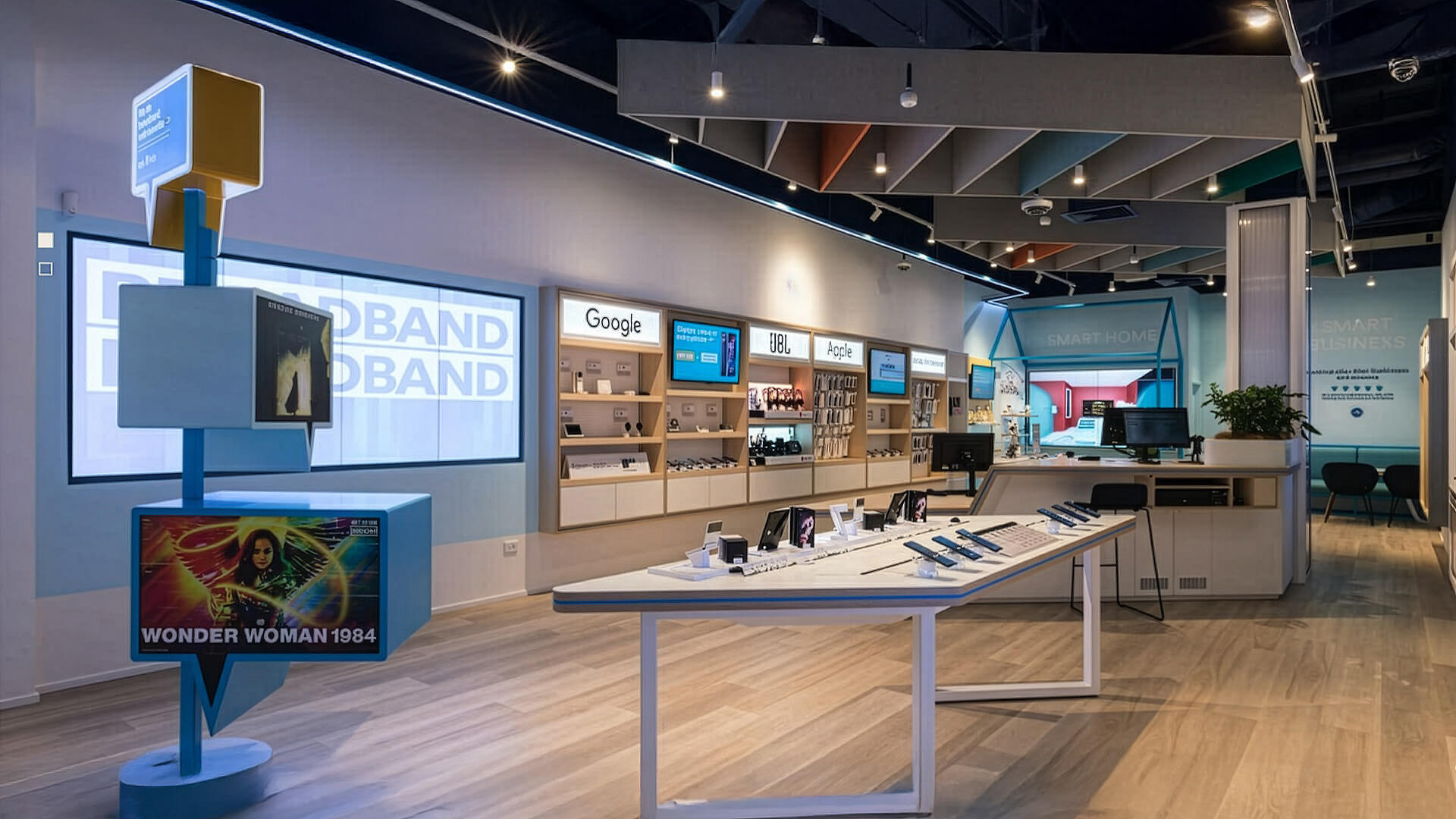
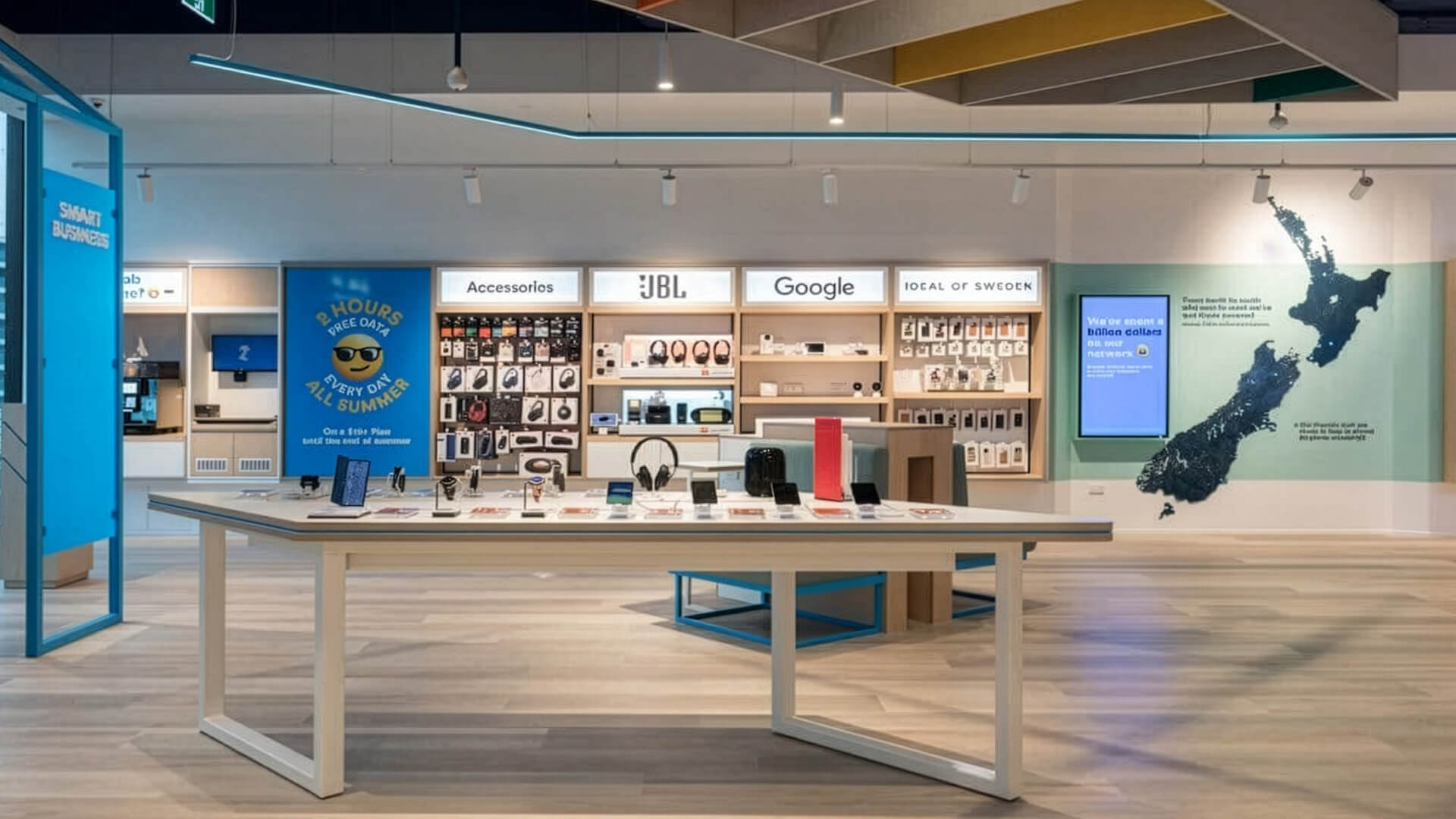
The 2degrees retail transformation, the New Zealand telecom provider, provides a valuable strategic model for telecom operators seeking to strengthen customer engagement, differentiate their brand, and create more experience-led retail environments.
Creating Phygital Telecom Retail Experiences
increasingly move between websites, mobile apps, social platforms, digital services and physical stores, making the distinction between online and offline retail less meaningful.
Digital directories, interactive displays, QR-enabled product information, mobile integration, self-service tools, digital signage and connected product demonstrations can bridge these environments.
However, technology should not be added simply because it is available. Every digital touchpoint should have a clear customer or commercial purpose.
Effective phygital telecom retail can reduce friction, simplify complex information, support product discovery and allow customers to continue their journey between channels.
The strongest implementations create continuity. A customer might research a smartphone online, save a shortlist in an app, visit a store to experience the device, receive expert advice and complete the purchase digitally. The physical and digital environments become parts of one connected experience rather than separate channels.
Why Customer Experience Is Becoming the New Competitive Advantage
Customer experience is becoming one of the most important sources of differentiation in telecom retail. As customers research products and compare tariffs online, stores must provide more than information already available digitally.
The physical environment should create reassurance, discovery and opportunities to experience technology first-hand.
Customer experience design should consider the complete journey: arrival, discovery, exploration, demonstration, advice, decision, purchase, service and loyalty. Each stage should remove unnecessary friction while creating opportunities for meaningful engagement.
Human expertise remains particularly valuable as connected propositions become more complex. Customers may need help understanding how smartphones, wearables, broadband, entertainment and smart-home technologies work together.
The store can therefore become a place where customers understand the wider connected ecosystem rather than simply select an individual device.

From Telecom Stores to Connected Experience Destinations
The next stage of telecom retail transformation is the move from conventional outlets towards connected experience destinations.
Rather than organising the environment entirely around products, brands can organise experiences around customer lifestyles.
A connected-living zone, for example, could demonstrate how smartphones, broadband, smart-home technology, entertainment and wearable devices interact. An entertainment zone could showcase streaming, gaming and content services, while a productivity zone could demonstrate connected devices and services for work and study.
This lifestyle-led approach makes technology easier to understand because customers can see how individual products contribute to a wider ecosystem.
It also creates opportunities to increase service adoption and cross-category engagement. The store becomes an environment for education, inspiration, experimentation and conversion.
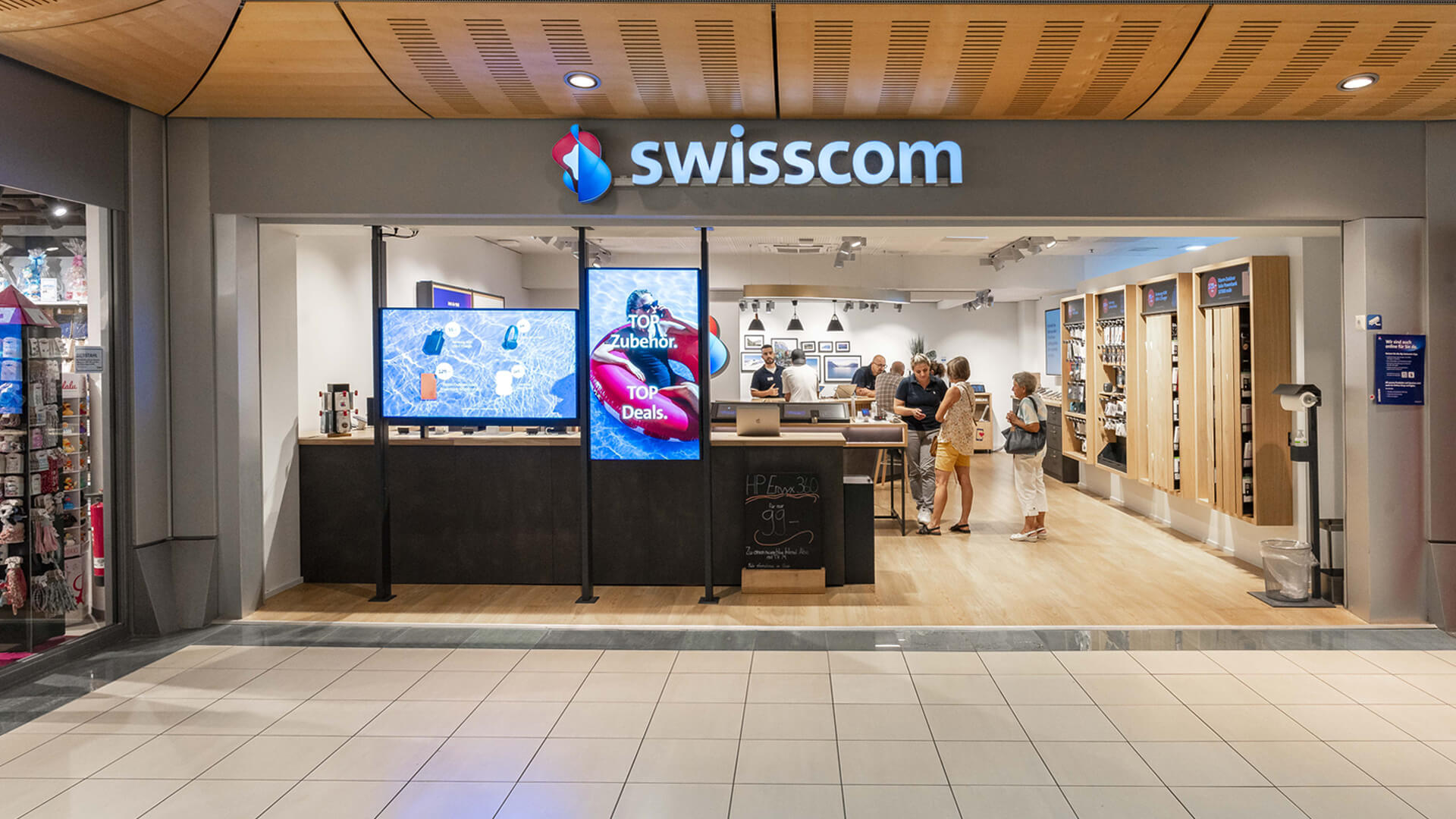
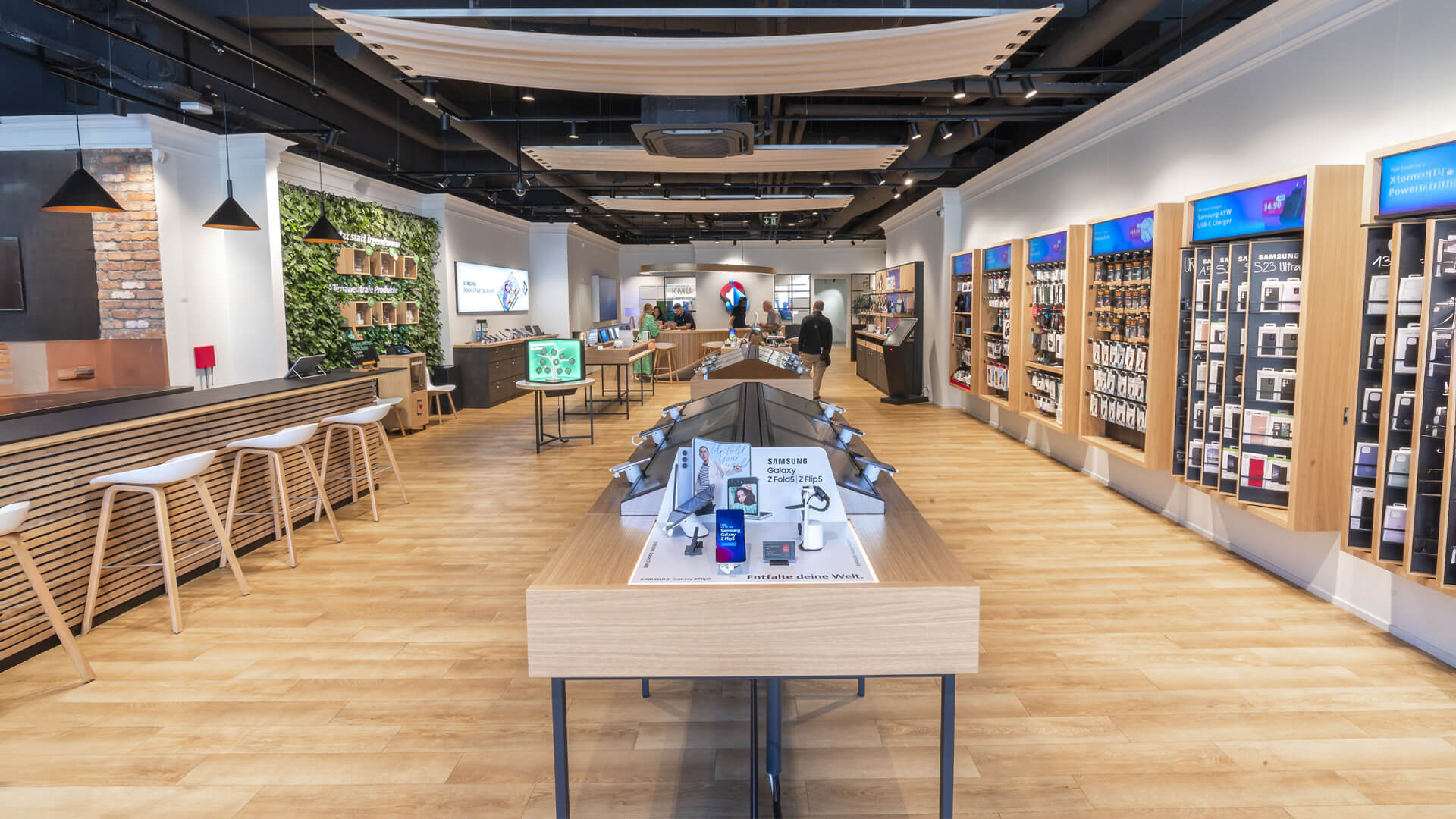
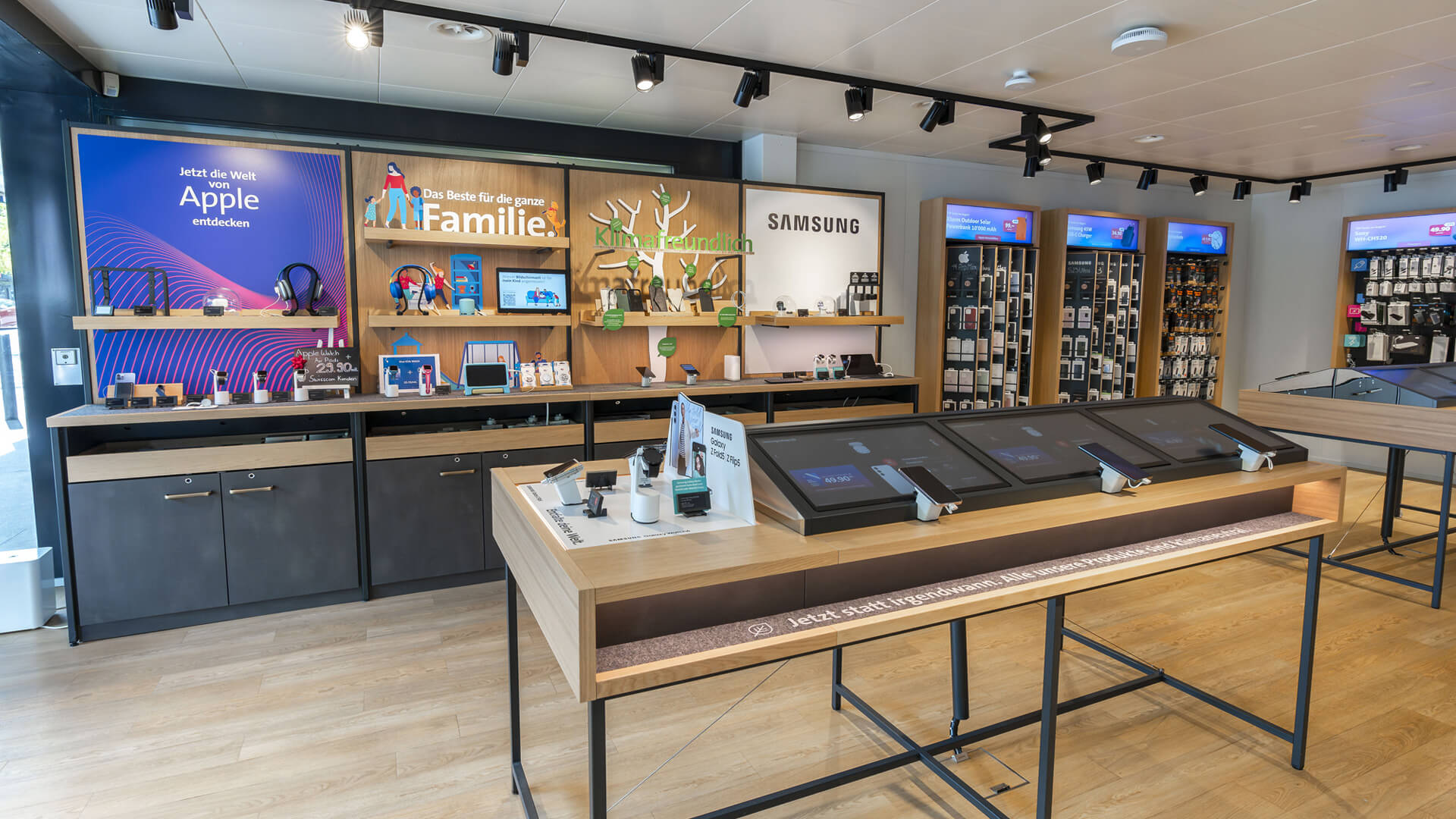
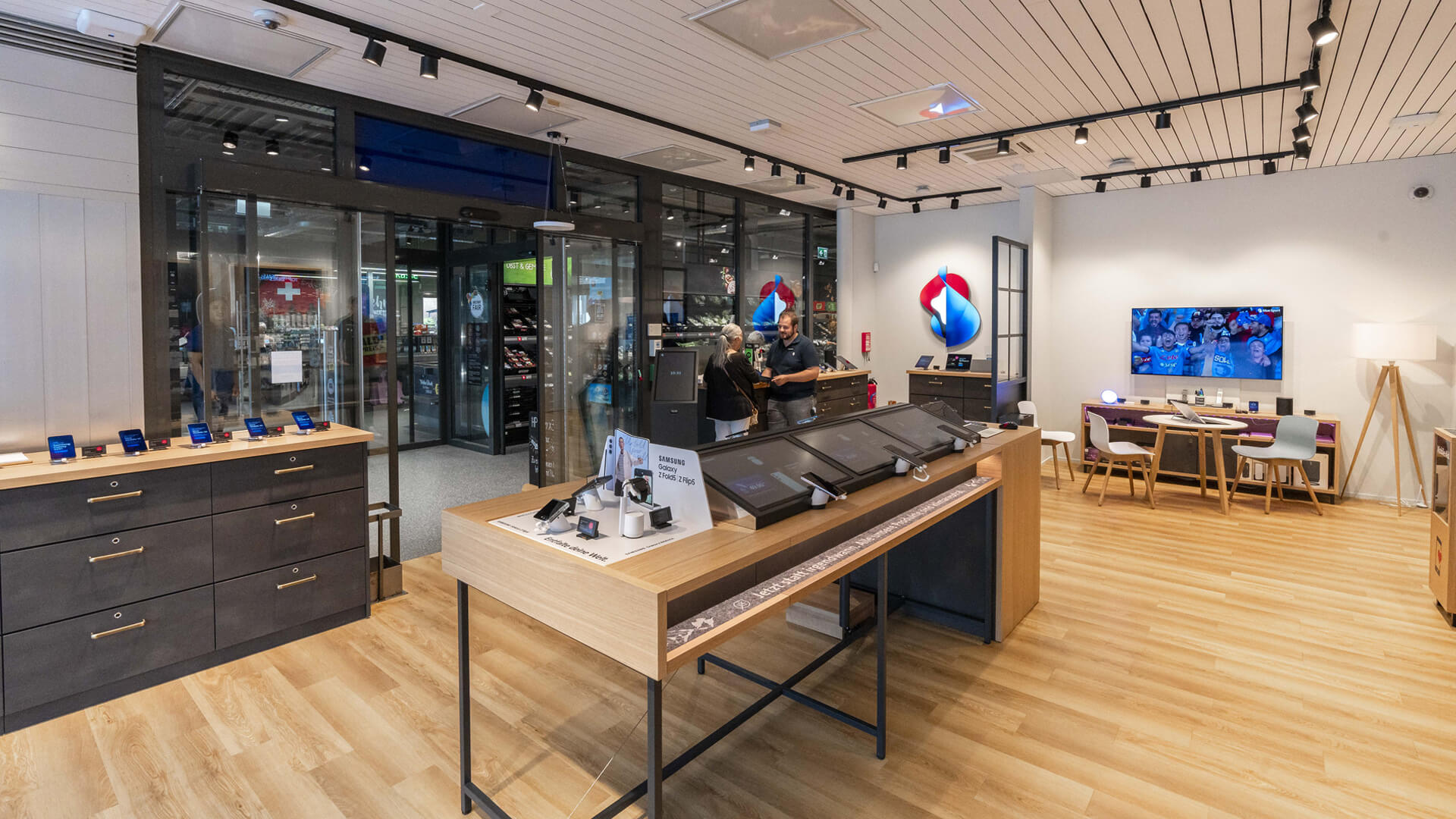
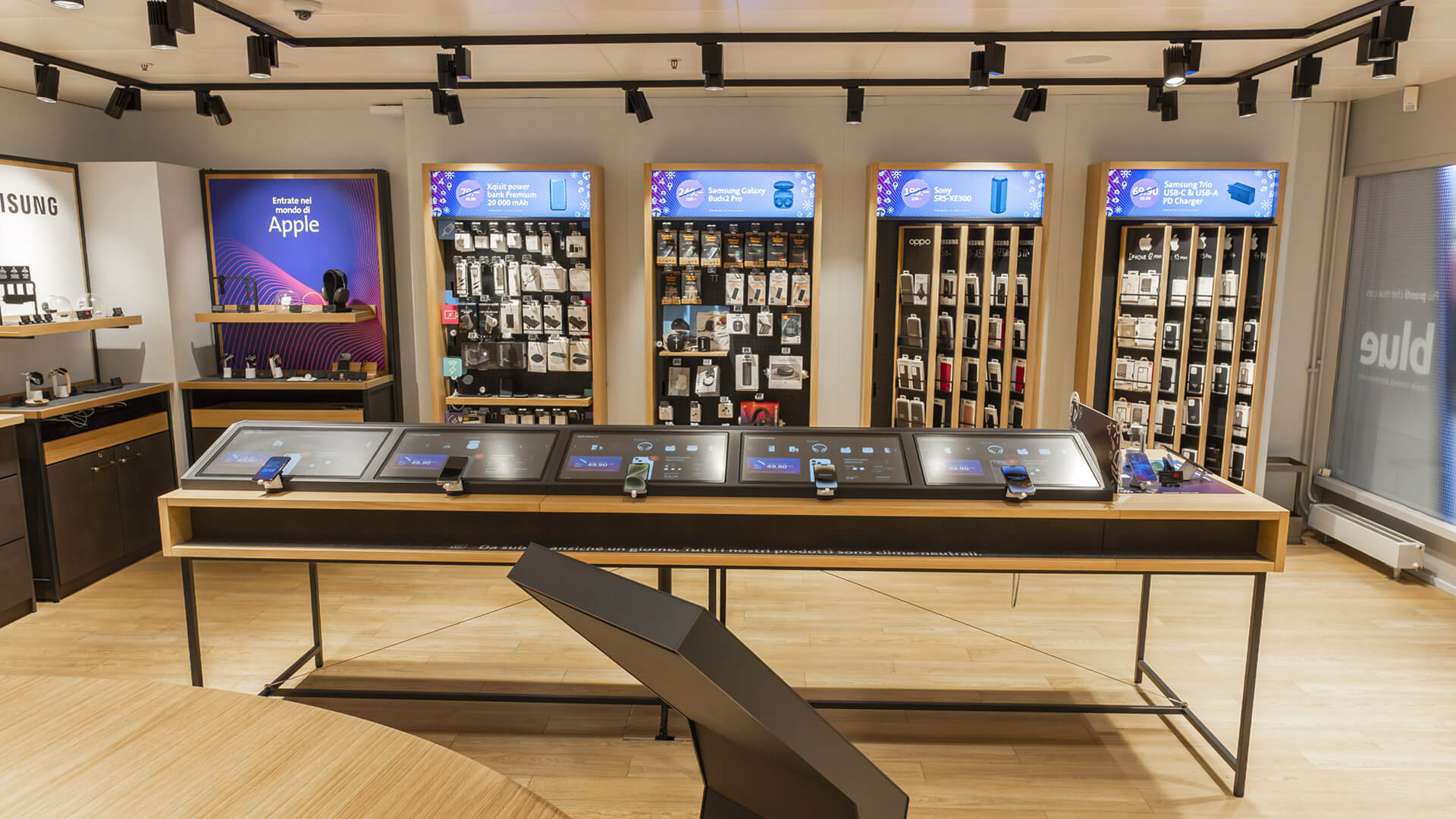
The Swisscom retail transformation, the Swiss telecom provider, provides a valuable strategic model for telecom operators seeking to integrate digital innovation, physical experience, and human expertise across the customer journey.
How Omnichannel Retail Is Changing the Customer Journey
through search, research it on a telecom website, compare options through an app, visit a store for a demonstration and complete the purchase through another channel.
Customers increasingly expect this journey to feel continuous.
An effective omnichannel strategy connects product information, pricing, promotions, customer data, service information and brand communications across channels. Physical stores should not operate independently from ecommerce; they should form part of a connected retail ecosystem.
This also changes how store performance should be evaluated. A store visit may not result in an immediate transaction, but it can influence a later digital purchase, increase confidence, support service adoption or strengthen loyalty.
The value of physical retail therefore needs to be considered across the complete customer journey rather than through transactions alone.
How Telecom Retail Design Can Improve Commercial Performance
Telecom retail design should be treated as a commercial growth investment rather than an aesthetic exercise. Store layout, customer journey design, merchandising, experience zones and digital integration can influence engagement, dwell time, conversion, service adoption, loyalty and store productivity.
Effective telecom retail design can help brands:
- Increase customer engagement
- Improve product discovery
- Encourage longer dwell times
- Increase conversion opportunities
- Support cross-selling and service adoption
- Strengthen customer loyalty
- Improve store productivity
- Increase brand preference
- Differentiate from competitors
- Create greater value from physical retail space
Commercial performance should therefore be considered throughout the design process.
For example, zoning can direct customers towards higher-value experiences, merchandising can encourage cross-category discovery, digital tools can simplify comparison and mobile point-of-sale systems can reduce transactional friction.
The objective is not simply to create an attractive store. It is to create a retail environment in which brand experience and measurable business outcomes reinforce one another
Telecom Retail Trends Shaping 2026–2028
Several developments are likely to influence telecom retail transformation over the next three years.
Experience-led retail will place greater emphasis on discovery, demonstration, education and engagement rather than conventional product display.
Phygital experiences will connect physical stores with ecommerce, apps, digital services and personalised customer journeys.
Connected lifestyle ecosystems will encourage operators to demonstrate how devices, broadband, entertainment, wearables and smart-home technologies work together.
Flexible store formats will allow brands to refresh experiences and propositions more rapidly as technology evolves.
Human expertise will remain important as customers seek advice, reassurance and contextual guidance for increasingly complex technology purchases.
Artificial intelligence will increasingly support personalisation, service, discovery and customer journeys. However, AI should be viewed as one component of wider telecom retail transformation rather than the defining subject of every store strategy.
For a deeper examination of AI-led discovery and agentic commerce, CampbellRigg's dedicated analysis of AI agents in telecom retail explores how emerging AI interfaces could change product discovery and purchasing.
Case Studies: Optus/YES!, 2degrees and Swisscom
The transformation of Optus/Yes brand platform demonstrates how telecom branding can move beyond product-led differentiation. The development of “Yes Moments” shifted the proposition towards richer digital and entertainment experiences, with the strategy translated into customer-facing retail environments.
2degrees, the New Zealand telecommunications provider, demonstrates how retail design can connect brand purpose with customer experience. Its Westfield Newmarket flagship combines its “Fighting for Fair” purpose with spaces for exploring smartphones, connected home technology, IoT and network services. Digital ticketing and heat mapping also provide insights into customer journeys and store performance.
Swisscom, the Swiss telecommunications provider, has transformed its retail network through its “Retina” concept, integrating physical and digital experiences. Distinct zones support inspiration, product discovery, service and digital education, enabling customers to explore connected technologies while receiving expert assistance.
Together, these examples show that telecom retail transformation should begin with brand proposition, customer needs and commercial objectives, then translate these into retail strategy, customer experience, store design and digital integration.
How CampbellRigg Transforms Telecom Retail
CampbellRigg combines telecom retail strategy, brand strategy, customer experience, architecture, interior design, merchandising and digital engagement to create connected physical and digital brand environments.
Our approach connects:
- Telecom brand strategy
- Telecom retail branding
- Customer journey design
- Telecom store design
- Phygital telecom retail
- Retail communications
- Digital ecosystem branding
- Store transformation strategy
This integrated approach enables telecom operators to create distinctive experiences across physical and digital touchpoints while aligning retail environments with commercial objectives.
For brands considering a rebrand, flagship concept, store transformation or new retail format, the opportunity is to make the physical environment a strategic part of the wider brand and commercial proposition.
The future of telecom retail will not be defined by stores alone, digital channels alone or AI alone. It will be shaped by how effectively brands connect these elements into one coherent customer experience.

FAQs About Telecom Retail Transformation
What is telecom retail transformation?
Telecom retail transformation is the strategic evolution of telecom stores, brand experiences and customer journeys around changing customer expectations, technology and commercial objectives.
Why is telecom retail branding important?
Telecom retail branding creates consistency between brand strategy, physical stores, digital channels, customer journeys, merchandising and communications, helping brands differentiate beyond products and price.
What is phygital telecom retail?
Phygital telecom retail connects physical stores with digital experiences such as ecommerce, mobile apps, interactive displays, self-service tools and connected customer journeys.
How is telecom store design changing?
Telecom store design is moving from product-led layouts towards flexible, experience-led environments that encourage discovery, demonstration, consultation and connected-lifestyle experiences.
How can telecom retail design improve performance?
Effective telecom retail design can support engagement, dwell time, conversion, service adoption, loyalty, brand preference and store productivity by aligning the physical environment with customer and commercial objectives.
What is the future of the telecom store?
The future telecom store is likely to become less transactional and more experiential, combining physical environments, digital technology, human expertise and connected-lifestyle demonstrations to strengthen customer relationships and commercial performance.
How can CampbellRigg help with telecom retail transformation?
CampbellRigg combines brand strategy, telecom retail branding, customer experience, retail architecture, store design, merchandising and digital integration to help telecom and technology brands create distinctive, commercially effective retail environments.