



News and Views
Future ready retail banking reshaped by two major forces.


The Future of Retail Banking Is Becoming AI-Driven, Embedded and Phygital.

Retail banking is entering a major period of transformation driven by artificial intelligence, hyper-personalisation and embedded finance ecosystems. Traditional banking models centred around transactions and physical branch networks are rapidly evolving into connected customer experience platforms that integrate digital convenience, data intelligence and human expertise.

Today’s banking customers no longer compare their experiences solely against other financial institutions. They compare banking interactions against the speed, usability and personalisation offered by leading digital brands across retail, technology and e-commerce. This shift is fundamentally reshaping how banks design services, customer journeys and physical environments.

Advances in AI, real-time analytics, mobile banking and open banking infrastructure now allow banks to understand customer behaviour with unprecedented precision. Financial institutions can increasingly anticipate customer needs, personalise financial recommendations and deliver contextual services in real time. Industry analysts increasingly identify customer-centric digital ecosystems as critical to the future competitiveness of retail banking.

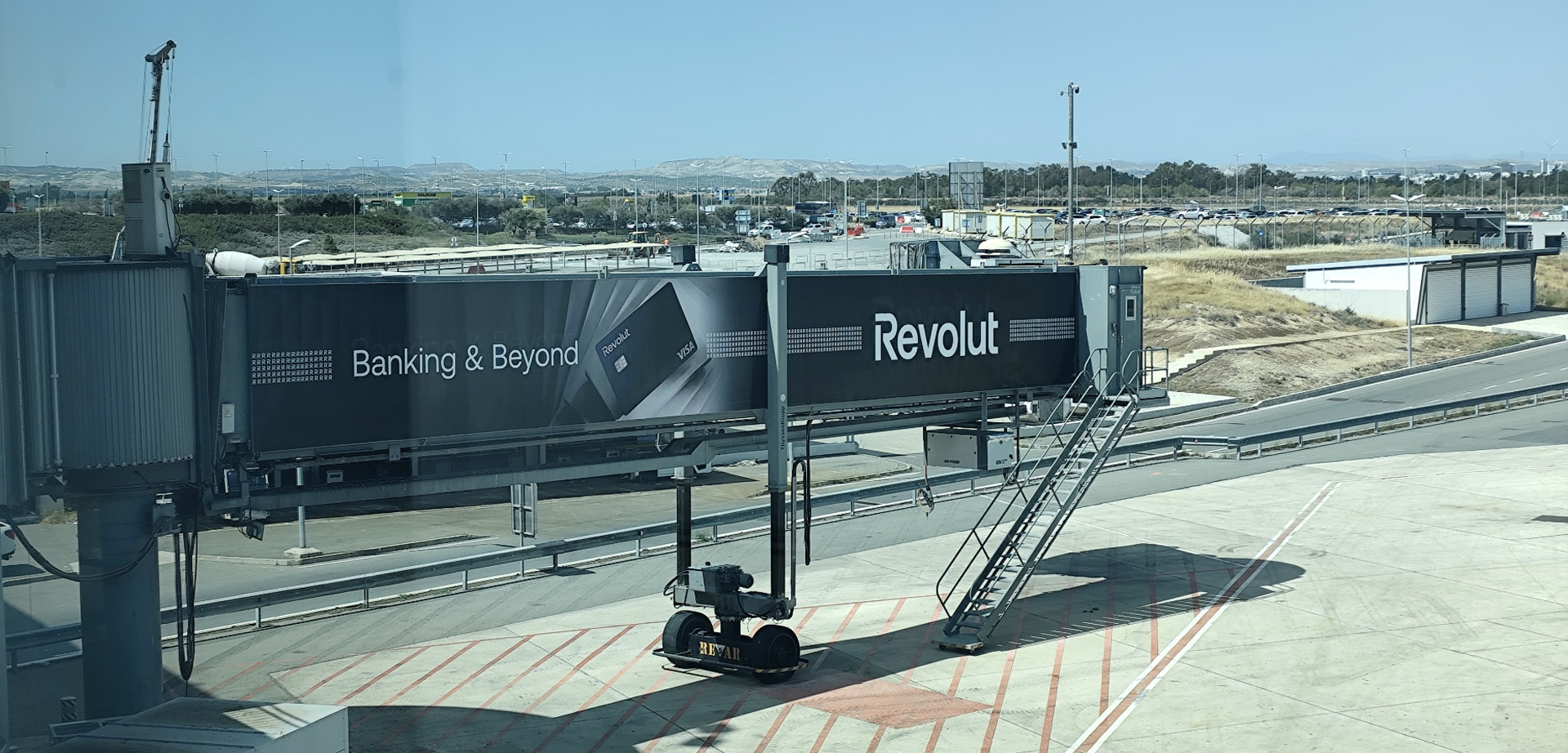
Digital-first challengers such as Monzo, Revolut and N26 have accelerated customer expectations around simplicity, transparency and instant financial control. Their growth has forced traditional banks to rethink both digital platforms and physical branch experiences.

Embedded Finance Is Reshaping Banking Ecosystems. Banking services are increasingly becoming embedded directly into everyday consumer experiences. Payments, lending, insurance and loyalty systems are no longer confined to standalone banking channels. Financial services are now integrated directly into retail, travel, e-commerce and digital lifestyle ecosystems.

Customers can access credit instantly at checkout, manage subscriptions in real time and interact with personalised financial services seamlessly through digital wallets and mobile platforms. Embedded finance is fundamentally reshaping expectations around convenience, speed and accessibility.
As banking becomes increasingly invisible within digital ecosystems, banks must work harder to maintain customer trust, brand recognition and emotional connection.

Why Physical Bank Branches Still Matter. Despite rapid digital adoption, physical bank branches continue to play a critical role in building trust, reassurance and relationship-based advisory services. However, the function of the branch is changing dramatically.
Traditional transaction-heavy layouts are being replaced by flexible phygital environments that combine self-service technology, digital onboarding, advisory spaces and hospitality-inspired customer experiences. Retail banking branches are evolving into experience-led destinations focused on customer engagement and higher-value interactions rather than routine transactions.

Leading banking environments increasingly include:
- digital self-service zones
- AI-supported advisory services
- flexible consultation areas
- video banking integration
- omnichannel customer journeys
- modular branch formats
This evolution allows banks to improve operational efficiency while strengthening customer loyalty, engagement and long-term brand perception.
Customer Experience Is Becoming the New Competitive Advantage. The future of retail banking will increasingly be defined by customer experience rather than financial products alone. Consumers now expect frictionless digital journeys, intuitive interfaces, real-time notifications and personalised banking ecosystems that adapt naturally to their lifestyles.

How CampbellRigg Helps Banks Transform Branch Networks. CampbellRigg helps financial institutions transform traditional banking environments into future-ready phygital ecosystems that combine branding, customer experience, architecture and digital innovation.
Our approach integrates:
- banking brand strategy
- branch architecture
- retail interior design
- customer journey planning
- omnichannel experience design
- retail communications
- operational optimisation

We help banks create customer-centric branch networks that:
- improve operational efficiency
- strengthen customer trust
- modernise banking experiences
- increase engagement
- support long-term growth
As retail banking continues to evolve, the most successful institutions will be those capable of seamlessly integrating physical environments, digital ecosystems and personalised customer experiences into one connected banking platform.