News and Views
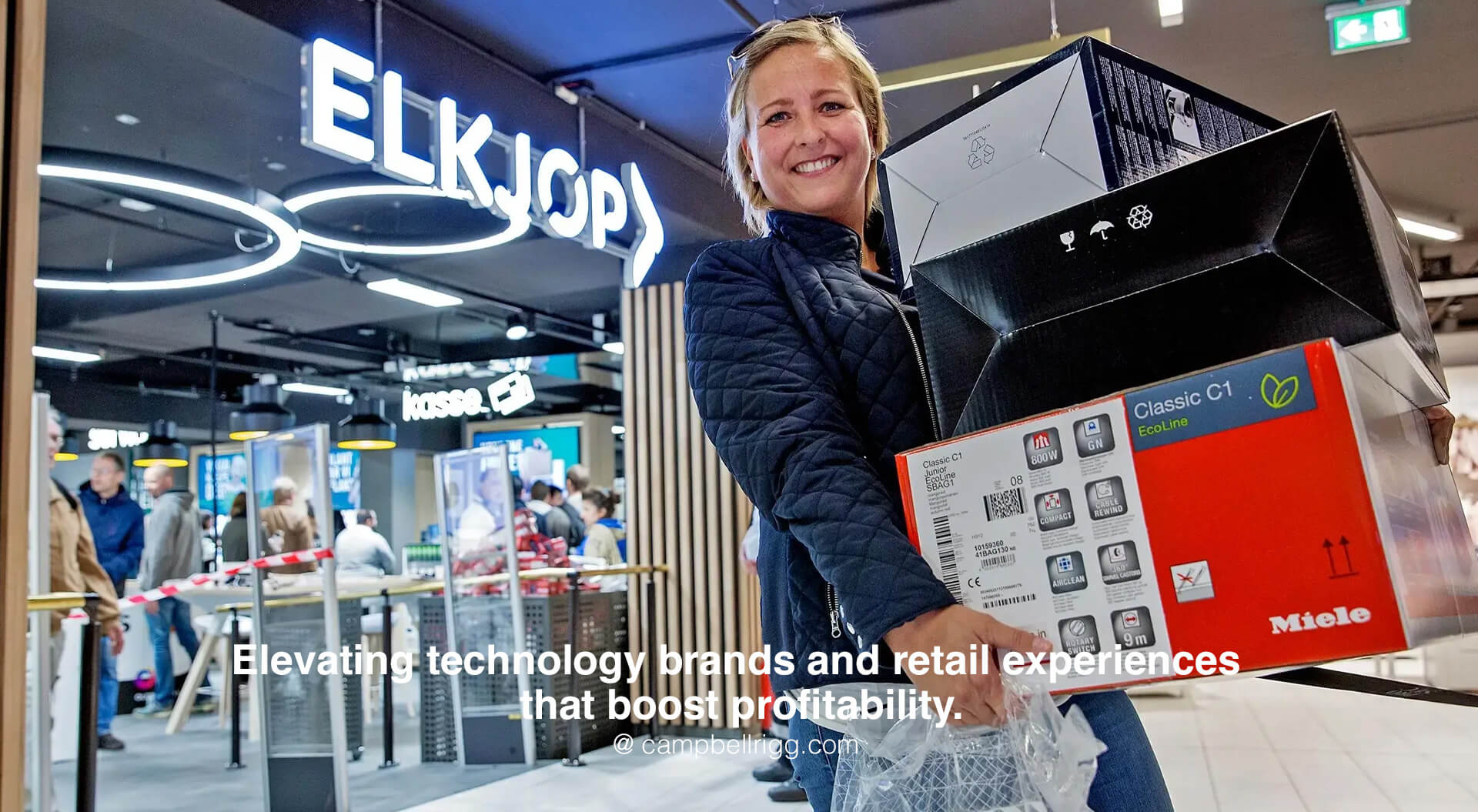
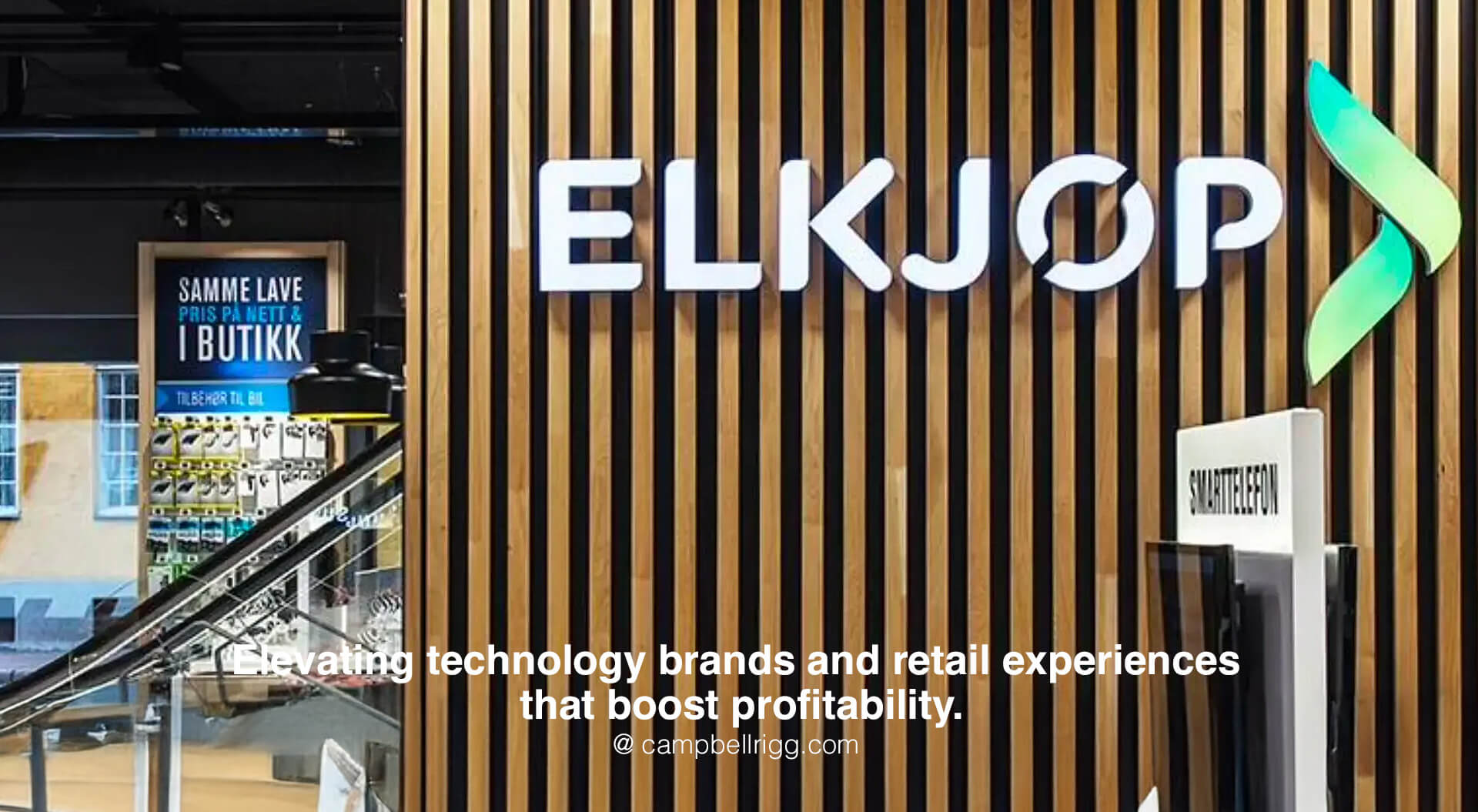
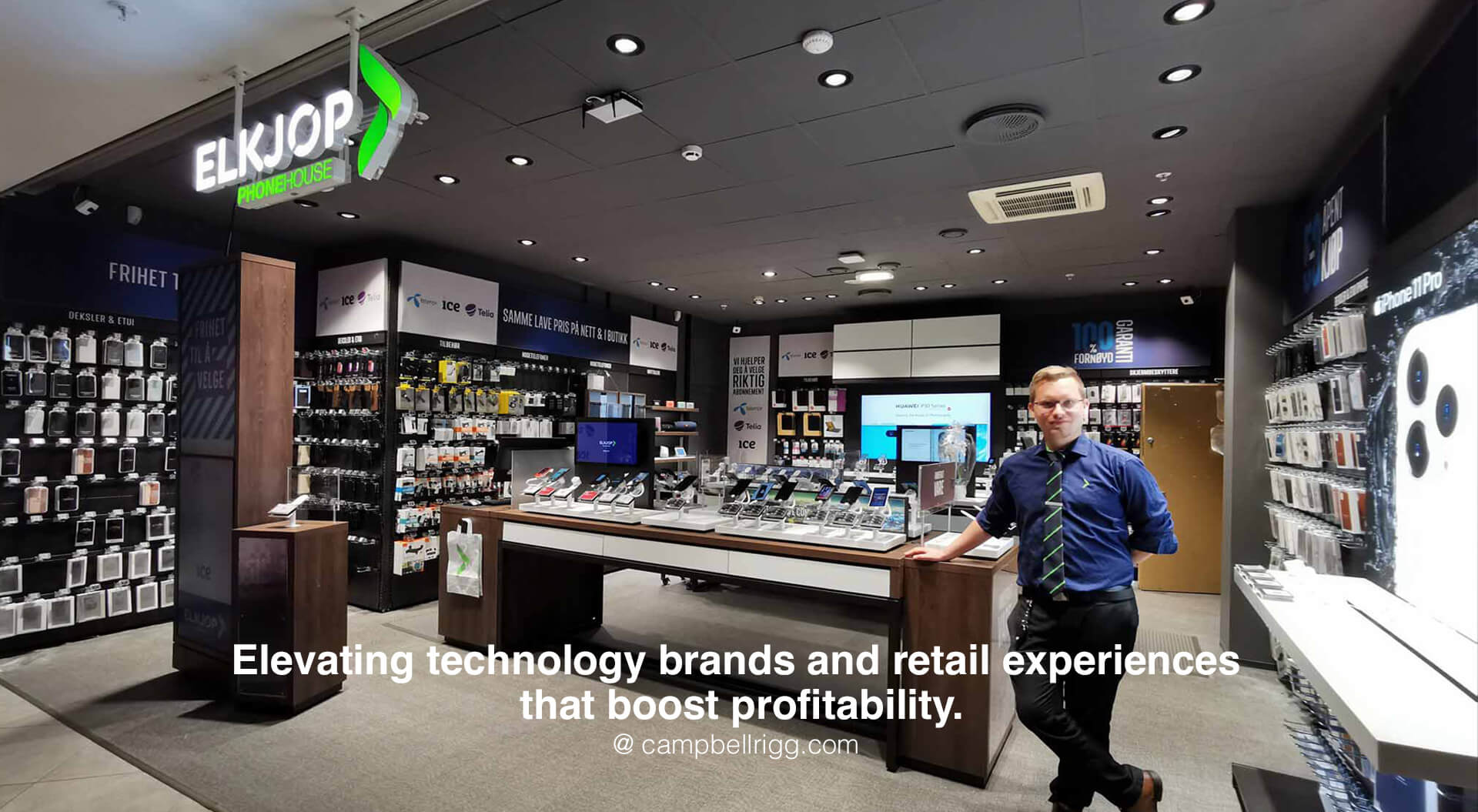
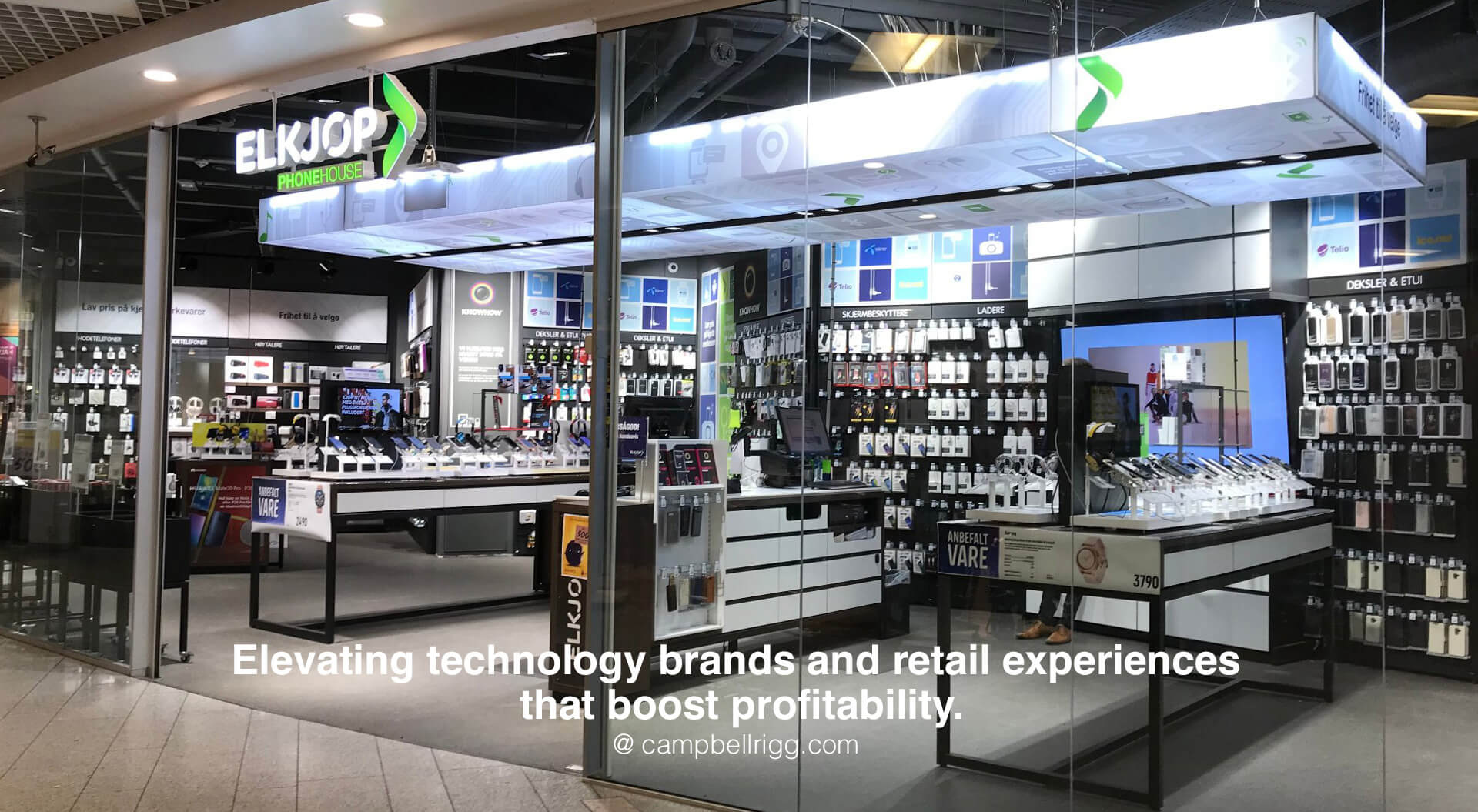
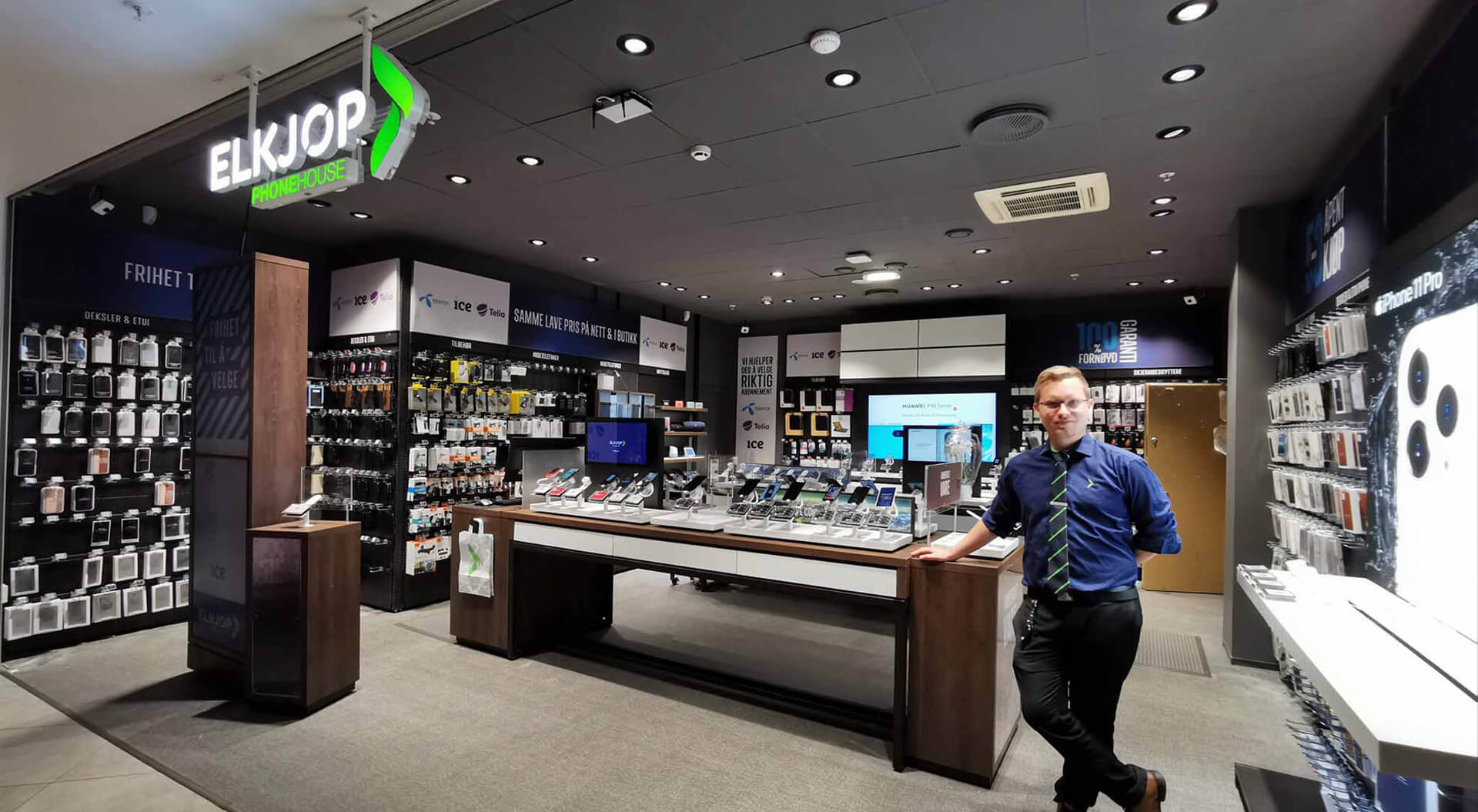
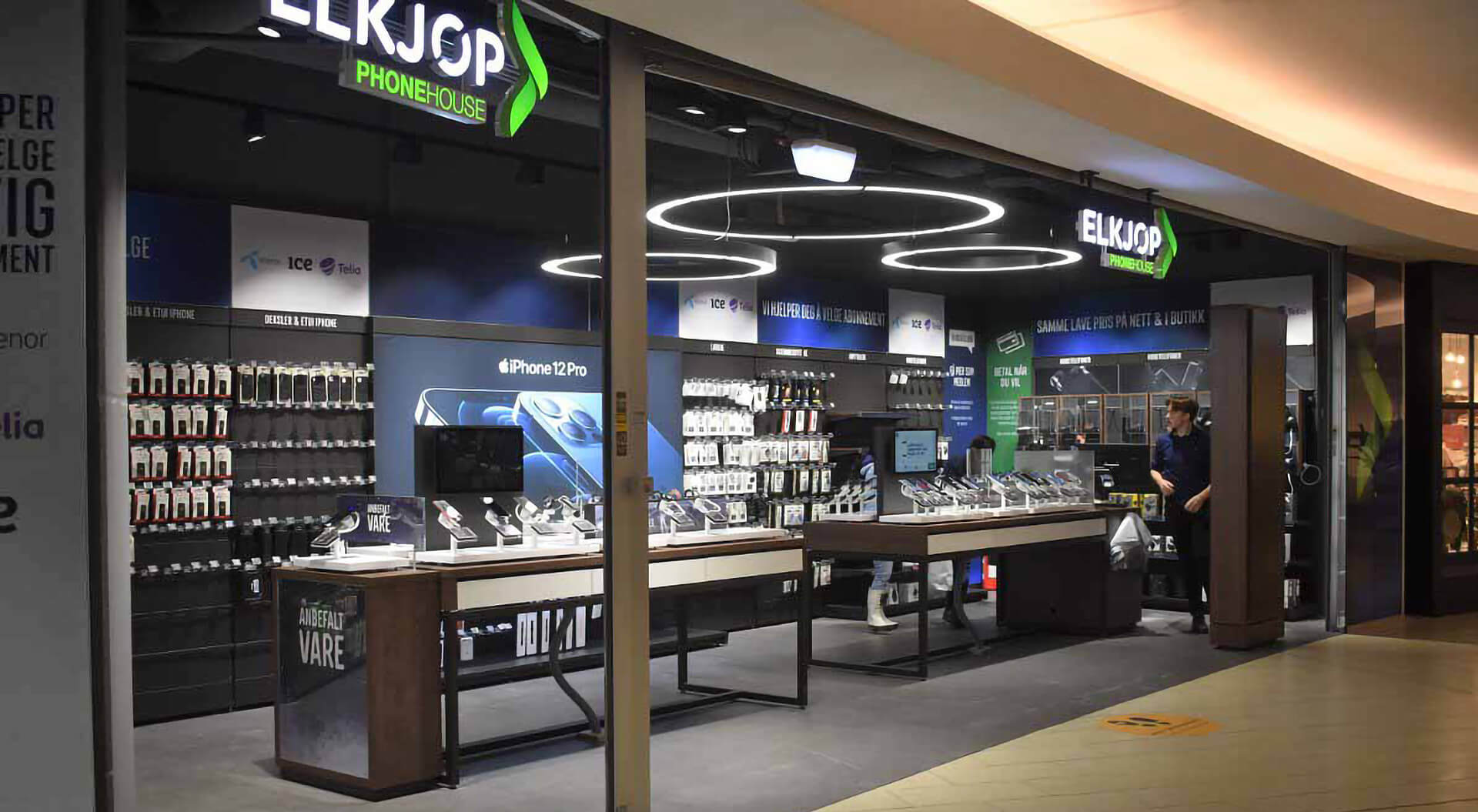
Discover Elkjøp's Norway, City Centre, and Phone House store concepts, designed to drive omnichannel traffic, engagement, and returns.




Compact Technology Store Design: How City-Centre Formats Drive ROI
Technology retail is no longer a question of putting more products into larger stores. For senior management, the more important question is how the physical network should be structured to generate the greatest commercial return from every location, every square metre and every customer interaction.
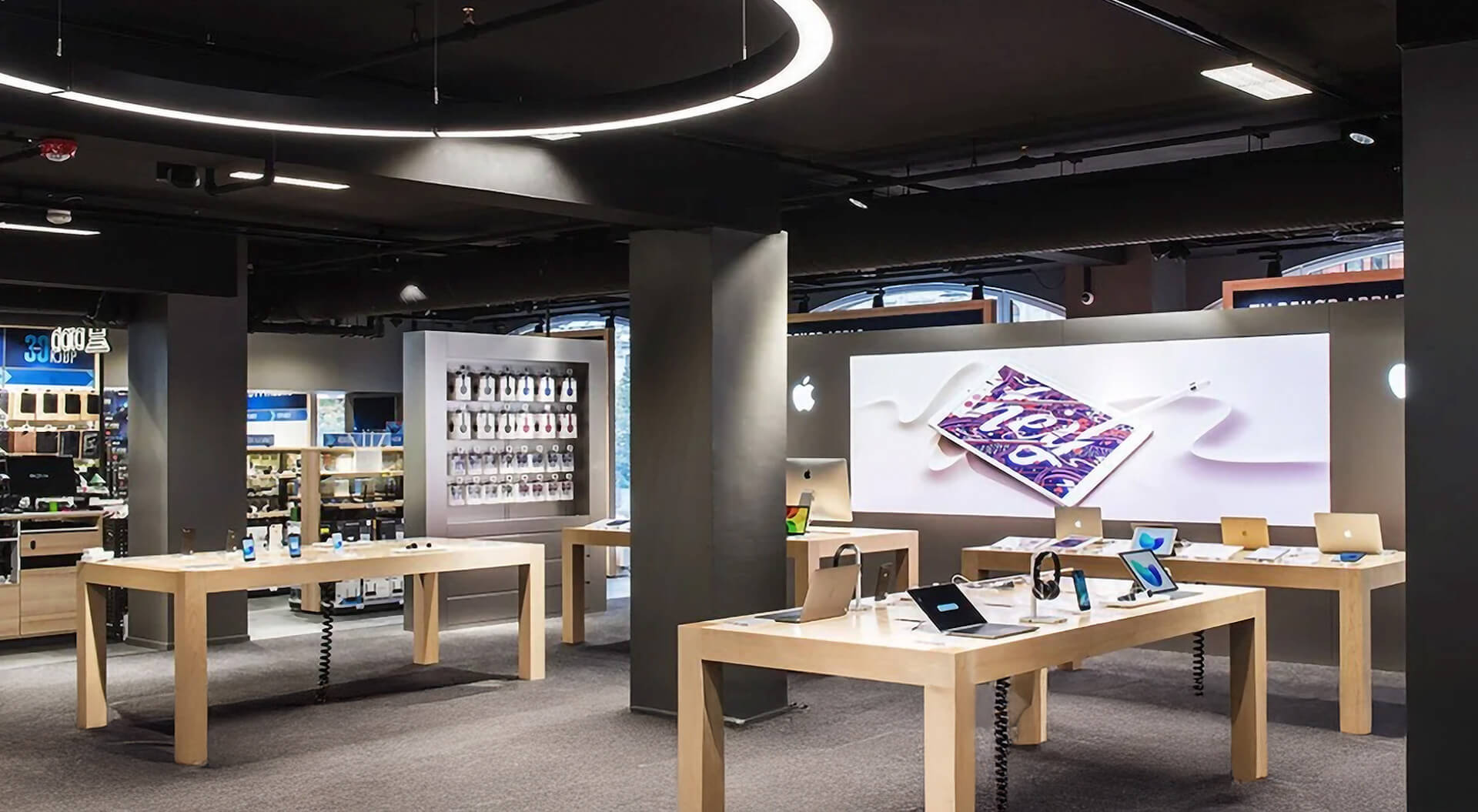
Elkjøp's Norwegian, city-centre and Phone House formats provide a useful benchmark. They demonstrate how a technology retailer can use different physical formats to serve different customer missions while remaining connected to a broader digital retail ecosystem.
For management teams planning urban expansion, network optimisation or a new generation of compact technology stores, the strategic issue is therefore not simply how to make a smaller store.
It is how to create a scalable retail format that connects brand, customer experience, merchandising, digital commerce, fulfilment and operational efficiency.
That requires a different approach to store design.
The Management Challenge: Making a Smaller Store More Productive
Compact technology stores operate under tighter commercial constraints than destination stores.
They typically have less selling space, a more concentrated assortment and shorter customer visits. Yet customers still expect access to the retailer's wider range, knowledgeable advice, product comparison, rapid fulfilment and convenient service.
The management challenge is to determine which functions genuinely need physical space and which can be delivered through digital, operational or omnichannel capabilities.
The objective is not maximum product density.
It is maximum commercial relevance per square metre.
A successful compact format should therefore be designed around the customer missions that matter most to the location:
- rapid purchase of high-demand technology
- smartphone and computing upgrades
- accessory and attachment sales
- product demonstration and comparison
- expert advice
- click-and-collect
- service and support
- digitally assisted selling
- access to the wider online assortment.
How CampbellRigg helps
CampbellRigg begins by defining the commercial role of the format before developing the store environment.
Customer missions, location characteristics, assortment, brand positioning, operational requirements and omnichannel objectives are translated into a clear design brief.
The benefit to management is a defined format strategy rather than a smaller version of an existing store.
That distinction is important when a retailer is planning multiple locations. A successful pilot should not simply solve one site. It should establish principles that can be repeated, adapted and rolled out across an estate.
Building a Scalable Technology Retail Format
A multi-format retail network needs consistency without forcing every location to operate in exactly the same way.
A city-centre store may prioritise convenience and rapid collection. A destination store may require broader product discovery and immersive demonstrations. A shopping-centre format may focus on accessibility and high-frequency categories, while a travel location may concentrate on urgent technology needs.
The format should therefore be determined by: Customer mission + location + assortment + operational requirements + commercial opportunity.
This allows management to develop a format architecture in which each store has a defined role.
How CampbellRigg helps
CampbellRigg connects brand strategy, retail strategy, store planning, customer journey design, merchandising and implementation requirements at the beginning of the process.
Brand auditing establishes how the existing proposition is perceived and expressed. Strategy defines the desired market position. The design brief then converts that strategy into practical requirements for customer experience, store planning, identity and implementation.
The benefit is one strategic direction linking brand decisions to the physical retail network, rather than a collection of disconnected design initiatives.
This creates the foundation for a format that can be tested, refined and rolled out systematically.
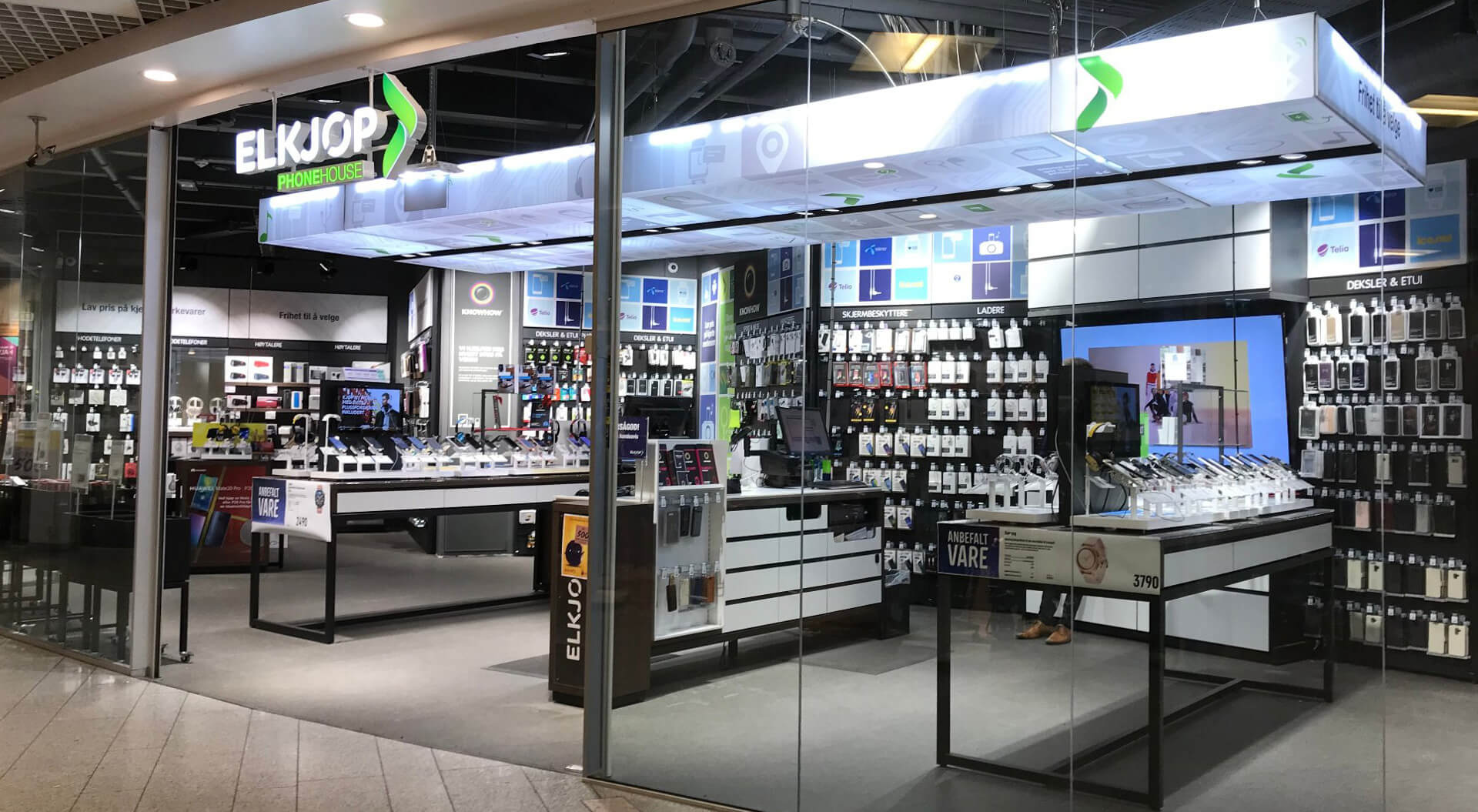
Designing the Customer Journey Around Commercial Priorities
Compact stores cannot afford unnecessary customer movement or unclear navigation.
The customer should quickly understand what the store offers, where relevant categories are located, how products can be compared and where assistance is available.
Effective technology retail store design can use:
- clear category zoning
- focused product ranges
- demonstration areas
- logical product adjacencies
- consultation points
- digital product information
- visible service functions
- efficient payment and collection zones.
These decisions influence the commercial journey: Clearer navigation → easier discovery → greater interaction → stronger conversion → higher attachment sales → greater customer value.
The physical environment therefore becomes a commercial operating tool rather than simply an expression of the brand.
How CampbellRigg helps
CampbellRigg maps the customer journey against the commercial objectives of the format.
This identifies where customers need discovery, demonstration, comparison, advice, transaction, collection or service and allocates space accordingly.
The benefit is a store plan where space is allocated according to commercial purpose, rather than simply according to product category or fixture requirements.
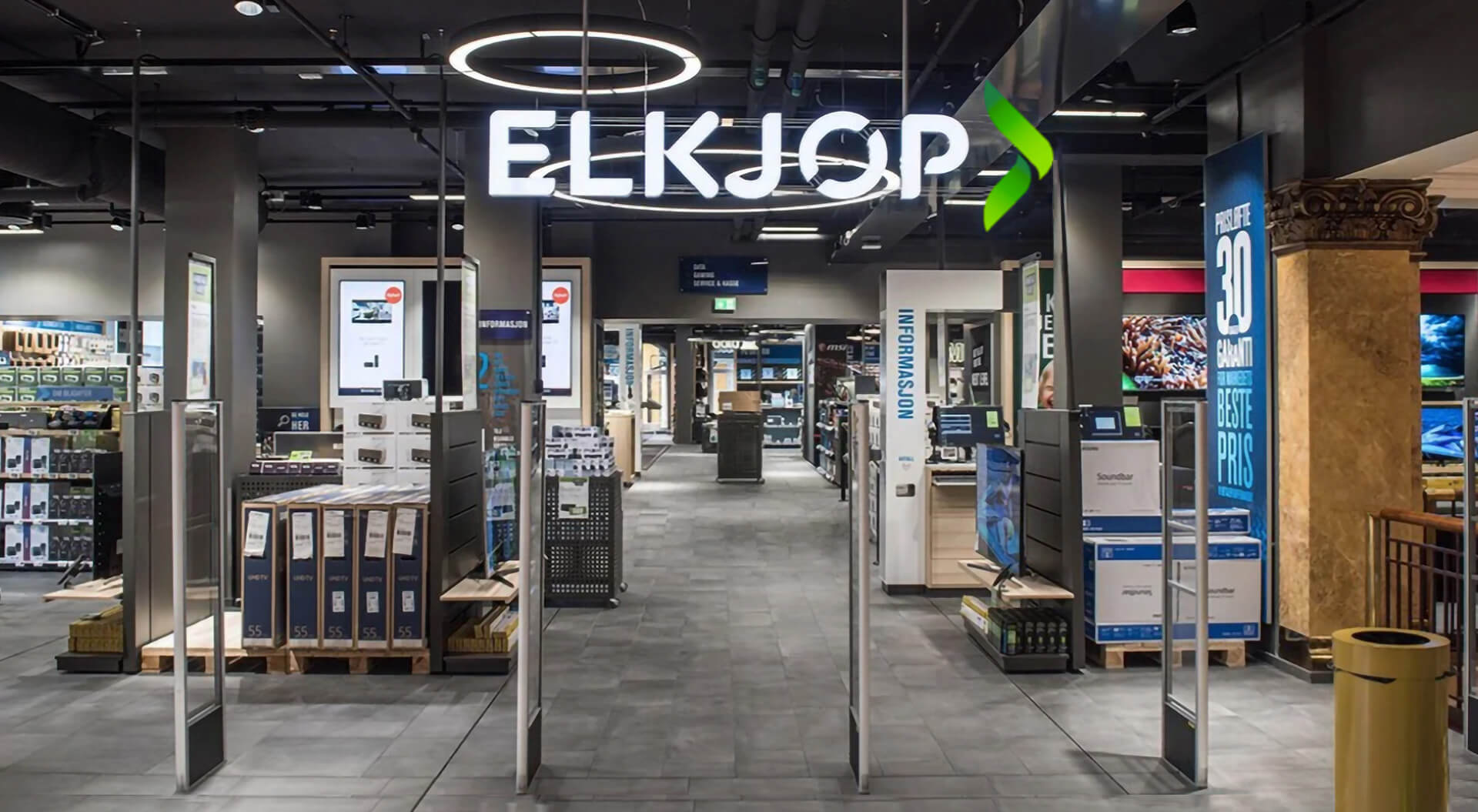
Extending the Assortment Beyond the Physical Store
One of the greatest opportunities in compact technology retail is separating the physical assortment from the total available assortment.
A smaller store does not need to display every product, specification or variation.
Selected products can provide physical experience and comparison, while digital interfaces, assisted selling and connected inventory allow customers to access the wider catalogue.
This can reduce visual clutter while preserving choice.
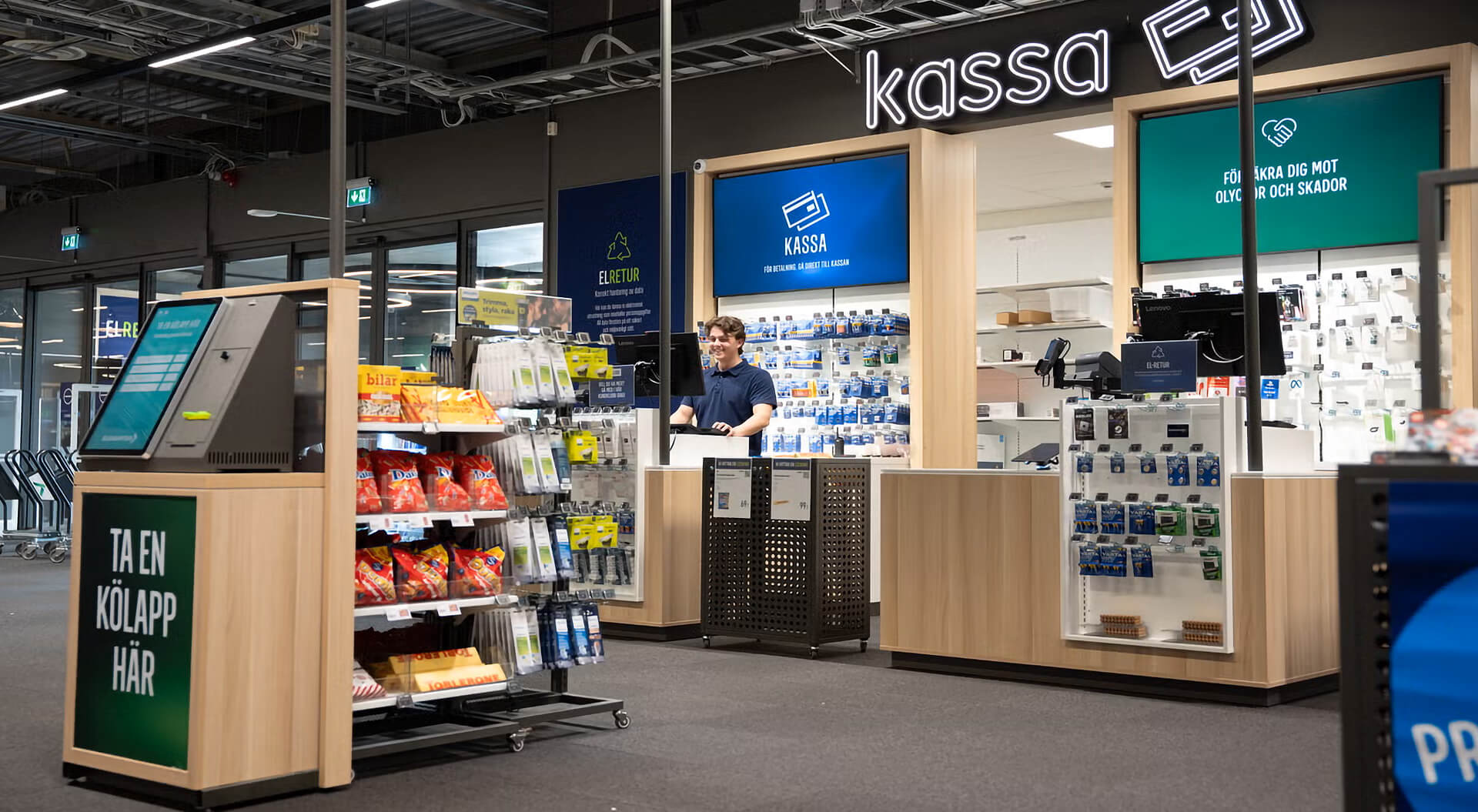
Elkjøp's current customer proposition illustrates the importance of this connection. Its Click & Collect service allows customers to order online and collect from a selected store within one hour, while customers can also access delivery, installation and other services.
How CampbellRigg helps
CampbellRigg designs the physical environment around the relationship between what must be experienced physically and what can be accessed digitally.
Digital product information, assisted selling, product comparison, connected inventory and extended-range interfaces can therefore be incorporated where they solve a genuine customer or commercial requirement.
The benefit is that range can be extended without requiring proportionally more selling space.
For management, this creates a more flexible format capable of supporting changing product ranges without repeatedly increasing the physical footprint.
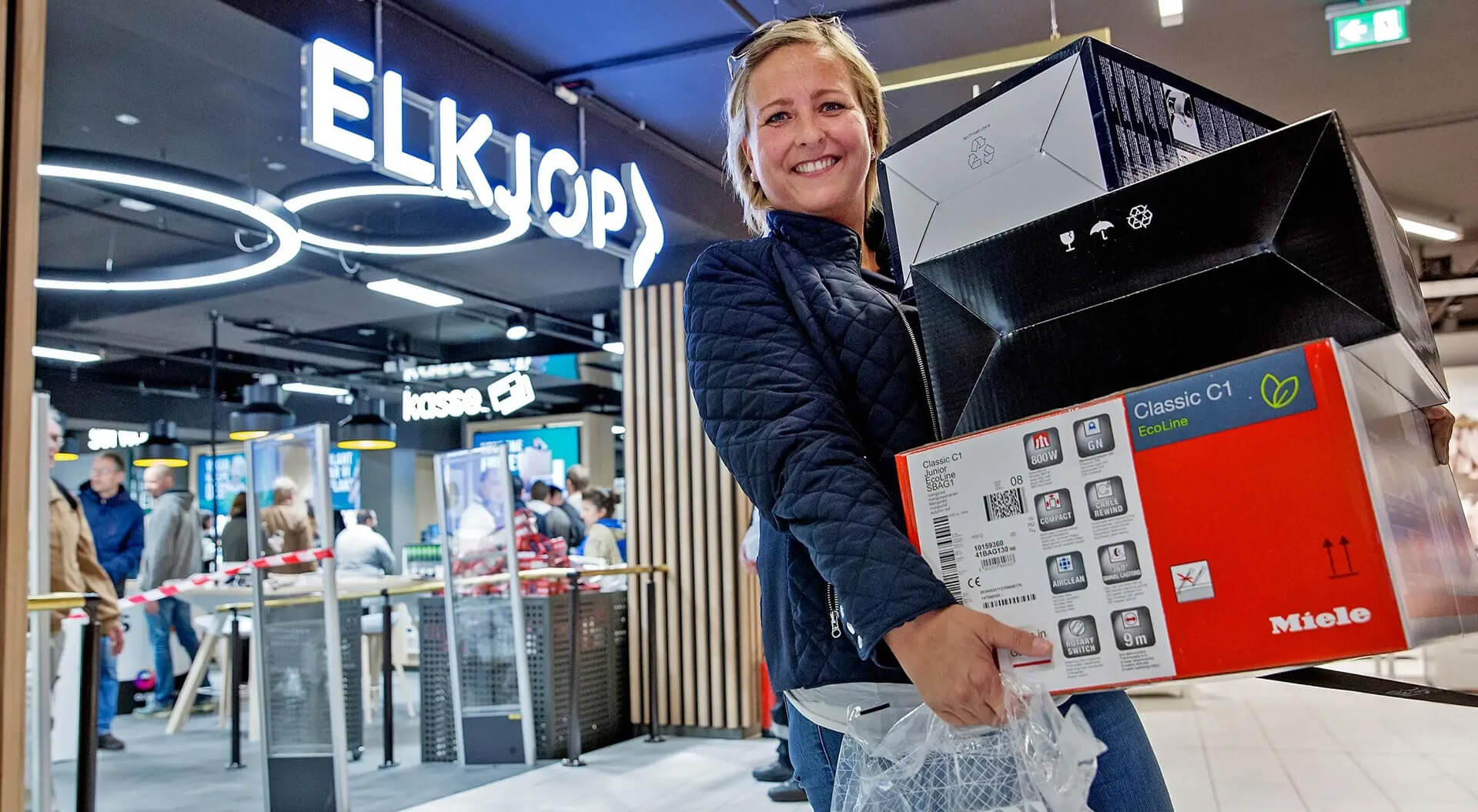
Click-and-Collect as a Revenue Opportunity
Click-and-collect should not be treated purely as a fulfilment function.
It creates a physical customer visit and therefore an opportunity for relevant additional purchases.
A customer collecting a laptop may also require a mouse, docking station, case, monitor, software or protection. A smartphone collection may create opportunities for accessories, connectivity and after-sales services.
The challenge is to create these opportunities without slowing the primary collection mission.
How CampbellRigg helps
CampbellRigg plans collection routes, service points, product adjacencies and impulse opportunities as part of the overall customer journey.
The objective is to make collection fast while positioning relevant complementary products where they can be considered naturally.
The benefit is a store that uses omnichannel fulfilment not simply to complete an existing transaction, but to create additional opportunities for customer engagement and basket growth.
The principle is straightforward: Digital commerce creates the transaction; physical retail can increase the value of the visit.
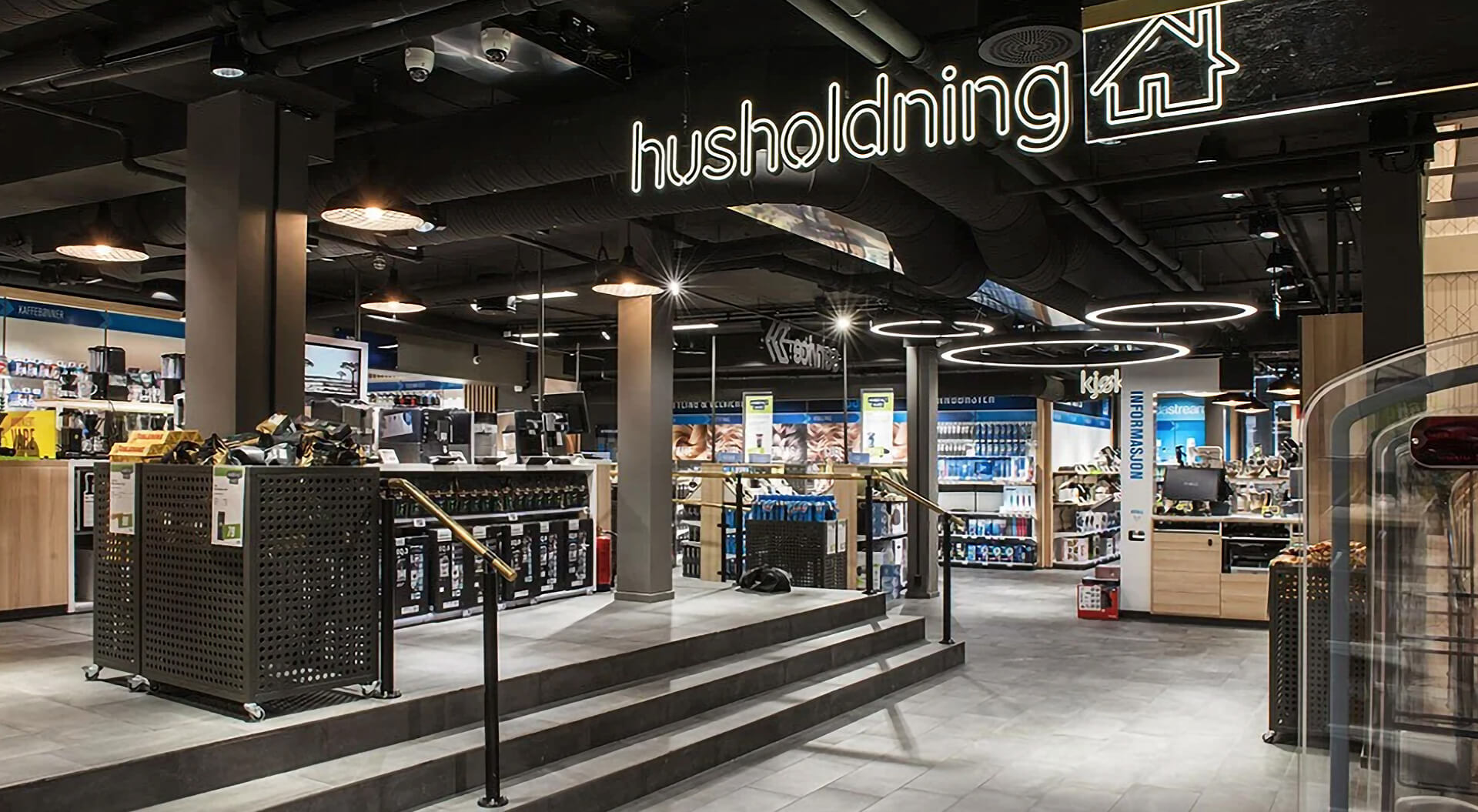
Merchandising for Local Customer Missions
A compact format should not automatically inherit the assortment of a larger store.
Local demand, customer behaviour, location economics and the role of the store should determine the product mix.
High-frequency categories can receive greater prominence, while accessories and complementary products can be positioned around relevant primary purchases.
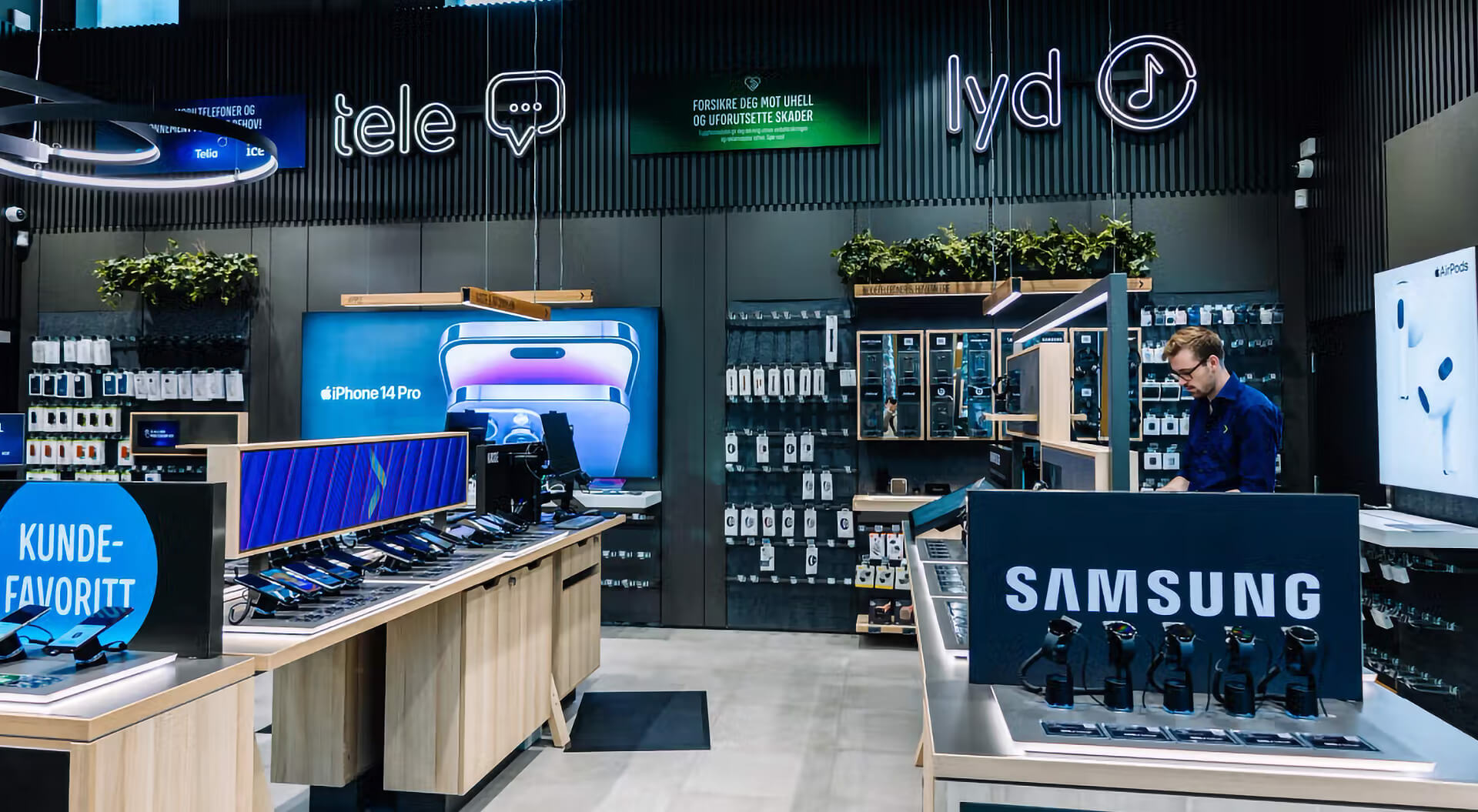
For example, a smartphone proposition can connect device discovery with cases, chargers, protection, connectivity and service.
How CampbellRigg helps
CampbellRigg translates customer missions into merchandising and spatial priorities.
The result is a format where products are organised around how customers buy, rather than simply how the retailer categorises its inventory.
This can improve product discoverability, support cross-selling and make limited floor space more productive.
The commercial objective is not maximum product density.
It is maximum relevance per square metre.
Benchmark Analysis
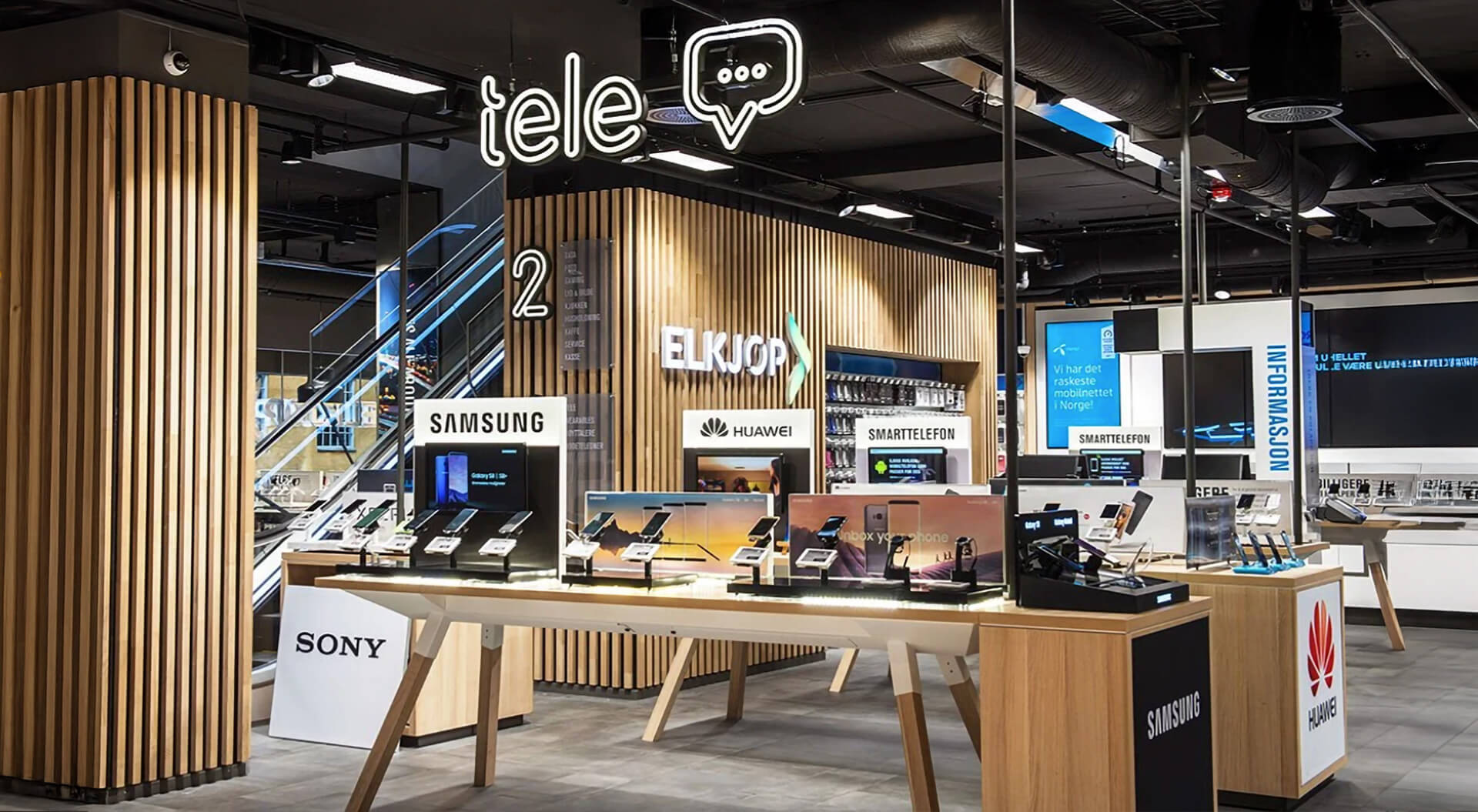
Elkjøp demonstrates how a leading Nordic electronics retailer can connect digital capability with physical retail. CampbellRigg's benchmark analysis identifies a MACH-style, API-first approach and personalisation layer as important principles in connecting online browsing and buying with in-store fulfilment and digital experiences.
The model described includes real-time inventory, click-and-collect, staff notifications and digital tools that help bridge the gap between the physical assortment and the wider catalogue.
Elkjøp's customer proposition also demonstrates the importance of rapid collection: its Norwegian service currently promotes online ordering with collection from the selected store within one hour.
The wider management lesson is that technology infrastructure, customer data, fulfilment processes and store design need to support the same commercial objectives.
The store should be designed as part of the retail system and not as an isolated physical asset.
Measuring the ROI of Compact Technology Store Design
Management should establish commercial KPIs before approving a new format.
Relevant measures can include:
- Conversion rate: whether clearer assortment and navigation help more visits become purchases.
- Sales per square metre: whether the format generates greater productivity from constrained space.
- Average transaction value: whether merchandising and customer journeys support higher-value baskets.
- Attachment rate: whether relevant adjacencies increase complementary purchases.
- Click-and-collect time: whether fulfilment processes reduce customer waiting and operational friction.
- Staff productivity: whether digital and spatial tools allow employees to serve more customers effectively.
- Range productivity: whether digitally extended assortment increases sales without requiring additional floor space.
- Customer engagement: whether demonstration, advice and service functions increase meaningful interaction.
- Repeat visits: whether convenience and service encourage customers to return.
The purpose is not to attribute every sales change to design.
Instead, management should establish baseline performance, define target measures and evaluate how changes in space, assortment, customer journey and operating processes affect commercial outcomes.
How CampbellRigg helps
CampbellRigg can translate commercial objectives into design criteria and measurable requirements at the briefing stage.
This gives management a framework for evaluating the format after launch and identifying which elements should be retained, modified or scaled.
The benefit is a more accountable relationship between retail design investment and business performance.
From Pilot Store to Scalable Network
The ultimate value of compact technology store design is not the individual store.
It is the ability to create a repeatable format system.
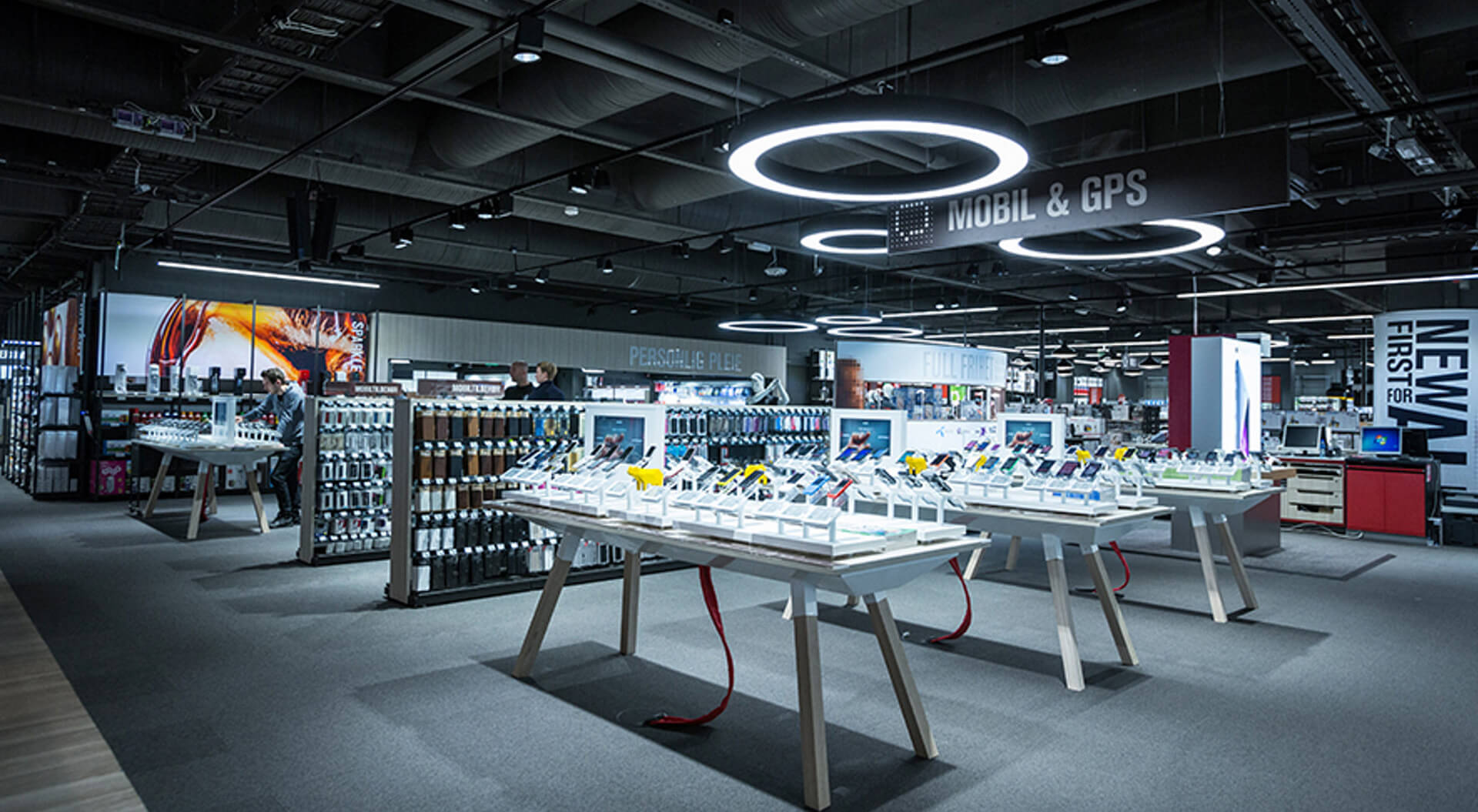
A successful network requires a balance between standardisation and local adaptation. Brand identity, customer experience principles, merchandising systems and key operational requirements should remain consistent, while assortment, space allocation and selected customer journeys can respond to local conditions.
How CampbellRigg helps
CampbellRigg combines technology retail strategy, brand positioning, retail architecture, interior design, visual merchandising, customer journey planning and phygital experience design.
The agency can take the process from brand audit and strategic definition through design development, format planning, implementation and rollout.
The benefit for management is a connected process capable of turning an individual store concept into a scalable retail format architecture.
That is particularly valuable when the objective is network expansion rather than a one-off flagship.
Why Elkjøp Is Different from Other Technology Retail Formats
The distinction is important within the wider technology-retail landscape.
Large-format and multi-format strategies such as those explored through Currys and M.Video address the broader challenge of connecting urban stores, mega stores, merchandising and omnichannel retail.
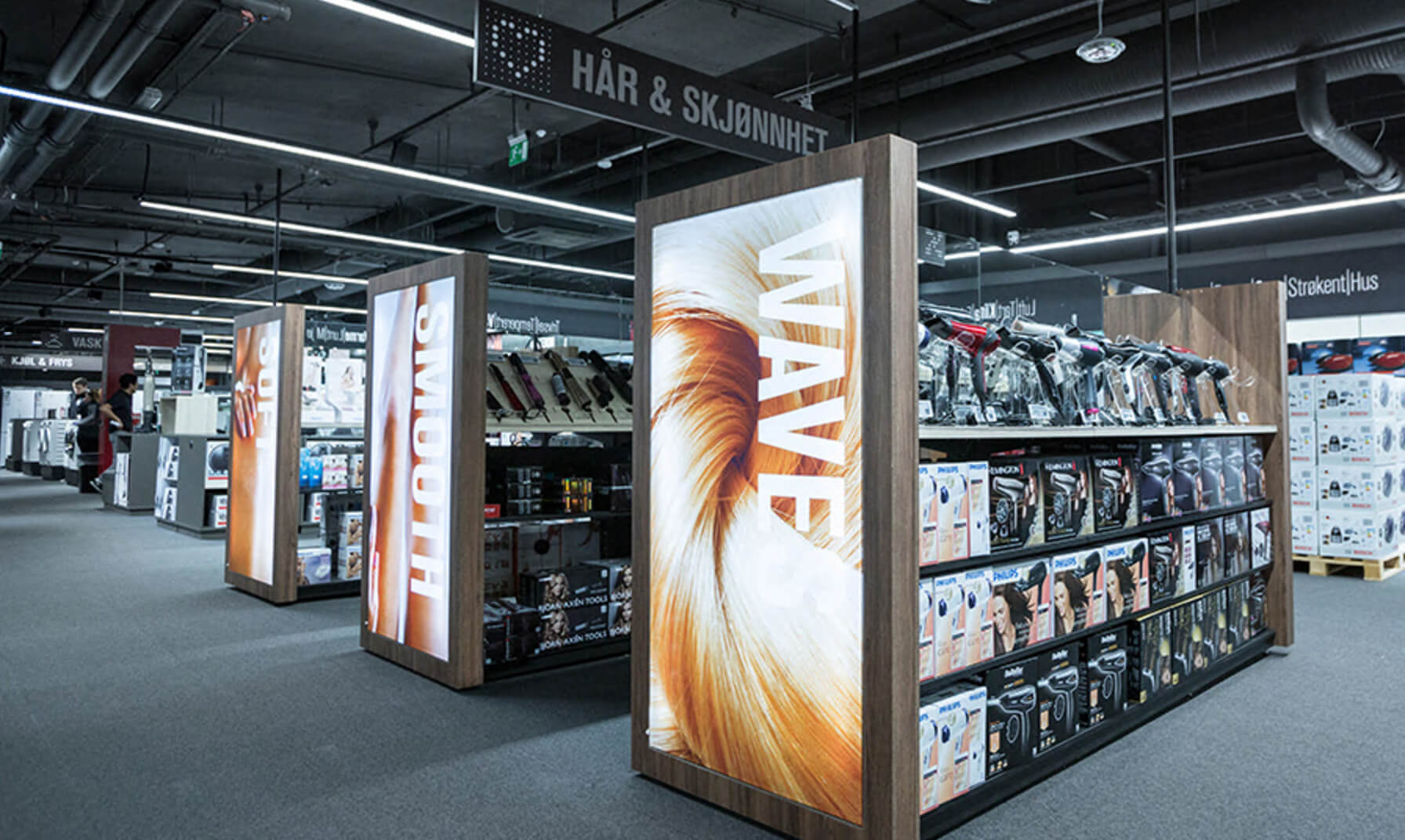
Elgiganten's newer content focuses more broadly on consumer electronics store design, mega stores, city formats and retail-format differentiation, including the different roles of destination and city-centre stores.
Best Buy Express and Tech2Go provide a stronger benchmark for compact, high-density urban and travel formats, with curated assortments, digital touchpoints and fast service.
MediaMarkt Xpress similarly explores compact, digitally enabled urban formats, mobile POS, curated inventory and omnichannel services.
Elkjøp should therefore be understood through a more specific lens: the Norwegian and Nordic city-centre technology retail model, where compact physical environments act as customer-facing extensions of a wider digital retail ecosystem.
That differentiation is commercially and strategically important.
Turning Retail Strategy into Commercially Effective Stores
Elkjøp's Norwegian city-centre formats demonstrate the broader opportunity.
The future of technology retail is not necessarily larger stores. It is better-defined formats that connect physical experience with digital assortment, fulfilment, service and customer demand.
For management, the strategic opportunity is to determine:
- which customer missions each format should serve
- which products require physical experience
- how digital commerce extends the assortment
- how fulfilment can generate additional store visits
- how merchandising can improve space productivity
- which KPIs should determine format success
- and how the resulting model can be scaled across the network.
CampbellRigg helps answer those questions by connecting strategy, brand, customer experience, spatial planning, merchandising and implementation into one commercially focused programme.
The result is not simply a better-looking technology store.
It is a retail format designed to be scalable, measurable and commercially productive.
For technology retailers planning urban stores, compact formats or a multi-format network, CampbellRigg can develop the strategic and design framework required to turn limited physical space into a stronger commercial asset.
From strategy to format. From format to rollout. From rollout to measurable retail performance.
CampbellRigg: Technology Retail Strategy, Design & Rollout
CampbellRigg provides multidisciplinary expertise across retail strategy, brand positioning, retail architecture, interior design, visual merchandising, customer experience and implementation.
Cost-Effective Excellence
Our pricing structure is highly competitive, offering exceptional value without compromising on quality or creativity.
Rapid Execution
We move fast. From concept to implementation, our agile team ensures your project is delivered on time and to the highest standards.
Multidisciplinary Expertise
Our team brings together seasoned brand strategists, architects, interior designers, and graphic designers, collaborating to create seamless, end-to-end brand environments.
Global Reach, Local Insight
With successful projects delivered across Europe, the Middle East, and Asia, we combine international experience with local market understanding.
Scalable Project Delivery
Whether it's a flagship technology and consumer elctronics store, an urban network or mall micro-branches, we manage and execute projects of all sizes, efficiently and effectively.
Proven Track Record
Our designs evolve branch networks from purely transactional spaces into experiential, relationship-focused brand environments, enhancing engagement, elevating customer experience, and driving tangible business results.
Full-Service Creative Agency
From rebranding and marketing campaigns to spatial design and rollout, we provide an integrated service tailored to your goals.