News and Views
AI Agents in Telecom Retail: The Future of Agentic Commerce.




AI Agents in Telecom Retail: The Future of Agentic Commerce
AI agents are changing how consumers discover, compare and buy technology. Instead of searching websites, comparing smartphones and tariffs manually, customers can increasingly ask an AI agent to understand their needs, evaluate alternatives and recommend a solution.
For telecom operators, this creates a fundamental shift in the customer journey. AI agents are changing telecom retail by moving product discovery, smartphone comparison, tariff selection and purchasing decisions increasingly into AI-led digital journeys. The customer journey may begin with an AI agent before it reaches a telecom website, app or physical store.
This raises an important strategic question: if AI becomes the first shopping interface, what should the telecom store become?
The answer is not simply a smaller version of today's store. Physical retail can evolve into an experience-led environment where customers test technology, receive expert advice, understand connected ecosystems and build confidence before purchasing.
The future of telecom retail will therefore be shaped by the relationship between AI agents, digital commerce, physical experience and human expertise.

What Is Agentic Commerce in Telecom Retail?
Agentic commerce is an emerging model in which AI agents can understand customer needs, discover relevant products and services, compare alternatives, make personalised recommendations and increasingly support purchasing decisions on the customer's behalf. Unlike traditional search, which primarily returns a list of webpages for customers to evaluate themselves, an AI agent can interpret an individual's objectives and help determine the most suitable solution.
For example, a customer might ask for a new smartphone with unlimited data, international roaming and a smartwatch for under £100 a month. Rather than requiring the customer to research each element separately, an AI agent could assess smartphones, tariffs, roaming packages and connected devices, taking pricing and availability into account before presenting a personalised shortlist.
Agentic commerce in telecom retail therefore brings together AI-led discovery, personalised recommendation, digital comparison and increasingly automated purchasing. This has significant implications for telecom brands because the first interaction with a customer may no longer take place in a physical store or even on the operator's own website. As AI increasingly influences how customers discover and evaluate technology, telecom brands need to ensure their products, services and propositions are discoverable, understandable and recommendable within AI-led customer journeys.
How AI Agents Are Changing the Telecom Customer Journey
The traditional telecom customer journey has often looked like: Store → Salesperson → Device → Tariff → Contract
The emerging journey could become: AI discovery → Personalised recommendation → Digital comparison → Store visit → Product demonstration → Expert advice → Purchase → Connected ecosystem → AI-assisted aftercare
This is more than a technology change. It changes the role of every retail touchpoint.
AI can handle product information, comparisons and increasingly routine decisions. Digital platforms can support configuration, account management and purchasing. Physical stores can provide experiences that digital interfaces cannot fully reproduce. Human employees can provide judgement, reassurance and contextual advice.
The customer journey becomes a connected system rather than a sequence of separate channels.
For telecom operators, this means customer experience strategy must be redesigned around the AI-to-digital-to-physical journey, rather than treating AI, ecommerce, apps and stores as independent channels.
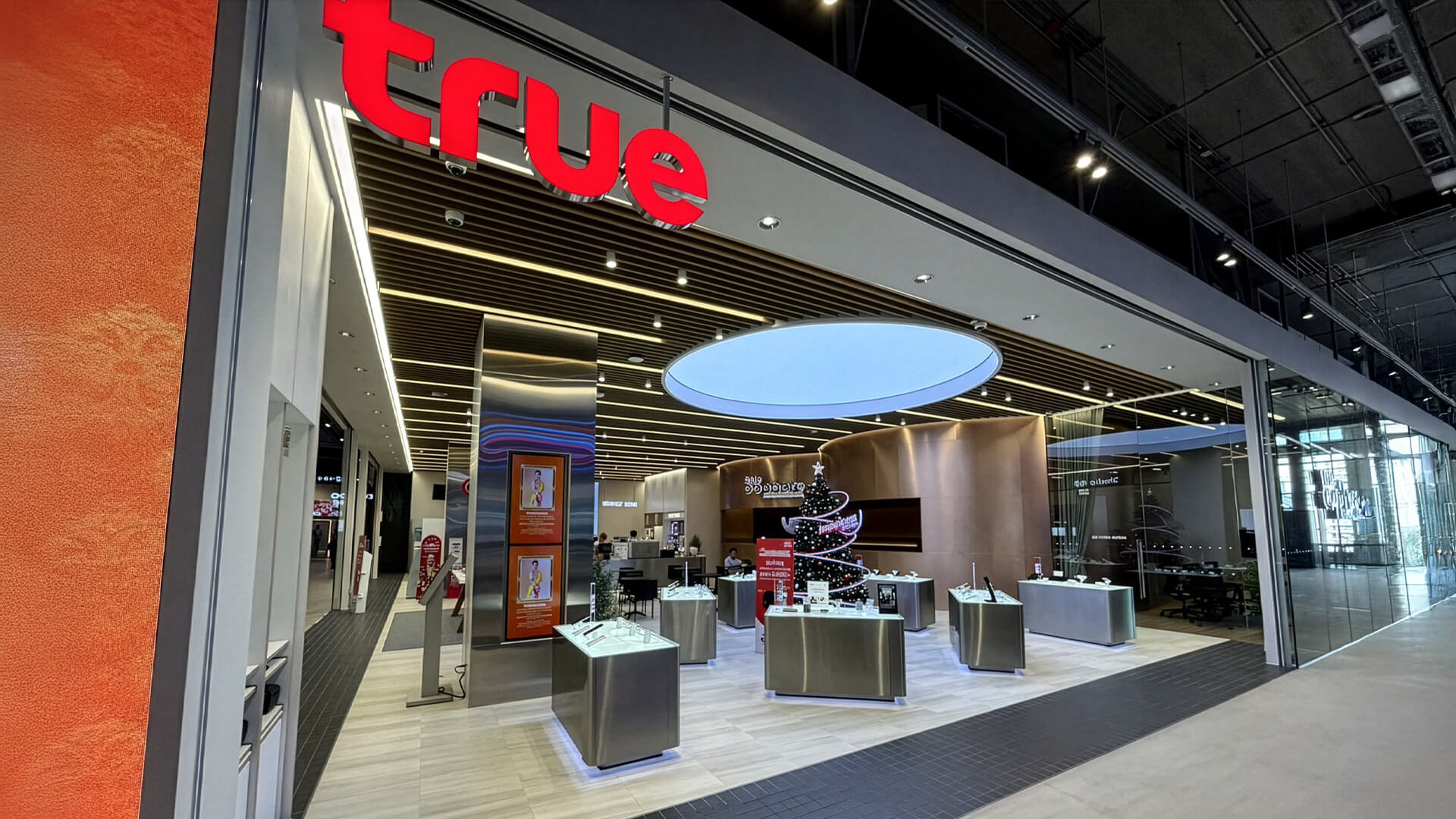
What AI Agents Mean for Telecom Operators
AI agents could influence almost every stage of telecom commerce.
AI-led product discovery
Customers may increasingly ask AI systems which smartphone, tariff or connected device best meets their requirements.
Telecom brands therefore need product information, pricing, specifications, services and brand propositions that can be accurately interpreted by AI systems.
Personalised recommendations
AI agents can potentially combine customer requirements with product information to recommend more relevant smartphones, tariffs, accessories and connected-device bundles.
This could shift telecom retail from mass product promotion towards more personalised propositions.
Tariff and bundle comparison
Telecom tariffs can be difficult for customers to compare because of data allowances, contract periods, roaming, device financing and additional services.
AI agents could simplify this complexity by comparing offers according to individual requirements rather than presenting customers with long lists of options.
Connected-device ecosystems
The smartphone is increasingly part of a wider technology ecosystem that can include wearables, home technology, entertainment, security and connected services.
AI-led recommendations could therefore move the conversation from selling a handset towards creating a personalised technology ecosystem.
Purchase and aftercare
As agentic commerce develops, AI systems may increasingly support purchasing, configuration, service management and aftercare.
For telecom operators, the opportunity is to create a continuous relationship rather than treating the contract signing as the end of the retail journey.

Will AI Agents Replace Telecom Stores?
Probably not. They will change what telecom stores are for.
When AI can search, compare and recommend, customers have less reason to visit a store simply to obtain information.
But information is not the only reason people visit physical retail.
Customers may still want to hold a smartphone, test a camera, compare screens, experience a wearable, understand a smart-home system, test network performance or speak to someone they trust.
This creates a different value proposition.
A customer may trust an AI agent to create a shortlist but still ask a human expert: “Which one is actually right for me?”
For complex or high-value technology purchases, human reassurance can remain important.
The physical store therefore becomes less important as a product-discovery channel and potentially more important as an experience, demonstration and advisory channel.
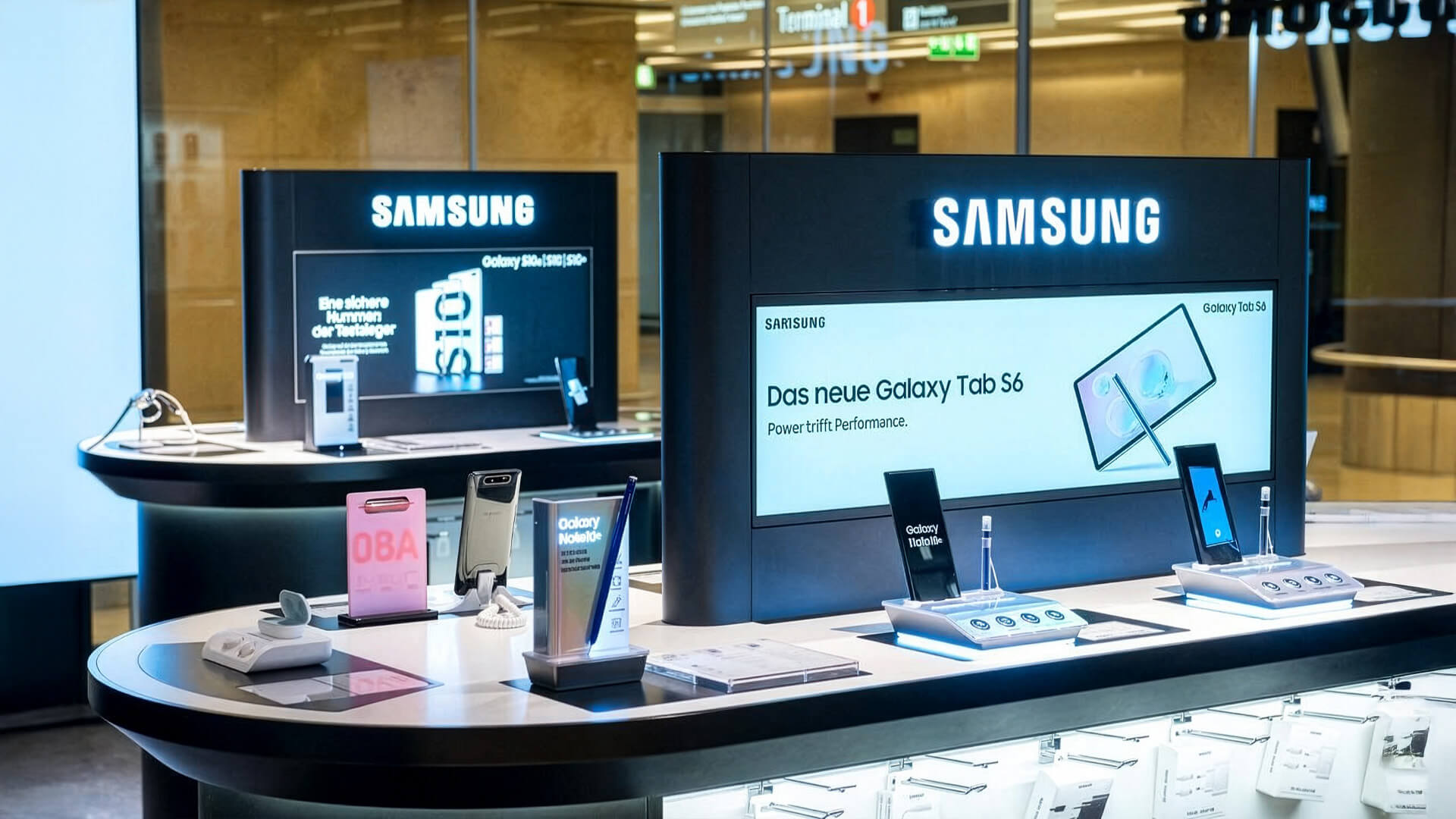
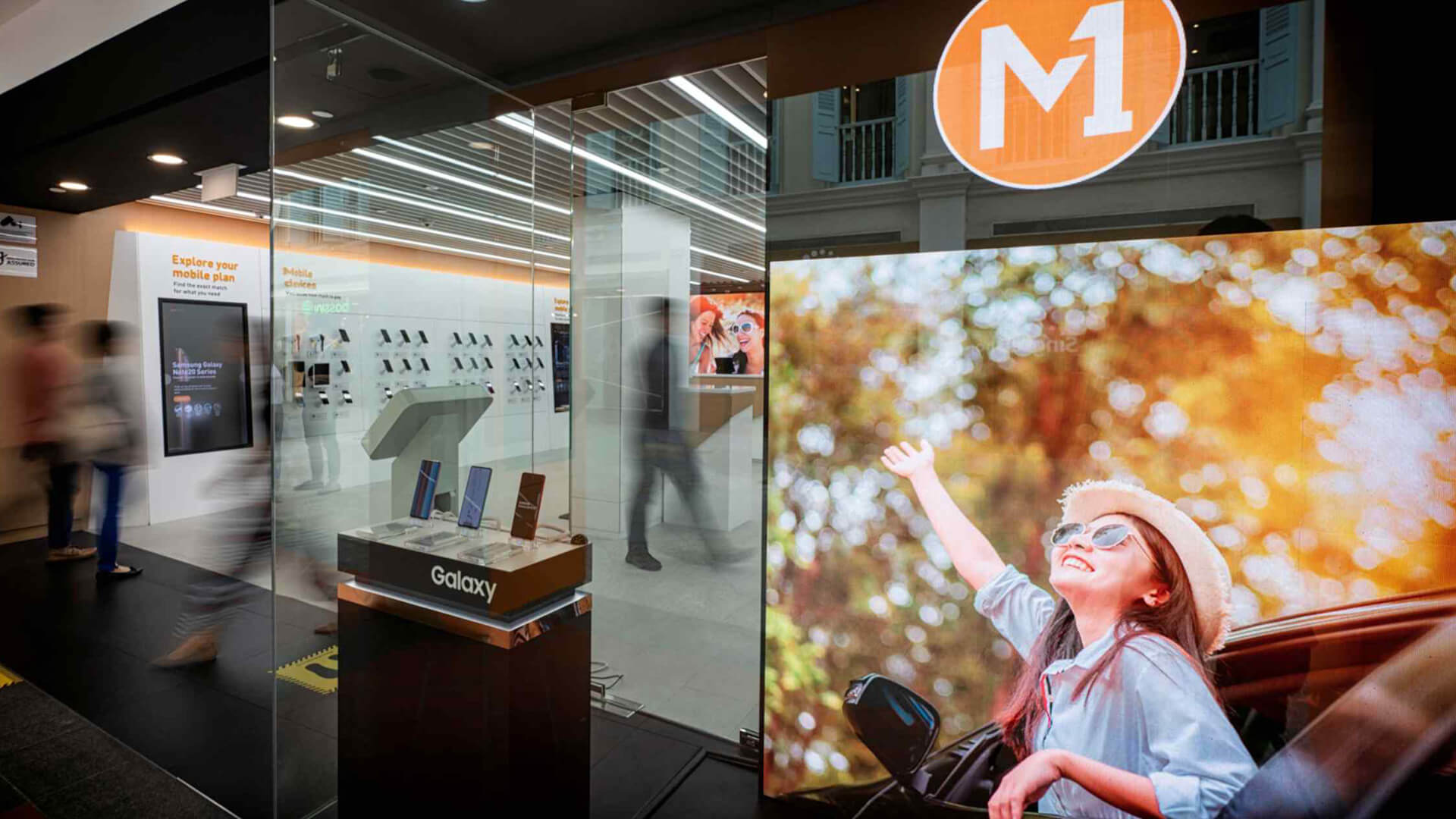
From Telecom Store to AI-Powered Experience Hub
The future telecom store should be designed around experiences that digital channels cannot fully reproduce.
Customers could:
- Test the latest AI smartphones
- Compare devices and wearable technology
- Experience augmented and mixed reality
- Explore smart-home ecosystems
- Experience connected entertainment
- Test network performance
- Configure devices with an expert
- Understand complex tariffs and services
- Receive personalised technology advice
- Experience emerging products before purchasing
The store becomes a technology laboratory, advisory platform and brand experience.
This suggests a fundamental change in retail design: Less transaction. More experience.
Less showroom. More technology laboratory. Less sales counter. More advisory platform.
For telecom brands, store architecture, interior design, digital interfaces, customer journeys, visual communications and brand identity must work together.
The physical environment becomes the tangible expression of the telecom brand.
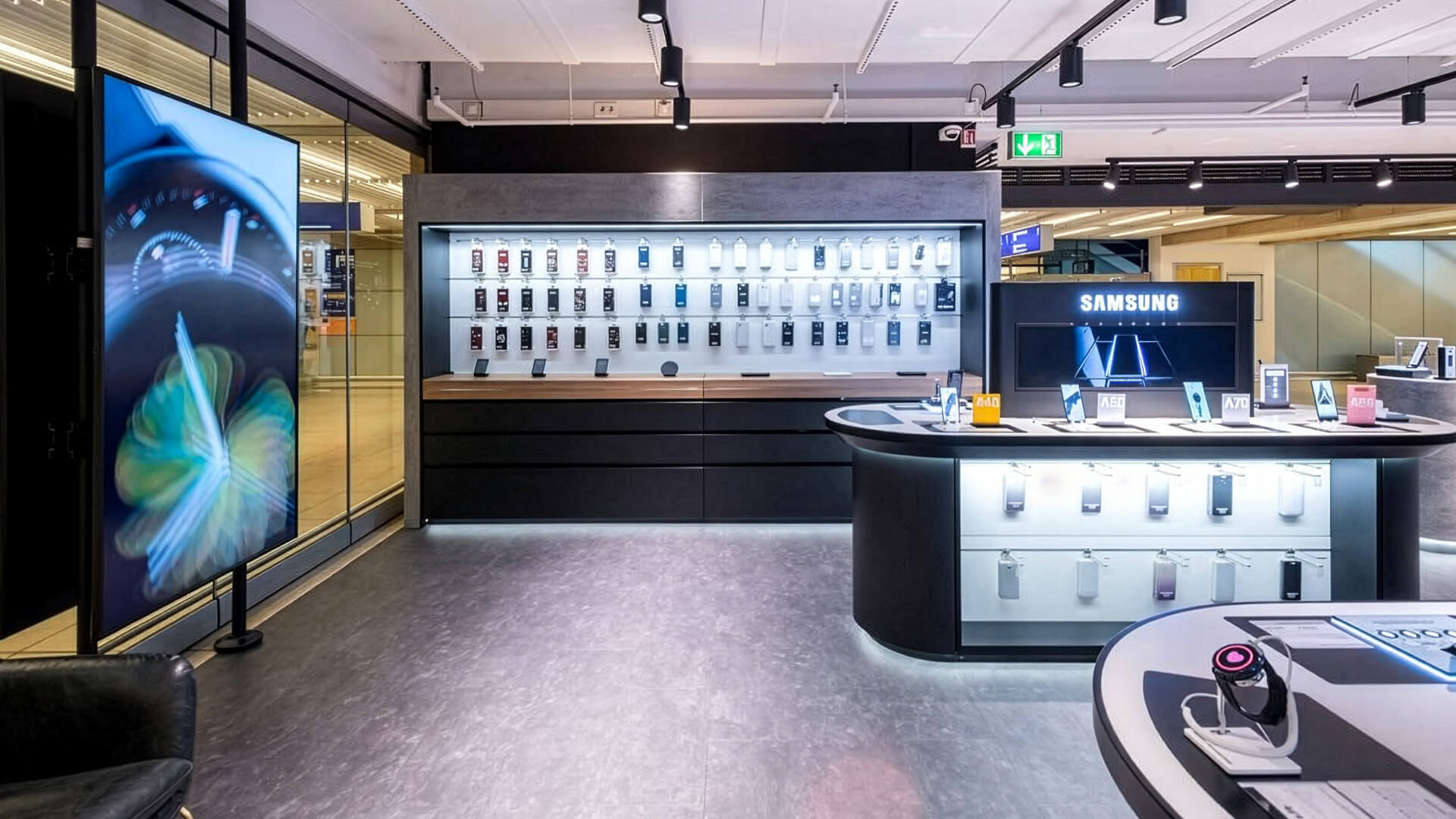
Why Human Expertise Still Matters in Telecom Retail
AI can process enormous quantities of information and compare products rapidly. But telecom purchasing can involve uncertainty, complexity and personal preference.
A customer may understand the technical specifications of two smartphones but still need help deciding which device fits their lifestyle.
This creates a new role for store employees.
Rather than competing with AI, retail teams can become:
- Technology advisors
- Experience specialists
- Product demonstrators
- Connected-lifestyle consultants
- Trusted problem solvers
- Relationship builders
The principle is simple:
AI handles information.
Humans provide context.
The store provides experience.
Together, these capabilities can create a more valuable telecom customer journey.
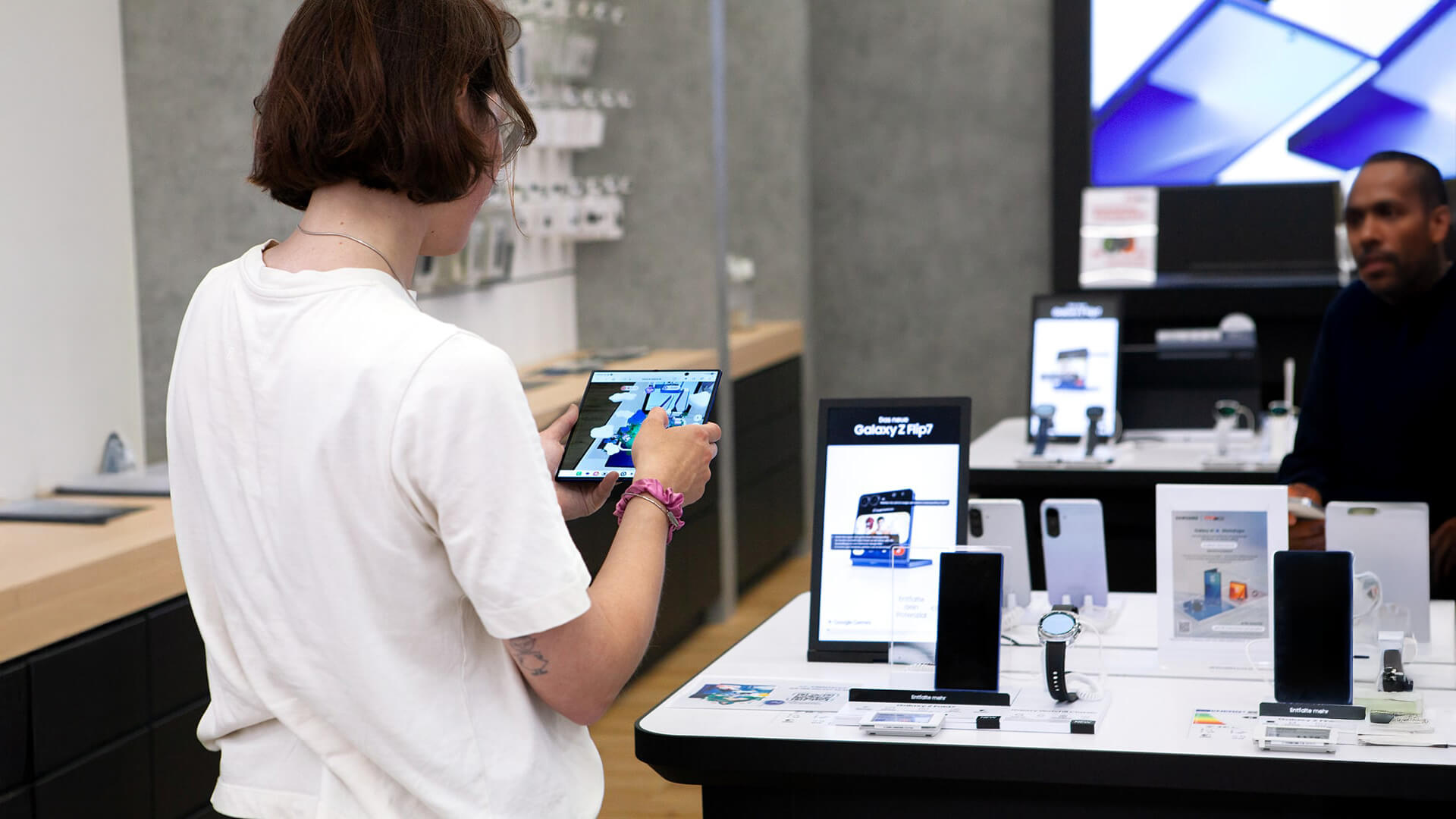
The New Phygital Telecom Retail Ecosystem
The strongest telecom brands will not treat the store, website, app and AI assistant as separate channels.
They will design them as one connected ecosystem.
A customer could begin at home by asking an AI agent to identify the best smartphone and tariff. They could continue through the operator's app, reserve a device, visit a store to experience it, receive expert advice, purchase digitally and then use AI-assisted aftercare.
The experience should feel continuous and connected across every touchpoint. AI can drive discovery, personalised recommendations and ongoing assistance, while digital channels support product comparison, configuration, account management and purchasing. Physical environments provide opportunities to experience and demonstrate technology, access expert advice and build trust, while human expertise adds judgement, reassurance and relationship-building. Together, these capabilities create a seamless phygital telecom retail journey in which AI, digital platforms, physical stores and people each play a distinct but complementary role.
This is the next stage of phygital telecom retail: a customer journey in which AI, digital platforms and physical environments reinforce one another.
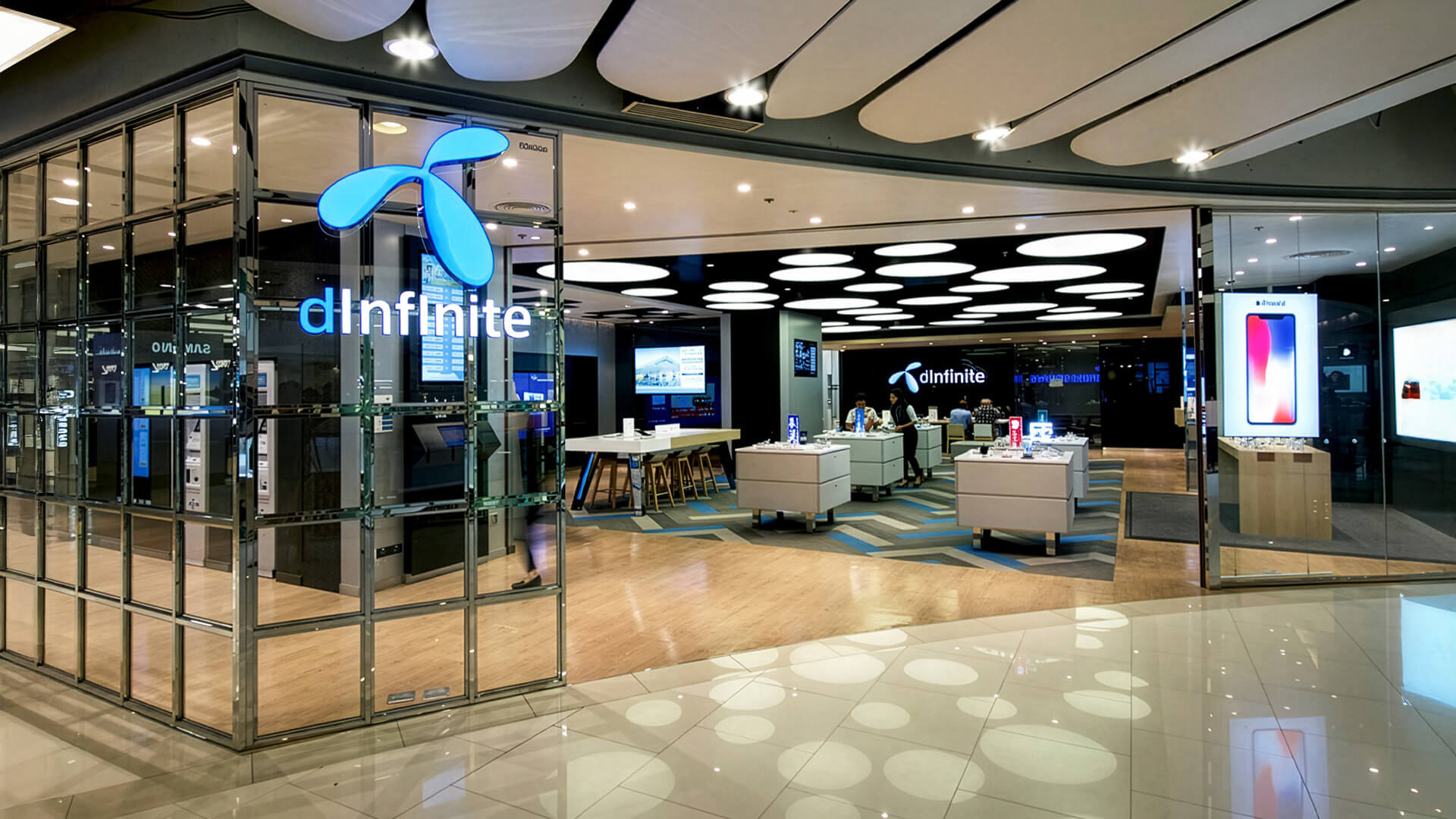
How Telecom Brands Should Redesign Stores for Agentic Commerce
The rise of agentic commerce does not mean simply installing more screens or adding an AI chatbot to an existing store.
The entire customer journey needs to be reconsidered.
The store should answer a question that AI cannot easily answer: “What can I experience here that I cannot experience through an AI interface?”
That could include product demonstrations, immersive technology, connected-home experiences, network demonstrations, expert consultations and personalised configuration.
Retail formats should also become more flexible.
Instead of allocating most of the space to product display and transactional counters, telecom brands can create zones for discovery, demonstration, consultation, connected ecosystems and community engagement.
The objective is to make the physical store a destination rather than simply another place to complete a transaction.
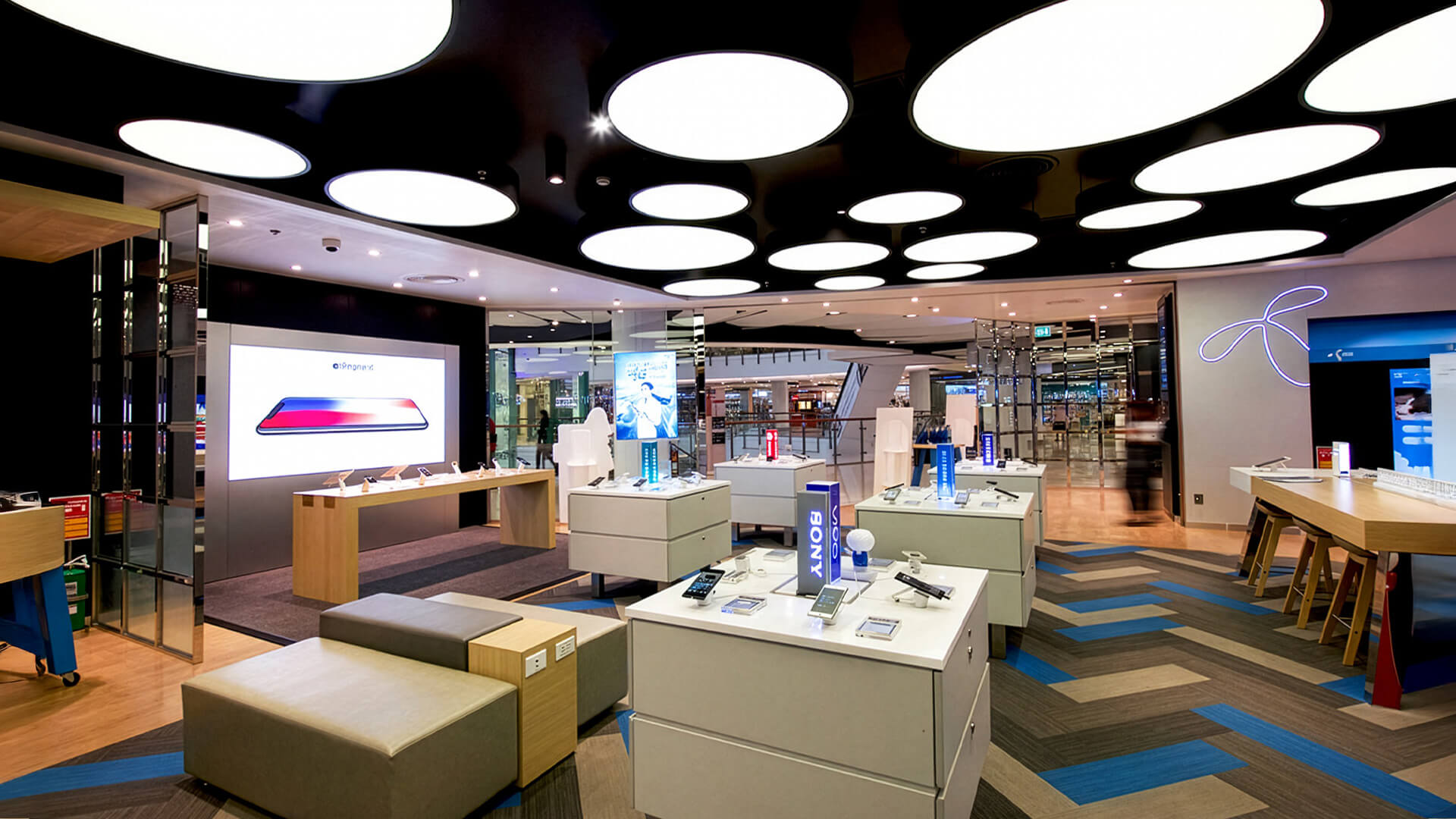
Five Strategic Priorities for AI-Ready Telecom Retail
1. Design for AI-led discovery
Products, tariffs, services and brand information need to be structured clearly so AI systems can understand and recommend them accurately.
2. Redesign the customer journey
Map the complete journey from AI discovery and digital research through store experience, purchase and aftercare.
3. Build experiences around technology
Create environments where customers can physically experience connected products rather than simply view them on shelves.
4. Reposition store employees
Move employees from predominantly transactional sales roles towards expert advice, demonstrations and relationship building.
5. Connect physical and digital environments
The website, app, AI assistant and store should operate as one ecosystem, with customer information and interactions flowing naturally between touch-points.
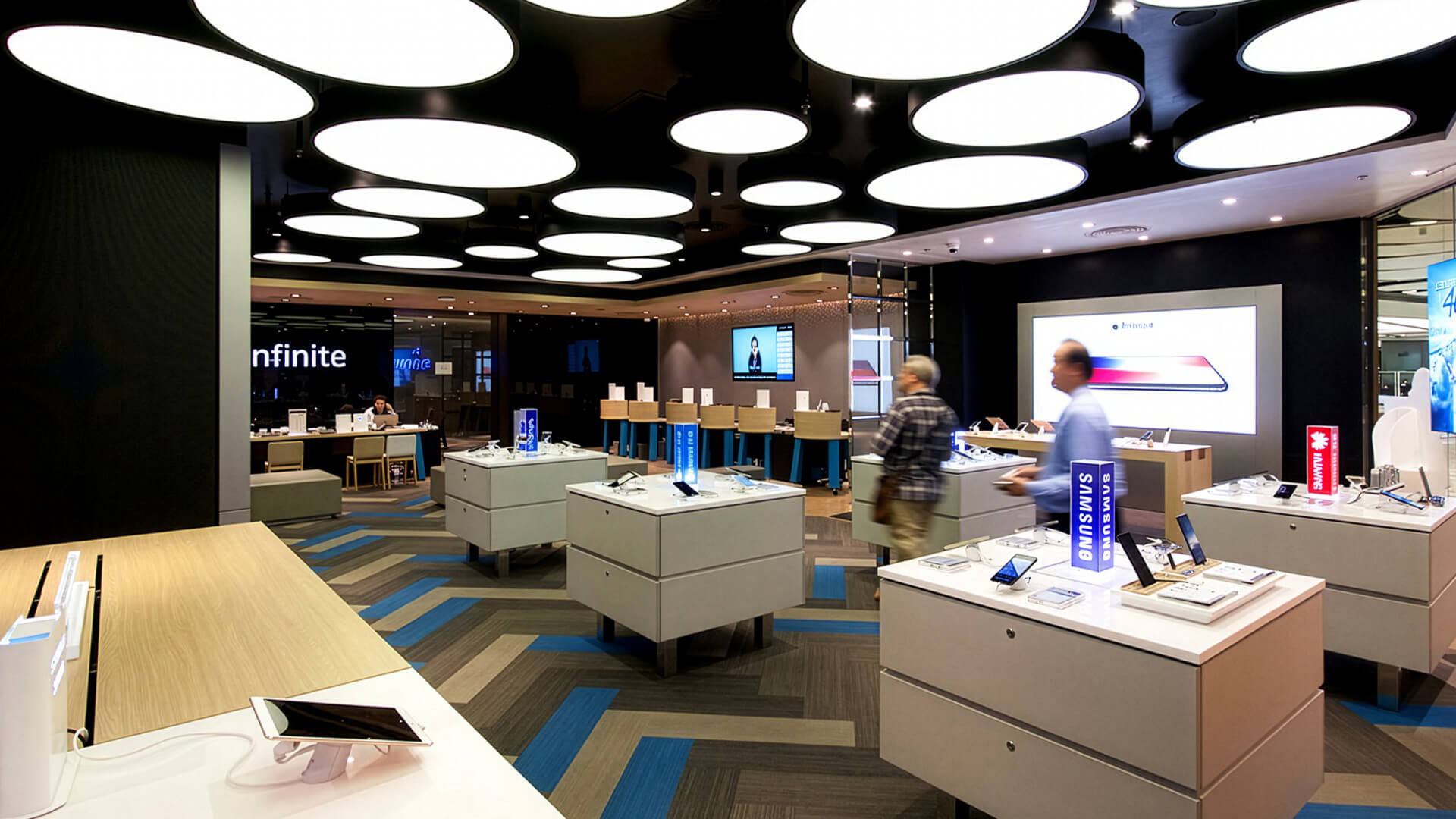
When Should a Telecom Brand Redesign Its Stores?
Telecom brands should consider retail transformation when product discovery is moving increasingly online, customer journeys are becoming more digital, physical stores are losing differentiation, connected-device ecosystems are expanding or existing formats are no longer delivering sufficient engagement and productivity.
The solution is not simply to add more digital technology.
Telecom retail transformation requires customer journey strategy, brand positioning, retail architecture, technology integration and phygital experience design to work as one system.
This is where agentic commerce becomes a catalyst for broader telecom retail transformation.
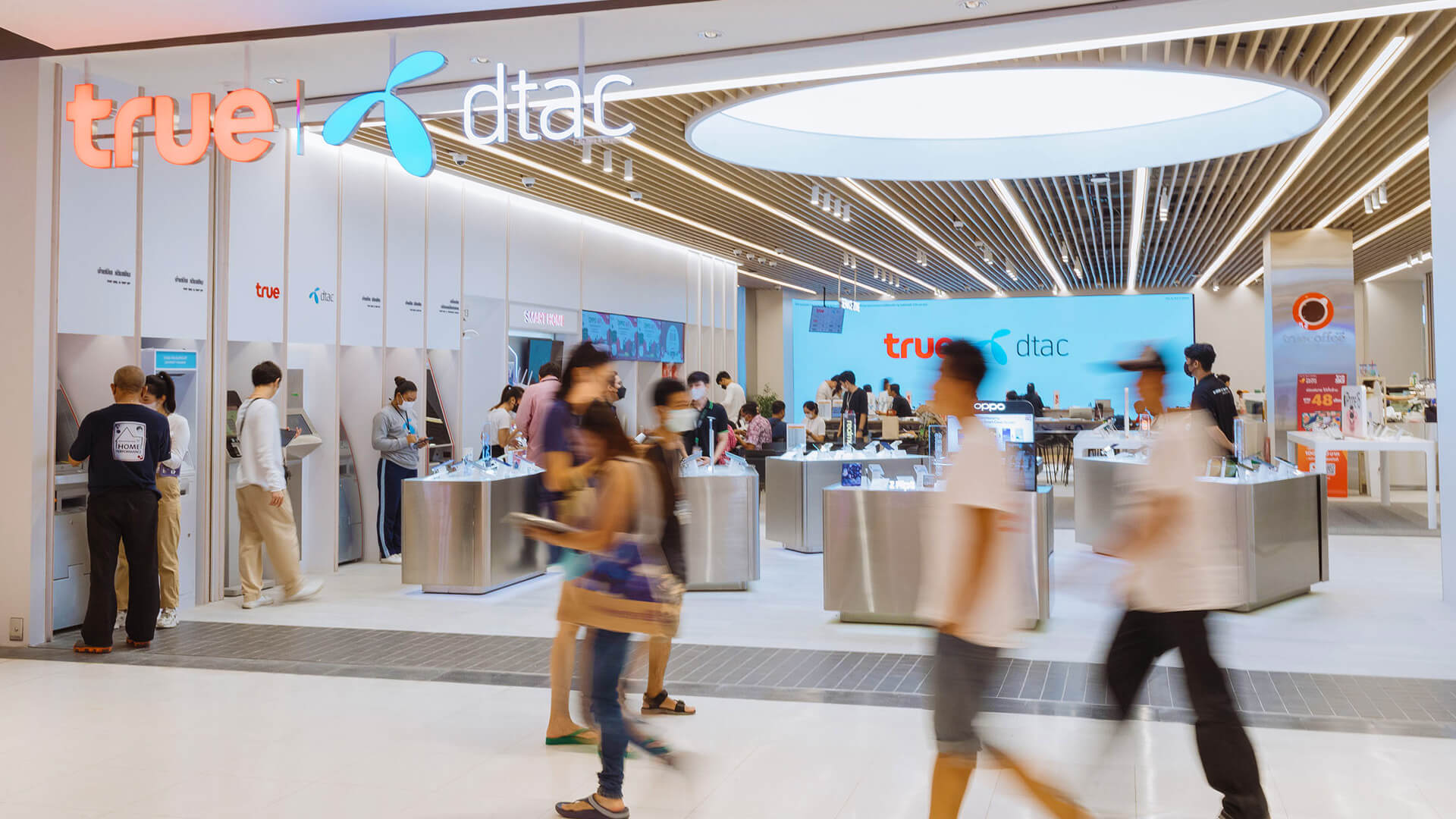
How CampbellRigg Helps Telecom Brands Build AI-Ready Retail
For telecom operators, AI-led commerce requires more than an AI assistant. It requires the physical and digital retail ecosystem to be redesigned around the new customer journey.
CampbellRigg helps telecom and technology brands translate AI-led customer journeys into physical stores, experience hubs and connected retail ecosystems designed to increase engagement, improve store productivity and strengthen brand differentiation.

Our approach can integrate:
- Telecom retail strategy
- Brand positioning
- Customer journey planning
- Retail architecture
- Store interior design
- Phygital experience design
- Digital retail environments
- Connected-device experiences
- Retail communications
- Technology integration
- Store format optimisation
The objective is to transform telecom retail from a place where customers simply buy technology into a place where they can experience, understand and trust the future of technology.
AI Agents Will Change Telecom Retail - But Experience Will Win.

Frequently Asked Questions
What is agentic commerce?
Agentic commerce is a model in which AI agents can help consumers discover, evaluate and increasingly execute purchasing activities on their behalf.
How will AI agents affect telecom retail?
AI agents could move more product discovery and comparison online, changing physical telecom stores from transactional sales environments into experience, demonstration and advisory destinations.
Will AI replace telecom retail stores?
AI is more likely to change the role of stores than eliminate them. Physical environments can provide product demonstration, human expertise, reassurance and trust that digital interfaces cannot fully replicate.
What is the future of telecom store design?
Future telecom stores are likely to emphasise experience, connected technology, advisory services, demonstrations and seamless integration with apps, websites and AI assistants.
Why is phygital retail important for telecom brands?
Phygital retail connects physical environments with digital platforms to create one continuous customer journey across AI, mobile, online and in-store experiences.