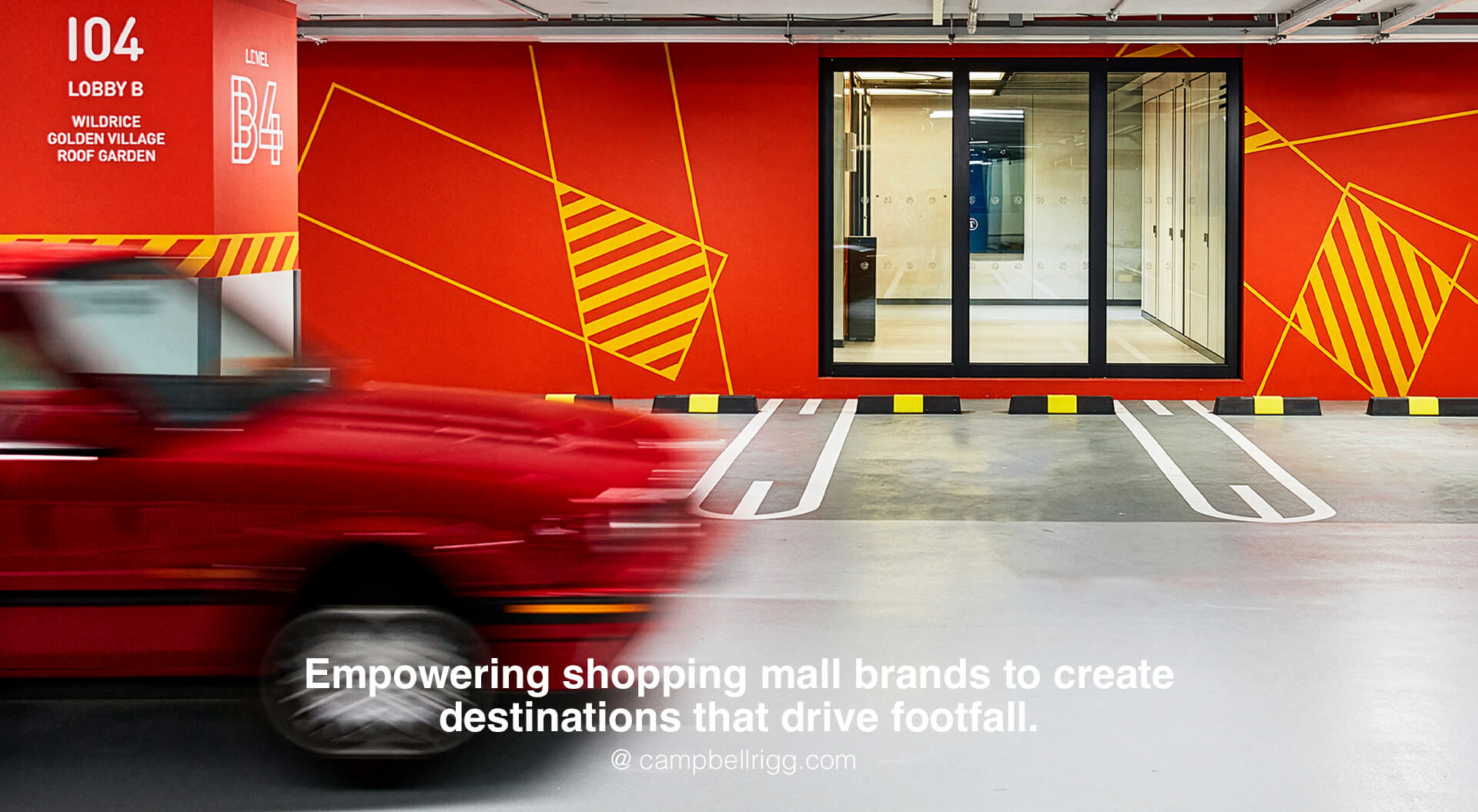
News and Views
Shopping Mall Branding: How to Create Lifestyle Destinations That Drive Footfall.




Shopping Mall Branding 2029: Drive Footfall, Dwell Time & Tenant Sales
Shopping mall branding is no longer simply about creating a distinctive logo, colour palette or visual identity. The most successful shopping centres increasingly compete through the quality of the entire destination: how it looks, how it feels, how easily visitors navigate it, what they can discover, and why they choose to stay and return.
For shopping mall owners, developers and asset managers, effective branding can become a commercial strategy for increasing footfall, dwell time, tenant visibility, customer engagement and long-term asset value.
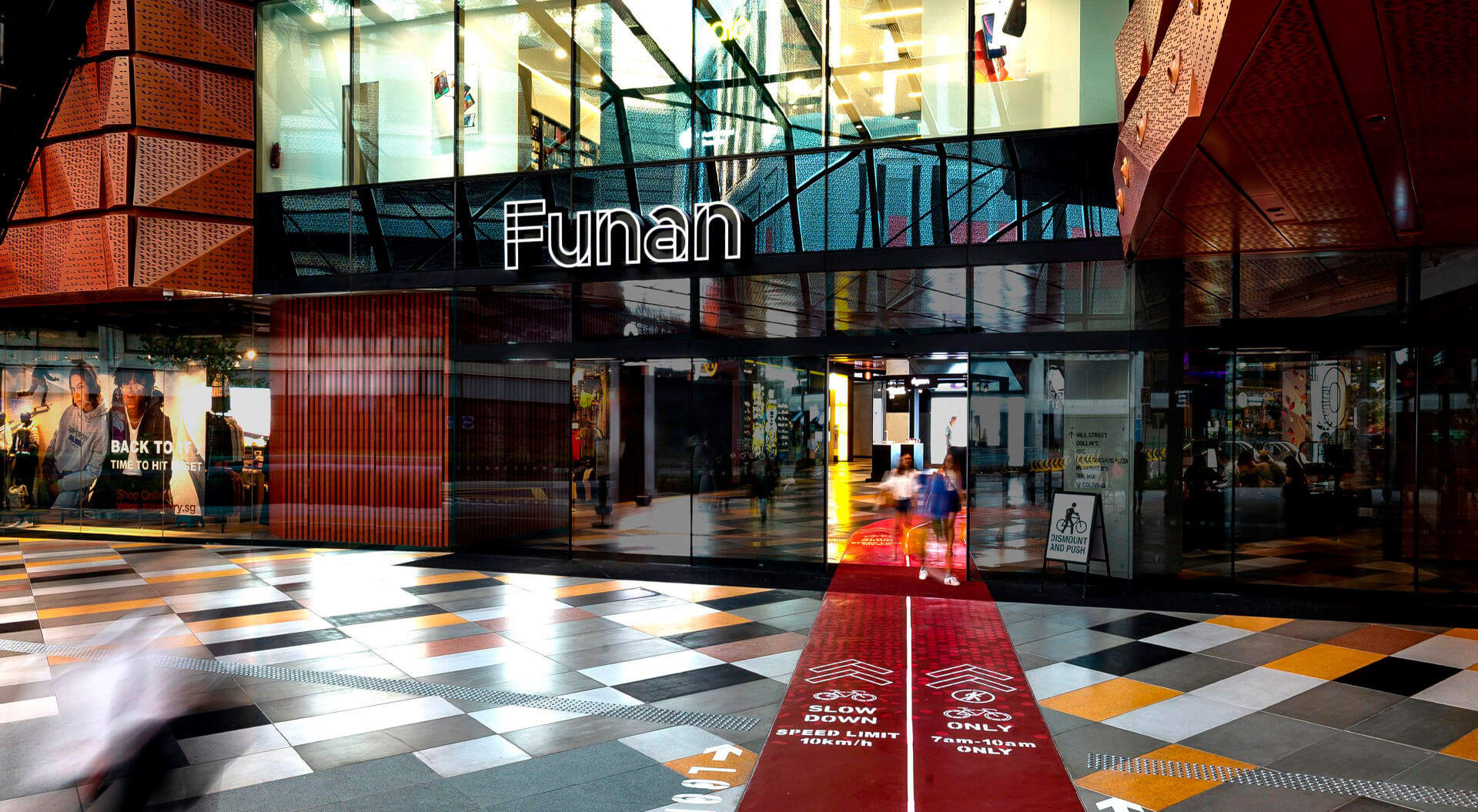
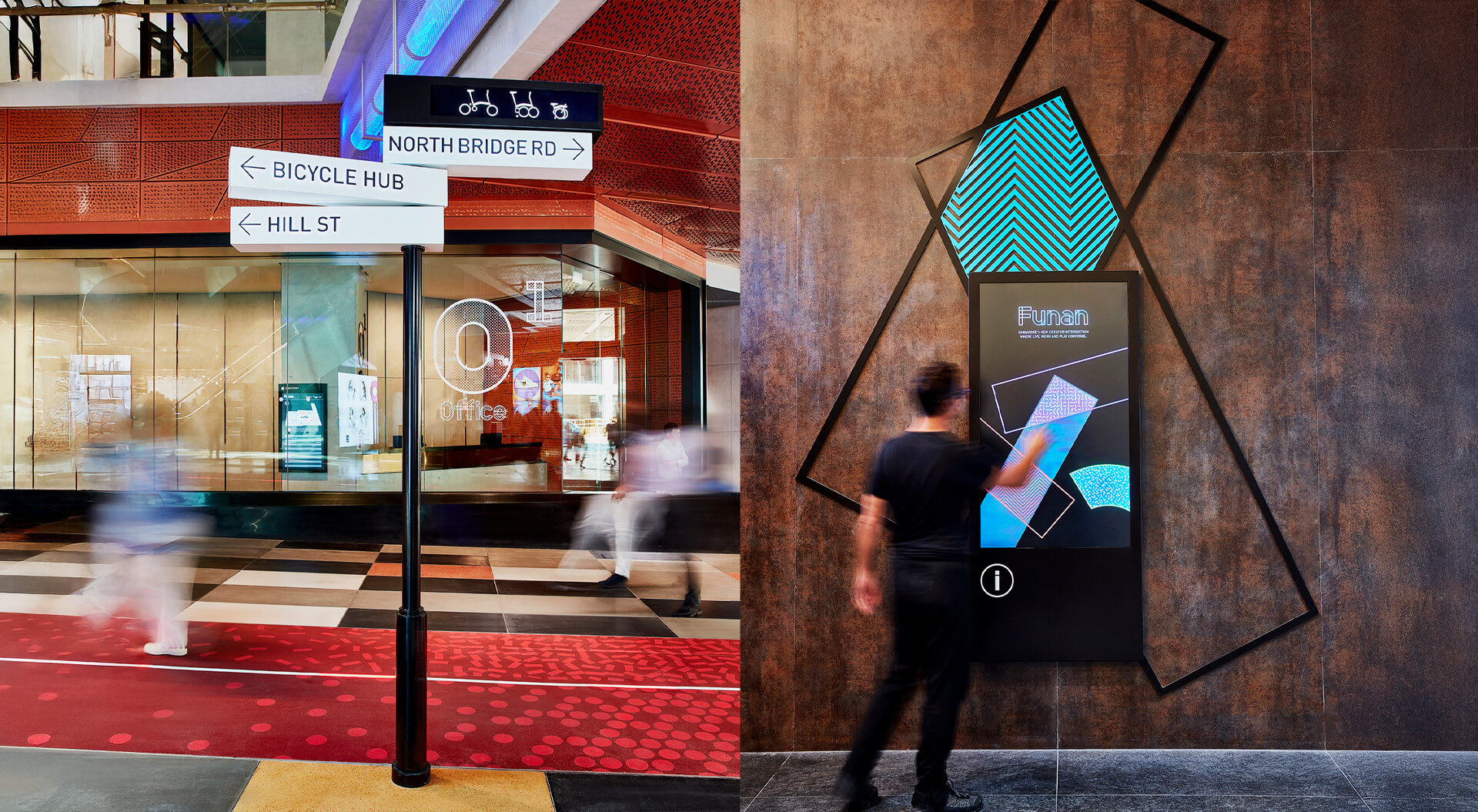
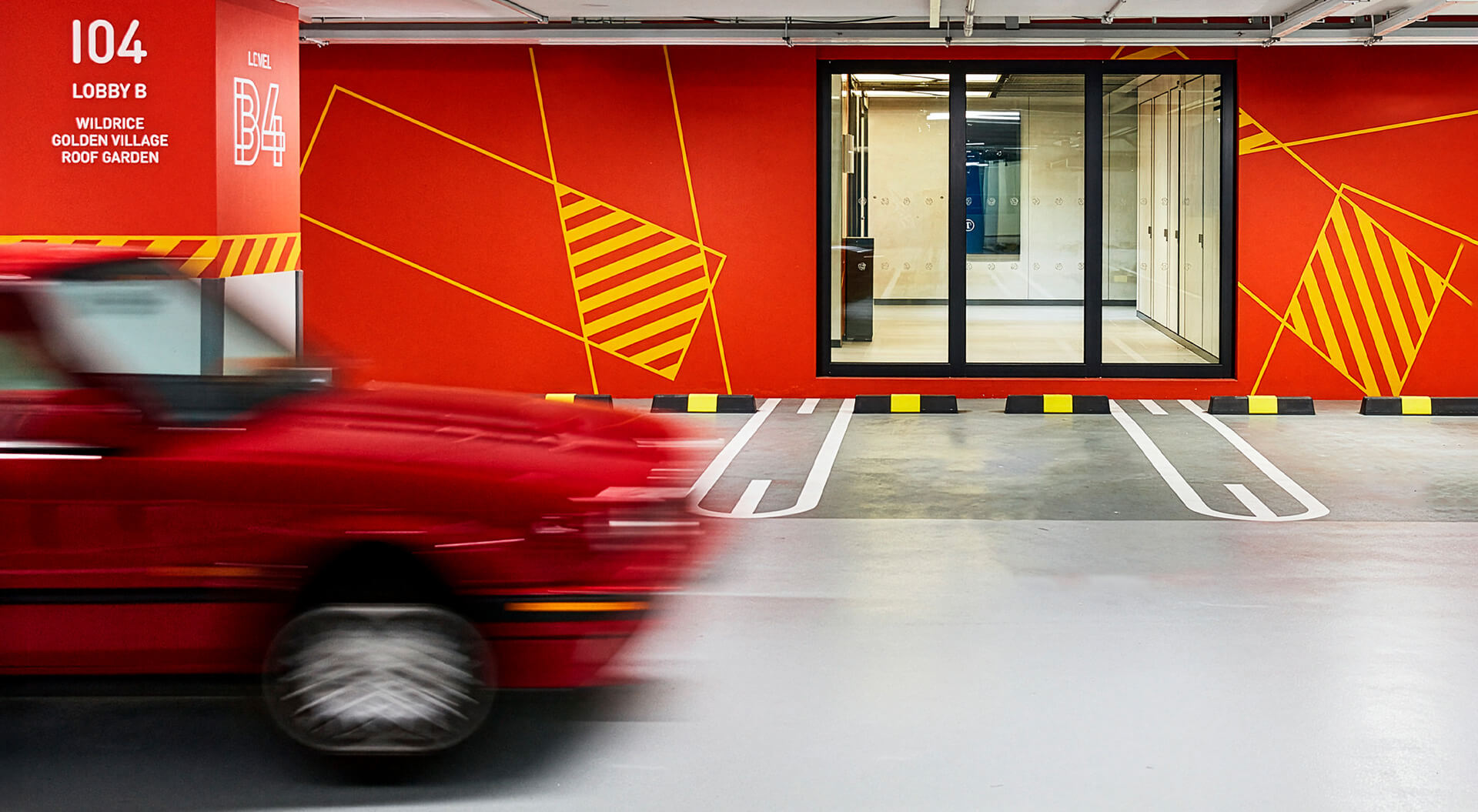
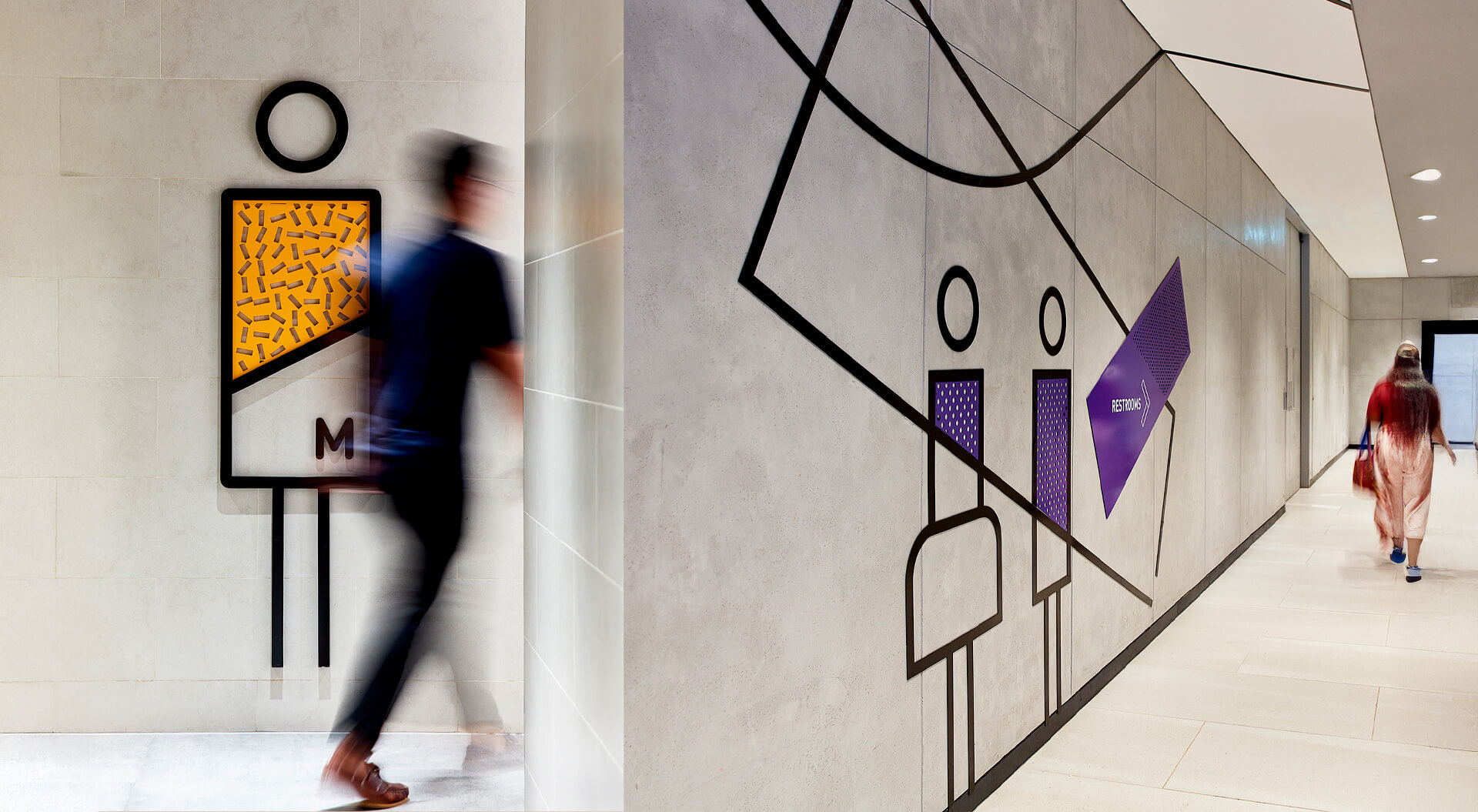
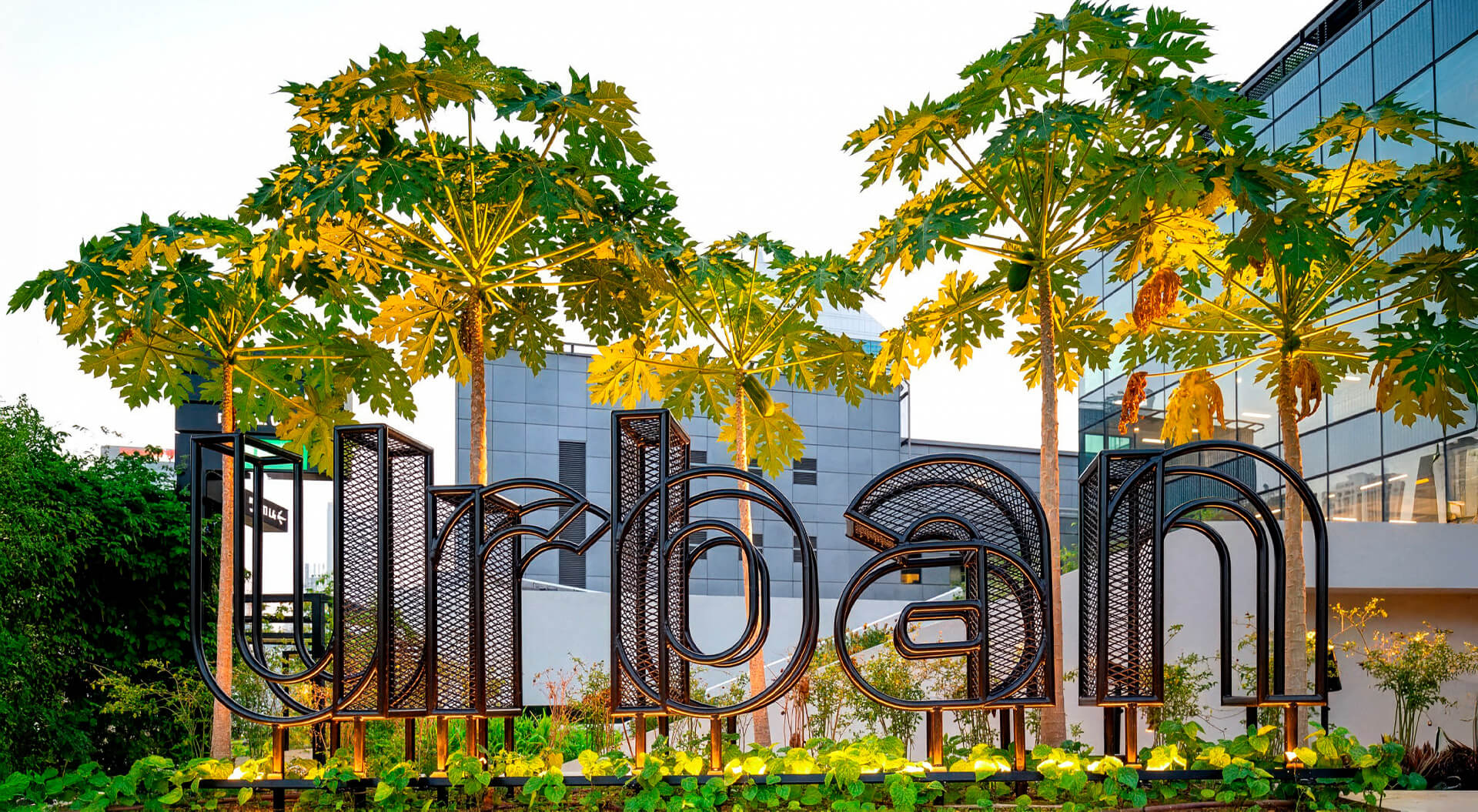
Funan Mall, Singapore
A creative urban lifestyle hub where technology, culture and sustainability intersect. Design Bridge and Partners’ distinctive graphics and integrated wayfinding support discovery, while cycling, urban farming and community spaces create a connected, experience-led destination that encourages visitors to explore beyond traditional retail.
Physical signage, digital directories, interactive maps, indoor navigation, mobile integration, digital advertising and branded environmental graphics can work together to transform movement through a shopping centre. Instead of simply directing visitors to a store, smart wayfinding can help create a more engaging and commercially productive lifestyle destination.
The future of shopping mall branding combines brand strategy, destination positioning, architecture, interior design, placemaking, tenant experience, signage, wayfinding, digital technology and customer journey design to create lifestyle destinations that people want to visit.
For organisations planning a new shopping centre, major refurbishment or destination transformation, CampbellRigg provides integrated shopping mall branding, design, wayfinding and customer-experience services designed around commercial performance.
What Is Shopping Mall Branding?
Shopping mall branding is the process of defining and expressing the identity, proposition and experience of a shopping centre across every customer touchpoint.
It goes beyond communications. A successful shopping mall brand should be visible in the architecture, entrances, public spaces, retail zones, food and beverage areas, signage, wayfinding, digital interfaces, events and customer journey.
The central question is simple: Why should customers choose this destination rather than another shopping centre, high street, retail park, leisure destination or online experience?
A compelling answer might be based on fashion, food, culture, entertainment, wellness, technology, family experiences, community or a distinctive combination of uses.
The strongest shopping mall brands turn these ingredients into one coherent destination proposition.
How Shopping Mall Branding Drives Commercial Performance
Branding becomes commercially valuable when it changes behaviour.
A clearly positioned destination can make customers more aware of what the shopping centre offers, encourage exploration beyond their original destination, increase dwell time and strengthen the visibility of retailers, restaurants and leisure operators.
The objective is therefore not simply brand recognition. It is to create an environment that supports:
- Higher footfall
- Longer dwell time
- Greater store discovery
- Stronger tenant visibility
- Increased customer engagement
- Repeat visitation
- Better use of underperforming areas
- Stronger food, leisure and entertainment propositions
- Improved leasing potential
- Long-term retail property value
This is why shopping mall branding should be considered alongside customer experience, spatial planning and commercial strategy rather than treated as a purely visual exercise.
Funan Mall in Singapore provides a relevant benchmark for the integration of digital communication into a premium shopping environment. CampbellRigg's benchmark research examined its internal digital signage and advertising systems, while current commercial media activity around Funan Mall demonstrates the scale of digital-screen opportunities within major shopping destinations.
For mall operators, this suggests an important principle: Navigation should help visitors understand what the destination has to offer, not merely tell them where they are.
Shopping Mall Branding, Design & Wayfinding Services
For shopping centre owners and developers, branding needs to translate into a physical and digital environment.
CampbellRigg combines shopping mall brand strategy, brand identity, retail design, architecture, interior design, placemaking, visual communication, signage, wayfinding and digital integration to create connected customer experiences.
A shopping mall branding programme can include:
- Brand audit and destination strategy
- Brand positioning and proposition
- Brand identity and visual language
- Shopping mall architecture and interior design
- Customer-journey planning
- Placemaking and public-realm design
- Tenant-zone and lifestyle-zone planning
- Shopping mall signage design
- Wayfinding and navigation systems
- Digital directories and interactive maps
- Environmental graphics
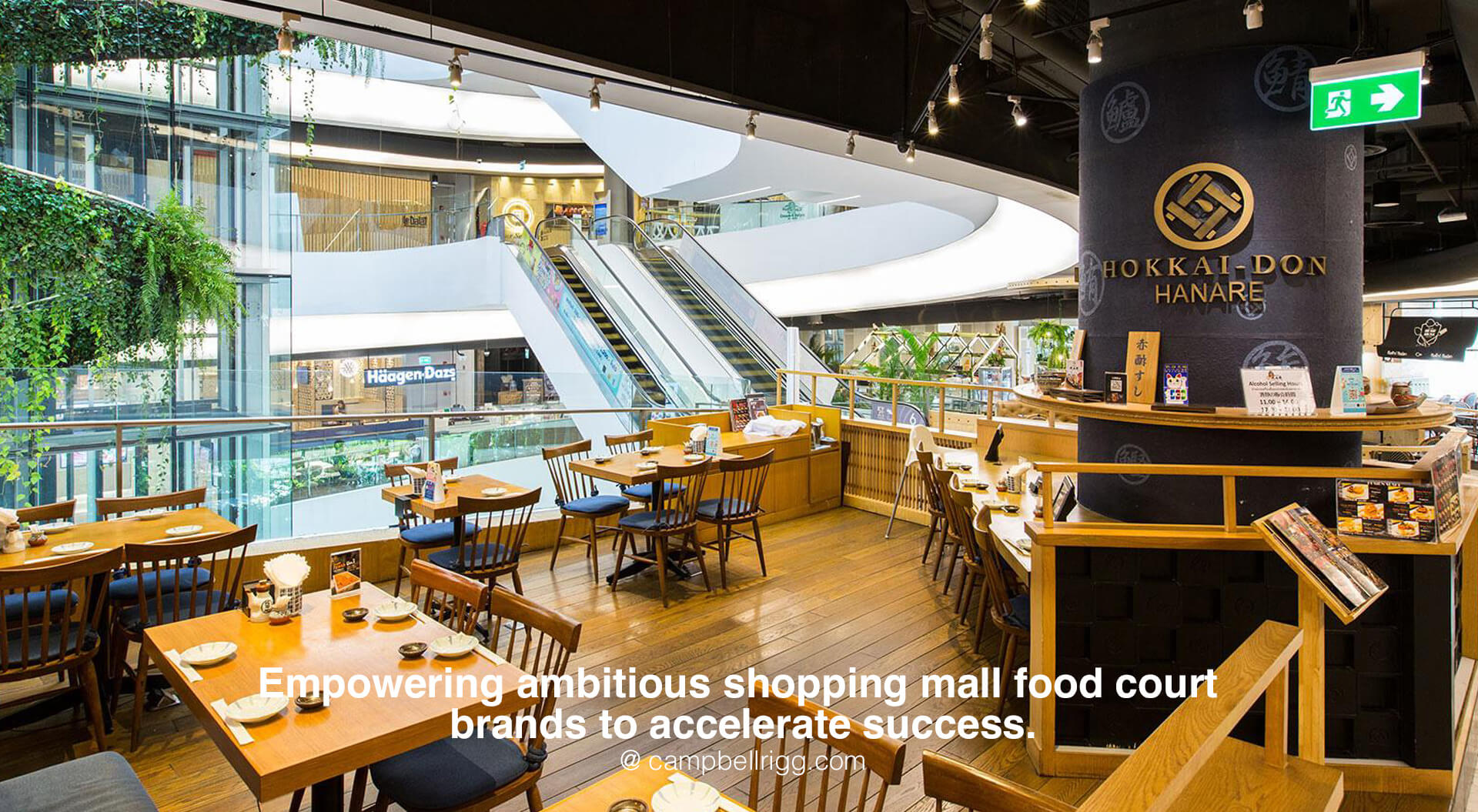
- Food court and restaurant environments
- Digital signage and retail media
- Omnichannel and mobile integration
The commercial principle is straightforward: design the brand around the customer journey and the customer journey around the commercial objectives.
Create a Lifestyle Destination, Not Just a Shopping Centre
The next generation of shopping centres will increasingly compete as lifestyle destinations.
Customers may arrive to shop but stay for lunch, entertainment, wellness, culture, events or social experiences. This creates opportunities to integrate fashion, restaurants, cafés, leisure, fitness, entertainment, community spaces and public areas into a coherent destination proposition.
Funan in Singapore demonstrates how technology, retail, culture, sustainability and community uses can be brought together within an experience-led environment.
The lesson is not to copy another shopping mall. It is to identify what makes a particular destination relevant to its catchment, city and customer base.
A successful shopping mall brand should feel distinctive enough to create recognition while being flexible enough to accommodate changing tenants, customer behaviours and future uses.
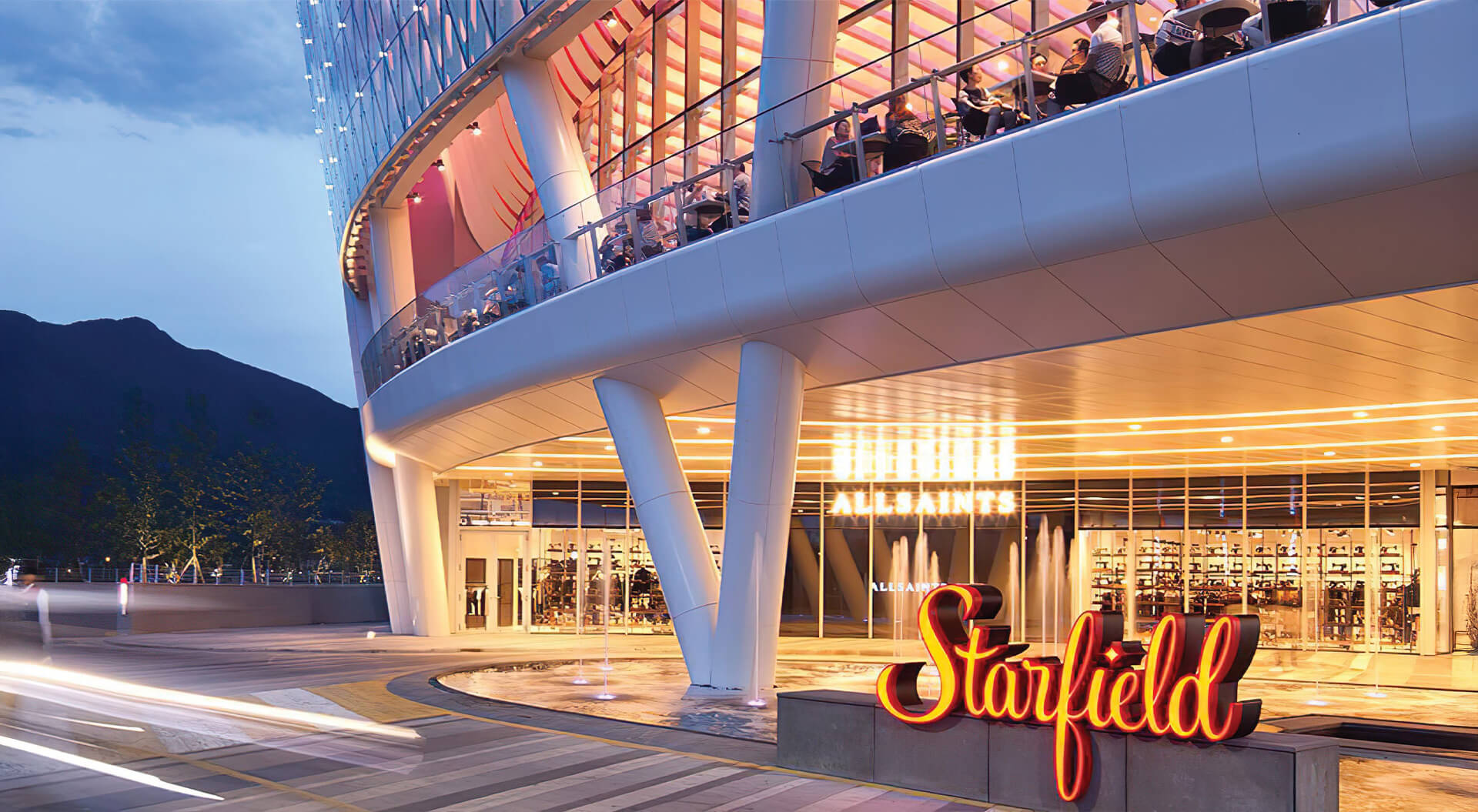
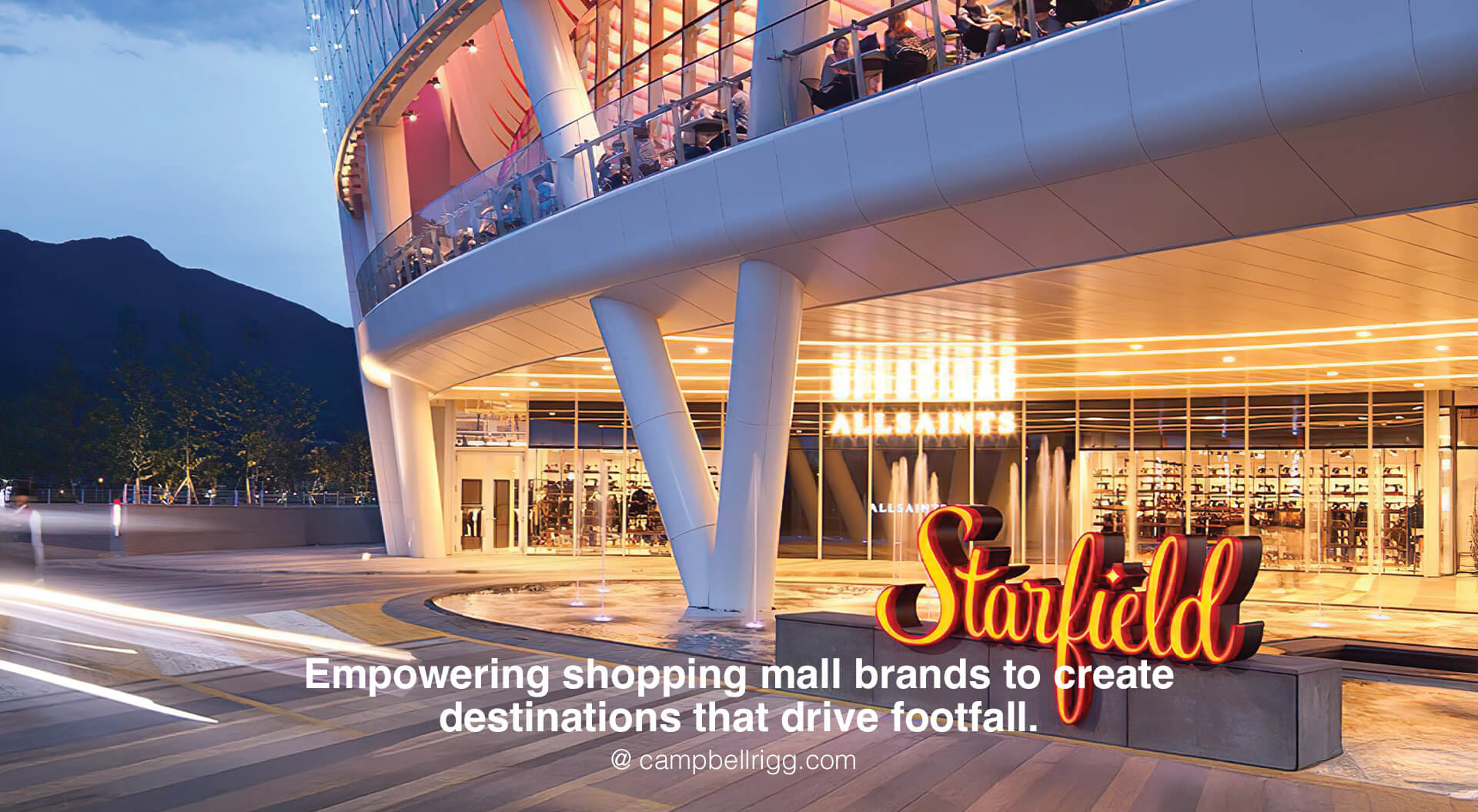
Starfield Hanam, Gyeonggi Province, South Korea
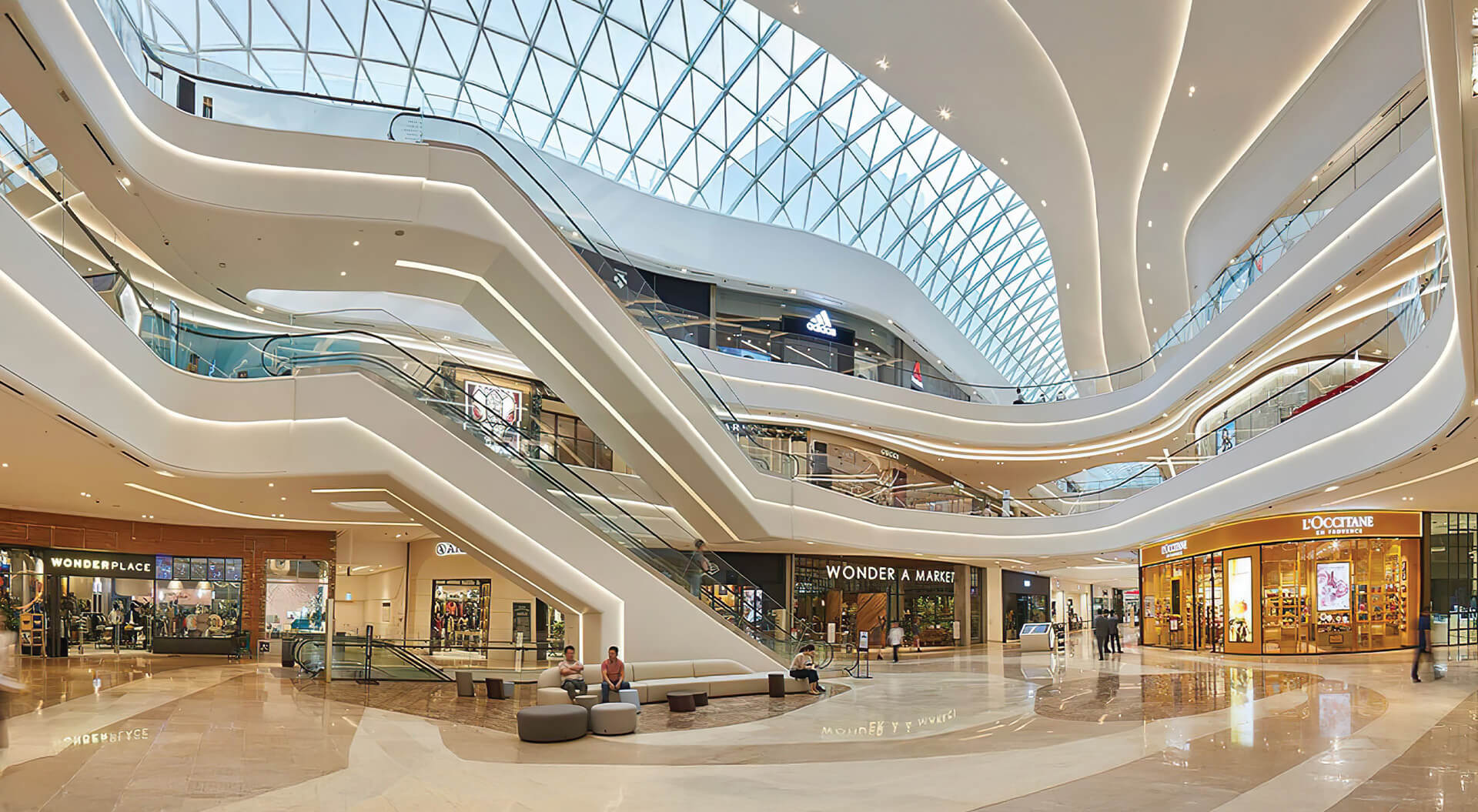
A shopping and leisure lifestyle retail, and entertainment destination. Benoy’s mountain-inspired branding, intuitive wayfinding and differentiated family, youth and premium zones respond to Korean lifestyles and Hanam's natural landscape with 459,504 m² GFA comprising around 450 department-store brands and 300 shopping-mall brands just outside Seoul.
Make Wayfinding Part of the Brand Experience
Wayfinding is one of the most important connections between shopping mall branding and customer experience.
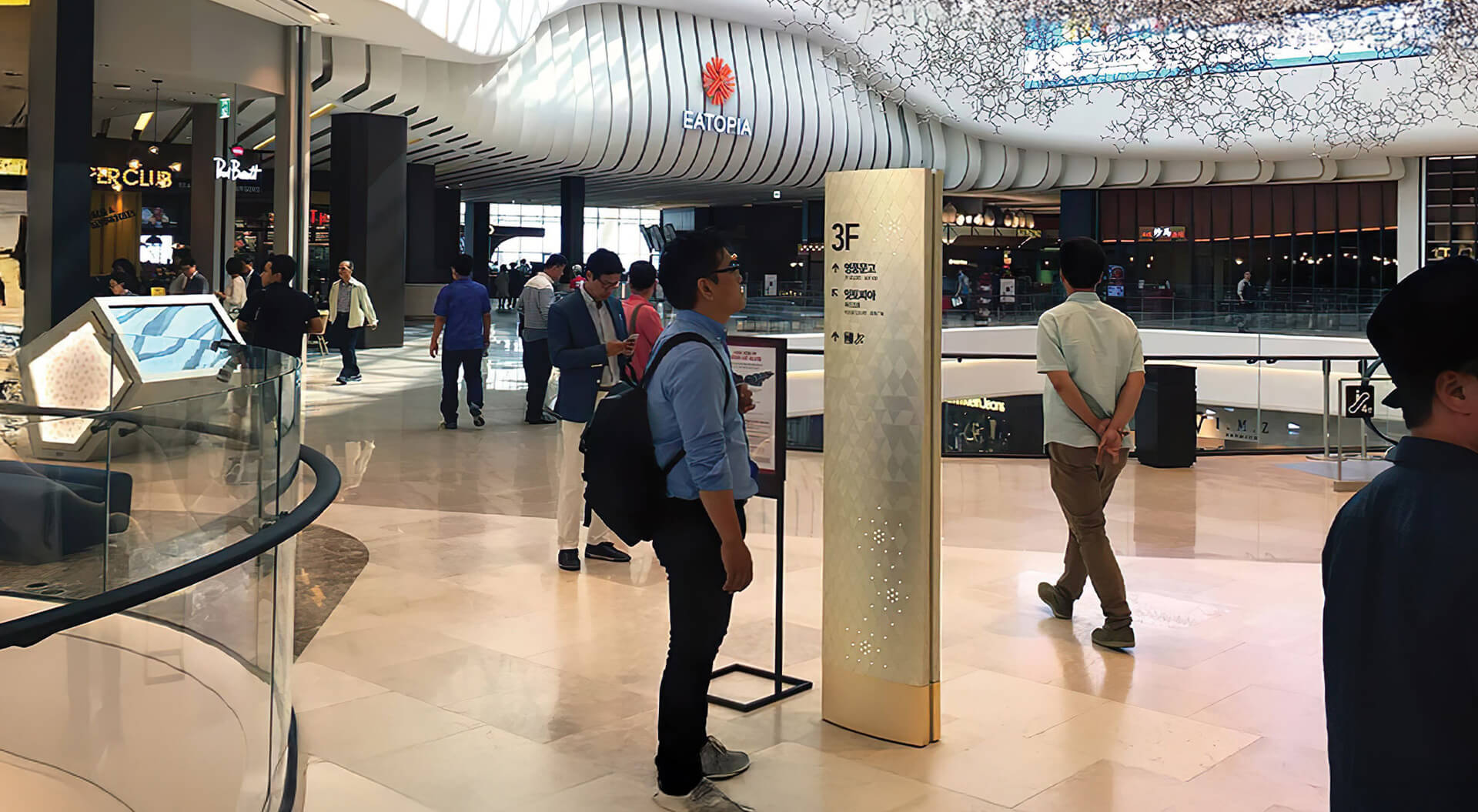
Large shopping centres can contain multiple entrances, car parks, floors, escalators, atriums, restaurants, entertainment areas and hundreds of retail destinations. Poor navigation creates friction; good navigation creates confidence and discovery.
Traditional shopping mall signage remains essential, but contemporary systems can combine:
- Directional signage
- Digital directories
- Interactive maps
- Touchscreen store locators
- QR-enabled journeys
- Mobile navigation
- Indoor positioning
- Digital advertising
- Environmental graphics
- Real-time operational information
The objective is not to replace physical signs with technology. It is to create a shopping mall wayfinding ecosystem in which physical and digital navigation work together.
A visitor looking for a particular retailer should also be able to understand what else is nearby: restaurants, beauty services, leisure, events or complementary stores.
Navigation therefore becomes part of the commercial customer journey.
Brand Every Customer Decision Point
Effective shopping mall branding begins before visitors reach a retail unit.
The brand experience starts at the car park, public transport arrival point and external entrance. It continues through reception areas, atriums, corridors, escalators, food courts, entertainment zones and public spaces.
Every decision point can reinforce the destination's identity.
Colour, typography, materials, lighting, architectural landmarks, icons, digital interfaces and environmental graphics should form a consistent visual language.
Starfield Hanam in South Korea demonstrates how branding, architecture, wayfinding and differentiated lifestyle zones can combine to create a destination extending well beyond conventional retail.
The principle is important: the customer journey itself becomes a branded asset.
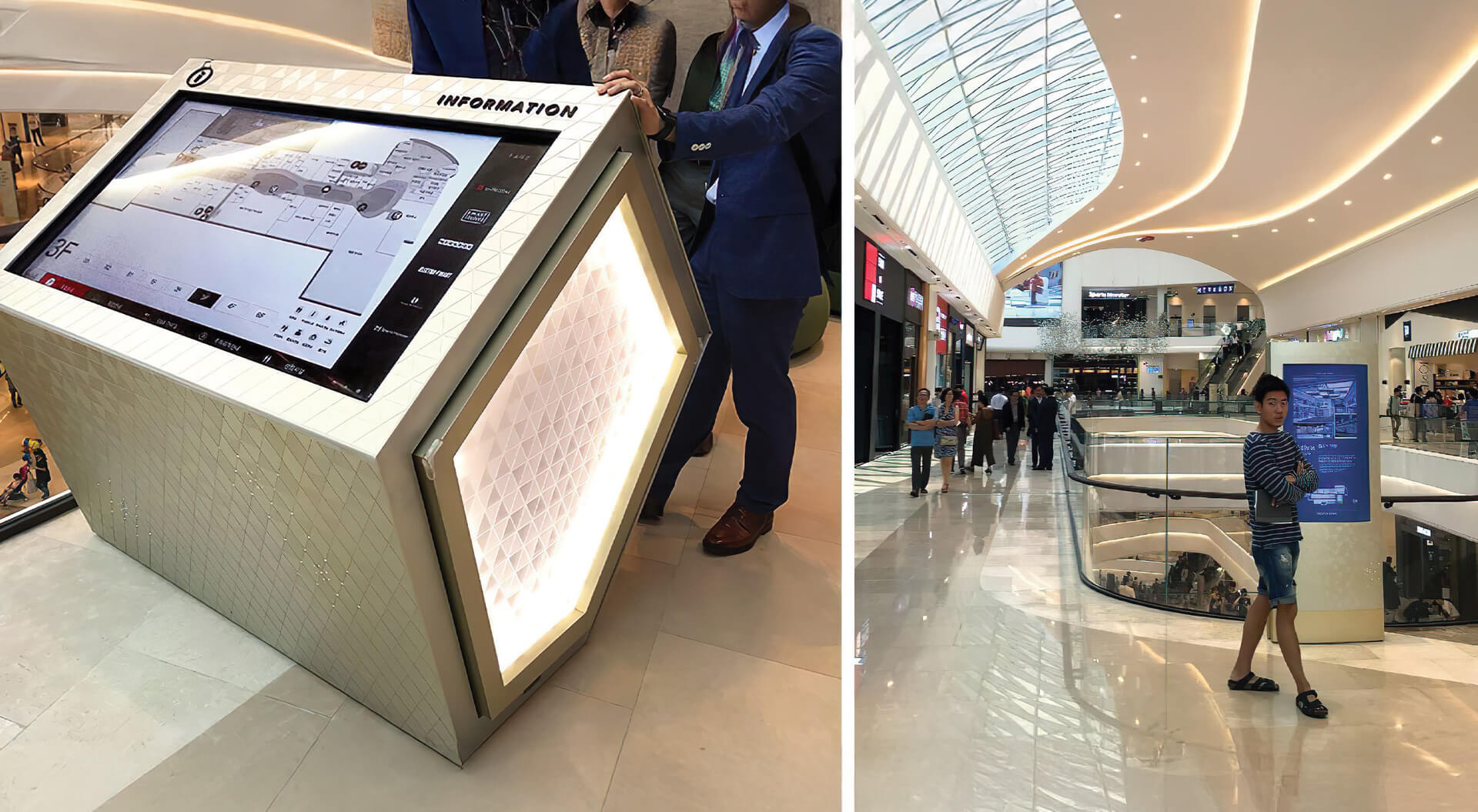
Digital Signage Can Connect Navigation and Retail Media
Digital signage can add another commercial layer.
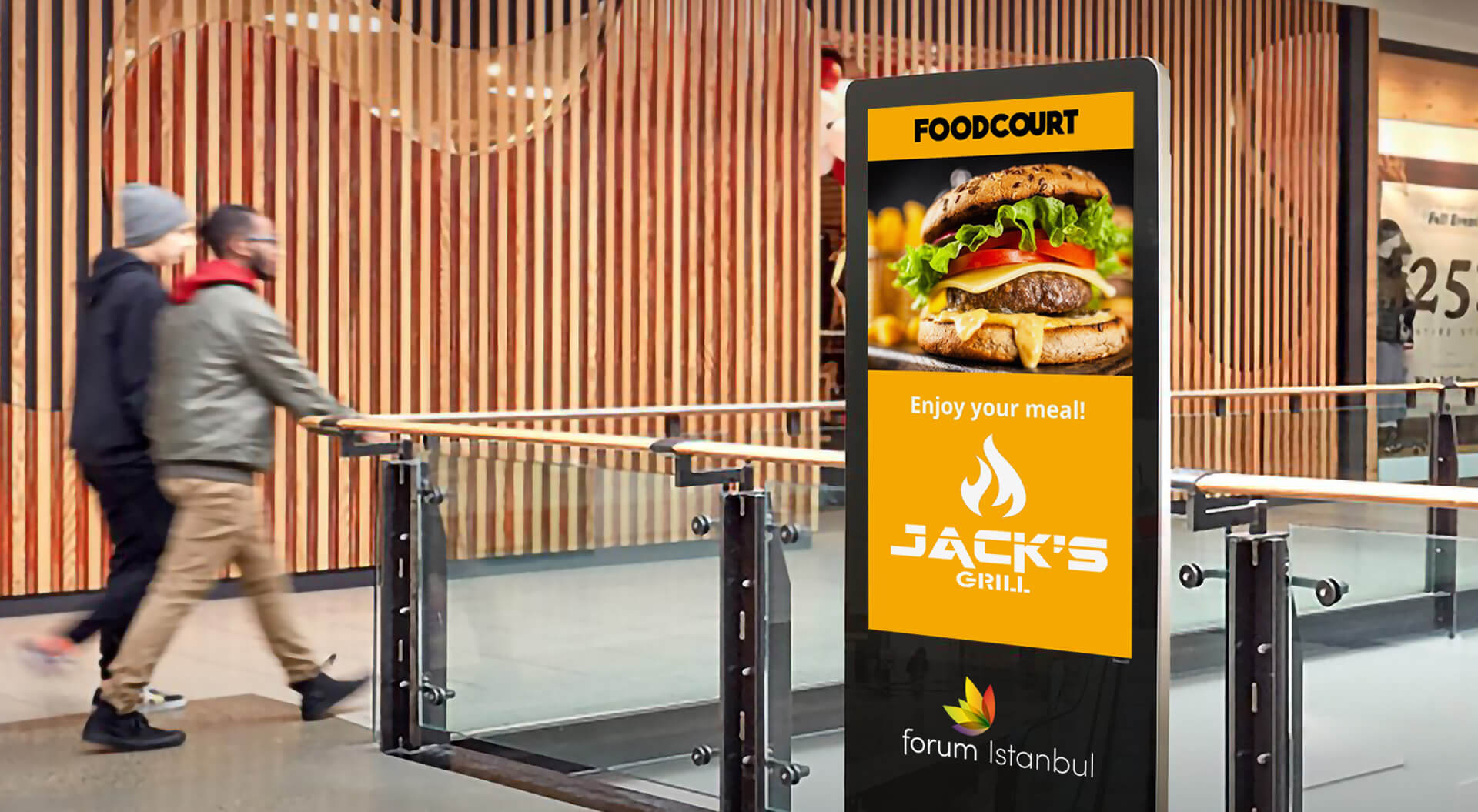
A screen can provide directions, promote an event, showcase a restaurant, communicate operational information or support tenant advertising.
When carefully integrated, digital signage can connect shopping mall navigation, customer experience, tenant marketing and retail media.
For mall owners, this creates the possibility of turning communication infrastructure into a more productive commercial platform.
The technology should remain subordinate to the customer experience. Information must be useful, timely and easy to understand rather than becoming visual clutter.
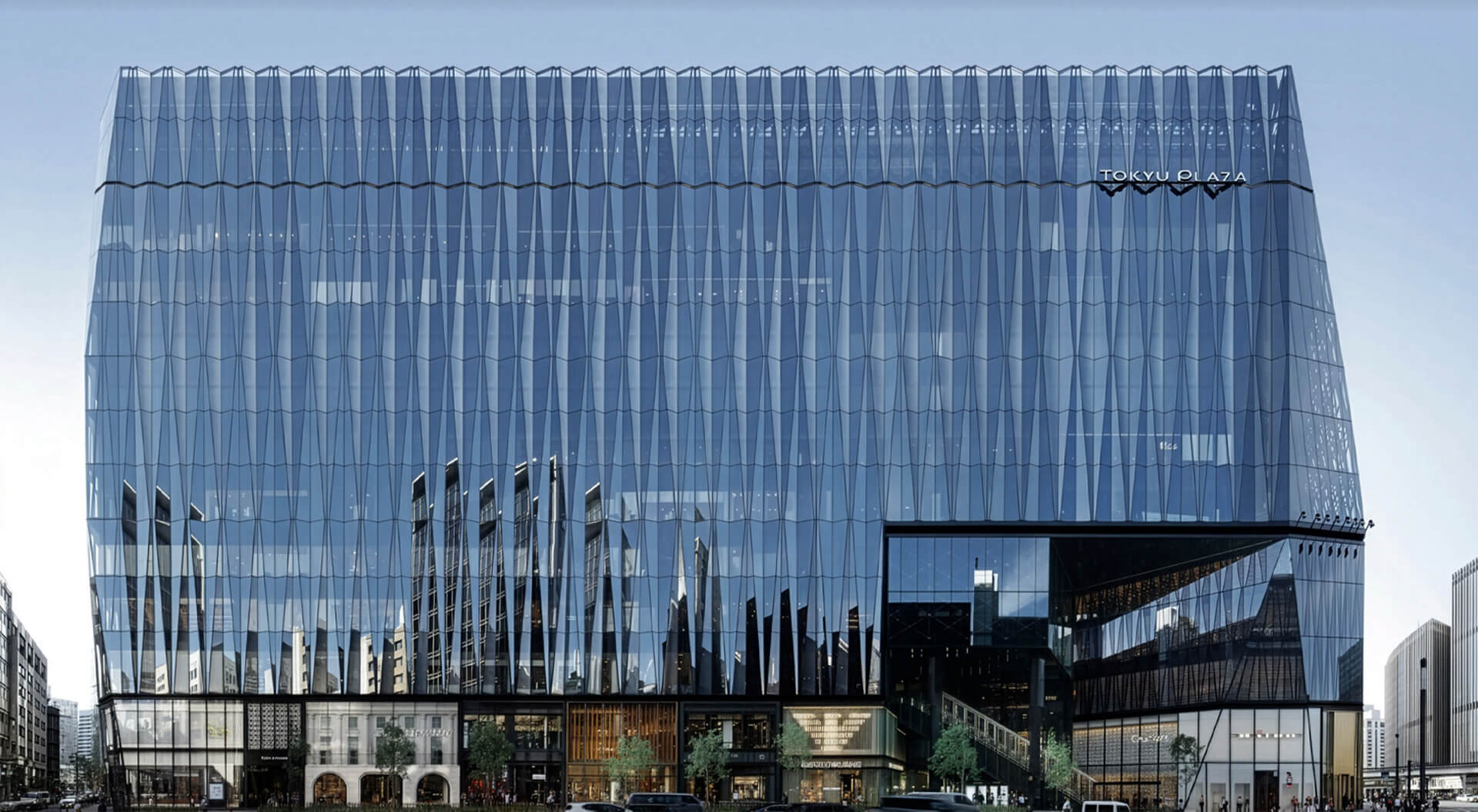
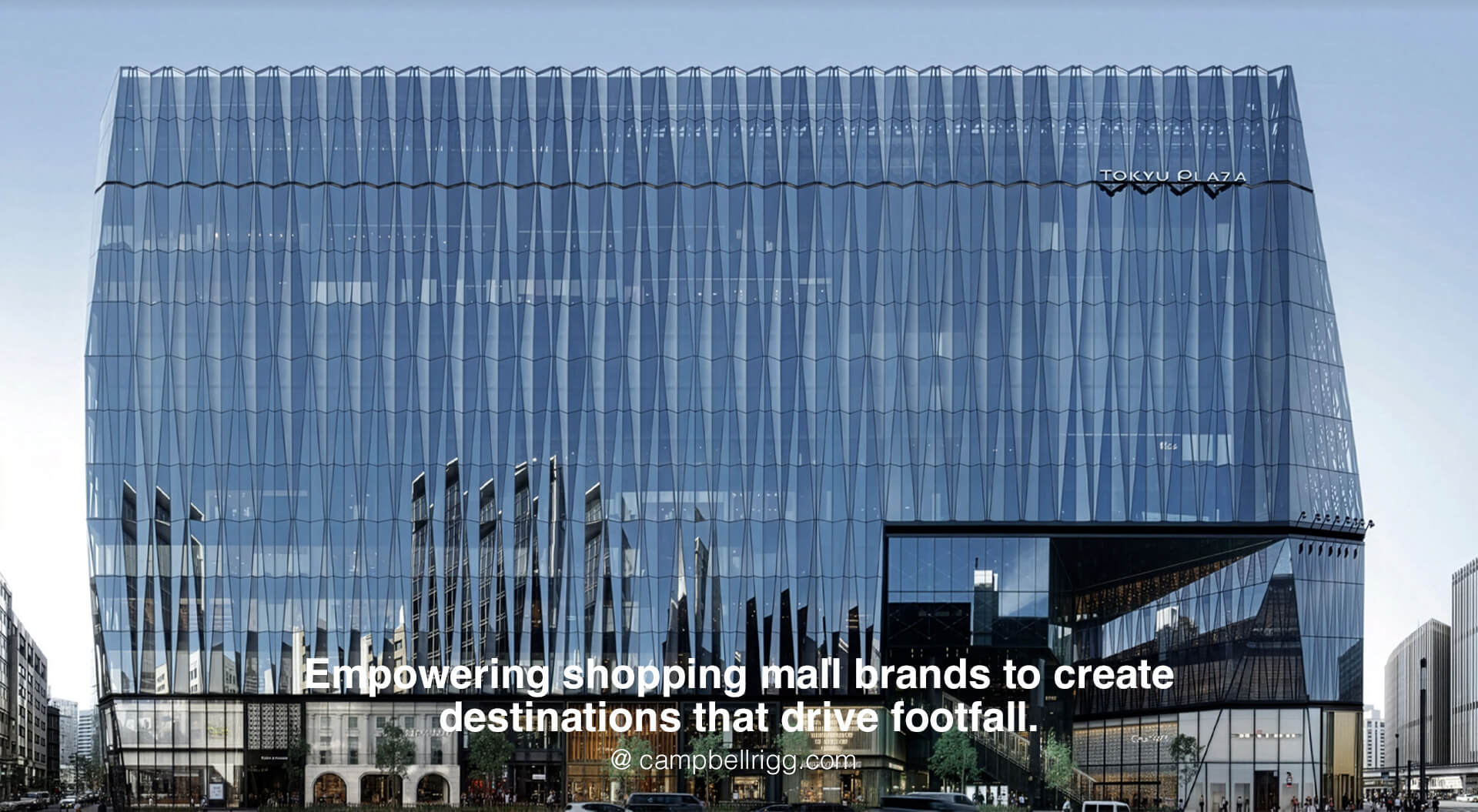
Tokyu Plaza Ginza / Shibuya, Japan
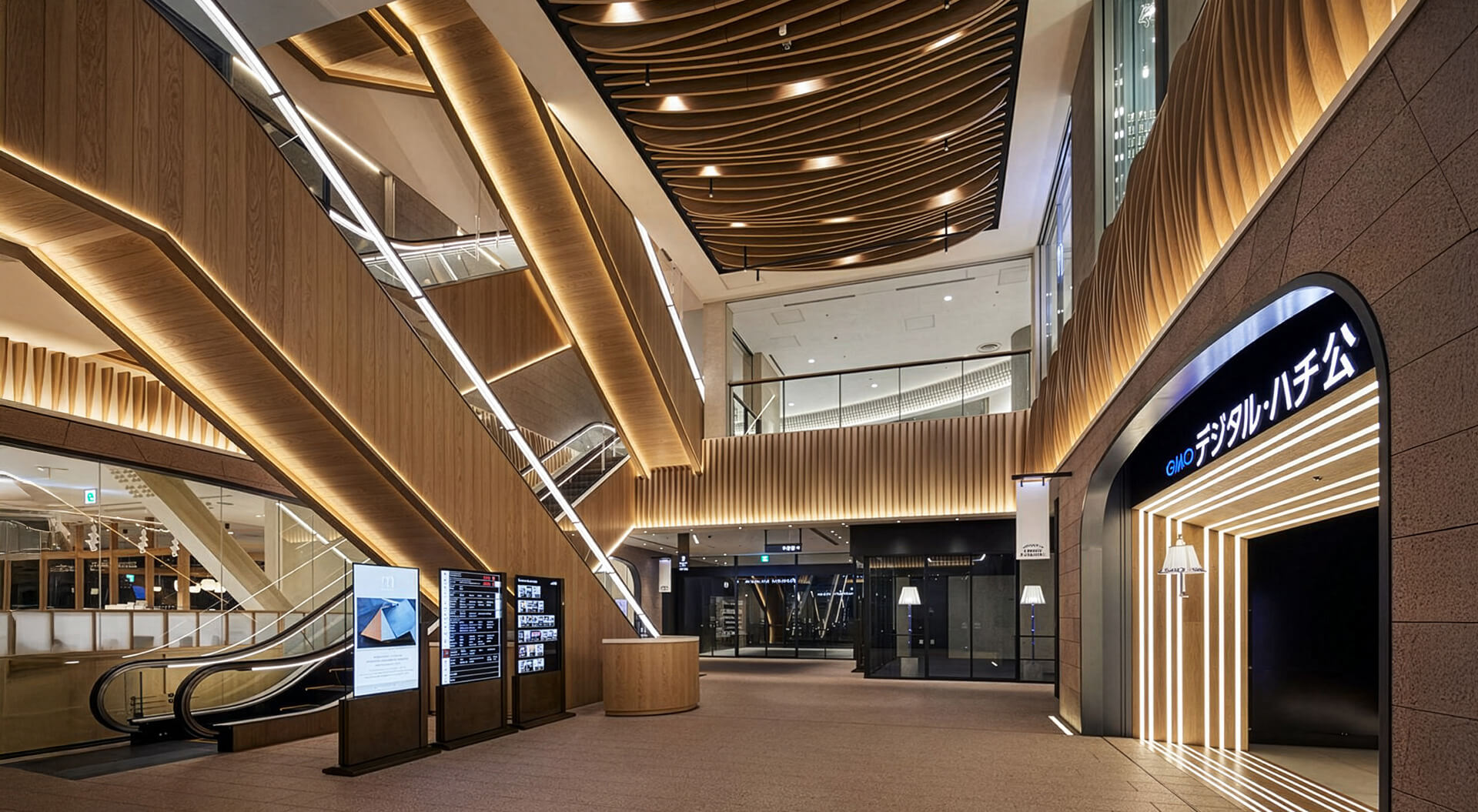
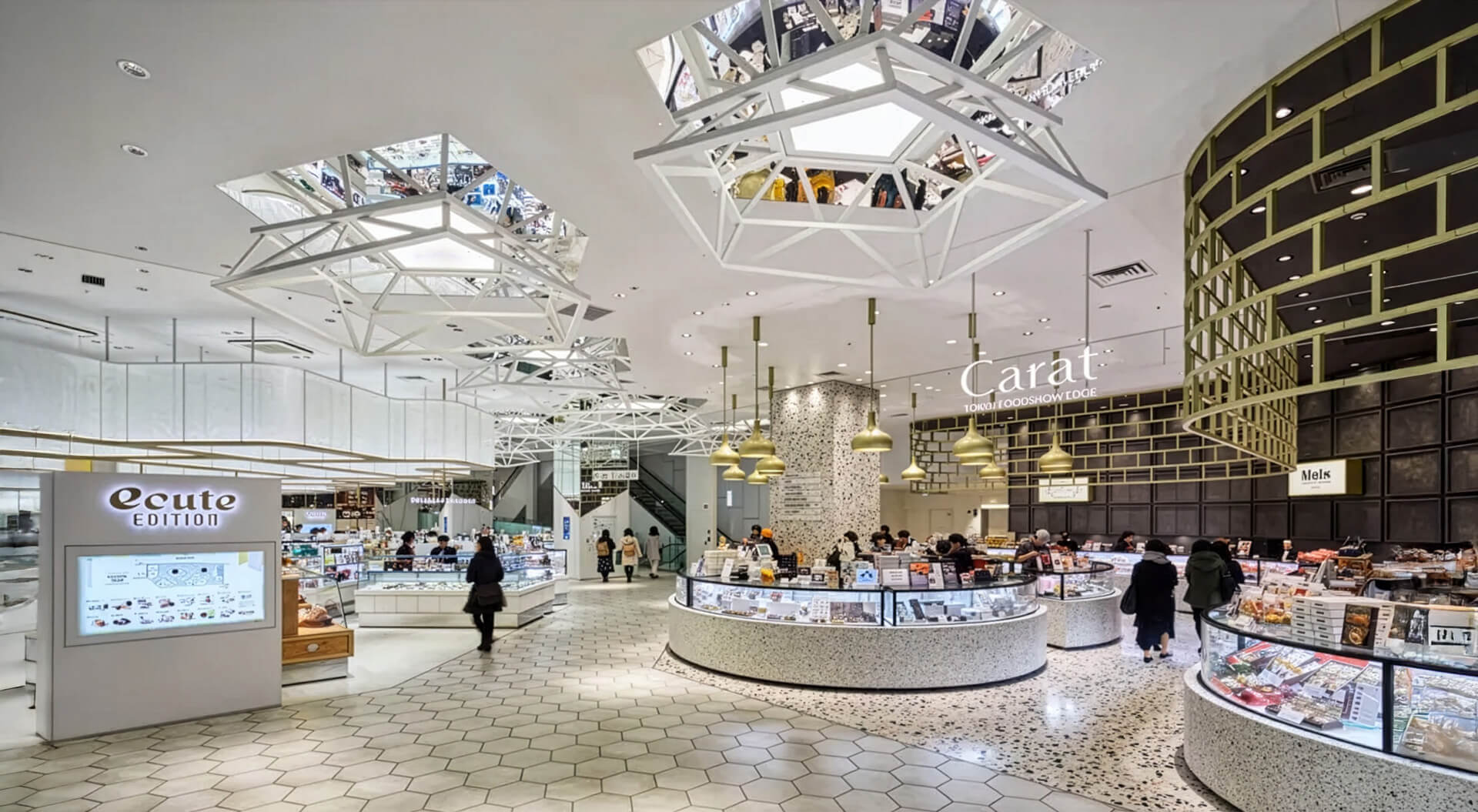
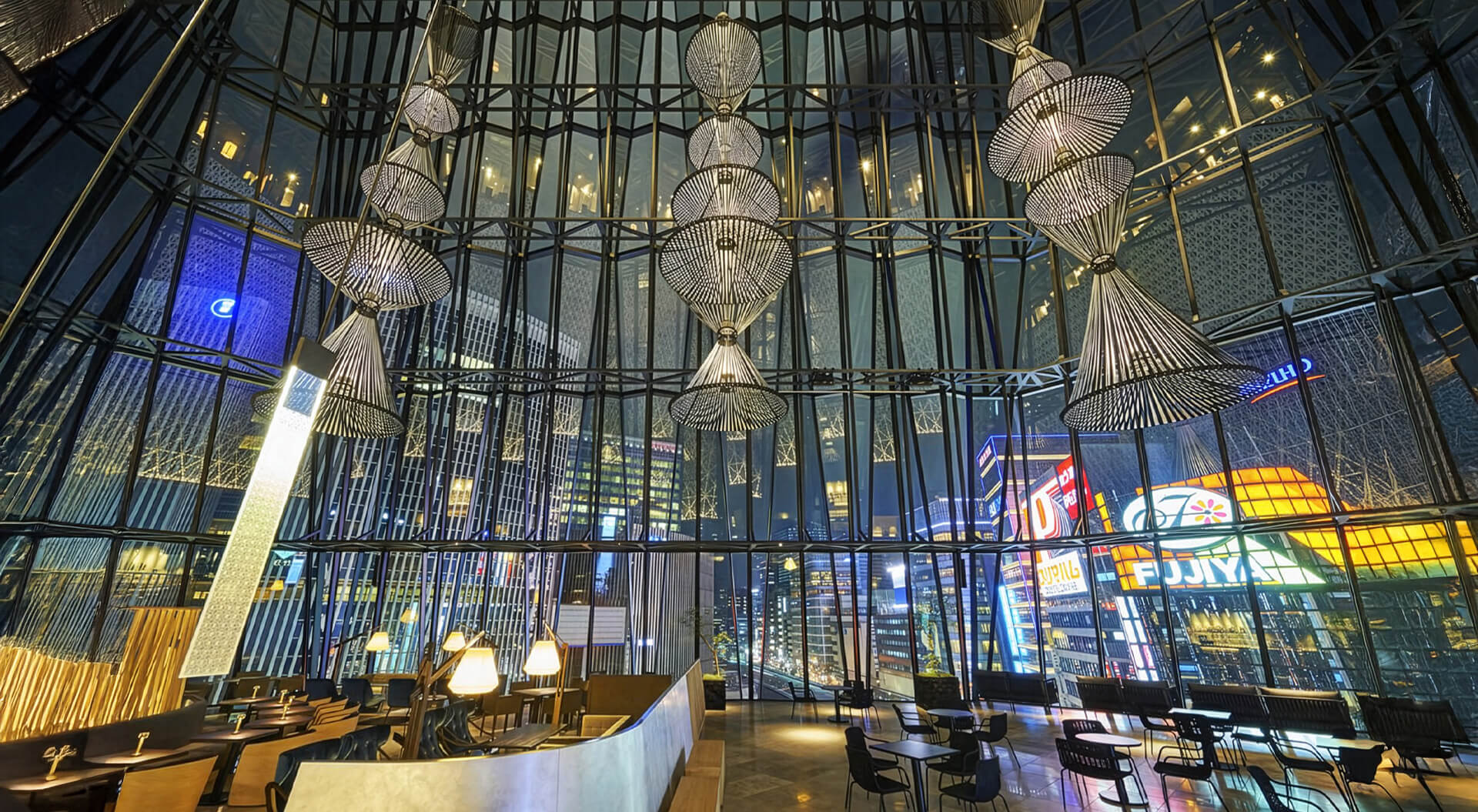
Urban lifestyle destinations blending Japanese design sensibility with fashion, food, wellness and culture. The Gensler navigation design system and branding responds to distinctive neighbourhood identities across 50,000 m² GLA and 120 retail shops, while architecture and intuitive circulation connect shopping with contemporary Tokyo lifestyles in Ginza, Tokyo.
AI Will Make Shopping Mall Navigation More Predictive
AI is likely to make future shopping mall navigation more adaptive.
A conventional system answers: “Where is the store?”
An intelligent system could respond to a broader customer objective: “I want fashion, lunch and a cinema.”
The system could potentially recommend a route across several floors, identify accessible paths, highlight relevant experiences and adapt navigation around temporary closures, congestion or changing opening hours.
For mall operators, aggregated and appropriately governed navigation data could also reveal which destinations customers search for, which areas attract less traffic and where navigation problems occur.
These insights can inform customer-experience improvements, tenant planning, signage placement, leasing strategy and future design decisions.
AI should therefore remain an enabler of shopping mall transformation, rather than the brand proposition itself.
Global Shopping Mall Branding Examples
Tokyu Plaza Ginza and Shibuya, Japan
Tokyu Plaza demonstrates how shopping, food, wellness, culture and design can be integrated into urban lifestyle destinations. Distinctive architecture and navigation help visitors understand different zones while reinforcing the character of the surrounding neighbourhood.
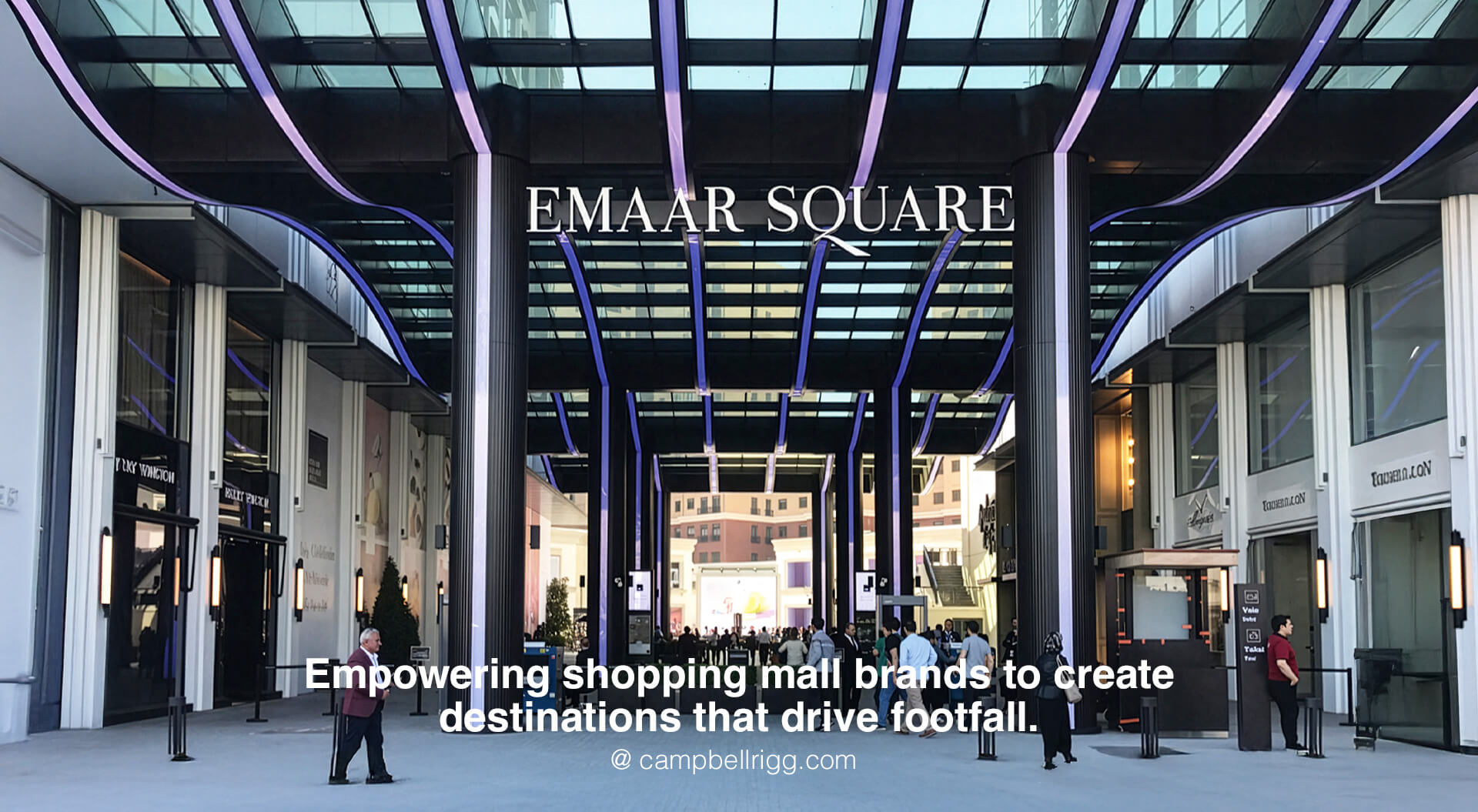
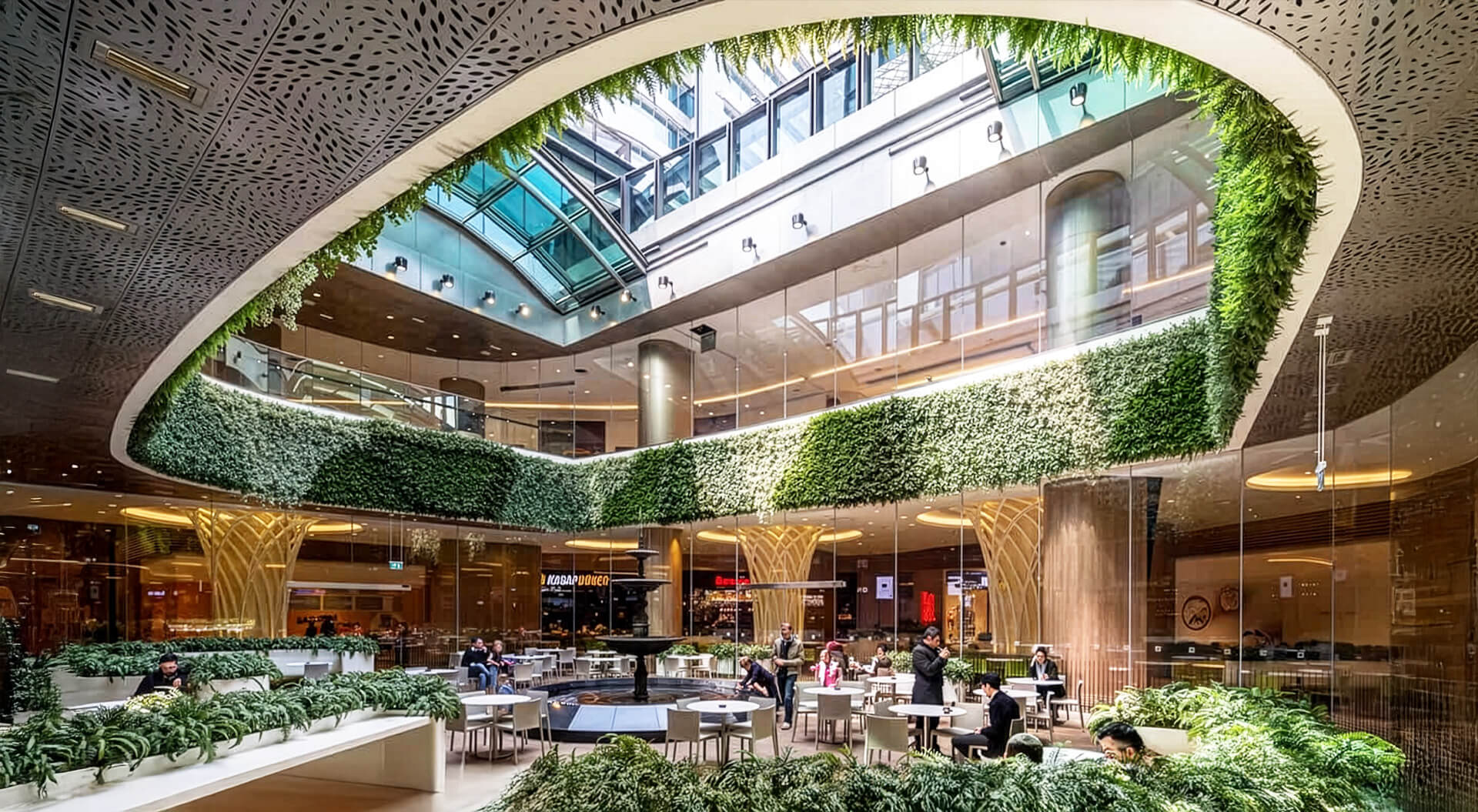
Emaar Square, Istanbul, Turkey
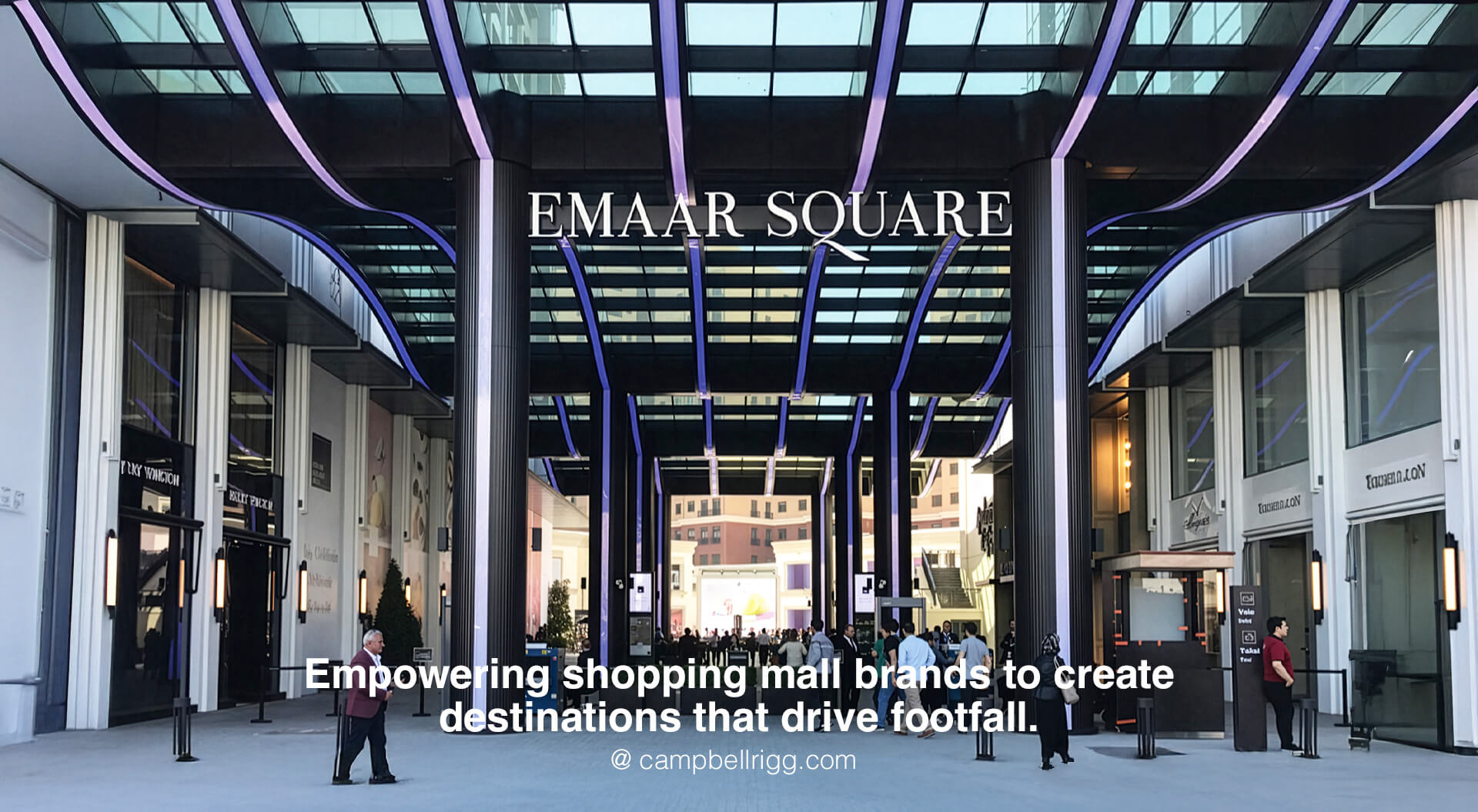
Emaar Square combines retail with gastronomy, entertainment and cultural experiences. Its identity and environment demonstrate how local references can create a distinctive destination proposition within a major mixed-use development.
Marmara Forum, Istanbul, Tukey
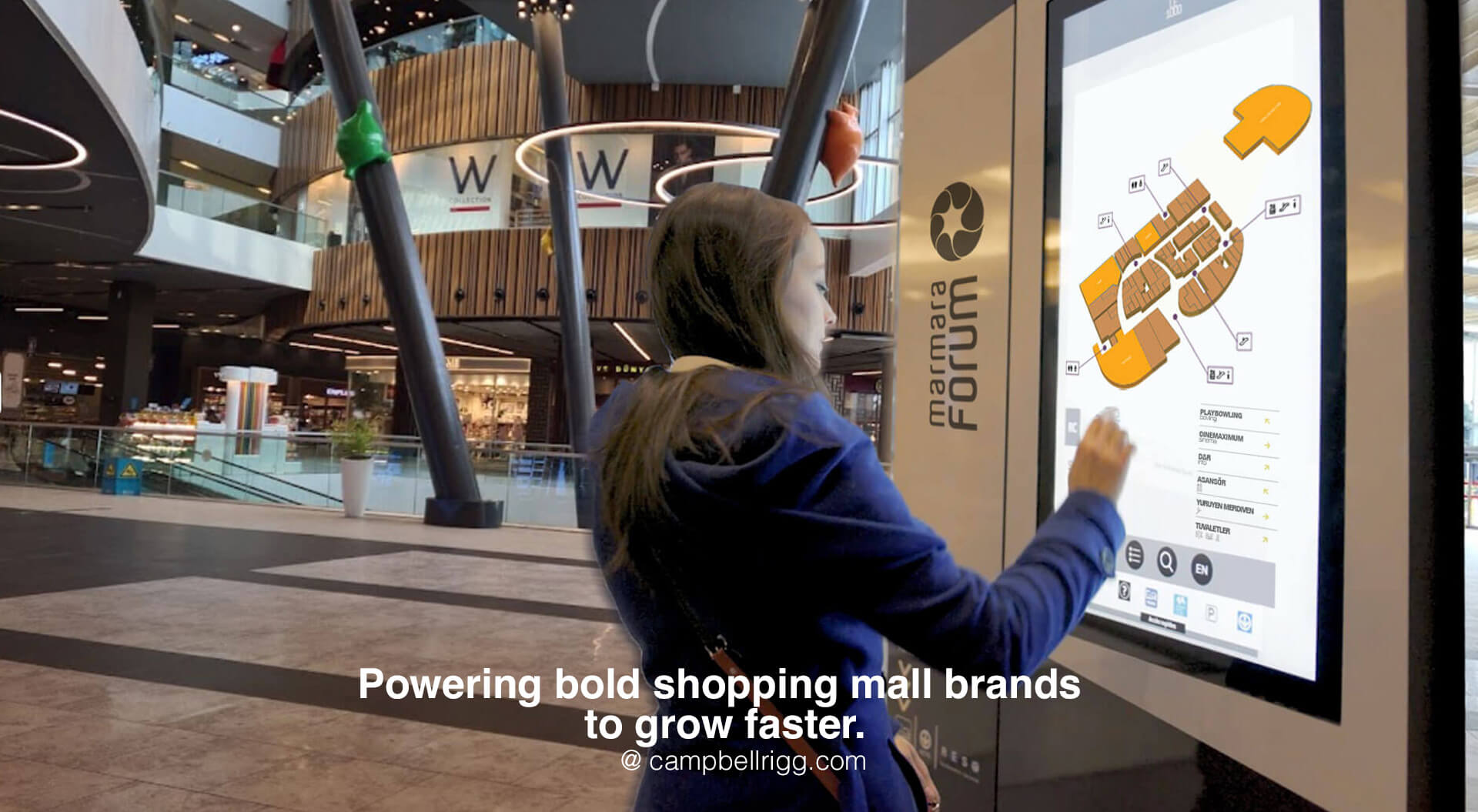
Marmara Forum illustrates the importance of integrating shopping mall branding, façade design, landmarks, digital directories and wayfinding across a large retail environment. Its navigation system demonstrates how branding can operate at both destination and customer-journey level.
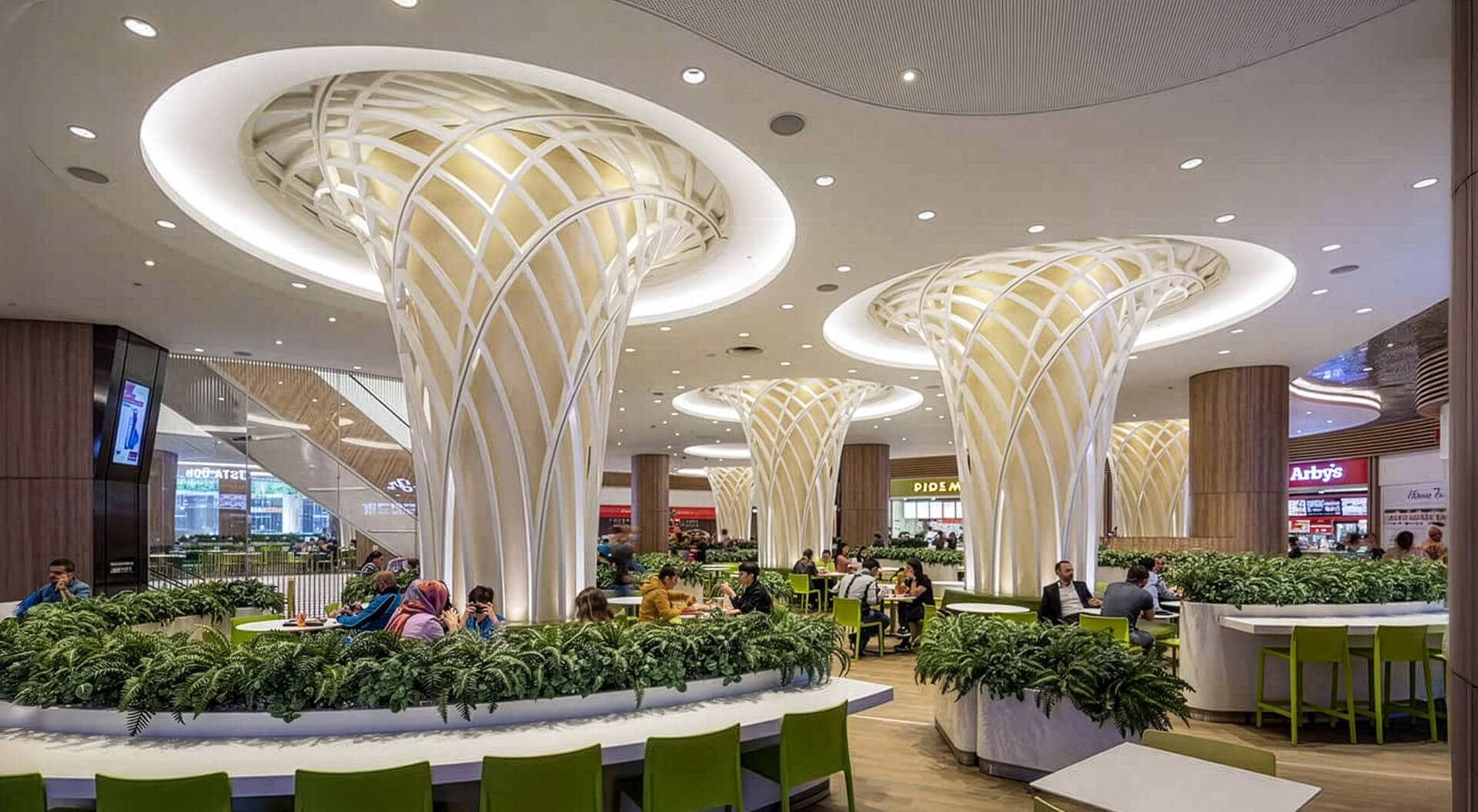
Forum Istanbul, Istanbul, Turkey
Forum Istanbul combines retail, food and leisure across a complex destination. Integrated branding and navigation help connect external arrival points with internal customer journeys.
These examples demonstrate a common principle: the strongest shopping mall brands integrate identity, environment, navigation and experience rather than treating them as separate disciplines.
How to Measure Shopping Mall Branding ROI
Shopping mall branding should ultimately be connected to measurable commercial outcomes.
Relevant KPIs can include:
- Footfall by zone
- Dwell time
- Store discovery
- Tenant visibility
- Customer journey completion
- Digital-directory interactions
- Repeat visitation
- Promotional engagement
- Food and leisure participation
- Retail-media opportunities
- Accessibility performance
- Tenant and leasing performance
Not every increase in sales can be attributed directly to branding or wayfinding. However, better navigation, stronger destination positioning and more compelling experiences can create the conditions for greater discovery, engagement and productive use of space.
The objective is to move from design for appearance to design for measurable customer and commercial performance.
Designing the Shopping Mall of 2029
The shopping mall of 2029 will increasingly operate as a connected ecosystem.
Architecture should establish intuitive landmarks. Branding should give the destination a distinctive identity. Physical signage should provide immediate orientation. Digital directories should provide detailed information. Mobile navigation should support personalised journeys. Data and AI can then help operators understand and improve how people use the environment.
Accessibility should be embedded throughout the system, including readable typography, appropriate contrast, tactile information, accessible routes and clear spatial cues.
The result is not simply a more attractive shopping centre.
It is a destination that is easier to understand, easier to navigate and more rewarding to explore.
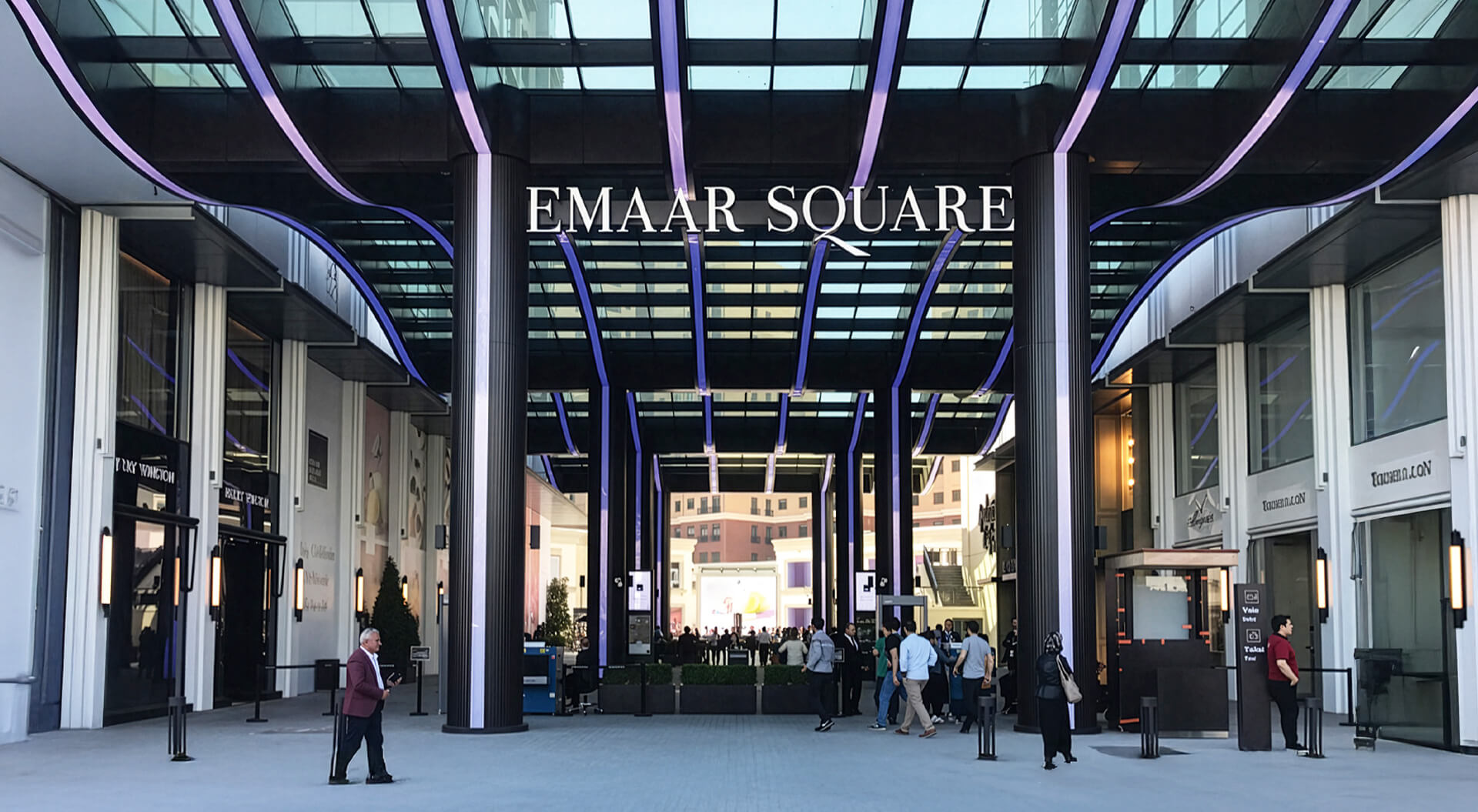
Emaar Square Istanbul, Turkey
A premium mixed-use lifestyle destination combining international and Turkish brands with gastronomy, entertainment and culture encompassing 150,000 m² GLA and approximately 500 retail outlets. Istanbul-inspired the Two Twelve design team to create a distinctive local identity, while integrated experiences encourage longer visits.
AI-enabled navigation could also respond to operational conditions. If an escalator is unavailable, a lift is congested or a corridor is temporarily closed, the route could be recalculated.
This makes navigation more than a static information system. It becomes an adaptive layer connecting the visitor with the physical environment.
Why Shopping Mall Branding Is Now a Commercial Asset
The strongest shopping centres are evolving from collections of retail units into distinctive destinations built around experiences.
For owners, developers and asset managers, the opportunity is to connect brand strategy, architecture, interior design, tenant experience, placemaking, wayfinding and digital technology into one commercial proposition.
That can help a shopping centre attract visitors, encourage exploration, strengthen tenant visibility, increase dwell time and create stronger reasons to return.
Shopping mall branding therefore becomes more than identity.
It becomes destination strategy.
Measuring the commercial value of wayfinding
The business case for smart wayfinding should ultimately be measurable.
Relevant performance indicators can include:
- footfall by zone;
- dwell time;
- store discovery;
- tenant visibility;
- digital-directory interactions;
- promotional engagement;
- repeat visits;
- route completion;
- accessibility performance; and
- digital advertising opportunities.
This changes the perception of wayfinding.
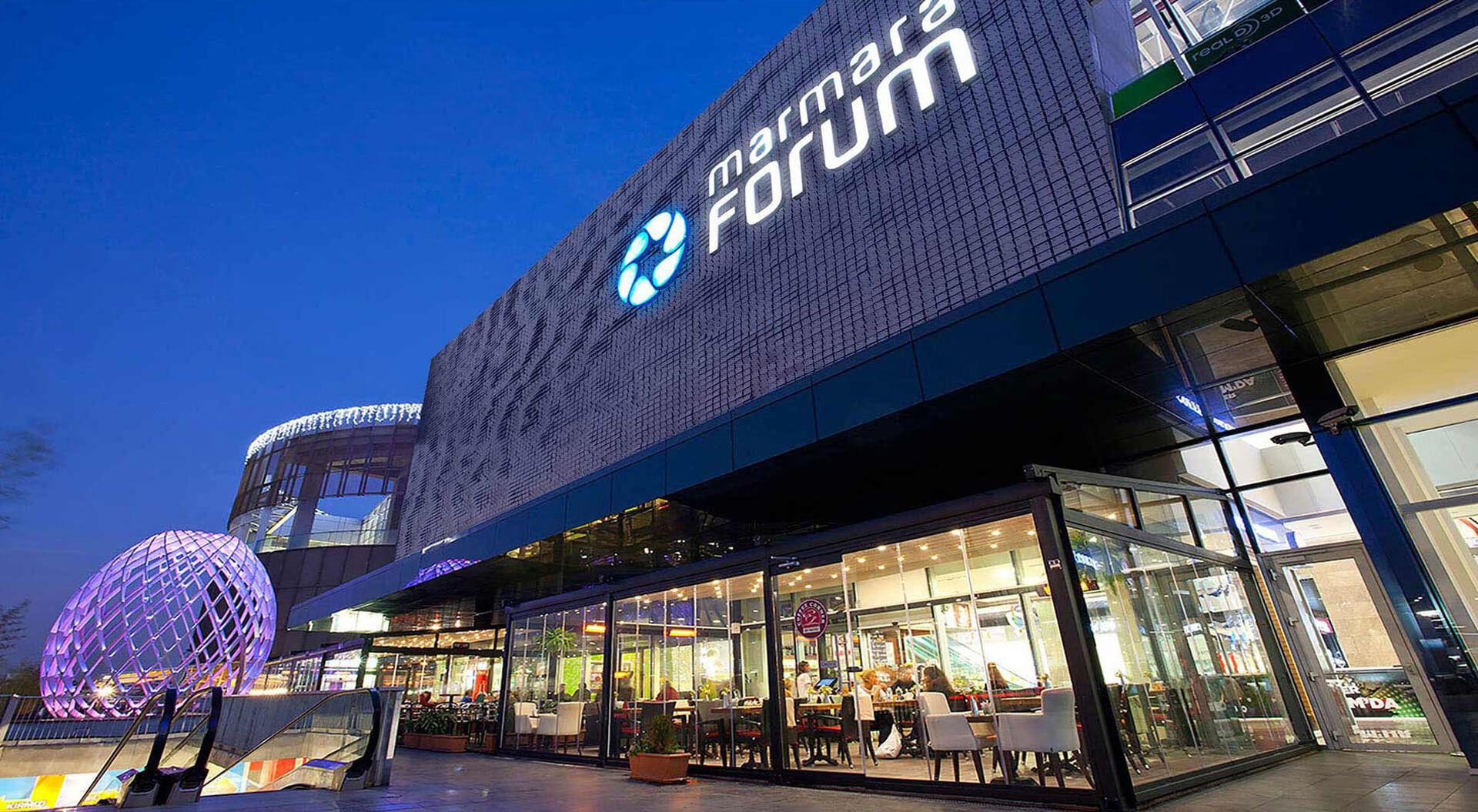
Marmara Forum Mall: Creating a Hierarchy of Communication
At Marmara Forum, CampbellRigg developed a hierarchy of communication and navigation for a 135,000 m² shopping destination with 300 brands and almost 20 million annual visitors. As part of a phased refurbishment for Multi, the programme integrated entrance signage, covered walkways and internal and external wayfinding.
The objective was to simplify navigation while encouraging discovery of stores, restaurants, leisure and services. Rather than treating signage as standalone directions, CampbellRigg connected architecture, brand identity, environmental graphics, information and digital communication into one shopping mall navigation system.
A clear hierarchy, from destination identification and orientation to directional guidance and tenant discovery, combined floor-plan graphics, typography, contrast, strategic sign positioning, branded elements, digital navigation and information totems.
This made wayfinding part of the wider shopping mall branding and customer-experience strategy, creating conditions for more confident circulation, greater discovery and stronger tenant visibility.
At Marmara Forum, navigation becomes part of the destination experience, not simply a functional information system.
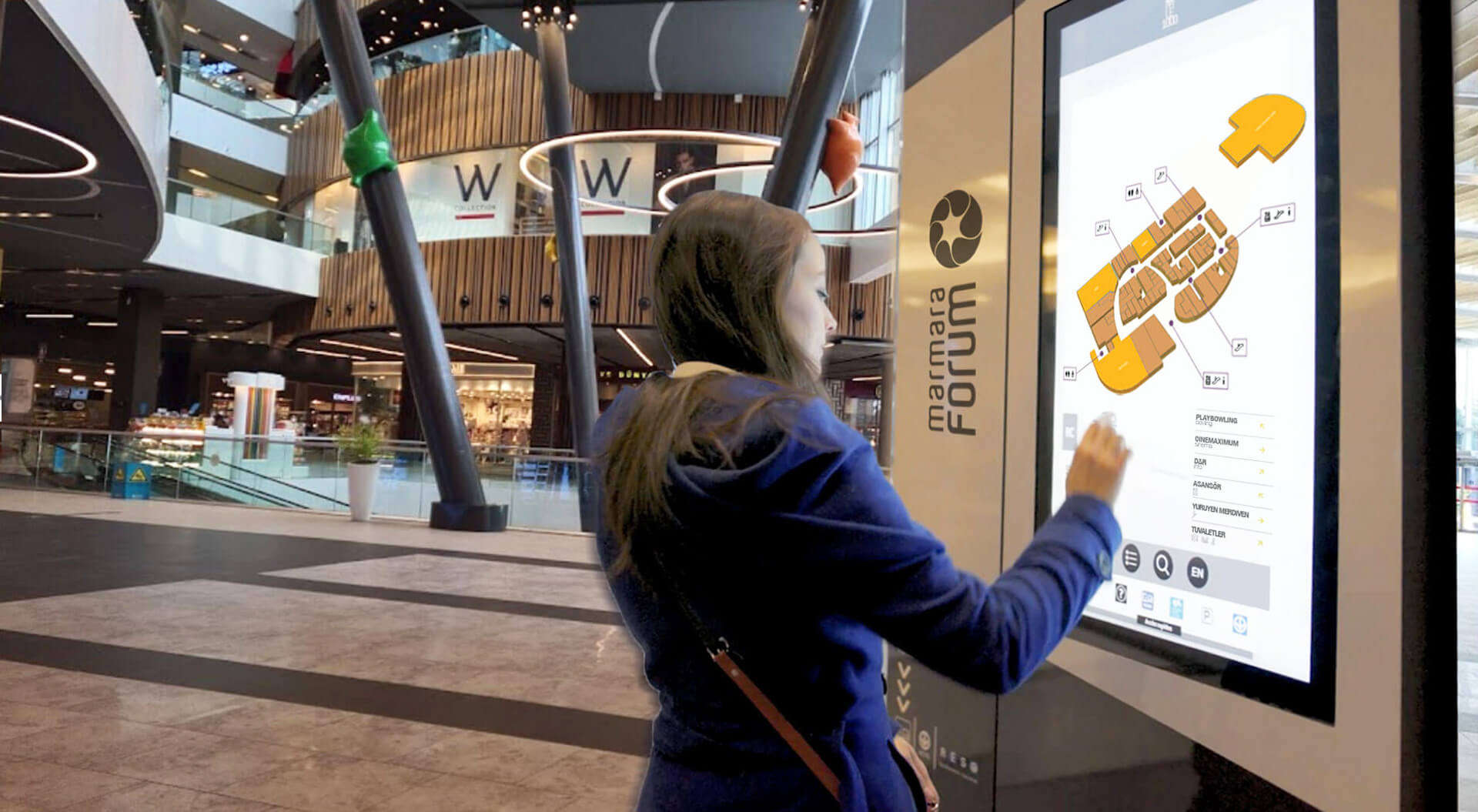
The next generation of shopping malls will increasingly be positioned as lifestyle destinations, not simply collections of shops.
Fashion, restaurants, wellness, entertainment, culture, events and social spaces can all contribute to the destination proposition.
This changes the purpose of navigation.
If the visitor only uses signage to locate a predetermined retailer, the system has solved a functional problem. If navigation helps the visitor understand the wider destination and discover experiences they did not originally intend to visit, it is contributing to the commercial proposition.
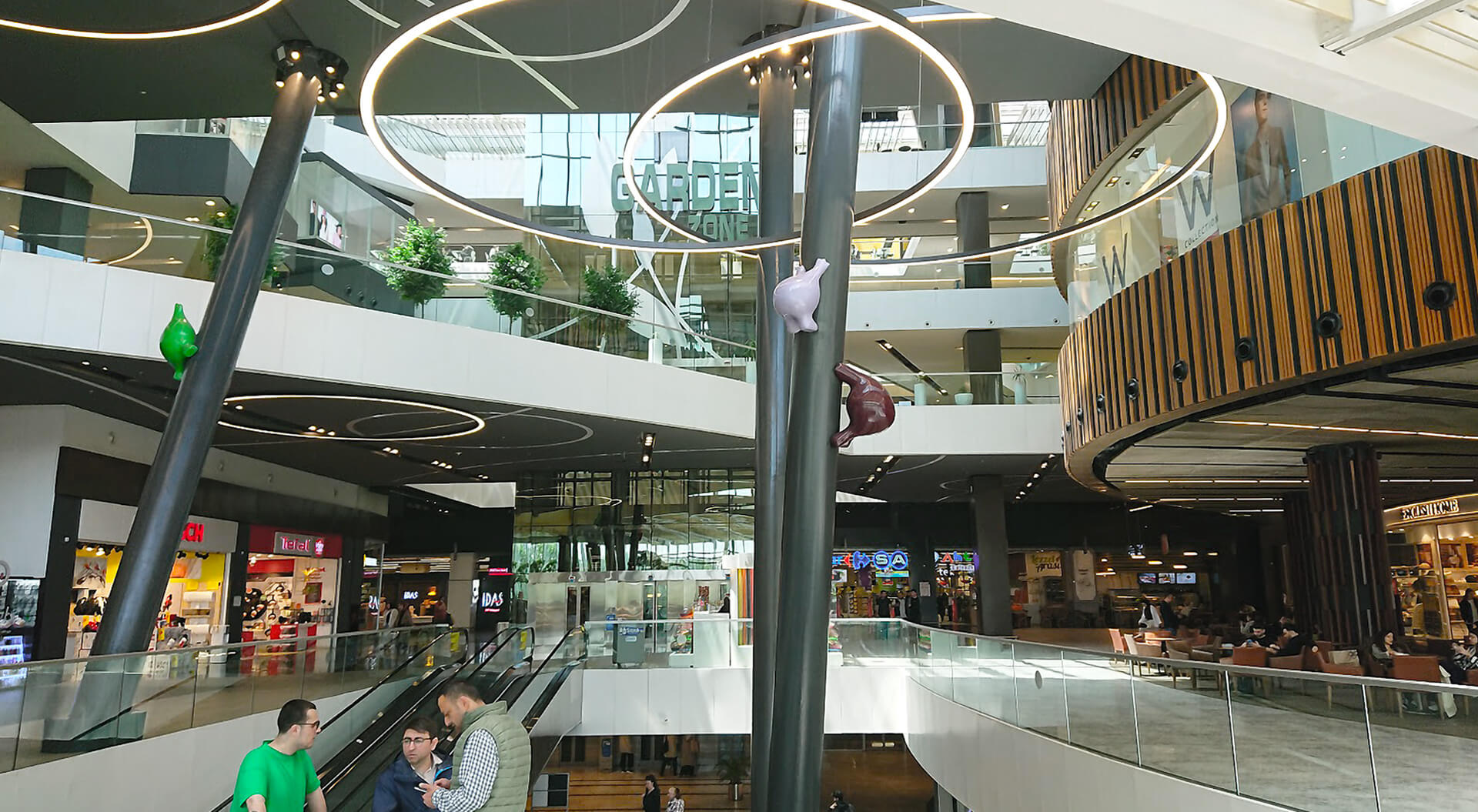
Designing the shopping mall for 2029
A future-ready shopping mall branding strategy should establish a clear hierarchy.
First, architecture should create intuitive landmarks and spatial orientation.
Second, physical signage should provide immediate, accessible information.
Third, digital directories should provide detailed store, facility and service information.
Fourth, mobile navigation should enable personalised journeys.
Finally, data and AI should continuously improve the way visitors move through the destination.
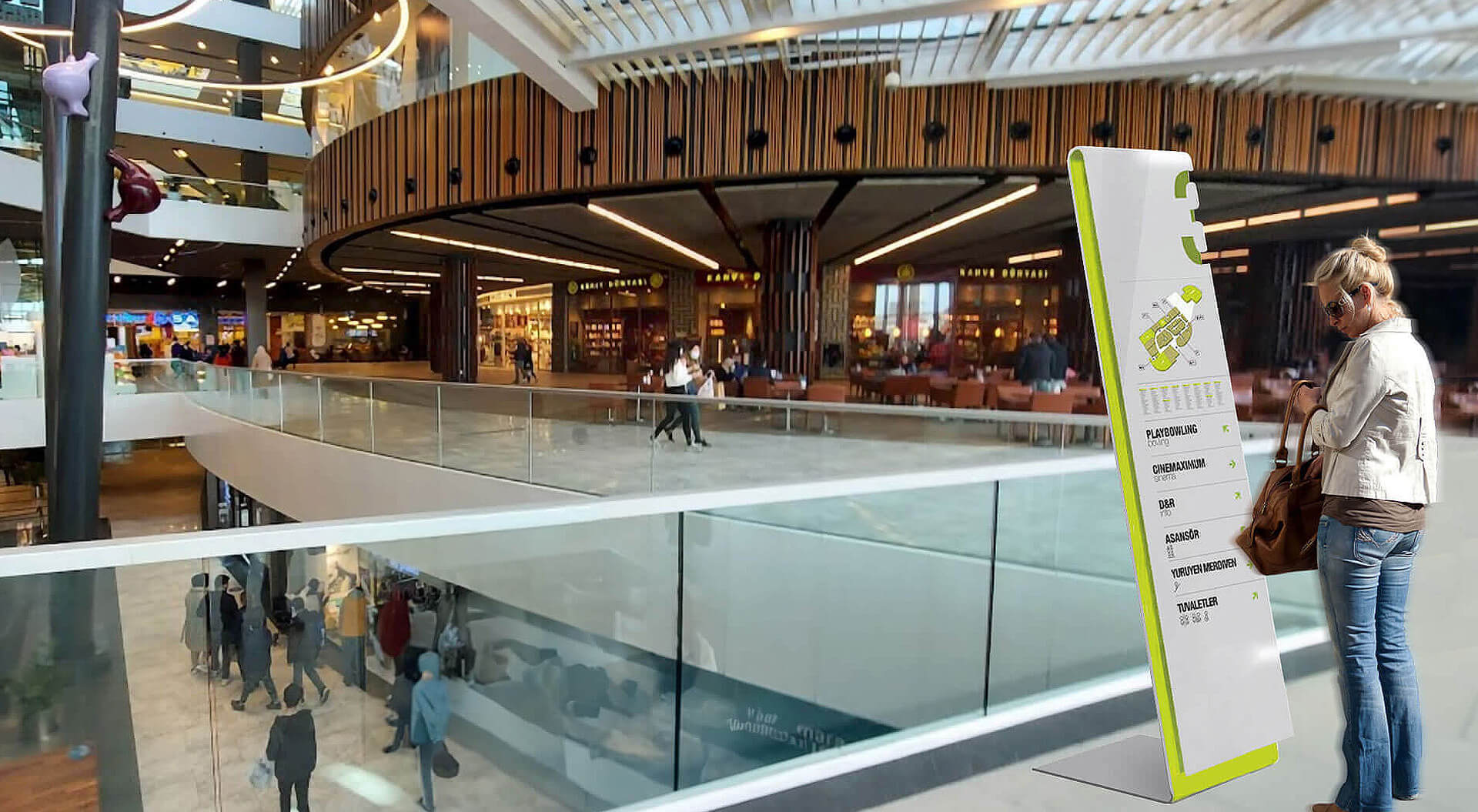
Accessibility must be embedded throughout the system. Clear contrast, readable typography, appropriate sign positioning, tactile information, braille, audio guidance and step-free routes can make navigation more inclusive.
This is particularly important in large, complex shopping centres where poor navigation can disproportionately affect visitors with mobility, visual or cognitive accessibility needs.
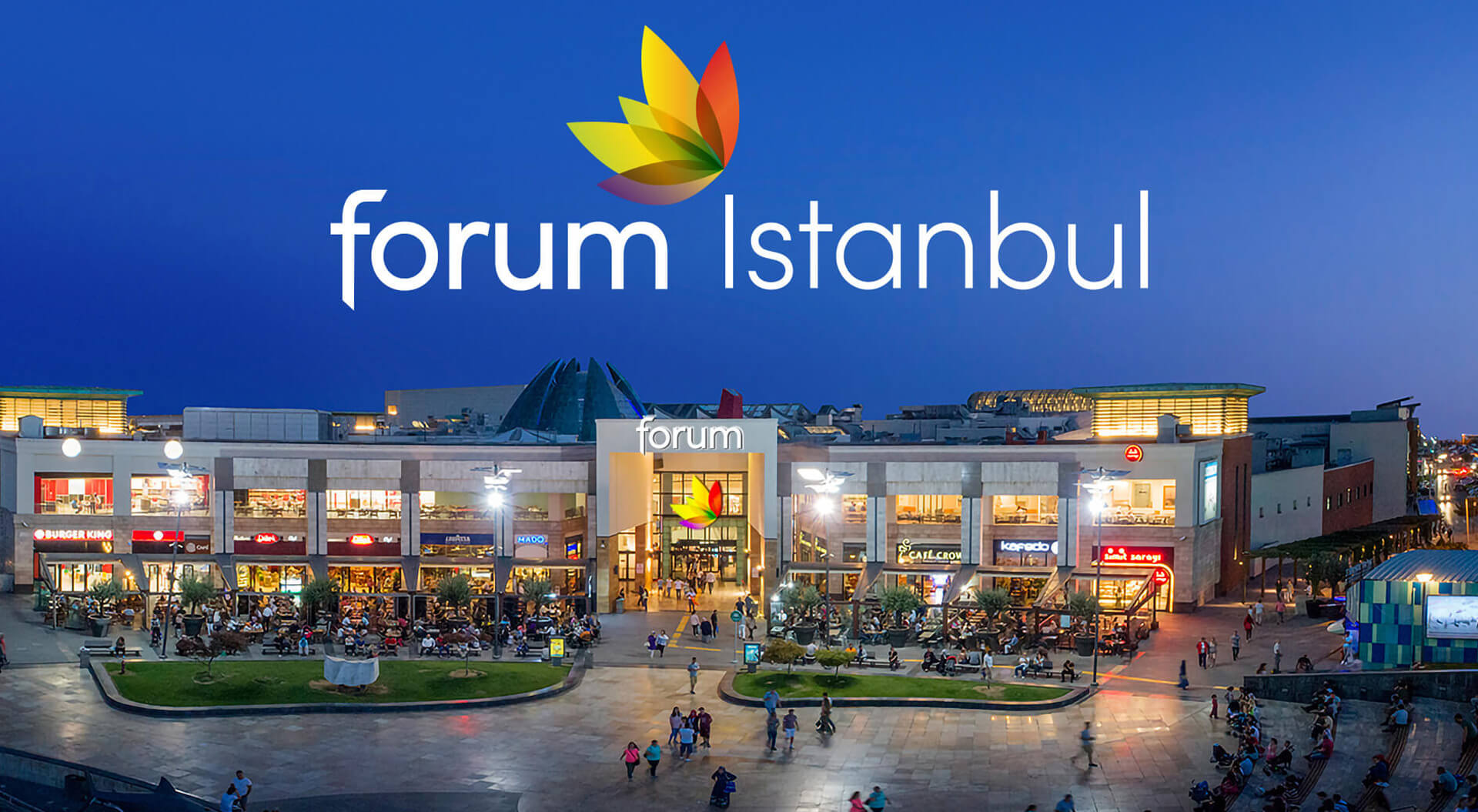
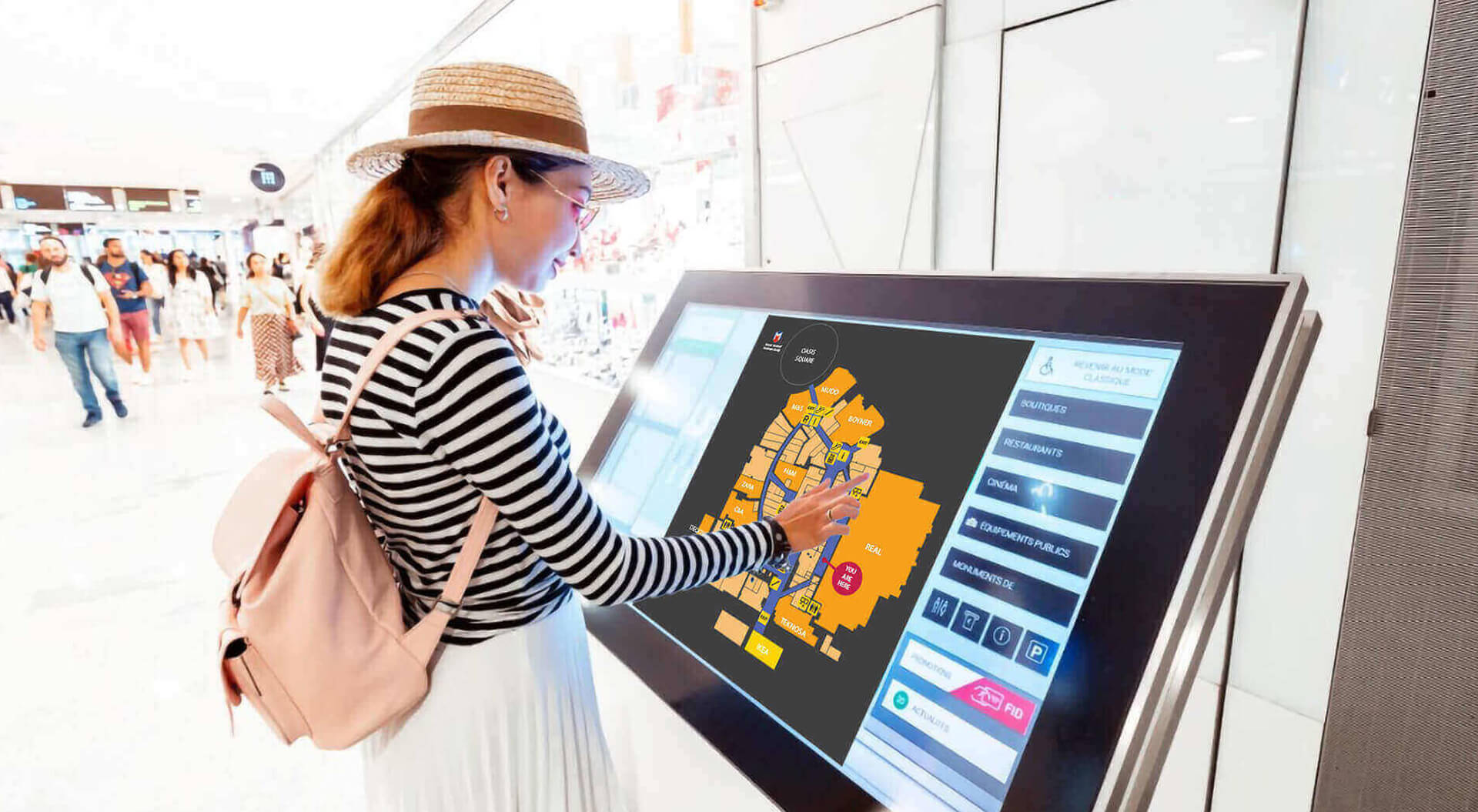
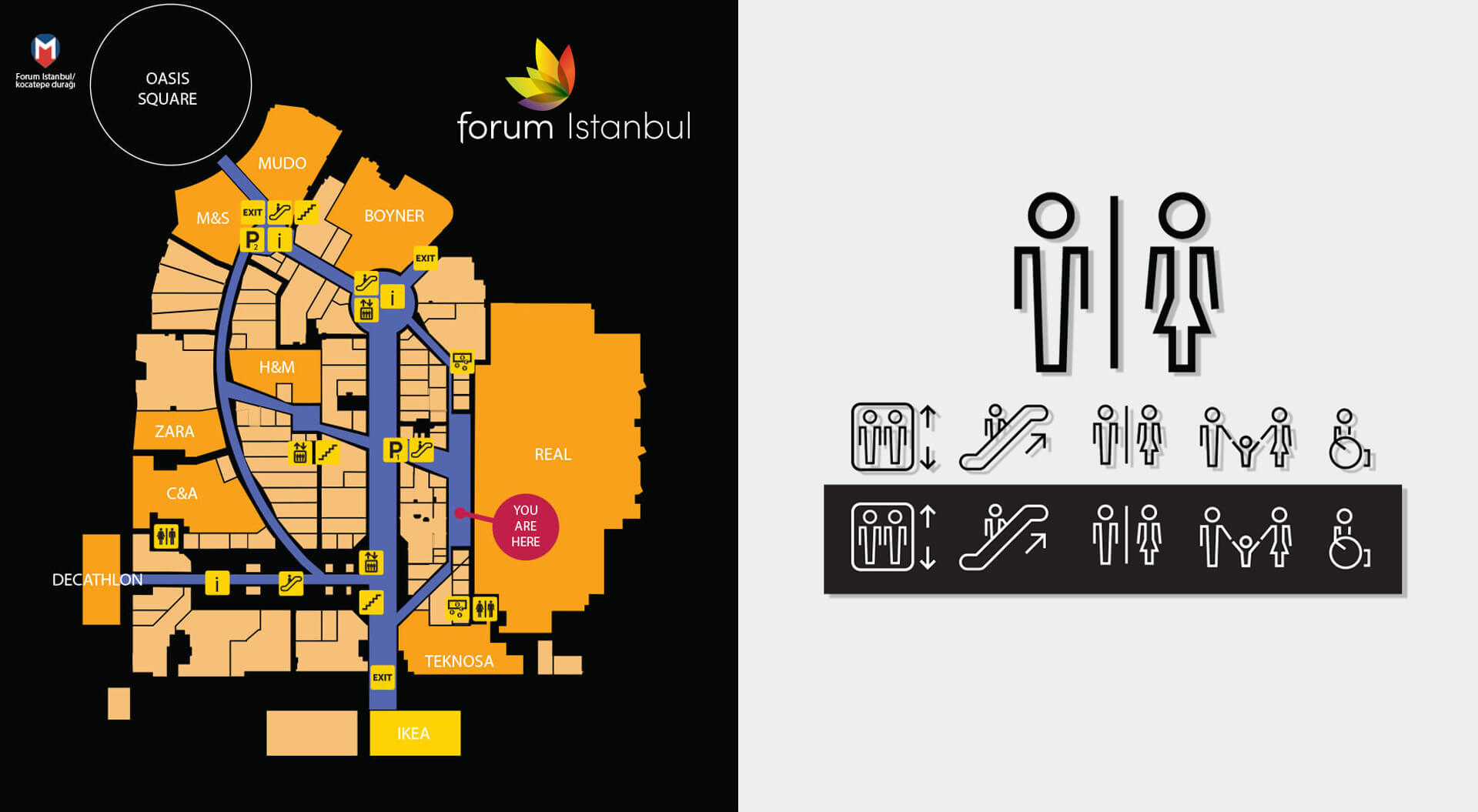
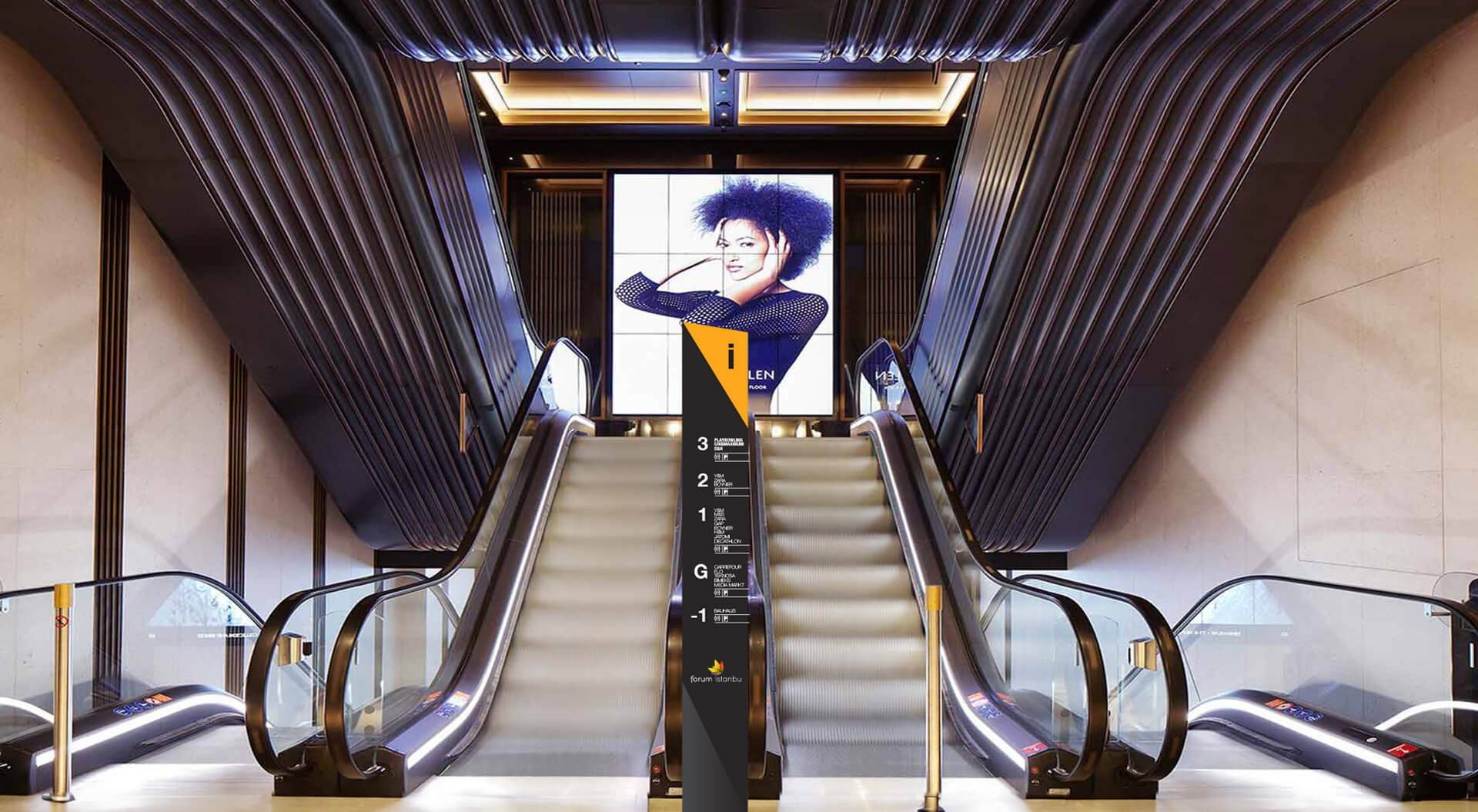
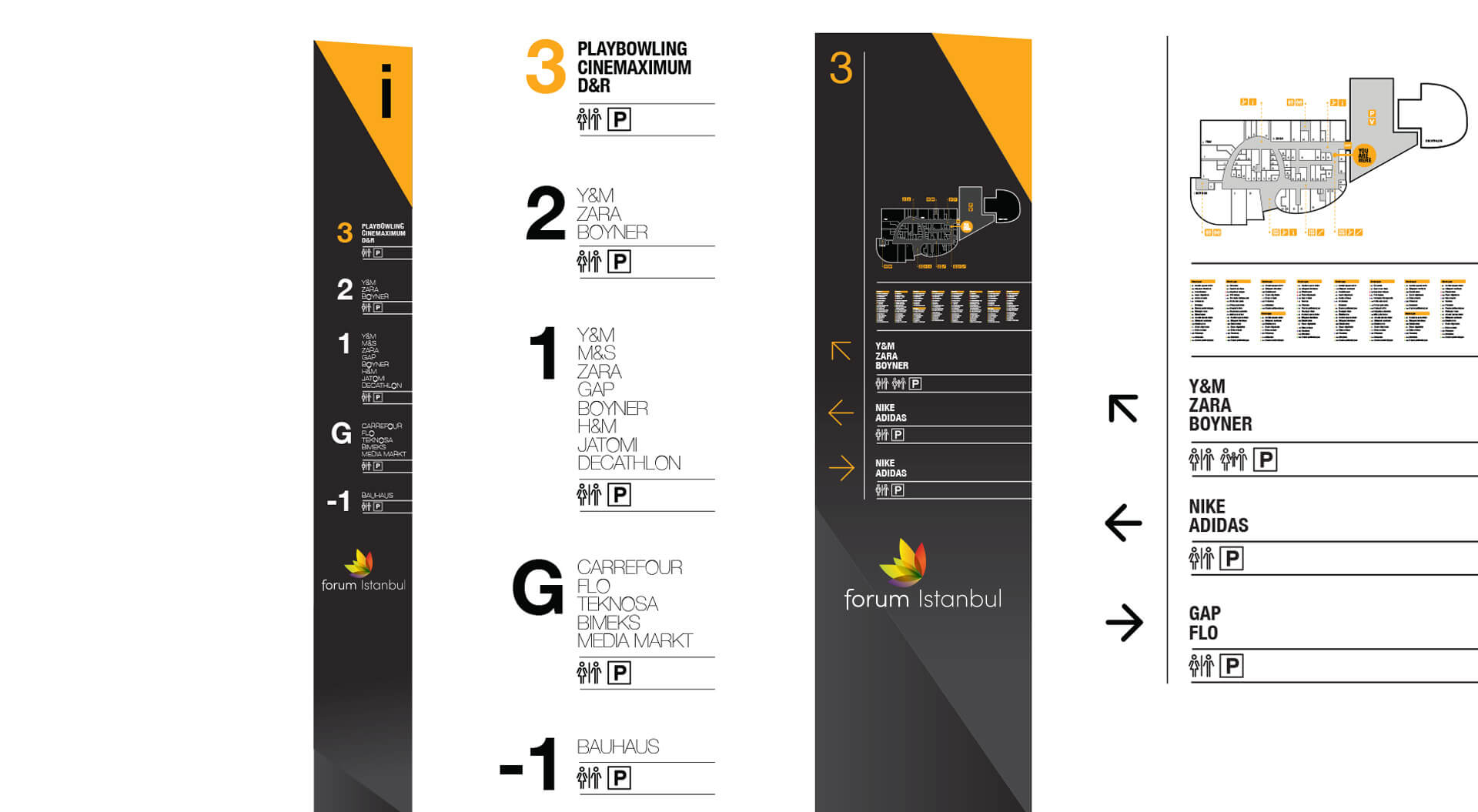
Forum Istanbul Shopping Mall, Istanbul
Forum Istanbul demonstrates how shopping mall branding, architecture and navigation can create a coherent destination experience. The 175,000 m² centre accommodates around 280 national and international brands and approximately 20 million visitors annually. CampbellRigg contributed to a €10 million refurbishment programme encompassing brand identity, façade and entrance branding, interior design, customer navigation, food court and external spaces.
The project demonstrates why shopping mall wayfinding should form part of the wider brand and customer-experience strategy. CampbellRigg connected the visual identity with static and digital navigation, helping visitors orientate themselves and move confidently between retail, food and leisure destinations.
Smart wayfinding is not simply about helping people find their way. It is about designing the customer journey so that every decision point supports orientation, discovery, engagement and the next commercial opportunity.
Better navigation does not automatically increase sales; its value lies in creating the conditions for greater discovery, stronger tenant visibility, more efficient circulation and a more productive customer experience.
The commercial opportunity for shopping mall owners
Shopping mall branding is increasingly becoming an investment in experience, navigation and measurable performance. By 2029, leading shopping centres will be less likely to treat signage as an isolated design discipline. Instead, brand identity, architecture, digital technology, tenant marketing, customer information and navigation will increasingly operate as one connected system.
For owners and developers, the objective is clear: create destinations where visitors feel confident, discover more, spend more time and have compelling reasons to return.
For shopping mall owners considering refurbishment, repositioning or new development, the opportunity is to develop a branded, digital and data-informed navigation strategy that connects every physical and digital touchpoint.
That is how shopping mall branding can evolve from visual identity into a measurable commercial asset, helping lifestyle destinations drive footfall, improve tenant visibility and create stronger customer experiences by 2029.
CampbellRigg's own research into European supermarket design identifies these trends as important components of the next generation of grocery formats.
The commercial opportunity is therefore to connect brand strategy with physical retail performance.
How CampbellRigg Can Help
CampbellRigg provides integrated shopping mall branding, brand strategy, retail design, architecture, interior design, placemaking, signage, wayfinding and digital experience design.
Our approach connects brand positioning with the physical and digital customer journey, helping shopping centre owners and developers create distinctive lifestyle destinations that are commercially effective as well as visually compelling.
Whether the requirement is a new shopping mall brand strategy, destination identity, shopping centre design, wayfinding system, signage programme, customer-experience strategy or integrated retail environment, the objective remains the same:
Build a shopping destination that people recognise, understand, explore, enjoy and choose to revisit.
The future of shopping mall branding is not about making malls look different.
It is about making them more relevant, more engaging and more commercially productive.
For shopping mall owners, developers and asset managers, this integrated approach can help reposition underperforming destinations, clarify brand positioning, strengthen lifestyle experiences, improve navigation, connect physical and digital touchpoints and identify opportunities to make customer journeys more productive. CampbellRigg's focus is not design for its own sake, but commercially effective shopping mall branding and navigation designed to improve customer engagement, tenant visibility, dwell time and long-term asset value.
The shopping mall of 2029 will therefore be defined less by its size than by how intelligently its space, brand and customer journey work together. The opportunity is to transform shopping centres from collections of retail units into distinctive, connected lifestyle destinations where branding, wayfinding, experience and technology work together to drive footfall and commercial performance.